SEAT Ibiza warning lights tell us when the car needs attention, when a safety system is responding and when an everyday function is selected. The symbol is only part of the message. Its colour, whether it flashes and the text on the instrument display help us decide what to do.
This illustrated guide covers the main Ibiza dashboard symbols, including EPC, engine management, oil pressure, coolant, brakes, tyre pressure and diesel preheating. We also explain ordinary status indicators so we can distinguish a selected function from a fault.
Scope: the main references are SEAT’s November 2024 Ibiza handbook and its November 2017 handbook for earlier petrol and diesel equipment. Different generations, markets and trims do not have every feature listed. Images are representative shared Volkswagen Group and standard-symbol artwork, rather than exact reproductions of every Ibiza cluster. Always match the message and procedure to your vehicle’s year, engine and handbook.
Read the message immediately. Serious oil-pressure, cooling, braking and steering warnings require a safe stop. A red belt reminder or applied handbrake has its own specific explanation.
Amber or yellow
Check the condition and arrange attention as instructed. Some lamps identify a disabled system or selected function rather than a defective component.
Green, white or grey
Usually system status, availability or a selected operating function.
Blue
Normally confirms that main-beam headlights are switched on.
Flashing
The meaning is system-specific. Flashing stability control can show normal intervention; a flashing emissions warning can indicate a damaging combustion fault.
During the ignition self-check, several lamps illuminate briefly. Some stay on until the engine starts. We should compare their behaviour with the handbook before diagnosing a fault from a photograph of an ignition-on dashboard. Persistent warnings and lamps that return while driving need attention.
Red warning lights: urgent conditions and safety reminders
Red central warning triangle
Red general warningThe central warning triangle accompanies a high-priority condition. It can appear with another symbol, an audible alert or a written instruction. The triangle does not identify one particular failed part.Stop safely when directed and read the full message. If braking, steering or engine operation is affected, do not continue a normal journey. Once stationary, record the wording so a workshop can assess the actual fault rather than guessing from a general warning icon.
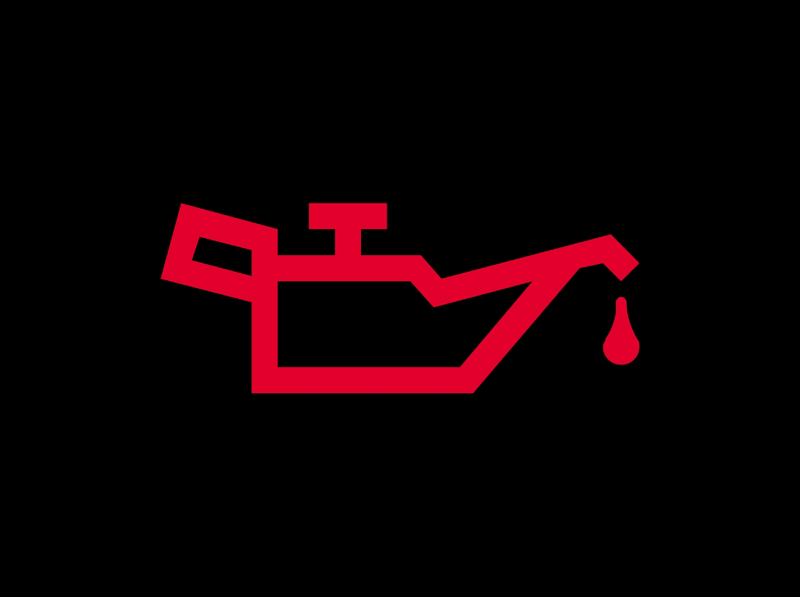
Engine oil pressure warning
Red oil canThe red oil-can warning concerns lubrication pressure. If it remains on with the engine running, stop safely and switch off immediately. Running the engine with inadequate pressure can cause serious damage.Check the oil level using the handbook procedure, but do not confuse level with pressure. A correct dipstick reading does not make a pressure warning safe to ignore. If the warning persists, obtain professional assistance instead of repeatedly restarting the engine or driving to see whether it clears.
Engine coolant warning
Red thermometer/coolant symbolA coolant warning can indicate excessive temperature, low coolant or a cooling-system problem. Read the message and stop safely. An engine that still sounds normal can nevertheless be overheating.Switch off as instructed and allow the system to cool before any permitted inspection. Never open a hot coolant cap or approach escaping steam. If the level is correct but the warning remains, or coolant is leaking, arrange assistance. Continuing after a quick refill without finding the cause can worsen the problem.
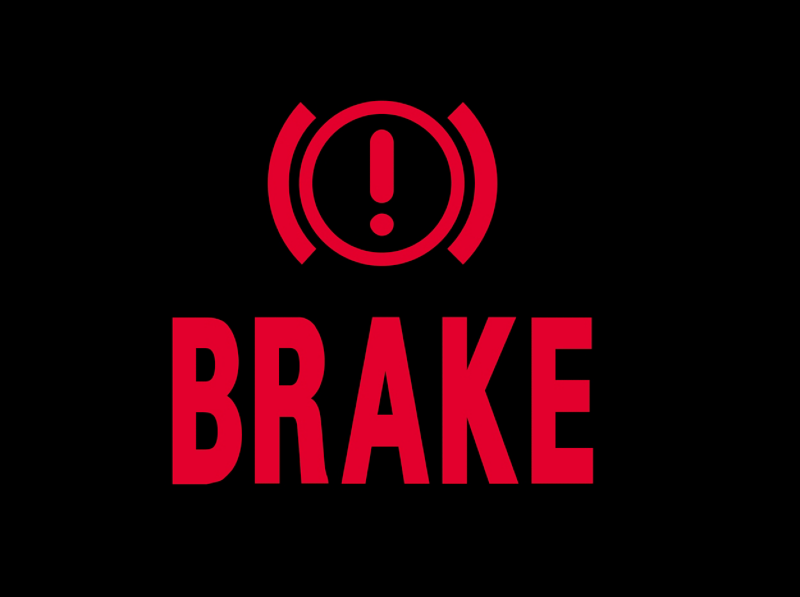
Brake system warning
Red brake symbolA red brake warning may indicate low brake fluid or a braking-system fault. It can also be associated with a handbrake reminder on applicable displays, so check that the handbrake is fully released.If the warning remains, stop safely and assess the message and pedal feel. Low fluid, a leak, excessive pedal travel or reduced stopping power means we should not continue before inspection. Topping up fluid alone does not establish why it became low or prove the brakes are safe.
Handbrake applied reminder
Red — shared brake symbol on applicable versionsAn applied handbrake can keep the brake indicator illuminated. Release it fully before moving and confirm that the lamp goes out. Use the precise symbol and message shown by your Ibiza, since displays vary.If the car feels held back, a hot smell develops or the warning remains after release, stop and investigate. Do not drive against a dragging brake. A shared red brake symbol must not be dismissed as a handbrake reminder until a system fault has been ruled out.
Battery and charging-system warning
Red battery symbolThe battery-shaped warning while driving concerns the electrical charging system. It does not automatically mean that fitting a new battery will solve the problem; the alternator, belt or connections may be involved.Stop safely and follow the display’s instructions. Do not inspect moving belts or continue with a broken drive belt. If electrical power is failing or other critical warnings appear, arrange recovery. A jump-start only helps a starting problem temporarily and does not diagnose the charging system.
Steering warning
Red or amber steering symbol — severity variesA steering warning can indicate reduced assistance or a more serious steering-system fault. The colour and written instruction matter: a red stop warning should not be treated like an ordinary service reminder.Hold the wheel firmly and move to a safe location. If steering is difficult or the display tells us to stop, obtain assistance. Ibiza generations use different steering arrangements, so do not add fluid or replace a pump based on advice for a different model without checking the actual system.
Seat belt reminder
Red belt symbolThe seat-belt warning reminds us to check monitored seating positions. Fasten every occupied seat correctly before setting off, and check whether a passenger has unbuckled during the journey.A heavy bag can sometimes trigger a passenger-seat sensor. Store belongings securely and make sure the buckle is properly latched. If the warning continues with an empty seat or a correctly fastened belt, have it inspected rather than using a dummy buckle to suppress the reminder.
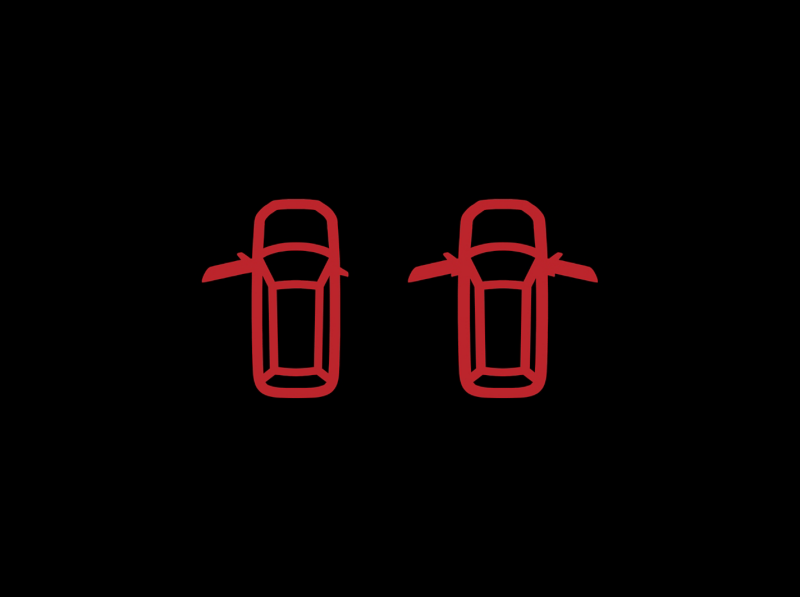
Door or tailgate open warning
Red vehicle/opening graphicThe display can show that a door, bonnet or tailgate is not properly closed. Read the highlighted opening or accompanying text; the illustration here is a representative door-open graphic.Stop before checking closures. Confirm that the affected panel is physically latched and that nothing obstructs it. A persistent warning can involve a latch switch, but do not assume a sensor fault without checking the opening. Never continue with an unsecured bonnet or ask a passenger to close a door while moving.
Engine warning lights: EPC, emissions and filters
EPC warning light
Amber EPC — petrol enginesEPC stands for Electronic Power Control. It identifies a petrol engine-management fault and normally extinguishes after the engine starts. It does not identify a particular throttle component, pedal sensor or ignition part by itself.Arrange diagnosis promptly and avoid demanding acceleration. If power drops markedly or the engine runs badly, stop safely and seek assistance. An EPC warning appearing with the check engine light gives useful diagnostic context, but replacing parts without testing can miss the actual cause.
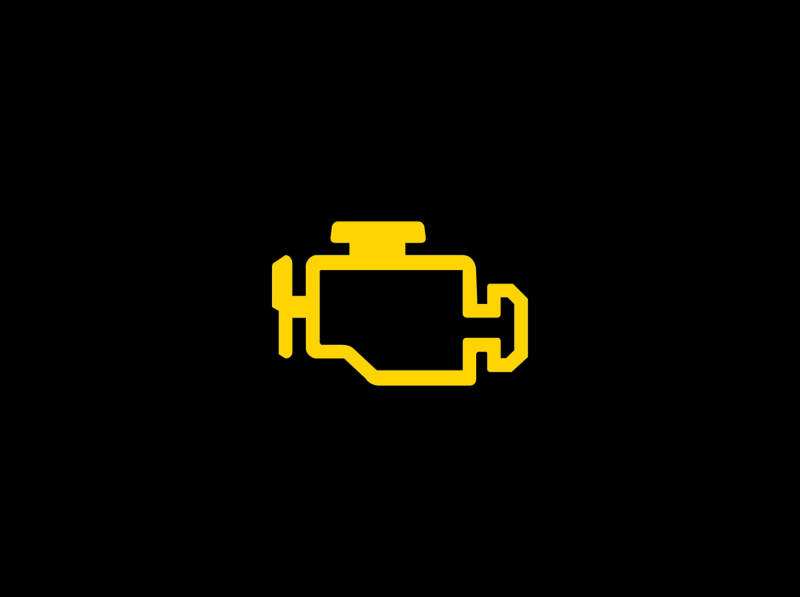
Check engine or emissions warning
Amber engine-shaped symbolA steady emissions warning needs prompt investigation. A flashing lamp can indicate combustion faults capable of damaging the catalytic converter. The symbol should be read alongside engine behaviour and any written message.Reduce speed and engine load. If the engine shakes, smells unusual or cannot maintain safe progress, stop and seek advice. A diagnostic code points toward an area to test; it is not automatically an instruction to replace the component named in a generic code description.
Diesel glow plug and engine-management light
Amber coil — diesel engines onlyThe coil normally indicates preheating before a diesel engine starts. Wait until it goes out as the handbook describes. Brief illumination is part of normal starting, particularly in colder conditions.Flashing or abnormal illumination while driving can indicate an engine-management problem rather than a simple request to wait for preheating. Arrange diagnosis and report any loss of power or starting difficulty. Petrol Ibiza engines do not use this diesel preheat function, and a flashing coil does not prove the glow plugs themselves have failed.
Diesel particulate filter warning
Amber filter symbol — equipped diesel versionsThe DPF collects soot and needs suitable operating conditions to regenerate. Repeated short journeys can prevent effective cleaning. The warning should be interpreted using the handbook for the exact diesel engine.Only attempt a prescribed regeneration drive when the instructions permit it and the car is otherwise operating normally. Follow legal speed limits and traffic conditions. If other engine warnings appear, power is restricted or the light does not clear, arrange inspection rather than repeatedly trying to drive it away.
Petrol particulate filter warning
Amber filter symbol — petrol engines with a particulate filter; representative artworkNewer petrol Ibiza versions can also have a particulate filter. A filter warning is therefore not exclusive to diesel cars. Read the exhaust-system message and confirm the fitted engine before choosing a procedure.Use the petrol-filter regeneration guidance in your own handbook, not a copied diesel instruction. If the warning persists after the permitted procedure, or the engine runs abnormally, have the fault assessed. Clearing the warning does not remove accumulated soot or correct a malfunctioning sensor.
Amber engine oil level warning
Amber oil canThe amber oil warning can ask us to check the oil quantity. This is different from the urgent red pressure warning. Park level, allow the specified settling time and measure using the procedure for your engine.Top up only when needed with oil meeting the required approval, adding controlled amounts rather than a guessed full bottle. Do not overfill. A flashing indication or sensor-fault message needs separate investigation; a monitoring fault does not establish that the actual level is correct.
DSG or automatic gearbox warning
Gearbox symbol/message — automatic versionsA transmission warning can concern overheating, restricted operation or another gearbox fault. The permitted response depends on the actual message; some conditions require stopping rather than continuing in a different gear.Pull over safely when instructed and follow the stated cooling or parking procedure. If the warning persists, drive is lost or gear engagement is abnormal, seek assistance. Do not assume that repeated ignition cycles or manually selecting gears will repair an internal or control-system fault.
ABS, stability control, tyres and restraints
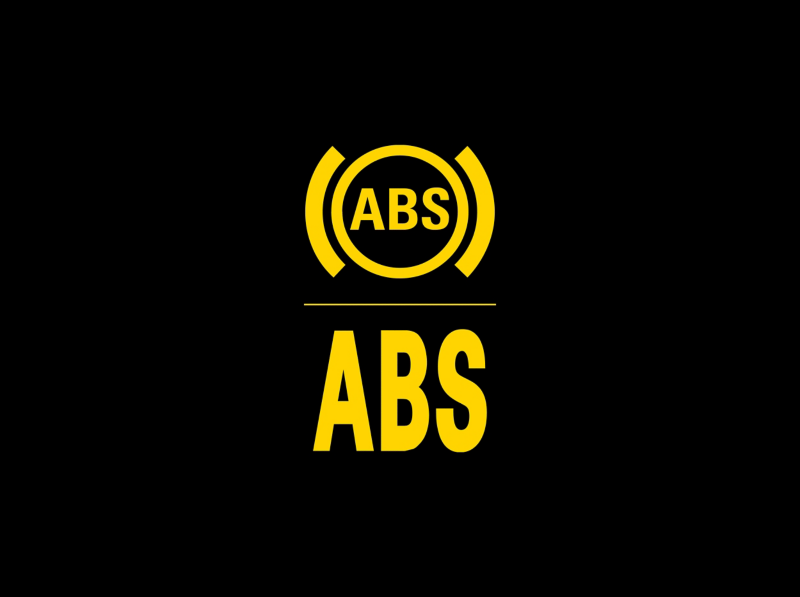
ABS warning light
Amber ABSWith an isolated ABS fault, the basic brakes may still work but anti-lock assistance may be unavailable. Allow more space and avoid harsh braking, particularly on slippery surfaces.Arrange a prompt check. If the red brake warning appears at the same time, or braking performance changes, stop safely and obtain assistance. Do not diagnose an expensive ABS module solely from the light; wheel-speed signals and electrical connections are among the areas a workshop may need to assess.
ESC or ESP stability-control indicator
Amber skidding-car symbolA flashing stability-control symbol usually means the system is intervening to help manage wheel slip or stability. Ease off the accelerator and adjust speed to the available grip. The system cannot compensate for every loss of traction.A steady light can identify a fault or deactivation, depending on the display. Check the setting and message. If it remains unexpectedly, arrange diagnosis, especially when it appears with ABS or other related warnings.
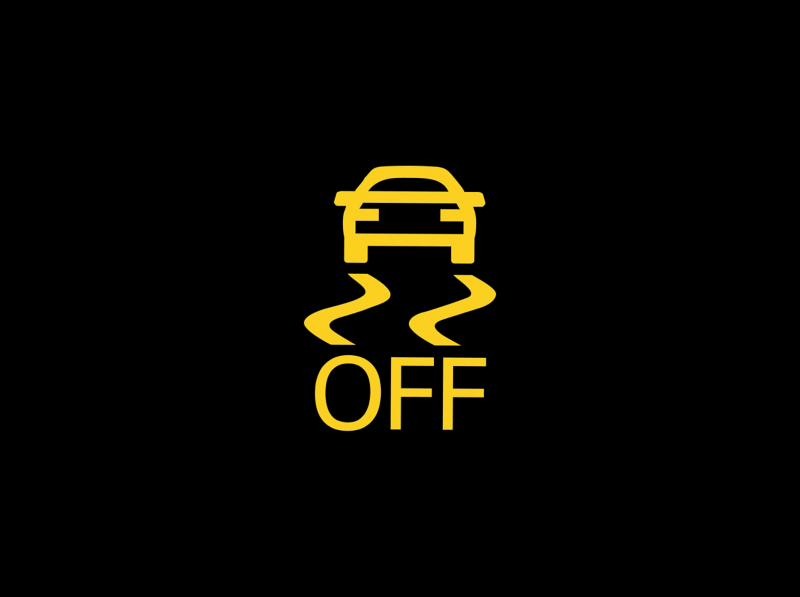
ESC OFF or traction-control OFF indicator
Amber disabled-function indicationThis indicator shows that a stability or traction function has been reduced or switched off on an equipped version. It is different from the normal flashing intervention symbol.For ordinary road driving, restore the usual assistance setting as instructed in the handbook. If the indication appears without a deliberate selection or cannot be cleared, have it checked. Disabling assistance should not be used to hide another fault or compensate for damaged or unsuitable tyres.
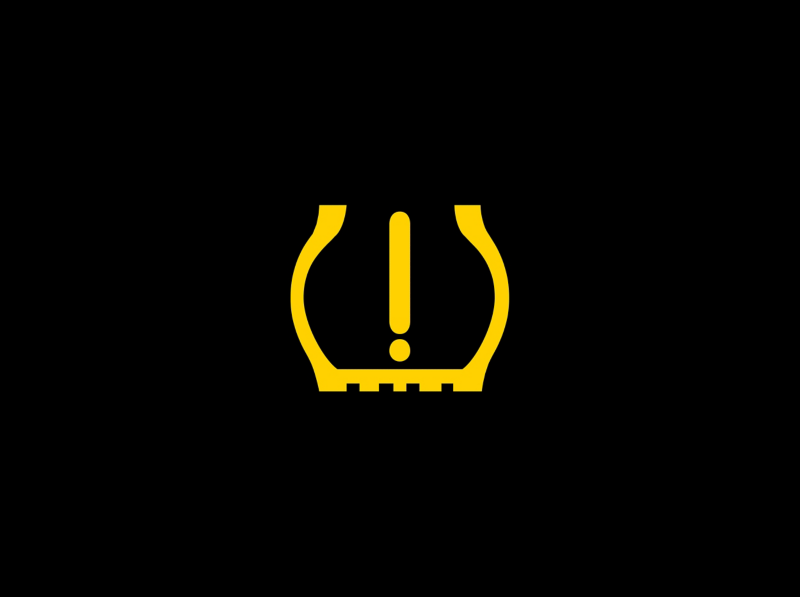
Tyre pressure warning
Amber tyre-shaped symbolStop safely, inspect the tyres and measure pressures against the vehicle’s cold-pressure label. A warning can indicate significant pressure loss or tyre damage, not merely a reminder to press a reset button.Many Ibiza versions use an indirect monitoring system that needs a correct pressure reference. Store or confirm pressures only after checking and adjusting every relevant tyre. A visibly damaged or flat tyre should not be driven on, and a recurring warning needs investigation even if a reset temporarily clears it.
Airbag and belt-pretensioner warning
Amber or red restraint-system warning, depending on versionAn airbag-system warning can indicate that an airbag or seat-belt pretensioner may not operate as intended. Normal engine performance gives us no information about whether the restraint system is healthy.Arrange inspection promptly. Do not probe airbag wiring or install resistors to conceal a warning. An intermittent light after moving a seat still needs investigation if it returns. The main airbag malfunction indicator is separate from a passenger-airbag OFF status lamp.
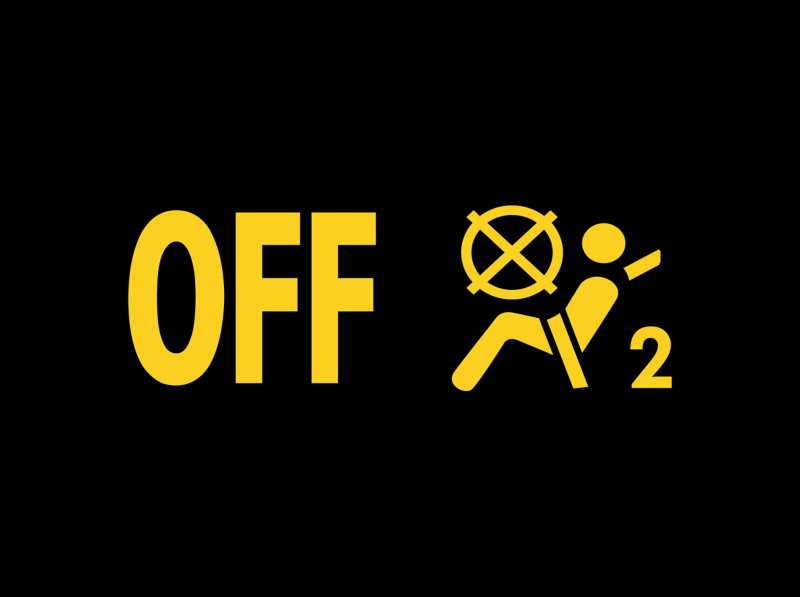
Passenger airbag OFF indicator
Airbag deactivation status — where fittedThis indicator confirms that the front passenger airbag is deactivated on an appropriately equipped car. It can be a normal status rather than a fault, but the setting must match the occupant and restraint arrangement.Never place a rear-facing child seat in front of an active passenger airbag. Follow both the vehicle and child-seat instructions. If the indicated status is unexpected or uncertain, resolve it before using the seating position instead of assuming the airbag has the desired setting.
General alerts, lighting and maintenance reminders
Amber central warning triangle
Amber general attention signalThe amber triangle accompanies information about a condition that needs checking. It may appear with another symbol or written instruction. The triangle does not identify a specific engine, brake or battery component.Read the full message when safely stopped and note any related warnings. Correct a simple condition if the handbook permits, or arrange service as instructed. Dismissing a notification from the screen is not the same as removing the cause that triggered it.
Exterior bulb or lighting warning
Amber bulb/lighting symbolThis warning asks us to check exterior lighting. Some displays identify the affected lamp; others report a broader lighting-system problem. A lamp can also have an intermittent fault even if it works during a quick check.Inspect safely and repair failed lights promptly. Use the correct replacement specification and follow the handbook’s access instructions. Sealed LED modules and electronically controlled lighting may require diagnosis rather than a conventional bulb replacement.
Low washer fluid warning
Amber windscreen-spray symbol — where fittedThe washer warning means the reservoir needs checking and replenishing. Identify the correct filler and use suitable screenwash for the expected conditions. Do not confuse the washer reservoir with a coolant or brake-fluid container.Poor visibility can quickly turn this minor reminder into a driving problem, especially with road spray. Stop if the windscreen cannot be kept clear. A warning that soon returns after filling may indicate a leak, while a full reservoir with a persistent lamp needs a sensor check.
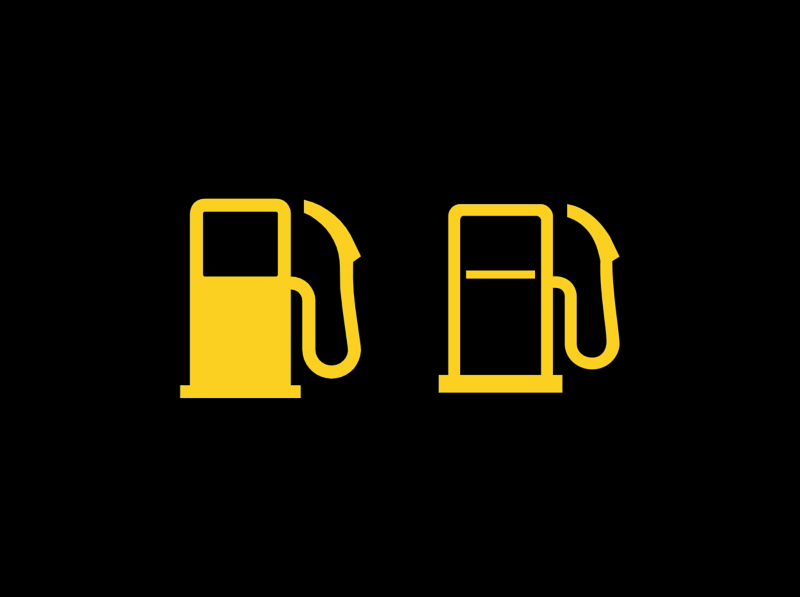
Low fuel warning
Amber fuel-pump symbolRefuel soon when the fuel warning appears. The displayed remaining range is an estimate affected by speed, terrain and driving conditions, not a guaranteed distance we can travel.Do not deliberately run the tank dry, particularly when an engine or particulate-filter warning is present. The reserve quantity varies by version. If the indication remains after refuelling or the gauge behaves erratically, have the level-sensing system checked rather than assuming the tank is still empty.
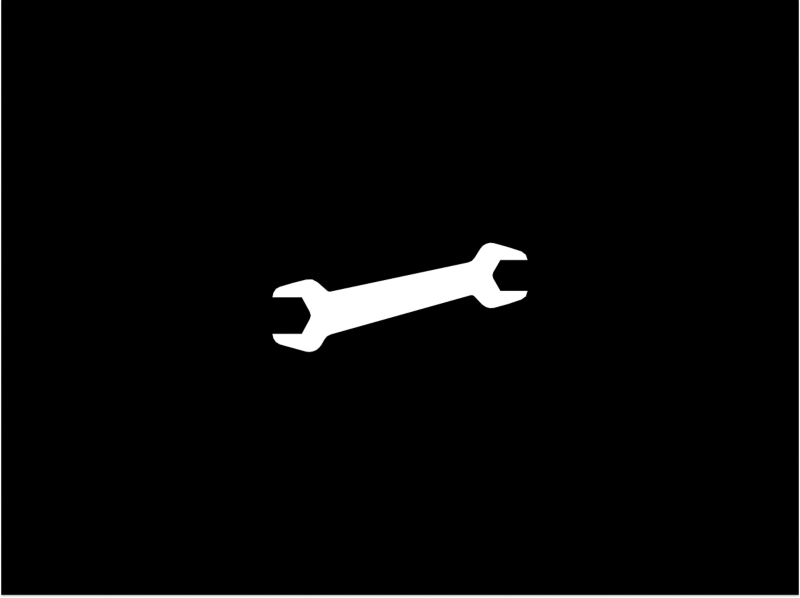
Service reminder: spanner symbol
Maintenance indicationA spanner or service message can indicate that scheduled maintenance is due. It is different from a red oil-pressure warning or an engine-management fault, even though all may lead to workshop attention.Check whether the reminder concerns an oil service, inspection or another scheduled item and arrange the required work. Reset it only after the appropriate service has been completed. Clearing the counter does not replace maintenance or repair another warning already present.
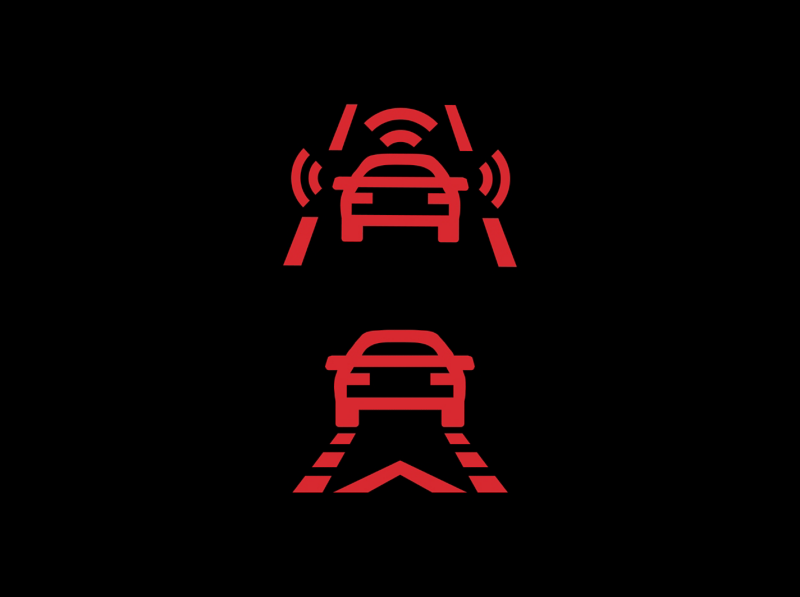
Front Assist collision warning
Collision alert — where fittedA collision warning asks us to respond to traffic or an obstacle ahead. It is an immediate driving alert, not automatically a stored mechanical fault. An unavailable or malfunction message has a different meaning.Observe the road and take appropriate action instead of waiting for automatic braking. If assistance reports a persistent limitation, check accessible sensor areas and follow the handbook. Repeated alerts in apparently clear conditions should be assessed, with details recorded only after parking safely.
Lane Assist indicator
Operating/availability status — where fittedLane Assist uses detected markings to provide assistance within its limits. A selected function may remain unavailable when markings are poor, visibility is limited or the camera cannot obtain a clear view.Keep your hands on the wheel and steer actively. Check the exact colour and message for your cluster rather than applying another car’s colour sequence. A persistent malfunction warning needs investigation, but a temporary standby state is not proof that the camera has failed.
Start-stop available or active indication
Start-stop system status — where fittedThe circular-arrow symbol relates to automatic engine stopping and restarting. A normal automatic stop is not an engine stall, and the engine can restart when operating conditions require it.A crossed-out or unavailable indication may reflect battery condition, temperature or another requirement rather than a fault. Read any explicit malfunction message separately. When parking, switch the vehicle off properly instead of relying on a temporary stop to keep the engine off after you leave.
High beam indicator
Blue headlamp symbolThe blue symbol confirms main-beam operation. It normally shows a lighting selection, not an engine or battery fault. Dip the headlights whenever necessary to avoid dazzling other road users.If the indicator appears unexpectedly, check the stalk and any automatic high-beam setting. We still need to supervise lighting when assistance is fitted. An illuminated dashboard does not by itself tell us which exterior lights are operating, so use the appropriate status indications.
Rear fog light indicator
Amber fog-lamp symbolAn amber rear-fog symbol normally means the bright rear fog lamp is switched on. Its colour does not automatically mean a malfunction. The front-fog symbol, where fitted, has a different orientation and usually a green colour.Use the lamp only when visibility and local rules justify it, then switch it off when conditions improve. Unnecessary rear-fog use can dazzle following drivers and make brake lights less obvious. Check the switch setting before assuming a fault.
Outside-temperature snowflake
Low-temperature reminder — where fittedThe snowflake warns that outside conditions may allow ice to form. It is not normally a coolant or air-conditioning fault. Drive smoothly and allow more space, particularly on bridges and shaded sections.The outside sensor does not measure grip at every wheel. Ice can be present without the symbol, and the symbol does not prove every surface is icy. We should use the warning as a reminder to assess conditions rather than a complete road-safety prediction.
Why the Ibiza’s year and engine matter
The Ibiza has used different instrument clusters, steering systems, engines and assistance features across generations. Older diesel cars have a preheating indicator, while newer petrol versions may have a particulate filter. Optional equipment can also change which messages appear.
Before following a reset or regeneration instruction, identify the exact engine and handbook. A matching icon does not guarantee a matching procedure. The message is especially important for gearbox faults, oil warnings and assistance limitations, where similar-looking symbols can require different actions.
What should we do if several warning lights appear together?
Prioritise safe control and any instruction to stop. Changes in braking, steering, temperature or propulsion are more urgent than identifying every lamp. Once parked safely, photograph the display and note whether the problem began at start-up, during acceleration or after a repair.
Related systems can share signals and electrical power, so several warnings do not necessarily mean several failed components. However, that is not a reason to dismiss them as a weak battery without testing. A useful diagnostic assessment considers the complete set of messages and the modules affected.
Can we reset SEAT Ibiza warning lights ourselves?
Some reminders clear when their cause is corrected, such as fastening a belt or closing a door. Tyre-pressure monitoring may need a reference value stored after pressures are checked. Maintenance counters should be reset only after the scheduled work.
Fault codes are different. Erasing them or disconnecting the battery does not repair a malfunction and may remove valuable diagnostic evidence. Read and record the information, identify the cause and verify the repair before clearing warnings. A light that disappears after a restart can still represent an intermittent problem.
Conclusion
Understanding SEAT Ibiza warning lights means combining the icon, colour, message and engine type. Serious oil-pressure, cooling, braking and steering faults need prompt action. EPC, emissions and particulate-filter warnings need accurate diagnosis or the correct handbook procedure. Recognising normal indicators also helps us avoid unnecessary resets while taking genuine faults seriously.
It indicates a petrol engine-management fault. The lamp does not identify a specific failed part. Arrange diagnosis promptly, avoid demanding acceleration and stop safely if the car runs badly or cannot maintain a safe speed.
2. Can I drive with the red oil light on?
A red oil-pressure warning with the engine running requires a safe stop and engine shutdown. Check the level, but remember that a correct level does not guarantee adequate pressure. Seek assistance if the warning persists.
3. Why is the glow plug light flashing while driving?
On a diesel Ibiza, flashing during driving can indicate an engine-management problem rather than normal preheating. Have it diagnosed and report any power loss or starting difficulty. Do not assume that replacing the glow plugs will automatically fix it.
4. How do I reset the Ibiza tyre-pressure light?
Inspect all tyres and set their cold pressures to the vehicle label first. Then follow the correct pressure-storage or calibration procedure for your year and infotainment system. A reset is not a repair for a puncture or damaged tyre.
5. Is an unavailable start-stop symbol a fault?
Not necessarily. The system needs suitable battery, temperature and operating conditions. Read any accompanying text: a temporary unavailable state differs from an explicit malfunction message, which needs investigation if it persists.
If you want to know other articles similar to Seat Ibiza Warning Lights you can visit the category Service and Parts.
Auto Guide
I show you the best reviews of all car brands, the information we collect and show is verified by our mechanics, we hope that everything you read here is useful to buy the car of your dreams





























More content of your interest