
Subaru XV Tyre Size: Complete Guide to Sizes, Fitment, and Upgrades

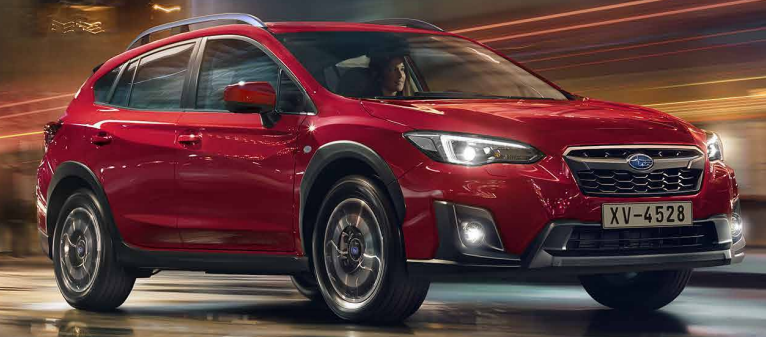
Choosing the correct Subaru XV tyre size sounds simple until we actually start shopping. Then we run into numbers like 225/60R17, 225/55R18, load indexes, speed ratings, rim widths, alternative sizes, all-terrain tyres, and enough technical jargon to make buying four pieces of rubber feel like an engineering exam.
Fortunately, it does not need to be complicated.
Across many Subaru XV models, two of the most common factory tyre sizes are 225/60R17 and 225/55R18. Subaru Australia's XV specifications, for example, list 225/60R17 99H tyres on 17x7J wheels and 225/55R18 98V tyres on 18x7J wheels, depending on the variant.
But that does not mean every Subaru XV ever built uses those tyres.
Tyre specifications can change according to generation, model year, trim, engine, country, and wheel package. That is why we should treat an online tyre-size table as a starting point rather than a substitute for checking the placard on our own car.
In this guide, we'll explain Subaru XV tyre sizes in plain English, look at the difference between 17- and 18-inch setups, explore alternative sizes, discuss off-road tyres, and show how changing tyre dimensions can affect ride quality, handling, fuel economy, speedometer accuracy, and Subaru's AWD system.
Content in this publication
- What Is the Standard Subaru XV Tyre Size?
- How to Read a Subaru XV Tyre Size
- Subaru XV 17-Inch Tyre Size
- Subaru XV 18-Inch Tyre Size
- 225/60R17 vs 225/55R18 on the Subaru XV
- Subaru XV Tyre Size by Generation
- How Do We Find the Exact Tyre Size for Our Subaru XV?
- What Do 98H, 99H, and 98V Mean?
- Can We Fit Wider Tyres to a Subaru XV?
- Can We Fit Taller Tyres to a Subaru XV?
- Subaru XV All-Terrain Tyre Size
- Best Tyre Type for a Subaru XV
- Can We Downsize From 18 Inches to 17 Inches?
- How Tyre Size Affects Subaru XV Fuel Consumption
- How Tyre Size Changes the Speedometer Reading
- Why Matching Tyres Matters on Subaru AWD
- What Tyre Pressure Should a Subaru XV Use?
- Subaru XV Spare Tyre Size
- Common Subaru XV Tyre Size Mistakes
- How to Choose Replacement Tyres for the Subaru XV
- Is 225/60R17 the Best Subaru XV Tyre Size?
- Are 18-Inch Subaru XV Tyres Worth It?
- What Happened to the Subaru XV Name?
- Final Thoughts: Getting Subaru XV Tyre Size Right
- Frequently Asked Questions About Subaru XV Tyre Size
What Is the Standard Subaru XV Tyre Size?
For later-generation Subaru XV models, particularly the generation sold in many markets before the XV name transitioned to Crosstrek, the most widely encountered factory combinations are:
| Wheel size | Common tyre size | Common rim size |
|---|---|---|
| 17-inch | 225/60R17 | 17x7J |
| 18-inch | 225/55R18 | 18x7J |
These are not simply aftermarket recommendations. Subaru Australia's official XV specifications listed both combinations across different versions of the vehicle.
Interestingly, Subaru maintained essentially the same basic dimensions after transitioning the Australian model from XV to Crosstrek. Current Australian Crosstrek specifications continue to list 225/60R17 99H and 225/55R18 98V, paired with 17x7J and 18x7J wheels respectively.
That continuity makes sense. Both sizes produce remarkably similar overall tyre diameters, allowing Subaru to change wheel appearance and sidewall height without dramatically altering gearing or speedometer calibration.
Why Subaru Uses Different Tyre Sizes
Trim level is usually the main reason.
Entry-level or comfort-oriented XV variants commonly receive smaller wheels with taller-profile tyres. Higher-spec versions often get larger alloy wheels and lower-profile rubber.
The 17-inch setup tends to emphasize:
- Ride comfort
- Impact absorption
- Tyre durability
- Rough-road performance
- Lower replacement costs
The 18-inch setup generally delivers:
- Sharper steering response
- More immediate cornering feel
- A sportier appearance
- Less sidewall flex
Neither setup is automatically better.
It's a bit like choosing between hiking boots and running shoes. Both get us down the road, but each emphasizes a slightly different experience.
How to Read a Subaru XV Tyre Size
Suppose our Subaru uses 225/60R17 tyres.
Those numbers are not random.
225: Tyre Width
The first number represents the nominal width of the tyre in millimetres.
So:
225 = approximately 225 mm wide
A wider tyre can potentially provide a larger contact patch, although actual grip depends on far more than width alone. Compound, tread design, temperature, pressure, suspension geometry, and road surface all matter.
60: Aspect Ratio
The second number is the tyre's aspect ratio.
In 225/60R17, the sidewall height is approximately 60% of the tyre's 225 mm nominal width.
That works out to about 135 mm.
A taller sidewall generally gives us more cushioning between the wheel and the road.
R: Radial Construction
The letter R means radial construction.
Nearly all modern passenger-car tyres use radial construction, so this part rarely becomes a purchasing decision.
17: Wheel Diameter
The final number tells us the wheel diameter in inches.
Therefore, a 225/60R17 tyre fits a 17-inch wheel.
We cannot fit a 17-inch tyre onto an 18-inch wheel simply because the width looks right. The final number must match the wheel diameter.
Subaru XV 17-Inch Tyre Size
The familiar 225/60R17 combination is arguably the sweet spot for the XV.
Why?
Because it preserves what many of us actually like about the car.
The Subaru XV is not trying to behave like a low-slung sports coupe. It's a compact crossover designed to handle city streets, wet highways, gravel roads, snow, broken pavement, and the occasional adventurous detour.
A 60-series sidewall complements that personality beautifully.
Advantages of 225/60R17 Tyres
With more rubber between the rim and the pavement, 17-inch tyres can absorb potholes and sharp impacts more effectively.
That often gives us:
- A softer ride
- Better pothole resistance
- More protection for the alloy wheel
- Good performance on gravel
- Plenty of tyre choices
- Potentially cheaper replacement tyres
There's also a visual argument. A little extra sidewall suits the XV's rugged crossover styling rather well.
Are 17-Inch Wheels Better for Off-Road Driving?
Usually, yes—within reason.
When travelling on corrugated tracks or rough trails, additional sidewall gives the tyre more room to flex. That can improve comfort and reduce the chance of wheel damage from a sharp rock or pothole.
Serious off-road drivers often prefer smaller wheels and taller tyres for exactly this reason.
But remember: wheel diameter is only part of the equation. Tread construction and tyre type matter just as much.
Subaru XV 18-Inch Tyre Size
The other popular factory configuration is 225/55R18.
Here, Subaru uses a larger wheel but reduces the tyre profile to keep the overall rolling diameter close to the 17-inch package.
Subaru's Australian XV specifications list 225/55R18 98V tyres alongside 18x7J rims for applicable models.
Advantages of 225/55R18 Tyres
An 18-inch package typically creates a more planted, road-oriented character.
We may notice:
- Crisper steering response
- Slightly less sidewall movement
- Attractive wheel proportions
- More premium styling
- Responsive behaviour on smooth tarmac
For owners who spend almost all their time on paved roads, that can be appealing.
The Trade-Off of 18-Inch Wheels
There is no free lunch.
Less sidewall means less cushioning.
Deep potholes can feel harsher, wheel damage may become more likely on terrible roads, and equivalent premium tyres can sometimes cost more than their 17-inch counterparts.
If our daily commute resembles the surface of the moon, the smaller-wheel setup begins to look very attractive indeed.
225/60R17 vs 225/55R18 on the Subaru XV
These two sizes look different on paper but are cleverly matched.
The approximate dimensions are:
| Specification | 225/60R17 | 225/55R18 |
|---|---|---|
| Width | 225 mm | 225 mm |
| Sidewall | 135 mm | 123.8 mm |
| Wheel | 17 in | 18 in |
| Overall diameter | ~701.8 mm | ~704.7 mm |
| Character | Comfort/rugged | Road/sporty |
The difference in overall diameter is tiny.
That's deliberate.
It means Subaru can offer different wheel designs without substantially altering the vehicle's effective gearing, ride height, wheel speed, or speedometer behaviour.
Which Subaru XV Tyre Size Should We Choose?
If choosing between factory-compatible wheel packages, we'd lean toward 17-inch wheels for comfort and adventure and 18-inch wheels for appearance and sharper road manners.
Neither turns the XV into a completely different vehicle.
Think seasoning rather than a new recipe.
Subaru XV Tyre Size by Generation
This is where we need to be careful.
The XV has been sold in numerous countries and configurations, and not all vehicles share identical wheels.
First-Generation Subaru XV Tyre Sizes
Earlier XV models can use different tyre specifications from later cars. Depending on market and specification, owners may encounter 16-, 17-, or other wheel configurations.
Because of these regional variations, we shouldn't buy tyres for an early XV based solely on a generic online chart.
Second-Generation Subaru XV Tyre Sizes
Later XV models commonly use the 17- and 18-inch combinations discussed above.
For example, official Subaru Australian documentation identifies:
225/60R17 99H
and
225/55R18 98V
as factory configurations.
The same broad pattern is visible in the U.S.-market Crosstrek. Subaru's 2022 specifications listed 225/60R17 tyres for several trims and 225/55R18 tyres for the Limited.
This doesn't mean XV and Crosstrek specifications should automatically be treated as interchangeable everywhere, but it illustrates how central these two tyre dimensions have become to this Subaru platform.
How Do We Find the Exact Tyre Size for Our Subaru XV?
Before ordering anything, let's verify the actual vehicle.
There are several reliable places to look.
Check the Existing Tyre Sidewall
Look at the sidewall of one of the fitted tyres.
We'll see something similar to:
225/60R17 99H
That gives us the current dimensions, load index, and speed rating.
However, there is one catch.
A previous owner may have installed a non-standard size.
So the tyre itself isn't always the final authority.
Check the Tyre Placard
The tyre information placard is much more useful.
Depending on the market and vehicle, it is commonly located around the driver's door opening or door jamb.
It may show:
- Original tyre dimensions
- Front tyre pressure
- Rear tyre pressure
- Spare tyre information
- Load information
This is one of the best sources for the exact car sitting in our driveway.
Check the Owner's Manual
The owner's documentation can provide further tyre and wheel information.
For an older used XV, this is particularly valuable because specifications found online often mix generations or markets.
Use the VIN When in Doubt
If the vehicle has aftermarket wheels or conflicting information, a Subaru dealer or qualified tyre specialist may be able to identify the original configuration using the VIN.
That's safer than playing tyre-size roulette.
What Do 98H, 99H, and 98V Mean?
The numbers after the tyre size matter too.
For example:
225/60R17 99H
Here, 99 is the load index and H is the speed rating.
Likewise, the Australian XV specifications referenced above pair 225/55R18 tyres with a 98V rating on applicable variants.
Understanding Load Index
The load index indicates how much weight a tyre is designed to support at its rated conditions.
We should avoid installing tyres with an inadequate load rating simply because the dimensions fit.
Understanding Speed Rating
The final letter corresponds to a standardized tyre speed category.
This doesn't mean we should drive anywhere near the tyre's maximum rated speed. Rather, it reflects the tyre's tested capability under specified conditions.
When replacing tyres, choose specifications that meet applicable manufacturer recommendations and local regulations.
Can We Fit Wider Tyres to a Subaru XV?
Technically, alternative widths may be possible with appropriate wheels and clearances.
But "it bolts on" and "it works properly" are two very different things.
A wider tyre can affect:
- Steering weight
- Fuel consumption
- Wet-weather behaviour
- Aquaplaning resistance
- Wheel-arch clearance
- Suspension clearance
- Road noise
- Speedometer accuracy
Wider is not automatically better.
Why Wider Tyres Can Backfire
A chunky set of tyres may look fantastic in a parking lot, yet excessive width can create rubbing at full steering lock or under suspension compression.
It can also increase rolling resistance.
So before fitting a significantly wider size, we should verify wheel offset, rim width, suspension clearance, full-lock clearance, load rating, and total tyre diameter.
Can We Fit Taller Tyres to a Subaru XV?
A taller tyre is popular among owners wanting a little more ruggedness.
Increasing overall tyre diameter can potentially increase ground clearance slightly.
Sounds perfect, right?
Not necessarily.
A larger diameter also changes the effective gearing and can influence:
- Acceleration
- Speedometer readings
- Odometer readings
- Clearance
- Fuel economy
- ABS operation
- Stability-control calibration
- Spare-tyre compatibility
Moderate changes are one thing. Huge jumps are another.
Keep Overall Diameter Close to Stock
For a road-going vehicle, the sensible strategy is normally to remain close to the original rolling diameter unless a knowledgeable specialist has confirmed a different setup.
The closer we remain, the fewer unintended consequences we usually create.
Subaru XV All-Terrain Tyre Size
The XV practically invites all-terrain tyres.
It sits higher than an ordinary hatchback, has Subaru's AWD hardware, and seems happiest when the pavement begins to disappear behind us.
But tyre selection should still match how we actually drive.
Who Should Consider All-Terrain Tyres?
All-terrain rubber makes sense when we regularly tackle:
- Gravel roads
- Forestry tracks
- Camping access roads
- Muddy surfaces
- Rocky trails
- Rural roads
A mild all-terrain tyre can improve puncture resistance and loose-surface traction while remaining tolerable on asphalt.
What Are the Downsides?
Aggressive tread patterns can bring:
- More road noise
- Greater rolling resistance
- Increased fuel consumption
- Heavier steering feel
- Different wet-road behaviour
- Additional unsprung weight
If the wildest terrain our XV sees is the supermarket kerb, a highway-oriented tyre probably makes more sense.
Best Tyre Type for a Subaru XV
There is no universal "best Subaru XV tyre."
The right choice depends on where we live and how we use the vehicle.
Touring Tyres
Touring tyres suit everyday drivers who value refinement.
They typically emphasize comfort, quietness, tread life, and predictable road manners.
For commuting and family travel, they're hard to argue against.
All-Season Tyres
All-season tyres aim to balance year-round conditions.
They're common in markets with moderate seasonal changes and can be a practical one-tyre solution.
Winter Tyres
Where winters bring prolonged snow and freezing temperatures, dedicated winter tyres can dramatically improve cold-weather performance.
The rubber compounds and tread designs are engineered for conditions where normal tyres begin to lose effectiveness.
All-Terrain Tyres
For adventure-focused XV owners, an all-terrain pattern adds toughness and loose-surface capability.
Just don't expect an aggressive AT tyre to be as quiet as a comfort-oriented touring tyre. Physics still sends us the bill.
Can We Downsize From 18 Inches to 17 Inches?
Many XV owners wonder whether they can swap an 18-inch setup for 17-inch wheels.
Because Subaru itself uses both 225/55R18 and 225/60R17 configurations on relevant XV variants, there is a logical basis for considering such a conversion.
But we still need to confirm compatibility with the exact model.
Benefits of Downsizing
Moving to the appropriate 17-inch package may provide:
- More tyre sidewall
- Better ride comfort
- Greater wheel protection
- More off-road suitability
- Potentially lower tyre prices
This can be particularly attractive for drivers living around potholes, unsealed roads, or harsh winter conditions.
Check Brake Clearance First
Don't assume every smaller wheel clears every brake package.
Wheel diameter, barrel shape, width, offset, and brake clearance all matter.
Use a known compatible wheel specification rather than simply buying anything with the right bolt pattern.
How Tyre Size Affects Subaru XV Fuel Consumption
Changing tyres can influence fuel consumption more than we might expect.
A larger or heavier tyre requires more energy to accelerate. A wider tyre may create greater rolling resistance and aerodynamic drag.
Aggressive all-terrain tread can also increase resistance.
Factory-sized, road-focused tyres usually give us the most predictable efficiency.
Does a Bigger Wheel Always Use More Fuel?
Not necessarily.
Wheel diameter by itself doesn't tell the whole story.
Total wheel-and-tyre mass, compound, tread, width, tyre pressure, and rolling resistance all matter.
A lightweight 18-inch wheel could theoretically outperform a very heavy 17-inch setup.
So don't judge the book solely by the size stamped on its cover.
How Tyre Size Changes the Speedometer Reading
Your XV estimates vehicle speed based partly on wheel rotation.
If we dramatically increase tyre circumference, the tyre travels farther with every revolution.
That can cause the indicated speed and actual road speed to diverge.
Go smaller and the opposite happens.
Why Matching Diameter Matters
This is another reason the 225/60R17 and 225/55R18 factory sizes work so well together.
Despite the one-inch difference in wheel size, their approximate outside diameters are extremely close.
That's intelligent tyre sizing.
The wheel changes; the effective rolling package barely does.
Why Matching Tyres Matters on Subaru AWD
This deserves special attention.
An AWD system depends on all four wheels behaving consistently.
That means we shouldn't casually mix substantially different tyre sizes or rolling diameters between axles.
Ideally, all four tyres should be compatible in:
- Size
- Construction
- Load capability
- Tread type
- Overall diameter
- Wear level
Follow Subaru's recommendations and the guidance in the owner's manual when replacing tyres.
Can We Replace Just One Subaru XV Tyre?
Sometimes tyre damage arrives at the worst possible moment.
If one tyre is destroyed while the other three are heavily worn, installing a brand-new tyre can create a meaningful tread-depth and circumference difference.
Whether one tyre can safely be replaced depends on the vehicle specification, remaining tread depths, and manufacturer limits.
For an AWD Subaru, this is not something we'd improvise.
Have the remaining tyres measured by a qualified tyre shop and follow Subaru's requirements.
What Tyre Pressure Should a Subaru XV Use?
Tyre size and tyre pressure are separate specifications.
We should not assume every 225/60R17 tyre needs the same pressure merely because the dimensions match.
Correct pressure depends on the vehicle configuration and manufacturer guidance.
Use the tyre-pressure placard fitted to the vehicle as the primary reference.
Don't Use the Maximum Sidewall Pressure
The maximum pressure printed on a tyre sidewall is not automatically the recommended inflation pressure for the car.
That's a common mistake.
The vehicle manufacturer determines the recommended operating pressure based on factors such as weight distribution, handling, ride quality, tyre characteristics, and load.
Subaru XV Spare Tyre Size
Spare-wheel arrangements vary by specification and market.
Some XVs use temporary spare wheels, while others may come with a puncture-repair arrangement.
For example, Subaru Australia's XV specifications indicate temporary-wheel arrangements on certain versions while another listed configuration uses a puncture repair kit.
So we shouldn't assume every XV has the same spare.
Can We Drive Normally on a Temporary Spare?
No.
A temporary spare is an emergency measure, not a permanent fifth tyre.
Follow the speed and distance restrictions printed on the spare and specified in the owner's documentation.
Get the normal wheel repaired or replaced as soon as practical.
Common Subaru XV Tyre Size Mistakes
Tyres are easy to buy incorrectly because shoppers often focus on just one number.
Let's avoid the usual traps.
- Matching only the wheel diameter. A tyre being 17 inches doesn't make it correct for every 17-inch XV wheel.
- Ignoring the load index. Physical fitment isn't the only requirement.
- Changing diameter dramatically. This can alter clearance, gearing, and speed readings.
- Mixing significantly different tyres on an AWD vehicle. Consistency across all four corners matters.
- Choosing looks over function. Huge wheels and thin tyres may photograph nicely but can undermine the XV's everyday versatility.
- Assuming every model year is identical. Subaru specifications can vary by country, year, and trim.
- Using internet databases without checking the car. The door placard and vehicle documentation should win any argument.
How to Choose Replacement Tyres for the Subaru XV
Shopping becomes much simpler when we work systematically.
Start by confirming the factory size on the vehicle.
Then think about our actual driving.
If 95% of our mileage happens on highways, buying ultra-aggressive off-road tyres probably doesn't make sense.
If we constantly drive rough country tracks, choosing the quietest low-rolling-resistance road tyre might be equally misguided.
A Simple Subaru XV Tyre Buying Checklist
Before ordering, verify:
- Factory tyre size
- Wheel diameter
- Wheel width
- Required load index
- Appropriate speed rating
- Tyre type
- Seasonal needs
- AWD compatibility
- Local legal requirements
- Remaining tread depth on other tyres
Then compare models by braking ability, wet grip, noise, longevity, comfort, efficiency, and price.
Price matters—but tyres are where the entire car meets the road.
That's a pretty important four patches of rubber.
Is 225/60R17 the Best Subaru XV Tyre Size?
For many later XV variants equipped for it from the factory, 225/60R17 is an excellent all-round specification.
It offers enough sidewall for comfort and rough roads without feeling excessively soft, and its 225 mm nominal width provides a sensible footprint for a compact AWD crossover.
But "best" still depends on the exact vehicle.
If your XV came with 18-inch wheels, 225/55R18 may be the appropriate standard fitment.
Our goal shouldn't be to identify one magical size for every XV.
It should be to identify the correct size for our XV and our driving needs.
Are 18-Inch Subaru XV Tyres Worth It?
If we prioritize design and road response, certainly.
The 225/55R18 setup keeps enough sidewall to remain practical while giving the car a slightly more premium, road-focused stance.
But drivers who routinely encounter poor roads may find 17-inch wheels more forgiving.
It's a classic compromise:
17-inch: more cushion.
18-inch: more visual punch and slightly sharper response.
Both can make sense.
What Happened to the Subaru XV Name?
Depending on market, many readers searching for Subaru XV tyre sizes will now encounter the Subaru Crosstrek.
That isn't surprising.
The XV and Crosstrek names have been used for closely related versions of Subaru's compact crossover, and Subaru Australia now markets the vehicle as Crosstrek rather than XV.
The connection is especially useful when discussing tyres because current Australian Crosstrek documentation still lists the familiar 225/60R17 and 225/55R18 tyre dimensions on relevant versions.
Across the Atlantic, Subaru's U.S. Crosstrek specifications likewise use those same basic sizes on different trims.
That said, don't assume every modern Crosstrek specification automatically applies to an older XV. Always confirm the individual vehicle.
Final Thoughts: Getting Subaru XV Tyre Size Right
The Subaru XV tyre size question has a wonderfully simple answer wrapped inside a slightly complicated one.
For many later Subaru XV models, the two sizes we're most likely to encounter are 225/60R17 and 225/55R18. Subaru's own documentation confirms both combinations on relevant variants.
The 17-inch setup gives the XV a bit more cushion and suits its adventurous character beautifully. The 18-inch package sacrifices some sidewall for sharper looks and road response.
But the golden rule is straightforward: verify the tyre placard, model year, trim, wheel specification, load rating, and owner's documentation before buying.
If we want to change sizes, let's think beyond appearance. Overall diameter, clearance, wheel width, load capacity, AWD behaviour, fuel economy, ride quality, and speedometer accuracy all belong in the conversation.
Get those details right and the XV remains what it was designed to be—a compact crossover equally comfortable tackling Monday-morning traffic and that tempting gravel road disappearing over the horizon.
Frequently Asked Questions About Subaru XV Tyre Size
1. What size tyres does a Subaru XV use?
Many later Subaru XV variants use 225/60R17 tyres on 17-inch wheels or 225/55R18 tyres on 18-inch wheels. Exact specifications depend on the model year, trim, and market, so always confirm the tyre placard on the individual vehicle.
2. Can I put 17-inch wheels on a Subaru XV with 18-inch wheels?
A 17-inch conversion may be possible on compatible XV variants, particularly because Subaru offered factory 17- and 18-inch packages on the model. However, wheel width, offset, brake clearance, load rating, and tyre diameter must all be checked before changing wheels.
3. What is the difference between 225/60R17 and 225/55R18 on a Subaru XV?
Both tyres have a nominal width of 225 mm, but the 225/60R17 uses a smaller 17-inch wheel and taller sidewall. The 225/55R18 uses an 18-inch wheel and slightly shorter sidewall. Their overall diameters are very similar, but the 17-inch tyre generally emphasizes comfort while the 18-inch setup offers a firmer, more responsive feel.
4. Can I install bigger tyres on my Subaru XV?
Potentially, but bigger tyres can change clearance, speedometer accuracy, gearing, fuel economy, handling, and AWD behaviour. Before deviating from the factory dimensions, confirm the proposed setup with a competent tyre specialist and ensure it complies with local regulations.
5. Are all-terrain tyres good for the Subaru XV?
They can be an excellent choice for drivers who regularly travel on gravel roads, trails, mud, or rough terrain. For predominantly highway use, however, touring or road-focused tyres are often quieter, smoother, and more fuel-efficient.
If you want to know other articles similar to Subaru XV Tyre Size: Complete Guide to Sizes, Fitment, and Upgrades you can visit the category Service and Parts.
Volvo S90 Engine Oil: Type, Capacity & Change Guide
Volvo S90 Boot Space: Size, Capacity and Practicality
SEO Title: Volvo S90 Oil Capacity: Complete Guide by Engine

Kia Sorento Oil Type: Complete Guide by Year & Engine
Kia Sorento Engine Capacity: Complete Guide by Year
Peugeot 308 Clutch Replacement Cost: Complete UK Guide for 2026
Leave a Reply
More content of your interest