

Vauxhall Antara DPF Light: Meaning, Causes, and Fixes

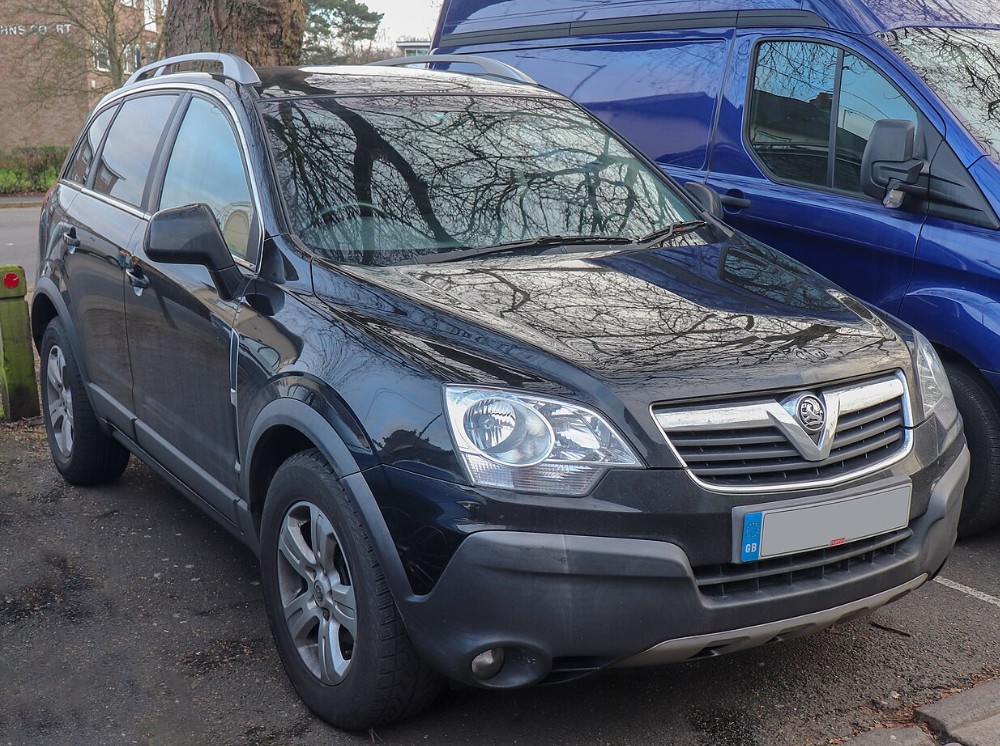
Seeing the Vauxhall Antara DPF light appear on the dashboard can instantly make us wonder whether an expensive repair bill is heading our way. One moment the SUV seems perfectly normal; the next, an amber exhaust-filter symbol is staring back at us like a small warning beacon.
The good news? A DPF warning does not automatically mean the diesel particulate filter is ruined. In many cases, it simply means the filter has collected too much soot and needs the right driving conditions to clean itself. Act early, and a steady motorway run may solve the problem. Ignore it repeatedly, however, and a relatively manageable warning can snowball into reduced engine power, diagnostic faults, professional cleaning, or filter replacement.
The official Vauxhall Antara handbook states that the diesel particle filter warning illuminates, accompanied by a warning chime, when the filter is full. It also explains that cleaning should begin as soon as possible and that interrupted cleaning cycles can create a risk of serious engine damage.
So, what should we do when the light appears? Let us work through the warning, regeneration process, likely causes, symptoms, costs, and preventive habits without turning the subject into mechanical alphabet soup.
Content in this publication
- What Does the Vauxhall Antara DPF Light Mean?
- Why Does the Antara Have a Diesel Particulate Filter?
- How DPF Regeneration Works
- Most Common Causes of the Vauxhall Antara DPF Light
- 1. Frequent Short Journeys
- 2. Low-Speed Urban Driving
- 3. Interrupted Regeneration Cycles
- 4. Faulty DPF Differential-Pressure Sensor
- 5. Exhaust-Gas Temperature Sensor Fault
- 6. Thermostat or Coolant-Temperature Problem
- 7. Glow-Plug or Glow-Plug Module Faults
- 8. EGR Valve Problems
- 9. Intake or Boost Leaks
- 10. Injector or Turbocharger Problems
- 11. Incorrect Engine Oil
- 12. Natural Ash Accumulation
- Can We Drive With the Vauxhall Antara DPF Light On?
- How to Clear the Vauxhall Antara DPF Light
- Will Revving the Antara While Parked Clear the DPF?
- Does the DPF Light Reset Automatically?
- What if the DPF Light Is Flashing?
- DPF Light and Limp Mode
- Common Vauxhall Antara DPF Fault Codes
- Professional DPF Cleaning Versus Replacement
- How Much Does an Antara DPF Problem Cost?
- How to Prevent the DPF Light Returning
- Mistakes to Avoid When the DPF Light Appears
- A Practical Vauxhall Antara DPF Checklist
- When Should We Call a Mechanic Immediately?
- Final Thoughts on the Vauxhall Antara DPF Light
- Frequently Asked Questions
What Does the Vauxhall Antara DPF Light Mean?
The DPF light means the engine management system has detected that the diesel particulate filter is filling with soot or is struggling to complete its normal cleaning cycle.
A diesel particulate filter sits within the exhaust system. Its job is to capture microscopic soot particles produced during diesel combustion rather than allowing them to leave through the exhaust pipe. Over time, that soot accumulates and must be burned away through a process called regeneration.
Under suitable driving conditions, the Antara normally handles this process automatically. The engine increases exhaust temperature, the trapped soot burns, and the filter becomes less restricted. Most drivers never notice anything beyond a temporary change in engine behaviour.
Problems arise when regeneration is repeatedly interrupted or cannot begin. When the calculated soot loading becomes too high, the dashboard light appears and asks us to take action.
What the DPF Symbol Usually Looks Like
The warning commonly resembles a rectangular exhaust box filled with dots, sometimes with small exhaust lines extending from one side.
It is usually amber or yellow rather than red. Amber generally means attention is required soon, not that we must immediately abandon the vehicle in the middle of the road.
However, the situation becomes more serious when the DPF light:
- Flashes continuously
- Remains on after a proper regeneration drive
- Appears with the engine-management light
- Appears with reduced-power or limp-mode symptoms
- Is accompanied by unusual smoke, smells, or overheating
- Returns shortly after being cleared
At that stage, we may no longer be dealing with ordinary soot accumulation alone.
Why Does the Antara Have a Diesel Particulate Filter?
Diesel engines are efficient and capable of producing strong low-speed torque, which suits a substantial SUV such as the Antara. Their combustion process also creates soot.
The DPF traps much of that material before it reaches the atmosphere. Think of the filter as an extremely fine heat-resistant net fitted inside the exhaust. It catches soot effectively, but every net eventually needs cleaning.
Unlike a disposable air filter, the DPF does not normally get replaced whenever it fills with soot. Instead, the engine burns the soot at a high temperature. This is why exhaust heat, journey duration, engine condition, and driving style all influence DPF health.
How DPF Regeneration Works
Regeneration is simply the controlled burning of accumulated soot. It may happen passively, actively, or through a workshop procedure.
Passive Regeneration
Passive regeneration occurs naturally when exhaust temperatures stay high enough for long enough. This is most likely during sustained driving on a motorway or fast A-road.
The driver does not press a button or select a special setting. The combination of road speed, engine load, and exhaust heat gradually burns soot from the filter.
An Antara regularly driven on longer journeys may perform passive regeneration without the owner noticing anything.
Active Regeneration
Active regeneration occurs when the engine control unit determines that additional heat is needed.
The vehicle alters its operating strategy to raise exhaust temperature. Depending on the engine and system, we may notice:
- Slightly higher idle speed
- Increased instantaneous fuel consumption
- A hotter smell from underneath the vehicle
- Cooling fans running
- A temporary change in engine note
- Stop-start functions becoming unavailable, where fitted
- Heat radiating from the exhaust area
These signs are not necessarily faults. They may indicate that the Antara is actively cleaning its DPF.
Why Active Regeneration Gets Interrupted
Active regeneration needs time. If we switch off the engine after a short school run, shopping trip, or urban commute, the process may stop before completion.
One interruption is not usually catastrophic. Repeated interruption is the real problem. The vehicle keeps trying, soot continues accumulating, and eventually the DPF light appears.
Forced Regeneration
Forced regeneration is a workshop procedure initiated through diagnostic equipment. A technician checks the filter-loading data, verifies that the engine is safe to regenerate, and commands the control unit to raise exhaust temperature.
This process is not the same as clearing a fault code. Clearing the dashboard warning without reducing the actual soot load is like turning off a smoke alarm while leaving smoke in the room.
A forced regeneration can help when ordinary driving regeneration is no longer permitted, but it is not appropriate in every situation. An excessively restricted, damaged, oil-contaminated, or ash-filled filter may require removal, specialist cleaning, or replacement instead.
Most Common Causes of the Vauxhall Antara DPF Light
Although soot accumulation triggers the warning, the deeper question is why the soot was allowed to build up.
1. Frequent Short Journeys
Short journeys are the classic DPF enemy.
The engine may reach an acceptable coolant temperature while the exhaust still remains too cool for effective regeneration. A five-mile trip can feel long enough to us, yet still be insufficient for the DPF.
Repeated cold starts, slow traffic, and early shutdowns create the perfect recipe for incomplete regeneration.
2. Low-Speed Urban Driving
A diesel SUV driven mainly through city traffic may spend much of its life idling, crawling, and accelerating gently.
None of those conditions produces sustained exhaust heat. The filter continues collecting soot, but opportunities to burn it away become scarce.
It is rather like constantly filling a fireplace with ash while never allowing enough heat to clean the grate.
3. Interrupted Regeneration Cycles
We may unknowingly switch off the engine while regeneration is underway.
Warning signs can include a higher idle, cooling fans, a hot smell, or temporarily poor fuel economy. When safe and practical, continuing to drive for a little longer can allow the process to finish.
We should never leave an unattended vehicle running merely to complete regeneration, and we should not park over dry grass or other combustible material because the exhaust can become extremely hot.
4. Faulty DPF Differential-Pressure Sensor
The engine control unit estimates DPF restriction partly by measuring pressure before and after the filter.
A differential-pressure sensor, damaged pipe, blocked pressure hose, loose connection, or wiring fault can produce inaccurate readings. The vehicle may then believe the filter is more restricted—or less restricted—than it really is.
A recorded P2453 code, for example, relates to the DPF pressure-sensor range or performance and has been documented during diagnosis of an Antara 2.0 CDTI.
Replacing the filter without testing the sensor and hoses could therefore be an expensive misdiagnosis.
5. Exhaust-Gas Temperature Sensor Fault
Regeneration depends on accurate temperature information.
If an exhaust-gas temperature sensor reports implausible readings, the control unit may cancel regeneration to protect the engine and exhaust system. The DPF then continues filling despite otherwise suitable driving.
6. Thermostat or Coolant-Temperature Problem
A diesel engine that runs too cool may struggle to meet the conditions required for regeneration.
A thermostat stuck open can cause slow warm-up, weak cabin heating, low coolant-temperature readings, and incomplete DPF cycles. Because the vehicle still drives, the underlying problem is sometimes overlooked.
7. Glow-Plug or Glow-Plug Module Faults
Glow plugs are best known for helping a diesel start in cold weather, but on some diesel-management strategies they can also support emissions control and regeneration.
A glow-plug fault may prevent or complicate the process. Antara diagnostic cases involving DPF restriction have also shown glow-plug-related codes, illustrating why a full fault scan matters before anyone condemns the filter itself.
8. EGR Valve Problems
The exhaust-gas recirculation system influences combustion temperature and emissions.
An EGR valve stuck open, stuck closed, or heavily contaminated can increase soot production, affect airflow calculations, and interfere with regeneration. Cleaning or replacing the DPF without addressing the EGR problem may provide only temporary relief.
9. Intake or Boost Leaks
Split turbo hoses, loose clamps, intercooler leaks, airflow-sensor faults, or boost-control problems can reduce the amount of air reaching the engine.
Poor air supply encourages incomplete combustion and additional soot. In that situation, the DPF is the victim rather than the original offender.
10. Injector or Turbocharger Problems
A leaking injector can introduce excessive fuel. A failing turbocharger can allow oil into the intake or exhaust.
Both conditions may contaminate the filter and create smoke, poor performance, or rapid blockage. Driving hard in an attempt to regenerate a DPF while the engine is burning oil or over-fuelling can make matters worse.
11. Incorrect Engine Oil
DPF-equipped diesel engines require oil that meets the correct manufacturer specification.
Ordinary oil may produce excessive ash. Unlike soot, ash cannot simply be burned away during regeneration. It gradually occupies filter capacity and increases permanent restriction.
Oil specification matters just as much as viscosity. A bottle labelled with the correct grade is not automatically suitable unless it also carries the required approval.
12. Natural Ash Accumulation
Every successful regeneration leaves a small amount of non-combustible ash behind.
Over a high mileage, the filter can become ash-loaded even when regeneration works properly. A long motorway drive burns soot, but it cannot remove mineral ash. At that point, professional off-car cleaning or replacement may be required.
Can We Drive With the Vauxhall Antara DPF Light On?
We can often drive cautiously with a single steady amber DPF light long enough to attempt the handbook’s cleaning procedure. That does not mean we should ignore it for several weeks.
A single DPF light, normal engine temperature, normal performance, and no unusual noises may point to a filter that simply needs regeneration.
We should avoid attempting a regeneration drive and seek professional advice when:
- The engine-management light is also illuminated
- The DPF light is flashing persistently
- The vehicle has entered limp mode
- The engine is overheating
- Oil level is above the maximum mark
- There is heavy smoke
- The turbo is making abnormal noises
- The engine is misfiring or running roughly
- A red warning light is present
- The vehicle has a serious fuel, oil, or coolant leak
Continuing to drive a severely restricted DPF can increase exhaust back pressure and place additional stress on the turbocharger and engine.
How to Clear the Vauxhall Antara DPF Light
The correct response depends on whether the warning is caused by ordinary soot loading or an underlying fault.
Step 1: Check for Other Warnings
Before starting a regeneration run, look at the full dashboard.
A DPF light on its own is very different from a DPF warning combined with the engine-management light, oil warning, overheating, or reduced-power message.
When multiple warnings appear, diagnostic testing is the safer route.
Step 2: Check the Fuel Level
Regeneration may be inhibited when the fuel level is very low.
Make sure there is sufficient diesel before attempting a sustained drive. We do not need to fill the tank to the brim, but trying to regenerate while running on fumes is poor practice.
Step 3: Check the Engine-Oil Level
Park on level ground, allow the engine to settle, and check the dipstick according to the owner’s handbook.
Repeated interrupted regenerations can sometimes contribute to diesel fuel entering the engine oil, causing the level to rise. If the oil is above the maximum mark or smells strongly of diesel, do not attempt to solve the issue by driving aggressively. Arrange an inspection and oil service.
Step 4: Warm the Engine
A stone-cold engine is unlikely to begin effective regeneration immediately.
Drive gently until normal operating temperature is reached. Avoid high revs while the engine is cold.
Step 5: Use a Safe, Uninterrupted Road
Choose a motorway, dual carriageway, or suitable open road where traffic and speed limits allow consistent progress.
The goal is not maximum speed. We need steady engine load and temperature without repeated stopping.
Step 6: Maintain Suitable Engine Speed
Vauxhall’s Antara manual should remain the primary instruction for the vehicle’s model year and engine. In general, the handbook describes continuing to drive while keeping engine speed above approximately 2,000 rpm until the cleaning process is complete and the warning goes out.
That may mean selecting a lower gear than usual rather than simply driving faster. In an automatic Antara, a manual or lower-gear mode may help keep the engine within the appropriate range, provided road conditions and the handbook permit it.
Step 7: Continue Until the Light Goes Out
The process may require a sustained period of driving.
Avoid repeatedly speeding up and slowing down. A calm, consistent run is generally more useful than driving aggressively.
If the warning goes out, the filter has probably completed a regeneration. We should still pay attention over the next few journeys. A warning that returns quickly suggests another problem.
Step 8: Arrange Diagnostics if It Stays On
If the light remains illuminated after a proper attempt, do not keep repeating high-temperature drives indefinitely.
A scan tool can reveal:
- DPF soot-load estimate
- Differential-pressure readings
- Exhaust-temperature values
- Distance since the last regeneration
- Regeneration history
- Stored and pending fault codes
- Coolant-temperature data
- EGR and airflow problems
This information separates a genuinely blocked filter from a sensor fault or engine problem.
Will Revving the Antara While Parked Clear the DPF?
Usually, no.
Blipping the throttle on the driveway rarely provides the sustained load, airflow, and exhaust temperature required for a normal driving regeneration. It may create noise and fumes without solving anything.
A stationary forced regeneration is a controlled workshop procedure. The vehicle must meet specific safety conditions, and the exhaust can become hot enough to damage nearby objects or ignite combustible material.
We should never imitate a diagnostic regeneration by holding the engine at high rpm outside our home.
Does the DPF Light Reset Automatically?
When the warning is caused by ordinary soot loading and regeneration succeeds, the light will generally switch off automatically.
There should be no need for a manual dashboard-reset sequence.
When the light remains on, one of three things is likely happening:
- The regeneration has not completed.
- The soot or ash load is too high.
- A stored fault is preventing normal regeneration.
Disconnecting the battery is not a repair. Even when it temporarily changes a warning, it does not clean the filter or correct the sensor readings.
What if the DPF Light Is Flashing?
A flashing warning should be treated more seriously than a simple steady light.
Depending on the model year and calibration, flashing may indicate that cleaning is urgently required, regeneration has repeatedly failed, or the system has moved beyond the earliest warning stage.
Check the exact handbook for the vehicle, reduce unnecessary driving, and arrange diagnostics promptly when:
- The light continues flashing after the engine is warm
- Performance has dropped
- Another warning light is present
- Regeneration attempts have failed
- The vehicle is needed for a long journey
A 350-mile trip is not automatically safe merely because motorway driving can help regeneration. The underlying fault status matters.
DPF Light and Limp Mode
Limp mode is a protective strategy that limits power when the control unit detects a potentially damaging condition.
When an Antara combines a DPF warning with weak acceleration or restricted rpm, the filter may be heavily loaded, or the engine may have another emissions-related fault.
At this stage, a normal motorway run may not work because the control unit can disable active regeneration. Professional diagnosis becomes essential.
Common possibilities include:
- Excessive soot accumulation
- Excessive ash loading
- DPF pressure-sensor fault
- Blocked pressure pipes
- EGR malfunction
- Glow-plug fault
- Exhaust-temperature sensor fault
- Turbo or boost problem
- Injector imbalance
- Intake-air leak
Common Vauxhall Antara DPF Fault Codes
Fault codes are clues rather than automatic parts-replacement instructions.
P2002
DPF efficiency below threshold.
This can indicate a damaged or inefficient filter, but leaks, sensor faults, and incorrect pressure readings must also be considered.
P242F
DPF restriction associated with ash accumulation or a non-regenerable condition.
This code may suggest that ordinary driving regeneration is unlikely to be enough.
P2452 or P2453
Differential-pressure-sensor circuit or performance problem.
The sensor, hoses, wiring, connectors, and actual filter restriction all need checking.
P2463
Excessive soot accumulation or DPF restriction.
The next step depends on soot loading, fault history, engine condition, and whether regeneration remains safe.
P244A or P244B
DPF pressure too low or too high.
Possible causes include sensor errors, leaking pipes, damaged filter material, or genuine restriction.
Why We Should Not Diagnose by Code Alone
A code does not always mean the component named in its description has failed.
For example, a “pressure too high” code could result from:
- A blocked DPF
- A defective sensor
- A blocked sensor pipe
- Incorrect hose routing
- Wiring damage
- A poor electrical connection
Good diagnosis tests the system rather than firing replacement parts at it like darts at a board.
Professional DPF Cleaning Versus Replacement
When driving regeneration fails, we still may not need a new filter.
On-Car Chemical Cleaning
A technician introduces a cleaning product into the filter or pressure-sensor port and follows a controlled procedure.
This may help with moderate soot contamination, but it is not a miracle cure for melted filter material, severe ash loading, or oil contamination.
Off-Car DPF Cleaning
The filter is removed and cleaned using specialist equipment.
A reputable service should measure airflow or back pressure before and after cleaning. This provides evidence that the restriction has actually improved.
Forced Regeneration
A diagnostic tool commands regeneration while the technician monitors temperature and pressure.
This is useful when the filter contains combustible soot and the system is otherwise healthy. It will not remove accumulated ash.
DPF Replacement
Replacement may be necessary when the filter is:
- Cracked internally
- Melted by excessive heat
- Saturated with ash
- Contaminated by engine oil
- Structurally damaged
- Beyond safe regeneration
- Still heavily restricted after proper cleaning
Before replacement, the original cause must be corrected. Otherwise, the new DPF may block again surprisingly quickly.
How Much Does an Antara DPF Problem Cost?
Costs vary widely according to engine, location, labour rate, filter condition, and whether genuine or aftermarket parts are used.
The least expensive scenario may be a successful regeneration drive. After that, costs can rise through several levels:
- Diagnostic scan and live-data assessment
- Oil and filter change
- Pressure-sensor or hose replacement
- Temperature-sensor repair
- EGR cleaning or replacement
- Forced regeneration
- Professional DPF cleaning
- DPF replacement
- Turbocharger or injector repair
This is why early diagnosis matters. A warning caused by a cracked pressure hose is very different from a filter contaminated by a failing turbocharger.
How to Prevent the DPF Light Returning
Prevention is less dramatic than repair, but usually much cheaper.
Give the Antara Regular Longer Runs
When the vehicle is mainly used for short trips, include periodic uninterrupted drives where the engine reaches normal temperature and remains under steady load.
This is not an invitation to break speed limits. The goal is sustained engine operation, not reckless driving.
Avoid Repeatedly Interrupting Regeneration
When we notice a slightly raised idle, cooling fans, a hot smell, or temporarily higher fuel consumption, the vehicle may be regenerating.
When safe, practical, and legal, extending the journey can help it finish.
Use the Correct Engine Oil
Choose oil that meets the specification stated for the exact Antara engine.
Low-ash oil helps protect the DPF’s long-term capacity.
Keep Up With Servicing
Old oil, clogged air filters, injector faults, weak glow plugs, and EGR contamination can all increase soot or interfere with regeneration.
Routine maintenance gives the DPF a healthier engine to work behind.
Investigate Poor Fuel Economy
A sudden increase in fuel consumption may indicate repeated regeneration attempts, a thermostat problem, airflow fault, injector issue, or another engine-management concern.
Do Not Ignore Engine Warning Lights
The DPF relies on multiple engine systems functioning correctly. A seemingly unrelated engine-management light may prevent regeneration.
Use Good-Quality Fuel
Fuel alone will not cure a blocked DPF, but consistent fuel quality supports cleaner combustion and stable injector performance.
Choose a Petrol Vehicle When Usage Is Unsuitable
A diesel Antara may not be ideal when nearly every journey is extremely short.
Sometimes the best DPF prevention is choosing a powertrain that matches the driving pattern. A diesel designed for longer, loaded journeys can become unhappy when its entire life is spent hopping between traffic lights.
Mistakes to Avoid When the DPF Light Appears
Several tempting shortcuts can increase the final repair cost.
Do Not Keep Clearing the Fault Code
Erasing a code does not remove soot, ash, or the underlying fault.
Do Not Add Random Chemicals
Some additives may support combustion under the right circumstances, but they cannot repair failed sensors, cracked filters, oil contamination, or severe ash loading.
Do Not Immediately Replace the DPF
Test the pressure sensor, hoses, temperature sensors, thermostat, EGR system, injectors, turbo, and airflow first.
Do Not Drive Aggressively With Serious Symptoms
High engine load is inappropriate when there is heavy smoke, overheating, excessive oil level, turbo noise, or limp mode.
Do Not Remove the DPF
DPF removal interferes with the vehicle’s emissions-control system, can create inspection and legal problems, may result in smoke or software issues, and does not repair the fault that caused excessive soot production.
A Practical Vauxhall Antara DPF Checklist
When the warning appears, we can use this simple order:
- Confirm that it is the DPF symbol.
- Check for additional dashboard warnings.
- Assess whether the engine is running normally.
- Check fuel and engine-oil levels.
- Warm the engine fully.
- Attempt the handbook-approved regeneration drive.
- Continue at suitable engine speed on a safe open road.
- Stop the attempt if serious symptoms appear.
- Arrange diagnostics if the light remains on.
- Repair the underlying cause before cleaning or replacing the filter.
This method prevents panic while also avoiding the dangerous assumption that every DPF warning will fix itself.
When Should We Call a Mechanic Immediately?
Skip the DIY regeneration attempt and contact a qualified technician when:
- The oil level is above maximum
- The engine is overheating
- The car is in limp mode
- The DPF and engine lights are both on
- The warning flashes continuously
- There is blue, white, or thick black smoke
- The turbo whistles, rattles, or lacks boost
- The engine misfires
- Regeneration has already failed
- The filter warning returns within a few journeys
- The vehicle has extremely high mileage on the original DPF
A proper garage should do more than offer a forced regeneration immediately. It should examine live data and identify why regeneration failed.
Final Thoughts on the Vauxhall Antara DPF Light
The Vauxhall Antara DPF light is best viewed as an early request for attention rather than an automatic declaration of mechanical disaster.
When the warning appears by itself and the vehicle drives normally, a proper regeneration run may clear accumulated soot. The key is following the relevant owner’s manual, allowing the engine to warm fully, maintaining suitable engine speed, and providing an uninterrupted journey.
When the light flashes, remains on, returns quickly, or appears with limp mode and engine-management warnings, the story changes. Sensor faults, pressure-hose problems, glow-plug failures, EGR contamination, thermostat issues, boost leaks, injectors, turbo wear, or permanent ash loading may be involved.
The filter is often where the problem becomes visible, but it is not always where the problem began.
Act early, diagnose logically, and avoid shortcuts. That approach gives us the best chance of turning an alarming dashboard symbol into a manageable repair rather than an expensive chain reaction.
Frequently Asked Questions
1. How do we clear the DPF light on a Vauxhall Antara?
When the DPF light is steady, the engine runs normally, and no other serious warnings are present, warm the engine and follow the owner’s-manual regeneration procedure. This generally involves an uninterrupted drive while maintaining engine speed above approximately 2,000 rpm until the warning disappears. If the light stays on, arrange diagnostic testing rather than repeatedly attempting regeneration.
2. Can a blocked Antara DPF clear itself?
A soot-loaded filter can sometimes clear through successful passive or active regeneration. A filter filled with non-combustible ash, contaminated by engine oil, internally damaged, or blocked because of a sensor or engine fault will not reliably fix itself.
3. Why does my Antara DPF light keep returning?
A rapidly returning warning may indicate interrupted journeys, a faulty pressure sensor, blocked pressure hoses, thermostat trouble, EGR malfunction, glow-plug faults, injector problems, boost leaks, turbo wear, incorrect oil, or an ash-loaded filter. Live diagnostic data is needed to identify the cause.
4. Will driving at motorway speed clean the DPF?
A sustained motorway or fast-road journey can help when the filter contains a manageable amount of soot and the engine allows regeneration. Speed alone is not the objective; sufficient engine temperature, engine load, rpm, fuel level, and absence of inhibiting fault codes all matter.
5. Does a DPF warning mean the filter needs replacing?
No. Many warnings are resolved through regeneration, sensor repair, hose replacement, engine maintenance, or professional cleaning. Replacement is generally reserved for filters that are damaged, heavily ash-loaded, oil-contaminated, melted, or still restricted after correct diagnosis and cleaning.
If you want to know other articles similar to Vauxhall Antara DPF Light: Meaning, Causes, and Fixes you can visit the category Service and Parts.
Vauxhall Mokka Tyre Pressure Reset: Complete Guide

How to Reset the Tire Pressure System on Your Hyundai Tucson

Hyundai Kona Tire Pressure: Complete PSI Guide

Vauxhall Corsa Timing Belt Replacement Cost UK 2026

Mazda CX-5 Tire Size Chart: 2013–2026 Guide

How to Reset a Honda Civic: Complete Step-by-Step Guide
Leave a Reply
More content of your interest