

Vauxhall Crossland Oil Capacity: The Complete Owner’s Guide

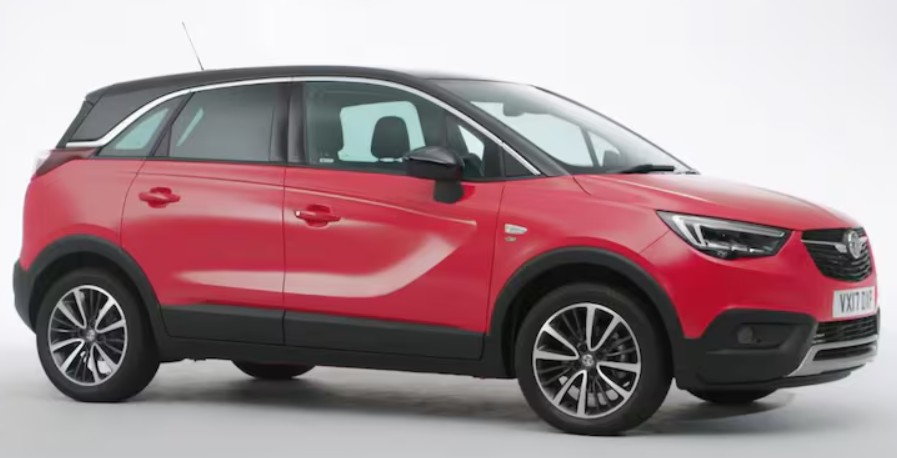
When it comes to keeping your Vauxhall Crossland running like a well-oiled machine—literally—the oil capacity is one of those quiet details that carries enormous weight. Ignore it, and you risk performance dips. Master it, and your engine hums like a content cat on a sunny afternoon.
So, how much oil does the Crossland actually need? And why does it matter more than most drivers think?
Let’s dive in together.
Content in this publication
- Why Oil Capacity Matters More Than You Think
- Understanding the Vauxhall Crossland Engine Range
- Vauxhall Crossland Oil Capacity by Engine Type
- Quick Comparison Table
- What Happens If You Overfill or Underfill?
- How to Check Your Oil Level Properly
- Choosing the Right Oil Type for Your Crossland
- Oil Change Intervals: When Should We Do It?
- DIY Oil Change: Is It Worth It?
- How Much Oil Should You Actually Pour In?
- Signs Your Oil Level Is Wrong
- Oil Capacity vs Oil Consumption
- Seasonal Considerations for Oil Levels
- Common Mistakes to Avoid
- How Oil Capacity Affects Engine Longevity
- Expert Tips for Crossland Owners
- Is Oil Capacity the Same Across All Model Years?
- Final Thoughts: Treat Oil Like Your Engine’s Lifeblood
- FAQs About Vauxhall Crossland Oil Capacity
- Closing Note
Why Oil Capacity Matters More Than You Think
We often treat engine oil like coffee—just top it up and go. But here’s the catch: too little oil starves your engine, while too much can create pressure issues and damage seals.
Oil capacity is the sweet spot—the exact amount your engine needs to:
- Lubricate internal components
- Reduce friction and heat
- Prevent premature wear
- Maintain fuel efficiency
Think of it like hydration. Too little, and things break down. Too much, and things… get messy.
Understanding the Vauxhall Crossland Engine Range
Before we talk numbers, we need context. The Crossland comes with several engines, each with its own oil appetite.
Common Engine Variants
- 1.2L naturally aspirated petrol
- 1.2L turbocharged petrol
- 1.5L diesel engine
Each of these engines has slightly different oil requirements—and that’s where precision becomes key.
Vauxhall Crossland Oil Capacity by Engine Type
Here’s the part you came for. Let’s break it down clearly.
1.2L Naturally Aspirated Petrol Engine
- Oil Capacity: ~3.25 to 3.5 litres
- With filter change: ~3.5 litres
This is the simplest engine in the lineup. Efficient, lightweight, and not too demanding.
1.2L Turbocharged Petrol Engine
- Oil Capacity: ~3.5 to 3.75 litres
- With filter change: ~3.75 litres
Turbo engines run hotter and faster—so they need a little extra lubrication to stay cool under pressure.
1.5L Diesel Engine
- Oil Capacity: ~4.5 to 5.0 litres
- With filter change: ~5.0 litres
Diesel engines are the marathon runners of the lineup. They need more oil to handle longer runs and higher compression.
Quick Comparison Table
| Engine Type | Oil Capacity (Approx.) |
|---|---|
| 1.2L Petrol | 3.5 litres |
| 1.2L Turbo | 3.75 litres |
| 1.5L Diesel | 5.0 litres |
Simple, right? But don’t close the hood just yet—we’re just getting started.
What Happens If You Overfill or Underfill?
Let’s get real for a second.
Overfilling Risks
- Increased pressure in the engine
- Oil foaming (bad lubrication)
- Potential seal damage
Underfilling Risks
- Metal-on-metal friction
- Overheating
- Engine failure (yes, really)
So the goal isn’t “more is better.” It’s “exact is best.”
How to Check Your Oil Level Properly
Checking oil isn’t rocket science—but doing it right matters.
Step-by-Step Guide
- Park on a flat surface
- Turn off the engine and wait 5–10 minutes
- Pull out the dipstick
- Wipe it clean
- Reinsert and remove again
- Check the level between MIN and MAX
Pro tip: Aim for slightly below MAX—not exactly at the top.
Choosing the Right Oil Type for Your Crossland
Oil capacity is only half the story. The type of oil matters just as much.
Recommended Oil Grades
- 5W-30 (most common choice)
- 0W-30 (for colder climates)
Always look for oil that meets ACEA C2 or C3 standards.
Oil Change Intervals: When Should We Do It?
Even the perfect oil capacity won’t save you if you never change the oil.
General Recommendation
- Every 10,000 to 12,000 miles (16,000–19,000 km)
- Or once a year, whichever comes first
But Let’s Be Honest…
If you drive in:
- Heavy traffic
- Dusty conditions
- Short city trips
Then change it sooner. Your engine will thank you.
DIY Oil Change: Is It Worth It?
Short answer? Yes—if you know what you’re doing.
What You’ll Need
- Engine oil (correct capacity)
- Oil filter
- Drain pan
- Socket wrench
- Funnel
Why DIY?
- Save money
- Learn your car
- Control oil quality
But if you’re unsure, there’s zero shame in letting a professional handle it.
How Much Oil Should You Actually Pour In?
Here’s a little insider trick:
Don’t dump all the oil in at once.
Better Approach
- Add 80–90% of the capacity
- Check the dipstick
- Top up gradually
It’s like seasoning food—you can always add more, but you can’t take it out easily.
Signs Your Oil Level Is Wrong
Your Crossland talks—you just need to listen.
Warning Signs
- Engine warning light
- Unusual engine noise
- Burning oil smell
- Poor fuel economy
If you notice any of these, check your oil immediately.
Oil Capacity vs Oil Consumption
These two get confused all the time.
Key Difference
- Capacity: How much oil your engine holds
- Consumption: How much oil your engine uses over time
Some engines naturally consume small amounts of oil—especially turbo ones.
Seasonal Considerations for Oil Levels
Oil behaves differently depending on temperature.
In Hot Weather
- Oil thins out
- Check levels more frequently
In Cold Weather
- Oil thickens
- Consider lower viscosity (like 0W-30)
Your engine doesn’t live in a vacuum—it lives in your climate.
Common Mistakes to Avoid
Let’s save you some headaches.
Top Mistakes
- Using the wrong oil type
- Ignoring the oil filter
- Overfilling “just in case”
- Skipping regular checks
These small missteps can snowball into expensive repairs.
How Oil Capacity Affects Engine Longevity
Think of oil as your engine’s lifeline.
Proper oil capacity:
- Reduces wear
- Maintains temperature
- Prevents sludge buildup
In other words, it’s the difference between a car that lasts 100,000 miles… and one that doubles that.
Expert Tips for Crossland Owners
Let’s wrap some practical wisdom into bite-sized advice.
Pro Tips
- Always replace the oil filter during changes
- Keep a litre of spare oil in your trunk
- Check oil monthly—not just at service time
- Use manufacturer-approved oil
Consistency beats perfection every time.
Is Oil Capacity the Same Across All Model Years?
Not always.
Minor updates between model years can slightly alter:
- Engine tuning
- Oil system design
- Capacity requirements
So always double-check your owner’s manual. It’s your car’s personal rulebook.
Final Thoughts: Treat Oil Like Your Engine’s Lifeblood
At the end of the day, oil capacity isn’t just a number—it’s a balance. A delicate harmony between performance, protection, and longevity.
Get it right, and your Vauxhall Crossland rewards you with smooth drives and fewer surprises.
Ignore it… and well, let’s just say engines have a way of reminding you who’s in charge.
So next time you pop the hood, ask yourself: Are we giving our engine exactly what it needs?
FAQs About Vauxhall Crossland Oil Capacity
1. How much oil does a Vauxhall Crossland need?
Most models require between 3.5 and 5.0 litres, depending on the engine type.
2. Can I use 5W-30 oil in all Crossland engines?
Yes, in most cases. But always confirm with your owner’s manual.
3. What happens if I add too much oil?
Overfilling can cause pressure issues, foaming, and potential engine damage.
4. How often should I check my oil level?
At least once a month or before long trips.
5. Does the oil filter affect oil capacity?
Yes. Changing the filter slightly increases the total oil required.
Closing Note
Mastering oil capacity is like learning the rhythm of your car. Once you get it, everything flows better—quieter engine, smoother ride, longer life.
And honestly? That’s a pretty satisfying feeling.
If you want to know other articles similar to Vauxhall Crossland Oil Capacity: The Complete Owner’s Guide you can visit the category Service and Parts.
Nissan Rogue Oil Change Cost: Prices, Service Options, and What to Expect
Nissan Rogue Key Battery Replacement: Easy Step-by-Step Guide
Nissan Rogue Oil Change Interval: Complete Guide by Model Year
Nissan Rogue Brake Pads and Rotors Cost: Complete 2026 Guide

Kia Sorento Service Reset: How to Reset the Service Light
Kia Sorento Fuel Tank Capacity: Gallons, Litres and Model Differences
Leave a Reply
More content of your interest