

Vauxhall Crossland Warning Lights: Complete Guide to Dashboard Symbols

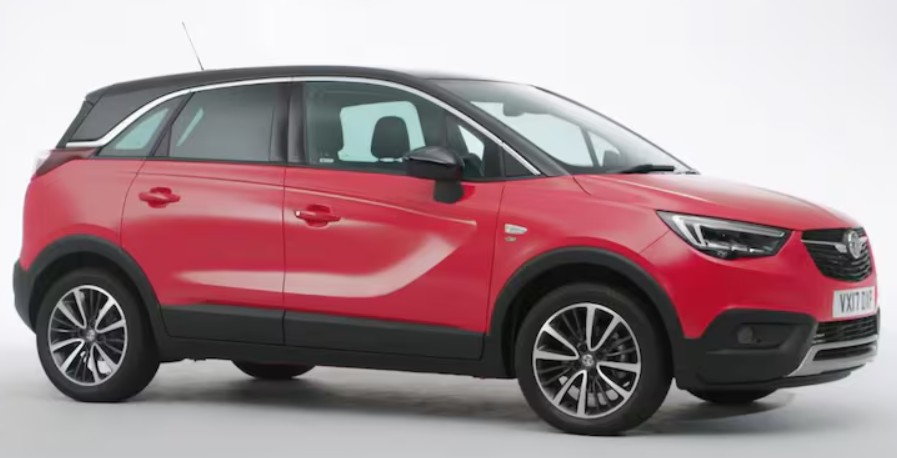
When you’re driving a Vauxhall Crossland, the dashboard isn’t just decoration—it’s your car’s way of talking to you. And those glowing symbols? They’re like little messengers, sometimes whispering, sometimes shouting.
But let’s be honest: when a random yellow or red icon lights up, most of us feel a mix of confusion and mild panic.
So, let’s break it all down together—clearly, casually, and without the jargon overload.
Content in this publication
- Understanding Warning Lights: The Basics We Often Ignore
- Why Warning Lights Should Never Be Ignored
- Most Common Vauxhall Crossland Warning Lights Explained
- Less Common but Important Warning Lights
- What Causes Multiple Warning Lights at Once?
- How to Reset Warning Lights on a Vauxhall Crossland
- When Should We Visit a Mechanic?
- DIY Checks Before Panicking
- How Warning Lights Affect Your Wallet
- Preventing Warning Lights: Smart Habits
- The Psychology Behind Dashboard Panic
- Quick Reference: Warning Light Cheat Sheet
- Closing Thoughts: Listen to Your Car Before It Shouts
- FAQs About Vauxhall Crossland Warning Lights
Understanding Warning Lights: The Basics We Often Ignore
Before diving into specific symbols, we need to understand one golden rule: not all warning lights mean the same level of urgency.
The Three Colors That Tell the Story
Think of dashboard lights like traffic signals:
- Green/Blue lights → Informational (everything’s fine)
- Amber/Yellow lights → Caution (check soon)
- Red lights → Danger (stop immediately)
Simple, right? But the meaning behind each symbol is where things get interesting.
Why Warning Lights Should Never Be Ignored
We’ve all done it—seen a light, shrugged, and kept driving. But here’s the reality:
Ignoring warning lights can lead to:
- Expensive repairs later
- Reduced fuel efficiency
- Safety risks
- Complete breakdowns
A small warning today can become a wallet-draining nightmare tomorrow.
Most Common Vauxhall Crossland Warning Lights Explained
Let’s decode the most frequent lights you’ll encounter.
Engine Warning Light (Check Engine)
What It Means
This is the famous “check engine” light—arguably the most misunderstood symbol.
Possible Causes
- Faulty oxygen sensor
- Loose fuel cap
- Engine misfire
- Emissions issue
What Should We Do?
- If steady → drive cautiously and check soon
- If flashing → stop driving immediately
Think of it like your car coughing—it might be nothing… or something serious.
Oil Pressure Warning Light
What It Means
Low oil pressure. And yes—this is serious.
Why It Matters
Without oil, your engine is basically grinding itself to death.
Immediate Action
- Stop the car
- Turn off the engine
- Check oil levels
No shortcuts here—this is a “pull over now” situation.
Battery Charging Warning Light
What It Means
Your battery isn’t charging properly.
Likely Causes
- Faulty alternator
- Broken belt
- Dead battery
What To Do
Drive only if necessary—your car may shut down anytime.
Brake System Warning Light
What It Means
Something’s wrong with your braking system—or the handbrake is on.
Check First
- Is the parking brake engaged?
- Is brake fluid low?
Important
If it stays on while driving → get it checked immediately.
ABS Warning Light
What It Means
The Anti-lock Braking System isn’t working.
Can We Still Drive?
Yes—but braking won’t be as safe in emergencies.
Advice
Fix it soon, especially if you drive in wet conditions.
Less Common but Important Warning Lights
Let’s explore the ones that appear less often—but matter just as much.
Airbag Warning Light
What It Means
Your airbags may not deploy in a crash.
Bottom Line
Safety is compromised—don’t delay repairs.
Tyre Pressure Monitoring System (TPMS)
What It Means
One or more tyres are underinflated.
Why It Matters
- Poor fuel economy
- Uneven tyre wear
- Increased risk of blowouts
Quick Fix
Inflate tyres to recommended levels.
Coolant Temperature Warning Light
What It Means
Your engine is overheating.
What To Do
- Stop driving
- Let engine cool
- Check coolant levels
Overheating is like a fever—it’s a sign something’s wrong internally.
Power Steering Warning Light
What It Means
Steering assistance is reduced.
Driving Impact
Steering becomes heavier—especially at low speeds.
AdBlue Warning Light (Diesel Models)
What It Means
Low AdBlue fluid (used for emissions control).
Important
Ignore it too long, and your car may refuse to start.
What Causes Multiple Warning Lights at Once?
Ever seen a “Christmas tree dashboard”? It happens.
Common Reasons
- Battery issues
- Electrical faults
- Sensor failures
Pro Tip
If multiple lights appear suddenly, start by checking the battery—it’s often the root cause.
How to Reset Warning Lights on a Vauxhall Crossland
Sometimes, after fixing an issue, the light remains.
Basic Reset Steps
- Turn ignition on (don’t start engine)
- Hold reset button on dashboard
- Follow on-screen instructions
But remember: resetting doesn’t fix the problem—it only clears the message.
When Should We Visit a Mechanic?
Let’s keep it simple:
Go Immediately If:
- Red warning light appears
- Car feels unsafe
- Engine behaves abnormally
Schedule a Visit If:
- Yellow light stays on
- Performance drops
DIY Checks Before Panicking
Before heading to the garage, we can do a few quick checks:
- Check oil level
- Inspect tyre pressure
- Ensure fuel cap is tight
- Look for visible leaks
Sometimes, the solution is surprisingly simple.
How Warning Lights Affect Your Wallet
Ignoring lights can lead to:
- Engine rebuilds
- Brake failure repairs
- Fuel inefficiency
Think of warning lights as early warnings—they save money if we listen.
Preventing Warning Lights: Smart Habits
Let’s avoid problems before they appear.
Good Practices
- Regular servicing
- Check fluids monthly
- Keep tyres properly inflated
- Use quality fuel
Maintenance isn’t exciting—but it’s powerful.
The Psychology Behind Dashboard Panic
Why do warning lights stress us out so much?
Because they’re:
- Unexpected
- Unclear
- Often urgent
But once we understand them, they lose their power.
Quick Reference: Warning Light Cheat Sheet
Red Lights (Stop Immediately)
- Oil pressure
- Brake system
- Coolant temperature
Yellow Lights (Check Soon)
- Engine light
- ABS
- Tyre pressure
Green/Blue (Informational)
- Indicators
- Headlights
Closing Thoughts: Listen to Your Car Before It Shouts
Your Vauxhall Crossland is constantly communicating—it’s just up to us to listen.
Warning lights aren’t enemies. They’re early warnings, like a friend tapping your shoulder before things go wrong.
Ignore them, and problems grow. Understand them, and you stay in control.
Driving becomes less stressful—and a lot more predictable.
FAQs About Vauxhall Crossland Warning Lights
1. Can I drive with the engine warning light on?
Yes, if it’s steady—but get it checked soon. If flashing, stop immediately.
2. Why does my warning light stay on after repair?
It may need a manual reset or diagnostic scan.
3. Is the ABS warning light dangerous?
Not immediately, but it reduces braking safety in emergencies.
4. What’s the most serious warning light?
Oil pressure and coolant temperature lights—both require immediate action.
5. Can low battery trigger multiple lights?
Absolutely. A weak battery can confuse multiple systems.
If you want to know other articles similar to Vauxhall Crossland Warning Lights: Complete Guide to Dashboard Symbols you can visit the category Service and Parts.
Kia Sorento Service Reset: How to Reset the Service Light
Kia Sorento Fuel Tank Capacity: Gallons, Litres and Model Differences
Kia Sorento Tyre Pressure: Recommended PSI, Bar and Complete Guide
Kia Sorento Boot Space: How Much Luggage Space Does It Really Have?
Kia Sorento Towing Capacity: How Much Can a Sorento Tow?

Honda Passport Payload Capacity: How Much Weight Can It Carry?
Leave a Reply
More content of your interest