

Vauxhall Insignia Code 3: Meaning, Causes, Fixes, and Prevention Guide

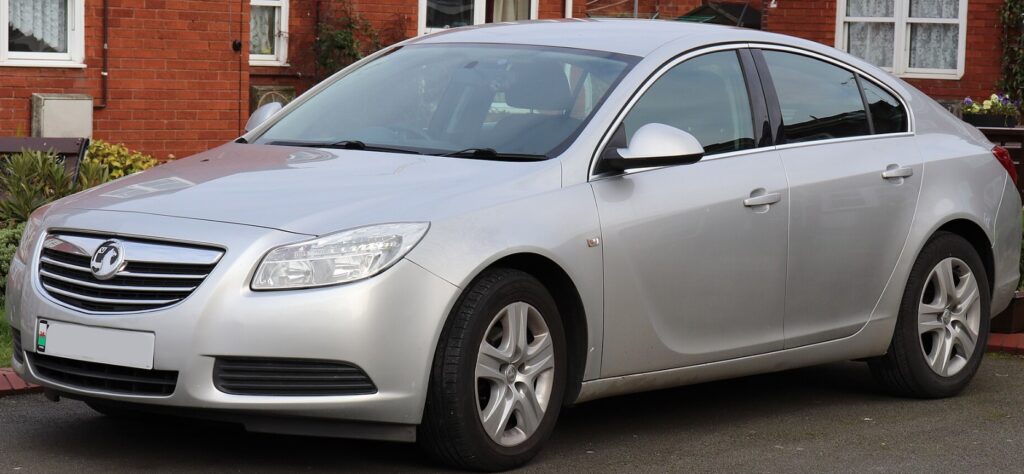
If you own a Vauxhall Insignia and suddenly see Code 3 appear on the dashboard information display, your first reaction might be concern. Dashboard warnings can feel like mysterious messages from the car's hidden brain. Fortunately, Vauxhall Insignia Code 3 is usually straightforward to understand and often simple to resolve.
In most cases, Vauxhall Insignia Code 3 indicates that the engine coolant level is low. Think of coolant as the vehicle's temperature regulator. Without enough coolant circulating through the engine, temperatures can rise rapidly, potentially leading to overheating and costly repairs.
In this guide, we'll explore what Code 3 means, why it appears, how to fix it, and how to prevent it from returning.
Content in this publication
- Understanding Vauxhall Insignia Code 3
- What Is Engine Coolant?
- Why Does Code 3 Appear?
- How Serious Is Vauxhall Insignia Code 3?
- Signs That Often Accompany Code 3
- How to Check Coolant Level
- How to Top Up Coolant
- Choosing the Correct Coolant
- When Code 3 Returns After Refilling
- Checking for Coolant Leaks
- The Role of the Coolant Level Sensor
- Can a Faulty Water Pump Trigger Code 3?
- Can Cold Weather Cause Code 3?
- Can You Drive With Code 3 Displayed?
- Common Mistakes Drivers Make
- Preventing Future Code 3 Warnings
- Maintenance Checklist for Insignia Owners
- When to Seek Professional Help
- Why Early Action Saves Money
- Conclusion
- Frequently Asked Questions
Understanding Vauxhall Insignia Code 3
The Vauxhall Insignia uses a series of driver information codes to alert owners to maintenance issues or system concerns.
When Code 3 appears, the vehicle is informing you that the coolant level has dropped below the recommended threshold.
The message is essentially your car saying:
"I need more coolant before a small problem becomes a big one."
Ignoring this warning can lead to engine overheating, reduced performance, and long-term mechanical damage.
What Is Engine Coolant?
Engine coolant is a specially formulated liquid that helps regulate engine temperature.
It performs several critical functions:
- Prevents overheating
- Protects against freezing
- Lubricates water pump components
- Prevents corrosion inside the cooling system
- Maintains efficient engine operation
Without coolant, the engine would quickly become too hot to operate safely.
Why Does Code 3 Appear?
Several factors can trigger a Code 3 warning.
Low Coolant Level
The most common cause is simply a coolant reservoir that has fallen below the minimum mark.
This can happen naturally over time due to minor evaporation or normal system operation.
Coolant Leak
A leak somewhere in the cooling system may cause coolant loss.
Potential leak locations include:
- Radiator
- Water pump
- Hoses
- Thermostat housing
- Expansion tank
- Heater core
Even a small leak can eventually trigger Code 3.
Faulty Coolant Sensor
Sometimes the coolant level is perfectly normal, but the sensor incorrectly reports a low level.
A defective sensor can send inaccurate information to the vehicle's control system.
Air Trapped in the Cooling System
After coolant replacement or cooling system repairs, air pockets may become trapped.
These pockets can cause fluctuating coolant readings and trigger warning codes.
How Serious Is Vauxhall Insignia Code 3?
Code 3 should not be ignored.
While it does not necessarily mean immediate engine damage, it serves as an early warning that something requires attention.
Think of it like a smoke detector. The warning itself is not the fire, but it alerts you before conditions become dangerous.
Driving with insufficient coolant increases the risk of:
- Engine overheating
- Cylinder head damage
- Blown head gasket
- Reduced fuel efficiency
- Expensive repair bills
Addressing the issue quickly is always the safest approach.
Signs That Often Accompany Code 3
You may notice additional symptoms alongside the warning.
Temperature Gauge Rising
The engine temperature may climb higher than normal.
Coolant Smell
A sweet smell under the bonnet often indicates coolant leakage.
Visible Fluid Leaks
Green, pink, orange, or red fluid under the vehicle may be coolant.
Steam From Engine Bay
Steam is a strong indication that coolant is escaping or the engine is overheating.
Frequent Need to Refill Coolant
Repeated top-ups usually suggest an underlying leak.
How to Check Coolant Level
Before adding coolant, it's important to inspect the reservoir correctly.
Step 1: Park Safely
Park on level ground and switch off the engine.
Step 2: Allow the Engine to Cool
Never open the coolant reservoir while the engine is hot.
Pressurized coolant can cause severe burns.
Step 3: Locate the Expansion Tank
The coolant reservoir is usually a translucent plastic container near the engine.
Step 4: Check the Level Marks
Look for:
- MIN
- MAX
The coolant should sit between these markings.
How to Top Up Coolant
If the level is low, topping up may eliminate the warning.
Required Items
- Manufacturer-approved coolant
- Funnel
- Clean cloth
Procedure
- Ensure engine is completely cool.
- Open reservoir cap slowly.
- Add coolant carefully.
- Fill to recommended level.
- Replace cap securely.
- Start engine and monitor warning display.
If Code 3 disappears and does not return, the issue may simply have been a low coolant level.
Choosing the Correct Coolant
Not all coolants are created equal.
Using the wrong coolant can create compatibility problems.
Always consult:
- Owner's manual
- Dealer recommendations
- Manufacturer specifications
Mixing incompatible coolant types can reduce cooling efficiency and increase corrosion.
When Code 3 Returns After Refilling
If the warning comes back shortly after adding coolant, further investigation is necessary.
Possible Causes
- Hidden leak
- Faulty coolant sensor
- Damaged reservoir
- Water pump issue
- Internal engine problem
Repeated coolant loss is not normal and should be diagnosed promptly.
Checking for Coolant Leaks
A visual inspection often reveals the source.
Inspect Hoses
Look for:
- Cracks
- Bulges
- Wet spots
Check the Radiator
Inspect for:
- Corrosion
- Physical damage
- Coolant residue
Examine the Expansion Tank
Small cracks can allow coolant to escape.
Look Under the Vehicle
Fresh coolant stains often point directly to the leak source.
The Role of the Coolant Level Sensor
The sensor monitors coolant level inside the reservoir.
When levels drop, the sensor communicates with the vehicle's computer, triggering Code 3.
A faulty sensor may:
- Trigger false warnings
- Cause intermittent alerts
- Display Code 3 despite normal coolant levels
Sensor replacement is usually inexpensive compared to cooling system repairs.
Can a Faulty Water Pump Trigger Code 3?
Yes.
The water pump circulates coolant throughout the engine.
When it begins to fail, coolant leakage can occur.
Symptoms include:
- Grinding noises
- Coolant dripping
- Overheating
- Warning messages
A failing water pump should be replaced quickly to avoid major engine damage.
Can Cold Weather Cause Code 3?
Cold temperatures can sometimes influence coolant readings.
During winter:
- Coolant contracts slightly
- Sensors may become more sensitive
- Existing weaknesses become more noticeable
If Code 3 appears during cold weather, checking coolant levels should still be your first step.
Can You Drive With Code 3 Displayed?
Short distances may be possible if coolant levels remain adequate and engine temperature stays normal.
However, prolonged driving is not recommended.
Before continuing a journey:
- Check coolant level
- Inspect for leaks
- Monitor temperature gauge
If overheating occurs, stop immediately.
Common Mistakes Drivers Make
Many Insignia owners accidentally create bigger problems when responding to Code 3.
Ignoring the Warning
Small coolant issues rarely fix themselves.
Opening the Reservoir While Hot
This is dangerous and should never be attempted.
Using Plain Water Long-Term
Water can be a temporary emergency solution but is not a substitute for proper coolant.
Mixing Coolant Types
Incorrect mixtures may damage cooling system components.
Preventing Future Code 3 Warnings
Routine maintenance dramatically reduces the likelihood of coolant-related issues.
Monthly Checks
Inspect coolant levels every month.
Inspect Hoses Regularly
Replace worn hoses before they fail.
Watch the Temperature Gauge
Abnormal temperatures often provide early warning.
Service the Cooling System
Follow Vauxhall's maintenance schedule.
Address Small Leaks Early
Minor leaks are far cheaper to repair than overheated engines.
Maintenance Checklist for Insignia Owners
Use this quick checklist:
- Check coolant monthly
- Inspect radiator annually
- Replace damaged hoses
- Monitor temperature gauge
- Use correct coolant type
- Repair leaks immediately
- Service cooling system regularly
Consistency is the secret weapon of long-term vehicle reliability.
When to Seek Professional Help
Professional diagnosis is recommended when:
- Code 3 repeatedly returns
- Coolant disappears rapidly
- Engine overheats
- White smoke appears from exhaust
- Coolant mixes with engine oil
These symptoms may indicate more serious mechanical issues requiring expert attention.
Why Early Action Saves Money
A small coolant issue is often one of the least expensive automotive problems to resolve.
Ignoring it can transform a simple top-up or hose replacement into:
- Head gasket repair
- Cylinder head machining
- Engine replacement
The difference can be hundreds or even thousands of pounds.
That's why Code 3 should be viewed as an opportunity rather than a disaster. It gives us advance notice before significant damage occurs.
Conclusion
Vauxhall Insignia Code 3 typically means the engine coolant level is low and requires immediate attention. Fortunately, the solution is often straightforward. Checking and topping up coolant may resolve the issue, but recurring warnings should never be ignored.
By understanding the cooling system, performing regular inspections, and addressing leaks early, we can keep our Insignia running smoothly for years. Think of Code 3 as a helpful guardian rather than a frightening warning—it appears to protect the engine before a minor issue becomes a major repair.
A few minutes of inspection today can save countless hours and expenses tomorrow.
Frequently Asked Questions
1. What does Code 3 mean on a Vauxhall Insignia?
Code 3 usually indicates that the engine coolant level is low and should be checked immediately.
2. Is it safe to drive with Vauxhall Insignia Code 3?
Limited driving may be possible if coolant levels are adequate and the engine is not overheating, but prompt inspection is recommended.
3. Will adding coolant remove Code 3?
In many cases, yes. If the coolant level was genuinely low, topping it up often clears the warning.
4. Why does Code 3 keep coming back?
Recurring warnings may indicate a coolant leak, faulty sensor, damaged reservoir, or another cooling system issue.
5. Can a bad coolant sensor cause Code 3?
Yes. A defective coolant level sensor can trigger false warnings even when coolant levels are correct.
If you want to know other articles similar to Vauxhall Insignia Code 3: Meaning, Causes, Fixes, and Prevention Guide you can visit the category Service and Parts.
Nissan Qashqai Fuel Tank Capacity: Complete Guide

Suzuki Swift Fuel Tank Capacity: Complete Guide

Mazda CX-5 Weight (2013–2026): Complete Guide in Pounds and KG

Kia Sportage Dashboard Symbols and Warning Lights

MINI Cooper Weight (2002–2027): Complete Weight Chart & Guide

Toyota RAV4 Engine Sizes: Complete Guide (1994–2026)
Leave a Reply
More content of your interest