

Vauxhall Meriva Code 55: Meaning, Causes, and the Right Fix

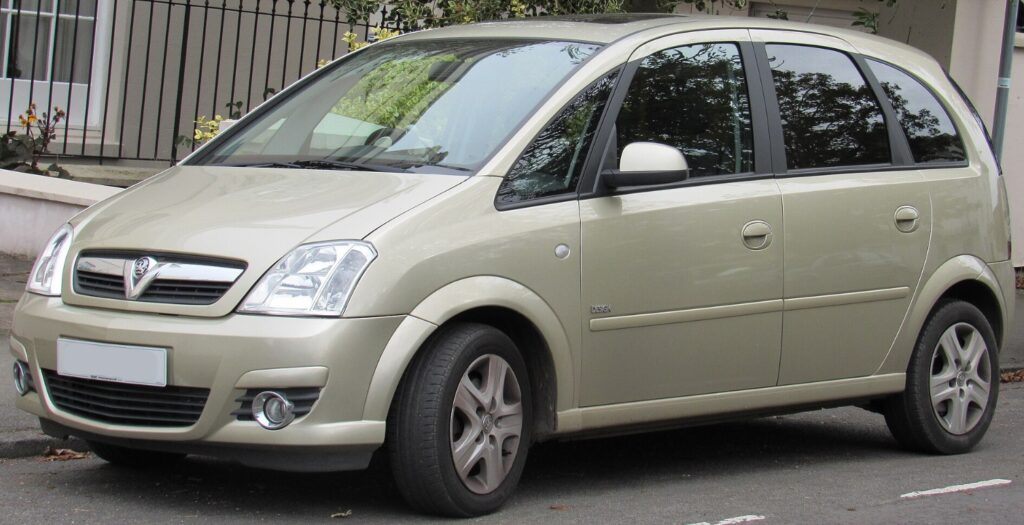
Seeing Vauxhall Meriva Code 55 appear on the dashboard can instantly make us wonder whether the engine is about to suffer an expensive failure. The good news is that Code 55 normally gives us an opportunity to correct the problem before it becomes serious.
On a diesel Vauxhall Meriva, Code 55 means that the diesel particulate filter, commonly called the DPF, is full and requires cleaning or regeneration. It is not simply a generic engine fault, an immobiliser warning, or a reminder for routine servicing. The vehicle has detected that soot has accumulated inside the exhaust filter and that the normal self-cleaning process has not completed successfully.
The official Meriva owner’s manual states that warning Code 55 can appear when the diesel particle filter is full and instructs the driver to begin the cleaning process.
In many cases, the solution is a sustained drive at suitable engine speed so the exhaust becomes hot enough to burn away the trapped soot. However, we should not treat every Code 55 warning exactly the same. A recently illuminated warning may clear through normal regeneration, while a heavily blocked filter, faulty sensor, engine problem, or excessive ash buildup may require professional diagnosis.
Let us break down what the warning means, why it happens, what we can safely do, and when it is time to stop experimenting and visit a garage.
Content in this publication
- What Does Vauxhall Meriva Code 55 Mean?
- How the Meriva Diesel Particulate Filter Works
- Why Does Code 55 Appear on a Vauxhall Meriva?
- Common Symptoms That Accompany Code 55
- How to Clear Vauxhall Meriva Code 55
- Step-by-Step DPF Regeneration Drive
- What If Code 55 Does Not Clear?
- Can a Garage Perform a Forced Regeneration?
- Professional DPF Cleaning Versus Replacement
- Can We Keep Driving With Code 55?
- Will Code 55 Clear by Itself?
- Should We Use a DPF Cleaner Additive?
- Should the DPF Be Removed?
- How Much Does a Code 55 Repair Cost?
- How to Prevent Vauxhall Meriva Code 55 Returning
- A Practical Code 55 Troubleshooting Checklist
- Mistakes to Avoid When Code 55 Appears
- Is a Diesel Meriva Suitable for Short Urban Journeys?
- Final Thoughts on Vauxhall Meriva Code 55
- Frequently Asked Questions
What Does Vauxhall Meriva Code 55 Mean?
Vauxhall Meriva Code 55 means:
Diesel particle filter is full.
The diesel particulate filter is fitted to diesel-powered vehicles to capture soot particles that would otherwise leave through the exhaust. Think of it as a very fine net placed in the exhaust system. It catches pollution effectively, but like any filter, it cannot keep collecting material forever without being cleaned.
Unlike an air filter, however, the DPF is designed to clean itself. When conditions are suitable, the vehicle increases exhaust temperature and burns the trapped soot. This process is called DPF regeneration.
Code 55 appears when the car detects that the filter has reached a significant soot-loading level and needs regeneration. The message is therefore both a warning and an instruction: the filter needs an opportunity to complete its cleaning cycle.
Does Code 55 Affect Petrol Meriva Models?
Code 55 is primarily associated with diesel Meriva models equipped with a diesel particulate filter.
If we own a petrol Meriva and see the number 55, we should confirm the exact year, engine, instrument display, and owner’s manual. Vehicle-message numbering can vary between models and generations. A diagnostic scan may also be necessary if the display is unclear.
For the common Meriva B diesel application, however, Code 55 points to a full DPF.
Is Code 55 the Same as an OBD Fault Code?
No. This distinction matters.
The number shown in the Driver Information Centre is a Vauxhall vehicle message, not a complete OBD-II diagnostic trouble code such as P2002, P2452, or P2463.
A workshop scanner may reveal one or more separate fault codes connected with:
- Excessive DPF soot accumulation
- DPF differential-pressure sensor performance
- Exhaust-temperature sensors
- Regeneration failure
- Exhaust pressure readings
- EGR system operation
- Fuel-injection faults
- Turbocharger performance
Code 55 tells us what the vehicle wants us to know as drivers. An OBD scan provides the deeper technical information required for diagnosis.
How the Meriva Diesel Particulate Filter Works
The DPF sits in the exhaust system and traps microscopic soot produced during diesel combustion. Over time, that soot increases the restriction inside the filter.
The engine control unit monitors the system using information from several components, which may include:
- A differential-pressure sensor
- Exhaust-temperature sensors
- Airflow and engine-load data
- Fuel-injection information
- Distance travelled
- Regeneration history
When the calculated soot load reaches a certain level, the car attempts to regenerate the filter.
Passive Regeneration
Passive regeneration takes place naturally when exhaust temperatures remain high enough during ordinary driving.
A sustained journey on a clear road may create the necessary conditions without us noticing anything unusual. Motorway and dual-carriageway driving are more suitable than repeated short urban journeys because the engine stays warm and operates under a steady load.
Active Regeneration
When passive cleaning is insufficient, the engine management system can initiate active regeneration. It adjusts operating conditions to raise the temperature inside the exhaust and burn the collected soot.
Vauxhall explains that this automatic cleaning process can take up to approximately 25 minutes. During regeneration, fuel consumption can increase, and drivers may notice extra heat, an unusual smell, or some smoke. These effects can be normal while the filter is cleaning itself.
The process works like a self-cleaning oven: the system uses heat to turn accumulated soot into a much smaller quantity of residue.
Soot and Ash Are Not the Same Thing
This difference explains why a long drive does not fix every blocked DPF.
Soot can normally be burned during regeneration.
Ash cannot. It consists of non-combustible material produced gradually from engine-oil additives, normal engine wear, and other residues. Ash remains in the filter even after successful regeneration.
A DPF with excessive soot may be recoverable through regeneration. A DPF that has reached its ash-storage limit may need professional cleaning or replacement.
Why Does Code 55 Appear on a Vauxhall Meriva?
Code 55 usually appears because the DPF has not been able to regenerate successfully. The warning is often linked with the vehicle’s driving pattern, but driving conditions are not the only possible cause.
Frequent Short Journeys
Short journeys are the classic cause.
When we start the engine, drive a few miles, and switch it off before everything reaches full operating temperature, the DPF may never become hot enough to clean itself properly.
One short trip does not normally create a blocked filter. The problem develops when short, cold journeys become the vehicle’s normal routine.
Examples include:
- School runs
- Local shopping trips
- Stop-start commuting
- Low-speed deliveries
- Repeated journeys of only a few minutes
- Long periods of idling
Vauxhall warns that limited use and short-distance driving can contribute to DPF clogging because the regeneration cycle may not have enough time to finish.
Interrupted Regeneration Cycles
The vehicle may begin regeneration shortly before we reach our destination. If the engine is switched off, the process stops.
Occasionally interrupting a cycle is not necessarily disastrous. Repeated interruption is the real concern. Soot continues to accumulate, while each failed attempt makes the next regeneration more difficult.
Vauxhall advises drivers not to stop the journey or switch off the engine while a required cleaning process is taking place.
Driving at Very Low Engine Speed
Modern diesel engines can pull strongly at low rpm, tempting us to select a high gear too early. That may help fuel economy in some circumstances, but it does not always create enough exhaust heat for DPF cleaning.
During a requested regeneration, the engine may need to remain above approximately 2,000 rpm. This does not mean racing the engine recklessly. It means selecting a suitable gear so the engine works steadily without labouring.
A Faulty Differential-Pressure Sensor
The DPF pressure sensor compares exhaust pressure before and after the filter. The engine control unit uses that information to estimate restriction.
If the sensor fails, its pipes become blocked, or its wiring is damaged, the car may:
- Overestimate DPF blockage
- Underestimate blockage
- Refuse to initiate regeneration
- Record implausible pressure readings
- Display Code 55 repeatedly
A new DPF will not solve a defective sensor. This is why diagnostic testing matters before expensive parts are replaced.
Exhaust-Temperature Sensor Problems
Regeneration depends on accurate temperature information. A faulty exhaust-temperature sensor can prevent the control unit from confirming that regeneration conditions are safe.
The car may abandon the process, log an engine-management fault, or continue displaying the DPF warning.
A Sticking or Faulty EGR Valve
The exhaust gas recirculation system influences combustion and emissions. If the EGR valve sticks or becomes heavily contaminated, soot production can increase.
An EGR fault may therefore contribute to repeated DPF loading. Cleaning or replacing the filter without addressing the underlying EGR problem can leave us trapped in a frustrating loop.
Injector or Combustion Problems
Worn, leaking, or poorly performing fuel injectors can create incomplete combustion and excessive soot.
Other possible contributors include:
- Incorrect airflow readings
- Boost leaks
- Turbocharger faults
- Intake restrictions
- Glow-plug system faults
- Low engine operating temperature
- Incorrect engine oil
- Engine wear
A DPF often becomes the messenger rather than the original troublemaker.
A Thermostat Stuck Open
A diesel engine that runs too cool may struggle to meet the conditions required for regeneration.
If the temperature gauge remains unusually low during a long journey or cabin heating is weak, a thermostat problem could be involved. The filter may be full, but the deeper problem is that the engine never becomes warm enough to clean it.
High Ash Accumulation
Every DPF has a finite capacity for ash. As mileage increases, ash slowly occupies more of the filter’s internal volume.
Regeneration burns soot but does not remove this ash. A high-mileage DPF may therefore require specialist off-car cleaning or replacement even when the engine and sensors are working properly.
Common Symptoms That Accompany Code 55
Code 55 may appear alone, particularly during the early stage of DPF loading. In other cases, we may notice additional symptoms.
DPF Warning Light
A DPF or exhaust-filter warning symbol may illuminate or flash.
The Meriva manual explains that the warning appears when the filter is full and the cleaning process should be started.
Reduced Engine Power
If the blockage becomes more severe, the engine control unit may limit performance to protect the turbocharger, engine, and exhaust system.
The vehicle may feel heavy, reluctant to accelerate, or unable to reach normal speed.
Higher Fuel Consumption
Active regeneration requires additional fuel. If regeneration attempts occur frequently or repeatedly fail, average fuel consumption may rise noticeably.
Cooling Fan Running After the Engine Stops
The cooling fan may continue running because exhaust and engine-bay temperatures increased during regeneration.
This can be normal, especially after a completed or interrupted cleaning cycle. However, a fan that runs excessively or combines with overheating warnings needs investigation.
Hot or Metallic Smell
Regeneration produces significant heat. We may notice a hot, metallic, or slightly burning smell from outside the vehicle.
That smell does not automatically indicate a fire, but the vehicle should not be parked over dry grass or other combustible material when the exhaust is extremely hot.
Raised Idle Speed
The idle may sit slightly higher than usual during regeneration. The engine note can also sound different.
The automatic stop-start system may remain inactive while the car is regenerating or managing a high electrical and thermal load.
Engine Management Light
If the engine management light appears alongside Code 55, the situation may have progressed beyond a simple driver-assisted regeneration.
A scan is advisable, particularly when the light remains on or the vehicle enters reduced-power mode.
Rising Engine-Oil Level
Repeated unsuccessful regeneration attempts can allow diesel fuel to contaminate the engine oil. Vauxhall specifically warns that interrupted cleaning can result in diesel passing into the sump and increasing the oil level.
An oil level above the maximum mark should not be ignored. Diluted oil provides less effective lubrication and can contribute to serious engine damage.
How to Clear Vauxhall Meriva Code 55
When Code 55 has only recently appeared, the car drives normally, and there are no serious warning lights, the first step is usually to give the vehicle suitable conditions for regeneration.
Step-by-Step DPF Regeneration Drive
Step 1: Check for Serious Warning Signs
Before attempting a regeneration drive, confirm that:
- No red oil-pressure warning is illuminated
- The engine is not overheating
- The oil level is not above the maximum mark
- There are no severe mechanical noises
- The car is not producing extreme smoke
- The fuel level is adequate
- The vehicle can be driven safely
- The engine management light is not flashing
A DPF drive is not appropriate when another critical fault may be present.
Step 2: Warm the Engine Properly
Begin with normal driving until the engine reaches operating temperature.
Trying to regenerate the filter from completely cold conditions is less effective because much of the journey is spent warming the engine and exhaust.
Step 3: Choose a Safe, Uninterrupted Route
Select a motorway, dual carriageway, or open A-road where we can maintain a steady speed without constant stopping.
The goal is not maximum speed. The goal is consistent engine load and sufficient exhaust temperature.
Step 4: Keep the Engine Above About 2,000 RPM
Vauxhall advises continuing to drive while keeping engine speed above approximately 2,000 rpm, changing down a gear if necessary.
Depending on the gearbox, road, speed limit, and traffic, this might mean using fourth or fifth gear rather than selecting the highest available gear.
We should always obey speed limits and drive according to road conditions.
Step 5: Continue Until the Warning Clears
Allow enough time for the process to complete. The official guidance notes that cleaning can take up to approximately 25 minutes.
Do not assume that a five-minute burst down the road will solve the issue. The vehicle needs sustained heat.
Step 6: Avoid Switching Off Mid-Cycle
When possible, continue driving until the warning disappears.
Signs that regeneration may be underway include:
- Higher instantaneous fuel consumption
- A slightly elevated idle
- Cooling fan operation
- A hotter smell
- Stop-start remaining unavailable
- A changed exhaust or engine note
Once the warning goes out and normal behaviour returns, the cleaning cycle has likely completed.
What If Code 55 Does Not Clear?
If Code 55 remains after a proper regeneration attempt, repeatedly returns, or appears with reduced power, we should stop assuming that another long drive will fix it.
At that point, the vehicle needs diagnostic testing.
Read the Stored Fault Codes
A suitable diagnostic scanner can identify related faults and display live data.
A technician should examine information such as:
- Calculated soot loading
- Estimated ash loading
- Differential pressure at idle
- Differential pressure at higher rpm
- Exhaust temperatures
- Distance since last successful regeneration
- Regeneration status
- Sensor plausibility
- Engine coolant temperature
A simple code reader may display stored faults, but advanced equipment may be needed to access manufacturer-specific DPF information.
Inspect the Pressure Sensor and Hoses
The differential-pressure sensor is connected to the exhaust by small pipes or hoses. These can split, leak, block with soot, or become heat damaged.
A sensor reading is only useful when the sensor, pipes, wiring, and exhaust connections are all intact.
Check the Engine’s Operating Temperature
If the engine runs below its intended temperature, regeneration may not begin. Live diagnostic data can reveal whether coolant temperature is reaching a suitable level.
Investigate Engine Faults Before Cleaning the Filter
A garage should check for faults that create excess soot, including:
- EGR valve problems
- Injector imbalance
- Boost leaks
- Airflow-sensor faults
- Intake restrictions
- Turbocharger issues
- Glow-plug or glow-control faults
- Oil consumption
- Incorrect oil specification
Cleaning a DPF without correcting the soot-producing fault is like emptying a leaking boat without plugging the hole.
Can a Garage Perform a Forced Regeneration?
Yes. A technician may use diagnostic equipment to command a forced regeneration when ordinary driving regeneration is no longer available but the filter is still considered safe to regenerate.
The procedure deliberately raises exhaust temperature while the vehicle is stationary or driven under controlled conditions.
A forced regeneration is not always appropriate. It may be refused by the control unit when:
- Soot loading is dangerously high
- Exhaust-temperature data is implausible
- A sensor fault is present
- Engine oil is excessively diluted
- Fuel level is too low
- Other engine faults prevent regeneration
- The DPF is physically damaged
Because exhaust temperatures become extremely high, forced regeneration should be performed in a suitable environment by someone who understands the risks.
Professional DPF Cleaning Versus Replacement
When regeneration cannot restore acceptable flow, we generally face two options: specialist cleaning or replacement.
Professional Off-Car Cleaning
The DPF is removed and cleaned using specialist equipment. Depending on the provider, the process may use controlled fluid flow, air pressure, thermal treatment, or a combination of methods.
Professional cleaning can remove soot and a substantial amount of ash. It may be a sensible option when:
- The filter substrate is intact
- Ash loading is high
- Regeneration has failed
- Replacement is disproportionately expensive
- The underlying engine fault has been repaired
DPF Replacement
Replacement may be necessary when:
- The internal substrate has melted
- The filter is cracked
- Oil or coolant has contaminated it severely
- Cleaning cannot restore flow
- Ash loading is beyond recovery
- A previous repair has physically damaged the unit
Before approving a replacement, we should ask the garage how it confirmed that the DPF itself—not a sensor or engine fault—is responsible.
Can We Keep Driving With Code 55?
Code 55 is often designed to encourage immediate corrective driving rather than demand an instant roadside stop. However, that does not make it harmless.
If the car drives normally and no serious warning accompanies the message, we may be able to carry out the recommended regeneration journey.
We should not continue ordinary short-trip use for days or weeks while ignoring the warning. A partially restricted filter can become a heavily blocked filter, and the repair options become more expensive as soot loading rises.
Stop driving and seek assistance when:
- A red warning light appears
- The engine overheats
- The oil-pressure light illuminates
- The oil level is above maximum
- The vehicle enters severe limp mode
- The engine makes abnormal noises
- Dense smoke develops
- The engine management light flashes
- The car cannot maintain a safe road speed
Will Code 55 Clear by Itself?
It can clear once the DPF completes regeneration.
The message does not normally disappear because we restart the engine, disconnect the battery, or erase the display. Even if a reset temporarily hides it, the physical soot restriction remains.
The correct objective is not merely to remove the dashboard message. It is to reduce filter loading and confirm that the system can regenerate properly.
Should We Use a DPF Cleaner Additive?
A fuel-tank additive may assist soot combustion in some situations, but it is not a guaranteed cure.
An additive cannot reliably fix:
- A broken pressure sensor
- Blocked sensor hoses
- A faulty exhaust-temperature sensor
- Excessive ash
- A melted filter
- A malfunctioning injector
- A thermostat fault
- A damaged turbocharger
- Oil contamination
We should also avoid pouring random chemicals directly into the intake or exhaust system. Products must be suitable for the specific application and used according to their instructions.
A cleaner can be a supporting measure, not a substitute for diagnosis.
Should the DPF Be Removed?
No. Removing or disabling emissions equipment can breach roadworthiness and emissions laws, cause inspection problems, increase pollution, create software issues, and complicate insurance or resale.
A properly functioning DPF should be repaired, professionally cleaned, or replaced rather than deleted.
How Much Does a Code 55 Repair Cost?
The cost depends entirely on the cause.
A regeneration drive may cost little beyond fuel. Diagnostic testing, sensor replacement, professional cleaning, or complete DPF replacement will cost progressively more.
Possible repair categories include:
- Driver-assisted regeneration: mainly fuel and time.
- Diagnostic inspection: scan, live-data analysis, and physical checks.
- Sensor or hose repair: usually less costly than replacing the filter.
- Forced regeneration: labour and diagnostic-equipment charges.
- Off-car DPF cleaning: removal, specialist cleaning, and refitting.
- DPF replacement: potentially the most expensive outcome.
- Underlying engine repair: costs vary widely depending on the cause.
Getting the diagnosis right is more valuable than selecting the cheapest advertised “DPF fix.”
How to Prevent Vauxhall Meriva Code 55 Returning
A successful regeneration clears the immediate warning, but our driving habits and vehicle condition determine whether it returns.
Include Regular Longer Journeys
A diesel used mostly for local trips benefits from occasional sustained driving once fully warmed.
There is no universal schedule that suits every engine, journey, or soot load, but the principle is simple: the vehicle needs enough uninterrupted operating time to regenerate.
Recognise the Signs of Regeneration
If we notice higher idle speed, cooling-fan operation, increased fuel consumption, a hot smell, or inactive stop-start, it may be wise to continue driving rather than switch off immediately.
Use the Correct Engine Oil
DPF-equipped diesel engines require suitable low-ash oil meeting the correct manufacturer specification.
The wrong oil can increase deposits and shorten filter life. Check the manual or obtain the correct specification using the engine code and registration details rather than relying only on viscosity.
Maintain the Correct Oil Level
Check the dipstick regularly, especially when the car mainly performs short journeys or has experienced repeated regeneration warnings.
If the level rises instead of falling, diesel dilution may be occurring. An oil and filter change may be required after the DPF problem is resolved.
Repair Engine Faults Promptly
An engine management light, slow warm-up, poor fuel economy, rough running, boost loss, or excessive smoke should not be ignored.
These symptoms can lead to excess soot and repeated DPF blockage.
Avoid Constantly Labouring the Engine
Using the highest gear at the lowest possible rpm is not always kind to a diesel engine.
Select a gear that lets the engine respond cleanly without vibration, hesitation, or strain.
Do Not Ignore Early DPF Warnings
An early warning gives us options. A severely blocked filter removes them.
Responding promptly can be the difference between a simple regeneration journey and an expensive replacement.
A Practical Code 55 Troubleshooting Checklist
When Code 55 appears, work through this sequence:
- Confirm that the vehicle is a diesel Meriva with a DPF.
- Check for red warning lights or severe symptoms.
- Check the engine-oil level on level ground.
- Ensure there is adequate fuel.
- Warm the engine fully.
- Drive on a safe, uninterrupted road.
- Keep the engine above approximately 2,000 rpm.
- Continue long enough for regeneration to finish.
- Do not interrupt the cycle unnecessarily.
- Arrange diagnostic testing if the warning remains.
- Investigate sensors and engine faults before replacing the DPF.
- Confirm that any repair includes resetting or adapting DPF data where required.
Mistakes to Avoid When Code 55 Appears
Clearing Fault Codes Without Fixing the Cause
Deleting a warning is not the same as cleaning a filter. The message may return quickly, while the blockage continues to worsen.
Revving the Engine While Parked
Holding the engine at high rpm on the driveway is not equivalent to a controlled regeneration drive.
The engine may not create the same load, the control unit may not authorise regeneration, and the hot exhaust creates safety risks.
Repeating Regeneration Attempts Indefinitely
If one proper drive does not clear the warning, repeated high-speed journeys may waste fuel and delay necessary diagnosis.
Replacing the DPF Without Testing Sensors
A pressure-sensor fault can imitate a blocked filter. Always confirm live data and inspect the related hoses before approving a costly replacement.
Ignoring an Increasing Oil Level
Fuel-diluted engine oil can threaten bearings, the turbocharger, and other lubricated components. A high oil level is not a bonus; it is a warning.
Is a Diesel Meriva Suitable for Short Urban Journeys?
A diesel Meriva can perform short journeys, but a vehicle used almost exclusively for cold, low-speed trips may struggle to regenerate its DPF consistently.
The broader question is whether a diesel suits our actual driving pattern.
Diesel engines generally make the most sense when they regularly cover longer distances and reach full operating temperature. For drivers whose normal routine consists of brief urban journeys, a petrol, hybrid, or electric vehicle may be easier to maintain.
That does not mean every short-trip diesel will fail. It means we must recognise the operating needs of the emissions system and provide suitable regeneration opportunities.
Final Thoughts on Vauxhall Meriva Code 55
Vauxhall Meriva Code 55 means the diesel particulate filter is full and needs cleaning. In its early stage, the warning may clear after a proper regeneration drive with the engine warm, the road clear, and engine speed maintained above approximately 2,000 rpm.
The key is to react promptly rather than panic or ignore it.
If the warning does not clear, keeps returning, or appears with limp mode or an engine-management fault, professional diagnosis becomes essential. The cause may be heavy soot loading, excessive ash, a defective pressure sensor, damaged sensor pipes, low engine temperature, EGR trouble, injector problems, or another condition that prevents regeneration.
We should treat the DPF as part of a complete system. Cleaning the filter while ignoring the engine fault that filled it is like mopping the floor while the tap is still running.
Give the car the correct opportunity to regenerate, monitor the oil level, use the specified oil, and investigate recurring warnings. That approach protects the filter, the turbocharger, the engine, and our wallet.
Frequently Asked Questions
1. What does Code 55 mean on a Vauxhall Meriva?
Code 55 means the diesel particulate filter is full. The vehicle needs to complete a DPF regeneration cycle to burn away trapped soot. If a suitable drive does not clear the warning, the system should be diagnosed.
2. How do we clear Code 55 on a Vauxhall Meriva?
Warm the engine and drive continuously on a suitable open road while keeping engine speed above approximately 2,000 rpm. Change down a gear when necessary and continue until the warning clears. Do not exceed speed limits or attempt the procedure when serious warning lights are present.
3. How long does Meriva DPF regeneration take?
Vauxhall states that the automatic cleaning process can take up to approximately 25 minutes. Actual time depends on filter loading, engine temperature, road conditions, and whether the required regeneration conditions remain stable.
4. Why does Code 55 keep coming back after a motorway drive?
Recurring Code 55 may indicate interrupted regeneration, a faulty differential-pressure sensor, blocked sensor pipes, an exhaust-temperature sensor problem, a thermostat fault, excessive ash, EGR trouble, injector issues, or another engine fault that creates too much soot.
5. Can Code 55 damage the engine?
Code 55 itself is a warning, but ignoring the underlying DPF restriction can lead to reduced power, excessive exhaust back pressure, repeated fuel dilution of the engine oil, turbocharger stress, and more expensive repairs. Address it promptly and check the oil level.
If you want to know other articles similar to Vauxhall Meriva Code 55: Meaning, Causes, and the Right Fix you can visit the category Service and Parts.
Nissan Qashqai Fuel Tank Capacity: Complete Guide

Suzuki Swift Fuel Tank Capacity: Complete Guide

Mazda CX-5 Weight (2013–2026): Complete Guide in Pounds and KG

Kia Sportage Dashboard Symbols and Warning Lights

MINI Cooper Weight (2002–2027): Complete Weight Chart & Guide

Toyota RAV4 Engine Sizes: Complete Guide (1994–2026)
Leave a Reply
More content of your interest