
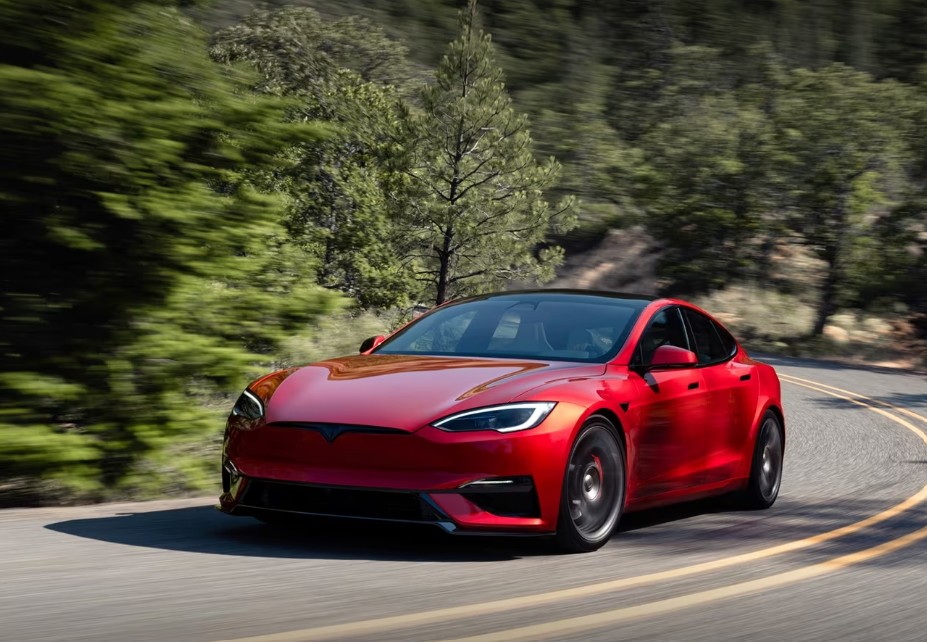
Tesla Model S 75D vs 85D: Which Dual-Motor Tesla Makes More Sense Today?

Content in this publication
- Understanding the Tesla Naming System
- Quick Overview of the Tesla Model S 75D and 85D
- Why the Tesla Model S 75D Became So Popular
- Why Some Buyers Still Prefer the Tesla Model S 85D
- Performance Comparison Between the 75D and 85D
- Range Differences in Real-World Driving
- Battery Degradation Matters More Than Battery Size
- Charging Comparison Between the 75D and 85D
- Interior Design and Cabin Experience
- Technology Differences Between Older and Newer Models
- Ride Quality and Comfort Comparison
- Efficiency and Electricity Consumption
- Used Market Pricing and Value
- Reliability and Maintenance Considerations
- Winter Driving Performance
- Who Should Buy the Tesla Model S 75D?
- Who Should Buy the Tesla Model S 85D?
- Ownership Costs Comparison
- Which Tesla Model S Is Better Overall?
- Final Thoughts on Tesla Model S 75D vs 85D
- Frequently Asked Questions
Understanding the Tesla Naming System
Before comparing the Tesla Model S 75D and 85D, we first need to decode Tesla’s naming strategy. The number represents the battery size, while the “D” stands for dual-motor all-wheel drive.
- Tesla Model S 75D
- 75 kWh battery
- Dual motors
- AWD system
- Tesla Model S 85D
- 85 kWh battery
- Dual motors
- AWD system
At first glance, the difference appears simple. One has a larger battery. But once we dig deeper into range, performance, battery degradation, charging behavior, and ownership costs, the comparison becomes much more interesting.
Quick Overview of the Tesla Model S 75D and 85D
| Feature | Tesla Model S 75D | Tesla Model S 85D |
|---|---|---|
| Battery Capacity | 75 kWh | 85 kWh |
| Drivetrain | AWD | AWD |
| Estimated Range | Around 259 miles | Around 270 miles |
| 0-60 MPH | ~4.2 seconds | ~4.4 seconds |
| Top Speed | 140 mph | 155 mph |
| Efficiency | Better | Slightly Lower |
| Weight | Lighter | Heavier |
| Typical Used Price | Lower | Higher |
The numbers seem close enough to confuse many buyers. That is why this debate continues among used Tesla shoppers.
Why the Tesla Model S 75D Became So Popular
The 75D landed in a sweet spot. It combined luxury, strong acceleration, decent range, and dual-motor traction without becoming overwhelmingly expensive.
Many owners appreciate it because it feels balanced. It is like carrying the perfect backpack during a trip—large enough for everything we need without weighing us down.
The 75D offers:
- Lower purchase prices
- Better energy efficiency
- Strong reliability reputation
- Excellent daily usability
For many people, it simply feels like the smarter choice.
Why Some Buyers Still Prefer the Tesla Model S 85D
The 85D carries a different personality. It feels more substantial and grand. Back when Tesla was still proving itself against German luxury brands, the 85D represented premium electric driving at its best.
Drivers often choose the 85D because of:
- Longer driving range
- Better highway comfort
- More battery reserve
- Strong luxury feel
Even today, the 85D still turns heads. It feels like an executive sedan powered by lightning.
Performance Comparison Between the 75D and 85D
Both Teslas are genuinely fast. Pressing the accelerator in either model feels like stepping onto a roller coaster.
Tesla Model S 75D Performance
The 75D surprises many drivers because it feels extremely responsive.
Key highlights include:
- 0-60 mph in roughly 4.2 seconds
- Instant torque delivery
- Lightweight driving feel
- Agile cornering behavior
The smaller battery helps reduce weight, making the car feel slightly more athletic.
Tesla Model S 85D Performance
The 85D may be slightly slower in acceleration tests, but it compensates with smoothness and stability.
Drivers often describe it as:
- Calm at high speeds
- Smooth during long drives
- Powerful without feeling aggressive
The 85D feels less like a sports sedan and more like a luxury electric cruiser.
Range Differences in Real-World Driving
EPA figures only tell part of the story. Real-world range depends on:
- Driving style
- Weather conditions
- Battery health
- Wheel size
- Elevation changes
Typical Tesla Model S 75D Range
Most drivers see:
- 220 to 245 miles in real conditions
The 75D performs especially well in city driving because of its efficiency.
Typical Tesla Model S 85D Range
Owners generally report:
- 235 to 260 miles realistically
That extra reserve becomes valuable during highway travel or winter driving.
Battery Degradation Matters More Than Battery Size
This is where things become fascinating.
A healthy 75D can sometimes match or outperform a degraded 85D in actual range. That surprises many buyers entering the used EV market.
75D Battery Advantages
The 75D benefits from newer battery technology and improvements in Tesla engineering.
Advantages include:
- Better long-term efficiency
- More predictable degradation
- Improved thermal management
85D Battery Concerns
The 85D uses older battery chemistry, which can create larger variations in battery health depending on how the vehicle was treated.
Potential concerns include:
- Faster degradation
- Charging limitations
- Older thermal systems
This does not mean every 85D is problematic. Many still perform beautifully after years on the road. However, battery condition becomes critical when shopping for one.
You may be interested in reading Tesla Model S or X: Which Tesla Should We Really Buy?
Charging Comparison Between the 75D and 85D
Charging behavior influences ownership more than many buyers expect.
Tesla Model S 75D Charging Experience
The 75D usually feels:
- Efficient
- Easy to charge daily
- Less expensive to recharge
For commuters, it is highly practical.
Tesla Model S 85D Charging Experience
The 85D offers:
- More total energy reserve
- Better long-distance flexibility
- Comfortable road-trip usability
Long-distance travelers may appreciate having more energy available between charging stops.
Interior Design and Cabin Experience
Inside, both cars feel unmistakably Tesla.
Features typically include:
- Large touchscreen display
- Minimalist dashboard
- Spacious seating
- Massive glass visibility
- Premium materials
Even older Model S interiors still feel futuristic. Sitting inside one is like stepping into tomorrow’s version of luxury transportation.
Technology Differences Between Older and Newer Models
Technology differences depend heavily on production year.
Some newer 75D models may feature:
- Updated Autopilot hardware
- Faster infotainment systems
- Improved software compatibility
Meanwhile, older 85D models can sometimes feel technologically dated despite their luxury status.
Tesla evolves quickly. A few years can dramatically change the ownership experience.
Ride Quality and Comfort Comparison
The suspension tuning differs slightly between these two models.
How the Tesla Model S 75D Feels
The 75D feels:
- More responsive
- Slightly sportier
- More connected to the road
It behaves like a luxury sedan with athletic instincts.
How the Tesla Model S 85D Feels
The 85D emphasizes:
- Smoothness
- Stability
- Highway comfort
- Long-distance refinement
It behaves more like a premium grand tourer.
Efficiency and Electricity Consumption
The 75D generally wins in efficiency.
Because it weighs less and uses a smaller battery, it consumes less electricity during everyday driving.
Benefits of Better Efficiency
Lower energy consumption means:
- Reduced charging costs
- Better city driving performance
- Lower operating expenses
For daily commuters, this advantage becomes noticeable over time.
Used Market Pricing and Value
Pricing varies heavily depending on:
- Mileage
- Battery condition
- Accident history
- Software features
- Cosmetic condition
Still, some trends remain consistent.
Tesla Model S 75D Pricing
The 75D usually:
- Costs less
- Offers better value
- Appeals to practical EV buyers
Tesla Model S 85D Pricing
The 85D typically:
- Commands higher prices
- Attracts luxury-focused buyers
- Retains prestige appeal
For some shoppers, the larger battery alone justifies the premium.
Reliability and Maintenance Considerations
Neither Tesla is maintenance-free. Electric vehicles still require repairs and upkeep.
Common Model S issues include:
- Door handle failures
- Suspension wear
- MCU screen problems
- Window regulator issues
- Air suspension repairs
Tesla Model S 75D Reliability
The 75D generally benefits from:
You may be interested in readingTesla Model S or X: Which Tesla Should We Really Buy?You may be interested in reading
Tesla Model S vs Model Y- Improved manufacturing quality
- More mature engineering
- Better battery reliability
Many buyers view it as the safer long-term purchase.
Tesla Model S 85D Reliability
The 85D can still be excellent, but buyers should carefully inspect:
- Battery warranty history
- Charging performance
- Suspension condition
- Drive unit service records
A well-maintained 85D can remain a fantastic luxury EV for years.
Winter Driving Performance
Both models use dual-motor AWD systems, making them surprisingly capable in snow.
Electric torque management provides:
- Smooth traction
- Stable handling
- Strong winter confidence
However, cold weather impacts EV range significantly.
Winter Range Differences
The 85D handles winter better because:
- It starts with more battery capacity
- It provides larger energy reserves
Drivers in colder climates may appreciate that extra buffer.
Who Should Buy the Tesla Model S 75D?
The 75D is ideal for drivers seeking:
- Better value
- Improved efficiency
- Lower ownership costs
- Modern battery technology
- Strong daily usability
It feels balanced, practical, and smart.
Who Should Buy the Tesla Model S 85D?
The 85D works best for buyers who prioritize:
- Longer road trips
- Highway comfort
- Larger battery reserves
- Traditional luxury-car feel
It remains one of the most iconic early Teslas.
Ownership Costs Comparison
Operating costs differ more than many buyers expect.
Insurance Costs
Generally:
- The 85D costs more to insure
- The 75D is slightly cheaper overall
Insurance depends heavily on driving history and location, but battery size and vehicle value still matter.
Charging Costs
The 75D usually costs less to charge because it is more efficient.
Over years of ownership, those savings add up quietly in the background like dripping water filling a bucket.
Repair Risks
The older 85D may face:
- Greater battery-related risks
- More age-related repairs
- Higher long-term maintenance costs
The 75D tends to inspire more confidence for buyers seeking predictable ownership.
Which Tesla Model S Is Better Overall?
The answer depends entirely on our priorities.
Choose the Tesla Model S 75D If You Want
- Better efficiency
- Lower costs
- Strong reliability
- Better overall value
- Modernized battery technology
Choose the Tesla Model S 85D If You Want
- More range
- Better road-trip comfort
- A heavier luxury feel
- Extra battery reserve
- Classic Tesla prestige
Neither choice is wrong. One simply leans toward practicality while the other leans toward luxury touring.
Final Thoughts on Tesla Model S 75D vs 85D
The Tesla Model S 75D and 85D remain two of the most compelling used electric luxury sedans on the market.
The 75D shines because it combines:
- Practical ownership
- Impressive efficiency
- Strong performance
- Better reliability potential
Meanwhile, the 85D still attracts drivers who value:
- Long-distance comfort
- Larger battery reserves
- Smooth highway cruising
- Premium driving presence
In many ways, this comparison reflects two philosophies of EV ownership. The 75D behaves like a carefully optimized athlete. The 85D feels more like a refined long-distance runner.
Both still feel futuristic years later, and that alone says something remarkable about Tesla’s engineering.
Frequently Asked Questions
Is the Tesla Model S 75D faster than the 85D?
In some acceleration tests, yes. The lighter weight and updated drivetrain tuning help the 75D feel slightly quicker.
Which Tesla has better battery reliability?
The 75D generally has the stronger reliability reputation due to newer battery technology and improved engineering.
Does the 85D offer much more range?
Not dramatically. Real-world differences are often smaller than expected, especially when battery degradation is considered.
You may be interested in readingTesla Model S or X: Which Tesla Should We Really Buy?You may be interested in reading
Tesla Model S vs Model YYou may be interested in reading
Tesla Model S vs BMW i4Which Tesla is better for road trips?
The 85D usually performs better during long highway drives because of its larger battery reserve and smooth cruising characteristics.
Is the Tesla Model S 75D still worth buying today?
Absolutely. It remains one of the best-value used luxury EVs available thanks to its efficiency, practicality, and balanced ownership costs.
If you want to know other articles similar to Tesla Model S 75D vs 85D: Which Dual-Motor Tesla Makes More Sense Today? you can visit the category Models.
Land Rover Defender 90 Alternative: The Best Rivals Worth Considering
Land Rover Defender 90 Models: Complete Guide to Trims, Engines and Versions
Toyota Hilux Generations: Complete History, Evolution, and Key Differences
BMW M2 vs M340i: Which BMW Performance Car Should We Buy?
BMW M2 vs Porsche 911: Which Sports Car Makes More Sense?
BMW M2 vs Mustang GT: Which Performance Coupe Should We Buy?
Leave a Reply
More content of your interest