

BMW i3 Years to Avoid: The Complete Buyer’s Guide to Smart Ownership

Content in this publication
- Why the BMW i3 Is Still Popular
- Are All BMW i3 Model Years Reliable?
- BMW i3 Years to Avoid
- 2016 BMW i3: A Turning Point
- BMW i3 Years Worth Buying
- Common BMW i3 Problems Across All Years
- BMW i3 Battery Life: Should Buyers Worry?
- Should You Buy a BMW i3 Range Extender (REx)?
- BMW i3 Maintenance Costs
- What Mileage Is Too High for a BMW i3?
- How to Inspect a Used BMW i3
- Is the BMW i3 Expensive to Insure?
- Who Should Avoid Buying a BMW i3?
- Who Should Buy a BMW i3?
- Final Verdict on BMW i3 Years to Avoid
- FAQs About BMW i3 Years to Avoid
Why the BMW i3 Is Still Popular
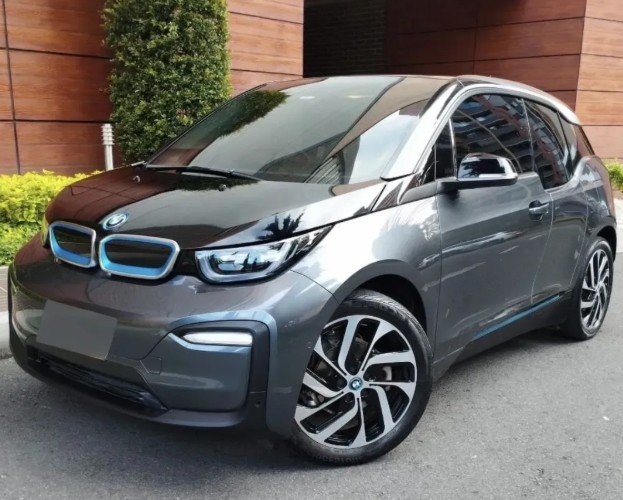
The BMW i3 arrived like a spaceship dropped into a parking lot full of ordinary cars. Carbon-fiber construction, rear-hinged doors, quirky styling, and electric performance made it feel years ahead of its time. Yet beneath that futuristic shell lies a reality every used-car buyer must face: not every model year delivers the same ownership experience.
Some BMW i3 years are dependable companions that quietly glide through city streets for years. Others can drain wallets faster than a fast charger drains a battery pack. That’s why understanding the BMW i3 years to avoid matters before we shake hands with a seller or wire money to a dealership.
In this guide, we’ll explore the most problematic BMW i3 model years, the common issues owners report, repair costs, battery concerns, reliability trends, and which versions are actually worth buying.
Are All BMW i3 Model Years Reliable?
No. Reliability varies significantly depending on the year.
The earliest versions suffered from multiple teething problems. As BMW refined the platform, later models became noticeably more dependable.
Generally speaking:
| Model Year | Reliability Reputation |
|---|---|
| 2014 | Poor |
| 2015 | Below Average |
| 2016 | Moderate |
| 2017 | Improved |
| 2018 | Good |
| 2019 | Very Good |
| 2020-2021 | Excellent |
| 2022 | Best |
Think of the BMW i3 like a first-generation smartphone. The earliest versions introduced revolutionary ideas but also exposed flaws that engineers later corrected.
BMW i3 Years to Avoid
2014 BMW i3: The Biggest Year to Avoid
If there’s one BMW i3 model year that consistently raises red flags, it’s the 2014 version.
This was the debut model, and first-year cars often act like beta tests for manufacturers. Unfortunately, the i3 was no exception.
Common 2014 BMW i3 Problems
Battery and Range Issues
Owners frequently reported:
- Rapid battery degradation
- Inconsistent range estimates
- Charging system malfunctions
- Reduced winter performance
Back then, EV battery management systems were still evolving. BMW learned a lot from these early complaints.
Motor Mount Failure
One infamous issue involved the motor mounts.
Aggressive acceleration or repeated stress could crack the mounts, leading to expensive repairs. Since the electric motor produces instant torque, weak mounting components quickly became a liability.
Repair costs could easily climb above $2,000.
Range Extender Problems
The Range Extender (REx) version included a tiny gasoline engine designed to recharge the battery.
Sounds brilliant in theory.
In practice, early REx systems developed problems such as:
- Fuel sensor failures
- Engine startup issues
- Emissions-system faults
- Check-engine lights
Many owners found themselves battling warning messages more often than enjoying silent driving.
Why the 2014 Model Is Risky
The 2014 i3 combines:
- First-year engineering flaws
- Expensive repair potential
- Aging battery technology
- Limited original range
Unless the vehicle has meticulous maintenance records and major repairs already completed, most buyers should proceed cautiously.
2015 BMW i3: Better but Still Problematic
The 2015 model improved upon the disaster areas of 2014, but it still carried several headaches.
Persistent Issues in the 2015 BMW i3
Drivetrain Errors
Many owners experienced random drivetrain malfunction warnings.
Sometimes these warnings were harmless software glitches.
Other times they hinted at expensive electrical faults.
That uncertainty frustrated owners because diagnosing EV systems can feel like solving a puzzle in the dark.
12V Battery Failures
One surprisingly common culprit behind i3 issues is the tiny 12-volt battery.
When this battery fails, the car can behave dramatically:
- Refusing to start
- Throwing error messages
- Disabling charging functions
- Triggering drivetrain alerts
It’s like a symphony orchestra collapsing because the triangle player forgot their instrument.
Connectivity and Software Bugs
Early infotainment systems suffered from:
- Frozen screens
- Bluetooth disconnects
- Navigation glitches
- Charging timer failures
Software updates helped, but some problems persisted.
2016 BMW i3: A Turning Point
The 2016 model marked a noticeable improvement.
BMW addressed several major reliability concerns, making this year far safer to purchase.
Still, a few issues lingered.
Remaining Concerns
- Occasional air conditioning compressor failures
- Tire wear problems
- Expensive replacement tires
- Minor electrical quirks
But compared to the chaos of 2014, the 2016 model felt far more mature.
BMW i3 Years Worth Buying
2017 BMW i3: A Strong Balance of Value and Reliability
The 2017 model introduced important improvements.
Key Upgrades
- Larger 94Ah battery
- Increased driving range
- Improved software
- Better reliability scores
This version finally started feeling like the polished EV BMW originally envisioned.
For many shoppers, the 2017 i3 represents the sweet spot between affordability and dependability.
2018 and 2019 BMW i3 Models
These years stand out as some of the best used BMW i3 options.
Why These Years Shine
Improved Battery Technology
Range improved significantly compared to early models.
Owners experienced:
- More consistent charging
- Better long-term battery durability
- Improved cold-weather performance
Refined Software Systems
By now, BMW had ironed out many electronic glitches.
The cars simply behaved more predictably.
You may be interested in reading Volkswagen ID.4 Reliability
And predictability is priceless in an EV.
Better Overall Reliability
Consumer reliability ratings improved noticeably during these years.
Fewer drivetrain complaints.
Fewer charging failures.
Fewer headaches.
2020 to 2022 BMW i3: The Best Years
If budget allows, these are the BMW i3 years most buyers should target.
Benefits of Later Models
Largest Battery Capacity
The 120Ah battery dramatically improved usability.
Real-world range became practical enough for daily commuting without anxiety constantly tapping your shoulder.
Most Refined Driving Experience
These versions benefited from years of engineering improvements.
Everything felt tighter:
- Software
- Suspension
- Charging systems
- Climate control
- Battery management
Lower Risk of Major Repairs
Later models generally experience fewer catastrophic issues.
That matters enormously once factory warranties expire.
Common BMW i3 Problems Across All Years
Even the best BMW i3 model years share certain recurring issues.
Understanding them helps buyers inspect vehicles more intelligently.
Expensive Tire Replacement
The i3 uses unusually narrow tires designed specifically for efficiency.
Unfortunately:
- They wear quickly
- Replacement options are limited
- Costs are high
A full set can easily exceed expectations.
12V Battery Failures
This tiny battery causes outsized chaos.
Symptoms include:
- Random warnings
- Charging failures
- Car refusing to start
- Electronic malfunctions
Replacing it proactively every few years is wise.
Air Conditioning Compressor Issues
Some i3 models suffer from AC compressor failures.
This matters more than comfort.
The AC system also helps cool the battery pack. A failed compressor can indirectly affect battery performance and charging behavior.
Repairs can become expensive quickly.
Motor Mount Problems
Although most severe in early models, motor mount concerns can appear across multiple years.
Heavy acceleration increases stress on these components.
A careful inspection is crucial.
BMW i3 Battery Life: Should Buyers Worry?
Battery degradation is the elephant quietly standing in the EV showroom.
Thankfully, the BMW i3 battery generally ages better than many people expect.
How Long Does a BMW i3 Battery Last?
Most estimates suggest:
- 8-15 years of useful life
- 100,000-200,000 miles possible
- Gradual degradation rather than sudden failure
Many owners report minimal capacity loss even after years of use.
Signs of Battery Degradation
Watch for:
- Significant range reduction
- Slow charging
- Rapid battery percentage drops
- Inconsistent range estimates
A battery health check before purchase is highly recommended.
Replacement Costs
Battery replacement costs remain high.
Though prices have fallen, replacing an entire pack can still cost thousands of dollars.
That’s why buying a healthier later-model i3 often makes more financial sense than gambling on a cheaper early version.
Should You Buy a BMW i3 Range Extender (REx)?
The REx version divides opinions sharply.
Some drivers love the security blanket of a gasoline backup engine.
Others see it as additional complexity waiting to fail.
Advantages of the REx Model
Reduced Range Anxiety
The small gasoline engine provides reassurance during longer trips.
It’s like carrying an emergency flashlight during a storm.
You may rarely use it, but you sleep better knowing it’s there.
You may be interested in readingVolkswagen ID.4 ReliabilityYou may be interested in reading
 Kia EV9 Insurance Group: What Owners Need to Know Before Buying
More Flexible Travel
Long-distance driving becomes easier compared to pure EV versions.
Disadvantages of the REx Model
More Maintenance
Extra components mean extra repair possibilities:
- Fuel system
- Emissions components
- Oil changes
- Additional sensors
Higher Failure Risk
Early REx models experienced several reliability complaints.
If choosing a REx, later years are strongly preferred.
BMW i3 Maintenance Costs
One misconception about EVs is that they require almost zero maintenance.
That’s only partly true.
The BMW i3 avoids:
- Oil changes (non-REx)
- Traditional transmission servicing
- Many engine-related repairs
But BMW parts and labor still command premium pricing.
Typical BMW i3 Maintenance Expenses
| Repair Item | Estimated Cost |
|---|---|
| 12V Battery Replacement | $300-$600 |
| Tire Replacement | $700-$1,200 |
| AC Compressor | $1,500-$3,000 |
| Motor Mount Repair | $2,000+ |
| Battery Replacement | $10,000+ |
Even minor repairs can feel like ordering room service at a luxury hotel: surprisingly expensive for what appears simple.
What Mileage Is Too High for a BMW i3?
Mileage matters less in EVs than battery health and maintenance history.
A well-maintained i3 with 100,000 miles may outperform a neglected 40,000-mile example.
Still, buyers should carefully inspect:
- Battery condition
- Charging performance
- Service history
- Tire wear
- Suspension condition
Ideal Mileage Range
Many buyers target:
- 20,000 to 70,000 miles
- Later model years
- Verified maintenance records
This combination often provides the best balance between price and reliability.
How to Inspect a Used BMW i3
Buying a used i3 without inspection is like skydiving while hoping someone packed the parachute correctly.
Checklist Before Buying
Verify Battery Health
Ask for:
- Range screenshots
- Charging history
- Battery health reports
Check for Software Updates
Outdated software can trigger avoidable issues.
Inspect Tires Carefully
Uneven wear may hint at alignment or suspension problems.
Test Charging Functions
Confirm:
- Level 1 charging works
- Level 2 charging works
- DC fast charging functions properly
Look for Warning Lights
Even intermittent warnings deserve investigation.
Is the BMW i3 Expensive to Insure?
Insurance costs vary widely.
Factors include:
- Repair costs
- Carbon-fiber construction
- EV-specific components
- Driver history
- Location
Because body repairs can be costly, insurance premiums sometimes exceed expectations.
Who Should Avoid Buying a BMW i3?
The i3 isn’t ideal for everyone.
You May Want Another EV If You:
- Frequently travel long distances
- Need large cargo space
- Want inexpensive repairs
- Prefer conventional styling
- Lack reliable charging access
The i3 excels primarily as an urban commuter.
Who Should Buy a BMW i3?
The right owner often falls in love with the i3 instantly.
Ideal BMW i3 Buyers
City Drivers
Its compact dimensions make urban parking effortless.
Tech Enthusiasts
The futuristic design still feels special years later.
Eco-Conscious Drivers
Efficiency remains excellent.
Commuters
Daily driving costs are extremely low compared to gasoline vehicles.
Final Verdict on BMW i3 Years to Avoid
The BMW i3 remains one of the most fascinating electric vehicles ever built. It blends innovation, sustainability, premium craftsmanship, and quirky personality into one unforgettable package.
But not every model year deserves equal trust.
BMW i3 Years to Avoid
We strongly recommend caution with:
- 2014 BMW i3
- 2015 BMW i3
These early models suffered from:
- Motor mount failures
- Software glitches
- Battery concerns
- Range extender problems
- Electrical issues
Best BMW i3 Years to Buy
The safest choices include:
- 2017 BMW i3
- 2018 BMW i3
- 2019 BMW i3
- 2020-2022 BMW i3
These later models offer:
- Better reliability
- Improved battery range
- Refined software
- Lower repair risk
In many ways, the BMW i3 was ahead of its time. Early versions stumbled while learning to walk, but later models matured into genuinely enjoyable and practical EVs.
Choose carefully, inspect thoroughly, and the i3 can still feel like driving tomorrow’s car today.
FAQs About BMW i3 Years to Avoid
Which BMW i3 year is the least reliable?
The 2014 BMW i3 is widely considered the least reliable due to motor mount failures, software problems, and early battery concerns.
Is the BMW i3 expensive to repair?
Yes, certain repairs can be costly because of BMW labor rates and specialized EV components.
How long does a BMW i3 battery last?
Most BMW i3 batteries can last between 8 and 15 years with proper care and maintenance.
Should I avoid the BMW i3 Range Extender?
Not necessarily, but earlier REx models experienced more reliability issues. Later versions are generally safer choices.
You may be interested in readingVolkswagen ID.4 ReliabilityYou may be interested in reading
Kia EV9 Insurance Group: What Owners Need to Know Before BuyingYou may be interested in reading
Kia EV9 How to Charge: The Complete Beginner-to-Expert GuideWhat is the best BMW i3 model year to buy?
Many buyers consider the 2019-2022 models the best because they combine improved range, reliability, and refined technology.
If you want to know other articles similar to BMW i3 Years to Avoid: The Complete Buyer’s Guide to Smart Ownership you can visit the category Blog.
Land Rover Defender 90 Reliability: How Dependable Is It Really?
How Long Will a Subaru XV Last? Mileage, Lifespan, and Reliability Explained
Is Subaru XV a Good Car? An Honest Look at Reliability, Comfort, AWD and Ownership
Is Mazda CX-9 a Luxury Car? A Surprisingly Complicated Answer
How to Charge Leapmotor C10: Complete Charging Guide
Is Leapmotor C10 a Good Car? Full Review and Buyer’s Guide
Leave a Reply
More content of your interest