
BMW i3 vs Nissan Leaf

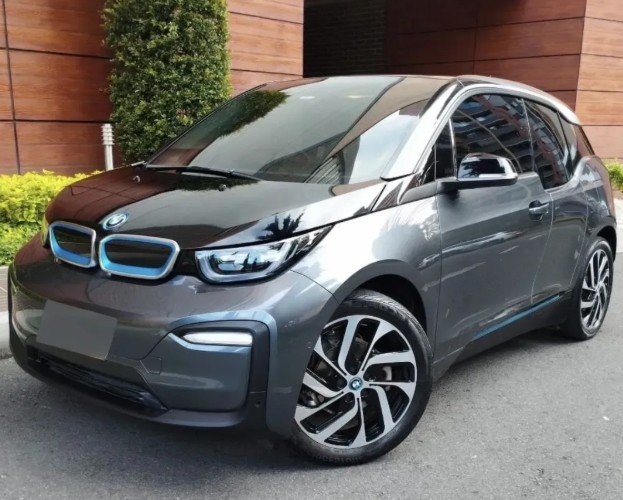
The electric vehicle market has evolved from a curious niche into a battlefield of innovation, efficiency, and personality. Yet even as shiny new EVs flood the roads, two names continue to spark debates among drivers hunting for an affordable electric car: the BMW i3 and the Nissan Leaf.
At first glance, they seem to chase the same audience. Both are compact EVs. Both became pioneers of mainstream electric mobility. Both can now be found on the used market at tempting prices. But once we peel back the layers, we realize these cars are as different as espresso and green tea. One leans into quirky luxury and futuristic engineering. The other focuses on simplicity, practicality, and everyday affordability.
So which one deserves a spot in your driveway?
Let’s dive deep into the ultimate comparison between the BMW i3 and Nissan Leaf.
Content in this publication
- Why the BMW i3 and Nissan Leaf Are Constantly Compared
- BMW i3 vs Nissan Leaf at a Glance
- Design Philosophy: Funky Luxury vs Everyday Simplicity
- Driving Experience: Which EV Feels Better on the Road?
- Battery Technology and Cooling Systems
- Real-World Range Comparison
- Charging Speed and Infrastructure Challenges
- Interior Space and Practicality
- Technology Features and Infotainment
- Reliability and Common Problems
- Maintenance Costs: Which EV Is Cheaper to Own?
- Used Market Pricing and Value
- Winter Driving Performance
- City Driving vs Highway Driving
- Environmental Impact and Sustainability
- Which EV Holds Value Better?
- Who Should Buy the BMW i3?
- Who Should Buy the Nissan Leaf?
- BMW i3 vs Nissan Leaf: Pros and Cons
- The Emotional Difference Between These EVs
- Final Verdict: BMW i3 vs Nissan Leaf
- FAQs
Why the BMW i3 and Nissan Leaf Are Constantly Compared
When these EVs launched, they represented two radically different visions of the electric future.
The BMW i3 arrived like a concept car that escaped an auto show. Carbon fiber construction, rear-wheel drive, suicide-style rear doors, and a minimalist cabin made it feel like something from 2035.
The Nissan Leaf, meanwhile, approached EV ownership from the opposite direction. It was designed to feel familiar. Easy to drive. Easy to live with. Easy to understand.
Yet both cars targeted drivers wanting to transition away from gasoline without spending Tesla money.
That overlap created one of the most interesting EV rivalries of the last decade.
BMW i3 vs Nissan Leaf at a Glance
Quick Comparison Table
| Feature | BMW i3 | Nissan Leaf |
|---|---|---|
| Driving Feel | Sporty and agile | Smooth and comfortable |
| Drivetrain | Rear-wheel drive | Front-wheel drive |
| Interior Style | Premium and futuristic | Simple and practical |
| Battery Cooling | Liquid-cooled | Air-cooled |
| Range | Moderate to strong depending on year | Good on newer models |
| Cargo Space | Limited | Better practicality |
| Reliability | Mixed but generally solid | Strong overall |
| Fast Charging | Good | CHAdeMO aging issue |
| Maintenance Costs | Higher | Lower |
| Fun Factor | Very high | Moderate |
This table tells only half the story. The deeper details reveal why buyers often become emotionally attached to one and indifferent toward the other.
Design Philosophy: Funky Luxury vs Everyday Simplicity
The BMW i3 Looks Like the Future
The BMW i3 doesn’t merely look different. It looks rebellious.
Its tall body, narrow tires, floating roofline, and asymmetrical rear doors still turn heads years after production ended. BMW intentionally created a car that screamed innovation.
Inside, the cabin resembles Scandinavian furniture more than a traditional hatchback.
We find:
- Recycled materials
- Open dashboard layouts
- Minimalist controls
- Lounge-like seating
- Premium textures
Driving an i3 feels like carrying a piece of tomorrow into today.
The Nissan Leaf Plays It Safe
The Nissan Leaf takes a far more conservative approach.
Its styling evolved over time, especially after the second-generation redesign in 2018, but it still prioritizes familiarity over drama.
The interior feels functional rather than artistic.
That may sound boring, but there’s value in simplicity. Many buyers prefer a car that doesn’t require an adjustment period.
The Leaf blends in. The i3 stands out.
That alone can decide the winner for many drivers.
Driving Experience: Which EV Feels Better on the Road?
BMW i3 Delivers Surprising Performance
The BMW i3 feels alive.
Thanks to instant torque and rear-wheel drive, acceleration feels punchy and playful. The lightweight carbon-fiber structure makes the car nimble in corners, almost like a street-legal go-kart.
In city traffic, the i3 dances through gaps with remarkable agility.
Even the steering feels sharper than most EVs in its class.
Nissan Leaf Prioritizes Comfort
The Nissan Leaf feels calmer and more relaxed.
Its suspension tuning favors comfort over excitement. Steering is lighter, and overall dynamics are less engaging.
But for commuters, that can actually be a blessing.
The Leaf excels at:
- Daily commuting
- Smooth highway cruising
- Comfortable family driving
- Predictable handling
The Leaf is the quiet coworker who always gets the job done. The i3 is the eccentric artist who insists on making an entrance.
Battery Technology and Cooling Systems
Why Battery Cooling Matters
Battery cooling may sound technical, but it dramatically affects long-term EV ownership.
Heat is the enemy of lithium-ion batteries.
This is where the BMW i3 gains a major advantage.
BMW i3 Uses Liquid Cooling
The i3 features a liquid-cooled battery system, helping regulate temperature during:
- Fast charging
- Hot weather
- Aggressive driving
- Long-distance travel
This helps preserve battery health over time.
Nissan Leaf Uses Air Cooling
The Nissan Leaf relies primarily on passive air cooling.
While simpler and cheaper, it can struggle in very hot climates or during repeated fast-charging sessions.
Older Leafs became notorious for battery degradation in hot regions.
Newer Leafs improved significantly, but the cooling system remains one of the Leaf’s biggest weaknesses.
Real-World Range Comparison
Early Models Had Limited Range
Both vehicles started with relatively modest range figures.
Older BMW i3 models offered around:
- 81 miles (2014)
- 114 miles (2017)
- Up to 153 miles on later models
Older Nissan Leafs ranged from:
You may be interested in reading BMW i3 vs i3S: Which Electric Hatchback Truly Deserves Your Garage?
- 73 miles initially
- 150+ miles in newer trims
- Up to 226 miles in Leaf Plus versions
The Leaf Wins Pure Range Numbers
If we compare maximum available range, the Nissan Leaf Plus clearly beats the BMW i3.
However, real-world usability depends on more than numbers alone.
The i3’s efficiency and regenerative braking often help drivers squeeze surprising mileage from smaller batteries.
Charging Speed and Infrastructure Challenges
BMW i3 Charging Experience
The BMW i3 supports DC fast charging on many models and generally charges quickly for its battery size.
Because the battery is smaller, charging sessions can feel shorter and less frustrating.
Nissan Leaf’s CHAdeMO Problem
The Leaf’s biggest modern challenge isn’t necessarily the car itself.
It’s the charging connector.
Many Leafs use the CHAdeMO standard, which is gradually disappearing in several markets as CCS becomes dominant.
That creates a long-term infrastructure concern.
Drivers planning extensive road trips may find charging access increasingly inconvenient over time.
Interior Space and Practicality
The Nissan Leaf Is More Practical
The Leaf wins practicality without much debate.
It offers:
- More rear-seat usability
- Better trunk space
- Easier family functionality
- Conventional door layouts
If practicality is the priority, the Leaf often feels more sensible.
The BMW i3 Maximizes Space Creatively
The i3’s interior feels surprisingly spacious thanks to its upright design.
Still, the rear-hinged back doors can become awkward in tight parking spaces.
Cargo capacity is decent but not exceptional.
The i3 feels more like a stylish urban loft. The Leaf feels like a reliable suburban home.
Technology Features and Infotainment
BMW packed the i3 with upscale technology.
Depending on trim and year, features may include:
- Navigation systems
- Adaptive cruise control
- Parking assistance
- Premium audio
- Advanced regenerative braking customization
The infotainment system generally feels more polished than the Leaf’s.
Nissan Leaf Keeps Things User-Friendly
The Leaf’s technology is easier to understand immediately.
Its e-Pedal system became particularly popular, allowing near one-pedal driving.
For drivers new to EVs, the Leaf often feels less intimidating.
Reliability and Common Problems
BMW i3 Reliability Overview
The BMW i3 surprises many people with decent reliability.
However, some concerns exist:
- Motor mount issues on early models
- Air conditioning compressor failures
- Expensive tire replacements
- Occasional electronic glitches
Repair costs can become expensive because it’s still a BMW.
Nissan Leaf Reliability Overview
The Leaf built a strong reputation for durability.
Common concerns include:
- Battery degradation
- Aging infotainment systems
- Suspension wear
- Reduced fast-charging performance over time
Generally speaking, the Leaf is cheaper to maintain.
Maintenance Costs: Which EV Is Cheaper to Own?
The Leaf Is Usually More Affordable
The Nissan Leaf typically wins the ownership cost battle.
Why?
- Cheaper parts
- Wider mechanic familiarity
- Simpler engineering
- Lower tire costs
Insurance can also be lower.
The BMW i3 Can Surprise Owners
The i3’s exotic construction sometimes leads to premium repair bills.
Carbon fiber is impressive but expensive to repair after accidents.
BMW-specific labor costs can also sting.
Still, many owners argue the unique driving experience justifies the added expense.
Used Market Pricing and Value
BMW i3 Prices Are Tempting
Used BMW i3 prices have fallen dramatically.
That creates incredible value opportunities for buyers wanting:
- Luxury EV features
- Distinctive styling
- Premium interiors
- Fun driving dynamics
A used i3 can feel like stealing tomorrow’s technology for yesterday’s prices.
Leaf Prices Depend Heavily on Battery Health
Used Nissan Leafs can be bargains, but battery condition becomes critical.
A cheap Leaf with significant battery degradation may lose practicality quickly.
Always check:
You may be interested in readingBMW i3 vs i3S: Which Electric Hatchback Truly Deserves Your Garage?You may be interested in reading
BMW i3 vs iX3: Which Electric BMW Fits Your Lifestyle Best?- Battery health bars
- Charging history
- Climate exposure
- Warranty status
Winter Driving Performance
BMW i3 Handles Cold Surprisingly Well
Despite its skinny tires, the i3 handles winter competently thanks to:
- Rear-wheel-drive balance
- Instant torque control
- Effective traction systems
Battery thermal management also helps cold-weather consistency.
Leaf Suffers More Range Loss
The Leaf can experience noticeable winter range reductions, especially older models.
Cold temperatures affect all EVs, but the Leaf’s battery management limitations can amplify the impact.
City Driving vs Highway Driving
BMW i3 Dominates Urban Environments
The i3 feels perfectly engineered for cities.
Its advantages include:
- Tiny turning radius
- Excellent visibility
- Instant acceleration
- Compact footprint
Urban driving in an i3 feels almost effortless.
Leaf Feels More Comfortable on Long Commutes
The Leaf’s softer ride and quieter highway demeanor make it better suited for:
- Long suburban commutes
- Highway travel
- Family errands
The Leaf feels calmer at sustained speeds.
Environmental Impact and Sustainability
BMW Focused Heavily on Sustainability
The i3 wasn’t just electric. It was designed around sustainability.
BMW used:
- Recycled plastics
- Renewable materials
- Sustainable manufacturing practices
Even the cabin materials emphasize environmental consciousness.
Leaf Helped Normalize EV Adoption
The Leaf’s greatest environmental contribution may be its accessibility.
It helped introduce electric driving to mainstream buyers worldwide.
Without the Leaf, EV adoption likely would have progressed more slowly.
Which EV Holds Value Better?
The i3 Has Developed a Cult Following
The BMW i3 has become something of a cult classic.
Its unique design and discontinued status may help preserve long-term desirability.
Some enthusiasts already see it as a future collectible EV.
The Leaf Faces Stronger Depreciation Pressure
The Leaf’s more conventional nature can hurt resale value as newer EVs enter the market.
Battery concerns also impact used pricing.
Who Should Buy the BMW i3?
The i3 Is Ideal for Drivers Who Want Personality
The BMW i3 suits buyers who value:
- Unique design
- Fun driving dynamics
- Premium interiors
- Urban mobility
- Innovation
It’s an emotional EV.
People don’t simply drive i3s. They become fans of them.
Who Should Buy the Nissan Leaf?
The Leaf Fits Practical Drivers
The Nissan Leaf makes sense for buyers wanting:
- Affordable EV ownership
- Simplicity
- Reliability
- Lower operating costs
- Better practicality
It’s less exciting, but often more rational.
And sometimes rationality wins.
BMW i3 vs Nissan Leaf: Pros and Cons
BMW i3 Pros
- Unique futuristic styling
- Premium interior quality
- Excellent city driving
- Strong battery cooling system
- Fun handling
BMW i3 Cons
- Limited cargo practicality
- Expensive repairs
- Unusual design may not suit everyone
- Narrow tires can feel odd initially
Nissan Leaf Pros
- Affordable ownership
- Comfortable ride
- Practical hatchback layout
- Proven reliability
- Easy EV transition
Nissan Leaf Cons
- Battery degradation concerns
- CHAdeMO charging limitations
- Less exciting driving experience
- Interior feels less premium
The Emotional Difference Between These EVs
Here’s the fascinating truth most comparison articles ignore.
The BMW i3 and Nissan Leaf appeal to completely different emotions.
The Leaf says:
“Let’s save money and drive electric.”
The i3 says:
“Let’s reinvent what driving feels like.”
One speaks to practicality.
The other speaks to curiosity.
That emotional divide matters more than spec sheets.
Final Verdict: BMW i3 vs Nissan Leaf
Choosing between the BMW i3 and Nissan Leaf ultimately depends on who we are as drivers.
If we crave personality, innovation, premium materials, and genuinely entertaining driving dynamics, the BMW i3 feels special in a way few EVs ever have.
If we prioritize affordability, simplicity, reliability, and practicality, the Nissan Leaf remains one of the easiest electric vehicles to live with.
Neither car is objectively perfect.
But both helped shape the EV revolution in completely different ways.
The Leaf opened the door.
The i3 challenged the blueprint.
And even today, both remain compelling used EV choices for buyers ready to unplug from gasoline forever.
FAQs
Is the BMW i3 better than the Nissan Leaf?
The BMW i3 is generally better for driving enjoyment, premium feel, and battery cooling technology, while the Nissan Leaf is better for practicality and affordability.
Which lasts longer, BMW i3 or Nissan Leaf?
The BMW i3’s liquid-cooled battery may age more gracefully, especially in hot climates. However, the Nissan Leaf often has lower repair costs overall.
Is the BMW i3 more reliable than the Nissan Leaf?
The Nissan Leaf is typically considered more reliable and cheaper to maintain. The BMW i3 can be dependable but may involve higher repair expenses.
You may be interested in readingBMW i3 vs i3S: Which Electric Hatchback Truly Deserves Your Garage?You may be interested in reading
BMW i3 vs iX3: Which Electric BMW Fits Your Lifestyle Best?You may be interested in reading
BMW i3 vs Chevy Bolt: Which Electric Hatchback Truly Wins?Does the Nissan Leaf have more range than the BMW i3?
Yes. Newer Nissan Leaf Plus models offer significantly more range than most BMW i3 versions.
Which EV is better for city driving?
The BMW i3 excels in urban environments thanks to its compact size, sharp turning radius, and quick acceleration.
If you want to know other articles similar to BMW i3 vs Nissan Leaf you can visit the category Models.
Honda Passport vs Toyota 4Runner: Which SUV Is Better?
Honda Passport vs Ford Bronco: Which SUV Is Better?
Honda Passport vs Ford Explorer: Which SUV Is Better?
Honda Passport or Pilot: Which SUV Is Better?
Honda Passport vs Jeep Grand Cherokee: Which SUV Is Better?
Honda Passport vs Nissan Pathfinder: Which SUV Is Better?
Leave a Reply
More content of your interest