
BMW i3 vs iX3: Which Electric BMW Fits Your Lifestyle Best?

Electric cars have evolved from quirky experiments into rolling statements about the future. Yet even within the same brand, two EVs can feel worlds apart. That’s exactly the case when we compare the iconic BMW i3 and the more conventional yet premium BMW iX3.
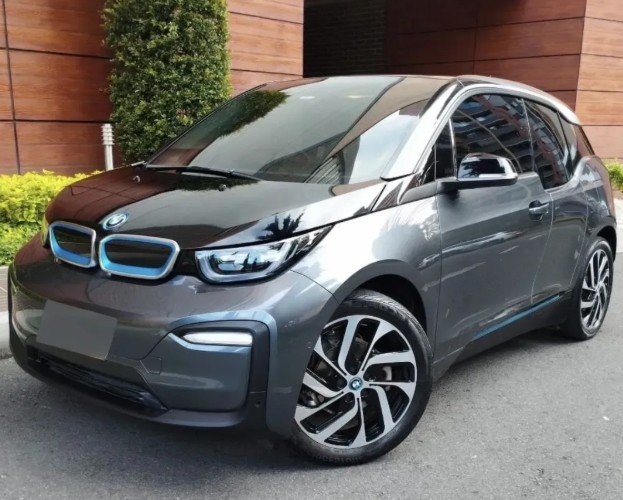
At first glance, these vehicles almost seem unrelated. One looks like a futuristic city pod carved from a sci-fi movie set. The other resembles a refined luxury SUV wearing an electric heart beneath familiar BMW styling. But beneath the skin, both cars represent different philosophies of electric mobility.
So which one deserves your garage?
Let’s dive deep into the ultimate BMW i3 vs iX3 comparison and uncover how these electric BMWs differ in performance, practicality, charging, comfort, ownership costs, and daily usability.
Content in this publication
- The BMW i3 and iX3 Represent Two Different Eras
- Quick Overview of the BMW i3
- Quick Overview of the BMW iX3
- Exterior Design: Futuristic vs Familiar
- Size Comparison: The Difference Is Massive
- Interior Experience: Minimalism vs Luxury
- Performance Comparison: Agile City Car vs Powerful SUV
- Acceleration: Which One Feels Faster?
- Range Comparison: The iX3 Clearly Wins
- Charging Speed and Charging Convenience
- Cargo Space: Tiny Hatchback vs Family SUV
- Technology and Infotainment
- Ride Comfort and Noise Levels
- Efficiency: The i3 Is Shockingly Frugal
- Maintenance and Ownership Costs
- Reliability: Which One Is More Dependable?
- Driving Personality: Which One Is More Fun?
- Who Should Buy the BMW i3?
- Who Should Buy the BMW iX3?
- Used Market Value and Depreciation
- Environmental Impact and Sustainability
- BMW i3 vs iX3: Final Verdict
- FAQs
The BMW i3 and iX3 Represent Two Different Eras
The easiest way to understand this comparison is to realize that the i3 and iX3 were born with completely different missions.
The BMW i3 arrived as a revolutionary experiment. It was lightweight, compact, and radically designed to challenge what a city EV could become.
The BMW iX3, meanwhile, was created to ease traditional SUV buyers into electric ownership without forcing them into an alien-looking vehicle.
Think of the i3 as the electric rebel and the iX3 as the polished executive.
Quick Overview of the BMW i3
BMW i3 debuted in 2013 and immediately turned heads.
Its unusual shape, rear suicide doors, carbon-fiber body structure, and minimalist cabin made it unlike anything else on the road. BMW wasn’t merely making another hatchback—it was redefining urban transportation.
What Made the i3 Unique?
- Carbon-fiber reinforced construction
- Lightweight engineering
- Tight turning radius
- Futuristic interior
- Optional range extender engine
- Exceptional city efficiency
Even years later, the i3 still looks like it arrived from the future.
Quick Overview of the BMW iX3
BMW iX3 took a very different route.
Instead of radical experimentation, BMW used the familiar X3 SUV formula and electrified it. The result is an EV that feels approachable for drivers transitioning from gasoline-powered luxury SUVs.
Why Buyers Love the iX3
- Traditional SUV practicality
- Comfortable long-distance driving
- Premium interior quality
- Strong electric range
- Fast charging capability
- Familiar BMW driving feel
If the i3 is a minimalist urban sneaker, the iX3 is a tailored luxury coat.
Exterior Design: Futuristic vs Familiar
BMW i3 Design Philosophy
The i3 looks bold even today.
Short overhangs, tall body proportions, black hood accents, and floating panels make it resemble a concept car that escaped the auto show floor.
Its design prioritizes:
- Aerodynamics
- Urban maneuverability
- Lightweight efficiency
Some people adore its weirdness. Others never warm up to it. Either way, nobody mistakes it for an ordinary hatchback.
BMW iX3 Design Philosophy
The iX3 takes the opposite approach.
It looks almost identical to a standard X3, which is exactly what many buyers want. BMW knew some EV shoppers preferred familiarity over experimentation.
The iX3 offers:
- Traditional SUV proportions
- Elegant luxury styling
- Conservative exterior lines
- Strong road presence
It’s less “look at me” and more “I quietly upgraded my life.”
Size Comparison: The Difference Is Massive
BMW i3 Dimensions
The i3 is compact and city-friendly.
Parking feels effortless. Tight streets become manageable. U-turns happen with almost comedic ease.
Perfect for:
- Urban commuting
- Dense cities
- Small parking spaces
- Solo drivers or couples
BMW iX3 Dimensions
The iX3 is substantially larger.
You immediately notice:
- More cabin space
- Higher seating position
- Larger cargo area
- Better rear passenger comfort
It’s aimed at families and drivers who regularly travel longer distances.
Interior Experience: Minimalism vs Luxury
Inside the BMW i3
Stepping inside the i3 feels refreshing.
BMW used sustainable materials, open cabin architecture, and airy design choices that make the interior feel almost lounge-like.
Key highlights include:
- Recycled materials
- Eucalyptus wood trim
- Floating dashboard
- Excellent visibility
- Modern minimalist styling
The cabin feels playful and innovative rather than traditionally luxurious.
Inside the BMW iX3
The iX3 cabin leans heavily into premium comfort.
Here we get:
- Plush seating
- Sophisticated infotainment
- Higher-quality sound insulation
- More conventional luxury finishes
- Superior long-distance comfort
The iX3 feels like a proper luxury SUV with an electric twist.
Performance Comparison: Agile City Car vs Powerful SUV
BMW i3 Performance
The i3 feels surprisingly quick in urban environments.
Because it’s lightweight and delivers instant electric torque, it darts through traffic like a caffeinated squirrel.
Driving Characteristics
- Rapid low-speed acceleration
- Tight handling
- Excellent visibility
- One-pedal driving feel
- Extremely nimble
The i3 thrives in cities.
BMW iX3 Performance
The iX3 delivers a more mature driving experience.
You may be interested in reading BMW i3 vs Chevy Bolt: Which Electric Hatchback Truly Wins?
Instead of hyperactive agility, it emphasizes:
- Smooth power delivery
- Highway refinement
- Stability
- Comfortable ride quality
It still feels unmistakably BMW, especially through corners, but it’s calmer and more composed.
Acceleration: Which One Feels Faster?
Surprisingly, the i3 can feel quicker at low speeds because of its featherweight body.
However, the iX3 produces stronger overall power and maintains acceleration more confidently at highway speeds.
Real-World Driving Feel
i3
- Feels energetic instantly
- Excellent in stop-and-go traffic
- More playful
iX3
- Feels stronger at higher speeds
- Better highway confidence
- More refined acceleration
The difference is like comparing a go-kart to a grand tourer.
Range Comparison: The iX3 Clearly Wins
Range is one of the biggest differences between these two EVs.
BMW i3 Range
Depending on the model year and battery version:
- Early models offer modest range
- Later versions improved significantly
- Range extender variants reduce anxiety
Still, by modern EV standards, the i3 remains primarily a city-focused vehicle.
BMW iX3 Range
The iX3 offers substantially more driving range.
It comfortably handles:
- Road trips
- Long commutes
- Weekend getaways
- Family travel
For drivers who regularly cover long distances, the iX3 is vastly more practical.
Charging Speed and Charging Convenience
BMW i3 Charging
The i3 supports both AC and DC fast charging depending on configuration.
Charging is adequate for city use, but older battery technology means it doesn’t feel cutting-edge anymore.
Best suited for:
- Overnight home charging
- Short daily commuting
- Predictable driving patterns
BMW iX3 Charging
The iX3 benefits from newer charging technology.
Advantages include:
- Faster DC charging
- Better long-distance charging practicality
- Improved charging curve efficiency
For road-trip flexibility, the iX3 easily takes the lead.
Cargo Space: Tiny Hatchback vs Family SUV
BMW i3 Cargo Capacity
The i3 surprises many people with its clever packaging, but it’s still a compact hatchback.
You can comfortably fit:
- Groceries
- Small luggage
- Daily essentials
But family vacations may require strategic packing skills worthy of a Tetris champion.
BMW iX3 Cargo Capacity
The iX3 behaves like a proper SUV.
You gain:
- Large boot space
- Fold-flat rear seats
- Better passenger room
- Easier family practicality
For households with children, pets, or lots of gear, the iX3 feels dramatically more useful.
Technology and Infotainment
BMW i3 Technology
Despite its age, the i3 still offers impressive technology.
Features may include:
- Navigation
- Smartphone connectivity
- Adaptive cruise control
- Parking assistance
However, newer competitors have surpassed it in interface sophistication.
BMW iX3 Technology
The iX3 feels more modern overall.
It typically includes:
- Larger displays
- Faster infotainment
- Enhanced driver assistance systems
- Better connectivity features
The experience feels closer to current luxury EV expectations.
Ride Comfort and Noise Levels
BMW i3 Ride Quality
The i3 rides firmly because of:
- Narrow tires
- Short wheelbase
- Lightweight construction
On smooth city roads, it feels agile and responsive. On rough pavement, however, it can become bouncy.
BMW iX3 Ride Quality
The iX3 excels in comfort.
It offers:
- Better suspension tuning
- Superior cabin isolation
- More relaxed highway cruising
Long drives feel significantly less tiring.
Efficiency: The i3 Is Shockingly Frugal
Here’s where the i3 punches far above its weight.
Its lightweight design makes it one of the most energy-efficient EVs BMW has ever produced.
Why the i3 Is So Efficient
- Carbon-fiber construction
- Low weight
- Narrow eco-focused tires
- Compact dimensions
In urban driving, the i3 can sip electricity like a hummingbird sipping nectar.
Maintenance and Ownership Costs
BMW i3 Ownership Costs
The i3 can be relatively affordable to own, especially used.
Benefits include:
You may be interested in readingBMW i3 vs Chevy Bolt: Which Electric Hatchback Truly Wins?You may be interested in reading
BMW i3 or Tesla Model 3: Which Electric Car Truly Fits Your Life?- Lower purchase prices
- Excellent efficiency
- Reduced brake wear due to regenerative braking
Potential concerns:
- Specialized repairs
- Tire replacement costs
- Battery aging on older models
BMW iX3 Ownership Costs
The iX3 typically costs more across the board.
Expect:
- Higher insurance
- More expensive purchase price
- Greater tire costs
But you also gain:
- Better practicality
- Newer technology
- Longer usability horizon
Reliability: Which One Is More Dependable?
BMW i3 Reliability
The i3 has proven more reliable than many skeptics expected.
Owners often praise:
- Durable electric drivetrain
- Strong battery longevity
- Minimal mechanical issues
However, early models occasionally suffered:
- Motor mount problems
- Air-conditioning compressor failures
- Charging-related quirks
BMW iX3 Reliability
The iX3 benefits from BMW’s later EV experience.
It generally feels:
- More refined
- Better engineered
- More mature overall
Still, because it’s newer, long-term reliability data remains less extensive.
Driving Personality: Which One Is More Fun?
This category is surprisingly subjective.
Why Some Drivers Prefer the i3
The i3 feels quirky, alive, and delightfully unconventional.
It’s:
- Tiny yet spacious
- Fast yet efficient
- Strange yet lovable
Driving it feels like piloting an electric gadget from the future.
Why Others Prefer the iX3
The iX3 delivers confidence and sophistication.
It feels:
- Stable
- Luxurious
- Mature
- Relaxing
Instead of shouting for attention, it quietly impresses.
Who Should Buy the BMW i3?
The i3 makes sense for drivers who:
- Mostly drive in cities
- Want maximum efficiency
- Appreciate unconventional design
- Need compact dimensions
- Prefer lower ownership costs
It’s ideal as:
- A commuter car
- A second vehicle
- An urban EV
Who Should Buy the BMW iX3?
The iX3 fits drivers who:
- Need family practicality
- Travel longer distances
- Want luxury SUV comfort
- Prefer traditional styling
- Need more cabin space
It’s ideal as:
- A primary family vehicle
- A road-trip EV
- A premium daily driver
Used Market Value and Depreciation
BMW i3 Used Prices
The i3 can represent incredible used EV value.
Because of its unusual styling, depreciation hit it hard early on. That creates opportunities for savvy buyers today.
You can often find:
- Well-equipped examples
- Reasonable battery performance
- Affordable entry pricing
BMW iX3 Used Prices
The iX3 remains more expensive because:
- It’s newer
- SUVs remain highly desirable
- Demand for premium EV SUVs is strong
Depreciation exists, but not as dramatically as the i3.
Environmental Impact and Sustainability
BMW i3 Sustainability Focus
The i3 was built with environmental thinking baked into its DNA.
BMW emphasized:
- Recycled materials
- Renewable manufacturing
- Lightweight efficiency
Even today, it feels ahead of its time environmentally.
BMW iX3 Sustainability Approach
The iX3 focuses more on balancing sustainability with luxury expectations.
It’s cleaner than a gasoline SUV, of course, but it lacks the radical eco-identity of the i3.
BMW i3 vs iX3: Final Verdict
Choosing between the BMW i3 and iX3 depends less on which vehicle is “better” and more on who you are as a driver.
The i3 remains one of the most fascinating electric cars ever made. It’s quirky, efficient, futuristic, and wonderfully unconventional. Even years later, it still feels special.
The iX3, meanwhile, represents electric maturity. It’s practical, luxurious, comfortable, and easy to live with daily. It doesn’t reinvent transportation—it perfects familiar SUV comfort using electric power.
Choose the BMW i3 if you want:
- Urban agility
- Distinctive styling
- Exceptional efficiency
- Lower costs
- A unique EV experience
Choose the BMW iX3 if you want:
- SUV practicality
- Long-distance capability
- Luxury comfort
- More space
- A modern premium EV lifestyle
One feels like tomorrow arrived early. The other feels like tomorrow finally grew up.
FAQs
Is the BMW i3 smaller than the iX3?
Yes, the BMW i3 is significantly smaller. It’s a compact hatchback designed primarily for city use, while the iX3 is a midsize luxury SUV.
Does the BMW iX3 have more range than the i3?
Absolutely. The iX3 offers substantially greater driving range, making it far better suited for long trips and highway driving.
Which is cheaper to maintain: BMW i3 or iX3?
The BMW i3 is generally cheaper to maintain because of its smaller size, lower tire costs, and greater energy efficiency.
Is the BMW i3 still worth buying in 2026?
Yes, especially as a city car. Later-model i3 versions still provide excellent efficiency, unique styling, and strong urban practicality.
You may be interested in readingBMW i3 vs Chevy Bolt: Which Electric Hatchback Truly Wins?You may be interested in reading
BMW i3 or Tesla Model 3: Which Electric Car Truly Fits Your Life?You may be interested in reading
Mini Cooper Electric vs BMW i3Which BMW EV is better for families?
The BMW iX3 is the better family vehicle due to its larger cabin, bigger cargo area, and superior long-distance comfort.
If you want to know other articles similar to BMW i3 vs iX3: Which Electric BMW Fits Your Lifestyle Best? you can visit the category Models.
Volkswagen T-Cross vs Volkswagen T-Roc: Which Is Better?
Hyundai Tucson Weight: Complete Guide to Curb, Gross, and Payload Specs

Honda Passport vs Toyota 4Runner: Which SUV Is Better?
Honda Passport vs Ford Bronco: Which SUV Is Better?
Honda Passport vs Ford Explorer: Which SUV Is Better?
Honda Passport or Pilot: Which SUV Is Better?
Leave a Reply
More content of your interest