

BMW i3 or Tesla Model 3: Which Electric Car Truly Fits Your Life?

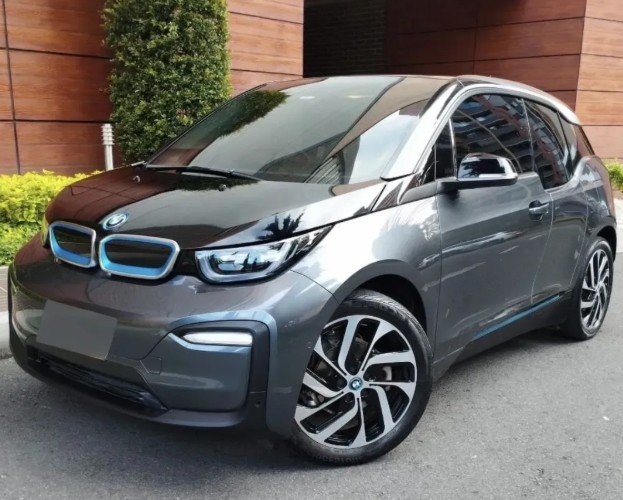
The electric vehicle world feels like a battlefield of philosophies. On one side, we have the quirky, futuristic, city-loving BMW i3. On the other, the sleek, tech-obsessed, highway-hungry Tesla Model 3. Choosing between them is not simply about range or horsepower. It is about lifestyle. Personality. Priorities.
Some cars whisper practicality. Others shout innovation. These two somehow do both in completely different languages.
So, if you are stuck wondering whether the BMW i3 or Tesla Model 3 deserves a spot in your driveway, we are about to unpack every angle that matters — performance, charging, comfort, reliability, costs, technology, and real-world ownership.
Let’s dive into the electric duel that still sparks debates years later.
Content in this publication
- Why the BMW i3 and Tesla Model 3 Are Constantly Compared
- The Design Philosophy: Funky Innovation vs Clean Simplicity
- Interior Quality and Cabin Experience
- Driving Experience: Which One Is More Fun?
- Range Comparison: A Major Deciding Factor
- Charging Speed and Infrastructure
- Performance Specs: Numbers Tell an Interesting Story
- Real-World Practicality
- Reliability and Ownership Concerns
- Software and Technology Battle
- Autonomous Driving Features
- Cost of Ownership: Which Saves More Money?
- Used Market Value and Depreciation
- Environmental Impact and Sustainability
- Who Should Buy the BMW i3?
- Who Should Buy the Tesla Model 3?
- The Emotional Side of the Decision
- BMW i3 or Tesla Model 3 for Daily Commuting?
- Road Trips: There Is a Clear Winner
- Which EV Ages Better Over Time?
- Final Verdict: BMW i3 or Tesla Model 3?
- FAQs
Why the BMW i3 and Tesla Model 3 Are Constantly Compared
At first glance, these EVs seem worlds apart. The BMW i3 looks like a concept car that escaped an auto show. The Tesla Model 3 looks like the future quietly rolled into the present.
Yet buyers compare them constantly because both represent accessible premium EV ownership.
The comparison often comes down to:
- Urban practicality vs long-distance capability
- Character vs minimalism
- Compact agility vs sporty refinement
- Traditional luxury craftsmanship vs software-driven innovation
The truth? Neither car is objectively better. They simply excel in different environments.
The Design Philosophy: Funky Innovation vs Clean Simplicity
BMW i3: A Rolling Science Experiment
The BMW i3 never tried to blend in. BMW designed it like a rolling sustainability manifesto.
Key design highlights include:
- Carbon fiber reinforced plastic body
- Rear suicide-style doors
- Ultra-short overhangs
- Tall roofline
- Recycled interior materials
Driving an i3 feels like piloting a futuristic pod through the city. It is weird in the best possible way.
Some people adore its boldness. Others think it resembles a tiny spacecraft wearing sneakers.
Either way, nobody ignores it.
Tesla Model 3: Minimalism Turned Into Art
The Tesla Model 3 takes the opposite approach.
Everything is smooth, simple, and almost eerily clean. Tesla stripped away physical buttons and transformed the cabin into a digital-first environment.
Its design philosophy revolves around:
- Aerodynamics
- Simplicity
- Software integration
- Efficiency
The result feels modern without screaming for attention.
The Model 3 is like a luxury apartment with almost no furniture — elegant, spacious, and intentionally uncluttered.
Interior Quality and Cabin Experience
One of the biggest surprises inside the BMW i3 is how upscale it feels.
The materials are imaginative and warm:
- Open-pore eucalyptus wood
- Recycled fabrics
- Wool-like textures
- Lounge-style seating
Unlike many modern EVs, the i3 cabin feels human.
It does not overwhelm us with giant screens or futuristic gimmicks. Instead, it creates a cozy atmosphere that feels refreshingly different.
Tesla Model 3 Interior: Technology First
The Tesla Model 3 cabin feels more like a smartphone than a traditional car interior.
Almost every function runs through the center touchscreen.
This creates:
- A clean visual environment
- Fewer distractions
- A futuristic ambiance
However, not everyone loves the experience. Some drivers miss physical controls for climate settings, wipers, or basic adjustments.
Still, Tesla’s software experience remains one of the most advanced in the automotive world.
Driving Experience: Which One Is More Fun?
BMW i3: The Urban Ninja
The BMW i3 shines brightest in cities.
Its strengths include:
- Tiny turning circle
- Instant acceleration
- Lightweight construction
- Excellent visibility
Driving it through traffic feels almost playful. It darts through urban environments like a squirrel leaping between trees.
The i3’s one-pedal driving system is also exceptional. Lift off the accelerator and the regenerative braking slows the car dramatically, often eliminating the need for brake pedal use.
In crowded cities, the i3 feels magical.
Tesla Model 3: The Highway Athlete
The Tesla Model 3 feels more planted, refined, and performance-oriented.
Advantages include:
- Superior highway stability
- Faster acceleration
- Better cornering balance
- Smoother high-speed cruising
Even base versions feel seriously quick.
Meanwhile, the Performance variant can embarrass sports cars costing far more.
The Model 3 behaves like a stealth missile disguised as a commuter car.
Range Comparison: A Major Deciding Factor
BMW i3 Range
Range depends heavily on battery size and model year.
Approximate EPA ranges:
- Early models: around 81 miles
- Mid-cycle updates: around 114 miles
- Final 120Ah versions: around 153 miles
The optional Range Extender (REx) adds a small gasoline engine to reduce range anxiety.
For daily commuting, the i3 works beautifully.
For road trips? Not ideal.
Tesla Model 3 Range
This is where Tesla dominates.
Approximate ranges include:
- Rear-Wheel Drive: around 272 miles
- Long Range: over 330 miles
- Performance: around 315 miles
The difference is massive.
A Tesla Model 3 can comfortably handle long-distance travel without constantly searching for chargers.
For many buyers, this alone settles the debate.
Charging Speed and Infrastructure
BMW i3 Charging
The BMW i3 supports DC fast charging, but charging speeds are modest by modern standards.
You may be interested in reading Mini Cooper Electric vs BMW i3
Depending on battery version:
- Home charging overnight works well
- Public charging is manageable
- Long trips require patience
The real issue is charging infrastructure compatibility and planning.
Tesla Model 3 Charging
Tesla’s Supercharger network remains one of the company’s greatest strengths.
Benefits include:
- Extremely fast charging
- Reliable charging stations
- Seamless navigation integration
- Easy payment system
Road-tripping in a Tesla feels almost effortless.
The charging experience alone can make Tesla ownership dramatically easier.
Performance Specs: Numbers Tell an Interesting Story
BMW i3 Performance
Despite its quirky appearance, the i3 is surprisingly quick.
Typical specs:
- 0–60 mph in about 6.5 to 7 seconds
- Rear-wheel drive
- Lightweight chassis
The instant torque makes it feel faster than expected around town.
Tesla Model 3 Performance
Tesla turns acceleration into an addiction.
Approximate acceleration figures:
| Model | 0–60 MPH |
|---|---|
| Base Model 3 | Around 5.8 sec |
| Long Range | Around 4.2 sec |
| Performance | Around 3.1 sec |
That is supercar territory.
The first time we floor a Tesla Model 3, it feels like gravity suddenly forgot its job.
Real-World Practicality
BMW i3 Practicality
The i3 is more practical than it looks, but compromises exist.
Pros:
- Easy parking
- Tall seating position
- Spacious front cabin
- Excellent visibility
Cons:
- Small trunk
- Rear-hinged doors can annoy passengers
- Limited rear-seat space
It thrives in dense urban environments.
Tesla Model 3 Practicality
The Model 3 is far more versatile overall.
Advantages include:
- Larger cargo capacity
- Front trunk (frunk)
- Better rear-seat usability
- Superior road-trip comfort
If we regularly carry passengers or luggage, Tesla clearly wins.
Reliability and Ownership Concerns
BMW i3 Reliability
The BMW i3 is generally more reliable than many traditional BMWs.
However, common concerns include:
- Motor mount issues on early models
- Expensive tire replacements
- Carbon fiber repair costs
- Occasional electronic glitches
Battery degradation has actually proven relatively modest over time.
Tesla Model 3 Reliability
Tesla reliability remains a mixed conversation.
Common issues may include:
- Panel gaps
- Paint quality concerns
- Software bugs
- Suspension wear
- Interior rattles
However, Tesla constantly improves vehicles through software updates, which creates a unique ownership experience.
Software and Technology Battle
BMW i3 Technology
The i3’s infotainment system feels conventional by modern EV standards.
Still, it offers:
- User-friendly menus
- Physical controls
- Reliable functionality
- Simple navigation
Sometimes simplicity ages better than complexity.
Tesla Model 3 Technology
Tesla transforms software into the centerpiece of ownership.
Features include:
- Over-the-air updates
- Advanced navigation
- Streaming apps
- Gaming functions
- Smart energy management
The car evolves over time like a smartphone.
That feels exciting — and occasionally unsettling.
Autonomous Driving Features
BMW i3 Driver Assistance
The i3 includes basic safety technologies like:
- Adaptive cruise control
- Parking sensors
- Collision warnings
Useful, but limited.
Tesla Autopilot
Tesla’s Autopilot system remains one of the most recognizable driver-assistance systems on Earth.
Capabilities include:
- Lane centering
- Traffic-aware cruise control
- Automatic lane changes
- Smart Summon features
It is impressive, though still far from true self-driving.
Cost of Ownership: Which Saves More Money?
BMW i3 Ownership Costs
The used BMW i3 market offers incredible value.
Advantages include:
- Lower purchase prices
- Affordable used examples
- Minimal fuel costs
- Lower depreciation today
But remember:
- Tires are expensive
- Specialized repairs can hurt
- Insurance varies widely
Tesla Model 3 Ownership Costs
Tesla ownership can also be economical long-term.
Benefits include:
- Strong efficiency
- Low charging costs
- Minimal maintenance
- Excellent resale value
Potential downsides:
- Expensive insurance
- Costly collision repairs
- Higher purchase price
Used Market Value and Depreciation
BMW i3 Depreciation
The i3 depreciated heavily early on.
Ironically, that now makes it a fantastic used EV bargain.
For buyers entering the EV world cheaply, few options feel as unique.
Tesla Model 3 Depreciation
Tesla values have historically stayed stronger.
You may be interested in readingMini Cooper Electric vs BMW i3You may be interested in reading
BMW i3 vs VW ID3: Which Electric Hatchback Truly Wins?Reasons include:
- Brand demand
- Charging network
- Software ecosystem
- Market popularity
However, aggressive Tesla price cuts have affected resale values recently.
Environmental Impact and Sustainability
BMW i3 Sustainability Focus
BMW designed the i3 with sustainability at its core.
Examples include:
- Recycled plastics
- Renewable manufacturing energy
- Lightweight efficiency
- Eco-conscious materials
The i3 feels intentionally green.
Tesla’s Environmental Vision
Tesla focuses more on mass EV adoption and energy transformation.
Its broader mission includes:
- Renewable energy
- Battery innovation
- Solar integration
- Large-scale electrification
Tesla aims to reshape transportation globally.
BMW aimed to rethink the car itself.
Who Should Buy the BMW i3?
The BMW i3 makes sense for drivers who:
- Mostly drive in cities
- Want something unique
- Prioritize maneuverability
- Appreciate quirky design
- Prefer compact dimensions
- Want affordable used EV ownership
The i3 is not merely transportation.
It is a personality statement.
Who Should Buy the Tesla Model 3?
The Tesla Model 3 fits buyers who:
- Drive long distances regularly
- Want cutting-edge technology
- Need substantial EV range
- Appreciate fast charging
- Prefer sporty performance
- Value software innovation
The Model 3 feels like the electric future already arrived.
The Emotional Side of the Decision
Cars are emotional purchases.
The BMW i3 feels charming, unconventional, and almost rebellious. It refuses to follow industry norms.
The Tesla Model 3 feels inevitable. Like the automotive equivalent of streaming replacing DVDs.
One captures hearts through character.
The other captures minds through capability.
That emotional distinction matters more than spec sheets sometimes admit.
BMW i3 or Tesla Model 3 for Daily Commuting?
For urban commuting, the i3 often wins.
Why?
Because cities reward:
- Small footprints
- Tight turning circles
- Easy parking
- Visibility
- Efficient low-speed driving
The i3 feels built specifically for crowded streets.
However, if the commute includes substantial highway driving, the Tesla Model 3 becomes dramatically more comfortable.
Road Trips: There Is a Clear Winner
This category belongs to Tesla.
The combination of:
- Long range
- Fast charging
- Supercharger reliability
- Better highway refinement
…makes the Model 3 one of the best road-trip EVs available.
The BMW i3 can travel long distances, but it demands patience and planning.
Which EV Ages Better Over Time?
Interestingly, both cars age well — just differently.
The BMW i3 ages like an eccentric designer chair. It remains visually fresh because it never followed trends.
The Tesla Model 3 ages through software updates and technology evolution.
One stays relevant through personality.
The other evolves through functionality.
Final Verdict: BMW i3 or Tesla Model 3?
Choosing between the BMW i3 and Tesla Model 3 ultimately comes down to how we live.
If we want:
- A futuristic city car
- Distinctive styling
- Urban agility
- Affordable used EV ownership
…the BMW i3 is wonderfully compelling.
But if we prioritize:
- Long-distance travel
- Technology
- Charging convenience
- Performance
- Overall versatility
…the Tesla Model 3 becomes difficult to ignore.
The BMW i3 feels like an innovative boutique product.
The Tesla Model 3 feels like the mainstream electric future.
Neither choice is wrong.
The better question is this:
Do we want a clever electric companion for city life… or an all-purpose EV designed to replace nearly everything else?
That answer changes everything.
FAQs
Is the BMW i3 cheaper than the Tesla Model 3?
Yes. Used BMW i3 models are generally much cheaper than Tesla Model 3 vehicles, making them attractive budget EV options.
Which car has better range, the BMW i3 or Tesla Model 3?
The Tesla Model 3 has significantly better range. Many versions exceed 300 miles, while the BMW i3 typically ranges between 80 and 153 miles.
Is the BMW i3 reliable long term?
The BMW i3 is surprisingly reliable overall, though early models experienced motor mount issues and repairs can sometimes be expensive.
You may be interested in readingMini Cooper Electric vs BMW i3You may be interested in reading
BMW i3 vs VW ID3: Which Electric Hatchback Truly Wins?You may be interested in reading
 Volkswagen ID.4 Size Comparison: How Big Is Volkswagen’s Electric SUV Really?
Does the Tesla Model 3 charge faster?
Yes. The Tesla Model 3 charges much faster, especially when using Tesla Superchargers.
Which EV is more fun to drive?
The BMW i3 feels more playful in cities due to its lightweight design and tight turning radius, while the Tesla Model 3 delivers stronger acceleration and better highway dynamics.
If you want to know other articles similar to BMW i3 or Tesla Model 3: Which Electric Car Truly Fits Your Life? you can visit the category Models.
Honda Passport vs Toyota 4Runner: Which SUV Is Better?
Honda Passport vs Ford Bronco: Which SUV Is Better?
Honda Passport vs Ford Explorer: Which SUV Is Better?
Honda Passport or Pilot: Which SUV Is Better?
Honda Passport vs Jeep Grand Cherokee: Which SUV Is Better?
Honda Passport vs Nissan Pathfinder: Which SUV Is Better?
Leave a Reply
More content of your interest