
BMW i3 Tires Size: Everything We Need to Know Before Buying New Tires

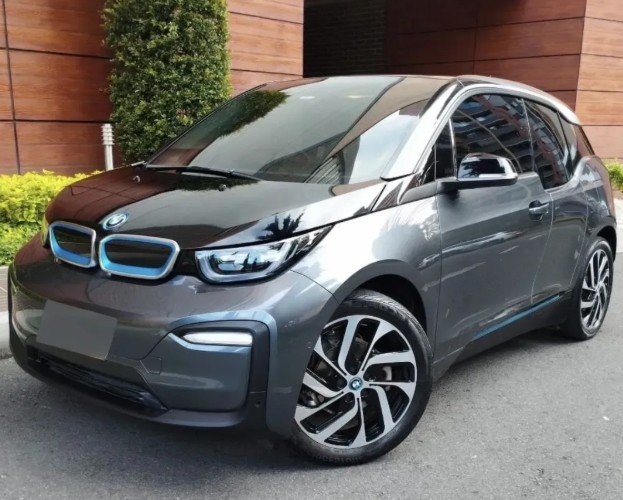
The BMW i3 is unlike almost every other car on the road. It looks futuristic, drives like a silent rocket through city streets, and comes wrapped in one of the most unusual tire setups we’ve ever seen on a production vehicle. At first glance, the tires almost look too skinny for the car. Yet that design was intentional from the very beginning.
If we’ve ever searched for “BMW i3 tires size,” chances are we quickly realized things can get confusing. Different wheel sizes, staggered fitments, winter packages, i3S differences, and limited tire options create a maze that many owners struggle to navigate.
The good news? Once we understand the logic behind BMW’s tire strategy, everything suddenly makes sense.
In this guide, we’ll break down BMW i3 tire sizes, wheel combinations, recommended replacements, winter setups, tire pressures, common mistakes, and how to choose the best tires for efficiency, comfort, and performance. Whether we own a standard i3 or the sportier i3S, this article will help us make smarter decisions and avoid expensive errors.
Content in this publication
- Why BMW i3 Tires Look So Different
- Understanding BMW i3 Tire Size Numbers
- BMW i3 Factory Tire Sizes by Wheel Option
- 20-Inch Wheel Tire Sizes
- BMW i3S Tire Sizes
- BMW i3 Tire Size Chart
- Why the BMW i3 Uses Staggered Tires
- Best Tire Brands for the BMW i3
- Can We Install Wider Tires on a BMW i3?
- How Tire Size Affects BMW i3 Range
- BMW i3 Tire Pressure Recommendations
- How Long Do BMW i3 Tires Last?
- 19-Inch vs 20-Inch BMW i3 Tires
- Winter Tires for the BMW i3
- Can We Rotate BMW i3 Tires?
- Common BMW i3 Tire Problems
- How Much Do BMW i3 Tires Cost?
- Best BMW i3 Tires for Efficiency
- Best BMW i3 Tires for Performance
- Should We Buy Run-Flat Tires for the BMW i3?
- How to Read Tire Wear on a BMW i3
- Do BMW i3 Tires Affect Ride Comfort?
- Can We Use All-Season Tires on the BMW i3?
- BMW i3 Tire Replacement Tips
- Are BMW i3 Tires Expensive Because They’re Rare?
- What Happens If We Install Incorrect Tire Sizes?
- The Future of BMW i3 Tire Availability
- Why BMW’s Tire Strategy Was Brilliant
- Conclusion
- FAQs
Why BMW i3 Tires Look So Different
The first thing most people notice about the BMW i3 is its unusually narrow tires. They resemble motorcycle tires more than traditional car tires. That wasn’t an accident.
BMW engineered the i3 around efficiency. Every component was designed to reduce drag and rolling resistance. Narrow tires create less friction with the road, which helps maximize electric range.
Think of the BMW i3 like a marathon runner wearing lightweight shoes instead of bulky hiking boots. The goal wasn’t brute grip. The goal was efficiency and agility.
The result?
- Better energy efficiency
- Lower rolling resistance
- Reduced aerodynamic drag
- Improved urban maneuverability
- Longer EV range
But there’s a tradeoff. Tire choices become far more limited than on conventional cars.
Understanding BMW i3 Tire Size Numbers
Before buying tires, we need to understand what the numbers actually mean.
A typical BMW i3 tire size may look like this:
155/70R19
Here’s the breakdown:
- 155 = Tire width in millimeters
- 70 = Sidewall height as a percentage of width
- R = Radial construction
- 19 = Wheel diameter in inches
The i3 uses extremely narrow widths compared to normal vehicles.
For perspective:
- A typical SUV tire may be 235 mm wide
- A BMW i3 tire can be as narrow as 155 mm
That’s a dramatic difference.
BMW i3 Factory Tire Sizes by Wheel Option
The BMW i3 came with several wheel configurations depending on trim level, production year, and whether we’re driving the i3 or i3S.
19-Inch Wheel Tire Sizes
Most standard BMW i3 models came equipped with 19-inch wheels.
Front Tire Size
- 155/70R19
Rear Tire Size
- 175/60R19
This staggered setup means rear tires are wider than the fronts.
20-Inch Wheel Tire Sizes
Some trims featured stylish 20-inch wheels for a more aggressive appearance.
Front
- 155/60R20
Rear
- 175/55R20
These tires look fantastic, but there’s a catch.
Low-profile 20-inch tires usually:
- Ride firmer
- Cost more
- Wear faster
- Increase pothole risk
If we drive mainly in rough urban environments, 19-inch wheels are often the smarter choice.
BMW i3S Tire Sizes
The i3S introduced a wider and sportier stance.
BMW i3S Front Tire Size
- 175/55R20
BMW i3S Rear Tire Size
- 195/50R20
The wider tires dramatically improve grip and cornering confidence.
The difference feels similar to switching from ballet shoes to athletic trainers. The i3S suddenly feels more planted during spirited driving.
BMW i3 Tire Size Chart
| Model | Front Tire Size | Rear Tire Size |
|---|---|---|
| Standard i3 19-inch | 155/70R19 | 175/60R19 |
| Standard i3 20-inch | 155/60R20 | 175/55R20 |
| BMW i3S | 175/55R20 | 195/50R20 |
This chart becomes essential when shopping for replacements online.
Why the BMW i3 Uses Staggered Tires
Many owners ask an important question:
Why can’t all four tires simply be the same size?
The answer lies in weight distribution and traction.
The i3 is rear-wheel drive, and electric motors deliver instant torque. Wider rear tires help maintain grip during acceleration.
Benefits of staggered tires include:
- Better traction
- Improved handling balance
- More stable acceleration
- Enhanced cornering dynamics
However, staggered setups prevent front-to-rear tire rotation in many cases.
That means rear tires often wear faster.
Best Tire Brands for the BMW i3
The tire market for the BMW i3 is surprisingly limited.
Because the sizes are so unique, only a handful of manufacturers produce compatible options.
Most Popular BMW i3 Tires
Bridgestone Ecopia EP500
The most common OEM tire.
Pros:
- Excellent efficiency
- Quiet ride
- Designed specifically for the i3
Cons:
- Expensive
- Limited availability
Bridgestone Blizzak LM-500
Popular winter option.
Pros:
- Strong snow traction
- Better cold-weather grip
- Improved winter safety
Cons:
- Faster wear in warm weather
Can We Install Wider Tires on a BMW i3?
Technically, yes.
But it’s not always wise.
Some owners attempt wider tire conversions for better grip or aesthetics. Yet the i3 suspension geometry, wheel arches, and efficiency calibration were built around narrow tires.
Potential downsides include:
- Reduced EV range
- Increased steering heaviness
- Clearance issues
- Speedometer inaccuracies
- Higher rolling resistance
Unless we’re building a custom performance project, sticking close to factory specifications is usually best.
How Tire Size Affects BMW i3 Range
This is where things get fascinating.
Tires influence EV range more than many drivers realize.
Narrow Tires Improve Efficiency
The i3’s skinny tires reduce rolling resistance, allowing the car to travel farther on a single charge.
Wider tires:
- Increase road friction
- Require more energy
- Reduce battery efficiency
Even a modest tire change can noticeably impact range.
For EV owners obsessed with squeezing every extra kilometer from the battery, factory tire sizes remain the gold standard.
BMW i3 Tire Pressure Recommendations
Proper tire pressure is critical for:
- Efficiency
- Tire longevity
- Ride quality
- Safety
Typical BMW i3 tire pressures are:
| Position | PSI |
|---|---|
| Front | 33 PSI |
| Rear | 41 PSI |
However, always confirm with:
- Driver door sticker
- Owner’s manual
- BMW specifications
Underinflated tires reduce efficiency dramatically.
Think of riding a bicycle with half-flat tires. Every pedal stroke becomes harder. EVs experience the same phenomenon.
How Long Do BMW i3 Tires Last?
BMW i3 tire life varies heavily based on:
- Driving style
- Climate
- Tire pressure
- Road conditions
- Wheel size
Average lifespan:
- 20,000 to 35,000 miles
Rear tires typically wear faster due to:
- Rear-wheel drive
- Instant electric torque
- Staggered configuration
Aggressive acceleration can destroy rear tires surprisingly quickly.
19-Inch vs 20-Inch BMW i3 Tires
This debate divides many owners.
19-Inch Tires
Advantages:
- Better ride comfort
- More pothole protection
- Lower replacement cost
- Better efficiency
Disadvantages:
- Less sporty appearance
20-Inch Tires
Advantages:
- Sharper styling
- Improved handling response
- Sportier feel
Disadvantages:
- Harsher ride
- Increased risk of wheel damage
- Higher tire costs
If we value comfort and practicality, 19-inch wheels usually win.
If aesthetics matter most, 20-inch wheels deliver a more dramatic appearance.
Winter Tires for the BMW i3
Winter changes everything for EVs.
Cold temperatures reduce battery efficiency, and slippery roads challenge traction.
Winter tires become essential in snowy climates.
Recommended Winter Sizes
Many owners use:
- 155/70R19 front
- 155/70R19 rear
This square setup improves winter balance and simplifies tire rotation.
Can We Rotate BMW i3 Tires?
This depends entirely on wheel setup.
Staggered Setup
Front and rear sizes differ.
Result:
- Limited rotation options
Square Setup
All four tires match.
Result:
- Full rotation possible
Rotating tires helps maximize lifespan and reduce uneven wear.
Common BMW i3 Tire Problems
No tire setup is perfect.
The i3’s narrow tires introduce some common complaints.
Rapid Rear Tire Wear
Instant EV torque accelerates rear tire wear.
Limited Tire Availability
Some owners struggle to find replacement tires locally.
Ordering online is often necessary.
Pothole Damage
Especially on 20-inch wheels.
Low-profile sidewalls absorb less impact.
Road Noise
As tires age, noise levels can increase significantly.
How Much Do BMW i3 Tires Cost?
BMW i3 tires tend to cost more than conventional compact-car tires.
Typical pricing:
- $180–$350 per tire
Factors influencing cost:
- Wheel size
- Seasonal tire type
- Availability
- Brand
Because these are specialty sizes, discounts can be rare.
Best BMW i3 Tires for Efficiency
If maximizing EV range is our priority, low rolling resistance tires matter most.
Top choice:
Bridgestone Ecopia EP500
Why it excels:
- Engineered specifically for the i3
- Optimized efficiency
- Reduced energy consumption
This tire was essentially built as part of the i3’s ecosystem.
Best BMW i3 Tires for Performance
Drivers wanting more grip often prefer:
- Wider i3S configurations
- Sport-oriented summer compounds
The i3S transforms the car’s personality dramatically.
Sharper cornering gives the vehicle a go-kart-like character that many enthusiasts adore.
Should We Buy Run-Flat Tires for the BMW i3?
Interestingly, many BMW models use run-flat tires.
The i3 generally does not rely heavily on them.
Some owners prefer avoiding run-flats because they:
- Ride harsher
- Cost more
- Add weight
Others value the emergency mobility they provide.
The right choice depends on driving habits and comfort priorities.
How to Read Tire Wear on a BMW i3
Monitoring wear patterns can reveal mechanical issues early.
Center Wear
Usually indicates overinflation.
Edge Wear
Often caused by underinflation.
Uneven Wear
Could suggest:
- Alignment problems
- Suspension issues
- Improper balancing
Checking tires monthly helps prevent costly surprises.
Do BMW i3 Tires Affect Ride Comfort?
Absolutely.
Tires shape the driving experience more than many people realize.
Higher Sidewalls
- Softer ride
- Better impact absorption
Lower Sidewalls
- Sharper handling
- Harsher ride quality
This explains why 19-inch wheels generally feel more comfortable than 20-inch setups.
Can We Use All-Season Tires on the BMW i3?
Yes, in moderate climates.
All-season tires offer:
- Decent versatility
- Year-round convenience
- Acceptable efficiency
However, dedicated winter tires outperform them dramatically in snow and ice.
Drivers in harsh winter regions should strongly consider separate winter tire sets.
BMW i3 Tire Replacement Tips
Replacing BMW i3 tires requires more attention than replacing tires on ordinary hatchbacks.
Important Tips
- Verify exact tire size before ordering
- Match load ratings correctly
- Check speed ratings
- Replace tires in pairs when possible
- Confirm wheel compatibility
Because inventory can be limited, planning ahead is wise.
Waiting until cords are showing can leave us scrambling for stock.
Are BMW i3 Tires Expensive Because They’re Rare?
In many ways, yes.
The i3 uses highly specialized dimensions that aren’t shared across many vehicles.
Limited production means:
- Lower manufacturing volume
- Higher pricing
- Fewer competitors
It’s similar to buying tailored shoes instead of standard sneakers.
Customization increases cost.
What Happens If We Install Incorrect Tire Sizes?
Using incorrect tire sizes can create serious issues.
Potential consequences include:
- Reduced range
- ABS errors
- Stability control problems
- Speedometer inaccuracies
- Clearance rubbing
- Poor handling
EVs rely heavily on precise calibration.
Even seemingly minor tire changes can disrupt vehicle systems.
The Future of BMW i3 Tire Availability
As the i3 ages, many owners worry about future tire availability.
The good news is that the i3 still maintains a passionate global following. Tire manufacturers understand there’s ongoing demand.
Still, availability can fluctuate.
Some owners purchase spare sets early to avoid shortages later.
Why BMW’s Tire Strategy Was Brilliant
At first, the i3’s tire setup seems strange.
But the deeper we look, the smarter it becomes.
BMW designed the i3 like an efficiency experiment wrapped in futuristic styling. Every engineering decision served a purpose.
The narrow tires:
- Extended range
- Reduced weight
- Improved aerodynamics
- Enhanced city agility
The i3 wasn’t trying to imitate conventional cars. It was trying to reinvent urban mobility.
And in many ways, it succeeded brilliantly.
Conclusion
Understanding BMW i3 tire sizes is more important than many owners initially realize. Unlike conventional vehicles, the i3 depends heavily on its specialized tire design to achieve its unique balance of efficiency, agility, and electric performance.
Whether we’re driving a standard i3 on 19-inch wheels or an i3S with wider 20-inch tires, choosing the correct size directly affects:
- Range
- Comfort
- Handling
- Safety
- Tire lifespan
The safest strategy is usually sticking close to BMW’s factory specifications. While wider tires may look tempting, the original setup exists for a reason.
The BMW i3 remains one of the most innovative electric cars ever built. Its unusual tire sizes are simply another chapter in that fascinating engineering story.
FAQs
What size tires does a BMW i3 use?
Most BMW i3 models use 155/70R19 front and 175/60R19 rear tires, though wheel packages and the i3S model vary.
Can I put normal tires on a BMW i3?
Not usually. The BMW i3 uses unique narrow tire sizes specifically designed for efficiency and EV performance.
How often should BMW i3 tires be replaced?
Most i3 tires last between 20,000 and 35,000 miles depending on driving style, tire pressure, and road conditions.
Are BMW i3 tires expensive?
Yes. Because the tire sizes are uncommon and specialized, BMW i3 tires generally cost more than standard compact-car tires.
What are the best tires for the BMW i3?
The Bridgestone Ecopia EP500 remains one of the most recommended choices due to its efficiency, comfort, and OEM compatibility.
If you want to know other articles similar to BMW i3 Tires Size: Everything We Need to Know Before Buying New Tires you can visit the category Service and Parts.
Volvo S90 Engine Oil: Type, Capacity & Change Guide
Volvo S90 Boot Space: Size, Capacity and Practicality
SEO Title: Volvo S90 Oil Capacity: Complete Guide by Engine

Kia Sorento Oil Type: Complete Guide by Year & Engine
Kia Sorento Engine Capacity: Complete Guide by Year
Peugeot 308 Clutch Replacement Cost: Complete UK Guide for 2026
Leave a Reply
More content of your interest