

BMW i3 vs Chevy Bolt: Which Electric Hatchback Truly Wins?

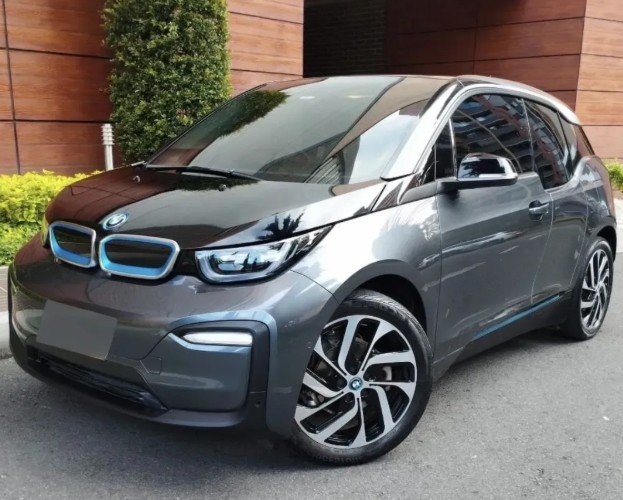
Electric cars have evolved from quirky science projects into legitimate daily drivers, and few comparisons capture that transformation better than the battle between the BMW i3 and the Chevrolet Bolt EV. One feels like a futuristic lounge on wheels crafted by minimalist architects. The other resembles a practical overachiever quietly crushing the numbers game.
At first glance, these two EVs seem to occupy the same lane. Both are compact electric hatchbacks designed for city life, efficient commuting, and affordable entry into EV ownership. But once we peel back the layers, we discover two wildly different philosophies.
The BMW i3 is the eccentric genius in designer sneakers. The Chevy Bolt is the reliable marathon runner in comfortable trainers.
So which one deserves a spot in our driveway? Let’s dive deep into the ultimate BMW i3 vs Chevy Bolt showdown.
Content in this publication
- Why the BMW i3 and Chevy Bolt Are Constantly Compared
- A Quick Overview of Each EV
- Exterior Design: Futuristic Art vs Functional Simplicity
- Interior Quality and Cabin Experience
- Driving Experience: Which One Feels Better on the Road?
- Performance and Acceleration
- Electric Range Comparison
- Charging Speed and Charging Convenience
- Battery Longevity and Reliability
- Maintenance Costs: Which EV Is Cheaper to Own?
- Cargo Space and Practicality
- Technology and Infotainment
- Comfort and Ride Quality
- Winter Driving and Cold Weather Performance
- Used Market Pricing
- Who Should Buy the BMW i3?
- Who Should Buy the Chevy Bolt?
- BMW i3 vs Chevy Bolt: Head-to-Head Breakdown
- The Emotional Factor Nobody Talks About
- Environmental Impact and Sustainability
- Long-Term Ownership Perspective
- Final Verdict: BMW i3 vs Chevy Bolt
- FAQs
Why the BMW i3 and Chevy Bolt Are Constantly Compared
Both cars exploded in popularity among used EV buyers for one simple reason: value.
These vehicles offer:
- Affordable entry into electric ownership
- Compact dimensions for urban driving
- Surprisingly low operating costs
- Distinct personalities
- Strong efficiency figures
Yet they appeal to different buyers.
The BMW i3 targets drivers who crave innovation, premium materials, and uniqueness. The Chevy Bolt focuses on maximizing practicality, range, and usability.
Think of it like comparing a boutique espresso machine to a dependable coffee maker. Both make coffee, but the experience feels completely different.
A Quick Overview of Each EV
BMW i3 at a Glance
The BMW i3 debuted as a radical experiment from BMW. Instead of adapting an existing gasoline platform, BMW built the i3 from the ground up as an electric vehicle.
Key highlights include:
- Carbon-fiber reinforced body
- Rear-wheel drive layout
- Futuristic cabin design
- Sustainable interior materials
- Optional range extender engine (REx)
The i3 feels more like a concept car that accidentally reached dealerships.
Chevy Bolt at a Glance
The Chevy Bolt arrived with a much simpler mission: deliver maximum electric range for the money.
Its strengths include:
- Excellent EPA range
- Spacious interior
- Affordable pricing
- Practical hatchback design
- Easy ownership experience
The Bolt doesn’t try to impress with drama. Instead, it quietly dominates in everyday usability.
Exterior Design: Futuristic Art vs Functional Simplicity
BMW i3 Design Philosophy
The BMW i3 looks like it landed from 2035.
Short overhangs, skinny tires, suicide rear doors, and a tall greenhouse give it an unmistakable presence. Some people adore it. Others stare at it like modern art hanging upside down in a museum.
But there’s genius behind the odd proportions.
The lightweight carbon-fiber structure helps improve efficiency, agility, and responsiveness.
Chevy Bolt Styling
The Chevy Bolt takes a more conservative route.
Its shape prioritizes practicality:
- Tall roofline
- Large cargo opening
- Conventional doors
- Neutral styling
It blends into traffic far more easily than the i3.
If the BMW i3 is a neon-colored sneaker from Milan, the Bolt is a dependable running shoe from a trusted sports brand.
Interior Quality and Cabin Experience
BMW i3 Interior: Minimalist Luxury
Step inside the BMW i3 and everything changes.
The cabin feels airy, modern, and genuinely premium. Sustainable materials mix with open-pore wood, recycled fabrics, and floating screens.
The dashboard resembles Scandinavian furniture more than traditional automotive design.
Highlights include:
Premium Materials
BMW used:
- Eucalyptus wood
- Recycled plastics
- Wool-like fabrics
- Leather alternatives
The result feels warm and upscale.
Open Cabin Layout
The flat floor and minimalist center console create a spacious feeling despite the car’s tiny footprint.
Chevy Bolt Interior: Functional but Plain
The Bolt focuses on practicality over flair.
The cabin offers:
- Good visibility
- Simple controls
- Comfortable seating
- Large infotainment screen
But materials feel noticeably cheaper than the BMW i3.
Hard plastics dominate many surfaces, especially in earlier Bolt models.
Still, the Bolt wins points for functionality. Everything feels intuitive and easy to use.
Driving Experience: Which One Feels Better on the Road?
This category separates the two cars dramatically.
BMW i3 Driving Dynamics
The i3 feels alive.
Its rear-wheel-drive setup, instant torque, and lightweight construction create a playful character few EVs can match.
The steering feels quick. The body remains agile. City driving becomes strangely addictive.
The i3 almost dances through traffic.
One-Pedal Driving Excellence
BMW perfected regenerative braking in the i3.
Lift off the accelerator, and the car slows aggressively enough that we rarely touch the brake pedal.
After a few days, it feels completely natural.
Chevy Bolt Driving Feel
The Bolt is competent rather than exciting.
Acceleration remains strong thanks to instant EV torque, but the chassis prioritizes comfort over engagement.
The Bolt feels:
- Stable
- Predictable
- Relaxed
- Easy to drive
It’s a fantastic commuter but lacks the emotional spark of the i3.
Performance and Acceleration
BMW i3 Performance
Depending on the version, the BMW i3 produces between 170 and 184 horsepower.
The sportier i3s variant sharpens handling and adds extra aggression.
Acceleration feels brisk because the car is extremely light.
You may be interested in reading BMW i3 or Tesla Model 3: Which Electric Car Truly Fits Your Life?
Approximate 0-60 mph times:
- Standard i3: around 7 seconds
- i3s: around 6.5 seconds
Chevy Bolt Performance
The Chevy Bolt delivers around 200 horsepower.
That translates into surprisingly quick acceleration.
0-60 mph arrives in approximately 6.5 seconds.
Despite stronger straight-line speed, the Bolt doesn’t feel as nimble as the i3.
The BMW feels athletic. The Bolt feels muscular.
Electric Range Comparison
Range matters enormously for EV buyers.
And here, the Chevy Bolt gains a major advantage.
BMW i3 Range
Range varies depending on battery size and model year.
Approximate EPA ranges:
- Early i3: 81 miles
- Mid-generation i3: 114 miles
- Later i3: up to 153 miles
The optional REx gasoline generator extends usability significantly.
Chevy Bolt Range
The Bolt dominates this category.
EPA range reaches approximately:
- 238 to 259 miles depending on year
That’s a massive difference.
For long commutes or road trips, the Bolt simply requires fewer charging stops.
Charging Speed and Charging Convenience
BMW i3 Charging
The i3 supports:
- Level 1 charging
- Level 2 charging
- DC fast charging on most later models
Charging times are reasonable, especially given the smaller battery sizes.
Chevy Bolt Charging
The Bolt also supports DC fast charging, though earlier versions charge relatively slowly compared to newer EVs.
Still, the larger range helps compensate.
For most owners, overnight Level 2 charging easily covers daily driving.
Battery Longevity and Reliability
Battery health concerns haunt used EV shoppers like storm clouds on a beach vacation.
Thankfully, both vehicles generally perform well.
BMW i3 Reliability
The i3’s electric drivetrain is surprisingly reliable.
However, certain issues appear more frequently:
- Motor mount wear
- Air conditioning compressor failures
- Range extender maintenance
- Tire replacement costs
Still, many i3 owners report excellent long-term battery performance.
Chevy Bolt Reliability
The Bolt’s biggest controversy involved battery recalls.
General Motors replaced many Bolt battery packs under recall campaigns, which ironically gave some owners essentially brand-new batteries.
Outside the recall issue, the Bolt tends to be dependable.
Maintenance Costs: Which EV Is Cheaper to Own?
BMW i3 Ownership Costs
The i3 carries BMW branding, and that usually means higher maintenance expenses.
Potential costs include:
- Specialized tires
- Premium parts
- BMW labor rates
- Carbon-fiber repair complexity
Insurance can also run higher.
Chevy Bolt Ownership Costs
The Bolt usually wins the affordability battle.
Reasons include:
- Lower parts prices
- Simpler construction
- Wider repair network
- Lower insurance costs
For budget-conscious buyers, the Bolt makes a compelling argument.
Cargo Space and Practicality
BMW i3 Cargo Capacity
The i3 offers decent utility for city living, but its shape limits total cargo volume.
Rear-hinged doors can also feel awkward in tight parking spaces.
Still, folding seats create useful storage flexibility.
Chevy Bolt Cargo Room
The Bolt shines here.
Its conventional hatchback layout maximizes practicality.
Benefits include:
- Larger cargo opening
- More rear-seat usability
- Better luggage capacity
- Easier family use
If practicality rules our decision-making, the Bolt takes the trophy.
Technology and Infotainment
BMW i3 Tech Features
BMW equipped the i3 with premium tech for its era.
Features may include:
- Navigation
- Adaptive cruise control
- Parking assist
- Harman Kardon audio
- Apple CarPlay
The interface feels premium, though older systems may seem dated today.
Chevy Bolt Technology
The Bolt surprises with excellent infotainment usability.
The large touchscreen feels intuitive and responsive.
Many models include:
- Apple CarPlay
- Android Auto
- Driver assistance features
- Surround-view cameras
Chevrolet prioritized ease of use, and it shows.
Comfort and Ride Quality
BMW i3 Comfort
The i3’s upright seating position creates excellent visibility.
However, the narrow tires and firm suspension can produce a choppy ride on rough roads.
You may be interested in readingBMW i3 or Tesla Model 3: Which Electric Car Truly Fits Your Life?You may be interested in reading
Mini Cooper Electric vs BMW i3Wind noise also becomes noticeable at highway speeds.
Chevy Bolt Comfort
The Bolt generally rides softer than the i3.
Earlier seats received criticism for limited cushioning, but later models improved significantly.
For long highway drives, the Bolt often feels more relaxed.
Winter Driving and Cold Weather Performance
Cold weather impacts every EV.
BMW i3 in Winter
The i3’s skinny tires help cut through snow surprisingly well, but range drops become noticeable in freezing temperatures.
The heat pump system improves efficiency in colder climates.
Chevy Bolt in Winter
The Bolt also experiences winter range reduction, but its larger overall battery capacity provides more buffer.
For drivers in cold regions, that extra range matters enormously.
Used Market Pricing
BMW i3 Used Prices
Used i3 values vary heavily depending on:
- Battery size
- REx availability
- Model year
- Mileage
Older models can become surprisingly affordable.
Chevy Bolt Used Prices
Bolt pricing surged after the EV market exploded, but used examples still offer strong value.
Battery recall replacements make some used Bolts especially attractive.
A newer battery can feel like finding extra fries at the bottom of the bag — unexpectedly satisfying.
Who Should Buy the BMW i3?
The i3 fits buyers who value personality over pure practicality.
Ideal i3 buyers include:
- Urban commuters
- Design enthusiasts
- BMW fans
- Drivers seeking something unique
- People prioritizing driving engagement
The i3 feels special every single day.
Even years after production ended, it still turns heads.
Who Should Buy the Chevy Bolt?
The Bolt suits buyers who prioritize function.
Best Bolt buyers include:
- Budget-focused commuters
- Families needing practicality
- Long-distance EV drivers
- First-time EV owners
- Ride-share drivers
The Bolt quietly excels without demanding attention.
BMW i3 vs Chevy Bolt: Head-to-Head Breakdown
| Category | BMW i3 | Chevy Bolt |
|---|---|---|
| Design | Futuristic | Conservative |
| Driving Fun | Excellent | Good |
| Range | Moderate | Outstanding |
| Interior Quality | Premium | Average |
| Practicality | Moderate | Excellent |
| Maintenance Costs | Higher | Lower |
| Charging Convenience | Good | Very Good |
| Cargo Space | Limited | Better |
| Uniqueness | Exceptional | Low |
| Value | Strong | Excellent |
The Emotional Factor Nobody Talks About
Here’s the truth many comparison articles ignore:
Cars are emotional purchases.
The BMW i3 sparks emotion. It feels imaginative and daring. Every drive carries a sense of occasion.
The Chevy Bolt feels rational. Logical. Efficient.
Neither approach is wrong.
Some people buy watches because they tell time accurately. Others buy watches because they feel something when they wear them.
That’s essentially the BMW i3 vs Chevy Bolt debate.
Environmental Impact and Sustainability
BMW invested heavily in sustainable production methods for the i3.
The car used:
- Renewable manufacturing energy
- Recycled materials
- Sustainable textiles
- Lightweight engineering
The Bolt focuses more on affordability and mass adoption.
Both contribute positively to EV adoption, but the i3 pushes harder into eco-conscious design philosophy.
Long-Term Ownership Perspective
Over time, priorities change.
Initially, range dominates headlines. Later, daily enjoyment often matters more.
Many i3 owners remain fiercely loyal because the car feels unlike anything else.
Bolt owners typically praise reliability, practicality, and low operating costs.
The i3 wins hearts.
The Bolt wins spreadsheets.
Final Verdict: BMW i3 vs Chevy Bolt
Choosing between the BMW i3 and Chevy Bolt ultimately depends on what we value most in an EV.
If we prioritize:
- Maximum range
- Lower ownership costs
- Better practicality
- Easier daily usability
…the Chevy Bolt becomes the smarter choice.
But if we crave:
- Unique styling
- Premium cabin quality
- Engaging driving dynamics
- A futuristic ownership experience
…the BMW i3 stands alone.
The i3 feels like tomorrow’s car accidentally parked in today’s driveway. The Bolt feels like the sensible friend who always makes the right financial decision.
In a world overflowing with generic crossovers, both vehicles deserve credit for daring to be different in their own ways.
And honestly? That’s what makes this comparison so fascinating.
FAQs
Is the BMW i3 more luxurious than the Chevy Bolt?
Yes. The BMW i3 features significantly more premium materials, upscale design, and a more refined cabin atmosphere compared to the Chevy Bolt.
Which EV has better range: BMW i3 or Chevy Bolt?
The Chevy Bolt offers substantially more range, with up to around 259 miles compared to the BMW i3’s maximum of roughly 153 miles.
Is the BMW i3 reliable?
Generally, yes. The electric drivetrain is dependable, though some owners report issues involving motor mounts, AC compressors, and the range extender system.
Does the Chevy Bolt charge faster than the BMW i3?
Not necessarily. Both support DC fast charging, but charging speed depends heavily on model year and battery condition.
Which is better for city driving?
The BMW i3 excels in urban environments thanks to its compact size, tight turning radius, and agile handling.
You may be interested in readingBMW i3 or Tesla Model 3: Which Electric Car Truly Fits Your Life?You may be interested in reading
Mini Cooper Electric vs BMW i3You may be interested in reading
BMW i3 vs VW ID3: Which Electric Hatchback Truly Wins?If you want to know other articles similar to BMW i3 vs Chevy Bolt: Which Electric Hatchback Truly Wins? you can visit the category Models.
Land Rover Defender 90 Alternative: The Best Rivals Worth Considering
Land Rover Defender 90 Models: Complete Guide to Trims, Engines and Versions
Toyota Hilux Generations: Complete History, Evolution, and Key Differences
BMW M2 vs M340i: Which BMW Performance Car Should We Buy?
BMW M2 vs Porsche 911: Which Sports Car Makes More Sense?
BMW M2 vs Mustang GT: Which Performance Coupe Should We Buy?
Leave a Reply
More content of your interest