
Mini Cooper Electric vs BMW i3

Content in this publication
- Why This EV Battle Still Matters
- Design Philosophy: Funky vs Futuristic
- Interior Experience: Cozy Sportiness vs Open-Air Minimalism
- Driving Dynamics: Which EV Is More Fun?
- Performance Comparison
- Battery Range: The Crucial EV Question
- Charging Speeds and Convenience
- Practicality and Everyday Usability
- Technology and Infotainment
- Build Quality and Reliability
- Ownership Costs
- Which EV Feels More Premium?
- City Driving Comparison
- Long-Distance Driving: Which One Wins?
- Environmental Impact
- Used Market Value
- Who Should Buy the Mini Cooper Electric?
- Who Should Buy the BMW i3?
- Final Verdict: Mini Cooper Electric vs BMW i3
- FAQs
Why This EV Battle Still Matters
The electric car market moves faster than a thunderstorm rolling across open water. One moment a vehicle feels futuristic, and the next, it looks like yesterday’s smartphone. Yet two electric hatchbacks continue to spark debates among EV fans: the iconic Mini Cooper Electric and the unconventional BMW i3.
At first glance, these two EVs seem worlds apart. One feels like a playful terrier darting through city streets, while the other resembles a futuristic lounge pod that escaped from a sci-fi movie. But once we dive deeper, we discover they share more DNA than many people realize.
Both cars were built with urban life in mind. Both prioritize efficiency over brute force. And both appeal to drivers who want personality instead of soulless transportation.
So which one actually wins?
The answer depends on what kind of electric driving experience we want. Let’s unpack every detail and compare the Mini Cooper Electric and BMW i3 from every angle that matters.
Design Philosophy: Funky vs Futuristic
Mini Cooper Electric Keeps the Retro Charm Alive
The Mini Cooper Electric doesn’t reinvent the wheel. Instead, it electrifies a formula people already love.
That iconic rounded silhouette remains intact. The compact dimensions still make parking ridiculously easy. The floating roof and playful styling continue to turn heads. It feels familiar, like hearing an old vinyl record through a modern speaker system.
For many buyers, that’s exactly the appeal.
The Mini Electric avoids looking “too futuristic.” It blends into normal traffic while quietly running on electricity.
Key design highlights include:
- Signature circular headlights
- Compact urban footprint
- Contrasting roof colors
- Sporty short overhangs
- Minimal EV-specific styling
The result? A car that feels youthful without trying too hard.
BMW i3 Looks Like Tomorrow Arrived Early
The BMW i3 took the opposite approach.
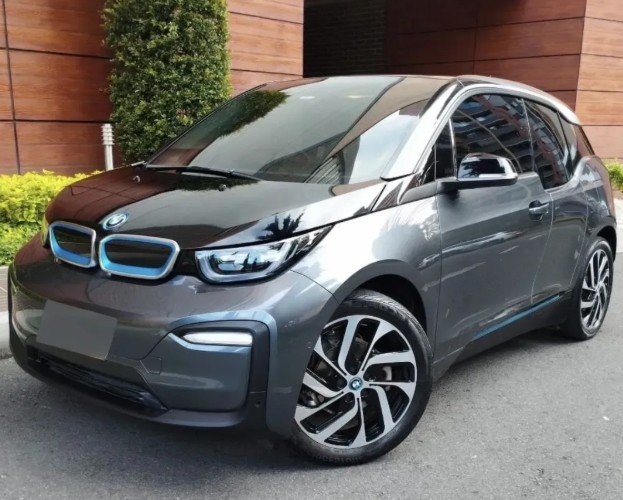
Instead of evolving an existing design, BMW created something radical. Even years after production ended, the i3 still looks like a concept car accidentally released to the public.
Its tall cabin, narrow tires, suicide rear doors, and ultra-modern interior make it stand apart from nearly every vehicle on the road.
Some people adore it.
Others absolutely hate it.
That polarizing design became part of the i3’s identity.
The i3 was never trying to fit in. It wanted to challenge what a city car could become.
Interior Experience: Cozy Sportiness vs Open-Air Minimalism
Mini Cooper Electric Feels Like a Go-Kart Lounge
Step inside the Mini Electric, and we immediately recognize the brand’s personality.
Everything feels compact, sporty, and driver-focused.
The circular center display dominates the dashboard, while toggle switches add a retro aviation vibe. The cabin wraps around the driver almost like a racing cockpit.
But there’s a trade-off.
Rear-seat space is tight.
Cargo room is limited.
Tall passengers may feel cramped during longer journeys.
Still, the Mini’s interior wins points for emotional appeal. It feels alive.
BMW i3 Prioritizes Space and Sustainability
The BMW i3 interior feels completely different.
Instead of feeling sporty and snug, it feels airy and architectural.
Thanks to the tall roofline and flat floor, passengers enjoy excellent visibility and surprising roominess. BMW also used sustainable materials throughout the cabin, including:
- Recycled plastics
- Eucalyptus wood
- Natural fibers
- Renewable materials
The i3 cabin feels more like modern Scandinavian furniture than a traditional car interior.
And honestly? That uniqueness still feels refreshing today.
Driving Dynamics: Which EV Is More Fun?
Mini Cooper Electric Delivers Instant Smiles
Driving the Mini Electric feels like tossing a tennis ball to an excited dog. It reacts instantly.
The steering feels sharp.
The acceleration is punchy.
The short wheelbase makes corners feel playful and energetic.
For city driving, it’s incredibly entertaining.
Even mundane errands suddenly feel more engaging.
The Mini’s low center of gravity helps it stay planted through turns, while regenerative braking adds to the EV driving experience.
This isn’t a straight-line monster.
It’s a city-slicing machine.
BMW i3 Offers a Different Kind of Fun
The BMW i3 doesn’t handle like a traditional sporty hatchback, but it has its own magic.
The instant torque feels surprisingly strong, especially at lower speeds. The rear-wheel-drive setup adds balance, and the lightweight carbon-fiber construction gives the car an agile personality.
What truly makes the i3 special is how effortlessly it glides through urban environments.
It feels calm.
Relaxed.
Almost zen-like.
Yet when we press the accelerator, it surges forward with enthusiasm.
The narrow eco-focused tires limit aggressive cornering, but they help maximize efficiency.
Performance Comparison
Acceleration and Power
Let’s compare some key performance numbers.
You may be interested in reading BMW i3 vs VW ID3: Which Electric Hatchback Truly Wins?
| Feature | Mini Cooper Electric | BMW i3 |
|---|---|---|
| Horsepower | Around 181 hp | 168–181 hp |
| 0–60 mph | ~6.9 seconds | ~7 seconds |
| Drive Layout | Front-wheel drive | Rear-wheel drive |
| Top Speed | ~93 mph | ~93 mph |
The differences aren’t dramatic.
The Mini feels sportier and more eager in corners.
The i3 feels smoother and more refined overall.
Battery Range: The Crucial EV Question
Mini Cooper Electric Range
Range is where the Mini Electric faces criticism.
Earlier versions typically offered around 110–145 miles of real-world range depending on conditions.
That’s enough for:
- Daily commuting
- Urban errands
- Short weekend drives
But longer road trips require planning.
Cold weather can also reduce range noticeably.
BMW i3 Range Options
The BMW i3 evolved significantly over time.
Early models had limited range, but later versions improved substantially.
Approximate real-world ranges:
- Early i3: 80–100 miles
- Later i3: 150–180 miles
Some models also included the famous Range Extender (REx), a small gasoline engine acting as a backup generator.
That feature dramatically reduced range anxiety for many owners.
Charging Speeds and Convenience
Mini Cooper Electric Charging
The Mini Electric supports DC fast charging, allowing relatively quick top-ups.
Typical charging times:
- Home charging: overnight
- Fast charging: around 35 minutes to 80%
For most urban users, charging convenience feels manageable.
BMW i3 Charging Experience
The BMW i3 also supports DC fast charging on many models.
Despite its age, the charging experience remains competitive for city-focused EV use.
The biggest advantage?
The REx variant provides peace of mind during longer trips.
That backup gasoline generator acts like a safety net beneath a tightrope walker.
Practicality and Everyday Usability
Mini Cooper Electric Excels in Tight Cities
If we live in crowded urban areas, the Mini shines.
Advantages include:
- Tiny turning circle
- Easy parking
- Nimble handling
- Stylish appearance
- Excellent maneuverability
However, family practicality is limited.
Rear seats feel cramped.
Cargo space remains modest.
BMW i3 Offers Unexpected Utility
The BMW i3 surprises many people with its practicality.
Its upright shape creates:
- Better headroom
- Easier entry and exit
- More rear-seat comfort
- Flexible cargo space
The rear suicide doors improve access in tight parking situations, although they require the front doors to open first.
That design won’t appeal to everyone, but it certainly stands out.
Technology and Infotainment
Mini Cooper Electric Tech Features
The Mini Electric includes modern features such as:
- Apple CarPlay
- Navigation
- Smartphone integration
- Digital displays
- Driver assistance features
The infotainment system feels playful and visually interesting.
Ambient lighting adds personality at night.
BMW i3 Technology Still Holds Up
The BMW i3 introduced impressive technology for its era.
Even today, many features feel modern:
- iDrive infotainment
- Navigation
- Adaptive cruise control
- Parking assistance
- Regenerative braking customization
BMW’s iDrive system remains intuitive compared to many rivals.
Build Quality and Reliability
Mini Cooper Electric Reliability
Electric Minis generally avoid many traditional mechanical problems associated with gasoline vehicles.
However, some owners report issues involving:
- Software glitches
- Charging system quirks
- Cabin rattles
- Tire wear
Maintenance costs remain lower than traditional combustion models overall.
BMW i3 Reliability Surprises Many Owners
The BMW i3 earned a better reliability reputation than many expected.
Its carbon-fiber body resists rust, while the electric drivetrain reduces maintenance complexity.
Still, potential concerns include:
- Expensive tire replacements
- Battery degradation
- Motor mount issues on early models
- REx maintenance on range-extender variants
Overall, many owners report strong long-term durability.
Ownership Costs
Mini Cooper Electric Costs
The Mini Electric tends to offer:
- Lower charging costs
- Reduced maintenance
- Affordable city commuting
- Premium branding appeal
Insurance can vary depending on location.
Tire replacement costs may surprise some buyers due to specialized sizing.
BMW i3 Ownership Expenses
Used BMW i3 prices have become increasingly attractive.
That makes the i3 one of the most intriguing used EV bargains available.
Benefits include:
You may be interested in readingBMW i3 vs VW ID3: Which Electric Hatchback Truly Wins?You may be interested in reading
 Volkswagen ID.4 Size Comparison: How Big Is Volkswagen’s Electric SUV Really?
- Unique construction
- Premium interior
- Efficient driving
- Potentially low used-market prices
However, repairs involving carbon-fiber structures can become expensive if accidents occur.
Mini Cooper Electric Focuses on Personality
The Mini feels premium in an emotional sense.
Its charm matters more than luxury materials.
We buy the Mini because it makes us smile.
It feels charismatic.
Energetic.
Stylish.
BMW i3 Feels Like a Luxury Experiment
The BMW i3 feels more ambitious.
Its cabin materials, innovative engineering, and futuristic philosophy create a more upscale atmosphere overall.
It doesn’t merely transport us.
It makes a statement.
City Driving Comparison
Mini Cooper Electric Dominates Urban Corners
In dense cities, the Mini feels almost telepathic.
It darts through traffic like a hummingbird weaving between flowers.
Advantages include:
- Tiny dimensions
- Quick steering
- Fast acceleration
- Fun driving feel
For pure city fun, the Mini is difficult to beat.
BMW i3 Creates a Relaxed Urban Experience
The BMW i3 takes a calmer approach.
Its tall seating position improves visibility, while the airy cabin reduces stress during traffic-heavy commutes.
It transforms chaotic urban driving into something smoother and quieter.
Long-Distance Driving: Which One Wins?
Mini Cooper Electric Has Limitations
Road trips expose the Mini’s biggest weakness: range.
Frequent charging stops can become frustrating during extended journeys.
This car thrives in shorter-distance lifestyles.
BMW i3 REx Changes the Equation
The BMW i3 Range Extender significantly improves long-distance usability.
That small gasoline generator acts like an emergency reserve tank for modern EV anxiety.
For drivers nervous about charging infrastructure, the i3 REx offers reassurance.
Environmental Impact
Mini Cooper Electric Efficiency
The Mini Electric produces zero tailpipe emissions and operates efficiently in urban conditions.
Its compact size also reduces overall resource consumption.
BMW i3 Was Ahead of Its Time
The BMW i3 pushed sustainability much further.
BMW integrated renewable materials and environmentally conscious production methods into the vehicle’s design philosophy.
Even today, the i3 feels environmentally progressive.
Used Market Value
Mini Cooper Electric Depreciation
Electric vehicles often experience notable depreciation, and the Mini Electric is no exception.
That can benefit used buyers searching for affordable premium EVs.
BMW i3 Has Cult Status
The i3 developed a loyal following.
Some enthusiasts now see it as a future classic due to:
- Carbon-fiber construction
- Radical design
- Historical significance
- Distinctive engineering
Its uniqueness may help preserve long-term interest.
Who Should Buy the Mini Cooper Electric?
The Mini Electric makes sense for drivers who want:
- Fun urban commuting
- Stylish design
- Sharp handling
- Compact dimensions
- Playful personality
This EV feels ideal for singles, couples, and city dwellers.
Who Should Buy the BMW i3?
The BMW i3 suits buyers seeking:
- Innovative engineering
- Practical urban usability
- Spacious interior
- Sustainable materials
- Unique styling
The i3 appeals to drivers who value originality over conformity.
Final Verdict: Mini Cooper Electric vs BMW i3
Choosing between the Mini Cooper Electric and BMW i3 feels a bit like choosing between two wildly different artists. One paints energetic street murals bursting with color, while the other designs minimalist futuristic architecture.
Neither approach is wrong.
The Mini Cooper Electric wins our hearts with charm, agility, and playful energy. It transforms city driving into something genuinely entertaining.
The BMW i3, meanwhile, remains one of the boldest EV experiments ever built. Its futuristic design, clever engineering, and spacious cabin continue to impress years after launch.
If we prioritize driving fun and style, the Mini Electric feels irresistible.
If we value innovation, practicality, and futuristic character, the BMW i3 stands taller.
In truth, both vehicles prove electric cars do not need to feel boring or soulless. They remind us that personality still matters in the EV era.
And honestly? That may be their greatest achievement.
FAQs
Is the Mini Cooper Electric faster than the BMW i3?
The Mini Cooper Electric feels slightly sportier and quicker in corners, though straight-line acceleration between the two cars is fairly similar.
Does the BMW i3 have better range?
Yes, especially later i3 models and Range Extender variants. The BMW i3 generally offers better real-world range than the Mini Electric.
Which car is better for city driving?
Both excel in cities, but the Mini feels more playful and agile, while the i3 feels more spacious and relaxing.
You may be interested in readingBMW i3 vs VW ID3: Which Electric Hatchback Truly Wins?You may be interested in reading
Volkswagen ID.4 Size Comparison: How Big Is Volkswagen’s Electric SUV Really?You may be interested in reading
Volkswagen ID 4 vs Audi Q4: Which Electric SUV Truly Deserves Your Garage?Is the BMW i3 expensive to maintain?
Maintenance can remain reasonable for an EV, though specialized repairs and tire replacements may cost more than expected.
Should we buy a used BMW i3 or Mini Electric?
It depends on priorities. The Mini offers sporty personality, while the i3 delivers futuristic practicality and often better range value.
If you want to know other articles similar to Mini Cooper Electric vs BMW i3 you can visit the category Models.
Land Rover Defender 90 Alternative: The Best Rivals Worth Considering
Land Rover Defender 90 Models: Complete Guide to Trims, Engines and Versions
Toyota Hilux Generations: Complete History, Evolution, and Key Differences
BMW M2 vs M340i: Which BMW Performance Car Should We Buy?
BMW M2 vs Porsche 911: Which Sports Car Makes More Sense?
BMW M2 vs Mustang GT: Which Performance Coupe Should We Buy?
Leave a Reply
More content of your interest