

Ford Explorer Miles Per kWh: The Complete Guide to Efficiency, Range, and Real-World Performance

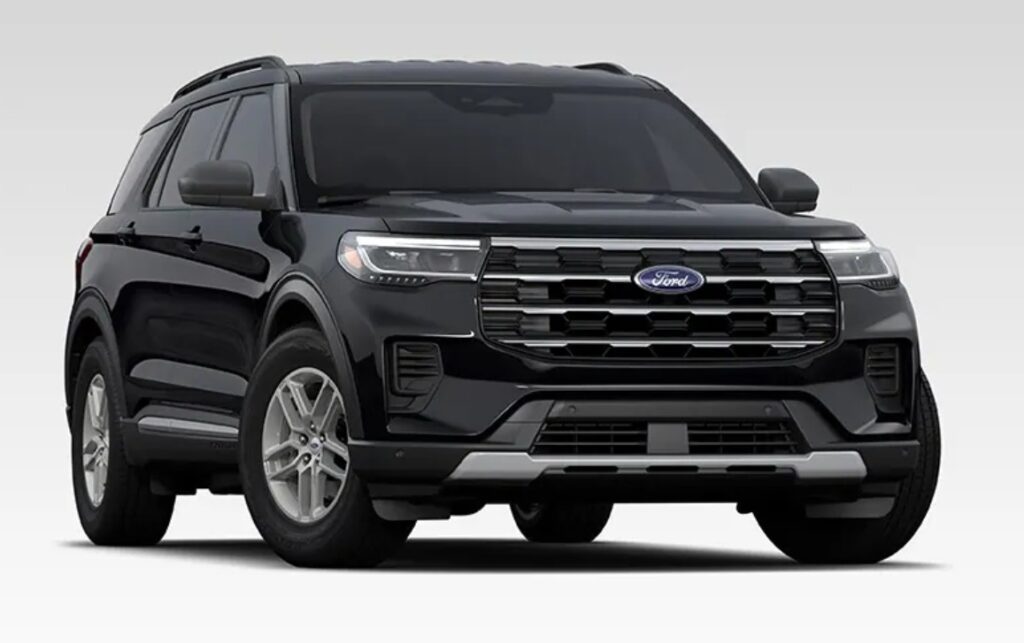
The transition from gasoline-powered SUVs to electric vehicles has changed the way we evaluate performance. Instead of focusing solely on horsepower, MPG, or fuel tank size, many drivers now pay close attention to efficiency metrics such as miles per kWh. If you're researching the Ford Explorer miles per kWh, understanding this figure can help you estimate running costs, charging frequency, and overall value.
Think of miles per kWh as the electric equivalent of miles per gallon. The higher the number, the farther the vehicle can travel using the same amount of energy. For drivers considering the electric Ford Explorer, this metric may be one of the most important factors influencing their buying decision.
In this comprehensive guide, we'll explore everything you need to know about Ford Explorer electric efficiency, real-world energy consumption, charging costs, driving habits, and strategies for maximizing range.
Content in this publication
- What Does Miles Per kWh Mean?
- Understanding the Electric Ford Explorer
- Average Ford Explorer Miles Per kWh
- How Battery Size Affects Efficiency
- City Driving Efficiency
- Highway Efficiency Explained
- Weather and Miles Per kWh
- How Wheel Size Changes Efficiency
- Driving Style and Energy Consumption
- Charging Costs Based on Miles Per kWh
- Comparing Ford Explorer to Other Electric SUVs
- Real-World Range Calculations
- How Regenerative Braking Improves Efficiency
- Tips to Improve Ford Explorer Miles Per kWh
- Long-Distance Travel Efficiency
- The Future of Electric SUV Efficiency
- Is Ford Explorer Miles Per kWh Good?
- Final Thoughts
- Frequently Asked Questions
What Does Miles Per kWh Mean?
Miles per kWh measures how efficiently an electric vehicle uses electricity.
A kilowatt-hour (kWh) represents a unit of energy stored in the battery. The miles per kWh rating tells us how many miles the vehicle can travel using one kilowatt-hour of energy.
For example:
- 2.5 miles/kWh = lower efficiency
- 3.0 miles/kWh = average efficiency
- 4.0 miles/kWh = highly efficient
The concept is remarkably simple. Just as MPG determines fuel efficiency, miles per kWh determines electric efficiency.
Understanding the Electric Ford Explorer
The modern electric Ford Explorer was developed specifically for the European market and shares its platform with advanced Volkswagen Group EV technology.
Key Characteristics
- Fully electric powertrain
- Multiple battery options
- Rear-wheel-drive and all-wheel-drive variants
- Fast charging capability
- SUV practicality
Unlike traditional Explorers sold in North America, the electric Explorer focuses heavily on efficiency and everyday usability.
Why Efficiency Matters
Efficiency directly impacts:
- Driving range
- Charging costs
- Long-term ownership expenses
- Environmental footprint
A more efficient Explorer can travel farther while consuming less electricity.
Average Ford Explorer Miles Per kWh
Most real-world testing suggests the electric Ford Explorer achieves approximately:
| Driving Condition | Miles per kWh |
|---|---|
| City Driving | 3.8 – 4.5 |
| Mixed Driving | 3.2 – 4.0 |
| Highway Driving | 2.8 – 3.5 |
| Winter Conditions | 2.3 – 3.2 |
These figures can vary depending on battery size, wheel choice, weather, and driving style.
For many owners, a realistic average falls between 3.3 and 3.8 miles per kWh.
How Battery Size Affects Efficiency
Battery size influences both range and vehicle weight.
Smaller Batteries
Smaller battery packs often deliver:
- Better efficiency
- Reduced weight
- Faster energy consumption calculations
Larger Batteries
Larger batteries offer:
- Greater total range
- More energy storage
- Slightly lower efficiency due to additional mass
It's a balancing act between capacity and consumption.
Finding the Sweet Spot
Many drivers prefer a battery that provides enough range without carrying unnecessary weight.
This balance often results in the highest real-world efficiency.
City Driving Efficiency
Urban environments tend to favor electric vehicles.
Regenerative Braking Benefits
Every time we slow down, regenerative braking recaptures energy and returns it to the battery.
This process helps improve miles per kWh significantly.
Stop-and-Go Traffic
Unlike gasoline vehicles that waste fuel while idling, EVs consume very little energy when stationary.
As a result, city efficiency often exceeds highway efficiency.
Typical Urban Results
Drivers frequently report:
- 4.0 miles/kWh
- 4.2 miles/kWh
- Sometimes over 4.5 miles/kWh
These numbers highlight the strengths of electric SUVs in city environments.
Highway Efficiency Explained
Highway driving presents unique challenges.
Aerodynamic Resistance
As speed increases, wind resistance rises dramatically.
The Explorer's SUV shape creates more drag than a low-slung sedan.
Energy Demand at Speed
Driving at:
- 60 mph uses moderate energy
- 70 mph uses noticeably more
- 80 mph can dramatically reduce efficiency
The relationship isn't linear.
Every additional mph can have a larger impact than expected.
Real Highway Expectations
Most owners can expect:
- 2.8 to 3.5 miles per kWh
- Lower efficiency during strong winds
- Reduced range at sustained high speeds
Weather and Miles Per kWh
Weather can significantly influence electric vehicle performance.
Cold Weather Impact
Winter conditions affect batteries in several ways:
- Slower battery chemistry
- Cabin heating demands
- Increased rolling resistance
These factors reduce efficiency.
Hot Weather Effects
Although EVs generally perform better in warm weather, excessive heat can also increase energy usage through battery cooling systems.
Ideal Temperature Range
Electric vehicles often achieve peak efficiency between:
- 60°F and 75°F
- 15°C and 24°C
This range allows the battery to operate optimally.
How Wheel Size Changes Efficiency
Many buyers focus on appearance, but wheel size matters.
Larger Wheels
Benefits:
- Sportier look
- Improved handling feel
Drawbacks:
- Increased weight
- Higher rolling resistance
- Lower efficiency
Smaller Wheels
Advantages:
- Better range
- Improved comfort
- Higher miles per kWh
A difference of 5–10% in efficiency isn't uncommon.
Driving Style and Energy Consumption
The driver plays a major role in efficiency.
Aggressive Driving
Rapid acceleration:
- Consumes more power
- Reduces range
- Lowers miles per kWh
Smooth Driving
Gentle inputs help maximize energy use.
Think of driving an EV like pouring water from a pitcher. Slow and steady minimizes waste.
Efficiency Habits Worth Adopting
- Anticipate traffic
- Avoid unnecessary acceleration
- Use regenerative braking
- Maintain consistent speeds
These simple habits can dramatically improve efficiency.
Charging Costs Based on Miles Per kWh
One of the most appealing aspects of EV ownership is lower operating costs.
Simple Cost Formula
Cost per mile can be calculated as:
Cost of electricity ÷ Miles per kWh
Example Calculation
If electricity costs:
- $0.15 per kWh
And efficiency equals:
- 3.5 miles per kWh
Then cost per mile becomes approximately:
- $0.043 per mile
That's substantially cheaper than many gasoline SUVs.
Comparing Ford Explorer to Other Electric SUVs
How does the Explorer compare?
Against Compact EV SUVs
Smaller crossovers often achieve:
- 4.0–5.0 miles per kWh
They benefit from lower weight and improved aerodynamics.
Against Large EV SUVs
Larger electric SUVs often deliver:
- 2.2–3.3 miles per kWh
The Explorer frequently sits in the middle ground.
The Balance Factor
Its blend of practicality, interior space, and efficiency makes it competitive within its segment.
Real-World Range Calculations
Range depends on efficiency and battery size.
Simple Formula
Range = Battery Capacity × Miles per kWh
Example
If the battery stores:
- 77 kWh usable
And efficiency averages:
- 3.7 miles per kWh
The estimated range becomes:
- Approximately 285 miles
This demonstrates why efficiency is just as important as battery capacity.
How Regenerative Braking Improves Efficiency
Regenerative braking acts like a recycling system.
Instead of wasting energy as heat, it captures momentum and converts it back into electricity.
Benefits Include
- Extended range
- Reduced brake wear
- Better urban efficiency
One-Pedal Driving
Many Explorer drivers appreciate one-pedal driving modes.
These settings maximize energy recovery and improve overall miles per kWh.
Tips to Improve Ford Explorer Miles Per kWh
Improving efficiency doesn't require major sacrifices.
Maintain Proper Tire Pressure
Underinflated tires increase rolling resistance.
Reduce Excess Weight
Every extra pound requires energy to move.
Use Eco Driving Modes
Eco settings optimize:
- Acceleration
- Climate control
- Energy management
Precondition the Cabin
Heating or cooling while plugged in reduces battery usage during trips.
Drive Smarter
Consistency often beats speed.
Long-Distance Travel Efficiency
Road trips introduce new variables.
Factors Affecting Range
- Highway speeds
- Elevation changes
- Cargo weight
- Passenger load
Planning Ahead
Modern navigation systems can estimate charging needs and adjust routes accordingly.
Charging Strategy
Frequent short charging stops often prove more efficient than waiting for a nearly empty battery.
The Future of Electric SUV Efficiency
Electric vehicle technology continues to evolve rapidly.
Battery Improvements
Future batteries may provide:
- Higher energy density
- Faster charging
- Lower weight
Software Enhancements
Manufacturers increasingly improve efficiency through over-the-air updates.
Aerodynamic Development
Even SUVs are becoming more aerodynamic.
Small design improvements can yield significant efficiency gains.
Is Ford Explorer Miles Per kWh Good?
For a family-sized electric SUV, the answer is generally yes.
The Explorer combines:
- Competitive efficiency
- Practical range
- Comfortable interior space
- Modern technology
Achieving around 3.3 to 4.0 miles per kWh places it in a strong position among electric SUVs.
Rather than chasing headline-grabbing range numbers alone, Ford has focused on creating a balanced vehicle that performs well in real-world situations.
Final Thoughts
The Ford Explorer's miles per kWh figure tells an important story about efficiency, operating costs, and everyday usability. While actual results vary based on weather, speed, terrain, and driving habits, most owners can expect efficiency levels that make the Explorer an economical electric SUV.
In many ways, miles per kWh serves as the heartbeat of EV ownership. It reveals how effectively the vehicle transforms stored energy into forward motion. The better the efficiency, the farther every kilowatt-hour can take us.
For drivers seeking a spacious electric SUV with respectable range and competitive energy consumption, the Ford Explorer delivers a compelling combination of practicality and performance.
Frequently Asked Questions
What is the average Ford Explorer miles per kWh?
Most drivers report between 3.3 and 3.8 miles per kWh under mixed driving conditions.
Does highway driving reduce Ford Explorer efficiency?
Yes. Higher speeds increase aerodynamic drag, which lowers miles per kWh compared to city driving.
How can I improve Ford Explorer miles per kWh?
Drive smoothly, maintain tire pressure, use regenerative braking, and take advantage of Eco driving modes.
Does cold weather affect Ford Explorer efficiency?
Yes. Cold temperatures can significantly reduce efficiency due to battery performance and heating demands.
Is 4 miles per kWh good for an electric SUV?
Absolutely. Achieving 4 miles per kWh is considered excellent efficiency for a midsize electric SUV.
If you want to know other articles similar to Ford Explorer Miles Per kWh: The Complete Guide to Efficiency, Range, and Real-World Performance you can visit the category Driving.
Kia Sorento Fuel Economy: MPG, Hybrid, and Plug-In Hybrid Explained

BYD Shark 6 Fuel Consumption: Real-World Economy, Range and What to Expect
Vauxhall Agila MPG: Real-World Fuel Economy and Engine Guide

Honda Passport MPG: Real-World Fuel Economy, Ratings, and What to Expect

Nissan Rogue Fuel Economy: MPG, Range, Costs, and Real-World Efficiency
BYD Shark 6 Long Range Fuel Tank: Is the 120L Upgrade Worth It?
Leave a Reply
More content of your interest