

Chevrolet Malibu History: The Complete Evolution of an American Icon

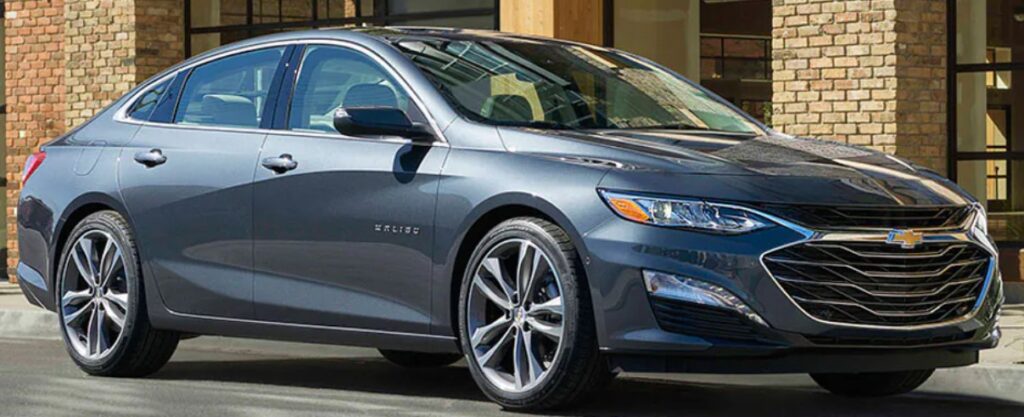
The story of the Chevrolet Malibu is much more than the history of a midsize sedan. It is a journey through changing automotive trends, shifting consumer preferences, technological innovation, and the evolution of American culture itself. For over half a century, the Malibu has traveled the highways of North America, adapting to each new era while maintaining its identity as a practical, comfortable, and dependable family car.
From its origins as a luxury trim package in the 1960s to its transformation into one of Chevrolet’s most recognized sedans, the Malibu has experienced remarkable highs, temporary disappearances, and impressive comebacks. Along the way, it has become a symbol of Chevrolet’s ability to reinvent itself while staying connected to its heritage.
Let’s explore the fascinating Chevrolet Malibu history and discover how this iconic nameplate evolved through generations.
Content in this publication
- The Birth of the Malibu Name
- The First Malibu Era (1964–1972)
- The 1973 Redesign: Bigger and Bolder
- Surviving the Oil Crisis
- The Downsized Revolution of 1978
- The Malibu in the 1980s
- The End of an Era: Malibu Discontinued in 1983
- The Malibu Returns (1997)
- Competing in a New Market
- The Fifth Generation (2004–2007)
- The Sixth Generation Transformation (2008–2012)
- The Global Malibu Strategy
- Technology Takes Center Stage
- The Ninth Generation (2016–Present)
- Hybrid Technology Enters the Picture
- How the Malibu Changed With Consumer Preferences
- The Malibu's Impact on American Automotive Culture
- Most Significant Chevrolet Malibu Milestones
- Why the Chevrolet Malibu Endures
- Conclusion
- Frequently Asked Questions
The Birth of the Malibu Name
Before the Malibu became a standalone model, it was introduced as an upscale trim level of the Chevrolet Chevelle.
In 1964, Chevrolet launched the Chevelle as a midsize vehicle positioned between compact and full-size models. The Malibu trim represented comfort, style, and a touch of luxury without the premium price tag.
Named after the affluent beach city in California, the Malibu name immediately evoked images of sunshine, freedom, and coastal sophistication.
Why Chevrolet Chose the Malibu Name
The 1960s were a time when automakers frequently used location-inspired names to create emotional connections with buyers.
The Malibu name suggested:
- California lifestyle
- Modern design
- Prestige without extravagance
- Family-friendly comfort
This clever branding decision helped the Malibu stand out from competitors.
The First Malibu Era (1964–1972)
The earliest Malibu models shared their platform with the Chevelle.
During this period, buyers could choose from:
- Sedans
- Coupes
- Convertibles
- Station wagons
The flexibility of the lineup made the Malibu appealing to a broad audience.
The Muscle Car Connection
One reason enthusiasts still admire early Malibus is their close relationship with Chevrolet's legendary muscle cars.
Many performance-oriented Chevelle SS models were based on Malibu trim levels, giving the nameplate a direct connection to some of the most celebrated American performance vehicles ever produced.
A Growing Reputation
As the 1960s progressed, the Malibu earned a reputation for:
- Smooth ride quality
- Attractive styling
- Practical interior space
- Strong engine choices
By the early 1970s, it had become one of Chevrolet's most recognizable names.
The 1973 Redesign: Bigger and Bolder
The automotive landscape changed dramatically in 1973.
Chevrolet introduced a completely redesigned Malibu that reflected consumer demand for larger and more comfortable vehicles.
Design Changes
The new generation featured:
- Longer wheelbase
- More spacious cabin
- Improved crash protection
- Updated suspension systems
The design emphasized comfort rather than outright performance.
A Shift in Priorities
The early 1970s marked the beginning of significant changes in the automotive industry.
Rising fuel prices and stricter regulations gradually shifted attention away from muscle cars and toward efficiency and practicality.
The Malibu adapted accordingly.
Surviving the Oil Crisis
The 1973 oil crisis sent shockwaves through the automotive market.
Suddenly, fuel economy mattered more than ever before.
How Malibu Responded
Chevrolet adjusted engine offerings and focused on efficiency improvements.
Although the Malibu remained larger than many competitors, engineers worked to make it more economical for everyday drivers.
This period demonstrated the model's ability to evolve with changing consumer expectations.
The Downsized Revolution of 1978
One of the most important moments in Chevrolet Malibu history arrived in 1978.
General Motors introduced a dramatically downsized Malibu.
Why Downsizing Was Necessary
Consumers wanted:
- Better fuel economy
- Lower operating costs
- Easier maneuverability
The new Malibu delivered all three.
Engineering Success
Despite being smaller externally, the redesigned model maintained impressive interior room.
This achievement showcased the industry's growing focus on packaging efficiency.
The 1978 Malibu quickly became a sales success.
The Malibu in the 1980s
The 1980s brought further refinements.
While performance was no longer the primary focus, practicality and reliability became increasingly important.
Popular Body Styles
During this decade, buyers could choose from:
You may be interested in reading Chevrolet Malibu Good Cars: Is the Chevy Malibu a Smart Choice?
Sedans
The most common configuration, ideal for families.
Station Wagons
Perfect for those needing additional cargo space.
Fleet Models
Widely used by businesses and government agencies.
Law Enforcement Use
Interestingly, certain Malibu models became popular among police departments due to their durability and manageable operating costs.
The End of an Era: Malibu Discontinued in 1983
In 1983, Chevrolet discontinued the Malibu nameplate.
For many enthusiasts, this marked the end of a beloved chapter.
Why Production Stopped
Several factors contributed:
- Changing market strategies
- Platform consolidation
- Increasing competition
- Shifting consumer preferences
Although the Malibu disappeared, its story was far from over.
The Malibu Returns (1997)
After more than a decade away, Chevrolet revived the Malibu name in 1997.
The comeback reflected a growing demand for midsize sedans.
A Completely New Vehicle
The revived Malibu shared little with earlier generations.
Instead, it was designed to compete directly with modern rivals.
Key priorities included:
- Safety
- Affordability
- Comfort
- Reliability
Winning Recognition
The return was successful.
The Malibu earned positive reviews and attracted buyers seeking dependable transportation.
Competing in a New Market
The late 1990s were highly competitive.
The Malibu faced strong rivals such as:
- Toyota Camry
- Honda Accord
- Ford Taurus
To survive, Chevrolet needed constant innovation.
The Fifth Generation (2004–2007)
In 2004, Chevrolet launched a significantly redesigned Malibu.
Major Improvements
The new generation introduced:
- Better handling
- More powerful engines
- Improved interior quality
- Enhanced safety systems
This helped the Malibu move closer to the top tier of midsize sedans.
A More Refined Personality
The vehicle began appealing not only to budget-conscious buyers but also to customers seeking a premium feel without premium pricing.
The Sixth Generation Transformation (2008–2012)
The 2008 Malibu represented a turning point.
Many automotive journalists considered it one of the best Malibus ever produced.
Award-Winning Design
The vehicle featured:
- Sleeker styling
- Premium interior materials
- Improved ride quality
- Better fuel economy
The transformation was dramatic.
Industry Recognition
The 2008 Malibu earned significant praise and helped improve Chevrolet’s reputation in the midsize segment.
It proved the company could compete with the industry's best.
The Global Malibu Strategy
By the 2010s, Chevrolet viewed the Malibu as a global product.
Expanding Beyond North America
The company introduced the Malibu to numerous international markets.
This approach aimed to create:
- Shared development costs
- Consistent branding
- Greater economies of scale
The Malibu evolved from an American sedan into a global nameplate.
Technology Takes Center Stage
Modern Malibu generations embraced technology more than ever before.
Key Innovations
Features gradually introduced included:
- Touchscreen infotainment
- Smartphone integration
- Advanced safety systems
- Driver assistance technologies
- Improved connectivity
The Malibu transformed into a digital companion as much as a transportation tool.
The Ninth Generation (2016–Present)
The current generation debuted for the 2016 model year.
It represents the most advanced Malibu ever built.
Modern Design Philosophy
The vehicle adopted:
You may be interested in readingChevrolet Malibu Good Cars: Is the Chevy Malibu a Smart Choice?You may be interested in reading
Is Chevrolet Malibu a Reliable Car? A Complete Guide for Smart Buyers- Aerodynamic styling
- Lightweight construction
- Enhanced efficiency
- Refined interior design
Every detail focused on balancing comfort, performance, and economy.
Improved Driving Dynamics
Compared to earlier generations, the modern Malibu feels more responsive and engaging behind the wheel.
This evolution reflects decades of engineering progress.
Hybrid Technology Enters the Picture
As environmental awareness increased, Chevrolet expanded its efficiency efforts.
The Malibu Hybrid
The hybrid version combined:
- Gasoline power
- Electric assistance
- Reduced emissions
- Excellent fuel economy
This demonstrated Chevrolet's commitment to adapting to future mobility trends.
How the Malibu Changed With Consumer Preferences
The Malibu’s longevity can largely be explained by its adaptability.
Every generation reflected what buyers wanted at the time.
1960s
Consumers wanted style and power.
1970s
Comfort became increasingly important.
1980s
Efficiency and practicality dominated.
1990s
Reliability took center stage.
2000s
Quality and refinement became priorities.
2010s and Beyond
Technology and efficiency shaped development.
This ability to evolve helped the Malibu remain relevant for decades.
The Malibu's Impact on American Automotive Culture
The Malibu has appeared in:
- Movies
- Television shows
- Family road trips
- Fleet operations
- Daily commuting stories
For many families, it was more than transportation.
It was the car that carried children to school, transported families on vacations, and became part of everyday memories.
Like a trusted friend who always shows up when needed, the Malibu earned its place in American life through consistency rather than flashiness.
Most Significant Chevrolet Malibu Milestones
1964
Malibu introduced as a Chevelle trim level.
1973
Major redesign emphasizing comfort.
1978
Successful downsizing revolution.
1983
Production discontinued.
1997
Malibu nameplate revived.
2008
Award-winning redesign boosts reputation.
2016
Launch of the modern ninth generation.
Why the Chevrolet Malibu Endures
Many vehicles come and go. Few survive for generations.
The Malibu endured because it consistently delivered what ordinary drivers needed most.
Those strengths include:
- Practicality
- Comfort
- Affordability
- Dependability
- Continuous improvement
While trends changed around it, the Malibu remained focused on serving everyday motorists.
That simple mission became its greatest strength.
Conclusion
The Chevrolet Malibu history is a story of resilience, reinvention, and relevance. From its beginnings as a premium Chevelle trim in 1964 to its role as a modern midsize sedan, the Malibu has continuously adapted to changing times. It survived fuel crises, market shifts, technological revolutions, and fierce competition.
More importantly, it remained connected to the needs of drivers. Each generation reflected a new chapter in automotive history, making the Malibu not just a Chevrolet model but a living timeline of the American automobile industry.
As we look back on more than five decades of evolution, one thing becomes clear: the Malibu's greatest achievement isn't any single redesign or award. It's the fact that generation after generation, it continued earning a place in people's lives.
Frequently Asked Questions
1. When was the Chevrolet Malibu first introduced?
The Chevrolet Malibu was first introduced in 1964 as an upscale trim level of the Chevrolet Chevelle.
2. Why was the Chevrolet Malibu discontinued in 1983?
The Malibu was discontinued due to changing market strategies, platform consolidation, and shifting consumer demand.
3. When did Chevrolet bring back the Malibu?
Chevrolet revived the Malibu nameplate in 1997 as a completely redesigned midsize sedan.
4. Was the Malibu ever a muscle car?
While the Malibu itself was not always marketed as a muscle car, many early Malibu models were closely connected to high-performance Chevelle SS variants.
You may be interested in readingChevrolet Malibu Good Cars: Is the Chevy Malibu a Smart Choice?You may be interested in reading
Is Chevrolet Malibu a Reliable Car? A Complete Guide for Smart BuyersYou may be interested in reading
 Is Ford Bronco Reliable? A Complete Guide to Bronco Reliability, Durability, and Ownership
5. Is the Chevrolet Malibu still in production today?
The Malibu remained one of Chevrolet's key midsize sedans through its ninth generation and became one of the brand's longest-running passenger car nameplates.
If you want to know other articles similar to Chevrolet Malibu History: The Complete Evolution of an American Icon you can visit the category Blog.
Is the Honda Passport Selling Well? Sales Numbers Tell the Story

Is Nissan Rogue a Good Car? Reliability, Pros, Cons & What to Know
Nissan Rogue Not Starting? Common Causes and How to Fix It
Is Vauxhall Agila a Good Car? Reliability, Problems and Buying Guide
Honda Passport Life Expectancy: How Many Miles Can It Last?
Honda Passport Depreciation: How Well Does It Hold Its Value?
Leave a Reply
More content of your interest