

Fiat Punto Not Starting: Complete Troubleshooting Guide for Every Common Cause

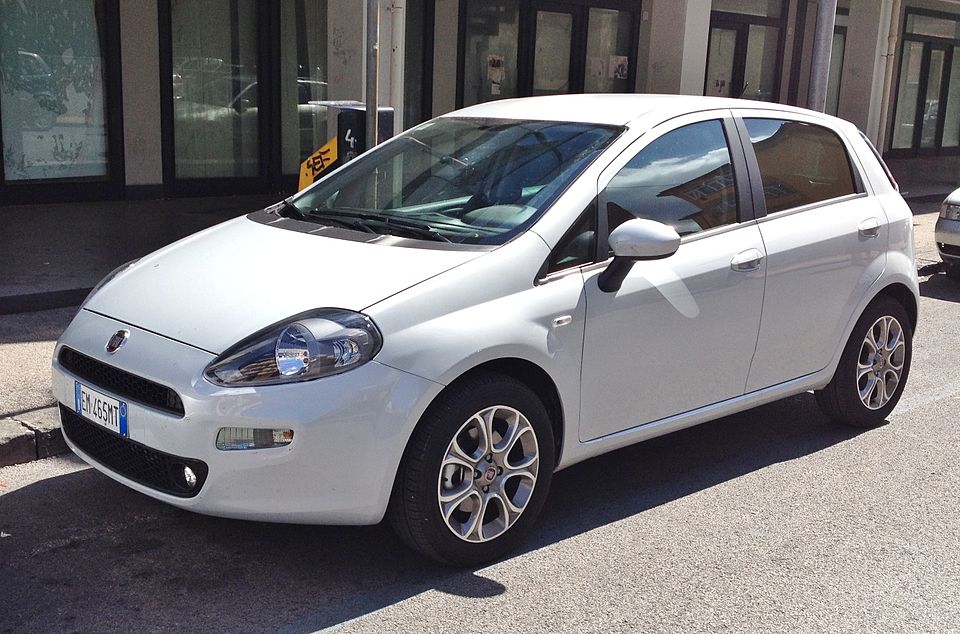
There are few things more frustrating than turning the key in your Fiat Punto and hearing nothing happen. One moment the car is running perfectly, and the next, it refuses to start. Whether you're heading to work, planning a road trip, or simply running errands, a Fiat Punto not starting can feel like a locked door standing between you and your day.
The good news? Most starting problems follow predictable patterns. By understanding the common causes, symptoms, and solutions, we can often identify the issue before spending money on unnecessary repairs.
In this comprehensive guide, we'll explore every major reason why a Fiat Punto won't start, how to diagnose the problem, and what steps we can take to get back on the road.
Content in this publication
- Understanding Why a Fiat Punto Won't Start
- Recognizing Different Starting Symptoms
- Battery Problems: The Most Common Cause
- Corroded Battery Terminals
- Starter Motor Failure
- Alternator Problems
- Faulty Ignition Switch
- Immobilizer Problems
- Fuel Pump Failure
- Blocked Fuel Filter
- Spark Plug Issues
- Ignition Coil Failure
- Crankshaft Position Sensor Failure
- Camshaft Position Sensor Problems
- Blown Fuses and Faulty Relays
- Engine Flooding
- Cold Weather Starting Problems
- Engine Compression Problems
- Electronic Control Unit (ECU) Issues
- Step-by-Step Fiat Punto Starting Diagnosis
- Preventing Future Starting Problems
- When Should We Call a Professional?
- Final Thoughts
- Frequently Asked Questions
Understanding Why a Fiat Punto Won't Start
When a Fiat Punto refuses to start, the issue generally falls into one of three categories:
- Electrical problems
- Fuel delivery issues
- Mechanical failures
Think of your engine like a three-legged stool. Remove one leg, and everything collapses. An engine needs electricity, fuel, and compression to operate correctly.
The challenge is identifying which piece of the puzzle is missing.
Recognizing Different Starting Symptoms
Before opening the bonnet, it's important to pay attention to what happens when you turn the key.
No Response at All
If absolutely nothing happens:
- Dashboard lights may be off
- No clicking sound occurs
- Starter motor remains silent
This often points toward battery or electrical issues.
Clicking But Not Starting
A repetitive clicking noise usually suggests:
- Weak battery
- Corroded battery terminals
- Faulty starter motor
Cranking But Not Firing
If the engine turns over but doesn't start:
- Fuel system issues
- Ignition problems
- Immobilizer faults
- Sensor failures
Starts Then Immediately Dies
This symptom often indicates:
- Fuel delivery interruption
- Immobilizer recognition problems
- Faulty crankshaft sensor
Battery Problems: The Most Common Cause
Why Batteries Fail
The battery is the heart of your Punto's electrical system. Over time, batteries lose their ability to hold charge.
Factors that accelerate battery failure include:
- Cold weather
- Infrequent driving
- Aging batteries
- Electrical drains
A battery older than four or five years becomes increasingly unreliable.
Signs of a Weak Battery
Common warning signs include:
- Dim headlights
- Slow engine cranking
- Electrical accessories malfunctioning
- Dashboard lights flickering
If these symptoms appeared before the starting issue, the battery is a prime suspect.
Testing the Battery
A healthy battery should read approximately:
- 12.6 volts when parked
- 13.7 to 14.7 volts while running
Anything significantly below these values may indicate a problem.
Corroded Battery Terminals
Small Problem, Big Consequences
Even a healthy battery cannot function properly if electricity cannot flow freely.
Corrosion appears as:
- White powdery deposits
- Greenish buildup
- Rust around terminals
This corrosion acts like a roadblock preventing electrical current from reaching the starter motor.
Cleaning Battery Connections
To clean battery terminals:
- Disconnect the negative terminal first
- Remove the positive terminal
- Clean corrosion using a wire brush
- Reconnect terminals securely
This simple maintenance task often solves starting problems instantly.
Starter Motor Failure
What the Starter Motor Does
The starter motor is responsible for turning the engine when you start the car.
Without it, the engine remains motionless.
Symptoms of a Bad Starter Motor
Look for:
- Single clicking sound
- Grinding noises
- No engine turnover
- Intermittent starting issues
Many Fiat Punto owners experience starter motor wear after high mileage.
Can You Tap the Starter?
In some situations, gently tapping the starter motor can temporarily restore operation.
However, this is only a short-term fix.
Replacement is usually required.
Alternator Problems
The Battery Isn't Always to Blame
Sometimes the battery dies because the alternator isn't charging it properly.
The alternator acts like a power station while the engine runs.
If it fails:
- Battery charge drops
- Electrical systems weaken
- Starting becomes impossible
Signs of Alternator Failure
Watch for:
- Battery warning light
- Flickering headlights
- Electrical glitches
- Frequent jump-start requirements
These symptoms often appear days or weeks before total failure.
Faulty Ignition Switch
The ignition switch connects electrical circuits when the key is turned.
When worn out, it may:
- Fail intermittently
- Prevent starter engagement
- Cause dashboard lights to disappear
Common Symptoms
Drivers may notice:
- Key turns normally
- Dashboard behaves inconsistently
- Vehicle starts occasionally
This can be one of the trickier faults to diagnose.
Immobilizer Problems
When Security Systems Prevent Starting
Modern Fiat Punto models include an immobilizer system designed to prevent theft.
If the system doesn't recognize the key, the engine may refuse to start.
Signs of Immobilizer Failure
Look for:
- Key warning light
- Flashing security indicator
- Engine cranks but won't fire
Possible Solutions
Try:
- Using a spare key
- Replacing the key battery
- Reprogramming the key
Many immobilizer issues originate from key communication failures.
Fuel Pump Failure
No Fuel, No Start
The fuel pump delivers gasoline from the tank to the engine.
Without sufficient fuel pressure, the engine cannot start.
How to Check the Fuel Pump
Turn the ignition on without starting the engine.
Listen carefully.
You should hear a brief humming sound from the rear of the vehicle.
No sound may indicate:
- Failed fuel pump
- Blown fuse
- Faulty relay
Symptoms of Fuel Pump Problems
Common clues include:
- Difficulty starting
- Engine sputtering
- Loss of power
- Sudden stalling
Blocked Fuel Filter
A Choked Artery
Think of the fuel filter as the engine's protective shield.
Over time, contaminants accumulate inside it.
When severely blocked:
- Fuel flow decreases
- Starting becomes difficult
- Engine performance suffers
Replacing the filter is relatively inexpensive and often overlooked.
Spark Plug Issues
The Spark That Starts Everything
Spark plugs ignite the air-fuel mixture inside the engine.
Without spark, combustion never occurs.
Signs of Worn Spark Plugs
Symptoms include:
- Hard starting
- Rough idle
- Misfires
- Poor fuel economy
Replacing spark plugs at recommended intervals can prevent many starting problems.
Ignition Coil Failure
The Power Behind the Spark
Ignition coils generate the high voltage needed by spark plugs.
A failing coil may create:
- Weak spark
- No spark
- Misfiring
Common Warning Signs
Drivers often notice:
- Engine hesitation
- Reduced performance
- Check engine light
- Starting difficulties
Ignoring coil issues often leads to worsening symptoms.
Crankshaft Position Sensor Failure
A Tiny Sensor With Huge Responsibility
The crankshaft position sensor tells the engine computer where the crankshaft is located.
Without this information:
- Fuel injection stops
- Spark generation stops
- Engine won't start
Symptoms of a Faulty Sensor
Look for:
- Random stalling
- Hard starts
- Engine cranks endlessly
- Check engine light
Many Fiat Punto starting issues are eventually traced back to this sensor.
Camshaft Position Sensor Problems
Coordinating Engine Timing
The camshaft sensor works alongside the crankshaft sensor.
Together, they ensure proper engine timing.
Failure can result in:
- Delayed starting
- Rough operation
- Engine management warnings
Diagnosis often requires scanning for fault codes.
Blown Fuses and Faulty Relays
The Small Components That Matter
A single blown fuse can disable:
- Fuel pump
- Ignition system
- Starter circuit
Similarly, relays can fail without warning.
Quick Inspection Checklist
Check:
- Starter relay
- Fuel pump relay
- Engine control fuse
- Ignition fuse
Sometimes the solution costs only a few pounds or dollars.
Engine Flooding
Too Much Fuel
Repeated unsuccessful start attempts can flood the engine.
When this happens:
- Spark plugs become wet
- Combustion cannot occur
- Engine refuses to start
How to Clear a Flooded Engine
Many drivers find success by:
- Pressing the accelerator fully
- Cranking the engine briefly
- Allowing excess fuel to clear
Always consult the owner's manual for model-specific procedures.
Cold Weather Starting Problems
Cold temperatures expose weaknesses that remain invisible during warmer months.
Winter affects:
- Battery capacity
- Fuel vaporization
- Oil viscosity
A Punto that starts perfectly in summer may struggle during freezing conditions.
Preventive Measures
Helpful strategies include:
- Battery maintenance
- Regular servicing
- Using correct oil grades
- Keeping fuel levels adequate
Engine Compression Problems
When Internal Damage Prevents Starting
Compression is essential for combustion.
Low compression may result from:
- Worn piston rings
- Burnt valves
- Head gasket failure
Symptoms of Compression Loss
Common indicators include:
- Excessive cranking
- Poor performance
- Smoke from exhaust
- Difficult starting
This is among the more serious causes of starting failure.
Electronic Control Unit (ECU) Issues
The Brain of the Vehicle
The ECU manages nearly every engine function.
Although rare, ECU failures can prevent starting entirely.
Symptoms may include:
- Multiple warning lights
- Unusual electrical behavior
- Communication errors
- Random starting problems
Professional diagnostics are usually required.
Step-by-Step Fiat Punto Starting Diagnosis
Follow This Logical Process
Instead of guessing, work systematically:
Step 1: Check Battery Voltage
Confirm battery health.
Step 2: Inspect Terminals
Look for corrosion or loose connections.
Step 3: Listen During Start Attempt
Identify clicking, cranking, or silence.
Step 4: Check Fuel Delivery
Listen for fuel pump operation.
Step 5: Scan for Fault Codes
Use an OBD scanner.
Step 6: Inspect Ignition Components
Evaluate spark plugs and coils.
Step 7: Test Sensors
Focus on crankshaft and camshaft sensors.
This structured approach saves time and money.
Preventing Future Starting Problems
Maintenance Habits That Make a Difference
Many starting issues can be avoided through routine maintenance.
Recommended practices include:
- Battery testing annually
- Replacing spark plugs on schedule
- Checking charging system performance
- Inspecting fuel filters regularly
- Addressing warning lights promptly
A well-maintained Fiat Punto rarely surprises its owner.
When Should We Call a Professional?
While many starting issues are simple DIY fixes, some require specialized tools.
Seek professional assistance when:
- Diagnostic codes persist
- Compression testing is needed
- ECU faults appear
- Electrical issues become complex
Sometimes expert diagnosis prevents costly guesswork.
Final Thoughts
A Fiat Punto not starting can feel like a mystery wrapped inside a mechanical puzzle. Yet most cases boil down to a handful of common culprits: weak batteries, faulty starters, fuel delivery problems, sensor failures, or ignition system issues.
By paying attention to symptoms and following a logical troubleshooting process, we can often pinpoint the cause quickly. Think of the starting system as an orchestra. If even one musician misses their cue, the performance falls apart. The key is identifying which instrument has gone silent.
With proper maintenance, timely inspections, and a little patience, most Fiat Punto starting issues can be diagnosed and resolved before they become major headaches.
Frequently Asked Questions
1. Why does my Fiat Punto crank but not start?
The most common causes include fuel pump failure, ignition coil problems, faulty spark plugs, crankshaft sensor issues, or immobilizer faults.
2. Can a weak battery cause a Fiat Punto not to start?
Yes. A weak battery is one of the leading reasons a Fiat Punto fails to start, especially during cold weather.
3. How do I know if my Fiat Punto starter motor is bad?
Common signs include clicking noises, intermittent starting, grinding sounds, or no engine turnover when turning the key.
4. Why does my Fiat Punto start and then immediately stop?
This may indicate an immobilizer issue, fuel delivery problem, sensor malfunction, or ECU-related fault.
5. Is it expensive to fix a Fiat Punto that won't start?
Costs vary widely. A battery replacement is relatively affordable, while ECU repairs or major engine work can be significantly more expensive.
If you want to know other articles similar to Fiat Punto Not Starting: Complete Troubleshooting Guide for Every Common Cause you can visit the category Common Problems.
Nissan Rogue AC Not Working? Causes, Diagnosis, and Fixes

Kia Sorento Issues: Common Problems, Reliability and What to Watch For

Honda Passport Not Starting: Causes, Symptoms, and How to Fix It
Honda Passport Keyless Remote Battery Low: What It Means and How to Fix It
Nissan Rogue Apple CarPlay Not Working: Causes and Fixes
Nissan Rogue No Key Detected: Causes, Fixes, and What to Do
Leave a Reply
More content of your interest