
Nissan Serena Hybrid Problem: Common Faults, Symptoms, and Solutions

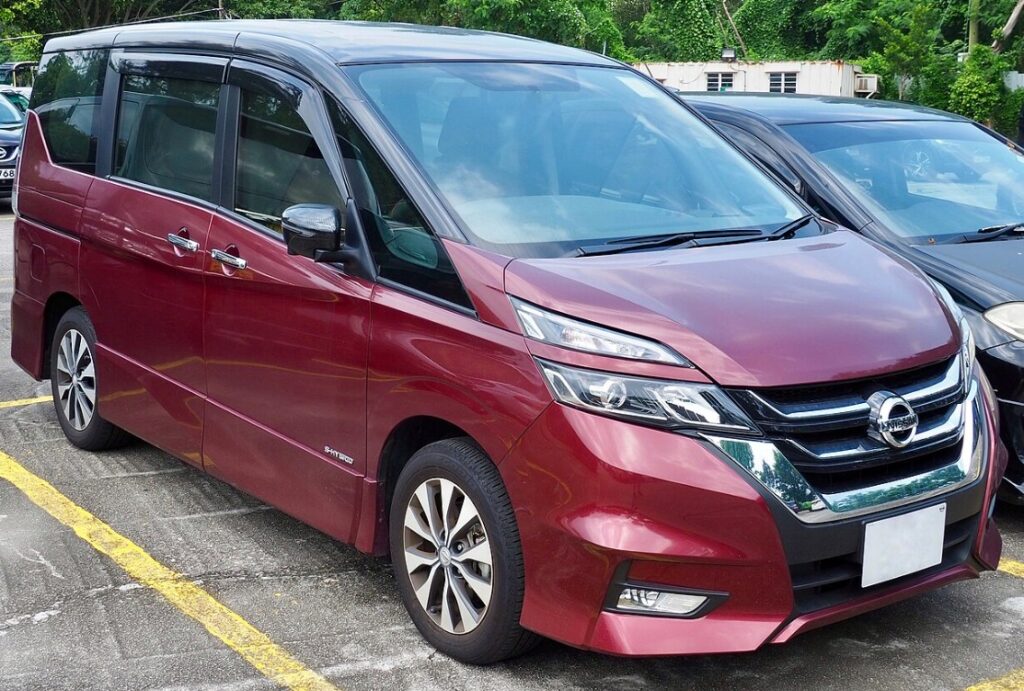
The Nissan Serena Hybrid is the sort of family vehicle that makes everyday life feel easier. Its spacious cabin, sliding doors, flexible seating, and fuel-saving technology suit school runs, long holidays, airport transfers, and crowded city streets. It is practical without feeling like a delivery van, which explains why imported Serena models have become popular far beyond Japan.
However, searching for a Nissan Serena hybrid problem often produces a confusing mixture of owner complaints, warning-light stories, battery concerns, and contradictory repair advice. One driver may be talking about an older Serena S-HYBRID, while another owns a newer Serena e-POWER. Although both carry a hybrid badge, they use fundamentally different systems.
That difference matters.
The S-HYBRID uses a compact mild-hybrid arrangement that supports the gasoline engine. The e-POWER Serena, introduced in Japan in 2018, uses a series-hybrid layout in which the gasoline engine generates electricity while an electric motor drives the wheels. Nissan describes e-POWER as a motor-driven system incorporating a gasoline engine, generator, inverter, high-voltage battery, and electric motor.
Therefore, a Serena that hesitates, refuses to enter READY mode, displays a hybrid warning, or suffers weak acceleration must be diagnosed according to its exact generation and powertrain. Throwing parts at the problem is like trying to fix a clock with a hammer: energetic, expensive, and rarely successful.
In this guide, we will explore the most frequently discussed Nissan Serena hybrid issues, explain their likely causes, separate normal operating behavior from genuine faults, and outline the smartest route toward a reliable repair.
Content in this publication
- Understanding the Two Nissan Serena Hybrid Systems
- What Is the Most Common Nissan Serena Hybrid Problem?
- 1. Weak 12-Volt Battery and No-Start Problems
- 2. Hybrid System Warning Light
- 3. Nissan Serena e-POWER Not Entering READY Mode
- 4. Traction Battery Deterioration
- 5. The Gasoline Engine Runs Too Often
- 6. Poor Fuel Economy
- 7. S-HYBRID Idle-Stop Failure
- 8. CVT Problems on S-HYBRID Models
- 9. Jerking, Hesitation, or Weak Acceleration
- 10. Inverter and Power-Electronics Problems
- 11. Hybrid Cooling-System Problems
- 12. Regenerative Braking Feels Different
- 13. Sensor and Communication Errors
- 14. Power Sliding Door and Electrical Accessory Faults
- 15. Imported Serena Hybrid Complications
- How to Diagnose a Nissan Serena Hybrid Correctly
- How Much Can Nissan Serena Hybrid Repairs Cost?
- Can You Drive With a Hybrid Warning Light?
- How to Reduce the Risk of Serena Hybrid Problems
- Is the Nissan Serena Hybrid Reliable?
- Final Thoughts on Nissan Serena Hybrid Problems
- Frequently Asked Questions
Understanding the Two Nissan Serena Hybrid Systems
Before discussing failures, we need to identify what sits beneath the bonnet. Many Serena owners simply call their vehicle “the hybrid,” yet the word covers two very different mechanical arrangements.
Nissan Serena S-HYBRID Explained
The S-HYBRID system appeared in the C26-generation Serena and continued into some C27 models. It is best understood as a mild hybrid rather than a full hybrid.
Its compact electrical system recovers energy during deceleration and uses stored electricity to support functions such as engine restarting and acceleration assistance. Nissan explains that its mild-hybrid technology improves efficiency by storing energy recovered while slowing down and using it during acceleration or idle-stop operation.
The gasoline engine still performs most of the work. The electric system does not normally propel the minivan independently in the same way as a full hybrid.
Common S-HYBRID concerns often involve:
- The auxiliary battery
- Idle-stop operation
- Starter-generator performance
- Charging-system faults
- Battery sensors
- Electrical connections
- Warning lights
- CVT-related driving symptoms
Nissan Serena e-POWER Explained
The Serena e-POWER takes a different path. Its wheels are driven by an electric traction motor, while the gasoline engine acts primarily as an onboard electricity generator.
Unlike a conventional parallel hybrid, the engine is not mechanically responsible for driving the wheels during normal operation. Nissan explains that e-POWER delivers propulsion entirely through its electric motor, with the gasoline engine generating electricity as needed.
This arrangement produces smooth acceleration and an EV-like response without requiring external charging. It also introduces components that an S-HYBRID does not use in the same way, including:
- A high-voltage traction battery
- A traction motor
- A generator
- An inverter
- High-voltage control equipment
- Dedicated cooling systems
- More complex energy-management software
Why Correct Identification Comes First
A workshop that is unfamiliar with Japanese-market Nissan models may confuse the two systems. That can lead to incorrect battery recommendations, misinterpreted fault codes, and unnecessary transmission work.
Before authorizing repairs, confirm:
- The chassis code
- The model year
- Whether the vehicle is S-HYBRID or e-POWER
- The engine code
- The complete diagnostic trouble codes
- The battery type and specification
- Whether outstanding recalls or service campaigns apply
The vehicle identification plate, Japanese export documents, auction sheet, and Nissan-compatible diagnostic equipment can help establish the correct specification.
What Is the Most Common Nissan Serena Hybrid Problem?
There is no single defect affecting every Serena Hybrid. The most common complaint depends heavily on the vehicle’s age, system type, maintenance history, climate, and import condition.
Nevertheless, many reported symptoms fall into several broad groups:
- Weak or failed 12-volt battery
- Hybrid or e-POWER warning messages
- Failure to enter READY mode
- Rough or frequent engine operation
- Reduced acceleration
- Poor fuel economy
- Idle-stop failure
- Electrical accessory problems
- Cooling-system faults
- Sensor or wiring problems
- CVT behavior on S-HYBRID versions
- Sliding-door and auxiliary electrical faults
Let us examine these issues individually rather than treating every dashboard light as evidence of a dead hybrid battery.
1. Weak 12-Volt Battery and No-Start Problems
The humble 12-volt battery is one of the first places we should look when a Serena develops strange electrical behavior.
This small battery powers computers, relays, control modules, locks, lighting, and the electronic process that prepares the hybrid system for operation. Even in an e-POWER vehicle, the high-voltage battery cannot always rescue a severely discharged 12-volt battery.
Symptoms of a Weak 12-Volt Battery
Owners may notice:
- The dashboard flickering
- Multiple warnings appearing simultaneously
- The vehicle failing to enter READY mode
- Slow or unresponsive power doors
- Central locking behaving inconsistently
- The infotainment system rebooting
- A clicking sound when pressing the start button
- Warning lights disappearing after a jump-start
- Electronic parking or selector errors
- Intermittent key-recognition problems
These symptoms can look terrifying. The dashboard may light up like a Christmas tree, suggesting that half the vehicle has failed at once. In reality, low voltage can cause several control modules to report communication errors simultaneously.
Why the 12-Volt Battery Fails
Possible causes include:
- Normal age-related deterioration
- Long periods in storage
- Short journeys with limited recharge time
- Incorrect replacement-battery specification
- Loose or corroded terminals
- A parasitic electrical drain
- A faulty charging circuit
- Interior lights remaining on
- Electric doors being operated repeatedly while parked
- Import delays during shipping and customs storage
A battery can show reasonable voltage with no load yet collapse when the vehicle attempts to activate its control systems. For that reason, a proper load or conductance test is more useful than a simple voltage reading.
The Sensible Repair Approach
We should test the battery, charging operation, terminal condition, and parasitic draw before replacing expensive hybrid components.
After installing a suitable battery, technicians should clear low-voltage fault codes and retest the vehicle. Old communication codes may remain stored even after the original problem has disappeared.
2. Hybrid System Warning Light
A hybrid-system warning does not automatically mean the traction battery has failed.
In the e-POWER Serena, the warning may relate to the battery, inverter, traction motor, generator, engine-management system, cooling circuit, isolation monitoring, sensors, wiring, or communication network.
Possible Accompanying Symptoms
The vehicle may:
- Continue driving normally
- Enter reduced-power mode
- Refuse to enter READY mode
- Start the gasoline engine more often
- Limit acceleration
- Disable regenerative braking
- Display several warnings together
- Shut down after being stopped
- Operate normally after restarting, then repeat the fault later
Do Not Diagnose by Dashboard Symbol Alone
A warning icon tells us that the control system has detected an abnormal condition. It does not identify the failed part.
The next step should be a full scan using equipment capable of communicating with Nissan’s hybrid and e-POWER modules. A generic engine-code reader may only access emissions-related codes and miss the information that actually matters.
Ask the technician for:
- Every stored code
- The code status
- Freeze-frame information
- Live battery data
- Voltage history
- Isolation readings where relevant
- Cooling-system data
- Communication-network results
Replacing the traction battery without this evidence is a gamble with very expensive chips.
3. Nissan Serena e-POWER Not Entering READY Mode
When an e-POWER Serena powers up but does not show READY, it cannot deliver normal propulsion.
Common Areas to Check
Potential causes include:
- A discharged 12-volt battery
- Brake-pedal switch failure
- Key-recognition trouble
- Selector-position disagreement
- An open interlock circuit
- High-voltage isolation fault
- Inverter or motor-control error
- Hybrid-system communication fault
- Blown fuse or failed relay
- Wiring damage
- A stored crash-related shutdown condition
- Charging or generator-system failure
Simple Checks Before Calling a Tow Truck
Without opening or touching any orange high-voltage cables, we can safely check whether:
- The 12-volt battery appears weak
- The brake lights illuminate
- The intelligent key is recognized
- The gear selector is fully in Park
- The dashboard displays a specific message
- The vehicle starts with the spare key
- Battery terminals are secure
- An obvious low-voltage condition exists
Do not repeatedly cycle the ignition dozens of times. That can drain the remaining 12-volt capacity and bury the original fault beneath additional low-voltage codes.
4. Traction Battery Deterioration
The high-voltage battery is often the component owners fear most. Fortunately, we should not pronounce it dead merely because fuel economy has dropped or the engine runs frequently.
Battery performance can decline with age, temperature exposure, mileage, prolonged storage, and repeated operating stress. However, other problems may imitate degradation.
Signs That May Suggest Battery Weakness
Possible indicators include:
- Rapid movement of the battery-charge display
- The engine running more frequently than before
- Reduced electric assistance
- Noticeably poorer fuel economy
- Limited power under sustained demand
- Battery-related diagnostic codes
- Unusual temperature readings
- Strong differences between battery blocks or modules
- Cooling fan operation becoming frequent or loud
Conditions That Can Mimic a Weak Battery
Before blaming the traction battery, consider:
- Cold weather
- Heavy air-conditioning use
- Steep hills
- Repeated short journeys
- High passenger or cargo loads
- Low tyre pressure
- Engine-maintenance problems
- A clogged battery-cooling path
- Incorrect oil
- Dragging brakes
- Poor fuel quality
- A weak 12-volt battery
- Faulty temperature or current sensors
A competent specialist should evaluate live data rather than relying only on a dashboard state-of-charge graphic.
Battery Repair Versus Replacement
Depending on the market and fault, possible solutions may include:
- Cleaning the cooling path
- Repairing a sensor or harness
- Replacing a control component
- Installing a tested used battery
- Professionally rebuilding the existing pack
- Installing a replacement pack
- Updating or calibrating control software
Used packs can reduce the immediate bill, but their history may be unknown. A low-mileage label does not reveal storage conditions, heat exposure, internal balance, or whether the donor vehicle sat unused for years.
5. The Gasoline Engine Runs Too Often
An e-POWER Serena can feel electric, but it is not silent all the time. Its gasoline engine must generate electricity.
Nissan’s e-POWER control system decides when the engine should operate according to battery charge, power demand, temperature, accessory use, and other conditions.
When Frequent Engine Operation May Be Normal
The engine may run more frequently when:
- The traction battery charge is low
- The weather is cold
- Cabin heating is requested
- Air-conditioning demand is high
- The vehicle is climbing
- Speed remains high
- The minivan carries a heavy load
- Battery temperature requires management
- The system is maintaining energy reserves
Nissan also developed special control strategies for the Serena e-POWER, including operating modes intended to manage charging and cabin refinement.
When It May Indicate a Fault
Investigation is worthwhile when the engine:
- Runs almost continuously under light conditions
- Sounds rough or misfires
- Produces abnormal vibration
- Starts and stops excessively
- Causes a major fuel-economy decline
- Is accompanied by warning lights
- Fails to charge the battery effectively
- Produces unusual smoke or smells
Possible causes include an aging traction battery, generator inefficiency, engine-management trouble, cooling issues, poor maintenance, sensor errors, or an incorrect understanding of normal e-POWER operation.
6. Poor Fuel Economy
Drivers sometimes buy a Serena Hybrid expecting tiny-hatchback fuel consumption from a large, tall minivan. Physics eventually knocks on the door.
The Serena carries multiple passengers, broad bodywork, substantial equipment, and a large frontal area. Real-world economy varies considerably with driving conditions.
Reasons Fuel Consumption May Increase
Common causes include:
- Short urban trips from a cold start
- Aggressive acceleration
- High motorway speeds
- Low tyre pressure
- Incorrect wheel alignment
- Roof boxes or external accessories
- Heavy cargo
- Intensive climate-control use
- Old engine oil
- Dirty filters
- Worn spark plugs
- Fuel-system issues
- Weak batteries
- Brake drag
- Excessive idling
- Engine or hybrid-system faults
How to Check Economy Correctly
Do not judge the vehicle from one journey or the dashboard’s instant figure.
Instead:
- Fill the fuel tank completely.
- Reset the trip meter.
- Drive through several normal usage cycles.
- Refill at the same station where possible.
- Divide distance travelled by fuel added.
- Repeat the calculation over multiple tanks.
This approach helps separate a real mechanical decline from changes in weather, traffic, driving style, or trip length.
7. S-HYBRID Idle-Stop Failure
On Serena S-HYBRID models, owners may notice that the idle-stop function no longer activates.
This is not always a fault. Idle stop depends on numerous operating conditions.
Why Idle Stop May Remain Disabled
The system may avoid stopping the engine because:
- The battery state of charge is too low
- Battery health has declined
- The engine is still cold
- Cabin cooling demand is high
- The steering wheel is being turned
- The vehicle is on a slope
- The driver’s door is open
- The seat belt is not fastened
- A related warning code is stored
- The battery sensor has lost its learned values
- The incorrect battery type has been installed
Battery Specification Matters
Vehicles with stop-start functionality usually require a battery designed for repeated cycling. Installing a cheaper conventional battery may create recurring problems even when it physically fits.
After battery replacement, some versions may also require system initialization, battery-current-sensor checks, or fault-code clearing.
8. CVT Problems on S-HYBRID Models
The S-HYBRID Serena retains a conventional mechanical transmission arrangement, commonly involving a continuously variable transmission. This means acceleration problems may come from the CVT rather than the mild-hybrid system.
The e-POWER model should not be diagnosed in the same way because its electric motor drives the wheels.
Possible CVT Symptoms
S-HYBRID owners may report:
- Shuddering during take-off
- Delayed engagement
- Engine revs rising without matching acceleration
- Whining noises
- Hesitation
- Jerking at low speed
- Overheating warnings
- Limp mode
- Fluid leaks
Why Misdiagnosis Happens
A workshop may hear the word “hybrid” and focus on batteries, even when the actual symptoms are mechanical transmission symptoms. Conversely, another workshop may recommend CVT replacement for an e-POWER Serena that does not use a conventional belt-driven CVT to propel the wheels.
That is why the chassis number and drivetrain layout should lead the diagnosis, not assumptions.
CVT Maintenance Considerations
Use only the fluid specification required for the exact transmission. “Universal CVT fluid” is not automatically suitable simply because the label mentions Nissan.
Fluid condition can provide clues, but changing badly neglected fluid is not guaranteed to repair internal wear. Diagnosis may require pressure testing, data analysis, pan inspection, and evaluation of stored transmission codes.
9. Jerking, Hesitation, or Weak Acceleration
A Serena that jerks or hesitates can have electrical, mechanical, software, or engine-related causes.
On an S-HYBRID Serena
Possible areas include:
- CVT wear
- Dirty throttle body
- Ignition-coil trouble
- Worn spark plugs
- Airflow-sensor contamination
- Fuel-delivery problems
- Engine mounts
- Low system voltage
- Starter-generator irregularities
- Software or adaptation issues
On an e-POWER Serena
Possible areas include:
- Motor-control faults
- Inverter problems
- Generator irregularities
- Traction-battery power limitation
- Engine-generation problems
- Sensor failures
- Electrical connection faults
- Overtemperature protection
- Reduced-power mode
Electric-drive acceleration should generally feel smooth. A pronounced repeated jerk deserves investigation, especially when accompanied by warning messages or reduced power.
10. Inverter and Power-Electronics Problems
The inverter manages electrical energy between the battery, generator, and traction motor. It works hard and generates heat, making electrical integrity and cooling essential.
Possible Warning Signs
An inverter or power-electronics problem may cause:
- Hybrid-system warnings
- Reduced acceleration
- Failure to enter READY mode
- Sudden shutdown
- Charging irregularities
- High-temperature warnings
- Electrical noises
- Burnt smells
- Relevant diagnostic codes
These symptoms overlap with battery, motor, generator, and wiring faults. Diagnosis requires proper isolation and live-data testing.
Never open inverter covers or high-voltage components at home. Orange cables are not decorative. They indicate systems capable of causing severe injury or death.
11. Hybrid Cooling-System Problems
Hybrid components must remain within a controlled temperature range. Cooling arrangements vary by model, but blocked airflow, failed pumps, low coolant, damaged fans, or sensor faults can trigger protective responses.
Symptoms of Cooling Trouble
We may notice:
- Power reduction after extended driving
- Warning lights during hot weather
- Loud fan operation
- Performance returning after cooling
- Coolant loss
- Unusual pump noise
- Frequent engine operation
- Heat-related fault codes
What Owners Can Safely Inspect
Without touching high-voltage components, check for:
- Visible coolant loss
- Debris around accessible air inlets
- Luggage blocking ventilation areas
- Warning messages
- Signs of previous collision repair
- Evidence of rodent or water damage
A vehicle used for carrying pets, passengers, or dusty cargo may accumulate debris faster than expected. Cooling passages deserve periodic inspection.
12. Regenerative Braking Feels Different
Hybrid and electric-drive vehicles recover energy while slowing down. This can make accelerator response and braking feel different from a conventional petrol minivan.
Some Serena e-POWER operating modes provide stronger deceleration when the accelerator is released. A driver unfamiliar with the system may initially interpret this as dragging or inconsistent braking.
What May Be Normal
Normal characteristics can include:
- Strong deceleration after lifting the accelerator
- A changing brake feel as regeneration blends with friction braking
- Reduced regeneration when the battery is full
- Different behavior in certain drive modes
- The engine operating to manage energy conditions
What Is Not Normal
Seek inspection if the vehicle:
- Pulls strongly to one side
- Produces grinding noises
- Displays brake warnings
- Has a soft or sinking pedal
- Requires excessive stopping distance
- Vibrates heavily under braking
- Loses braking assistance
- Shows an abrupt, repeated change in pedal response
Hybrid technology does not make conventional brake components immortal. Pads, discs, calipers, fluid, wheel-speed sensors, and hydraulic parts still require inspection.
13. Sensor and Communication Errors
Modern vehicles operate like rolling computer networks. One damaged wire, poor ground, weak battery, or failed sensor can interrupt communication between several modules.
Possible Causes
Communication-related problems may arise from:
- Low battery voltage
- Corroded connectors
- Water intrusion
- Rodent damage
- Accident repairs
- Poor aftermarket installations
- Faulty grounds
- A failed control module
- Broken CAN wiring
- Incorrect jump-starting
- Accessories wired into the wrong circuit
Nissan technical information for its vehicles emphasizes systematic CAN-network diagnosis rather than automatically replacing the first module that reports a communication code.
Beware of Aftermarket Accessories
Imported Serenas frequently receive locally installed:
- Alarm systems
- Audio equipment
- Trackers
- Cameras
- Immobilizers
- Entertainment screens
- USB chargers
- Lighting kits
Poor installation can create battery drains, network interference, blown fuses, or damaged wiring. When electrical symptoms begin after accessory installation, that timeline should not be ignored.
14. Power Sliding Door and Electrical Accessory Faults
Not every “hybrid problem” belongs to the hybrid system.
The Serena has electrically intensive convenience equipment. Weak voltage can expose issues in the sliding doors, tailgate, locks, cameras, climate controls, and infotainment system.
Common Sliding-Door Complaints
Owners may experience:
- A door that beeps but does not move
- Partial opening or closing
- Reversal before the door latches
- Slow operation
- Failure from the exterior handle
- Failure from the dashboard switch
- Intermittent operation
- Manual movement becoming stiff
Likely Causes
Possible explanations include:
- Weak 12-volt battery
- Dirty tracks
- Obstructed sensors
- Cable or motor wear
- Misalignment
- Latch problems
- Door-control faults
- Damaged wiring
- Incorrect switch settings
- Pinch-protection activation
Start with voltage, obstructions, rollers, tracks, and diagnostic codes before replacing the complete door mechanism.
15. Imported Serena Hybrid Complications
Many Serena Hybrids outside Japan are used imports. A well-selected import can be excellent, but documentation and parts support may be uneven.
Risks Specific to Imported Vehicles
We should consider:
- Missing service records
- Long storage periods
- Language barriers in the dashboard
- Limited dealer support
- Incompatible generic scan tools
- Incorrect locally sourced batteries
- Previous accident damage
- Odometer uncertainty
- Salt-related corrosion
- Flood exposure
- Missing recall history
- Scarce high-voltage specialists
- Parts ordered for the wrong chassis code
Check Recall and Campaign Status
Recall applicability depends on the exact chassis number, production date, and destination market. A recall for one Nissan hybrid model should never be assumed to cover the Serena.
Owners should ask a Nissan representative or qualified importer to check the chassis number against Japanese recall and service-campaign records. Government transport databases may also provide campaign information for vehicles originally registered in Japan.
How to Diagnose a Nissan Serena Hybrid Correctly
A disciplined process saves time and money.
Step 1: Identify the Exact Model
Record the:
- Chassis code
- Production year
- Engine code
- Powertrain type
- Battery specification
- Current mileage
- Import origin
Step 2: Document the Symptoms
Write down:
- When the fault occurs
- Whether the vehicle is hot or cold
- The exact warning message
- Weather conditions
- Battery state
- Driving speed
- Whether restarting temporarily helps
- Recent repairs or accessory installations
Photograph the dashboard before switching the car off. Intermittent messages have a habit of disappearing precisely when the mechanic is watching.
Step 3: Test the 12-Volt System
Check:
- Resting voltage
- Loaded voltage
- Battery health
- Charging performance
- Terminal condition
- Ground connections
- Parasitic draw
Step 4: Perform a Complete Diagnostic Scan
Scan every accessible module, not only the engine computer.
Save the codes before clearing them. Clearing codes too early destroys valuable clues.
Step 5: Review Live Data
Relevant readings may include:
- Battery voltage
- Battery temperature
- Charge level
- Current flow
- Motor and inverter temperature
- Generator output
- Engine performance
- Brake-switch status
- Selector status
- Network communication
- Cooling-system operation
Step 6: Inspect Before Replacing
Inspect wiring, connectors, coolant levels, cooling passages, fuses, relays, grounds, accident repairs, and aftermarket wiring.
Step 7: Confirm the Repair
After repairs, the workshop should:
- Clear relevant codes
- Perform required initialization
- Road-test the vehicle
- Recheck live data
- Scan for returning codes
- Confirm that warning lights stay off
- Verify charging and propulsion behavior
How Much Can Nissan Serena Hybrid Repairs Cost?
Repair costs vary dramatically by country because many Serena models were never officially sold in every market.
A weak 12-volt battery or damaged connector may be relatively affordable. An inverter, motor, generator, or high-voltage battery can be far more expensive, particularly when imported parts and specialist labor are required.
What Determines the Final Cost?
The bill depends on:
- Serena generation
- S-HYBRID or e-POWER specification
- New, used, or rebuilt parts
- Local parts availability
- Shipping and customs charges
- Diagnostic labor
- Software or calibration requirements
- Warranty coverage
- Related wiring or cooling damage
Do not compare quotes until both workshops are proposing the same repair. One may offer a tested used component, while another quotes a new assembly with programming and a warranty.
Can You Drive With a Hybrid Warning Light?
That depends on the warning and the vehicle’s behavior.
Stop driving and arrange professional assistance when:
- A red critical warning appears
- The vehicle loses substantial power
- Steering or braking behavior changes
- There is smoke, overheating, or a burnt smell
- The car repeatedly shuts down
- High-voltage damage is visible
- The vehicle has been flooded
- Orange cables have been damaged
- Coolant is leaking heavily
- The dashboard instructs you to stop
A yellow warning with normal operation may allow cautious travel to a workshop, but the owner’s manual guidance and exact displayed message should take priority.
Continuing to drive a malfunctioning hybrid system can turn a manageable sensor or cooling problem into a much larger repair.
How to Reduce the Risk of Serena Hybrid Problems
No maintenance plan can eliminate every electronic failure, but sensible habits improve reliability.
Practical Preventive Measures
We should:
- Test the 12-volt battery periodically
- Use the correct battery specification
- Maintain clean, tight terminals
- Service the gasoline engine on schedule
- Use the specified oil and fluids
- Keep cooling passages unobstructed
- Maintain correct tyre pressure
- Investigate coolant loss promptly
- Avoid poorly installed accessories
- Scan warning lights early
- Drive the vehicle regularly
- Keep water away from electrical compartments
- Check recall status
- Use a technician familiar with Nissan hybrids
- Retain diagnostic and service records
Do Not Ignore the Gasoline Engine
An e-POWER Serena may feel like an electric vehicle, but its gasoline engine remains essential. If the engine cannot generate electricity efficiently, the entire driving system suffers.
Oil, filters, spark plugs, coolant, fuel quality, and engine sensors still matter. Hybrid badges do not repeal the laws of maintenance.
Is the Nissan Serena Hybrid Reliable?
A well-maintained Serena Hybrid can be an efficient and exceptionally useful family minivan. Its reputation depends greatly on model type, previous ownership, battery condition, import quality, and access to competent servicing.
The largest risk is often not one universal engineering flaw. It is buying a poorly documented vehicle and then taking it to technicians who do not understand its system.
Before purchasing, arrange:
- A 12-volt battery test
- A complete electronic scan
- A hybrid-system health assessment
- A road test from cold
- An underbody inspection
- A cooling-system inspection
- A check for accident or flood damage
- Confirmation of the chassis and powertrain
- A recall-status check
- Verification that local parts and expertise exist
A bargain Serena with hidden electrical problems can swallow savings like a hungry whale. A carefully inspected example, however, can deliver years of comfortable family service.
Final Thoughts on Nissan Serena Hybrid Problems
The phrase Nissan Serena hybrid problem covers everything from a tired 12-volt battery to a genuine high-voltage fault. That is why diagnosis must begin with the exact version of the vehicle.
The S-HYBRID is a mild hybrid with a conventional engine-led drivetrain. The e-POWER Serena is an electric-motor-driven series hybrid in which the gasoline engine generates electricity. Treating those systems as interchangeable is the fastest route to wasted money.
When trouble appears, we should resist dramatic conclusions. Test the 12-volt battery, record the warning message, scan every relevant module, review live data, inspect wiring and cooling systems, and only then approve component replacement.
Most importantly, choose a technician who understands imported Nissan technology. In hybrid diagnostics, knowledge is not merely helpful—it is often the cheapest part we can buy.
Frequently Asked Questions
1. What is the most common Nissan Serena hybrid problem?
A weak or deteriorated 12-volt battery is among the most common starting points for electrical warnings, no-start complaints, and failure to enter READY mode. However, the exact cause must be confirmed through battery testing and a complete diagnostic scan.
2. How long does a Nissan Serena hybrid battery last?
There is no universal lifespan. Battery longevity depends on age, mileage, climate, storage, cooling, driving conditions, and maintenance. A professional health test using live battery data provides more useful information than age alone.
3. Can the Nissan Serena e-POWER drive when its battery fails?
The e-POWER system requires a functioning high-voltage electrical system because the wheels are driven by an electric motor. A severe traction-battery or power-electronics fault may prevent READY mode or place the vehicle in reduced-power operation.
4. Why does my Nissan Serena e-POWER engine run constantly?
Frequent engine operation may be normal when the battery needs charging, the weather is cold, climate-control demand is high, or the vehicle is climbing or heavily loaded. Continuous operation under light conditions, especially with poor economy or warning lights, should be diagnosed.
5. Is it safe to buy a used Nissan Serena Hybrid?
It can be a good purchase when it passes a hybrid-system scan, battery-health assessment, road test, service-history review, underbody inspection, and recall check. Avoid vehicles with unexplained warning lights, water damage, poor repairs, or missing identification records.
If you want to know other articles similar to Nissan Serena Hybrid Problem: Common Faults, Symptoms, and Solutions you can visit the category Common Problems.
Volvo S90 Common Problems: Reliability & Repair Guide
Volvo S90 No Sound: Causes, Fixes and Solutions

Nissan Rogue Smells Like Gas: Causes and Fixes
Vauxhall Agila Problems: Common Faults & Fixes

Kia Sorento Jerking When Accelerating: Causes & Fixes

Jaguar F-Pace Low Battery: Causes, Warning Signs, and How to Fix It
Leave a Reply
More content of your interest