

Vauxhall Insignia Warning Lights: The Complete Guide to Dashboard Symbols and Their Meanings

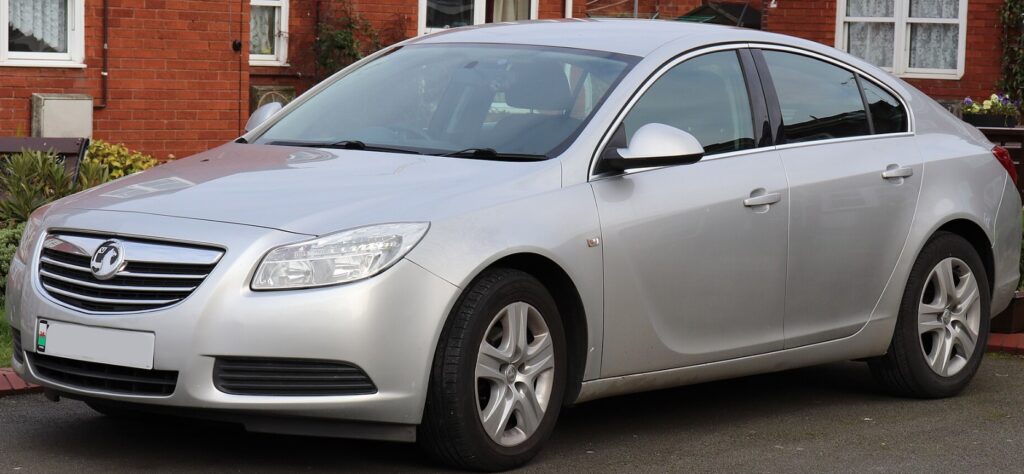
The dashboard of a Vauxhall Insignia is like the cockpit of an aircraft. Every light, symbol, and message serves a purpose. Some are simple reminders, while others are urgent warnings that demand immediate attention. Understanding these warning lights can save us money, prevent breakdowns, and even protect the engine from severe damage.
In this comprehensive guide, we'll explore the most common Vauxhall Insignia warning lights, what they mean, what causes them, and the best actions to take when they appear.
Content in this publication
- Why Warning Lights Matter in the Vauxhall Insignia
- Understanding Dashboard Warning Light Colors
- Engine Management Light (Check Engine Light)
- Oil Pressure Warning Light
- Battery Warning Light
- Coolant Temperature Warning Light
- Brake Warning Light
- ABS Warning Light
- Traction Control Warning Light
- Tyre Pressure Monitoring System (TPMS) Light
- Diesel Particulate Filter (DPF) Warning Light
- Glow Plug Warning Light
- Power Steering Warning Light
- Airbag Warning Light
- Lane Departure Warning Light
- Adaptive Headlight Warning Light
- Service Vehicle Soon Warning
- Common Vauxhall Insignia Warning Codes
- What To Do When a Warning Light Appears
- Preventing Warning Lights Before They Appear
- The Most Serious Warning Lights You Should Never Ignore
- How Diagnostic Scanners Help
- Final Thoughts on Vauxhall Insignia Warning Lights
- FAQs
Why Warning Lights Matter in the Vauxhall Insignia
Modern Vauxhall Insignia models are packed with sensors and electronic control systems. These systems constantly monitor the health of the vehicle and communicate through dashboard indicators.
Ignoring warning lights is like ignoring a smoke alarm in your house. Sometimes it's a minor issue, but other times it's the first sign of a major problem.
The good news? Most warning lights provide early warnings before expensive repairs become necessary.
Understanding Dashboard Warning Light Colors
Before diving into individual symbols, it's important to understand what the colors mean.
Red Warning Lights
Red lights typically indicate serious issues requiring immediate attention.
Examples include:
- Oil pressure warning
- Brake system warning
- Engine overheating
- Battery charging fault
If a red warning light appears, stop safely as soon as possible.
Amber or Yellow Warning Lights
Amber lights usually indicate a fault that needs investigation soon.
Common examples:
- Check engine light
- ABS warning
- Traction control fault
- DPF warning
The vehicle may still be safe to drive, but repairs should not be delayed.
Green and Blue Indicator Lights
These lights simply indicate that a system is active.
Examples:
- Headlights
- High beam
- Cruise control
- Lane assist
These are informational rather than warnings.
Engine Management Light (Check Engine Light)
What Does the Engine Light Look Like?
The symbol resembles a small engine block.
What Causes It?
The engine management light can appear because of:
- Faulty oxygen sensors
- Ignition coil problems
- Fuel injector faults
- EGR valve issues
- Turbocharger problems
- Loose fuel cap
Can You Keep Driving?
Usually yes, if the light remains steady.
However, if it begins flashing, reduce speed immediately and seek professional diagnosis.
A flashing engine light often signals a misfire that could damage the catalytic converter.
Oil Pressure Warning Light
What Does It Mean?
This symbol resembles an oil can.
It indicates dangerously low engine oil pressure.
Common Causes
- Low oil level
- Faulty oil pump
- Oil pressure sensor failure
- Blocked oil passages
What Should You Do?
Stop the engine immediately.
Driving with low oil pressure can destroy the engine within minutes.
Check the oil level before restarting.
Battery Warning Light
Understanding the Battery Symbol
The battery-shaped icon indicates a charging system problem.
Possible Causes
- Failing alternator
- Damaged battery
- Loose battery terminals
- Broken auxiliary belt
What Happens If Ignored?
Eventually, the battery will lose charge and the engine may stop running.
Think of the alternator as the heart of the electrical system. When it stops pumping energy, everything gradually shuts down.
Coolant Temperature Warning Light
Why It Appears
The coolant warning light signals excessive engine temperature.
Typical Causes
- Low coolant level
- Thermostat failure
- Cooling fan malfunction
- Water pump issues
- Radiator leaks
Immediate Action
Pull over safely.
You may be interested in reading Vauxhall Insignia Service Reset: Complete Step-by-Step Guide for Every Model
Allow the engine to cool before checking coolant levels.
Never remove the coolant cap while the engine is hot.
Brake Warning Light
What the Brake Light Means
The brake warning light may indicate:
- Low brake fluid
- Parking brake engaged
- Brake system malfunction
Why It Should Never Be Ignored
Brakes are arguably the most important safety system on the vehicle.
If braking performance changes alongside the warning light, stop driving immediately.
ABS Warning Light
What Is ABS?
ABS stands for Anti-lock Braking System.
Its job is to prevent wheel lock-up during emergency braking.
When the Light Appears
Possible causes include:
- Wheel speed sensor failure
- ABS module fault
- Wiring issues
Can You Drive?
Yes, but ABS assistance will not be available.
The vehicle will brake normally under most conditions.
Traction Control Warning Light
What Does the Flashing Symbol Mean?
A flashing traction control light often means the system is actively helping maintain grip.
When It Stays On
A continuously illuminated light may indicate:
- Wheel sensor issues
- Steering angle sensor faults
- Stability control problems
Driving remains possible, but electronic stability assistance may be reduced.
Tyre Pressure Monitoring System (TPMS) Light
The Horseshoe Symbol Explained
This warning resembles a tyre with an exclamation mark.
Common Reasons
- Low tyre pressure
- Sudden puncture
- TPMS sensor failure
- Temperature changes
Recommended Action
Check all tyre pressures immediately.
Proper tyre pressure improves:
- Fuel economy
- Tyre lifespan
- Handling
- Safety
Diesel Particulate Filter (DPF) Warning Light
What Is the DPF?
The Diesel Particulate Filter captures soot from diesel exhaust gases.
Why the Light Comes On
Short journeys often prevent regeneration.
Soot builds up until the warning light appears.
How to Clear It
Often, a sustained motorway drive allows automatic regeneration.
If ignored, costly repairs may follow.
Glow Plug Warning Light
Diesel Models Only
This symbol resembles a coil.
Normal Operation
It illuminates briefly before starting.
When It Indicates a Fault
If it flashes or remains illuminated:
- Glow plug failure
- Engine control module fault
- Fuel system issues
Professional diagnosis is recommended.
Power Steering Warning Light
Why Steering Assistance Matters
Modern Insignias use electrically assisted steering.
Common Causes
- Low system voltage
- Steering motor failure
- Sensor faults
Symptoms
You may notice:
- Heavy steering
- Reduced assistance
- Intermittent operation
Address this issue promptly for safe handling.
Airbag Warning Light
Understanding the Airbag Symbol
The airbag warning light indicates a fault in the supplemental restraint system.
Potential Causes
- Seat occupancy sensor issues
- Wiring faults
- Airbag module failures
- Pretensioner problems
Why It Matters
The airbags may not deploy correctly during a collision.
You may be interested in readingVauxhall Insignia Service Reset: Complete Step-by-Step Guide for Every ModelYou may be interested in reading
Vauxhall Insignia Key Fob Replacement: The Complete Guide to Choosing, Programming, and Maintaining Your Car KeySafety should always come first.
Lane Departure Warning Light
A Modern Driver Assistance Feature
Many newer Insignias include lane-keeping technology.
When the Warning Appears
The light may illuminate because:
- Lane markings aren't visible
- Camera sensors are dirty
- System calibration is needed
Generally, cleaning the windscreen camera area is a good first step.
Adaptive Headlight Warning Light
What Are Adaptive Headlights?
These headlights adjust direction based on steering input.
Common Fault Causes
- Sensor failures
- Motor faults
- Wiring problems
Nighttime visibility may be affected, so repairs shouldn't be postponed.
Service Vehicle Soon Warning
One of the Most Common Insignia Messages
Many owners encounter the "Service Vehicle Soon" message.
What Triggers It?
Potential causes include:
- Sensor failures
- EGR valve issues
- DPF concerns
- Electrical faults
- Engine management problems
A diagnostic scan is usually required to identify the exact issue.
Common Vauxhall Insignia Warning Codes
Code 3
Typically indicates low engine coolant level.
Code 79
Usually means engine oil level requires topping up.
Code 82
Indicates an oil change is due.
Why Codes Matter
These codes provide valuable clues and often help narrow down issues before a diagnostic scan.
What To Do When a Warning Light Appears
Following a simple process can prevent panic.
Step 1: Stay Calm
Most warning lights provide advance notice.
Step 2: Check the Color
- Red = Stop safely
- Amber = Investigate soon
- Green/Blue = Informational
Step 3: Look for Messages
The Insignia's display often provides additional details.
Step 4: Inspect Basics
Check:
- Oil level
- Coolant level
- Tyre pressure
- Battery connections
Step 5: Perform Diagnostics
An OBD2 scanner can quickly identify stored fault codes.
Preventing Warning Lights Before They Appear
Prevention is always cheaper than repair.
Maintenance Habits That Help
- Follow service intervals
- Check oil monthly
- Monitor coolant levels
- Maintain tyre pressures
- Replace worn batteries early
- Drive diesel models long enough for DPF regeneration
A well-maintained Insignia rewards owners with fewer warning lights and lower repair costs.
The Most Serious Warning Lights You Should Never Ignore
Certain warnings deserve immediate attention.
Critical Red Warnings
- Oil pressure warning
- Coolant temperature warning
- Brake system warning
- Battery charging failure
- Airbag system fault
Ignoring these lights can lead to severe mechanical damage or compromised safety.
How Diagnostic Scanners Help
Modern Problem Solving
Today's diagnostic tools can read:
- Engine fault codes
- ABS faults
- Airbag system errors
- Transmission issues
Even affordable scanners can provide valuable insights before visiting a mechanic.
Final Thoughts on Vauxhall Insignia Warning Lights
The Vauxhall Insignia is a sophisticated vehicle that communicates constantly through its dashboard. Warning lights aren't there to frighten us—they're there to protect us. Think of them as helpful messengers rather than unwelcome guests.
The key is understanding the difference between an urgent warning and a routine reminder. Red lights demand immediate action, amber lights require attention soon, and informational lights simply keep us informed.
By learning the meaning of each symbol, maintaining the vehicle properly, and responding quickly when issues arise, we can keep our Insignia reliable, safe, and enjoyable to drive for many years to come.
FAQs
1. What is the most serious warning light on a Vauxhall Insignia?
The oil pressure warning light is among the most serious because continued driving can cause catastrophic engine damage.
2. Can I drive with the engine management light on?
Usually yes if the light is steady, but a flashing engine light requires immediate attention.
3. What does Code 79 mean on a Vauxhall Insignia?
Code 79 generally indicates that the engine oil level is low and needs topping up.
You may be interested in readingVauxhall Insignia Service Reset: Complete Step-by-Step Guide for Every ModelYou may be interested in reading
Vauxhall Insignia Key Fob Replacement: The Complete Guide to Choosing, Programming, and Maintaining Your Car KeyYou may be interested in reading
Vauxhall Insignia Towing Capacity: The Complete Guide for Safe and Confident Towing4. Why does my TPMS light keep returning?
This may indicate a slow puncture, incorrect tyre pressure, or a faulty tyre pressure sensor.
5. What should I do if a red warning light appears?
Pull over safely, switch off the engine if necessary, and investigate the issue before continuing your journey.
If you want to know other articles similar to Vauxhall Insignia Warning Lights: The Complete Guide to Dashboard Symbols and Their Meanings you can visit the category Service and Parts.
Audi A4 Fuel Tank Capacity: Complete Guide by Generation
Audi A4 Towing Capacity: Complete Guide for Safe Towing
Audi A4 Service Reset: Complete Guide for Every Generation
Audi A4 Weight: Complete Guide by Model, Generation, and Drivetrain
Audi A4 Tyre Size: Complete Fitment and Buying Guide

Hyundai Palisade Tyre Size: Complete Wheel and Tyre Guide
Leave a Reply
More content of your interest