
Vauxhall Meriva Boot Won’t Open: Causes, Fixes, and Emergency Access

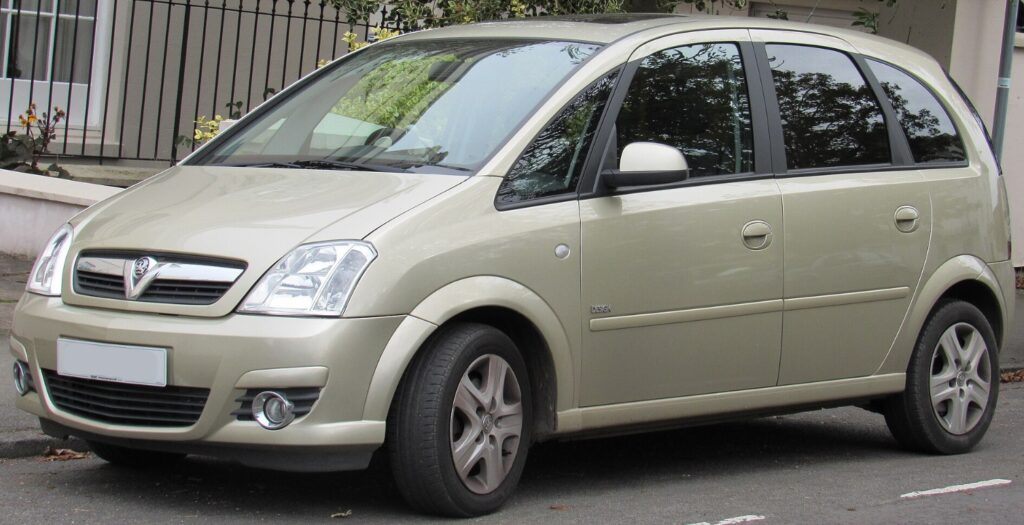
A Vauxhall Meriva boot that won’t open can turn a simple shopping trip into an awkward puzzle. The luggage is visible through the rear window, the key is in our hand, and yet the tailgate behaves like a bank vault.
Fortunately, a stuck Meriva boot does not always mean an expensive repair. The problem may be as simple as a weak battery, a frozen latch, a damaged fuse, or dirt packed around the locking mechanism. In other cases, the issue may come from the boot-release switch, wiring loom, lock actuator, or central locking system.
In this guide, we will work through the most likely causes, explain how to open the boot manually, and show how to identify the difference between a minor inconvenience and a genuine electrical fault.
Content in this publication
- Why Won’t My Vauxhall Meriva Boot Open?
- Start With the Simple Checks
- Press Down on the Tailgate Before Opening It
- Listen for the Boot-Lock Actuator
- Check the Car Battery
- Inspect the Boot-Release Button
- Check the Relevant Fuses
- How to Open a Vauxhall Meriva Boot From Inside
- A Jammed Boot Latch
- Boot-Latch Misalignment
- Faulty Boot-Lock Actuator
- Broken Wiring Near the Tailgate Hinge
- Central Locking Problems
- The Boot Opens Only Sometimes
- The Boot Will Not Open After a Flat Battery
- The Boot Is Stuck After Being Slammed
- Could the Rubber Seals Be Holding the Boot Shut?
- Diagnostic Scanning
- Repair Costs and What Affects Them
- Should We Use a New or Used Lock Assembly?
- Common Mistakes to Avoid
- A Practical Troubleshooting Order
- How to Prevent Future Boot-Lock Problems
- When Should We Call a Professional?
- Final Thoughts
- Frequently Asked Questions
Why Won’t My Vauxhall Meriva Boot Open?
The boot-release system appears simple from the outside, but several parts must work together before the tailgate can open.
When we press the exterior release button, an electrical signal travels through the vehicle’s wiring to the boot-lock actuator. The actuator then releases the latch, allowing us to lift the tailgate. If any part of that chain fails, the boot stays closed.
The most common causes include:
- The vehicle is still locked
- The key-fob battery is weak
- The car battery has low voltage
- The exterior boot switch has failed
- The boot-lock actuator is faulty
- The latch is dirty, dry, frozen, or misaligned
- A fuse has blown
- Wiring near the tailgate hinge has broken
- The central locking system has developed a fault
- An object inside the luggage compartment is pressing against the tailgate
- The lock mechanism has jammed mechanically
Before we start removing trim panels or ordering replacement parts, we should begin with the easiest checks.
Start With the Simple Checks
It is tempting to assume the worst, but boot-opening faults often have surprisingly ordinary causes. Think of the troubleshooting process like climbing a ladder: start on the bottom rung rather than trying to leap straight to the roof.
Unlock the Car More Than Once
On some central locking configurations, pressing the unlock button once may unlock only the driver’s door. A second press may be needed to unlock the remaining doors and the boot.
Try the following:
- Stand close to the vehicle.
- Press the unlock button twice.
- Listen for movement near the rear lock.
- Press the exterior boot-release switch.
- Lift the tailgate while applying gentle upward pressure.
We should also try locking and unlocking the car several times. A sticking actuator may respond after the system cycles.
Try the Spare Key
A weak or damaged key fob can create confusing symptoms. The doors may unlock intermittently while the boot remains unresponsive.
If a spare key is available, try it before investigating the vehicle itself. If the spare works normally, the main key may need a new battery or internal repair.
Check Whether the Other Doors Unlock
The behaviour of the other doors gives us a useful clue.
If none of the doors unlock, the likely issue involves:
- The key fob
- The car battery
- The central locking fuse
- The central locking control system
If all doors unlock but the boot stays closed, the fault is more likely to be isolated to:
- The tailgate switch
- The boot actuator
- The latch
- The wiring inside the tailgate
This simple distinction can save a great deal of unnecessary work.
Press Down on the Tailgate Before Opening It
Sometimes the lock is working, but pressure on the latch prevents it from releasing.
This can happen when:
- Luggage is pushing against the boot lid
- The latch is slightly misaligned
- The weather seals have swollen
- The vehicle is parked on uneven ground
- The tailgate was closed too forcefully
- The lock has become dry or partially seized
Press down firmly—but not violently—above the latch area while another person operates the release button. Then lift the tailgate immediately after hearing the actuator click.
This method relieves tension from the locking mechanism. It is similar to pushing a stiff door inward before turning the handle.
Listen for the Boot-Lock Actuator
Sound is one of our best diagnostic tools.
Stand behind the Meriva, unlock the car, and press the boot-release switch. Listen carefully near the centre of the tailgate.
If We Hear a Click
A click suggests that electrical power is reaching the actuator. The problem may then be mechanical rather than electrical.
Possible causes include:
- A seized latch
- A disconnected linkage
- A weak actuator
- Misalignment between the latch and striker
- Pressure from luggage
- A damaged internal lock mechanism
If We Hear Nothing
Complete silence points toward an electrical issue, such as:
- A faulty release switch
- A failed actuator
- A blown fuse
- Broken wiring
- A poor electrical connector
- Low battery voltage
- A central locking fault
Silence does not prove that the actuator itself has failed. It merely tells us that the release mechanism is not moving.
Check the Car Battery
A weak vehicle battery can cause strange electrical behaviour long before the engine refuses to start. Central locking may become slow, inconsistent, or completely inactive.
Look for other low-voltage symptoms:
- Interior lights appear dim
- The starter motor turns slowly
- The dashboard flickers
- The radio loses its settings
- Central locking works intermittently
- Several warning messages appear at once
- The windows move more slowly than usual
If the battery is discharged, charge it or use an appropriate jump-start procedure. After power is restored, lock and unlock the car again before testing the boot.
A boot fault caused by low voltage may disappear once the electrical system receives a stable supply.
Could Disconnecting the Battery Reset the Boot Lock?
Disconnecting the battery may occasionally reset a confused control module, but it should not be our first move.
Battery disconnection can affect:
- Radio settings
- Clock settings
- Window calibration
- Stored fault codes
- Other vehicle electronics
If we choose to disconnect it, we should follow the correct procedure for the vehicle and make sure any required security information is available. A diagnostic scan is usually a better approach when an electronic control problem is suspected.
The exterior release switch is used frequently and lives in a harsh environment. It faces rain, road grime, freezing temperatures, car-wash chemicals, and repeated finger pressure.
Over time, the switch may:
- Wear internally
- Fill with moisture
- Corrode at the connector
- Become sticky
- Develop a cracked rubber cover
- Stop sending a reliable signal
Press the switch several times and pay attention to how it feels. A healthy switch usually has a clear, consistent movement. A failed switch may feel soft, loose, permanently pressed, or completely rigid.
Signs the Exterior Switch Is Faulty
The switch becomes a strong suspect when:
- The doors unlock normally
- The boot does not respond
- There is no actuator sound
- The problem started intermittently
- Pressing different parts of the switch changes its behaviour
- The boot opens through diagnostic activation but not from the exterior button
Testing the switch properly normally requires a multimeter or diagnostic equipment. We should avoid replacing the actuator automatically when the cheaper switch may be the real culprit.
Check the Relevant Fuses
A blown fuse can interrupt power to the locking system or tailgate circuit.
The exact fuse assignment may vary depending on the Meriva generation, model year, equipment level, and market. Rather than relying on a generic online diagram, we should consult:
- The owner’s handbook
- The fuse-box cover
- A model-specific repair manual
- Reliable vehicle data based on the registration or VIN
How to Inspect a Fuse
- Switch off the ignition.
- Remove the key.
- Locate the correct fuse box.
- Identify the fuse linked to central locking, body electronics, or the tailgate.
- Remove it with a fuse puller.
- Inspect the metal strip.
- Replace it only with a fuse of the same rating.
Never install a higher-rated fuse. A fuse is a safety device, not an obstacle. Replacing it with a larger one is like silencing a smoke alarm instead of finding the smoke.
If the replacement fuse blows again, there is probably a short circuit or damaged component that needs professional diagnosis.
How to Open a Vauxhall Meriva Boot From Inside
When the tailgate will not open electrically, we may need to access the lock from inside the car.
The exact arrangement differs between Meriva versions, but the general process is similar.
Emergency Interior Access Method
- Park the vehicle safely.
- Apply the parking brake.
- Switch off the ignition.
- Fold the rear seats forward.
- Remove loose luggage where possible.
- Crawl carefully into the luggage area.
- Locate the interior trim panel around the tailgate lock.
- Look for a small removable access cover.
- Use a flat plastic trim tool or suitable screwdriver to remove the cover.
- Locate the manual release lever or lock mechanism.
- Move the lever in the release direction while pushing the tailgate outward.
Use a torch, because the lock area is usually dark and cramped.
Protect the Interior Trim
Avoid attacking the trim with a large metal screwdriver. The plastic clips and panels can crack easily, especially in cold weather.
A plastic trim-removal tool is safer. If no access cover is present, partial trim removal may be necessary, but we should work slowly and avoid pulling against hidden wiring.
Do Not Force the Tailgate
If the latch does not release with moderate pressure, stop and inspect it more closely. Excessive force can damage:
- The inner trim
- The lock housing
- Wiring connectors
- The rear window
- The tailgate frame
- The exterior handle assembly
The aim is to release the lock, not wrestle the entire tailgate into submission.
A Jammed Boot Latch
A mechanical latch fault is especially likely when we can hear the actuator clicking but the boot remains firmly closed.
The latch may be affected by:
- Dirt
- Rust
- Old grease
- Water intrusion
- Freezing weather
- Wear inside the mechanism
- Misalignment
- Damage from repeated slamming
Once the boot is open, inspect the latch carefully.
Cleaning the Latch
Remove visible dirt with a brush or cloth. A suitable electrical or mechanical cleaner may help remove old residue, depending on the part being cleaned.
After cleaning, apply a small amount of appropriate lubricant to the moving metal parts. Avoid flooding electrical switches or connectors with heavy oil.
Operate the latch manually several times using a screwdriver to simulate the striker. Make sure it locks and releases consistently before closing the tailgate again.
Never Test the Latch Carelessly
When manually closing the latch with a screwdriver, keep fingers away from the moving mechanism. Before shutting the tailgate, release the latch back into its open position.
Closing the tailgate while the latch is already in the locked position can damage the mechanism or striker.
Boot-Latch Misalignment
A tailgate that requires slamming or lifting sideways may be misaligned.
Misalignment can result from:
- Loose striker bolts
- Worn hinges
- Previous accident damage
- A tailgate that has been forced
- Degraded rubber bump stops
- Body movement after repairs
- Excess pressure from weather seals
Look for clues such as:
- Uneven gaps around the tailgate
- Scratches near the striker
- A boot that rattles over bumps
- Water leaks
- A tailgate that sits too high or low
- Repeated difficulty closing it
Minor striker adjustment can solve the problem, but we should mark the original position before loosening anything. Even a small movement can affect closing pressure, water sealing, and wind noise.
If the vehicle shows signs of accident damage or hinge distortion, professional body alignment is the safer option.
Faulty Boot-Lock Actuator
The actuator is the electrical unit that releases the latch. It can fail gradually or suddenly.
Common Actuator Failure Symptoms
A failing actuator may:
- Click weakly without releasing
- Work only after several attempts
- Fail in cold or wet weather
- Make a buzzing sound
- Stop working completely
- Unlock when tapped or pressed
- Drain the battery if it remains energised
- Trigger inconsistent central locking behaviour
If power and ground reach the actuator but it does not move correctly, replacement is usually required.
Can We Replace the Actuator Ourselves?
For an experienced home mechanic, replacement may be manageable. The job generally involves:
- Opening the boot manually
- Removing the inner tailgate trim
- Disconnecting the electrical plug
- Removing the latch or actuator fasteners
- Detaching any mechanical linkage
- Installing the replacement component
- Testing the system before refitting the trim
The difficulty lies less in the bolts and more in gaining access without damaging trim clips or choosing the wrong replacement part.
Always match the component using the vehicle’s registration, VIN, model year, and connector type.
Broken Wiring Near the Tailgate Hinge
One of the most important areas to inspect is the flexible rubber wiring boot between the vehicle body and the tailgate.
Every time we open and close the boot, the wires inside bend. After thousands of cycles, the copper conductors may crack even though the outer insulation still looks acceptable.
This is like bending a paperclip repeatedly: it appears fine until it suddenly snaps.
Symptoms of Damaged Tailgate Wiring
Broken wires may cause more than a boot-opening fault. We might also notice:
- Rear wiper failure
- Number-plate lights not working
- Heated rear window problems
- Intermittent central locking
- Boot-open warning staying on
- Rear lights behaving strangely
- Faults that change when the tailgate moves
Carefully pull back the rubber gaiter and inspect the wires. Look for:
- Split insulation
- Stretched conductors
- Corrosion
- Previous poor repairs
- Wires that feel unusually soft
- Completely separated cables
A continuity test with a multimeter can reveal internal breaks that are not visible.
Repairing Broken Wires Correctly
Simply twisting wires together and covering them with household tape is not a durable repair.
A proper repair should use:
- Correct wire gauge
- High-quality crimp or soldered joints
- Heat-shrink insulation
- Flexible cable where appropriate
- Staggered joins to prevent a bulky bundle
- Adequate slack for tailgate movement
The repaired section should bend naturally without pulling on the connectors.
Central Locking Problems
If the boot fault appears alongside door-locking issues, the problem may involve the wider central locking system.
Potential causes include:
- Weak battery voltage
- A failed door-lock actuator
- Body control module faults
- Faulty key-fob communication
- Water intrusion
- Damaged wiring
- Corroded grounds
- Software or calibration problems
Try operating the locks from every available method:
- Key fob
- Interior central locking button
- Mechanical key
- Exterior boot switch
The pattern of what works and what fails can help isolate the circuit.
For example, if the interior button unlocks the boot but the exterior switch does not, the exterior switch or its wiring becomes the likely culprit.
The Boot Opens Only Sometimes
An intermittent fault is frustrating because the system behaves normally just when we are ready to test it.
However, intermittent failures often leave useful patterns.
Ask:
- Does it fail only in rain?
- Is it worse in cold weather?
- Does it work after driving?
- Does moving the tailgate change anything?
- Does pressing the switch harder help?
- Does the fault happen after the car sits overnight?
- Does locking and unlocking repeatedly restore operation?
A fault that appears after rain may indicate moisture in:
- The release switch
- The actuator connector
- The tailgate wiring
- The latch
- A body seal
A fault that appears mainly in freezing temperatures may involve:
- Frozen moisture
- Thickened lubricant
- A weak actuator
- Stiff weather seals
- Reduced battery performance
Intermittent operation should not be ignored. It is often the warning stage before complete failure.
The Boot Will Not Open After a Flat Battery
If the battery is completely flat, the electrical release may not work at all.
In this situation:
- Unlock the driver’s door mechanically if necessary.
- Open the bonnet.
- Restore electrical power using a charger or approved jump-start method.
- Unlock the vehicle electronically.
- Test the boot release again.
If external power cannot be restored immediately, interior access may be required.
Do not connect power to random wires or exposed terminals near the tailgate. Incorrect connections can damage electrical modules or create a fire risk.
The Boot Is Stuck After Being Slammed
Slamming the tailgate can cause the latch to bind under pressure. It may also shift luggage against the interior panel.
Try this sequence:
- Unlock the vehicle fully.
- Press inward near the latch.
- Operate the release switch.
- Release the inward pressure.
- Lift the tailgate immediately.
If that fails, fold the rear seats and check whether luggage is pressing against the lock area.
Once the tailgate opens, inspect the latch and striker for fresh marks, looseness, or damage.
Repeated slamming is not a repair. If the boot only closes with excessive force, the latch alignment or rubber stops need attention.
Could the Rubber Seals Be Holding the Boot Shut?
Yes. Tailgate seals can stick after:
- Frost
- Heat
- Long periods without opening
- Cleaning-product residue
- Dirt accumulation
- Deformation of the rubber
If the actuator releases but the boot feels glued shut, pull gently from different points while another person presses the release.
After opening, clean the rubber seals with an appropriate product. A suitable rubber-care treatment can reduce sticking, but avoid products that attract heavy dust or damage painted surfaces.
Diagnostic Scanning
A scan tool can shorten the troubleshooting process, particularly when the boot release is controlled by the vehicle’s body electronics.
A capable diagnostic system may reveal:
- Tailgate switch status
- Lock actuator commands
- Central locking fault codes
- Low-voltage history
- Communication errors
- Open circuits
- Short circuits
- Body control module faults
Basic engine-code readers may not access body systems. A scanner capable of reading manufacturer-specific body modules is often required.
Live Data Can Be More Useful Than Fault Codes
Suppose the scan tool shows that the boot switch changes from “inactive” to “active” when pressed. That suggests the switch and part of its wiring are working.
If the module commands the actuator but the lock does not release, attention shifts toward:
- The actuator
- The actuator wiring
- The ground connection
- The mechanical latch
Diagnosis becomes much cleaner when we follow the signal rather than replace parts at random.
Repair Costs and What Affects Them
The final cost depends on the cause, labour rate, Meriva generation, part quality, and whether the tailgate can be opened normally.
Relatively inexpensive repairs may include:
- Replacing the key-fob battery
- Replacing a fuse
- Cleaning and lubricating the latch
- Repairing one damaged wire
- Adjusting the striker
- Replacing the exterior release switch
More involved repairs may include:
- Replacing the complete latch assembly
- Installing a new actuator
- Repairing multiple broken wires
- Diagnosing a body control module
- Correcting previous accident damage
- Replacing damaged tailgate trim
A closed, inaccessible boot can increase labour time because the technician must first open it without causing damage.
Should We Use a New or Used Lock Assembly?
A used part may save money, but it comes with uncertainty. The donor component may already have wear, corrosion, or an intermittent internal fault.
A new replacement is usually the better choice when:
- Labour is expensive
- The actuator is difficult to access
- The original part has a known age-related failure
- We plan to keep the vehicle
- The used part has no meaningful warranty
A good-quality used part can still make sense for an older vehicle when cost is the main concern. Verify the part number, connector, mounting points, and latch design before buying.
Common Mistakes to Avoid
Boot faults invite guesswork, and guesswork often becomes expensive.
Avoid these common mistakes:
- Slamming the boot repeatedly
- Pulling the exterior handle with excessive force
- Replacing the actuator without testing the switch
- Installing a higher-rated fuse
- Spraying heavy lubricant into electrical connectors
- Breaking trim clips by removing panels too quickly
- Closing the tailgate before confirming the latch is reset
- Ignoring broken wires inside the hinge gaiter
- Buying parts without checking compatibility
- Disconnecting the battery without understanding the consequences
- Forcing the lock with sharp metal tools
A careful ten-minute inspection can be more valuable than an hour of aggressive dismantling.
A Practical Troubleshooting Order
For the fastest and most logical diagnosis, follow this order:
- Press the unlock button twice.
- Try the spare key.
- Confirm whether the other doors unlock.
- Check the vehicle battery condition.
- Press down on the tailgate while operating the release.
- Listen for actuator noise.
- Inspect the exterior release switch.
- Check the relevant fuse.
- Open the boot manually from inside.
- Clean and test the latch.
- Inspect the hinge-area wiring.
- Test power and ground at the actuator.
- Scan the body control system.
- Replace the confirmed faulty component.
- Test everything before reinstalling the trim.
This sequence moves from simple and inexpensive possibilities toward more technical faults.
How to Prevent Future Boot-Lock Problems
We cannot prevent every electrical failure, but basic maintenance can reduce the likelihood of another jammed tailgate.
Keep the Latch Clean
Dirt mixed with old grease becomes a thick paste that restricts movement. Clean the latch periodically and apply only a modest amount of suitable lubricant.
Avoid Slamming the Tailgate
A well-adjusted boot should close with firm, controlled pressure. Constant slamming accelerates wear and can affect alignment.
Inspect the Wiring Gaiter
During routine cleaning, check the rubber wiring sleeve for splitting or unusual tension. Early wire damage is easier to repair than a completely failed loom.
Treat Water Leaks Promptly
Moisture and electrical connectors are poor companions. If water enters around the tailgate, rear lights, or seals, find the source before corrosion spreads.
Replace a Weak Battery
Low voltage can place extra strain on electrical actuators and create misleading faults. Test an ageing battery rather than waiting for complete failure.
Open the Boot Regularly
A vehicle that sits unused may develop sticking seals or a stiff latch. Opening the tailgate occasionally keeps the mechanism moving and reveals developing problems before we urgently need access.
When Should We Call a Professional?
Professional help is sensible when:
- The boot cannot be opened from inside
- The rear trim must be removed while the tailgate is closed
- A replacement fuse blows repeatedly
- Several electrical systems fail together
- Wiring damage is extensive
- The body control module stores faults
- The vehicle has previous accident damage
- Water has entered electrical connectors
- We lack the tools to test voltage and continuity
- The latch is dangerously loose or misaligned
An auto electrician may be the best choice for switch, wiring, actuator, and module faults. A body repair specialist may be more appropriate when the tailgate or striker is visibly misaligned.
Final Thoughts
When a Vauxhall Meriva boot won’t open, the locked tailgate can feel like a solid wall between us and the luggage compartment. Yet the cause is often narrower than it first appears.
Begin with the key fob, central locking, and battery. Press down on the tailgate to relieve latch pressure, listen for actuator movement, and check whether the exterior switch responds. If necessary, gain access from inside and inspect the latch, actuator, fuse, and hinge wiring.
The most important lesson is simple: diagnose before replacing. A silent boot lock does not automatically mean a dead actuator, and a clicking actuator does not guarantee the latch is healthy.
By following a logical order, we can avoid damaged trim, unnecessary parts, and a repair bill that grows faster than weeds in summer.
Frequently Asked Questions
1. Why does my Vauxhall Meriva boot click but not open?
A clicking sound usually means the actuator is receiving power, but the latch may be jammed, misaligned, dry, or under pressure. Press down on the tailgate while operating the release. If it opens, clean and inspect the latch and striker.
2. How do I open a Vauxhall Meriva boot manually?
Fold the rear seats, enter the luggage compartment, and locate the interior access point near the tailgate lock. Remove the small cover or inner trim carefully, then move the manual release lever. The exact location depends on the Meriva version.
3. Can a blown fuse stop the Meriva boot from opening?
Yes. A fuse linked to the central locking or body electrical system may prevent the actuator from working. Check the model-specific fuse information and replace a blown fuse only with one of the same rating.
4. Why does my Meriva boot open only sometimes?
Intermittent operation commonly points to a worn release switch, weak actuator, damaged hinge wiring, moisture, low battery voltage, or a sticking latch. Note whether the fault changes with rain, cold weather, or tailgate movement.
5. Can I drive with a faulty boot lock?
The vehicle may still be driveable if the tailgate is fully closed and securely latched. However, do not drive if the boot can open unexpectedly, the dashboard shows it as open, or the latch does not hold firmly. Repair the fault promptly.
If you want to know other articles similar to Vauxhall Meriva Boot Won’t Open: Causes, Fixes, and Emergency Access you can visit the category Common Problems.
Toyota Hilux DPF Problems: Causes, Symptoms, Fixes, and Prevention
Toyota Hilux Issues: Common Problems, Causes and What to Check

Subaru XV Not Starting: Causes, Diagnosis, and Fixes

BMW M2 Issues: Common Problems, Reliability and What Owners Should Know
Subaru XV Issues: Common Problems, Reliability and What Owners Should Know
Subaru XV Hybrid Problems: What Owners Should Know
Leave a Reply
More content of your interest