
Vauxhall Meriva Door Lock Fault: Causes, Diagnosis, and Fixes

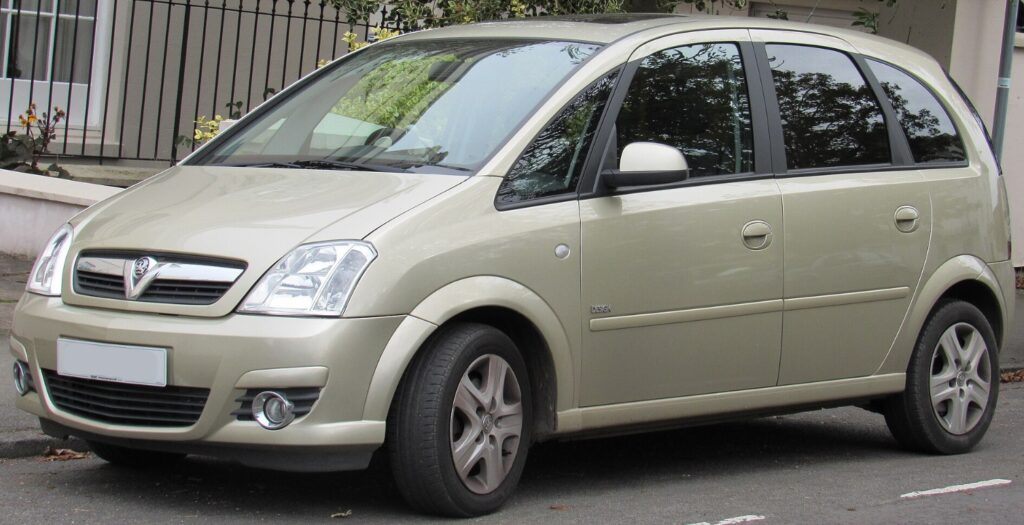
A Vauxhall Meriva door lock fault can turn a simple journey into a surprisingly frustrating experience. One moment, the central locking works perfectly. The next, one door refuses to open, the dashboard displays a warning, or the car locks and unlocks itself as though it has developed a mind of its own.
Door-locking problems are more than a minor inconvenience. Depending on the fault, they may prevent us from securing the vehicle, opening a rear door, accessing the boot, or safely transporting passengers. The Vauxhall Meriva is especially interesting because the second-generation model uses distinctive rear-hinged “FlexDoors,” supported by electronic safety systems that prevent the doors from opening while the vehicle is moving.
When those mechanical and electrical parts stop communicating properly, the result can feel like several problems arriving at once.
Fortunately, a door lock fault does not automatically mean that the entire locking system needs replacing. In many cases, the cause is a weak battery, damaged wiring, a worn lock actuator, a faulty door-position sensor, or a key fob that needs attention.
In this guide, we will explore the most common causes, the warning signs to watch for, practical diagnostic steps, likely repair costs, and the situations in which professional help becomes essential.
Content in this publication
- What Does a Vauxhall Meriva Door Lock Fault Mean?
- Common Symptoms of a Meriva Door Lock Problem
- The Most Common Causes of a Vauxhall Meriva Door Lock Fault
- 1. Faulty Door Lock Actuator
- 2. Broken Wiring in the Door Loom
- 3. Weak or Failing Vehicle Battery
- 4. Key Fob Battery or Remote-Control Fault
- 5. Faulty Door-Ajar Sensor
- 6. Dirty, Dry, or Misaligned Door Latch
- 7. Central Locking Fuse or Power-Supply Problem
- 8. Body Control Module Fault
- 9. Water or Moisture Inside the Door
- Vauxhall Meriva FlexDoor Locking Problems
- Why the Meriva Locks and Immediately Unlocks
- Why One Door Will Not Lock
- Why the Door Will Not Open from Inside
- Why the Door Will Not Open from Outside
- How to Diagnose a Vauxhall Meriva Door Lock Fault
- Step 1: Identify exactly what is failing
- Step 2: Check the vehicle battery
- Step 3: Test the spare key
- Step 4: Check the fuses
- Step 5: Inspect the door wiring loom
- Step 6: Observe the interior light and dashboard warning
- Step 7: Scan the vehicle for fault codes
- Step 8: Test power and ground at the actuator
- Can a Meriva Door Lock Fault Be Reset?
- How to Resynchronise the Remote Key
- Cleaning and Lubricating the Door Latch
- Temporary Solutions When the Door Will Not Lock
- When the Vehicle Should Not Be Driven
- Typical Repair Options
- How Much Does a Vauxhall Meriva Door Lock Repair Cost?
- Should We Use a New, Used, or Aftermarket Lock?
- Can We Fix the Fault at Home?
- How to Prevent Future Door Lock Problems
- Common Diagnostic Mistakes to Avoid
- Is a Vauxhall Meriva Door Lock Fault Common?
- A Practical Troubleshooting Checklist
- Final Thoughts on the Vauxhall Meriva Door Lock Fault
- Frequently Asked Questions
What Does a Vauxhall Meriva Door Lock Fault Mean?
A door lock fault generally means that the vehicle’s control system cannot confirm that one or more doors are locked, unlocked, open, or fully closed.
The system relies on several components working together:
- Door lock actuators
- Mechanical latches
- Door-position switches
- Wiring looms
- Central locking control modules
- The vehicle battery
- Key fob transmitters
- Interior locking switches
- FlexDoor safety sensors on applicable models
When one component fails, the car may receive contradictory information. For example, the door may physically appear closed while the electronic sensor still reports it as open.
Think of the system like a group conversation. If one participant starts sending the wrong message, everyone else becomes confused. The central locking module may repeatedly attempt to lock the doors, activate a warning, or leave one door unsecured.
Common Symptoms of a Meriva Door Lock Problem
Door-locking faults do not always appear in the same way. Some problems develop gradually, while others arrive overnight.
Common symptoms include:
- One door does not lock with the remote
- One door remains locked when the others open
- Central locking works intermittently
- The car locks and immediately unlocks
- A door-open warning stays illuminated
- The alarm sounds without an obvious reason
- The rear doors refuse to open
- The boot remains locked
- The interior light stays on
- The remote key works only at close range
- A clicking noise comes from inside the door
- The door handle moves but does not release the latch
- The locking button inside the vehicle stops responding
- The dashboard reports a door or locking fault
- The car does not confirm locking with the usual light flash
A single symptom can have several possible causes. That is why replacing parts without testing is often an expensive gamble.
The Most Common Causes of a Vauxhall Meriva Door Lock Fault
1. Faulty Door Lock Actuator
The door lock actuator is one of the most common sources of trouble. It is a small electric motor housed within the lock mechanism. When we press the remote button or interior switch, the actuator moves the latch between its locked and unlocked positions.
Over time, the motor can weaken, internal gears can wear out, or electrical contacts can become unreliable.
A failing actuator may work when the weather is warm but stop working on cold mornings. It may also respond after several button presses or make a weak buzzing sound without fully moving the lock.
Signs of a failing actuator
Typical signs include:
- Only one door is affected
- The lock makes a clicking or buzzing noise
- The door works manually but not electronically
- The fault becomes increasingly frequent
- Repeated remote presses occasionally make it work
If the actuator is integrated into the latch assembly, the complete unit may need replacing rather than just the motor.
2. Broken Wiring in the Door Loom
The wires connecting the body of the vehicle to the door must bend every time the door opens and closes. They usually pass through a protective rubber sleeve near the hinges.
After years of movement, individual wires can crack internally or break completely.
This issue can be particularly confusing because the door may show several faults simultaneously. The lock, electric window, speaker, mirror, and door-open sensor may all stop working or behave intermittently.
Why wiring faults are easy to miss
A damaged wire may still touch occasionally. The system works while the door is in one position but fails when the door moves. It is similar to a phone-charging cable that only works when bent at the perfect angle.
Visual inspection does not always reveal the damage because the insulation can remain intact while the copper conductor inside has broken.
3. Weak or Failing Vehicle Battery
Modern locking systems depend on stable voltage. A weak battery may still start the engine, yet voltage can drop low enough to confuse electronic control modules.
The Meriva may then display seemingly unrelated warnings, operate the central locking slowly, or fail to recognise that the doors are secure.
This possibility is easy to overlook. We naturally blame the door when the real problem is sitting beneath the bonnet.
A healthy battery should be tested rather than judged only by whether the engine starts. Resting voltage, cranking voltage, charging output, and battery condition all matter.
4. Key Fob Battery or Remote-Control Fault
If every door responds poorly or the central locking works normally from the interior switch, the key fob deserves attention.
The simplest cause is a weak coin-cell battery. Other possibilities include damaged buttons, poor battery contacts, water damage, or a remote that has lost synchronisation.
A useful comparison test
Try the following:
- Test the spare key, if available.
- Operate the central locking from inside the car.
- Unlock the driver’s door manually.
- Stand close to the vehicle and try the remote again.
If the spare key works normally, the original remote is probably responsible.
5. Faulty Door-Ajar Sensor
The vehicle needs to know whether each door is open or closed. On many modern cars, the relevant switch is integrated into the latch rather than mounted as a visible button on the door frame.
When the sensor fails, the car may believe a closed door is still open.
This can cause:
- Interior lights to remain illuminated
- A door-open symbol on the dashboard
- The central locking to unlock again immediately
- The alarm to trigger unexpectedly
- Warning sounds while driving
- Battery drain when the vehicle is parked
Cleaning and lubricating the latch occasionally helps if dirt is restricting its movement. However, an internal electrical failure usually requires replacement of the latch assembly.
6. Dirty, Dry, or Misaligned Door Latch
Not every fault is electronic. Dust, corrosion, dried grease, or slight misalignment can stop the latch from reaching its fully closed position.
A door that needs to be slammed is trying to tell us something. So is a door that sits slightly proud of the bodywork.
Possible causes include:
- A loose striker plate
- Worn hinges
- Previous accident damage
- Dirt inside the latch
- Frozen moisture during winter
- A dry or corroded mechanism
The locking system may refuse to secure the car if the latch does not confirm full closure.
7. Central Locking Fuse or Power-Supply Problem
A blown fuse can disable part or all of the central locking system. However, fuses rarely fail without a reason.
If a replacement fuse blows again, there may be a short circuit, damaged wire, water intrusion, or failing actuator drawing excessive current.
Always use the correct fuse rating. Installing a higher-rated fuse to stop it blowing is dangerous because it removes protection from the circuit.
8. Body Control Module Fault
The body control module coordinates many convenience and security functions, including central locking, interior lighting, alarms, and door-status information.
Module failure is possible, but it should not be the first conclusion. Wiring faults, poor earth connections, low battery voltage, and defective latches are more common.
Replacing a module without proper diagnosis can be costly because the new or used unit may require programming to the vehicle.
9. Water or Moisture Inside the Door
Water naturally enters the outer section of a car door and should drain through openings at the bottom. Problems arise when drains become blocked or the internal moisture barrier becomes damaged.
Moisture can then reach electrical connectors, the actuator, or the wiring loom.
Warning signs include:
- Faults after heavy rain
- Damp carpets near the door
- Water sounds inside the door
- Corroded electrical connectors
- Intermittent operation in wet weather
- Mouldy or damp smells inside the cabin
Water-related electrical faults often become worse over time. Corrosion behaves like rust beneath paint: by the time we notice the surface symptoms, the damage may already be spreading.
Vauxhall Meriva FlexDoor Locking Problems
The second-generation Meriva’s rear-hinged FlexDoors are one of its most recognisable features. They make rear-seat access easier, particularly when helping children or passengers with limited mobility.
However, the system includes additional safety controls because the rear doors must not open while the vehicle is moving.
How the FlexDoor safety system works
The car monitors factors such as vehicle speed, door position, locking status, and handle operation. When the vehicle moves above a certain speed, the rear doors are electronically secured.
If the system cannot verify the required information, it may keep the doors locked or display a warning.
Why a rear FlexDoor may refuse to open
Possible causes include:
You may be interested in reading Vauxhall Meriva Heater Not Working: Causes, Checks, and Fixes
- Faulty rear-door actuator
- Damaged wiring near the hinges
- Door-position sensor failure
- Low vehicle voltage
- Mechanical latch obstruction
- Child-lock activation
- Misaligned door or striker
- Control-module communication fault
Before assuming an electronic failure, check whether the child lock has been activated. It sounds obvious, but simple settings often hide behind symptoms that appear far more serious.
Can we force a stuck FlexDoor open?
Forcing the door is not recommended. The handle, cable, trim, or latch can break, transforming a manageable fault into a much more expensive repair.
If the door will not open from either side, a technician may need to remove interior trim with the door closed. That process requires care because clips and panels can easily become damaged.
Why the Meriva Locks and Immediately Unlocks
A vehicle that locks and instantly unlocks usually believes that one door, the tailgate, or the bonnet is not properly closed.
The system tries to lock, detects an unsafe or incomplete condition, and reverses the command.
Check each opening carefully:
- Open and firmly close every door.
- Check the boot or tailgate.
- Confirm that no seat belt, bag, or trim is obstructing a latch.
- Watch the dashboard door-open indicator.
- Test the interior light response for each door.
- Listen for one actuator sounding different from the others.
If the warning remains after every door has been closed, a latch sensor or wiring fault becomes more likely.
Why One Door Will Not Lock
When only one door is affected, the problem is usually local to that door.
Likely causes include:
- Failed actuator
- Broken wiring
- Disconnected electrical plug
- Jammed lock linkage
- Damaged exterior or interior handle cable
- Frozen latch
- Corrosion inside the lock assembly
Listen closely while operating the remote.
No sound may suggest a loss of electrical power or a completely failed actuator. A clicking sound without movement may point toward a seized mechanism or worn gears.
Why the Door Will Not Open from Inside
A door that opens from outside but not inside may have a child lock enabled, a detached handle cable, or a broken interior handle.
On rear doors, check the child-lock setting first.
If the handle feels unusually loose, the cable or linkage may have disconnected. If it feels stiff, the latch could be jammed.
Avoid repeatedly pulling the handle with excessive force. Plastic components can snap, especially in cold weather.
Why the Door Will Not Open from Outside
When the interior handle works but the exterior handle does not, the outside handle mechanism, cable, or linkage may be damaged.
Cold weather can also freeze moisture inside the latch. Pouring boiling water over the door is a poor solution because it can damage paint, seals, and glass while adding more water that may freeze later.
A proper automotive de-icer and gradual warming are safer options.
How to Diagnose a Vauxhall Meriva Door Lock Fault
A logical diagnosis saves time and reduces unnecessary part replacement.
Step 1: Identify exactly what is failing
Ask a few basic questions:
- Is one door affected or all doors?
- Does the fault occur with both remote keys?
- Does the interior locking button work?
- Is there a dashboard warning?
- Does the door open manually?
- Does the problem change with temperature or rain?
- Are the window, mirror, or speaker also affected?
- Does the car lock and immediately unlock?
These answers narrow the search quickly.
Step 2: Check the vehicle battery
Inspect the terminals for looseness or corrosion. Have the battery and charging system tested if the vehicle has slow starting, dim lighting, or multiple electrical warnings.
Low voltage can create misleading fault codes, so battery health should be confirmed before deeper electronic diagnosis.
Step 3: Test the spare key
A spare key provides one of the fastest diagnostic comparisons available.
If both keys behave identically, the problem is likely inside the vehicle. If only one remote fails, replace its battery and inspect the fob.
Step 4: Check the fuses
Use the owner’s manual or correct fuse information for the vehicle’s model year. Remove and inspect the relevant fuse, preferably with a multimeter rather than relying solely on appearance.
Never replace a fuse with one of a different rating.
Step 5: Inspect the door wiring loom
Carefully pull back the rubber sleeve between the affected door and the body.
Look for:
- Broken wires
- Cracked insulation
- Green corrosion
- Previous poor-quality repairs
- Loose connectors
- Wires stretched unusually tight
A continuity test may be needed because internal wire damage is not always visible.
Step 6: Observe the interior light and dashboard warning
Open and close each door individually. Watch whether the interior light and door-open indicator respond correctly.
If one door does not change the display, its latch sensor or wiring may be faulty.
Step 7: Scan the vehicle for fault codes
A basic engine-code reader may not access the modules responsible for doors and body electronics. A suitable diagnostic scanner must communicate with the body control system.
Possible stored faults may relate to:
- Door lock motors
- Door-position switches
- Circuit voltage
- Open or short circuits
- Module communication
- Rear-door safety systems
Codes should guide testing, not replace it. A code describing a circuit fault does not automatically prove that the actuator itself is defective.
Step 8: Test power and ground at the actuator
A technician can use a multimeter or oscilloscope to verify whether the actuator receives the correct command.
If power and ground are present but the actuator does not move, the actuator is likely faulty. If no command arrives, the wiring, switch, or control module must be investigated.
Can a Meriva Door Lock Fault Be Reset?
Some temporary faults may clear after the battery voltage is restored, a remote is resynchronised, or the ignition is cycled.
However, a reset cannot repair a broken wire, worn motor, corroded connector, or failed latch sensor.
Disconnecting the battery may clear symptoms briefly, but it can also reset vehicle settings and create additional complications. It should not be treated as a universal cure.
A fault that repeatedly returns needs diagnosis rather than another reset.
How to Resynchronise the Remote Key
The correct procedure can vary by year and key type. A commonly attempted approach involves unlocking the vehicle manually, switching on the ignition, and pressing a remote button.
Nevertheless, it is best to check the procedure in the owner’s manual for the exact Meriva model. Some keys require diagnostic programming rather than simple synchronisation.
If a new battery has been installed correctly and the remote still fails, inspect the contacts and try the spare key before arranging programming.
Cleaning and Lubricating the Door Latch
A dirty or sticky latch may respond to careful cleaning and lubrication.
Use a product suitable for automotive locks and latches. Avoid soaking electrical connectors with heavy grease.
A sensible process is:
- Remove visible dirt with a soft brush.
- Apply a suitable cleaner sparingly.
- Operate the latch several times.
- Apply light lubricant to the mechanical contact points.
- Wipe away excess product.
- Confirm that the door closes without force.
Do not manually close the latch with the door open unless we understand how to release it again. Accidentally leaving it in the closed position can prevent the door from shutting.
Temporary Solutions When the Door Will Not Lock
Temporary measures should only help us secure the vehicle until a proper repair is completed.
Possible short-term actions include:
- Locking the affected door manually
- Using the physical key blade
- Removing valuables from the car
- Parking in a secure location
- Checking that the door cannot be opened after locking
- Using the spare remote
- Replacing the remote battery
- Drying accessible wet connectors safely
Never assume the car is secure just because most doors locked. Test every affected door physically.
When the Vehicle Should Not Be Driven
A door-lock fault becomes a safety issue when a door cannot remain securely closed.
Do not continue driving if:
You may be interested in readingVauxhall Meriva Heater Not Working: Causes, Checks, and FixesYou may be interested in reading
Vauxhall Meriva Key Stuck in Ignition: Causes and Fixes- The door can open while moving
- The latch does not hold the door shut
- The dashboard reports that a door is open and it cannot be secured
- Children or vulnerable passengers cannot be transported safely
- The rear-door safety system behaves unpredictably
- Loose trim or damaged mechanisms interfere with the latch
A door that merely refuses to lock may be a security problem. A door that refuses to latch is an immediate road-safety problem.
Typical Repair Options
Replacing the door lock actuator
If the actuator is integrated into the latch, the door trim must usually be removed to access the assembly. Electrical connectors, rods, and handle cables are then disconnected before the replacement unit is installed.
Repairing broken door wiring
Damaged wiring should be repaired using automotive-grade wire and proper connections. Simply twisting wires together and covering them with household tape is unlikely to survive repeated door movement.
The repaired section must remain flexible and protected from moisture.
Replacing the latch assembly
A latch replacement may solve problems involving the actuator, door-position switch, or internal mechanical wear.
Correct adjustment is important. A poorly aligned replacement can make the door difficult to close or create wind noise.
Repairing the key fob
A key specialist may replace switches, repair solder joints, install a new casing, or programme a replacement key.
A replacement key may require security coding, so buying a cheap used remote does not guarantee that it will work.
Repairing water damage
The source of moisture must be corrected as well as the damaged electrical parts. This may involve clearing drain holes, repairing a moisture barrier, replacing seals, and cleaning corroded connectors.
How Much Does a Vauxhall Meriva Door Lock Repair Cost?
Repair costs vary depending on the model year, the affected door, labour rates, diagnostic time, and whether genuine, aftermarket, or used parts are fitted.
A simple key fob battery costs very little. Wiring repair may also remain affordable if the damage is easy to access.
Actuator or latch replacement costs more because door trim must be removed and the mechanism can be awkward to reach. Module replacement and programming sit at the expensive end of the scale.
As a broad guide, the total cost may fall into these categories:
- Remote battery or minor adjustment: low cost
- Basic wiring repair: low to moderate cost
- Actuator or latch replacement: moderate cost
- Key replacement and programming: moderate to high cost
- Control-module diagnosis or replacement: high cost
- Closed-door dismantling for a jammed latch: potentially high labour cost
Request a diagnosis before authorising expensive electronic parts. The cost of testing is usually far lower than the cost of replacing the wrong component.
Should We Use a New, Used, or Aftermarket Lock?
Each choice has advantages and drawbacks.
New genuine part
A genuine component usually offers the best fit and compatibility, although it is often the most expensive option.
Aftermarket part
A reputable aftermarket lock may reduce costs. Quality varies, so extremely cheap parts can become false economies if they fail early or operate noisily.
Used part
A used latch can be affordable, but its remaining life is unknown. Confirm the part number and connector design because similar-looking units may not be interchangeable.
For labour-intensive repairs, fitting a reliable new component often makes more sense. Nobody wants to pay twice for removing the same door trim.
Can We Fix the Fault at Home?
Basic checks are suitable for many owners:
- Replacing the key fob battery
- Testing the spare remote
- Checking visible fuses
- Inspecting the rubber wiring sleeve
- Cleaning the latch
- Checking the child lock
- Confirming battery condition
- Looking for blocked door drains
More advanced work should be approached carefully. Removing door trim can damage clips, airbags may be fitted nearby, and closed-door latch failures can be difficult to access.
Electrical testing also requires correct wiring information. Guessing with jumper wires can damage modules or create a short circuit.
How to Prevent Future Door Lock Problems
Door locks work hard throughout the vehicle’s life, but simple maintenance can reduce the risk of failure.
Keep the latch clean
Remove visible dirt and apply a suitable light lubricant periodically. Do not use excessive grease because it attracts dust.
Avoid slamming the doors
Slamming accelerates wear in latches, handles, hinges, and wiring connections. A correctly aligned door should close with moderate force.
Replace weak batteries early
A struggling vehicle battery can trigger electronic problems across several systems. Have it tested if starting becomes slow or warning messages appear.
Keep drain holes clear
Blocked door drains allow water to collect near electrical components. Check for debris along the bottom edge of the door.
Repair damaged seals
Torn or displaced seals can direct moisture into areas where it does not belong.
Use handles gently in freezing weather
If a door is frozen, do not pull harder and harder. Warm the area gradually and use a proper de-icing product.
Investigate intermittent faults promptly
An intermittent lock is often an early warning. Repairing one fractured wire is easier than dealing with several broken wires and a completely dead door.
Common Diagnostic Mistakes to Avoid
Replacing the actuator without checking voltage
The actuator may be innocent if it never receives power.
Assuming every warning means a module failure
Low voltage and wiring damage can imitate control-module problems.
Ignoring other electrical symptoms
A dead speaker, window, and lock on the same door strongly suggest a shared wiring or power problem.
Using the wrong diagnostic scanner
An engine-only reader may report no faults even when the body control system contains several relevant codes.
Fitting a larger fuse
This can overheat the wiring and create a fire risk.
Forcing a locked door
Excessive force can break handles, trim panels, rods, cables, and the latch housing.
Is a Vauxhall Meriva Door Lock Fault Common?
Door lock actuators, latch switches, and flexible wiring looms are wear items on many older vehicles, not only the Meriva.
The design of the FlexDoor system can make rear-door symptoms seem more complicated because it includes additional safety logic. Nevertheless, the underlying causes are usually familiar: power supply, wiring, sensors, actuators, mechanical alignment, or control communication.
Age, mileage, climate, previous repairs, and how frequently the doors are used all influence reliability.
A heavily used rear door may fail earlier than one that is rarely opened. Equally, a low-mileage car stored outdoors can develop corrosion-related faults.
A Practical Troubleshooting Checklist
Before booking a repair, work through this checklist:
- Confirm which door is affected.
- Test both remote keys.
- Replace the key fob battery if necessary.
- Try the interior central locking button.
- Check the dashboard door-open display.
- Open and close every door and the tailgate.
- Check the child-lock setting.
- Listen for actuator noises.
- Test the electric window and speaker on the affected door.
- Inspect the wiring sleeve near the hinges.
- Check the relevant fuses.
- Test the vehicle battery.
- Clean and lightly lubricate the latch.
- Scan the body control system for fault codes.
- Test power and ground before replacing parts.
This order moves from simple, inexpensive checks toward more technical diagnosis.
Final Thoughts on the Vauxhall Meriva Door Lock Fault
A Vauxhall Meriva door lock fault can originate from something as small as a tired remote battery or as involved as a damaged wiring loom, failed actuator, or faulty body control module.
The key is to avoid treating every symptom as proof that the lock assembly has failed.
Start with the basics. Identify whether one door or the entire system is affected. Test the spare key, inspect the battery, observe the dashboard warnings, check the fuses, and look closely at the wiring between the door and body.
When several electrical functions fail on the same door, wiring should move to the top of the suspect list. When only the lock fails and we hear weak clicking or buzzing, the actuator becomes more likely. When the car insists that a closed door is open, the latch sensor deserves attention.
Most importantly, distinguish between a security fault and a safety fault. A car that cannot be locked needs prompt repair, but a door that cannot remain securely closed should not be driven.
A methodical diagnosis is like following footprints through fresh snow. Each symptom points us toward the real cause, helping us repair the fault rather than simply replacing parts and hoping for the best.
Frequently Asked Questions
1. Why does my Vauxhall Meriva lock and then unlock itself?
The car probably believes that a door, the tailgate, or another monitored opening is not fully closed. A faulty latch sensor, damaged wiring, weak battery, or misaligned door can trigger this behaviour. Check the door-open display and test each door individually.
2. Why will only one Meriva door not lock?
A single affected door usually indicates a local problem such as a failed actuator, broken wiring, jammed linkage, corroded connector, or defective latch assembly. Listen for clicking and check whether other electrical functions on that door still work.
3. Can a weak car battery cause central locking faults?
Yes. Low or unstable voltage can make the locking system operate slowly, intermittently, or incorrectly. It may also create multiple warning messages. The battery and alternator should be tested before expensive modules are replaced.
4. Why will my Meriva rear FlexDoor not open?
Possible causes include an activated child lock, faulty actuator, door-position sensor failure, broken wiring, a jammed latch, low battery voltage, or a FlexDoor safety-system fault. Avoid forcing the door because this may damage the handle or latch.
5. Can I replace a Meriva door lock actuator myself?
It is possible for an experienced home mechanic, but access may require removing the door card, disconnecting handle cables, and working around delicate trim or electrical components. A jammed lock with the door closed is considerably more difficult and may require professional assistance.
You may be interested in readingVauxhall Meriva Heater Not Working: Causes, Checks, and FixesYou may be interested in reading
Vauxhall Meriva Key Stuck in Ignition: Causes and FixesYou may be interested in reading
Vauxhall Meriva Petrol Cap Won’t Open: Causes, Quick Fixes, and RepairsIf you want to know other articles similar to Vauxhall Meriva Door Lock Fault: Causes, Diagnosis, and Fixes you can visit the category Common Problems.
Vauxhall Meriva Gear Change Problems: Causes, Symptoms, and Practical Fixes
Vauxhall Meriva Gearbox Problems: Symptoms, Causes, Repairs, and Costs
Vauxhall Meriva Petrol Cap Won’t Open: Causes, Quick Fixes, and Repairs
Vauxhall Meriva Key Stuck in Ignition: Causes and Fixes
Vauxhall Meriva Heater Not Working: Causes, Checks, and Fixes
Vauxhall Meriva Not Starting: Causes, Checks, and Fixes
Leave a Reply
More content of your interest