

Vauxhall Antara Alarm Keeps Going Off: Causes, Fixes, and Practical Troubleshooting

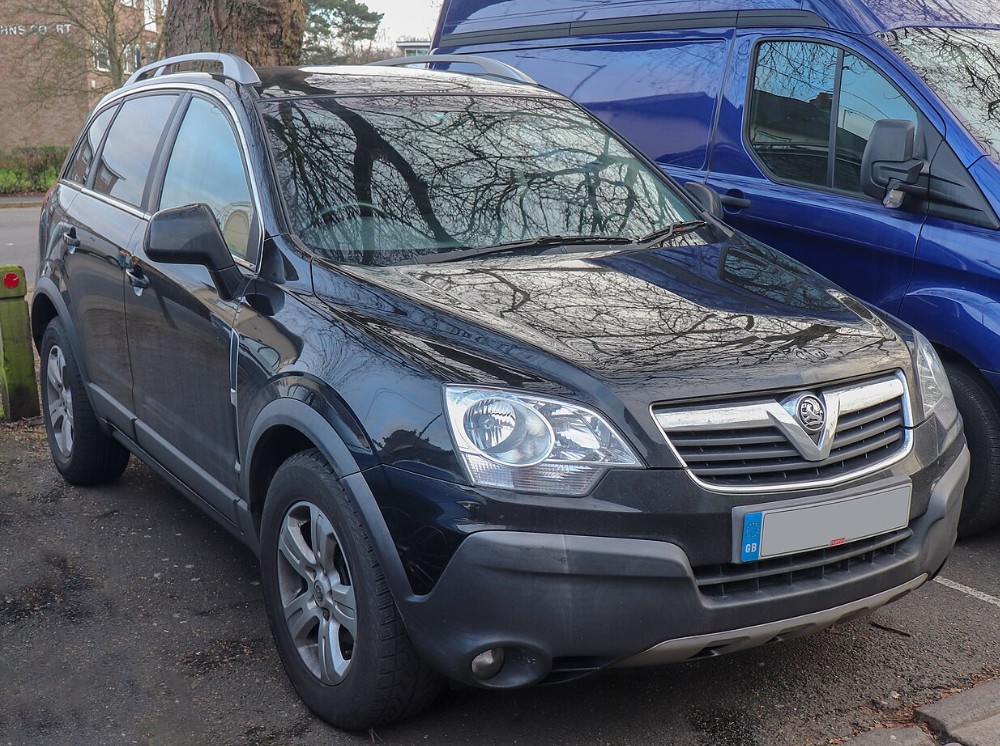
A Vauxhall Antara alarm that keeps going off can turn an otherwise peaceful evening into a neighbourhood-wide event. One minute, the vehicle is sitting quietly on the driveway; the next, the horn is shouting like it has spotted a burglar—even though nobody is near it.
Random alarm activation is more than an irritating noise. It can drain the battery, disturb neighbours, create unnecessary stress, and make us question whether the vehicle is genuinely secure. Worse still, the problem may disappear whenever we take the Antara to a garage, only to return at two in the morning.
Fortunately, a repeatedly triggering alarm does not always indicate a major electrical failure. The cause may be as simple as a weak key-fob battery, a dirty bonnet switch, an improperly closed door, or a tired vehicle battery. In other cases, water intrusion, wiring damage, interior sensors, or an electronic control-module fault may be responsible.
In this guide, we will walk through the most likely causes, practical checks, temporary solutions, repair options, and prevention tips. Rather than throwing random parts at the problem, we will approach it logically—because diagnosing an alarm fault should feel like following footprints, not searching for a needle in a moving haystack.
Content in this publication
- Why Does the Vauxhall Antara Alarm Keep Going Off?
- Most Common Causes of a Vauxhall Antara Alarm Triggering Randomly
- 1. A Weak or Failing Vehicle Battery
- 2. A Faulty Bonnet-Latch Switch
- 3. A Door-Latch Sensor Is Reporting an Open Door
- 4. A Tailgate or Boot-Latch Problem
- 5. Interior Movement Sensors Are Being Triggered
- 6. Inclination or Anti-Tow Sensor Problems
- 7. A Weak Key-Fob Battery
- 8. Water Intrusion and Corroded Electrical Connections
- 9. Damaged Wiring
- 10. Body Control Module or Alarm Module Fault
- How to Identify Which Sensor Triggered the Alarm
- A Step-by-Step Troubleshooting Process
- Step 1: Confirm Every Entry Point Is Closed
- Step 2: Observe When the Alarm Activates
- Step 3: Test the Main Battery
- Step 4: Replace the Key-Fob Battery
- Step 5: Inspect the Bonnet Switch and Latch
- Step 6: Check Door and Tailgate Signals
- Step 7: Remove Possible Interior Triggers
- Step 8: Look for Moisture
- Step 9: Scan the Body-Control System
- Step 10: Perform Wiring Tests
- Why the Alarm Often Goes Off at Night
- Can Cold Weather Trigger the Vauxhall Antara Alarm?
- Can Heavy Rain or Car Washing Cause False Alarms?
- What to Do When the Alarm Is Going Off Right Now
- Can We Temporarily Disable the Alarm?
- Aftermarket Devices That May Cause Alarm Problems
- The Alarm Siren and Its Internal Battery
- How Much Does It Cost to Fix an Antara Alarm Fault?
- Can a Repeatedly Triggering Alarm Drain the Battery?
- When Should We Visit a Garage or Auto Electrician?
- Common Mistakes to Avoid
- How to Prevent Future False Alarm Problems
- Is It Safe to Drive With an Alarm Fault?
- A Practical Diagnosis Summary
- Conclusion: Solving a Vauxhall Antara Alarm That Keeps Going Off
- Frequently Asked Questions
Why Does the Vauxhall Antara Alarm Keep Going Off?
The Antara’s security system monitors several possible entry points and conditions. Depending on the vehicle’s year and specification, the alarm may receive information from:
- Door-latch switches
- The bonnet switch
- The tailgate or boot-latch switch
- Interior movement sensors
- Vehicle-inclination sensors
- The remote key
- The central-locking system
- The body control module
- The main vehicle battery
- Alarm-related wiring and connectors
When the system detects a signal that appears to indicate unauthorised entry, movement, or interference, it activates the alarm. The difficulty is that a faulty switch can send the same signal as an actual break-in.
Think of the alarm system as a nervous security guard. When every sensor works correctly, it responds only to genuine threats. When one sensor becomes unreliable, the guard starts reacting to shadows.
Most Common Causes of a Vauxhall Antara Alarm Triggering Randomly
Although alarm faults can originate from several areas, certain problems appear far more frequently than others. Beginning with the common and inexpensive causes can save us hours of unnecessary investigation.
1. A Weak or Failing Vehicle Battery
A weak 12-volt battery is one of the first things we should consider, especially when the alarm problem appears overnight, during cold weather, or after the Antara has been parked for several days.
The alarm and body electronics need a stable electrical supply. When battery voltage falls below the expected level, control modules may behave unpredictably. The security system can interpret voltage fluctuations as tampering or electrical disconnection.
Other signs of a weak battery may include:
- Slow engine cranking
- Flickering interior lights
- Random dashboard warnings
- Central locking that works inconsistently
- A clicking noise when starting
- Electrical features resetting
- The clock or radio losing stored settings
A battery can still start the engine and yet be weak enough to cause electronic trouble. Modern vehicle systems are surprisingly sensitive to voltage changes.
How to Check the Battery
A multimeter can provide a useful initial reading. With the engine switched off and the vehicle rested, a healthy fully charged battery will generally show roughly 12.6 volts. A significantly lower reading suggests partial discharge or deterioration.
With the engine running, the voltage should rise because the alternator is charging the battery. An abnormal charging reading could point to an alternator, regulator, wiring, or battery problem.
A proper battery load test is more reliable than voltage alone. Many garages and battery retailers can perform one quickly.
2. A Faulty Bonnet-Latch Switch
The bonnet switch is a small component with a large ability to cause headaches. Its job is to tell the alarm whether the bonnet is closed. If the switch becomes dirty, corroded, misaligned, loose, or internally worn, the alarm may believe someone has opened the bonnet.
This can happen even when the bonnet looks completely secure.
Bonnet-switch problems are particularly likely when:
- The alarm activates shortly after locking
- The fault appears after rain or washing
- Pressing down on the bonnet changes the behaviour
- The bonnet warning appears intermittently
- The alarm stops when the bonnet sensor is disconnected or adjusted by a technician
Inspecting the Bonnet Area
Open the bonnet and inspect the latch assembly. Look for:
- Dirt or grease buildup
- Rust or corrosion
- Damaged wiring
- Loose connectors
- A bent mounting bracket
- A switch that does not move freely
- A bonnet that requires excessive force to latch
Cleaning the latch area may help, but avoid flooding electrical connectors with unsuitable products. If the switch is physically damaged or electrically inconsistent, replacement is usually more dependable than repeated adjustment.
3. A Door-Latch Sensor Is Reporting an Open Door
Each door-latch mechanism may contain a microswitch that reports whether the door is open or closed. When one of these switches wears out, the vehicle may receive conflicting information.
We may lock the Antara and walk away believing every door is secure. Minutes later, the faulty latch briefly reports that a door has opened, and the alarm responds.
Possible warning signs include:
- The interior light remains on
- The interior light flickers while driving
- The dashboard reports an open door
- One door does not lock consistently
- The alarm triggers after slamming a particular door
- The central locking immediately unlocks again
- One door fails to activate the courtesy light
Testing Individual Doors
Open and close each door separately while watching the interior light or door-open display. A delayed, flickering, or absent response may help identify the affected latch.
Do not forget the rear doors. A fault hidden in a rarely used passenger door can create the same chaos as a problem in the driver’s door.
4. A Tailgate or Boot-Latch Problem
The Antara’s tailgate is another monitored entry point. Dirt, moisture, latch wear, wiring damage, or poor alignment can cause the vehicle to think the boot has been opened.
This problem may be easy to miss because the tailgate can appear closed while the latch sensor is hovering between its open and closed positions.
Look for:
- A boot-open warning
- Interior luggage-area lights staying on
- A tailgate that needs to be slammed
- Difficulty locking the tailgate
- Water around the latch or trim
- Damaged wiring near the tailgate hinge
- Alarm activation after loading the boot
The wiring that passes between the body and tailgate flexes every time the boot opens. Over many years, repeated bending can weaken individual wires beneath the insulation.
5. Interior Movement Sensors Are Being Triggered
Some Antara models use ultrasonic or interior movement sensors to detect activity inside the cabin. These sensors can be useful against intrusion, but they may also react to movement that has nothing to do with theft.
Potential triggers include:
- An insect trapped in the cabin
- A pet left inside
- A hanging air freshener
- Loose paperwork
- Lightweight decorations
- Air movement through an open window
- A sunroof left partially open
- A strong vibration near the vehicle
Yes, something as small as a moth can occasionally become an unwanted overnight passenger with a talent for setting off alarms.
Temporarily Disabling Interior Monitoring
Some vehicles provide a method for disabling interior monitoring before locking. The exact procedure can vary according to equipment and model year, so we should consult the owner’s manual.
If the alarm remains quiet when interior monitoring is disabled, the cabin sensor system becomes a strong suspect. We should then check for movement inside the vehicle and have the sensors tested if the issue continues.
6. Inclination or Anti-Tow Sensor Problems
An inclination sensor is designed to detect a change in vehicle angle, such as when someone tries to tow the car or remove a wheel. However, the system may trigger when the Antara is parked:
- On a steep slope
- On an unstable surface
- Near heavy construction
- On a ferry
- In a multi-storey car park with strong vibration
- Where large vehicles repeatedly pass nearby
A defective inclination sensor may also generate false alarms on level ground.
If the alarm only behaves badly in a particular parking location, the environment deserves attention. Moving the vehicle to another spot for one or two nights can be a surprisingly useful diagnostic test.
7. A Weak Key-Fob Battery
The key-fob battery may not seem directly connected to a random alarm, but inconsistent locking commands or unreliable communication can complicate the security system’s behaviour.
Common key-fob symptoms include:
- Reduced operating range
- Needing to press the button repeatedly
- Intermittent locking or unlocking
- A delayed response
- The vehicle failing to recognise a command
- Accidental panic-button activation, where fitted
Replacing the coin-cell battery is inexpensive, so it makes sense to rule it out early. Use the correct battery type and install it with the polarity facing the proper direction.
After replacement, check that the buttons are not sticking. A worn or damaged rubber button can remain partially pressed, especially when the key is stored tightly in a pocket or bag.
8. Water Intrusion and Corroded Electrical Connections
Water and vehicle electronics mix about as well as rain and an open laptop.
Moisture can enter through degraded seals, blocked drains, damaged trim, poorly fitted windscreens, door membranes, tailgate seals, or previous repair areas. Once inside, it may reach wiring connectors, sensors, fuse boxes, or control modules.
Possible clues include:
- Damp carpets
- A musty smell
- Condensation inside the vehicle
- Electrical faults appearing after rain
- Green or white corrosion on connectors
- Wetness in the boot or spare-wheel area
- Random locking or lighting problems
- Alarm activation after washing the car
Water-related electrical issues may be intermittent. The vehicle can behave perfectly after drying, then malfunction again following another storm.
You may be interested in reading Vauxhall Antara 2.2 CDTi Problems: Symptoms, Causes, and Fixes
Why Moisture Problems Need Prompt Attention
Corrosion tends to spread. What begins as a small resistance change in one connector can eventually damage terminals, wiring, or a control module. Finding and repairing the source of the leak is just as important as cleaning the affected connector.
9. Damaged Wiring
Wiring faults may develop because of age, rubbing, vibration, previous repairs, rodents, accident damage, or repeated movement.
High-risk locations include:
- Door hinges
- The tailgate-hinge wiring loom
- The bonnet-latch area
- Under carpets
- Around aftermarket accessories
- Near the battery
- Behind interior trim
- Around fuse and relay boxes
A wire can look normal externally while being broken inside. This creates an intermittent connection that opens and closes as the vehicle moves or temperature changes.
10. Body Control Module or Alarm Module Fault
The body control module, often called the BCM, coordinates many electrical functions, potentially including locking, lighting, door status, and alarm operation. If its power supply, ground connection, communication line, software, or internal circuitry develops a problem, false alarm activation can occur.
However, we should not immediately blame the control module. Sensors, switches, connectors, and batteries fail more often and cost less to repair.
A module fault becomes more plausible when the Antara also experiences:
- Multiple unrelated electrical problems
- Erratic central locking
- Interior lights operating incorrectly
- Wipers or indicators behaving unpredictably
- Communication fault codes
- Repeated battery drain
- No clear sensor trigger in diagnostic data
Professional diagnostic equipment may be necessary to inspect stored alarm events and live sensor status.
How to Identify Which Sensor Triggered the Alarm
Guessing can become expensive. Replacing the bonnet switch, door latches, battery, key fob, and alarm siren one by one is not diagnosis—it is parts roulette.
A capable diagnostic scanner may reveal:
- Stored body-system fault codes
- The most recent alarm trigger
- Door-open status
- Bonnet status
- Tailgate status
- Interior-monitoring status
- Battery-voltage history
- Communication errors
- Module-related faults
Not every basic code reader can access the security or body systems. A generic engine scanner may report no faults because it only communicates with the engine-control module.
For persistent alarm problems, we need diagnostic equipment that can access the Antara’s body electronics.
A Step-by-Step Troubleshooting Process
The best approach is to move from simple observations to deeper electrical testing.
Step 1: Confirm Every Entry Point Is Closed
Before blaming an electronic module, check:
- All four doors
- The tailgate
- The bonnet
- All windows
- The sunroof, where fitted
Open and firmly close each one. Remove anything obstructing a latch or weather seal.
Step 2: Observe When the Alarm Activates
Timing is valuable evidence.
Ask:
- Does it trigger immediately after locking?
- Does it happen after ten or twenty minutes?
- Does it occur only overnight?
- Does rain make it worse?
- Does it happen in one parking location?
- Does it occur after opening the boot?
- Does it happen when temperatures drop?
- Does disabling interior monitoring prevent it?
Patterns turn a random problem into a narrower investigation.
Step 3: Test the Main Battery
Inspect the battery terminals for looseness, contamination, or corrosion. Then check battery condition and charging performance.
A weak battery should be charged and tested rather than automatically replaced. If it fails a proper load test, replacement is sensible.
Step 4: Replace the Key-Fob Battery
This is cheap, fast, and easy to eliminate as a possibility. Inspect the fob for water damage, cracked casing, and sticking buttons at the same time.
Step 5: Inspect the Bonnet Switch and Latch
Clean visible dirt, verify the connector is secure, and check whether the bonnet closes evenly. Do not bypass the switch permanently, as doing so may reduce vehicle security.
Step 6: Check Door and Tailgate Signals
Watch the dashboard and interior lights while operating each door. A scanner showing live data is even better because it lets us see exactly what the control module is receiving.
Step 7: Remove Possible Interior Triggers
Take out hanging objects, loose paper, toys, and other lightweight items. Close the windows fully and inspect the cabin for insects.
Temporarily use the vehicle’s interior-sensor-disable function, where available, to determine whether cabin monitoring is involved.
Step 8: Look for Moisture
Check carpets, the boot floor, spare-wheel well, door edges, and areas near electrical connectors. Do this shortly after rain, not several sunny days later.
Step 9: Scan the Body-Control System
If basic checks reveal nothing, use a compatible diagnostic scanner or visit a qualified technician. Ask specifically for alarm-trigger history and live body-sensor data.
Step 10: Perform Wiring Tests
Intermittent wiring faults may require continuity testing, voltage-drop testing, connector inspection, and gentle movement of wiring looms while monitoring live data.
This work is usually best left to an experienced auto electrician.
Why the Alarm Often Goes Off at Night
Many owners report that the alarm seems to wait until everyone is asleep. The vehicle is not plotting against us, although it can certainly feel that way.
Night-time alarm activation may be linked to:
- Falling temperatures reducing battery voltage
- Metal components contracting
- Moisture or condensation affecting connectors
- Insects becoming active inside the cabin
- Wind moving objects in the vehicle
- Reduced background noise making the alarm more noticeable
- A weak switch changing state as temperatures fall
A door or bonnet switch that works during a warm afternoon may become unreliable on a cold night.
Can Cold Weather Trigger the Vauxhall Antara Alarm?
Cold weather can expose an already weak component. It reduces battery performance and can affect mechanical alignment, seals, latches, and electrical resistance.
If the alarm problem begins every winter, focus on:
- Battery health
- Battery-terminal condition
- Bonnet-switch adjustment
- Door-latch operation
- Moisture in connectors
- Tailgate alignment
Cold weather may be the trigger, but it is rarely the true underlying fault. A healthy security system should tolerate normal seasonal temperature changes.
Can Heavy Rain or Car Washing Cause False Alarms?
Yes. An alarm fault that appears after rainfall or pressure washing strongly suggests moisture intrusion or a water-sensitive connector.
Avoid directing high-pressure water into:
- Door handles
- Bonnet-latch areas
- Window seals
- Tailgate switches
- Electrical connectors
- Roof openings
- Damaged trim
After heavy rain, inspect the cabin and luggage area for dampness. Water may travel along a wiring loom and collect far away from the original leak, making the source difficult to locate.
What to Do When the Alarm Is Going Off Right Now
When the alarm starts, our immediate goal is to silence it without causing damage.
Try the following:
- Unlock the vehicle with the remote.
- Lock and unlock it again.
- Start the engine using the recognised key.
- Check every door, the bonnet, and the tailgate.
- Remove visible movement sources from inside.
- Move the vehicle if it is parked on an unstable or vibrating surface.
If the remote does not respond, use the mechanical key where appropriate and then start the vehicle to allow the immobiliser and security system to recognise the authorised key.
The exact behaviour can differ by model year, specification, or previous modifications.
Can We Temporarily Disable the Alarm?
Temporarily reducing alarm functionality may be useful while waiting for a repair, especially when false activation is causing repeated disturbance. However, disabling the system can leave the vehicle less protected.
Some Antara versions may allow interior monitoring or inclination sensing to be switched off for a single locking cycle. This is preferable to disconnecting components blindly.
Should We Disconnect the Battery?
Disconnecting the battery can silence the system, but it is a last-resort measure rather than a repair.
You may be interested in readingVauxhall Antara 2.2 CDTi Problems: Symptoms, Causes, and FixesYou may be interested in reading
Vauxhall Antara Not Starting: Causes, Checks, and FixesPossible consequences include:
- Loss of clock and radio settings
- Window or sunroof relearning requirements
- Stored fault codes
- Central-locking complications
- Alarm activation during reconnection
- Loss of learned electronic settings
- Reduced vehicle security
Before disconnecting a battery, confirm that we understand any radio-code or relearning requirements. Never disconnect it while the engine is running.
Should We Remove the Alarm Fuse?
Removing a fuse without knowing exactly which systems it supplies can create additional faults. One fuse may feed several circuits, not just the alarm.
A wiring diagram and correct fuse information are essential. Random fuse removal is not recommended.
Aftermarket Devices That May Cause Alarm Problems
An aftermarket installation can interfere with factory security electronics, especially when connections are poorly made.
Potential troublemakers include:
- Aftermarket alarms
- Remote-start systems
- Dash cameras
- GPS trackers
- Audio amplifiers
- Tow-bar wiring
- Parking sensors
- Interior lighting kits
- Non-factory central-locking modules
A device that remains active while the vehicle is parked may drain the battery. Poor splices can also introduce resistance, intermittent circuits, or communication errors.
If the alarm problem began after accessory installation, return to the installer or ask an auto electrician to inspect the work.
The Alarm Siren and Its Internal Battery
Some alarm sirens contain an internal backup battery so they can continue sounding if the main vehicle battery is disconnected during a theft attempt.
As the siren assembly ages, its internal battery may deteriorate or leak, potentially causing false alarms or communication faults.
Possible clues include:
- Alarm faults despite good external sensors
- Problems after main-battery work
- Unusual siren behaviour
- Diagnostic codes related to the alarm sounder
- A siren that sounds weak or irregular
The siren should be properly diagnosed before replacement. Its location and design may differ depending on the Antara’s production year and equipment.
How Much Does It Cost to Fix an Antara Alarm Fault?
Repair cost depends entirely on the cause.
A key-fob battery or basic latch adjustment may cost very little. A replacement battery, bonnet switch, door-latch assembly, wiring repair, alarm siren, or control module will cost more.
The final price can be influenced by:
- Labour rates
- Diagnostic time
- Model year
- Part availability
- New versus used parts
- Whether programming is required
- The location of damaged wiring
- The severity of water intrusion
A good diagnostic session can be cheaper than replacing several perfectly functional parts.
Can a Repeatedly Triggering Alarm Drain the Battery?
Absolutely. The siren, hazard lights, control modules, and repeated wake-up cycles all consume electricity.
Even when the alarm stops sounding after a set period, the vehicle may continue monitoring systems or recording events. Repeated activation can leave the battery too weak to start the engine.
If the Antara is already fitted with an ageing battery, a night of false alarms may be the final straw.
After fixing the alarm fault, test and recharge the battery. Otherwise, we may repair the original problem yet remain stranded with a discharged battery the next morning.
When Should We Visit a Garage or Auto Electrician?
Professional diagnosis is advisable when:
- The alarm triggers repeatedly despite basic checks
- The battery tests healthy
- No door, bonnet, or tailgate fault is obvious
- Water damage is present
- Multiple electrical systems malfunction
- The vehicle has aftermarket wiring
- Diagnostic fault codes are stored
- The battery drains while parked
- Wiring damage is suspected
- The problem returns after temporary repairs
An auto electrician may be better suited than a general mechanical workshop when the fault is intermittent or wiring-related.
What Information Should We Give the Technician?
A clear description can reduce diagnostic time. Record:
- The date and time of each activation
- Weather conditions
- Parking location
- How long after locking it occurred
- Whether interior monitoring was enabled
- Which key was used
- Any dashboard messages
- Recent battery or electrical work
- Recent rain, washing, or accessory installation
A short log is more useful than saying, “It just goes off randomly.”
Common Mistakes to Avoid
Alarm faults invite frustration, and frustration invites shortcuts. Avoid these common errors:
- Replacing several sensors without scanning the system
- Permanently bypassing security switches
- Ignoring a weak battery
- Disconnecting random wires
- Removing fuses without a wiring diagram
- Spraying excessive fluid into electrical connectors
- Assuming the loudest component is the faulty one
- Ignoring damp carpets or water leaks
- Buying a control module before testing inputs
- Leaving the issue unresolved until the battery repeatedly dies
The alarm siren makes the noise, but it may simply be obeying a false command from another component.
How to Prevent Future False Alarm Problems
We cannot prevent every electronic fault, but regular care can reduce the risk.
Maintain the Battery
Have the battery tested before winter, especially if it is several years old. Keep terminals clean and secure.
Keep Latches Clean
Dirt and corrosion can affect bonnet, door, and tailgate switches. Clean latch areas carefully during routine maintenance.
Repair Water Leaks Quickly
Do not treat damp carpets as a cosmetic inconvenience. Water can travel into wiring and electronic modules.
Use Quality Electrical Installations
Accessories should be installed using suitable connectors, fuses, routing, and grounding points. Twisted wires wrapped in tape are an invitation to future trouble.
Avoid Leaving Moving Objects Inside
Remove loose items and close windows fully before arming interior monitoring.
Check Warning Signs Early
An occasional boot-open warning or flickering interior light may be the first chapter of a larger alarm problem. Investigating early usually costs less than waiting.
Is It Safe to Drive With an Alarm Fault?
A false alarm does not normally affect basic engine operation, but the underlying cause matters.
A weak battery could eventually prevent starting. Water intrusion could damage additional electronics. A faulty door-latch signal might prevent secure locking. Damaged wiring could cause wider electrical problems.
We can often drive the vehicle, but we should not ignore the fault—particularly when it is accompanied by battery discharge, burning smells, hot wiring, repeated fuse failure, or multiple warning lights.
A Practical Diagnosis Summary
When the Vauxhall Antara alarm keeps going off, we should investigate in this order:
- Confirm all doors, the bonnet, and the tailgate are secure.
- Test the main vehicle battery and charging system.
- Replace the key-fob battery.
- Inspect the bonnet-latch switch.
- Check each door-latch and tailgate signal.
- Remove possible interior movement triggers.
- Test with interior monitoring disabled.
- Inspect for dampness and water leaks.
- Scan the body electronics for alarm history.
- Test wiring and control-module inputs.
This sequence begins with the easiest and most affordable possibilities before moving toward complex electronic diagnosis.
Conclusion: Solving a Vauxhall Antara Alarm That Keeps Going Off
A Vauxhall Antara alarm that keeps going off can be embarrassing, exhausting, and surprisingly difficult to trace. Yet most cases become manageable when we stop viewing the alarm as one isolated component.
The system is a network. Door latches, the bonnet switch, the tailgate, movement sensors, wiring, battery voltage, remote keys, and control modules all share information. One unreliable signal can make the whole vehicle react as though a break-in is underway.
We should begin with battery condition, key-fob operation, latch sensors, interior movement, and visible moisture. From there, body-system diagnostics can reveal which input triggered the alarm. This evidence-based approach prevents unnecessary part replacement and helps us reach the real fault faster.
Above all, we should not ignore repeated alarm activation. Apart from disturbing everyone nearby, it can discharge the battery and conceal a developing electrical problem. A calm, methodical investigation is the quickest route back to silent nights and a properly protected Antara.
Frequently Asked Questions
Why does my Vauxhall Antara alarm go off a few minutes after locking?
A bonnet, door, or tailgate sensor may initially report that everything is closed and then change state moments later. Interior movement sensors, low battery voltage, or an intermittent wiring connection may also cause delayed activation. Diagnostic alarm history can help identify the responsible input.
Can a low battery make the Antara alarm sound randomly?
Yes. Low or unstable voltage can disrupt the alarm and body-control electronics. The battery may still start the engine while being weak enough to create electronic faults, so a proper load test is recommended.
How do I know whether the bonnet switch is faulty?
Inspect the bonnet latch for dirt, corrosion, loose wiring, or poor alignment. A technician can monitor the bonnet status using diagnostic live data. If the signal changes while the bonnet remains closed, the switch, connector, adjustment, or wiring may be defective.
You may be interested in readingVauxhall Antara 2.2 CDTi Problems: Symptoms, Causes, and FixesYou may be interested in reading
Vauxhall Antara Not Starting: Causes, Checks, and FixesYou may be interested in reading
Vauxhall Antara Manual Gearbox Problems: Causes, Symptoms and SolutionsWhy does the alarm only go off during rain?
Rain-related activation often points to moisture entering a sensor, connector, wiring loom, fuse area, or control module. Check for damp carpets, wet boot compartments, damaged seals, and corrosion. The leak source must be repaired before the electrical fault can be considered solved.
Will locking the Vauxhall Antara with the key stop the alarm?
The result depends on the model year, equipment, and locking procedure. Mechanical locking may alter how some security functions are armed, but it is not a reliable permanent solution. Consult the owner’s manual and repair the underlying sensor or electrical fault.
If you want to know other articles similar to Vauxhall Antara Alarm Keeps Going Off: Causes, Fixes, and Practical Troubleshooting you can visit the category Common Problems.
Vauxhall Antara DPF Light Flashing: Causes, Solutions, and Prevention
Vauxhall Antara Handbrake Not Holding: Causes, Checks, and Repairs
Vauxhall Antara Manual Gearbox Problems: Causes, Symptoms and Solutions
Vauxhall Antara Not Starting: Causes, Checks, and Fixes
Vauxhall Antara 2.2 CDTi Problems: Symptoms, Causes, and Fixes
Vauxhall Antara Common Problems: A Complete Owner’s Guide
Leave a Reply
More content of your interest