
Vauxhall Antara Manual Gearbox Problems: Causes, Symptoms and Solutions

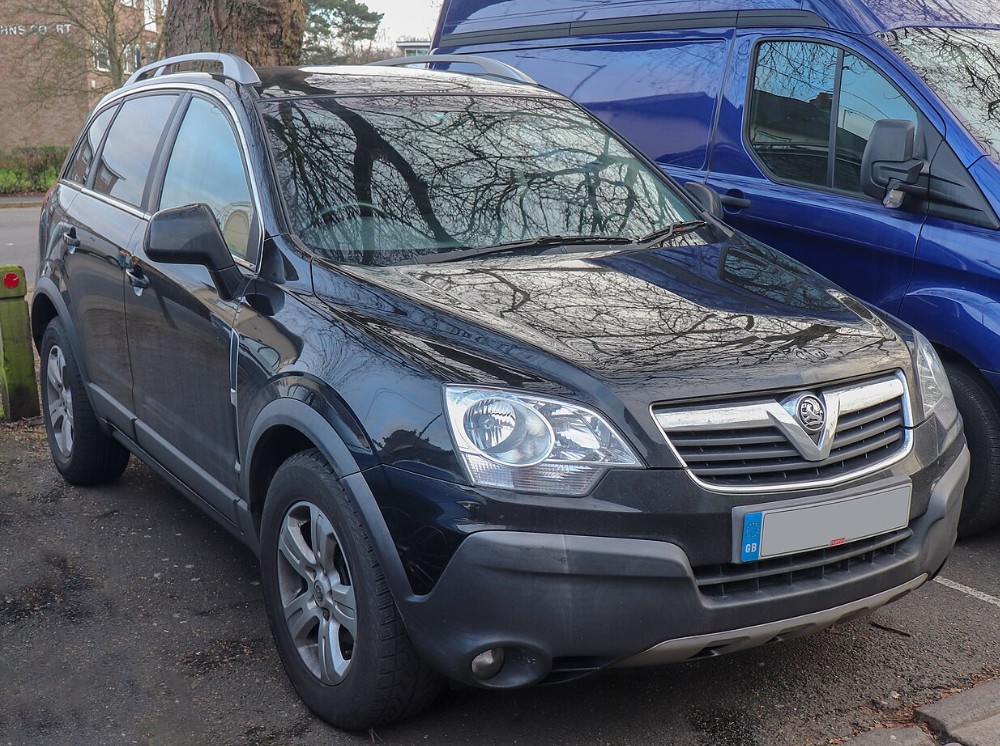
The Vauxhall Antara is a practical, comfortable SUV with enough space for family trips, shopping runs, motorway journeys, and the occasional muddy adventure. However, like many ageing diesel SUVs, it can develop transmission issues that become expensive when ignored.
Vauxhall Antara manual gearbox problems do not always begin with a dramatic bang or a car stranded at the roadside. More often, the trouble creeps in quietly. A gear becomes slightly harder to select. The gear lever starts moving under acceleration. A faint hum appears at motorway speed. Reverse occasionally refuses to engage. Before long, the gearbox that once felt solid begins behaving like a stubborn old gate.
The difficult part is identifying whether the problem actually comes from inside the gearbox. A worn clutch, failing dual-mass flywheel, damaged gear linkage, tired engine mount, leaking hydraulic system, or incorrect gearbox oil can produce similar symptoms.
In this guide, we will examine the most common Vauxhall Antara manual transmission faults, explain what the warning signs mean, explore likely repair costs, and help owners decide whether a gearbox should be repaired, replaced, or simply serviced.
Content in this publication
- Are Manual Gearbox Problems Common on the Vauxhall Antara?
- Most Common Vauxhall Antara Manual Gearbox Problems
- Difficulty Selecting First Gear
- Vauxhall Antara Reverse Gear Problems
- Crunching When Changing Gear
- Gearbox Whining or Humming Noise
- Gearbox Noise When Accelerating
- Gear Lever Moving Under Acceleration
- Manual Gearbox Jumping Out of Gear
- Clutch Drag and Poor Gear Selection
- Hydraulic Clutch Problems
- Dual-Mass Flywheel Failure
- Gear Linkage and Selector Cable Problems
- Low or Incorrect Gearbox Oil
- Vauxhall Antara Gearbox Oil Leaks
- Bearing Failure Inside the Manual Gearbox
- Worn Synchromesh Components
- Clunking When Changing Gear
- Vibration Through the Gear Lever
- Problems After a Clutch Replacement
- How to Diagnose Vauxhall Antara Manual Gearbox Problems
- Can You Continue Driving With a Gearbox Problem?
- Vauxhall Antara Manual Gearbox Repair Costs
- Gearbox Rebuild or Replacement?
- Should the Clutch and Flywheel Be Replaced Too?
- How to Prevent Manual Gearbox Problems
- What to Check Before Buying a Used Vauxhall Antara
- When Should You Visit a Gearbox Specialist?
- Questions to Ask Before Approving Repairs
- Can Gearbox Additives Solve the Problem?
- Common Misdiagnoses
- Is a Vauxhall Antara With Gearbox Problems Worth Repairing?
- Final Thoughts on Vauxhall Antara Manual Gearbox Problems
- Frequently Asked Questions
- 1. Why is my Vauxhall Antara difficult to put into first gear?
- 2. Why does my Vauxhall Antara crunch when selecting reverse?
- 3. Is a whining Vauxhall Antara gearbox dangerous?
- 4. How do I know whether the clutch or gearbox is faulty?
- 5. Should I buy a used Vauxhall Antara with a noisy manual gearbox?
Are Manual Gearbox Problems Common on the Vauxhall Antara?
Manual transmission problems are not inevitable on every Vauxhall Antara. Many vehicles cover substantial mileages without needing major gearbox repairs, particularly when they receive regular maintenance and are driven sensibly.
Nevertheless, problems become more likely as mileage increases. The Antara is a relatively heavy SUV, and that weight places considerable strain on the clutch, flywheel, bearings, driveshafts, and internal transmission components. Diesel engines also produce strong low-speed torque, which can accelerate wear when the vehicle is driven aggressively or used for towing.
Gearbox condition depends on several factors:
- Vehicle mileage
- Previous maintenance
- Driving style
- Towing history
- Clutch condition
- Gearbox oil level
- Oil specification
- Previous repairs
- Whether warning signs were ignored
A well-maintained Antara with 100,000 miles may have a healthier transmission than a neglected example with only 60,000 miles. Mileage tells part of the story, but service history often tells the rest.
Most Common Vauxhall Antara Manual Gearbox Problems
Although symptoms vary between vehicles, several faults are reported more frequently than others. Some originate inside the gearbox, while others involve supporting components.
The most common issues include:
- Difficulty selecting first gear or reverse
- Crunching during gear changes
- Gearbox whining or humming
- Gear lever movement under acceleration
- Gears jumping out
- Clutch drag
- Worn gearbox bearings
- Gear linkage problems
- Low or contaminated transmission oil
- Dual-mass flywheel failure
- Hydraulic clutch faults
- Worn engine or gearbox mounts
- Oil leaks around the transmission
- Driveshaft or differential noise
Recognising the exact pattern can save money. Replacing a gearbox because of a worn linkage is like replacing an entire door because the handle is loose.
Difficulty Selecting First Gear
One of the most common complaints is difficulty engaging first gear, especially when the vehicle is stationary.
The driver may need to press the clutch several times, select another gear first, or use more force than usual. In some cases, first gear engages normally when the engine is switched off but becomes difficult when the engine is running.
That difference is important.
When gears select easily with the engine off but not with it running, the clutch may not be disengaging completely. This condition is commonly known as clutch drag.
Possible Causes of a Stiff First Gear
Difficulty selecting first gear may be caused by:
- A worn clutch
- Air in the clutch hydraulic system
- A failing clutch master cylinder
- A failing concentric slave cylinder
- Incorrect gear linkage adjustment
- Worn selector cables
- Low gearbox oil
- Internal synchromesh wear
- Damaged selector components
It is tempting to blame the gearbox immediately, but the clutch and hydraulic system should usually be inspected first.
A Simple Stationary Test
With the engine idling, press the clutch pedal fully and wait several seconds before attempting to select first gear.
If the gear still resists, try reverse. A crunch when selecting reverse can indicate that the clutch is continuing to transmit some engine rotation into the gearbox.
This test does not provide a complete diagnosis, but it gives a mechanic a useful starting point.
Vauxhall Antara Reverse Gear Problems
Reverse gear can sometimes be difficult to engage even when the forward gears appear normal. The driver may hear a crunch, feel resistance, or find that the gear lever refuses to move fully into position.
Unlike many forward gears, reverse may not use the same type of synchronising mechanism. Therefore, slight gear movement inside the transmission can make engagement difficult.
What to Try Before Assuming the Gearbox Has Failed
Before forcing the lever, try the following process:
- Press the clutch pedal fully.
- Wait three to five seconds.
- Select first or second gear.
- Return to neutral.
- Attempt to select reverse gently.
If reverse then engages smoothly, the issue may involve clutch drag or normal gear alignment rather than catastrophic gearbox failure.
However, frequent crunching should not be treated as normal. Repeatedly forcing reverse can damage gear teeth and selector components.
Crunching When Changing Gear
A crunching sound during a gear change usually means that rotating components are not matching speed correctly before engagement.
The synchromesh system is designed to smooth this process. When a synchroniser becomes worn, the affected gear may begin to crunch, particularly during fast changes or when the gearbox is cold.
Which Gear Is Crunching?
The affected gear provides an important clue.
If only second gear crunches, the second-gear synchroniser may be worn. If several gears crunch, the clutch may not be disengaging correctly. If reverse also crunches, clutch drag becomes even more likely.
Common patterns include:
- Second gear crunch: Possible worn synchromesh
- First and reverse crunch: Possible clutch drag
- All gears difficult: Hydraulic or clutch problem
- Crunching only when cold: Oil condition or viscosity may contribute
- Crunching during fast shifts: Early synchroniser wear
A driver may learn to avoid the noise by changing gear slowly, but that only hides the symptom. It does not cure the wear.
Can Double-Clutching Help?
Double-clutching can sometimes make a worn synchroniser less noticeable because the driver manually helps match gear speeds. However, it is a temporary driving technique, not a repair.
If double-clutching dramatically improves the change, internal synchroniser wear becomes a stronger possibility.
Gearbox Whining or Humming Noise
A manual gearbox should not be completely silent, but a noticeable whine that rises with road speed deserves attention.
The noise might sound like a distant electric motor, a tyre hum, or a faint siren. It may become louder in specific gears or disappear when the clutch pedal is pressed.
Possible causes include:
- Worn input shaft bearings
- Worn output shaft bearings
- Differential bearing wear
- Low gearbox oil
- Incorrect gearbox oil
- Damaged gear teeth
- Driveshaft bearing problems
- Wheel bearing wear
The challenge is that several components can create similar sounds.
Noise That Changes With Gear Selection
If the whining is loud in one particular gear but quiet in the others, internal damage to that gearset or its associated bearings may be responsible.
If the noise changes mainly with vehicle speed rather than engine speed, the differential, final drive, wheel bearings, or tyres may be involved.
If the sound disappears when the clutch is pressed while stationary, the gearbox input shaft bearing may be under suspicion. If pressing the clutch creates a new noise instead, the clutch release bearing or dual-mass flywheel may be involved.
Gearbox Noise When Accelerating
A growling, rumbling, or whining sound under acceleration can indicate that a bearing is struggling under load.
When the driver releases the accelerator, the load direction changes. If the noise also changes, internal gearbox bearings, differential components, driveshaft joints, or engine mounts may be responsible.
This load-dependent behaviour is valuable diagnostic evidence.
Why Low Oil Makes the Noise Worse
Gearbox oil creates a protective film between metal components. When the level drops, friction and heat rise. Bearings may begin humming, while gear teeth can develop wear patterns.
Continuing to drive with insufficient oil is risky. A small seal leak can eventually become a complete gearbox rebuild.
The gearbox does not usually consume oil as an engine does. Therefore, a low level often indicates a leak, an incorrect previous refill, or a maintenance mistake.
Gear Lever Moving Under Acceleration
Some movement from the gear lever can be normal, particularly in an older vehicle. Excessive movement, however, may indicate that the engine and gearbox assembly is shifting under torque.
Potential causes include:
- Worn engine mounts
- Worn gearbox mounts
- Damaged torque mounts
- Loose linkage components
- Internal selector wear
- Excessive drivetrain movement
A worn mount can make the gear lever rock backwards and forwards as the driver accelerates and releases the throttle. It may also cause knocking sounds, vibration, or harshness when pulling away.
Why Mounts Should Be Checked Early
Mounts are usually cheaper and easier to replace than an entire gearbox. Yet their symptoms can feel surprisingly serious.
When a mount collapses, it can alter linkage geometry, place strain on hoses and driveshafts, and create clunks that appear to come from deep inside the transmission.
Checking the mounts is therefore a sensible early step whenever gear lever movement accompanies acceleration or deceleration.
Manual Gearbox Jumping Out of Gear
A gearbox that jumps out of gear should be examined promptly. The lever may move into neutral during acceleration, deceleration, or when travelling over uneven roads.
This problem can result from:
- Worn selector forks
- Damaged engagement teeth
- Worn synchroniser hubs
- Incorrect linkage adjustment
- Excessive drivetrain movement
- Failed engine or gearbox mounts
- Internal shaft movement caused by bearing wear
Fourth, fifth, or sixth gear may be particularly affected when internal bearings allow excessive shaft movement.
Do Not Hold the Gear Lever in Position
Some drivers hold the lever in gear with one hand to prevent it from jumping out. This may appear to work temporarily, but it can place additional pressure on selector forks and accelerate damage.
A gear that cannot remain engaged is not merely inconvenient. It is a clear warning that the transmission or linkage needs professional inspection.
Clutch Drag and Poor Gear Selection
Clutch drag occurs when the clutch does not fully disconnect the engine from the gearbox, even though the pedal is pressed.
Because the gearbox input shaft continues turning, gears become difficult to select. Reverse may crunch, first gear may resist, and the vehicle may creep forward.
Signs of Clutch Drag
Common signs include:
- Difficulty selecting first gear
- Reverse gear crunching
- Car creeping with the clutch fully pressed
- Gear changes improving when the engine is switched off
- Clutch biting point feeling unusual
- Pedal pressure changing from one drive to another
- Gear selection worsening when the vehicle becomes hot
Clutch drag may be caused by a warped clutch disc, worn pressure plate, hydraulic failure, damaged release mechanism, or incorrect installation following previous repairs.
Hydraulic Clutch Problems
The Antara’s clutch system relies on hydraulic pressure. If that pressure is lost or inconsistent, the clutch may not disengage fully.
A hydraulic fault can imitate internal gearbox failure remarkably well.
Possible Hydraulic Warning Signs
Watch for:
- A soft clutch pedal
- Pedal sinking towards the floor
- Inconsistent biting point
- Difficulty selecting gears after sitting in traffic
- Fluid loss
- Dampness around hydraulic components
- Temporary improvement after pumping the pedal
A failing clutch master cylinder may not always leak externally. Internal seal failure can allow pressure to bypass within the cylinder.
The slave cylinder can also fail. On many modern vehicles, this component sits inside the bell housing, meaning gearbox removal may be required for replacement.
Should the Clutch Be Replaced at the Same Time?
When gearbox removal is necessary to replace an internal slave cylinder, it often makes financial sense to inspect or replace the clutch assembly simultaneously.
Labour represents a substantial portion of the total bill. Reinstalling an old clutch beside a new slave cylinder may save money today but create another large labour charge a few months later.
Dual-Mass Flywheel Failure
The dual-mass flywheel, commonly called the DMF, helps absorb vibrations produced by the engine. This is particularly important on high-torque diesel models.
When the flywheel wears, it can cause symptoms that owners mistake for gearbox failure.
Common DMF Symptoms
A worn dual-mass flywheel may produce:
- Rattling at idle
- Vibration through the clutch pedal
- Shuddering when pulling away
- Knocking when switching the engine off
- Metallic noises during starting
- Harsh low-speed acceleration
- Gear lever vibration
- Clutch judder
A failing DMF can also place additional stress on the gearbox input shaft and bearings.
The Difference Between DMF and Gearbox Noise
DMF noise often relates closely to engine speed and clutch operation. Gearbox bearing noise may relate more strongly to road speed, gear selection, or drivetrain load.
Nevertheless, sound travels through a vehicle’s structure. A noise that seems to come from the gearbox may actually originate from the flywheel, clutch, engine mount, transfer system, or driveshaft.
Professional diagnosis is essential before expensive parts are ordered.
Gear Linkage and Selector Cable Problems
Not every stiff or vague gear change means the gearbox is worn internally. The gear lever communicates with the transmission through linkage components and selector cables.
These parts can wear, stretch, seize, become misaligned, or develop excessive play.
Symptoms of Linkage Trouble
Possible signs include:
- Gear lever feeling loose
- Difficulty finding the correct gear position
- Some gears engaging while others do not
- Side-to-side lever movement increasing
- Gear selection changing after engine movement
- Improvement when the engine is switched off
- Gearbox functioning normally when operated directly at the selector
Selector cable or linkage repair can be far less expensive than gearbox replacement. That is why mechanics should examine external controls before condemning internal components.
Linkage Adjustment Matters
If the gearbox or clutch has been removed previously, the selector mechanism may not have been adjusted correctly during reassembly.
A small alignment error can make first, second, fifth, sixth, or reverse difficult to select. Correct adjustment may restore normal operation without opening the gearbox.
Low or Incorrect Gearbox Oil
Gearbox oil receives less attention than engine oil, yet it plays an essential role. It lubricates gears, bearings, shafts, and synchronisers while controlling heat and friction.
Old, contaminated, low, or incorrect oil can contribute to:
- Stiff cold gear changes
- Increased transmission noise
- Accelerated bearing wear
- Poor synchroniser operation
- Excessive operating temperature
- Metal contamination
Does the Vauxhall Antara Gearbox Oil Need Changing?
Some maintenance schedules treat manual transmission oil as a long-life fluid. In real-world use, however, oil still ages. Heat cycles, contamination, microscopic metal particles, and seal deterioration gradually affect its condition.
A preventive oil change may be worthwhile on a high-mileage vehicle, particularly when its service history is unclear. It should not, however, be presented as a cure for severe mechanical damage.
Fresh oil may improve a slightly stiff change. It cannot rebuild a worn bearing or restore damaged gear teeth.
Use the Correct Specification
Gearbox oil is not universal. The correct grade and specification may depend on the exact gearbox, engine, model year, and drivetrain configuration.
Using an oil that is too thick can make cold shifts difficult. Using an unsuitable additive package may affect synchroniser performance. Overfilling can also create foaming, leakage, or pressure problems.
The safest approach is to identify the gearbox code or vehicle identification details before buying oil.
Vauxhall Antara Gearbox Oil Leaks
An oil leak may leave wetness around the gearbox casing, driveshaft seals, selector mechanism, filler plug, or drain plug.
Because gearbox oil can spread across surrounding components while driving, the highest visible wet point may be closer to the source than the lowest drip.
Common leak areas include:
- Driveshaft oil seals
- Input shaft seal
- Selector shaft seal
- Filler or drain plug
- Gearbox casing joints
- Damaged breather system
How Gearbox Oil Smells
Transmission oil often has a strong, distinctive sulphur-like smell. It may be darker and thicker than fresh engine oil, although appearance varies by specification and age.
Any leak should be investigated rather than topped up repeatedly. A gearbox can lose enough lubricant to damage its bearings before a large puddle appears underneath the vehicle.
Bearing Failure Inside the Manual Gearbox
Bearings support rotating shafts and maintain precise alignment between gears. Once a bearing develops play, internal components may begin moving outside their intended positions.
Early bearing wear can create a faint hum. Advanced wear can cause loud whining, vibration, oil contamination, and gears jumping out.
Typical Bearing Failure Symptoms
Signs may include:
- Whining that rises with road speed
- Rumbling under load
- Noise in specific gears
- Gear lever movement
- Metal particles in drained oil
- Oil leakage caused by shaft movement
- Increased vibration
- Gears disengaging unexpectedly
Bearing replacement often requires gearbox removal and complete disassembly. The mechanic should inspect all related bearings, seals, gears, and synchroniser components while the unit is open.
Replacing one visibly damaged bearing without finding the reason for failure can lead to a repeat repair.
Worn Synchromesh Components
Synchronisers allow gears to engage smoothly by matching the speed of rotating components. With age and use, friction surfaces and engagement teeth can wear.
The driver may notice that one gear becomes harder to select, especially during quick shifts. A crunch develops gradually, first when cold and later during normal driving.
Can Driving Style Damage Synchromesh?
Yes. Several habits can accelerate wear:
- Forcing the lever before the clutch disengages
- Resting a hand heavily on the gear lever
- Rushing cold gear changes
- Selecting first gear while moving too quickly
- Using excessive force when reverse resists
- Driving with a dragging clutch
- Skipping maintenance after an oil leak
The gear lever should be guided rather than wrestled. A healthy manual transmission should not require brute force.
Clunking When Changing Gear
A clunk during gear changes may come from drivetrain movement rather than the gearbox internals.
Possible causes include:
- Worn engine mounts
- Worn gearbox mounts
- Driveshaft joint play
- Differential backlash
- Transfer system wear
- Loose suspension components
- Worn clutch or flywheel
- Excessive internal transmission play
The location and timing of the noise matter. A clunk when applying or releasing the accelerator often points towards drivetrain movement. A clunk during clutch engagement may involve the DMF, mounts, or driveshafts.
Vibration Through the Gear Lever
A slight vibration may be normal in a diesel SUV, but a new or severe vibration should be investigated.
Possible causes include:
- Worn engine mounts
- Worn gearbox mounts
- Failing dual-mass flywheel
- Driveshaft imbalance
- Internal gearbox bearing wear
- Rough engine operation
- Misaligned transmission components
If the vibration changes when the clutch is pressed, the flywheel, release mechanism, input shaft, or clutch assembly may be involved.
If it changes mainly with road speed, driveshafts, wheels, tyres, bearings, or the differential deserve attention.
Problems After a Clutch Replacement
Occasionally, gearbox symptoms appear immediately after clutch work.
Potential reasons include:
- Incorrect clutch installation
- Damaged slave cylinder
- Air trapped in the hydraulic system
- Selector cables misadjusted
- Gearbox oil lost during removal
- Incorrect oil refill
- Mounts left loose
- Driveshafts installed incorrectly
- Wiring or hoses disturbed
- Existing gearbox wear becoming more noticeable
A clutch replacement should not create new gear-selection problems. When symptoms begin directly after repair, the vehicle should return to the workshop promptly.
Do Not Accept “It Needs to Bed In” for Serious Symptoms
A new clutch may feel slightly different, but persistent crunching, severe vibration, fluid loss, or inability to select gears should not be dismissed as normal bedding-in behaviour.
The workshop should verify hydraulic operation, linkage adjustment, fluid levels, mount security, and installation quality.
How to Diagnose Vauxhall Antara Manual Gearbox Problems
Accurate diagnosis should follow a logical sequence rather than jumping directly to gearbox replacement.
Step 1: Describe the Exact Symptom
Record when the problem occurs:
- When cold or hot
- At idle or while moving
- During acceleration or deceleration
- In every gear or only one
- With the clutch pressed or released
- At a certain road speed
- After recent repairs
Specific observations are more useful than simply saying the gearbox feels bad.
Step 2: Compare Engine-On and Engine-Off Selection
Try selecting each gear with the engine switched off. Then repeat with the engine running and the clutch pressed.
If gears engage easily with the engine off but resist with it running, clutch drag or hydraulic trouble becomes more likely.
Step 3: Check the Clutch Pedal
Pay attention to:
- Pedal height
- Biting point
- Pressure
- Smoothness
- Return movement
- Changes after pumping
An inconsistent pedal often points towards hydraulic or clutch-related trouble.
Step 4: Inspect the Gear Linkage
A technician should inspect selector cables, bushes, retaining clips, adjustment, and gearbox-side selector movement.
Step 5: Check Mounts and Drivetrain Movement
Excessive engine movement can create clunks, lever movement, and misleading selection problems.
Step 6: Inspect Gearbox Oil
The level, specification, condition, smell, and presence of metallic debris should be checked.
Step 7: Road-Test the Vehicle
A controlled road test can reveal whether the symptom changes with engine speed, road speed, gear selection, load, or clutch position.
Wheel bearings, driveshafts, transfer components, clutch, flywheel, and differential should be considered before the gearbox is condemned.
Can You Continue Driving With a Gearbox Problem?
That depends on the symptom.
A slightly stiff gear change may allow cautious driving to a workshop. A loud grinding noise, major oil leak, gear jumping out, severe vibration, or sudden loss of drive requires more urgent action.
Stop driving and arrange recovery when:
- The gearbox loses oil rapidly
- A gear repeatedly jumps out
- Loud grinding appears
- The car cannot select gears safely
- The clutch pedal stays on the floor
- Metal fragments appear in the oil
- The vehicle produces violent vibration
- Drive is lost
- The gearbox casing appears damaged
Continuing to drive can turn a repairable fault into a destroyed transmission.
Vauxhall Antara Manual Gearbox Repair Costs
Repair costs vary significantly across the United Kingdom. The final price depends on labour rates, gearbox type, parts availability, the extent of internal damage, and whether additional components are replaced.
Approximate categories may include:
- Gear linkage adjustment: relatively low-cost
- Selector cable replacement: moderate cost
- Gearbox oil change: relatively low-cost
- Engine or gearbox mount replacement: low to moderate cost
- Hydraulic master cylinder replacement: moderate cost
- Clutch and flywheel replacement: substantial cost
- Internal gearbox bearing repair: substantial cost
- Gearbox rebuild: high cost
- Replacement gearbox installation: high cost
Owners should obtain a written quotation explaining what is included. A low headline price may exclude oil, seals, clutch components, flywheel inspection, VAT, or labour for additional complications.
Gearbox Rebuild or Replacement?
When internal damage is confirmed, owners generally have three options:
- Rebuild the original gearbox
- Install a reconditioned unit
- Fit a used gearbox
Each approach has advantages and risks.
Rebuilding the Original Gearbox
A rebuild allows the damaged unit to be opened, inspected, and repaired. Worn bearings, seals, synchronisers, and damaged gears can be replaced as required.
The quality depends heavily on the specialist. A careful rebuild can be an excellent solution, while a rushed repair may address only the loudest failed component.
Ask whether the rebuild includes:
- All bearings or only failed bearings
- New oil seals
- Synchroniser inspection
- Gear inspection
- Differential inspection
- Warranty coverage
- Correct oil
- Installation labour
Installing a Reconditioned Gearbox
A professionally reconditioned gearbox can reduce vehicle downtime. However, the meaning of “reconditioned” varies between suppliers.
Some units receive a complete strip-down and rebuild. Others receive only limited repairs and cleaning.
Request details of the work performed rather than relying on the label alone.
Installing a Used Gearbox
A used transmission is often the cheapest option, but its history may be unknown. It could come from a low-mileage damaged vehicle, or it could already have substantial internal wear.
Check:
- Gearbox code
- Vehicle compatibility
- Recorded mileage
- Supplier reputation
- Warranty period
- Return conditions
- Whether oil and seals are included
A used gearbox may be sensible for an older vehicle with limited value, but it carries greater uncertainty.
Should the Clutch and Flywheel Be Replaced Too?
When the gearbox is already removed, the clutch becomes accessible. Replacing worn clutch components at the same time can prevent duplicated labour.
The decision should consider:
- Current mileage
- Clutch age
- Service history
- Flywheel condition
- Release bearing condition
- Slave cylinder design
- Planned ownership period
- Labour cost for future removal
An almost-new clutch may not need replacement. An original clutch on a high-mileage vehicle deserves careful inspection.
How to Prevent Manual Gearbox Problems
No maintenance routine can guarantee permanent reliability, but good habits can reduce wear.
Use the Clutch Fully
Press the pedal completely before selecting another gear. Partial clutch movement can cause crunching and synchroniser strain.
Avoid Resting Your Hand on the Gear Lever
A resting hand can apply continuous pressure through the selector mechanism. The force may seem small, but it acts for long periods.
Do Not Hold the Car on the Clutch
Use the brake or parking brake on hills. Holding the vehicle at the biting point creates heat and wears the clutch and flywheel.
Allow Smooth Cold Changes
Gearbox oil thickens in cold conditions. Use calm, deliberate shifts until the drivetrain warms.
Investigate Leaks Quickly
A small transmission oil leak can become an expensive bearing failure.
Use the Correct Oil
Always match the oil to the gearbox specification rather than choosing a generic product based only on viscosity.
Avoid Excessive Towing Loads
Towing places additional load on the clutch and gearbox. Stay within the vehicle’s approved limits and select gears sensibly.
Do Not Labour the Engine
Driving in a high gear at very low engine speed can send heavy vibration and torque pulses through the drivetrain. Downshift when the engine begins struggling.
What to Check Before Buying a Used Vauxhall Antara
A careful test drive can reveal early transmission trouble.
Start the vehicle from cold whenever possible. Sellers may warm the car before a viewing because some noises and stiff changes improve once the oil heats up.
During the inspection:
- Select every gear repeatedly
- Test reverse
- Listen for crunching
- Accelerate firmly in higher gears
- Release the accelerator and listen for changes
- Watch for gear lever movement
- Check for clutch slip
- Listen for flywheel rattling
- Test hill starts
- Inspect underneath for leaks
- Review clutch and gearbox invoices
- Check whether the correct oil was used
Test for Clutch Slip
Drive in a higher gear at a relatively low speed and accelerate firmly. If engine speed rises quickly without a matching increase in road speed, the clutch may be slipping.
This test should be carried out carefully and only where road conditions permit.
Listen During Engine Shutdown
Switch off the engine while listening for rattling, knocking, or shaking. Excessive noise during shutdown can indicate DMF or mount wear.
Do Not Ignore a Vague Gear Lever
A loose or imprecise lever may involve inexpensive linkage wear, but it could also indicate neglected transmission components. Use it as a reason for closer inspection and price negotiation.
When Should You Visit a Gearbox Specialist?
A general garage can diagnose many clutch, mount, linkage, and hydraulic problems. However, a gearbox specialist becomes particularly useful when internal bearing, synchroniser, shaft, differential, or gear damage is suspected.
Consider a specialist when:
- The gearbox whines in specific gears
- Metal appears in the oil
- A gear jumps out
- Synchromesh damage is suspected
- A rebuild is being considered
- Previous repairs have failed
- The diagnosis remains uncertain
- Replacement gearbox compatibility is unclear
A specialist may identify subtle patterns that a general workshop encounters less frequently.
Questions to Ask Before Approving Repairs
Before authorising major work, ask:
- What tests confirmed the diagnosis?
- Is the fault definitely inside the gearbox?
- Have the clutch and hydraulic system been checked?
- Have the mounts and linkage been inspected?
- Is the quoted gearbox new, used, or reconditioned?
- What parts are replaced during the rebuild?
- Is oil included?
- Are seals included?
- What warranty is provided?
- What happens if the diagnosis proves incorrect?
A clear workshop should be able to explain the fault in ordinary language. Technical complexity should not become a curtain hiding vague answers.
Can Gearbox Additives Solve the Problem?
Gearbox additives are sometimes promoted as solutions for whining, stiff shifting, or worn components.
They may alter oil behaviour or temporarily reduce certain noises. However, they cannot restore missing metal, repair damaged bearings, straighten shafts, or rebuild synchroniser teeth.
Additives may also change friction characteristics in ways that affect synchroniser operation. Using an unapproved product could complicate diagnosis or conflict with the manufacturer’s required oil specification.
When a gearbox is noisy, the priority should be checking oil level, identifying leaks, confirming the correct specification, and diagnosing mechanical wear.
Common Misdiagnoses
Manual gearbox symptoms are easy to misinterpret. The following components are frequently mistaken for gearbox failure:
Wheel Bearings
A worn wheel bearing can create a hum that rises with road speed. The sound may change during cornering as vehicle weight shifts.
Driveshaft Joints
Inner driveshaft joints can cause vibration under acceleration. Outer joints may click during turns.
Engine and Gearbox Mounts
Failed mounts can create clunks, vibration, and gear lever movement.
Dual-Mass Flywheel
A worn DMF can rattle, vibrate, and make the drivetrain feel rough.
Clutch Hydraulics
Hydraulic failure can make gears difficult to select even when the gearbox itself remains healthy.
Tyres
Uneven tyre wear can create humming or droning noises that closely resemble bearing trouble.
A diagnosis should be based on testing, not on where the driver thinks the sound originates.
Is a Vauxhall Antara With Gearbox Problems Worth Repairing?
The answer depends on the vehicle’s overall condition and value.
Repair may make sense when:
- The body and chassis are sound
- The engine runs well
- The vehicle has a strong maintenance history
- The owner plans to keep it
- The repair includes a meaningful warranty
- Comparable replacement vehicles cost significantly more
Repair may be harder to justify when:
- Several major faults exist
- Corrosion is severe
- The engine has serious problems
- The DPF, turbo, clutch, and gearbox all require work
- The vehicle’s market value is low
- A suitable replacement is already available
The gearbox should not be assessed in isolation. We need to look at the entire vehicle, much as we would examine a house before replacing its roof.
Final Thoughts on Vauxhall Antara Manual Gearbox Problems
Vauxhall Antara manual gearbox problems can range from simple linkage misalignment to serious internal bearing or synchroniser damage. The symptoms often overlap, which makes careful diagnosis essential.
Difficulty selecting gears does not automatically mean the gearbox needs replacing. The clutch, hydraulic system, dual-mass flywheel, mounts, selector cables, oil level, driveshafts, and wheel bearings can all create similar behaviour.
The smartest approach is to investigate early. A faint whine, small oil leak, or occasional crunch may feel easy to ignore, but gearboxes rarely repair themselves. Small warnings are whispers from the machinery. Ignore them for long enough, and they tend to become shouts.
Owners should avoid forcing the gear lever, driving with low oil, or continuing after gears begin jumping out. A qualified workshop should test external components before recommending an expensive rebuild or replacement.
With accurate diagnosis, correct oil, sensible driving habits, and timely repairs, many Antara gearbox issues can be managed without turning the vehicle into a financial black hole.
Frequently Asked Questions
1. Why is my Vauxhall Antara difficult to put into first gear?
Difficulty selecting first gear may be caused by clutch drag, air in the hydraulic system, a failing master or slave cylinder, linkage misalignment, low gearbox oil, or worn first-gear synchromesh components. If the gear engages easily when the engine is switched off, the clutch or hydraulic system should be checked first.
2. Why does my Vauxhall Antara crunch when selecting reverse?
Reverse may crunch when the clutch does not fully disengage and the gearbox input shaft continues rotating. Hydraulic problems, clutch wear, flywheel trouble, or release mechanism faults may be responsible. Waiting several seconds with the clutch pressed can reduce the symptom, but repeated crunching still requires inspection.
3. Is a whining Vauxhall Antara gearbox dangerous?
A whining gearbox may indicate low oil, worn bearings, differential wear, or damaged gears. The vehicle may remain driveable initially, but continued use can increase internal damage. Check the oil level and arrange a professional diagnosis as soon as possible.
4. How do I know whether the clutch or gearbox is faulty?
If gears select normally with the engine off but become difficult with it running, the clutch may not be disengaging properly. Noise limited to one gear, gears jumping out, or metal in the oil can point towards internal gearbox damage. Because symptoms overlap, a workshop should inspect the clutch, hydraulics, mounts, linkage, and gearbox before replacing parts.
5. Should I buy a used Vauxhall Antara with a noisy manual gearbox?
A noisy gearbox represents financial risk unless the exact cause and repair cost are already known. A minor mount, linkage, or wheel-bearing problem may be affordable, but internal gearbox or differential damage can be expensive. Arrange an independent inspection and obtain a repair estimate before purchasing.
If you want to know other articles similar to Vauxhall Antara Manual Gearbox Problems: Causes, Symptoms and Solutions you can visit the category Common Problems.
Toyota Hilux DPF Problems: Causes, Symptoms, Fixes, and Prevention
Toyota Hilux Issues: Common Problems, Causes and What to Check
Subaru XV Not Starting: Causes, Diagnosis, and Fixes
BMW M2 Issues: Common Problems, Reliability and What Owners Should Know
Subaru XV Issues: Common Problems, Reliability and What Owners Should Know
Subaru XV Hybrid Problems: What Owners Should Know
Leave a Reply
More content of your interest