

Vauxhall Antara DPF Light Flashing: Causes, Solutions, and Prevention

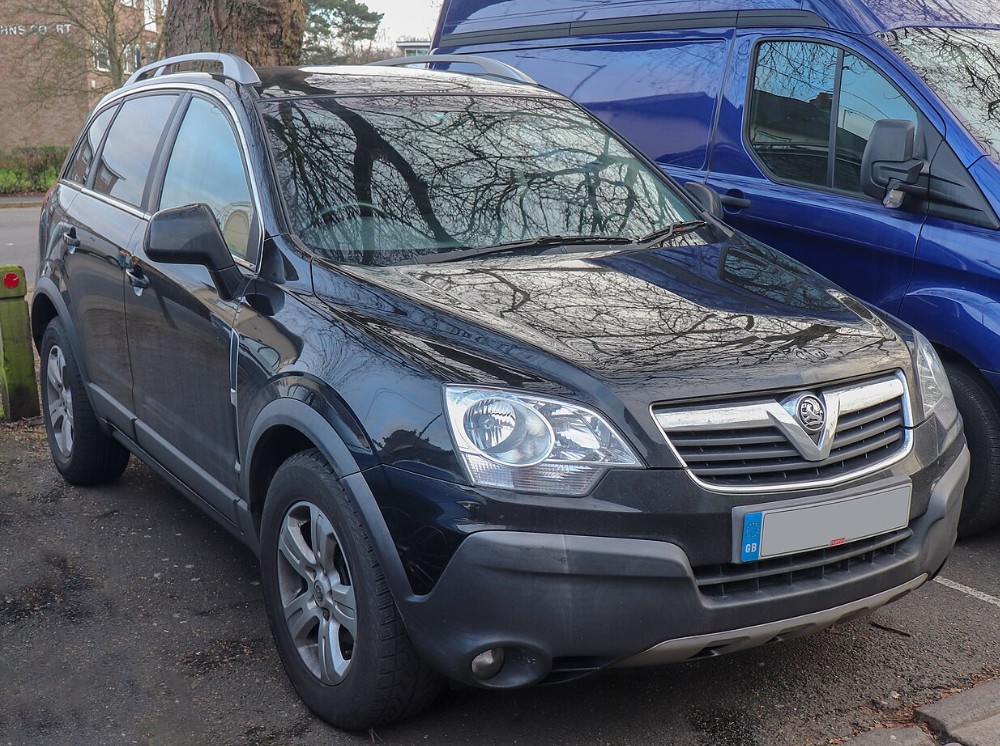
A Vauxhall Antara DPF light flashing is not the sort of dashboard warning we should casually ignore. A steady diesel particulate filter warning already means the filter needs attention, but a flashing light raises the stakes. In the Antara owner’s manual, the DPF symbol illuminates when the filter is full and flashes when it has reached its maximum filling level. Depending on the model year, a warning chime may also sound repeatedly.
That sounds alarming—and it should get our attention—but it does not automatically mean the filter is ruined. In many cases, the Antara has simply failed to complete enough regeneration cycles. Short trips, slow urban traffic, interrupted journeys, sensor problems, engine faults, or unsuitable oil can all push the system towards a blockage.
The important thing is to react correctly. Driving harder without checking the circumstances can sometimes make matters worse, while stopping all use immediately may not always be necessary. We need to understand what the flashing warning means, look for other symptoms, and choose the right response.
This guide walks through the causes, warning signs, regeneration process, repair options, expected costs, and practical steps that can help prevent the problem from returning.
Content in this publication
- What Does a Flashing DPF Light Mean on a Vauxhall Antara?
- Why Does the Vauxhall Antara DPF Become Blocked?
- Short Journeys and Urban Driving
- Repeatedly Interrupting Active Regeneration
- Faulty DPF Pressure Sensor
- Split, Blocked, or Damaged Pressure Hoses
- Faulty Exhaust Temperature Sensor
- Glow Plug or Glow Plug Module Faults
- EGR Valve Problems
- Turbocharger or Boost Leaks
- Injector Problems
- Incorrect Engine Oil
- High Oil Level Caused by Fuel Dilution
- Symptoms That Often Accompany a Flashing DPF Light
- How to Attempt a DPF Regeneration Drive
- What If the DPF Light Keeps Flashing?
- Professional Diagnostic Process
- Forced DPF Regeneration
- Professional DPF Cleaning
- When Does the DPF Need Replacing?
- How Much Can a Vauxhall Antara DPF Repair Cost?
- Can We Reset the DPF Light Ourselves?
- Common Mistakes to Avoid
- How to Prevent the DPF Light from Flashing Again
- A Practical Troubleshooting Checklist
- Is a Flashing DPF Light an MOT Concern?
- Can a Blocked DPF Damage the Turbo?
- Can the DPF Light Clear Itself?
- Final Thoughts
- Frequently Asked Questions
- 1. Why is my Vauxhall Antara DPF light flashing rather than staying solid?
- 2. How long should I drive to clear the Antara DPF light?
- 3. Can I drive my Vauxhall Antara with the DPF light flashing?
- 4. Will a DPF cleaner switch off the flashing warning light?
- 5. Does a new DPF permanently solve the problem?
What Does a Flashing DPF Light Mean on a Vauxhall Antara?
The diesel particulate filter, usually shortened to DPF, sits in the Antara’s exhaust system. Its job is to trap soot produced by the diesel engine before that soot can leave the exhaust pipe.
Over time, the trapped soot must be removed. The vehicle does this through a process called regeneration, during which exhaust temperatures rise and burn much of the soot into a smaller quantity of ash.
When the Antara’s DPF light remains steadily illuminated, the filter is generally full enough to require cleaning through regeneration. When the symbol flashes, the handbook indicates that the filter has reached its maximum filling level. That means the usual opportunity for a simple, automatic cleaning cycle may be shrinking.
Think of the filter like a fireplace chimney. A little soot is normal. Too much soot restricts the flow. Eventually, the engine cannot breathe properly because exhaust gases struggle to escape.
A Steady Light Versus a Flashing Light
The difference matters:
- Steady DPF light: The filter is full and needs a successful regeneration.
- Flashing DPF light: The soot loading has reached a more serious level.
- DPF light plus engine-management light: There may be a stored fault preventing regeneration.
- DPF light plus reduced power: The vehicle may have entered limp mode to protect the engine and exhaust system.
- Flashing light plus warning chime: The blockage warning requires prompt action.
A flashing light should therefore be treated as urgent rather than merely inconvenient.
Can We Continue Driving?
Possibly—but only under the right conditions.
When the vehicle drives normally, no red warnings are present, the oil level is correct, and the engine is not overheating, a controlled regeneration drive may be appropriate. However, we should not attempt to “blast it clean” when:
- The engine-management light is also on.
- The Antara is already in limp mode.
- The oil level is above the maximum mark.
- There is heavy smoke or a strong burning smell.
- The engine is misfiring or running roughly.
- A red oil-pressure or temperature warning appears.
- The DPF light continues flashing after a proper regeneration attempt.
At that point, diagnostic testing is safer than guesswork.
Why Does the Vauxhall Antara DPF Become Blocked?
A DPF normally handles soot without much driver involvement. Problems begin when the vehicle repeatedly creates soot faster than it can burn it away.
Short Journeys and Urban Driving
Frequent short trips are the classic cause.
A diesel engine takes time to reach its full operating temperature. If we regularly drive three or four miles to the shops, school, or workplace, the exhaust may never become hot enough to complete regeneration.
The car may begin a cleaning cycle, only for us to switch off the engine a few minutes later. Repeat that pattern often enough and the filter fills like a sink with a partially blocked drain.
Why Low-Speed Driving Makes Things Worse
Slow traffic creates several unfavourable conditions:
- Lower exhaust temperatures
- Frequent idling
- Repeated acceleration and braking
- Short engine-running periods
- More interrupted regeneration cycles
The Antara is a relatively heavy SUV, but that alone does not guarantee enough exhaust heat. A cold diesel crawling through traffic can still struggle to regenerate.
Repeatedly Interrupting Active Regeneration
The engine-management system may automatically inject additional fuel to raise exhaust temperature and clean the DPF. This is known as active regeneration.
During this process, we may notice:
- Slightly higher idle speed
- Increased fuel consumption
- Cooling fans running
- A hotter exhaust smell
- A change in engine note
- Stop-start functions becoming unavailable, where fitted
Switching the engine off during one regeneration is not normally disastrous. Constantly interrupting it, however, allows soot to keep accumulating.
Faulty DPF Pressure Sensor
The Antara uses pressure information to estimate how restricted the filter has become. A differential-pressure sensor compares exhaust pressure before and after the DPF.
A faulty sensor may report an implausible restriction even when the filter is not completely blocked. Alternatively, it may fail to recognise genuine soot accumulation.
Possible related diagnostic trouble codes include:
- P2452
- P2453
- P2454
- P2455
- P2463
- P242F
The exact code must be interpreted alongside live sensor data. Replacing the DPF simply because a soot-related code appears can be an expensive mistake.
Split, Blocked, or Damaged Pressure Hoses
The pressure sensor relies on small hoses connected to the exhaust system. These pipes live in a harsh environment filled with heat, soot, moisture, and vibration.
They may become:
- Split
- Brittle
- Detached
- Melted
- Blocked internally with carbon
A blocked pipe can imitate a blocked filter. Before condemning the DPF, a competent technician should inspect the hoses and compare pressure readings at idle and under load.
Faulty Exhaust Temperature Sensor
Regeneration depends on accurate temperature information. If an exhaust-gas temperature sensor sends incorrect readings, the control unit may cancel regeneration or refuse to begin it.
This can leave us chasing the filter when the real culprit is a relatively small sensor.
Glow Plug or Glow Plug Module Faults
Glow plugs are commonly associated with cold starting, but on some diesel systems they also support emissions management and regeneration.
A failed glow plug or control module may prevent the ECU from approving a regeneration cycle. The engine may still start and drive, so the connection is easy to overlook.
EGR Valve Problems
The exhaust gas recirculation valve redirects a controlled portion of exhaust gases back into the intake to reduce combustion temperatures and nitrogen oxide emissions.
When the EGR valve becomes stuck, heavily carbonised, or electrically faulty, combustion quality can deteriorate. That may increase soot production and disrupt regeneration.
A blocked DPF can therefore be the symptom, not the original disease.
Turbocharger or Boost Leaks
A diesel engine needs the correct balance of air and fuel. A leaking intercooler hose, faulty turbo actuator, worn turbocharger, or boost-control problem may reduce the quantity of air entering the engine.
Less air can mean dirtier combustion and more soot.
Warning signs may include:
- Whistling or hissing noises
- Poor acceleration
- Black smoke
- Underboost fault codes
- Increased fuel consumption
- Oil around boost hoses
Cleaning or replacing the DPF without repairing the boost fault may lead to another blockage surprisingly quickly.
Injector Problems
A worn, leaking, or poorly atomising injector can introduce too much fuel into a cylinder. The engine may still run, but combustion becomes less efficient and soot output rises.
We might notice difficult starting, rough idle, diesel knock, smoke, or a strong fuel smell.
Injector correction values, leak-off testing, and fuel-pressure data can help identify the issue.
Incorrect Engine Oil
DPF-equipped diesels usually require an approved low-ash engine oil. Ordinary oil can create excessive non-combustible ash.
Regeneration burns soot, but it cannot burn away mineral ash. Ash remains trapped in the filter and gradually reduces its capacity.
That distinction is crucial:
- Soot can often be burned away.
- Ash usually requires professional cleaning or DPF replacement.
Using the correct oil specification is therefore not marketing fluff. It protects the emissions system.
High Oil Level Caused by Fuel Dilution
Repeated failed regenerations may allow diesel fuel to enter the engine oil. The oil level can then rise above the maximum mark.
Fuel-diluted oil does not lubricate as effectively as healthy engine oil. In severe cases, it can contribute to engine damage.
Before attempting a long regeneration drive, we should check the dipstick on level ground. An oil level above maximum needs investigation, not another motorway run.
Symptoms That Often Accompany a Flashing DPF Light
The dashboard warning may not appear alone. The Antara can display several behavioural clues as the restriction increases.
Loss of Power
Excessive exhaust back pressure makes it harder for gases to leave the engine. Acceleration may feel dull, especially when climbing hills or overtaking.
The vehicle can feel as though it is towing an invisible trailer.
Limp Mode
When the ECU detects a condition that could damage the engine, turbocharger, or DPF, it may limit performance.
Typical limp-mode symptoms include:
- Reduced acceleration
- Restricted engine speed
- Limited turbo boost
- Poor response from the accelerator
- Engine-management warning light
Limp mode is not a repair. It is the vehicle protecting itself.
Cooling Fans Running Frequently
During regeneration, cooling fans may operate even in cool weather. They might continue briefly after the ignition is switched off.
This can be normal during a cleaning cycle. Constant fan operation alongside warning lights, however, deserves investigation.
Higher Fuel Consumption
Active regeneration requires additional fuel to increase exhaust temperature. If the Antara attempts regeneration repeatedly but never completes it, fuel economy may drop noticeably.
Strong Hot or Burning Smell
A hot metallic smell can occur during successful regeneration because exhaust temperatures rise considerably.
We should still remain alert. Smoke from beneath the car, melting smells, fluid leaks, or an intense burning odour are not things to dismiss as “just the DPF.”
Rough Running or Difficult Starting
These symptoms often indicate an engine fault contributing to excessive soot rather than the filter alone.
How to Attempt a DPF Regeneration Drive
A regeneration drive is suitable only when the vehicle is mechanically healthy enough to perform one.
Checks Before Starting
Before heading towards a suitable open road, check the following:
- The fuel level is not extremely low.
- The engine oil is not above the maximum mark.
- The coolant temperature is normal.
- No red dashboard warnings are present.
- The vehicle is not producing heavy smoke.
- The engine is not knocking, misfiring, or overheating.
- Tyres and basic roadworthiness are satisfactory.
- There is enough open road to drive continuously and safely.
Never attempt regeneration in a closed garage or while parked over dry grass, leaves, spilled fuel, or other combustible material. The exhaust can become extremely hot.
The General Driving Method
The exact instructions can vary with engine and model year, so the owner’s manual should remain the primary reference. In general, regeneration requires the engine to be fully warm and the vehicle to maintain a steady road speed with sufficient engine load.
A sensible approach is:
- Warm the engine through normal driving.
- Join a clear dual carriageway or motorway.
- Select a gear that keeps the engine comfortably above very low revs.
- Maintain a steady, legal speed.
- Continue without unnecessary stops for around 15 to 30 minutes.
- Keep monitoring the dashboard and engine temperature.
- Allow the cycle to finish rather than stopping after a few minutes.
The goal is not maximum speed. The goal is sustained exhaust temperature.
Manual Transmission Technique
With a manual gearbox, we can use a lower gear than usual to avoid labouring the engine. The revs should be steady and moderate, not pushed towards the redline.
Automatic Transmission Technique
An automatic model may choose a high gear too early. Where the transmission offers a manual or lower-gear mode, selecting an appropriate gear can help keep the engine from dropping to very low revs.
We should not use aggressive kick-down or drive recklessly. Consistency matters more than drama.
How Will We Know Regeneration Worked?
A successful cycle may produce several signs:
- The DPF warning light switches off.
- Idle speed returns to normal.
- Cooling fans become less active.
- Fuel consumption returns closer to normal.
- The hot exhaust smell fades.
- Engine response improves.
The light may not disappear instantly. The control unit must see acceptable pressure and soot values before extinguishing the warning.
What If the DPF Light Keeps Flashing?
One properly performed regeneration drive is reasonable when no serious symptoms are present. Repeating motorway runs again and again is not a diagnostic strategy.
If the warning remains, the Antara may have:
- Too much soot for road regeneration
- Excessive ash loading
- A pressure-sensor fault
- Blocked sensor hoses
- An exhaust-temperature sensor fault
- A glow-plug problem
- An EGR or boost fault
- Injector trouble
- A damaged DPF substrate
- An ECU or wiring problem
At this stage, the vehicle needs a diagnostic scan and physical inspection.
Professional Diagnostic Process
A trustworthy workshop should do more than read a fault code and recommend the most expensive component.
Reading Fault Codes
Diagnostic trouble codes provide a starting point, not a final verdict.
For example, a DPF restriction code confirms that the ECU sees excessive restriction or calculated soot loading. It does not prove whether the cause is soot, ash, a sensor, a pipe, wiring, or an engine fault.
Checking Live Data
Useful readings may include:
- Calculated soot load
- Calculated ash load, where available
- Differential pressure at idle
- Differential pressure at raised engine speed
- Exhaust temperature sensor readings
- Distance since last regeneration
- Regeneration status
- Number of failed regeneration attempts
- EGR command and feedback
- Turbo boost pressure
- Injector correction values
Data should make sense as a group. A pressure value that never changes, for example, may indicate a sensor or hose fault.
Inspecting the DPF Pressure Pipes
This simple check is often overlooked. A technician should confirm that both hoses are correctly connected, clear, undamaged, and routed away from excessive heat.
Testing the Engine Before Cleaning the Filter
A DPF should not be cleaned or replaced until the underlying reason for blockage has been considered.
Otherwise, the new or cleaned unit becomes a very expensive soot trap waiting to clog again.
Forced DPF Regeneration
A forced regeneration is initiated with diagnostic equipment while the vehicle is stationary or operated under controlled workshop conditions.
The procedure raises exhaust temperature significantly and should be performed only when the manufacturer’s conditions are satisfied.
A technician may refuse to carry it out when:
- Soot loading is above a safe threshold.
- The oil level is excessive.
- Temperature sensors are faulty.
- The engine has relevant stored faults.
- The filter is physically damaged.
- There are fuel, oil, or exhaust leaks.
- Regeneration could create excessive heat.
Forced regeneration is not magical. It burns soot, but it cannot repair a cracked filter, remove large quantities of ash, or fix a failed sensor.
Professional DPF Cleaning
When regeneration is no longer enough, off-car cleaning may restore the filter.
What Professional Cleaning Involves
Depending on the provider, cleaning may use:
- Controlled thermal treatment
- Pulsed air
- Aqueous cleaning
- Specialist detergents
- Flow testing before and after cleaning
- Drying and inspection
The DPF is normally removed from the vehicle so contaminants can be extracted rather than pushed deeper into the unit.
Cleaning Versus Chemical Additives
Fuel-tank additives may support combustion under certain conditions, but they cannot solve every blockage. Pouring a bottle into the tank does not repair broken sensors, remove compacted ash, or mend a melted filter core.
Likewise, spraying cleaner through a sensor opening can produce inconsistent results and may damage sensors or leave residue if performed incorrectly.
Professional cleaning is generally more appropriate when ash loading or heavy contamination is suspected.
When Does the DPF Need Replacing?
Replacement may be necessary when the internal ceramic substrate is:
- Cracked
- Melted
- Collapsed
- Contaminated with excessive oil
- Damaged by uncontrolled heat
- Beyond the limits of safe cleaning
- Missing or previously tampered with
A new DPF should not be installed until the root cause has been corrected.
Replacing the filter without addressing a leaking injector or failed turbocharger is like fitting new carpet beneath a leaking roof.
How Much Can a Vauxhall Antara DPF Repair Cost?
Costs vary widely according to engine, model year, location, labour rates, component quality, and the actual fault.
The cheapest outcome may be a damaged pressure hose or sensor. The most expensive may involve a replacement DPF combined with turbocharger, injector, or engine repairs.
Possible cost categories include:
- Diagnostic scan and live-data assessment
- Pressure-sensor hose repair
- Differential-pressure sensor replacement
- Exhaust-temperature sensor replacement
- Forced regeneration
- Off-car DPF cleaning
- EGR cleaning or replacement
- Glow plug or controller repair
- Injector testing or replacement
- Turbocharger repair
- New aftermarket DPF
- Genuine-equipment DPF replacement
We should be cautious with quotations based solely on a dashboard light. Proper testing may save hundreds of pounds.
Can We Reset the DPF Light Ourselves?
The light should not be treated like a service reminder.
Disconnecting the battery, clearing codes, or using a cheap scan tool may switch off the warning temporarily, but it does not remove soot or ash. If the restriction remains, the light will return—and the delay may make the repair more expensive.
The correct sequence is:
- Identify the reason for the warning.
- Repair any relevant faults.
- Regenerate, clean, or replace the DPF as necessary.
- Reset learned values only when the repair procedure requires it.
- Confirm normal pressure and regeneration data.
A warning light is information. Erasing the information is not the same as fixing the vehicle.
Common Mistakes to Avoid
Driving at Excessive Speed
A successful regeneration requires heat and sustained engine load, not illegal speed. Driving dangerously adds risk without guaranteeing a cleaner filter.
Revving the Engine While Parked
Repeatedly revving a stationary engine usually does not reproduce the controlled load and temperature conditions of a proper regeneration. It can also create fumes, noise, and unnecessary mechanical stress.
Ignoring the Oil Level
Fuel dilution can raise the oil level after repeated failed regenerations. Continuing to drive without checking it may threaten the engine.
Replacing the DPF Without Testing Sensors
A faulty pressure sensor or blocked hose may falsely suggest severe filter restriction.
Using Random Cleaning Chemicals
Unapproved chemicals can damage the filter coating, oxygen sensors, temperature sensors, or catalytic components.
Removing the DPF
DPF removal is not a sensible repair. It increases emissions, can create inspection and insurance problems, may trigger software faults, and leaves the vehicle non-compliant with the emissions configuration under which it was approved.
How to Prevent the DPF Light from Flashing Again
Once repaired, a few habits can dramatically reduce the chance of another blockage.
Give the Engine Regular Longer Runs
When the Antara mainly handles short journeys, include an occasional uninterrupted drive after the engine has warmed fully.
The exact frequency depends on usage. A vehicle that spends every weekday in heavy traffic may need longer open-road drives more often than one already used on motorways.
Do Not Constantly Interrupt Regeneration
When we notice higher idle speed, running fans, or a hot exhaust smell, it may be wise to continue driving for a little longer when safe and practical.
Use the Correct Engine Oil
Follow the required viscosity and manufacturer approval listed for the specific engine. “Diesel oil” is not precise enough; the low-ash specification matters.
Keep the Fuel Level Healthy
Some vehicles may postpone regeneration when the fuel level is extremely low. Constantly driving on fumes can therefore work against the cleaning strategy.
Repair Engine Faults Promptly
A faulty thermostat, EGR valve, injector, glow plug, boost hose, or temperature sensor may not seem directly connected to the DPF, but each can affect soot production or regeneration.
Use Quality Fuel From Reliable Stations
Fuel alone will not cure a blocked DPF, but consistent fuel quality supports cleaner combustion and dependable engine operation.
Avoid Excessive Idling
Long idling periods produce little useful road load and may create soot without generating enough heat for effective regeneration.
Match the Vehicle to the Journey
A diesel SUV makes sense for regular longer-distance driving, towing, or higher annual mileage. When almost every journey lasts ten minutes, the usage pattern fights the DPF system day after day.
A Practical Troubleshooting Checklist
When the Vauxhall Antara DPF light starts flashing, use this order:
- Check for red warning lights. Stop if oil pressure or coolant temperature is unsafe.
- Assess engine behaviour. Look for limp mode, smoke, misfiring, or unusual noises.
- Check the engine oil level. Do not continue if it is above maximum.
- Confirm adequate fuel.
- Attempt one proper regeneration drive only when the vehicle otherwise runs normally.
- Stop repeating regeneration attempts if the light remains flashing.
- Scan the vehicle for fault codes.
- Inspect pressure-sensor hoses and wiring.
- Review live DPF pressure and temperature data.
- Repair engine or sensor faults first.
- Choose forced regeneration, professional cleaning, or replacement based on measured condition.
- Verify the repair with a road test and live data.
Is a Flashing DPF Light an MOT Concern?
A warning light linked to the emissions-control system should be addressed before an MOT inspection.
A visibly missing or obviously modified filter can also create serious problems. Even when the vehicle appears to drive normally, a damaged or non-functioning DPF can lead to excessive smoke or emissions-related failures.
The safest approach is to restore the system properly rather than relying on deleted codes or temporary dashboard resets.
Can a Blocked DPF Damage the Turbo?
Yes, severe exhaust restriction can increase pressure and heat around the turbocharger and exhaust system.
However, the relationship can run in both directions. A failing turbo may leak oil into the exhaust and contaminate the DPF, while a blocked DPF may place extra strain on the turbo.
That is why both components should be considered during diagnosis.
Can the DPF Light Clear Itself?
It may go out after a successful regeneration, but we should not interpret that as the system “fixing itself” without action.
The warning disappears because driving conditions allowed the vehicle to burn accumulated soot and verify lower restriction.
When the light regularly returns, there is usually a reason:
- The journey pattern is unsuitable.
- Regenerations keep being interrupted.
- The engine creates excessive soot.
- A sensor gives inaccurate information.
- Ash capacity is becoming exhausted.
Repeated warnings call for diagnosis even when each one temporarily clears.
Final Thoughts
A Vauxhall Antara DPF light flashing means the filter has moved beyond an ordinary early warning and reached a serious soot-loading condition. The Antara may still recover through a correctly completed regeneration, but only when the engine is otherwise healthy and no additional warning signs suggest a mechanical or electronic fault.
We should begin with basic checks: oil level, coolant temperature, fuel level, engine behaviour, smoke, and accompanying warning lights. If conditions are safe, one controlled open-road regeneration attempt may clear the warning.
When it does not, the answer is not more speed, more revving, or another bottle of mystery cleaner. The vehicle needs proper diagnostic work. Pressure sensors, hoses, temperature sensors, glow plugs, EGR faults, boost leaks, injectors, and turbocharger problems can all interfere with DPF operation.
The DPF is often the messenger rather than the original troublemaker. Find the root cause, repair it, and then choose regeneration, professional cleaning, or replacement according to real measurements. That approach keeps costs under control and gives the Antara the best chance of staying healthy.
Frequently Asked Questions
1. Why is my Vauxhall Antara DPF light flashing rather than staying solid?
A solid DPF light usually indicates that the filter is full and requires regeneration. A flashing light indicates that soot loading has reached the maximum warning level described in the Antara handbook. Prompt action is required because normal road regeneration may soon become unavailable or unsafe.
2. How long should I drive to clear the Antara DPF light?
When the vehicle is otherwise running normally, a continuous drive of roughly 15 to 30 minutes after the engine has warmed may allow regeneration. Use a suitable open road, maintain a legal steady speed, and avoid very low engine revs. Stop the attempt if new warning lights, overheating, smoke, or abnormal engine behaviour appears.
3. Can I drive my Vauxhall Antara with the DPF light flashing?
A short, controlled regeneration drive may be possible when there are no red warnings, the oil level is correct, and the engine has full power. Do not continue driving normally when the vehicle is in limp mode, smoking heavily, overheating, misfiring, or showing additional engine faults.
4. Will a DPF cleaner switch off the flashing warning light?
A fuel additive may support regeneration in limited circumstances, but it cannot repair a faulty sensor, unblock damaged pressure pipes, remove heavy ash deposits, or fix a cracked filter. Diagnosis should come before chemical treatment when the light is flashing.
5. Does a new DPF permanently solve the problem?
Not necessarily. A replacement filter can block again if the original cause remains. Injector faults, turbo problems, EGR issues, unsuitable oil, interrupted regenerations, and sensor failures must be corrected before or during DPF replacement.
If you want to know other articles similar to Vauxhall Antara DPF Light Flashing: Causes, Solutions, and Prevention you can visit the category Common Problems.
Toyota Hilux DPF Problems: Causes, Symptoms, Fixes, and Prevention
Toyota Hilux Issues: Common Problems, Causes and What to Check

Subaru XV Not Starting: Causes, Diagnosis, and Fixes
BMW M2 Issues: Common Problems, Reliability and What Owners Should Know
Subaru XV Issues: Common Problems, Reliability and What Owners Should Know
Subaru XV Hybrid Problems: What Owners Should Know
Leave a Reply
More content of your interest