
BMW 2 Series Active Tourer Problems: Reliability Guide

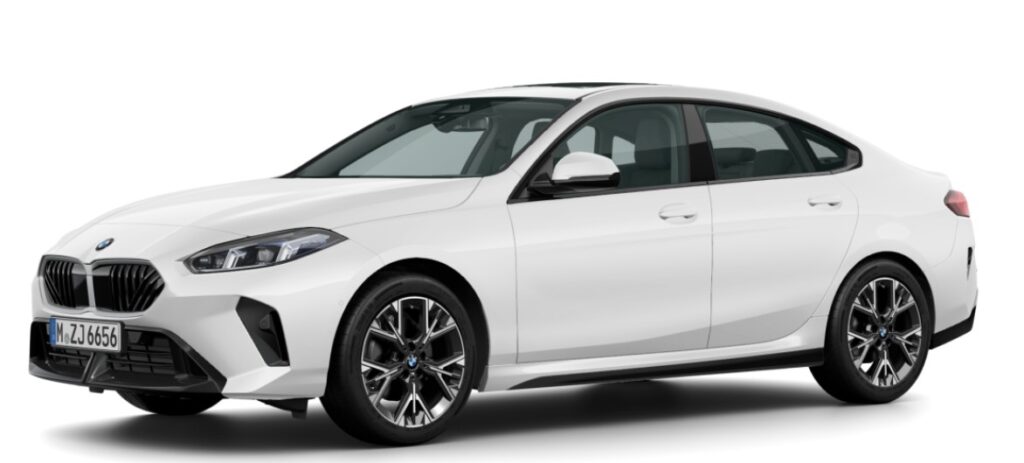
The BMW 2 Series Active Tourer is a curious machine. It combines the practical shape of a family MPV with the badge, technology, and driving character associated with BMW. For many owners, it works brilliantly: the cabin is flexible, the engines are economical, and the driving position feels more polished than that of an ordinary people carrier. However, like any modern premium vehicle, it can develop faults that range from mildly irritating to painfully expensive.
When we investigate BMW 2 Series Active Tourer problems, we need to separate occasional owner complaints from recurring mechanical weaknesses. Not every car will experience these failures, and maintenance history often matters more than mileage alone. Still, buyers should understand the warning signs before handing over their money.
Content in this publication
- Are BMW 2 Series Active Tourers Reliable?
- Most Common BMW 2 Series Active Tourer Problems
- Timing-Chain Problems
- Automatic Gearbox Hesitation
- Diesel Particulate Filter Problems
- EGR Valve and EGR Cooler Faults
- Navigation, Bluetooth, and Infotainment Failures
- Battery Drain and Electrical Warnings
- Premature Brake Wear
- Suspension Knocks and Uneven Tyre Wear
- Plug-In Hybrid Problems
- Water Leaks and Interior Condensation
- Which Engines Require the Most Caution?
- BMW 2 Series Active Tourer Buying Checklist
- Should We Buy a BMW 2 Series Active Tourer?
- Conclusion
- Frequently Asked Questions
Are BMW 2 Series Active Tourers Reliable?
Overall reliability is mixed rather than disastrous. Well-maintained examples can cover high mileages without major trouble, but neglected vehicles may quickly become expensive. Independent reliability discussions often describe BMW reliability as average rather than exceptional, particularly once complex electronic systems and ageing diesel components enter the picture. [4]
The first-generation model, sold from 2014 to 2021, accumulated several documented issues drawn from recalls, technical service bulletins, and owner reports. Some sources classify a number of these faults as potentially serious, meaning that a detailed inspection is sensible before purchase. [1]
The good news? A complete service record, regular oil changes, and evidence of corrective work can transform the ownership experience. A carefully maintained Active Tourer may feel like a faithful family companion. A neglected one can become a wallet with wheels.
Most Common BMW 2 Series Active Tourer Problems
The most frequently discussed concerns include:
- Timing-chain noise or wear
- Automatic transmission hesitation
- Diesel particulate filter trouble
- EGR valve and cooler faults
- Navigation and Bluetooth failures
- Battery and electrical warnings
- Premature brake wear
- Suspension noises
- Plug-in hybrid charging or battery issues
- Water leaks and interior condensation
Let us examine each area more closely.
Timing-Chain Problems
Timing-chain concerns deserve immediate attention because the chain synchronizes crucial engine components. If it stretches, wears, or loses tension, the engine may develop a metallic rattling sound, particularly during a cold start.
Problems involving timing chains are frequently mentioned in discussions of the Active Tourer and other BMW 2 Series variants. [3] [5]
Warning Signs of Timing-Chain Wear
Listen for:
- A metallic rattle immediately after starting
- Rough idling
- Loss of engine power
- Engine-management warnings
- Misfire codes
- Metal particles in the engine oil
A brief cold-start noise does not automatically confirm chain failure, but it should never be ignored. Replacing a worn tensioner or chain early is expensive; repairing an engine after the chain jumps is far worse.
How We Can Reduce the Risk
Regular oil changes are essential. Although manufacturers sometimes specify extended service intervals, many specialists recommend changing the oil more frequently on older turbocharged engines. Correct oil quality matters as well. Cheap or unsuitable lubricant can turn a healthy engine into a ticking clock.
Automatic Gearbox Hesitation
Some owners report delayed engagement, rough low-speed shifts, or hesitation when pulling away. The Active Tourer differs from traditional rear-wheel-drive BMW models because it uses a front-wheel-drive-based platform, and its transmission behaviour may feel unfamiliar to drivers expecting a classic BMW setup.
Common symptoms include:
- A pause when selecting Drive or Reverse
- Jerky movement in traffic
- Shuddering during acceleration
- Harsh downshifts
- Warning messages related to the drivetrain
Software updates may improve certain cases. In others, the cause may involve transmission fluid, clutch wear, sensors, or internal gearbox components.
A test drive should include cold starts, urban traffic, hill starts, reversing, and motorway acceleration. A ten-minute spin around a dealership block is not enough.
Diesel Particulate Filter Problems
Diesel Active Tourers can be economical, but they dislike endless short journeys. The diesel particulate filter, or DPF, traps soot and periodically burns it away during regeneration. If the car rarely reaches operating temperature, the filter may gradually clog.
Typical DPF Symptoms
- Reduced power
- Increased fuel consumption
- Cooling fan running after shutdown
- Frequent regeneration
- Engine warning lights
- Limp mode
- Strong exhaust smells
Drivers covering regular motorway distances may never encounter serious DPF trouble. Those using the car for school runs and short urban trips face a greater risk.
A forced regeneration may solve an early blockage, but a severely contaminated filter could require professional cleaning or replacement. We should also remember that a blocked DPF can be a symptom rather than the original cause. Faulty thermostats, injectors, glow plugs, or sensors may prevent successful regeneration.
You may be interested in reading How to Fix Fiat 500 Clutch Problems: Symptoms and Solutions
EGR Valve and EGR Cooler Faults
The exhaust gas recirculation system reduces emissions by routing a portion of exhaust gas back through the engine. Over time, soot can accumulate inside the valve and intake system.
Possible signs include rough running, hesitation, smoke, poor economy, and engine warnings. Some BMW diesel models have also been involved in EGR-related recall campaigns, so owners should check the vehicle identification number with an authorized BMW centre.
Never assume recall work has already been completed merely because the car has passed through several owners. Documentation is more trustworthy than promises.
Not every problem hides beneath the bonnet. Navigation failures and unreliable Bluetooth connections are regularly mentioned among Active Tourer complaints. [3]
The screen may freeze, restart, lose stored settings, refuse to pair with a phone, or display outdated mapping information.
Possible Causes
The fault may stem from:
- Outdated software
- Weak battery voltage
- Corrupted system data
- A failing head unit
- Damaged USB ports
- Phone compatibility problems
A system reboot or software update may solve a temporary glitch. Replacing a multimedia unit, however, can be expensive. During an inspection, we should test the radio, navigation, Bluetooth, voice control, USB ports, reversing camera, and steering-wheel controls.
Battery Drain and Electrical Warnings
Modern BMWs are highly sensitive to battery condition. A weakening battery can trigger a theatrical collection of warning messages, even when the affected components are healthy.
Owners may see notices involving:
- Start-stop failure
- Parking-brake malfunction
- Restraint systems
- Drivetrain errors
- Battery discharge
- Lighting faults
The battery may simply be old, but parasitic drain, charging-system trouble, or faulty control modules can produce similar symptoms. Battery replacement may also require registration within the vehicle’s electronic system.
If several unrelated warnings appear at once, checking battery voltage is a sensible first step.
Premature Brake Wear
Brake wear is another commonly reported BMW 2 Series concern. [5]
The Active Tourer is relatively heavy, and automatic versions often spend much of their lives in stop-start traffic. Pads and discs can therefore wear faster than some owners expect.
Look for steering-wheel vibration under braking, scraping noises, a pronounced lip around the disc, or dashboard service warnings. Electronic wear sensors add convenience, but replacing pads, discs, and sensors together can raise the bill.
Suspension Knocks and Uneven Tyre Wear
Rattles from the front suspension may come from drop links, bushes, top mounts, or worn shock absorbers. These noises often appear over speed bumps and broken urban roads.
Uneven tyre wear can reveal poor alignment or worn suspension parts. Run-flat tyres may also make the ride feel firmer and can exaggerate road noise.
During a test drive, turn off the radio and listen. A quiet cabin can hide a surprising percussion section when the road becomes rough.
Plug-In Hybrid Problems
The 225xe plug-in hybrid offers strong performance and reduced fuel use when regularly charged. However, it adds another layer of complexity.
Potential issues include:
You may be interested in readingHow to Fix Fiat 500 Clutch Problems: Symptoms and SolutionsYou may be interested in reading
 Diagnosing Fiat 500 Automatic Gearbox Issues: What You Need to Know
- Charging interruptions
- Reduced electric range
- Charging-port faults
- Hybrid-system warnings
- Cooling-system problems
- Age-related battery degradation
Electric range naturally declines in cold weather and with battery age, so a lower figure does not automatically indicate failure. Nevertheless, buyers should verify that the car charges normally and operates in electric, hybrid, and petrol modes.
Why Charging Habits Matter
A plug-in hybrid only delivers its intended economy when it is charged regularly. Buying one without convenient charging can turn an efficient concept into a heavy petrol car carrying an underused battery.
Water Leaks and Interior Condensation
Some owners encounter damp carpets, misted windows, or water entering around doors and the tailgate. Blocked drainage channels, damaged seals, or poorly fitted replacement glass may be responsible.
Check the spare-wheel area, underfloor storage, headlining edges, and front footwells. A musty smell is a warning sign. Moisture can damage electrical modules, creating faults that seem unrelated to the original leak.
Which Engines Require the Most Caution?
No engine should be judged solely by its badge. Condition and service history remain more important. Still, we should approach older diesels cautiously when their past use is unknown, especially if they have spent years making short trips.
Small turbocharged petrol engines can perform well but depend on correct oil, proper warm-up habits, and timely maintenance. Plug-in hybrids require inspection by someone familiar with high-voltage systems.
BMW 2 Series Active Tourer Buying Checklist
Before purchasing, we should:
- Start the engine from cold
- Listen for timing-chain rattles
- Test every gearbox mode
- Scan the car for stored fault codes
- Check recall completion
- Inspect tyres for uneven wear
- Test all infotainment functions
- Look for damp carpets
- Verify hybrid charging where applicable
- Review invoices, not merely service stamps
- Test the air conditioning
- Confirm that no warning lights remain illuminated
A professional pre-purchase inspection is often money well spent. The Active Tourer is complex enough that a hidden fault can easily cost more than the inspection itself.
Should We Buy a BMW 2 Series Active Tourer?
Yes, provided we choose carefully. The Active Tourer is practical, comfortable, efficient, and more enjoyable to drive than many conventional MPVs. Some owners even praise its comfort, quietness, handling, and fuel economy compared with similar BMW models. [6]
However, we should avoid examples with vague histories, persistent electrical warnings, noisy engines, neglected diesel systems, or suspiciously cheap prices. Premium cars rarely become inexpensive to repair simply because they have become inexpensive to buy.
Conclusion
The most significant BMW 2 Series Active Tourer problems involve timing-chain concerns, diesel emissions equipment, gearbox hesitation, infotainment glitches, battery-related warnings, brake wear, suspension noise, and plug-in hybrid complexity.
None of these issues means the model is fundamentally bad. Instead, they remind us that modern vehicles are interconnected machines. One weak battery can imitate several failures; one blocked sensor can disrupt an entire emissions system.
Choose a well-maintained example, inspect it properly, and keep servicing proactive. Do that, and the Active Tourer can remain a practical family car rather than an expensive mechanical puzzle.
Frequently Asked Questions
1. Is the BMW 2 Series Active Tourer expensive to maintain?
It can cost more to maintain than a mainstream MPV, particularly when it needs genuine electronic components, transmission work, or diesel-emissions repairs. Routine servicing is manageable when budgeted properly.
2. What is the most serious Active Tourer problem?
Timing-chain failure is among the most serious because it can cause major engine damage. Persistent rattling should be investigated immediately.
3. Are diesel Active Tourers reliable?
They can be reliable when serviced correctly and driven over longer distances. Cars used mainly for short urban journeys face increased DPF and EGR risks.
4. Is the 225xe plug-in hybrid worth buying?
It can be worthwhile for drivers who charge regularly and complete many short trips. Buyers should check battery condition, charging operation, and hybrid-system history.
5. What should we check before buying one?
We should inspect the service history, listen to the cold engine, test the gearbox and electronics, scan for fault codes, check for dampness, and confirm that recall work has been completed.
You may be interested in readingHow to Fix Fiat 500 Clutch Problems: Symptoms and SolutionsYou may be interested in reading
Diagnosing Fiat 500 Automatic Gearbox Issues: What You Need to KnowYou may be interested in reading
 Fiat 500 Engine Overheating: Causes and How to Prevent It
If you want to know other articles similar to BMW 2 Series Active Tourer Problems: Reliability Guide you can visit the category Common Problems.
Vauxhall Antara DPF Light Flashing: Causes, Solutions, and Prevention
Vauxhall Antara Handbrake Not Holding: Causes, Checks, and Repairs
Vauxhall Antara Manual Gearbox Problems: Causes, Symptoms and Solutions
Vauxhall Antara Not Starting: Causes, Checks, and Fixes
Vauxhall Antara 2.2 CDTi Problems: Symptoms, Causes, and Fixes
Vauxhall Antara Alarm Keeps Going Off: Causes, Fixes, and Practical Troubleshooting
Leave a Reply
More content of your interest