

Chevrolet Silverado Issues: Common Problems, Causes, and Solutions

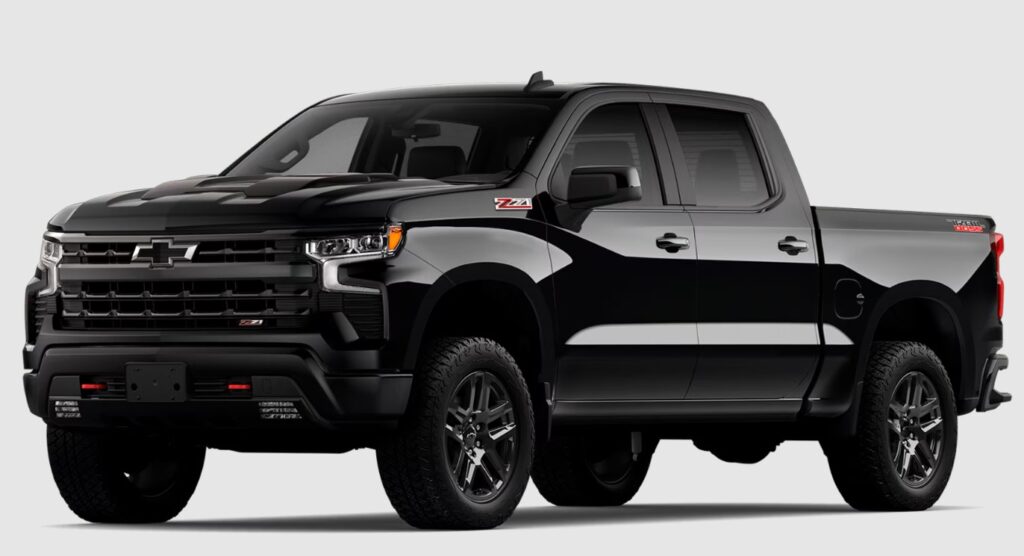
The Chevrolet Silverado has earned its place as one of America’s most recognizable pickup trucks. It can tow a trailer, haul building materials, tackle rough roads, and still serve as a comfortable daily driver. In many ways, it is the automotive equivalent of a dependable work boot: rugged, familiar, and ready for almost anything.
Still, dependable does not mean flawless.
Across its generations, the Silverado has experienced recurring complaints involving transmissions, engines, electrical components, steering systems, air conditioning, brakes, suspension parts, and advanced electronics. Some problems are small annoyances. Others can lead to expensive repairs or serious safety concerns.
The tricky part is that “Chevrolet Silverado issues” covers several decades, multiple engines, numerous transmissions, light-duty and heavy-duty models, and countless trim configurations. A fault that commonly affects one model year may be practically irrelevant to another.
In this guide, we will examine the most frequently discussed Chevrolet Silverado problems, explain the warning signs, explore likely causes, and show what owners and used-truck buyers should check before spending money.
Content in this publication
- Are Chevrolet Silverados Reliable?
- The Most Common Chevrolet Silverado Issues
- Chevrolet Silverado Transmission Problems
- Engine Lifter Failure and Ticking Noises
- Excessive Oil Consumption
- Oil Pressure Problems
- Chevrolet Silverado Electrical Problems
- Infotainment Screen and Camera Faults
- Air-Conditioning Problems
- Brake Problems and Warning Messages
- Steering and Suspension Issues
- Four-Wheel-Drive System Problems
- Driveshaft and Rear-End Clunks
- Fuel-System and Starting Problems
- Diesel Silverado Issues
- Tailgate and Body Hardware Problems
- Rust and Corrosion Concerns
- Silverado Recalls and Safety Campaigns
- Chevrolet Silverado Problems by Generation
- Warning Signs We Should Never Ignore
- How to Diagnose Silverado Issues Without Wasting Money
- How to Prevent Common Silverado Problems
- Buying a Used Chevrolet Silverado: Inspection Checklist
- Are Chevrolet Silverado Repairs Expensive?
- Should We Avoid the Chevrolet Silverado?
- Final Thoughts on Chevrolet Silverado Issues
- Frequently Asked Questions
Are Chevrolet Silverados Reliable?
The Chevrolet Silverado can be a reliable truck when it receives consistent maintenance and is used within its mechanical limits. Plenty of examples remain on the road after years of towing, commuting, hauling, and off-road use.
However, reliability depends heavily on four factors:
- Model year
- Engine and transmission combination
- Previous maintenance
- How the truck was used
A Silverado that spent its life making highway trips may age very differently from an identical truck that regularly pulled a heavy trailer through mountainous terrain. Two trucks can wear the same badge while living completely different mechanical lives.
We should also avoid assuming that every complaint reported online represents a universal defect. Pickup trucks sell in large numbers, which naturally produces a large volume of repair discussions. The better question is not simply, “Do Silverados have problems?” It is, “Which problems affect the exact year, engine, drivetrain, and configuration we are considering?”
The Most Common Chevrolet Silverado Issues
Although individual experiences vary, several categories appear repeatedly across different generations:
- Transmission hesitation, shuddering, or harsh shifting
- Engine lifter and valvetrain problems
- Excessive oil consumption
- Electrical and infotainment faults
- Air-conditioning failure
- Steering and suspension noise
- Brake system warnings
- Four-wheel-drive malfunctions
- Tailgate and body hardware concerns
- Diesel emissions-system faults
Not every Silverado will develop these problems. Nevertheless, understanding the patterns helps us spot trouble before it turns into a repair bill the size of a small moon.
Chevrolet Silverado Transmission Problems
Transmission complaints are among the most widely discussed Silverado issues. Symptoms can range from a mild hesitation to violent shifting that feels as though someone bumped the truck from behind.
Common Transmission Symptoms
Owners may notice:
- Delayed engagement when selecting Drive or Reverse
- Hard shifts between lower gears
- Shuddering during light acceleration
- Transmission slipping
- Engine revving without matching acceleration
- Clunking when coming to a stop
- Hesitation when pulling away
- Transmission overheating
- Warning messages or a check-engine light
A single rough shift does not automatically mean the transmission is failing. Cold fluid, adaptive shift behavior, driveline movement, software calibration, or worn mounts can create similar sensations.
Persistent symptoms deserve investigation.
Eight-Speed Transmission Shudder
Some Silverado models equipped with eight-speed automatic transmissions have been associated with shuddering or vibration, particularly during steady acceleration. Drivers sometimes describe the sensation as driving over rumble strips.
Potential causes may include degraded or unsuitable transmission fluid, torque-converter clutch behavior, software calibration, internal wear, or a combination of these factors.
A technician may recommend:
- Scanning the transmission control module
- Checking fluid condition and level
- Reviewing applicable service information
- Performing a prescribed fluid exchange
- Updating transmission software
- Testing torque-converter operation
Changing fluid without following the correct manufacturer procedure may not solve the underlying problem. It can also muddy the diagnosis if the original fluid condition is no longer available for inspection.
Ten-Speed Transmission Complaints
Newer Silverado trucks may use a ten-speed automatic transmission. These units are designed to keep the engine within an efficient operating range, so they shift frequently by nature.
However, frequent shifting should still feel controlled. Harsh engagement, repeated hunting between gears, delayed movement, or severe clunks are not characteristics we should dismiss as “normal truck behavior.”
Possible contributors include:
- Adaptation values
- Control-module programming
- Valve-body issues
- Solenoid faults
- Low or contaminated fluid
- Internal clutch wear
- Driveline backlash
Before approving a major repair, it is wise to confirm whether the problem comes from the transmission itself or from another component such as a driveshaft joint, transfer case, differential, engine mount, or transmission mount.
What to Do When the Silverado Shifts Hard
Start by documenting exactly when the symptom occurs. Does it happen only when cold? During a 1–2 shift? After towing? While slowing down? Those details are mechanical breadcrumbs.
Then:
- Scan for stored and pending fault codes.
- Inspect the transmission fluid where the design permits.
- Check for leaks.
- Review software updates and technical service information.
- Inspect mounts and driveline joints.
- Request a road test with a qualified technician.
Ignoring harsh shifting can allow a relatively manageable control or fluid problem to become an internal mechanical failure.
Engine Lifter Failure and Ticking Noises
One of the most concerning Chevrolet Silverado engine issues involves valve lifters. Certain V8 engines use cylinder-deactivation technology designed to improve fuel economy by temporarily reducing the number of active cylinders.
The system is clever, but clever systems have more moving pieces.
A failed or collapsed lifter can prevent a valve from operating correctly. In some cases, the problem may also damage a pushrod, rocker arm, camshaft, or related valvetrain component.
Signs of a Possible Lifter Problem
Watch for:
- Repetitive ticking from the engine
- Rough idle
- Misfire
- Reduced power
- Check-engine light
- Flashing check-engine light
- Shaking under acceleration
- Cylinder-specific misfire codes
A light ticking noise immediately after a cold start can have several causes and does not always indicate lifter failure. Exhaust leaks, injector noise, oil-drain-back behavior, or accessory components can imitate valvetrain sounds.
A persistent tick combined with a misfire is more worrying.
Can We Keep Driving With a Bad Lifter?
Continuing to drive with an active misfire or suspected lifter failure is risky. A misfire can overheat the catalytic converter, contaminate the oil, reduce lubrication, and turn limited valvetrain damage into a much larger repair.
A flashing check-engine light should be treated as an urgent warning. We should reduce load, stop driving when it is safe, and arrange a proper diagnosis.
Repair options depend on the damage. They may involve replacing affected lifters and related hardware, repairing one cylinder bank, replacing the camshaft, or performing more extensive engine work.
Excessive Oil Consumption
Some Silverado owners report that their engines use more oil than expected between services. Oil consumption can arise from piston-ring wear, valve-seal problems, crankcase ventilation issues, leaks, cylinder-deactivation hardware, turbocharger concerns, or ordinary wear in a high-mileage engine.
The danger is not simply the cost of topping up the oil. If the level drops too far, lubrication suffers. Bearings, timing components, cylinder walls, and valvetrain parts depend on a stable supply of clean oil.
How to Check Oil Consumption Properly
Guesswork is not enough. We should establish a measurable pattern.
- Park on level ground.
- Follow the owner’s-manual procedure.
- Check the oil consistently under similar conditions.
- Record the mileage and oil level.
- Note every quantity added.
- Inspect for external leaks.
- Ask a repair facility about a formal oil-consumption test.
Do not wait for the oil-pressure warning light. That light generally warns of a pressure problem, not merely that the level is beginning to fall.
Using the correct oil specification and viscosity is essential. Chevrolet publishes model-specific maintenance and fluid guidance in its owner resources, so owners should verify the requirements for their exact truck rather than relying on generic advice.
Oil Pressure Problems
Low oil pressure can produce ticking, knocking, warning messages, or an illuminated oil-pressure light. The cause may be as simple as a faulty sensor, but we should never assume the sensor is lying.
Possible causes include:
- Low oil level
- Incorrect oil viscosity
- Clogged oil pickup
- Oil-pump wear
- Internal engine wear
- Faulty oil-pressure sensor
- Wiring problems
- Contaminated oil
- Restricted filter
The correct diagnostic step is to verify actual oil pressure with appropriate equipment. Replacing the sensor may be reasonable when testing supports that conclusion, but blindly installing parts can delay the real repair.
If the engine begins knocking while an oil-pressure warning is active, shut it down as soon as safely possible.
Chevrolet Silverado Electrical Problems
Modern Silverado trucks contain interconnected modules controlling everything from the windows to the fuel system. That network improves comfort and functionality, but it can also make electrical faults feel like ghosts hiding behind the dashboard.
Typical Electrical Symptoms
Common complaints include:
- Battery draining overnight
- Intermittent no-start condition
- Flickering dashboard lights
- Random warning messages
- Power windows working inconsistently
- Door locks malfunctioning
- Infotainment system rebooting
- Backup camera failure
- Trailer-brake warnings
- Remote-start problems
- Instrument-cluster glitches
Electrical diagnosis should begin with the basics. A weak battery can trigger a parade of misleading warnings because control modules need stable voltage.
Battery and Ground Connection Issues
Before blaming an expensive module, inspect:
- Battery state of charge
- Battery age and condition
- Terminal cleanliness
- Cable tightness
- Engine grounds
- Body grounds
- Alternator output
- Parasitic current draw
A corroded ground connection can behave like a loose conversation: signals become distorted, systems misunderstand one another, and strange faults appear in several places at once.
When replacing a battery, use the correct type and rating. Trucks with advanced charging strategies and numerous accessories can be sensitive to an undersized or unsuitable battery.
Infotainment Screen and Camera Faults
The Silverado’s infotainment system may freeze, display a black screen, reboot, lose Bluetooth connections, or fail to show the backup-camera image.
Possible causes include:
- Temporary software errors
- Loose connectors
- Damaged camera wiring
- Faulty camera
- Low system voltage
- Module communication errors
- Failed display hardware
A reboot may temporarily restore operation, but repeated failures call for a deeper diagnosis. Since the rear camera is an important safety aid, a blank or distorted display should not be ignored.
Owners should check for available software updates and confirm whether the problem affects only the screen or the entire infotainment module. Audio may continue playing even when the display itself has failed, which helps narrow the search.
Air-Conditioning Problems
Air-conditioning failure is another frequently discussed Chevrolet Silverado issue, especially in trucks exposed to hot climates.
Common A/C Symptoms
- Air is cool but not cold
- Cooling stops while idling
- Driver and passenger vents have different temperatures
- Compressor cycles rapidly
- Hissing behind the dashboard
- Refrigerant leaks
- Blower works only at certain speeds
- Airflow is weak
The cause may involve a refrigerant leak, condenser damage, compressor failure, pressure sensor, blend-door actuator, blower motor, resistor, wiring issue, or debris restricting airflow.
Simply adding refrigerant is not a complete repair. Refrigerant does not normally disappear unless it escapes through a leak.
A competent A/C diagnosis should include pressure testing, leak detection, airflow evaluation, electrical checks, and confirmation that the system contains the correct refrigerant quantity.
Brake Problems and Warning Messages
Silverado brake complaints may include a soft pedal, vibration, grinding, premature wear, electronic warnings, or increased stopping distance.
Because braking performance is safety-critical, changes should be investigated promptly.
Possible Causes of Brake Trouble
- Worn pads or rotors
- Sticking caliper
- Contaminated brake fluid
- Vacuum or booster concerns
- Faulty wheel-speed sensor
- ABS wiring damage
- Electronic brake-control fault
- Trailer-brake system issue
- Tire or suspension problem mistaken for brake vibration
A pulsating pedal often points toward rotor variation, but worn suspension parts or uneven tire behavior can create a similar feeling through the steering wheel.
The owner’s manual and Chevrolet maintenance resources should guide fluid inspections and scheduled service. Chevrolet also recommends routine multipoint inspections alongside regular oil and tire service.
When a Brake Warning Requires Immediate Action
Stop and seek assistance when:
- The pedal suddenly sinks
- Braking effort increases dramatically
- Brake fluid is visibly leaking
- The truck pulls severely under braking
- Grinding is continuous
- A red brake warning remains illuminated
- Stopping distance has clearly increased
This is not the place for optimism. Brakes rarely repair themselves during the next commute.
Steering and Suspension Issues
A Silverado may develop clunks, squeaks, wandering, uneven tire wear, steering vibration, or a loose sensation as mileage rises.
Likely wear points can include:
- Ball joints
- Tie-rod ends
- Control-arm bushings
- Wheel bearings
- Shock absorbers
- Leaf-spring hardware
- Sway-bar links
- Steering components
- Body or cab mounts
Heavy wheels, oversized tires, lift kits, rough-road use, snowplows, and constant towing can accelerate wear.
The Silverado Clunk Over Bumps
A clunk does not identify one specific component. It may come from the suspension, steering, brake hardware, driveshaft, exhaust, spare-tire carrier, or even a loose item in the bed.
The best diagnosis recreates the noise under controlled conditions while the technician inspects components for movement. Replacing parts based solely on internet guesses can become an expensive game of mechanical bingo.
Uneven Tire Wear
Uneven wear may indicate:
- Incorrect tire pressure
- Alignment problems
- Worn steering components
- Damaged suspension parts
- Unbalanced tires
- Bent wheels
- Overloading
- Infrequent tire rotation
Tires are storytellers. Feathered edges, cupping, center wear, and shoulder wear each reveal different clues about how the truck is traveling down the road.
Four-Wheel-Drive System Problems
Silverado 4WD systems can experience actuator, sensor, switch, transfer-case, wiring, or control-module problems.
Drivers may see messages such as:
- Service 4WD
- Four-wheel drive unavailable
- Shift in progress
- Unable to complete shift
They may also hear grinding or discover that the truck remains stuck in one mode.
What Can Cause a Service 4WD Message?
Potential causes include:
- Weak battery voltage
- Faulty dashboard selector switch
- Transfer-case encoder motor
- Wiring damage
- Position sensor failure
- Front-axle actuator
- Incorrect transfer-case fluid
- Internal transfer-case wear
- Module calibration issue
Avoid repeatedly forcing the system to shift. Follow the correct procedure in the owner’s manual, including vehicle speed and transmission-position requirements.
Using mismatched tires can also strain a four-wheel-drive system. Tires should be compatible in size, construction, and rolling circumference.
Driveshaft and Rear-End Clunks
Some Silverado drivers notice a bump when stopping or pulling away. The sensation may come from driveline slack rather than the transmission.
Possible sources include:
- Driveshaft slip-yoke movement
- Worn universal joints
- Differential backlash
- Loose mount
- Leaf-spring movement
- Transfer-case wear
- Transmission behavior
A driveline clunk can remain little more than an irritation, but worn universal joints are capable of becoming dangerous. Warning signs include vibration, squeaking that changes with road speed, visible rust powder around a joint, or excessive movement.
Fuel-System and Starting Problems
A Silverado that cranks but does not start may have a fuel, ignition, compression, security, electrical, or control-system fault.
A truck that does not crank at all leads us down a different diagnostic path.
Crank-No-Start Causes
- Weak fuel pump
- Fuel-pump control issue
- Failed crankshaft-position sensor
- Ignition problem
- Injector fault
- Security-system problem
- Wiring damage
- Low compression
- Contaminated fuel
No-Crank Causes
- Discharged battery
- Loose battery connection
- Failed starter
- Starter relay
- Park/Neutral switch issue
- Ignition-switch fault
- Security-system fault
- Damaged cable or ground
Listening carefully helps. A single click, repeated clicks, normal cranking, slow cranking, and total silence point toward different possibilities.
Diesel Silverado Issues
Duramax-powered Silverado trucks offer substantial torque and towing capability, but modern diesel emissions equipment introduces additional complexity.
- Diesel particulate filter warnings
- Exhaust-fluid system faults
- Reduced-power mode
- Sensor failures
- Turbocharger concerns
- Injector problems
- Fuel contamination
- Glow-plug faults
- Emissions-system warning messages
A diesel truck used mainly for short, low-speed journeys may struggle to complete the operating conditions needed for effective particulate-filter regeneration. That does not mean every warning can be solved with a highway drive; some faults require repair before regeneration is possible.
Diesel Exhaust Fluid Warnings
Diesel exhaust fluid, commonly called DEF, is part of the emissions-control system. Contaminated fluid, low fluid, sensor failure, heater problems, wiring faults, or dosing-system issues can trigger warnings and speed restrictions.
Use the specified fluid, store it correctly, and avoid adding it to the fuel tank. Mixing DEF with diesel fuel can create an extremely costly mistake.
Tailgate and Body Hardware Problems
Modern Silverado tailgates may include electronic release mechanisms and multiple configurations. Added convenience brings additional switches, wiring, latches, and sensors.
General Motors issued a recall affecting certain trucks because water could reach an electronic tailgate-release switch and potentially allow the tailgate to unlatch unexpectedly under particular conditions. Applicability depends on the model and VIN, so owners should confirm their individual recall status rather than assuming every truck is included.
Owners should inspect:
- Latch operation
- Cable condition
- Wiring near hinges
- Release buttons
- Alignment
- Signs of water intrusion
- Cargo damage caused by unexpected opening
A tailgate that does not remain securely latched should be repaired before carrying loose cargo.
Rust and Corrosion Concerns
Silverados used in regions with road salt, coastal air, mud, or high humidity may develop corrosion on frames, brake lines, fasteners, body panels, grounds, and suspension components.
Surface rust and structural corrosion are not the same thing. Light oxidation may be manageable, while deep scaling, perforation, or weakened mounting points can become a serious safety problem.
Where to Inspect for Rust
Look closely at:
- Frame rails
- Crossmembers
- Brake lines
- Fuel lines
- Cab corners
- Rocker panels
- Wheel arches
- Suspension mounts
- Spare-tire mechanism
- Bed supports
- Trailer-hitch mounting points
A freshly coated frame is not automatically a good sign. Undercoating can protect metal, but it can also conceal existing damage. Ask what preparation occurred before the coating was applied.
Silverado Recalls and Safety Campaigns
Recall history varies substantially by model year, body style, engine, and build date. Examples affecting certain Silverado vehicles have involved suspension fasteners, sensing modules, electronic tailgate releases, and possible momentary rear-wheel lockup under specific failure conditions.
The only reliable way to determine whether a particular truck has an open recall is to search using its 17-character VIN. NHTSA advises owners to use its recall lookup and arrange the repair through a dealer when an open safety recall appears; recall repairs are generally performed without charge to the owner.
Why VIN Checks Matter
A model-year list is not precise enough because recalls may apply only to:
- Certain manufacturing dates
- Specific plants
- Particular powertrains
- Limited equipment combinations
- Defined batches of components
Two Silverados parked side by side may have different recall eligibility.
Chevrolet Silverado Problems by Generation
First Generation: 1999–2006
Older first-generation trucks are mechanically simpler than current models, but age becomes the dominant issue.
Common inspection areas include:
- Rust
- Brake lines
- Fuel pumps
- Instrument clusters
- Wheel bearings
- Steering wear
- Transfer-case leaks
- Intake or cooling-system leaks
- Worn interior electronics
A well-maintained older Silverado can remain useful, but rubber seals, wiring, hoses, bushings, and connectors may now be decades old.
Second Generation: 2007–2013
These trucks may experience concerns involving oil consumption, cylinder-deactivation hardware, dashboard electronics, door components, suspension wear, and corrosion.
When inspecting one, listen for engine noise, verify oil level, test every electrical feature, and examine the underside carefully.
Third Generation: 2014–2018
Frequently discussed areas include transmission behavior, air-conditioning leaks, electrical glitches, lifter concerns, steering or suspension noise, and infotainment faults.
Service history is especially valuable. A truck with documented fluid service, software updates, and timely repairs is generally more attractive than one supported by vague promises and a recently cleared dashboard.
Fourth Generation: 2019–Present
Newer Silverados offer advanced engines, multi-speed transmissions, sophisticated trailering technology, driver-assistance features, and deeply integrated electronics.
That complexity can create concerns involving software, cameras, displays, battery voltage, emissions equipment, cylinder-deactivation systems, and transmission calibration.
Newer does not automatically mean trouble-free, but warranty coverage, dealer service records, and open recall status can reduce uncertainty.
Warning Signs We Should Never Ignore
Some Silverado issues can wait for a scheduled appointment. Others should move straight to the front of the line.
Seek immediate help for:
- Flashing check-engine light
- Low oil-pressure warning
- Engine knocking
- Brake-fluid leak
- Severe brake-pedal change
- Fuel smell or visible fuel leak
- Transmission slipping into Neutral
- Overheating
- Smoke from wiring or the engine bay
- Steering that suddenly becomes difficult
- Wheel wobble
- Grinding from a wheel or driveshaft
- Safety recall instructions marked urgent
When a truck sends us several warnings at once, the safest response is not to silence the messages. It is to find the cause.
How to Diagnose Silverado Issues Without Wasting Money
Throwing parts at a problem is rarely a winning strategy. A structured diagnosis saves time and protects the wallet.
Step 1: Record the Symptoms
Write down:
- When the problem occurs
- Engine temperature
- Vehicle speed
- Gear selected
- Weather conditions
- Whether a trailer is attached
- Warning messages
- Sounds, smells, or vibrations
Step 2: Scan All Relevant Modules
A basic code reader may access only engine data. Modern trucks can store useful information in transmission, brake, body, four-wheel-drive, camera, and chassis modules.
Step 3: Test Before Replacing
A fault code identifies the system that noticed a problem. It does not always identify the failed part.
For example, a sensor-related code may result from:
- Damaged wiring
- Poor voltage
- Vacuum leak
- Mechanical failure
- Connector corrosion
- Faulty control module
Step 4: Review Service Information
Manufacturer procedures, wiring diagrams, software updates, recall notices, and technical bulletins can shorten the diagnostic process dramatically.
Step 5: Confirm the Repair
After repairs, repeat the conditions that originally produced the symptom. A cleared warning light is not proof that the root cause has disappeared.
How to Prevent Common Silverado Problems
We cannot prevent every mechanical failure, but we can reduce the odds.
Follow Model-Specific Maintenance
Use the schedule for the exact model year and powertrain. Chevrolet provides owner manuals and maintenance resources covering oil service, inspections, fluid requirements, tire care, and other routine tasks.
Check Fluid Levels Regularly
Monitor:
- Engine oil
- Coolant
- Brake fluid
- Transmission fluid where owner checks are supported
- Transfer-case fluid
- Differential fluid
- Diesel exhaust fluid on applicable models
Respect Towing and Payload Limits
Excess weight creates heat and stress in the transmission, brakes, cooling system, wheel bearings, tires, suspension, and frame. Proper towing also requires attention to trailer brakes, tires, wheel bearings, hitch setup, and load distribution. Chevrolet’s trailering guidance emphasizes both vehicle and trailer maintenance.
Address Small Symptoms Early
A faint vibration may become a failed joint. A minor coolant loss may become an overheating event. A delayed shift may become clutch damage.
Small problems whisper before major problems shout.
Buying a Used Chevrolet Silverado: Inspection Checklist
Before buying, we should verify more than the paint and mileage.
Mechanical Checks
- Start the engine cold
- Listen for ticking or knocking
- Check fluid levels
- Look for leaks
- Test Drive and Reverse engagement
- Accelerate gently and firmly
- Test low-speed shifting
- Check four-wheel drive
- Inspect tire wear
- Listen over bumps
- Test braking
- Watch engine temperature
Electrical Checks
- Test every window and lock
- Pair a phone with Bluetooth
- Test cameras
- Operate the tailgate
- Check seat controls
- Test trailer-brake controls
- Verify dashboard warning lights illuminate and then switch off
- Scan all available modules
History Checks
- Review maintenance records
- Check accident history
- Confirm ownership history
- Verify recalls by VIN
- Look for evidence of commercial use
- Ask about towing
- Confirm whether the truck has been tuned or modified
A pre-purchase inspection is especially valuable for modified trucks. Lift kits, oversized tires, engine tuning, emissions modifications, and aftermarket wiring can change reliability dramatically.
Are Chevrolet Silverado Repairs Expensive?
Repair costs depend on the engine, transmission, labor rates, model year, parts availability, and the amount of secondary damage.
Generally:
- Sensors, switches, and minor wiring repairs may be manageable.
- Air-conditioning and suspension repairs can range from moderate to expensive.
- Internal transmission, diesel emissions, camshaft, lifter, or major engine repairs can be costly.
- Advanced electronics may require specialized diagnostic equipment and programming.
The cheapest estimate is not always the least expensive repair. A precise diagnosis from a skilled technician can cost more initially while saving us from several unnecessary parts.
Should We Avoid the Chevrolet Silverado?
No single answer fits every Silverado.
The truck should not be dismissed merely because certain years or powertrains have known complaint patterns. At the same time, we should not buy one based only on its reputation, appearance, or the seller’s claim that it “runs perfect.”
A good Silverado purchase usually has:
- A suitable engine and drivetrain for the intended job
- Complete maintenance records
- Smooth operation during a cold and warm test drive
- No unexplained warning lights
- No severe corrosion
- No neglected recall work
- Minimal questionable modifications
- A satisfactory independent inspection
The condition of the individual truck often matters more than internet rankings alone.
Final Thoughts on Chevrolet Silverado Issues
The Chevrolet Silverado is a capable truck with a broad range of configurations, and that variety is both its strength and its complication. Some models provide years of hardworking service. Others develop transmission shudder, lifter trouble, electrical faults, oil consumption, air-conditioning leaks, emissions warnings, or suspension wear.
The smartest approach is not fear. It is preparation.
We should identify the exact model year, engine, transmission, and drivetrain; verify recalls by VIN; inspect service records; test the truck under realistic conditions; and investigate warning signs before buying or continuing to drive.
A Silverado can be a loyal work partner, but even the strongest partner needs attention. Maintenance is the conversation we keep having with the machine. Ignore it, and eventually the truck will answer in clunks, warning lights, and repair invoices.
Treat problems early, diagnose them methodically, and choose used examples carefully. Do that, and the Silverado is far more likely to spend its time carrying cargo rather than carrying our money into the repair shop.
Frequently Asked Questions
1. What is the most common Chevrolet Silverado problem?
There is no single issue affecting every Silverado, but transmission complaints, engine lifter faults, electrical glitches, oil consumption, and air-conditioning problems are among the most frequently discussed. The pattern depends heavily on the model year and powertrain.
2. Why does my Chevrolet Silverado jerk when accelerating?
Jerking may result from transmission behavior, engine misfires, fuel-delivery problems, torque-converter issues, worn driveline joints, sensor faults, or software calibration. Scanning the truck and road-testing it under the conditions that trigger the symptom is the best starting point.
3. Is a ticking Silverado engine always a bad lifter?
No. Injector operation, exhaust leaks, low oil level, oil-drain-back behavior, and accessory components can also create ticking sounds. However, persistent ticking accompanied by a misfire or rough running may indicate valvetrain damage and should be diagnosed quickly.
4. How can I check whether my Silverado has a recall?
Use the truck’s 17-character VIN in the official NHTSA recall lookup or contact a Chevrolet dealer. A VIN search is more accurate than relying only on the model year because recalls may apply to specific production ranges.
5. Is a high-mileage Chevrolet Silverado worth buying?
It can be, provided it has strong maintenance records, stable oil pressure, smooth transmission operation, minimal corrosion, no severe engine noise, and a clean diagnostic scan. A professional pre-purchase inspection is more valuable than mileage alone.
If you want to know other articles similar to Chevrolet Silverado Issues: Common Problems, Causes, and Solutions you can visit the category Common Problems.
Toyota Hilux Issues: Common Problems, Causes and What to Check

Subaru XV Not Starting: Causes, Diagnosis, and Fixes

BMW M2 Issues: Common Problems, Reliability and What Owners Should Know
Subaru XV Issues: Common Problems, Reliability and What Owners Should Know
Subaru XV Hybrid Problems: What Owners Should Know

Mazda CX-9 Air Conditioning Problems: Causes, Fixes, and Troubleshooting
Leave a Reply
More content of your interest