

GMC Sierra Issues: Common Problems, Symptoms, and Diagnosis

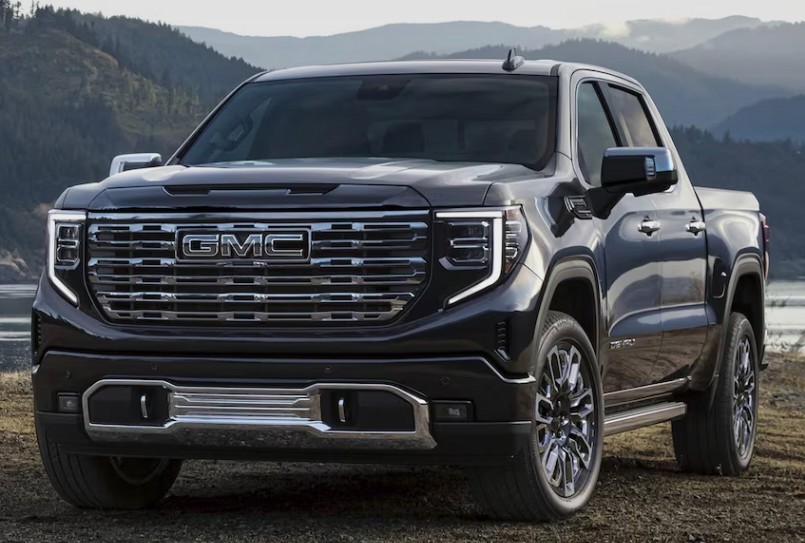
The GMC Sierra has spent decades doing the jobs that softer vehicles would rather avoid. It hauls trailers, carries construction materials, crawls through snow, idles at job sites, and often stays in service long after an ordinary family car would have retired.
That durability does not make it immune to trouble.
Across its many generations, the Sierra has experienced everything from relatively minor electrical glitches to transmission shudder, engine misfires, brake warnings, steering concerns, diesel-emissions faults, and sudden loss of power. The challenge is that one symptom can have several causes. A vibration may come from the transmission, tires, driveshaft, engine mounts, or cylinder deactivation. A truck that refuses to start might have a weak battery, corroded ground, failed fuel pump, defective starter, or electronic security problem.
So, how do we separate the likely cause from the expensive guess?
In this guide, we examine common GMC Sierra issues across all generations. More importantly, we explain what the symptoms feel like, what owners can inspect first, when professional diagnosis becomes necessary, and which warning signs should never be ignored.
Because recalls and service campaigns vary by model year, engine, configuration, production date, and VIN, owners should always check the truck’s specific VIN rather than assuming that every Sierra from a particular year is affected. NHTSA provides a VIN-based recall lookup, while GMC also publishes model-specific owner information and explanations of dashboard warnings.
Content in this publication
- Are GMC Sierra Trucks Problematic?
- Understanding Sierra Generations Before Diagnosing Problems
- GMC Sierra Transmission Issues
- GMC Sierra Engine Issues
- Excessive Oil Consumption
- Lifter Noise, Misfires, and Cylinder-Deactivation Problems
- Rough Idle and Engine Misfires
- Loss of Power and Reduced-Engine-Power Mode
- GMC Sierra Starting Problems
- Battery Drain and Electrical Problems
- Infotainment Screen Problems
- Dashboard Warning Lights Appearing Together
- Brake Problems and ABS Warnings
- Steering and Suspension Issues
- Four-Wheel-Drive and Transfer-Case Problems
- Diesel Sierra Issues
- Turbocharger and Boost Problems
- Cooling-System and Overheating Issues
- Air-Conditioning and Heater Problems
- Fuel-Pump and Fuel-System Problems
- Rust and Corrosion on Older Sierra Trucks
- How to Diagnose GMC Sierra Issues Systematically
- Red-Flag Symptoms That Require Immediate Attention
- How to Reduce the Risk of Future Sierra Problems
- Should We Buy a Used GMC Sierra With Existing Issues?
- Conclusion: Diagnose the Truck, Not the Rumour
- Frequently Asked Questions
Are GMC Sierra Trucks Problematic?
The Sierra is not universally unreliable, nor is every truck destined to develop the issues discussed here. Condition, maintenance, powertrain, working environment, towing history, modifications, and previous repairs matter enormously.
A lightly used Sierra with complete service records may behave very differently from an identical truck that has spent years towing at maximum capacity.
We should also distinguish between three categories:
- Common wear: Batteries, brake pads, wheel bearings, belts, hoses, and suspension components eventually wear out.
- Recurring model-related concerns: Certain symptoms appear more frequently with particular engines, transmissions, or generations.
- Safety recalls: These involve officially identified safety defects and require VIN verification.
Technical service bulletins are not automatically recalls. A bulletin helps technicians identify and repair a known condition, while a recall addresses a safety-related defect or failure to meet a safety standard. That distinction matters because the repair coverage may differ.
Understanding Sierra Generations Before Diagnosing Problems
The Sierra name covers several decades of trucks, numerous engines, and multiple electronic eras. Diagnosis should therefore begin with the exact year, model, engine, transmission, drivetrain, and mileage.
Older Sierra Trucks
Older models generally have simpler electronics, but age introduces another set of challenges:
- Brittle wiring
- Vacuum leaks
- Corroded grounds
- Worn fuel pumps
- Rusted brake and fuel lines
- Failing sensors
- Intake gasket leaks
- Aging transmissions
- Frame and body corrosion
These trucks can often be repaired without advanced dealership equipment, but years of previous repairs may complicate diagnosis.
Mid-2000s to Mid-2010s Models
These trucks added more electronic controls, cylinder-deactivation systems, advanced stability control, tire-pressure monitoring, and increasingly complex automatic transmissions.
Common complaints may involve oil consumption, lifter noise, transmission behavior, dashboard warnings, electrical faults, and corrosion.
Late-Model Sierra Trucks
Recent Sierras offer sophisticated infotainment, driver assistance, turbocharged engines, diesel options, multi-speed transmissions, cylinder-management systems, and networked electronic modules.
They can deliver excellent performance, but troubleshooting often requires a capable scan tool. A simple disconnected sensor may trigger several warnings because the truck’s computers share information like people talking in a crowded room.
GMC Sierra Transmission Issues
Transmission trouble is among the most discussed Sierra concerns, although the causes and affected configurations differ considerably.
Transmission Shudder at Highway Speeds
A driver may notice a repeated vibration under light throttle, often between approximately 25 and 70 mph. It can feel as if the truck is crossing narrow rumble strips.
Possible causes include:
- Torque-converter clutch shudder
- Degraded or incorrect transmission fluid
- Internal converter wear
- Engine misfire under load
- Driveshaft vibration
- Tire or wheel imbalance
- Cylinder-management transitions
GM service information published through NHTSA has addressed torque-converter shudder diagnosis and fluid-exchange procedures for certain applications. These documents also emphasize confirming the source rather than treating every vibration as transmission failure.
How We Can Diagnose the Shudder
First, note when the vibration appears.
Does it occur only after the transmission warms up? Does it disappear when accelerating harder? Does engine speed fluctuate slightly? Does the vibration continue while coasting?
A technician may monitor torque-converter slip speed, commanded gear, engine misfire counts, and transmission temperature during a road test.
Owners can first inspect:
- Tire pressure and condition
- Wheel balance
- Driveshaft damage
- Transmission-fluid leaks
- Engine fault codes
- Maintenance history
Do not immediately approve a transmission replacement based solely on the sensation of shudder. Tires, engine misfires, driveline angles, and torque-converter operation can imitate one another surprisingly well.
Harsh Shifting and Delayed Engagement
Some owners experience a hard shift, hesitation when selecting Drive or Reverse, or a noticeable bump during low-speed operation.
Potential causes include:
- Low fluid level caused by leakage
- Valve-body wear
- Solenoid faults
- Software or adaptive-learning behavior
- Internal clutch wear
- Excessive driveline play
- Engine or transmission mount deterioration
A harsh shift after battery disconnection or module programming may relate to transmission adaptation, but persistent slamming, slipping, or delayed engagement deserves inspection.
When Harsh Shifting Becomes Urgent
Stop driving and arrange professional diagnosis when the truck:
- Loses forward or reverse movement
- Slips while towing
- Produces a burning smell
- Displays a transmission-overtemperature warning
- Leaks a significant quantity of fluid
- Bangs into gear violently
- Enters reduced-power or limp mode
Continuing to tow with a slipping transmission can turn a manageable repair into a complete rebuild.
Transmission Clunk When Stopping or Accelerating
A clunk does not always originate inside the gearbox. It may come from:
- Driveshaft slip-yoke movement
- Worn universal joints
- Excessive differential backlash
- Loose suspension hardware
- Damaged engine mounts
- Transfer-case wear
- Normal driveline lash amplified by wear
We can often narrow it down by reproducing the noise during a controlled shift from Reverse to Drive, gentle acceleration, and deceleration. The vehicle should be inspected on a lift before parts are ordered.
GMC Sierra Engine Issues
Sierra engine problems vary widely because the truck has used numerous gasoline and diesel powertrains.
Excessive Oil Consumption
An engine that consumes oil may not leave a puddle. Oil can enter the combustion chambers and burn, sometimes without producing obvious smoke.
Possible signs include:
- Oil level dropping between changes
- Low-oil warning
- Fouled spark plugs
- Blue exhaust smoke
- Rough idle
- Catalytic-converter faults
- Ticking or knocking caused by low oil
Potential causes include piston-ring wear, valve-seal deterioration, crankcase ventilation faults, cylinder-deactivation hardware concerns, turbocharger leakage, or ordinary high-mileage wear.
How to Perform an Oil-Consumption Check
Park on level ground and follow the checking procedure in the owner’s manual. Record the mileage and oil level, then recheck consistently under the same conditions.
Do not wait for the dashboard to warn us. An oil-pressure warning is not a convenient reminder; it can signal that lubrication has already become critically inadequate.
Why Oil Consumption Must Not Be Ignored
Running low on oil can damage:
- Bearings
- Camshafts
- Lifters
- Timing components
- Turbochargers
- Cylinder walls
A litre or quart added today may prevent an engine replacement tomorrow. Still, frequent top-offs are not a substitute for diagnosis.
Lifter Noise, Misfires, and Cylinder-Deactivation Problems
Some Sierra gasoline engines use systems designed to deactivate cylinders under lighter loads. When related components malfunction, owners may experience tapping, misfires, rough running, reduced power, or a check-engine light.
Common diagnostic clues include:
- Persistent ticking from the upper engine
- Misfire codes linked to one cylinder
- Rough idle
- Loss of compression
- Metallic debris in the oil
- Noise that continues after warm-up
A bad ignition coil or injector can produce similar symptoms, so we should not condemn the valvetrain from a fault code alone.
You may be interested in reading GMC Sierra 4x4 Not Engaging: Causes, Diagnosis, and Fixes
Diagnosing a Suspected Lifter Failure
A proper inspection may include:
- Scanning for current and stored codes
- Reviewing cylinder misfire data
- Swapping coils or plugs where appropriate
- Performing compression and leak-down tests
- Checking oil pressure
- Listening with a mechanic’s stethoscope
- Inspecting valvetrain movement
- Examining the oil and filter for metal
Can We Keep Driving With a Lifter Tick?
A faint injector clicking sound can be normal. A loud new knock or tick accompanied by misfiring is different.
Driving with a failed lifter may damage the camshaft, catalytic converter, pushrod, and other valvetrain components. When the truck shakes, flashes its check-engine light, or loses power, continued driving is a bad gamble.
Rough Idle and Engine Misfires
A Sierra that idles unevenly may feel like a chair with one short leg. The cab trembles, the tachometer wanders, and acceleration may become hesitant.
Possible causes include:
- Worn spark plugs
- Defective ignition coils
- Fuel-injector faults
- Vacuum leaks
- Dirty throttle body
- Low fuel pressure
- Contaminated fuel
- Compression loss
- Camshaft or crankshaft sensor faults
- Carbon buildup
- Valvetrain problems
What Does a Flashing Check-Engine Light Mean?
A flashing check-engine light often indicates a severe active misfire that may overheat and damage the catalytic converter.
Reduce load, avoid hard acceleration, and stop driving when the engine is shaking badly. GMC’s warning-light guidance advises owners to recognize engine, brake, battery, steering, and other warnings rather than simply clearing them.
Loss of Power and Reduced-Engine-Power Mode
Reduced-power mode is the truck’s way of saying, “Something is wrong, so I am limiting performance.”
Possible triggers include:
- Throttle-body faults
- Accelerator-pedal sensor errors
- Wiring or connector problems
- Low fuel pressure
- Turbocharger-control faults
- Emissions-system faults
- Cooling-system overheating
- Transmission problems
- Network communication errors
- Internal engine issues
Do not assume that cleaning the throttle body will fix every reduced-power warning. The diagnostic codes and live data must guide the repair.
Recall status changes over time and must be checked by VIN. For example, NHTSA published documentation in 2025 concerning a loss-of-propulsion recall involving certain GM vehicles and a specified engine family, with remedies dependent on the individual VIN. That example illustrates why year-and-model generalizations are not enough.
GMC Sierra Starting Problems
A no-start condition can mean two very different things.
The Engine Does Not Crank
The driver turns the key or presses the start button, but the starter does not rotate the engine.
Likely areas include:
- Weak or discharged battery
- Loose battery terminal
- Corroded ground connection
- Failed starter or solenoid
- Faulty ignition switch
- Park/Neutral position issue
- Security-system fault
- Blown fuse or failed relay
- Damaged wiring
Turn on the headlights. Do they dim heavily when attempting to start? Is there a single click, repeated clicking, or complete silence? Each clue changes the direction of diagnosis.
The Engine Cranks but Will Not Start
Here, the starter spins the engine, but combustion does not begin.
Possible causes include:
- No fuel pressure
- Failed fuel pump
- Faulty crankshaft-position sensor
- Ignition failure
- Injector-control issue
- Security-system interruption
- Incorrect timing
- Contaminated fuel
- Low compression
A Useful First Diagnostic Sequence
Check for stored codes, engine-speed data while cranking, fuel pressure, spark, injector pulse, and compression. Replacing the battery will not fix a truck that cranks normally but has no fuel pressure.
Battery Drain and Electrical Problems
Electrical trouble may appear as random warning lights, a dead battery after parking, flickering screens, intermittent starting, or accessories that behave unpredictably.
Potential causes include:
- Aging battery
- Alternator fault
- Parasitic draw
- Corroded battery cables
- Poor engine or body grounds
- Trailer-wiring problems
- Aftermarket alarms
- Dash cameras
- Faulty modules that remain awake
- Water intrusion into connectors
Why Ground Connections Matter
Modern vehicles depend on clean voltage and reliable grounds. A corroded ground can create symptoms in several unrelated systems, much like a loose foundation can crack walls throughout a house.
Before replacing expensive modules, a technician should verify:
- Battery condition
- Charging voltage
- Voltage drop across cables
- Ground integrity
- Connector condition
- Parasitic current after modules go to sleep
Infotainment Screen Problems
Late-model Sierra owners may experience a screen that freezes, reboots, remains black, loses audio, or disconnects from a phone.
Possible causes include:
- Software errors
- Weak battery voltage
- Loose connections
- Failed display
- Module malfunction
- Phone compatibility
- Damaged USB cable
- Network communication faults
Simple Checks Before Visiting a Workshop
Try a different known-good cable, restart the phone, remove and re-pair the connection, and verify whether the problem affects every phone or only one.
Check the owner’s manual before attempting a reset because the procedure differs by infotainment system. If the screen controls essential features or the problem returns repeatedly, software updates and module diagnostics may be required.
Dashboard Warning Lights Appearing Together
One failed wheel-speed sensor can sometimes trigger several messages involving stability control, traction control, anti-lock braking, and driver-assistance systems.
That does not necessarily mean four independent systems failed at once.
Common Causes of Multiple Warnings
- Low battery voltage
- Wheel-speed sensor failure
- Damaged sensor wiring
- Network communication fault
- Steering-angle sensor issue
- Brake-switch fault
- Module power or ground problem
Older Sierra driver-information displays also provide system warnings and messages when faults are detected, although the exact messages and available functions depend on equipment.
Never Erase Codes Before Recording Them
Clearing codes removes valuable evidence. Record all current, pending, history, and communication codes first. A basic code reader that only accesses the engine controller may miss faults stored in the brake, body, airbag, steering, or transfer-case modules.
Brake Problems and ABS Warnings
Brake issues demand immediate attention because they directly affect stopping ability.
Potential symptoms include:
- Soft or sinking pedal
- Pulling while braking
- Grinding
- Pulsation
- ABS warning light
- Brake warning light
- Increased stopping distance
- Fluid leakage
Possible Causes
- Worn pads or rotors
- Air in the hydraulic system
- Brake-fluid leak
- Failed wheel-speed sensor
- Corroded brake lines
- Sticking caliper
- Faulty master cylinder
- Brake-booster or vacuum problem
When the Truck Should Not Be Driven
Do not continue driving when the pedal sinks toward the floor, brake fluid is leaking, stopping distance increases dramatically, or the red brake warning remains illuminated with abnormal pedal behavior.
Tow the truck. Brakes are not an area for hopeful experimentation.
Steering and Suspension Issues
A Sierra may wander, clunk over bumps, vibrate through the steering wheel, or wear tires unevenly.
Frequent wear points include:
- Ball joints
- Tie-rod ends
- Control-arm bushings
- Wheel bearings
- Shock absorbers
- Steering components
- Sway-bar links
- Alignment angles
Diagnosing Front-End Clunks
A clunk heard over bumps may sound similar regardless of the failed component. Inspection should include loaded and unloaded movement, fastener torque, bushing condition, bearing play, shock mounts, and steering linkage.
Wheel-Bearing Symptoms
A failing wheel bearing often creates a growl that changes with road speed and steering load. Tire noise can imitate it, so rotating or inspecting the tires may prevent a mistaken diagnosis.
Four-Wheel-Drive and Transfer-Case Problems
Four-wheel-drive trouble may appear as a “Service 4WD” message, inability to change modes, grinding, binding, or unexpected engagement.
Possible causes include:
- Transfer-case actuator fault
- Encoder-motor problem
- Position-sensor failure
- Wiring damage
- Low or incorrect fluid
- Internal transfer-case wear
- Front-axle actuator failure
- Mismatched tire sizes
Why Matching Tires Are Essential
Four tires with significantly different rolling diameters can create driveline stress. Even when the size printed on the sidewall matches, substantial tread-depth differences may matter.
Use the correct tire size, maintain proper pressure, and avoid mixing drastically different tread depths on four-wheel-drive models.
Diesel Sierra Issues
Duramax-equipped Sierra trucks can deliver strong torque and long service life, but diesel diagnosis requires understanding fuel delivery, turbocharging, emissions controls, and aftertreatment systems.
Diesel Exhaust Fluid and Emissions Warnings
Possible causes include:
You may be interested in readingGMC Sierra 4x4 Not Engaging: Causes, Diagnosis, and FixesYou may be interested in reading
GMC Sierra 4x4 Not Working: Causes, Diagnosis, and Fixes- Low or contaminated diesel exhaust fluid
- Failed NOx sensor
- Exhaust-temperature sensor fault
- DEF heater problem
- Wiring damage
- Selective catalytic reduction faults
- Diesel particulate filter loading
A warning that begins as an emissions message may eventually lead to speed limitation if it is ignored.
Diesel Particulate Filter Problems
Frequent short journeys, extended low-load operation, sensor failures, or interrupted regeneration can contribute to soot accumulation.
Signs may include:
- Frequent regeneration
- Reduced fuel economy
- High idle
- Hot exhaust smell
- Reduced power
- DPF warning messages
Do Not Force Regeneration Blindly
A restricted filter may be the result rather than the cause. Failed sensors, boost leaks, injector problems, or excessive engine soot production should be investigated before repeated regeneration attempts.
Turbocharger and Boost Problems
Both gasoline and diesel turbocharged engines may suffer from underboost or overboost conditions.
Possible sources include:
- Split charge-air hose
- Loose clamp
- Wastegate fault
- Variable-vane mechanism issue
- Boost sensor contamination
- Exhaust leak
- Turbocharger wear
- Electronic actuator fault
A loud hiss under acceleration often points toward escaping pressurized air, while blue smoke and oil consumption may suggest a more serious turbocharger problem.
Cooling-System and Overheating Issues
An overheating Sierra may have:
- Low coolant
- Radiator leak
- Hose failure
- Thermostat fault
- Water-pump problem
- Cooling-fan failure
- Blocked radiator
- Head-gasket damage
- Air trapped after service
What to Do When the Temperature Rises
Turn off the air conditioning, reduce engine load, and pull over safely. Shut the engine down if the gauge continues rising or a warning instructs us to stop.
Never remove a pressurized coolant cap from a hot engine. Hot coolant can erupt like a geyser and cause severe burns.
Air-Conditioning and Heater Problems
A Sierra that blows warm air may have low refrigerant, a compressor issue, electrical failure, blend-door malfunction, condenser damage, or a restricted system.
Weak cabin heat may stem from:
- Low coolant
- Thermostat stuck open
- Heater-core restriction
- Blend-door fault
- Air trapped in the system
Do not repeatedly add refrigerant without locating the leak. Overcharging can reduce performance and damage components.
Fuel-Pump and Fuel-System Problems
A weak fuel pump may cause long cranking, hesitation, power loss under load, or a complete no-start.
Diagnosis should compare actual fuel pressure with specification under several conditions, not merely confirm that some fuel reaches the engine.
Fuel-System Warning Signs
- Whining from the tank
- Extended cranking
- Stalling when hot
- Lean-condition codes
- Loss of power while towing
- Inconsistent starting
- Fuel smell
Any visible fuel leak requires immediate attention because of the fire risk.
Rust and Corrosion on Older Sierra Trucks
In regions that use road salt, corrosion may be more threatening than mileage.
Inspect:
- Frame rails
- Crossmembers
- Brake lines
- Fuel lines
- Rocker panels
- Cab mounts
- Suspension mounting points
- Trailer-hitch attachment areas
- Spare-tire mechanism
Surface rust and structural corrosion are not the same. Flaking metal, perforation, swollen seams, and weakened mounting points warrant professional evaluation.
How to Diagnose GMC Sierra Issues Systematically
Guessing becomes expensive. A disciplined process saves both money and frustration.
Step 1: Describe the Exact Symptom
Instead of saying, “The truck runs badly,” document:
- Hot or cold
- Idle or acceleration
- Road speed
- Engine speed
- Gear
- Weather
- Fuel level
- Towing or unloaded
- Warning lights
- Recent service
Step 2: Check Fluids and Visible Components
Inspect engine oil, coolant, brake fluid, transmission leaks, battery terminals, belts, hoses, connectors, and obvious damage.
Step 3: Scan Every Available Module
Record codes before clearing anything. Look at freeze-frame data, pending codes, and communication faults.
Step 4: Verify the Complaint
A fault that happens only after 40 minutes of highway driving must be tested under comparable conditions.
Step 5: Test Before Replacing Parts
Measure voltage, pressure, temperature, resistance, compression, vacuum, and mechanical play where appropriate.
Step 6: Check Service Information and Recall Status
Manufacturer procedures matter. Recall and service information can change, so the safest approach is VIN-specific verification through NHTSA or an authorized GMC dealer. NHTSA explains that a VIN identifies whether a specific vehicle has an open recall and that eligible recall repairs are performed without charge.
Red-Flag Symptoms That Require Immediate Attention
Stop driving or obtain urgent professional help when the Sierra has:
- Low oil-pressure warning
- Severe overheating
- Flashing check-engine light with shaking
- Brake-fluid leakage
- Soft or sinking brake pedal
- Fuel leakage
- Loud internal engine knocking
- Sudden steering difficulty
- Severe transmission slipping
- Smoke from wiring
- Burning smell
- Sudden loss of propulsion
- Airbag warning associated with a known recall
NHTSA states that recalls address unreasonable safety risks or failures to meet minimum safety standards, reinforcing why open recalls should not be postponed.
How to Reduce the Risk of Future Sierra Problems
We cannot prevent every failure, but good habits remove many avoidable ones.
- Check engine oil regularly.
- Use fluids that meet the correct specifications.
- Service the transmission according to use and manufacturer guidance.
- Repair coolant leaks promptly.
- Keep battery terminals and grounds clean.
- Avoid ignoring warning lights.
- Inspect the truck before heavy towing.
- Maintain equal tire sizes and pressures.
- Wash road salt from the underbody.
- Keep service records.
- Investigate new noises early.
- Check the VIN for recalls periodically.
A truck usually whispers before it shouts. A faint hum, occasional hesitation, small stain, or intermittent warning may be the first chapter of a larger repair.
Should We Buy a Used GMC Sierra With Existing Issues?
That depends on the problem, price, service history, and quality of the diagnosis.
A worn battery or failed wheel-speed sensor may be manageable. Low oil pressure, structural rust, transmission slipping, coolant in the oil, heavy blow-by, or unexplained electrical modifications deserve much greater caution.
Before purchasing, arrange:
- A cold start
- A full module scan
- An extended road test
- An underbody inspection
- Fluid-condition checks
- Four-wheel-drive testing
- Recall verification
- Towing-system inspection
- Review of maintenance records
- Independent pre-purchase inspection
Never let a seller warm the engine before we arrive without explanation. A cold start can expose smoke, rattles, slow oil pressure, weak batteries, injector trouble, and other symptoms that disappear after warm-up.
Conclusion: Diagnose the Truck, Not the Rumour
The GMC Sierra has existed in too many configurations for sweeping judgments to be useful. One generation’s common fault may be irrelevant to another. Even within the same year, two trucks may have different engines, transmissions, drivetrains, software, and recall status.
The smartest approach is symptom-based diagnosis.
We begin by identifying exactly what the truck does, when it does it, and which systems are involved. Then we inspect the basics, retrieve complete diagnostic information, verify the symptom, and test likely causes before purchasing parts.
Some GMC Sierra issues are inexpensive annoyances. Others are warnings of serious engine, transmission, brake, steering, or electrical trouble. The difference is rarely discovered through guessing.
Listen to the truck. Record the clues. Check its VIN. And remember that the best repair is not the one with the longest invoice—it is the one supported by evidence.
Frequently Asked Questions
1. What are the most common GMC Sierra issues?
Frequently discussed concerns include transmission shudder, harsh shifting, engine misfires, oil consumption, lifter noise, electrical faults, infotainment problems, wheel-speed sensor failures, four-wheel-drive warnings, and diesel-emissions faults. The actual likelihood depends on the truck’s year, powertrain, mileage, maintenance, and operating history.
2. Why does my GMC Sierra shake while accelerating?
Possible causes include an engine misfire, torque-converter shudder, damaged driveshaft, worn universal joint, wheel imbalance, boost leak, failing mount, or internal transmission problem. Note the speed, engine load, temperature, and gear in which the shaking occurs before diagnosis.
3. Why does my Sierra display several warning lights at once?
Multiple warnings can originate from one shared fault, such as low battery voltage, a damaged wheel-speed sensor, failed ground, or communication error. Scan the engine, brake, body, steering, and drivetrain modules before replacing components.
4. Is it safe to drive a Sierra with a check-engine light?
A steady light may allow cautious travel for diagnosis when the truck runs normally, but a flashing light commonly signals a severe active misfire. If the engine shakes, loses power, overheats, knocks, or emits smoke, stop driving and arrange professional help.
5. How can I check whether my GMC Sierra has a recall?
Use the truck’s 17-character VIN in NHTSA’s official recall lookup or contact an authorized GMC dealer. A general model-year search is less precise because recalls may affect only certain engines, configurations, or production periods.
You may be interested in readingGMC Sierra 4x4 Not Engaging: Causes, Diagnosis, and FixesYou may be interested in reading
GMC Sierra 4x4 Not Working: Causes, Diagnosis, and FixesYou may be interested in reading
GMC Sierra Check Engine Light Flashing Then Stops: Causes, Risks, and FixesIf you want to know other articles similar to GMC Sierra Issues: Common Problems, Symptoms, and Diagnosis you can visit the category Common Problems.
Vauxhall Adam Touch Screen Not Working: Causes, Fixes, and Troubleshooting Guide
Vauxhall Adam Gear Selector Problems: Causes, Fixes, and Warning Signs
Vauxhall Adam Air Conditioning Not Working: Complete Troubleshooting Guide
Vauxhall Adam Fuel Gauge Not Working: Causes and Fixes
Vauxhall Adam Clutch Pedal Not Returning: Causes, Diagnosis, and Repair Guide
Vauxhall Adam Not Starting: Causes, Checks, and Fixes
Leave a Reply
More content of your interest