

GMC Sierra Model Years: Complete Generation-by-Generation Guide

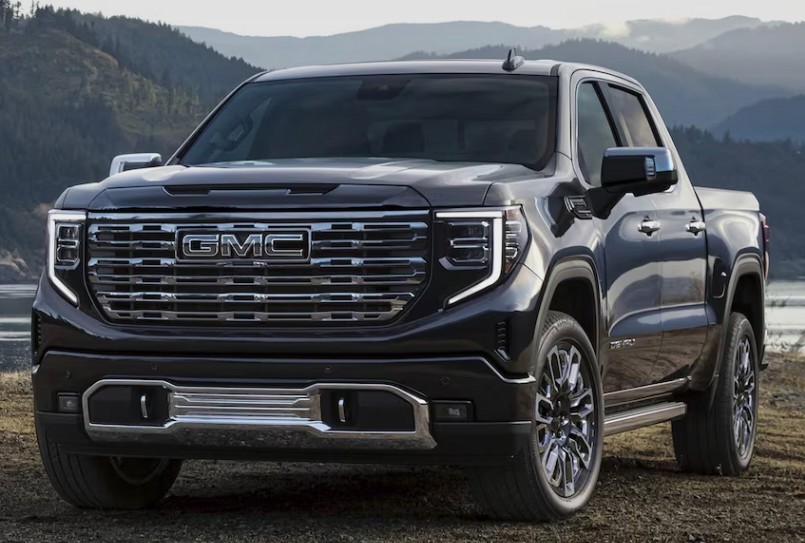
Few pickup trucks have evolved as dramatically as the GMC Sierra. It began as a straightforward workhorse, grew into a comfortable family vehicle, and eventually became one of the most luxurious and technologically advanced trucks on the road. Yet when we compare GMC Sierra model years, the differences can feel overwhelming.
Should we buy an older V8-powered Sierra because it is simpler? Is a newer turbocharged model the smarter choice? Which years introduced major redesigns? And where do the Sierra 1500, Sierra HD, and Sierra EV fit into the story?
This guide walks through the GMC Sierra timeline from its early roots to the redesigned 2027 model announced in June 2026. We will explore the major generations, important updates, engine changes, trim evolution, and the types of buyers each era suits best.
Although GMC used the Sierra name on trim packages before it became the truck’s primary model name, our main timeline begins with the 1988 model year. That is when the Sierra entered the modern era most used-truck shoppers recognize today.
Content in this publication
- GMC Sierra Model Years at a Glance
- Understanding the Sierra Name Before 1988
- 1988–1998 GMC Sierra: The GMT400 Generation
- 1999–2006 GMC Sierra: The GMT800 Generation
- 2007–2013 GMC Sierra: The GMT900 Generation
- 2014–2018 GMC Sierra: The K2XX Generation
- 2019–2026 GMC Sierra: The T1XX Generation
- 2022 Sierra Refresh: A Major Interior Transformation
- 2023–2026 GMC Sierra Updates
- GMC Sierra 2500 HD and 3500 HD Model Years
- 2024–2026 GMC Sierra EV Model Years
- 2027 GMC Sierra: The Next Chapter
- Which GMC Sierra Model Years Are Best?
- First Model Year Versus Final Model Year
- How to Choose the Right Sierra Year
- Common Mistakes When Comparing GMC Sierra Years
- Final Thoughts on GMC Sierra Model Years
- Frequently Asked Questions
GMC Sierra Model Years at a Glance
Before diving into each generation, let’s lay out the broad timeline:
| GMC Sierra era | Model years | What defined it |
|---|---|---|
| Sierra trim-name period | Before 1988 | Sierra used primarily as a GMC truck trim designation |
| First modern generation | 1988–1998 | Boxy GMT400 platform and traditional truck simplicity |
| Second generation | 1999–2006 | Rounder styling, LS-based V8 engines, improved comfort |
| Third generation | 2007–2013 | More refined cabin, stronger towing technology, modern safety |
| Fourth generation | 2014–2018 | Direct-injected engines, quieter interior, upscale Denali growth |
| Fifth generation | 2019–2026 | CarbonPro, MultiPro tailgate, diesel power and advanced technology |
| Next redesigned generation | 2027 onward | New V8 generation, redesigned cabin and expanded technology |
The dates above apply mainly to the light-duty Sierra 1500. Sierra 2500 HD and 3500 HD introductions, redesigns, and refreshes do not always follow the exact same calendar.
Understanding the Sierra Name Before 1988
The Sierra story did not suddenly begin in 1988. GMC had already used names such as Sierra, Sierra Grande, High Sierra, and Sierra Classic on earlier C/K pickups. During those years, “Sierra” frequently described a trim level rather than an independent model family.
That distinction matters when searching for an old truck.
A seller may advertise a 1977 GMC Sierra, for example, even though the vehicle was technically part of GMC’s C/K truck line. The Sierra badge represented its equipment grade. Today, enthusiasts commonly refer to these trucks by the Sierra name because that is what appears on their fenders and dashboards.
These pre-1988 trucks attract buyers who appreciate:
- Straightforward mechanical components
- Classic square-body styling
- Broad parts availability
- Strong restoration potential
- Fewer electronic systems
- Traditional carbureted or early fuel-injected engines
They can be charming, but we should not compare them directly with modern Sierra pickups. Safety, fuel economy, braking, cabin comfort, towing control, and corrosion protection have advanced enormously.
1988–1998 GMC Sierra: The GMT400 Generation
The 1988 redesign introduced the platform enthusiasts know as GMT400. It replaced the sharply squared proportions of the previous C/K trucks with smoother bodywork, improved aerodynamics, and a more contemporary cabin.
At launch, the truck still belonged to GMC’s C/K naming structure. Two-wheel-drive versions commonly carried a C designation, while four-wheel-drive trucks used K. Nevertheless, Sierra badging became so prominent that the name gradually developed its own identity.
What Made the 1988–1998 Sierra Important?
This era created the foundation for the modern GMC pickup. It still felt like a traditional truck, but it was easier to drive and more civilized than the models that came before it.
Depending on the year and configuration, buyers could find V6, small-block V8, big-block V8, and diesel options. Regular Cab, Extended Cab, short-bed, and long-bed combinations gave customers a wide selection.
These trucks remain appealing because they sit between two worlds. They are old enough to feel mechanical but new enough to work as practical vehicles when properly maintained.
Major Changes During the GMT400 Years
Notable developments included:
- The launch of the new body style for 1988
- The gradual expansion of Extended Cab availability
- Interior and dashboard revisions during the 1990s
- Improved electronic fuel injection
- The addition of Vortec-branded engines in later years
- More comfortable seating and convenience features
- Greater use of four-wheel anti-lock braking technology
The 1996 model year is especially significant because revised Vortec engines brought increased power compared with many earlier versions.
Who Should Consider a 1988–1998 Sierra?
This generation makes sense for an enthusiast, hobbyist, or buyer who can perform basic repairs. It may also suit someone looking for an affordable secondary truck.
However, age matters more than the badge on the grille. Even a historically dependable engine cannot protect a truck from thirty years of corrosion, neglected cooling-system maintenance, worn suspension components, or improvised electrical repairs.
When shopping, we should examine the frame, cab mounts, brake lines, fuel lines, transmission behavior, steering play, and service history. A clean truck with documentation is usually worth more than a cheaper example wearing shiny paint over hidden problems.
1999–2006 GMC Sierra: The GMT800 Generation
The 1999 GMC Sierra 1500 marked a major step forward. GMC moved the truck onto the GMT800 platform and formally established Sierra as the primary model name.
The exterior became rounder, the interior grew more comfortable, and the powertrain lineup entered a new era. GM’s LS-based small-block V8 family became one of this generation’s defining features.
Why the GMT800 Sierra Remains Popular
Many owners view the 1999–2006 trucks as a sweet spot. They offer modern fuel injection, good power, useful towing capability, and relatively approachable mechanical systems.
Common gasoline engines included the 4.3-litre V6, 4.8-litre V8, 5.3-litre V8, and 6.0-litre V8, although availability varied by year, duty rating, and configuration.
The 5.3-litre V8 became particularly popular. It provided a strong blend of performance and everyday usability without making the truck feel like it had an endless appetite for fuel—although no full-size V8 pickup from this period could honestly be called economical.
Early Versus Late GMT800 Trucks
The 1999–2002 models have a more restrained front-end design. Trucks from the later portion of the generation received revised styling, updated interiors, and expanded technology.
The 2003 model year brought one of the more noticeable mid-cycle updates. GMC changed the front appearance and modernized several interior features.
Crew Cab availability also became increasingly important. Pickup buyers were no longer using trucks solely as tools. They were transporting children, commuting to offices, and taking long road trips. The Sierra responded by becoming more like a multipurpose SUV with an open cargo box.
The Arrival of Sierra HD Models
The early 2000s also established the modern Sierra HD family. Sierra 2500 HD and 3500 models offered stronger frames, heavier-duty suspension components, larger brakes, and powertrains designed for demanding towing.
The Duramax diesel and Allison automatic transmission combination became one of the most recognizable pairings in the heavy-duty pickup market.
Used diesel shoppers should still research the exact engine code and production year. The word “Duramax” covers several engine generations, each with different strengths, emissions equipment, and common maintenance concerns.
Is a 1999–2006 Sierra Still Worth Buying?
It can be—provided condition is excellent.
A GMT800 Sierra may offer:
- Relatively simple diagnostics
- Familiar V8 engines
- Large aftermarket support
- Good parts availability
- Comfortable highway manners
- Strong value compared with newer trucks
The problem is that even the newest examples are now around two decades old. Rust, previous towing abuse, transmission wear, tired interiors, failing instrument clusters, and degraded rubber components are increasingly common.
We should buy the individual truck, not the reputation of the generation.
2007–2013 GMC Sierra: The GMT900 Generation
For 2007, the Sierra moved onto the GMT900 architecture. The truck gained more substantial styling, a more refined cabin, additional safety equipment, and improved towing-related features.
It looked less like a basic commercial vehicle and more like a premium personal truck. That shift would eventually become central to GMC’s identity.
A More Mature Full-Size Pickup
The 2007–2013 Sierra was quieter and more polished than the GMT800. GMC offered a wide range of cab styles, bed lengths, drivetrains, and engines.
V8 power remained a major attraction. Certain engines also used cylinder-deactivation technology designed to save fuel by operating on fewer cylinders under light loads.
On paper, the idea was clever. Why feed eight cylinders when cruising gently down a flat highway? In real ownership, however, maintenance history and oil condition became especially important on engines equipped with more complex valvetrain technology.
The Rise of GMC Sierra Denali
Denali transformed the Sierra from a well-equipped pickup into a genuine luxury truck. Chrome trim, larger wheels, richer cabin materials, powerful engines, and exclusive styling helped distinguish it from ordinary work models.
The Denali strategy proved that a truck could arrive at a construction site on Friday and pull up to an upscale restaurant on Saturday night without looking out of place.
This period also helped establish the separation between GMC and Chevrolet. The Sierra and Silverado shared much of their engineering, but GMC increasingly emphasized premium presentation, design, and dealership experience.
Key Considerations for 2007–2013 Models
Used buyers should investigate:
You may be interested in reading GMC Sierra Crew Cab vs Double Cab: Which One Should We Buy?
- Engine oil consumption
- Cylinder-deactivation system condition
- Transmission shift quality
- Dashboard cracking or interior deterioration
- Frame and rocker-panel corrosion
- Four-wheel-drive operation
- Differential and transfer-case servicing
- Trailer-brake system functionality
A pre-purchase inspection is essential. A truck that spent its life pulling a heavy trailer may look immaculate while carrying considerably more mechanical wear than its odometer suggests.
2014–2018 GMC Sierra: The K2XX Generation
The 2014 Sierra arrived with sharper body lines, a more aerodynamic cab, improved sound insulation, and a new family of EcoTec3 gasoline engines.
Those engines combined direct fuel injection, variable valve timing, and cylinder deactivation. GMC aimed to deliver stronger performance while improving efficiency.
Why the 2014 Redesign Mattered
The cabin was one of the biggest improvements. Controls became easier to use, storage increased, screens grew more prominent, and the overall environment felt less industrial.
GMC also placed greater attention on refinement. Triple-sealed doors, aerodynamic mirrors, and additional sound-deadening materials helped reduce wind and road noise.
The result felt like a truck wearing noise-cancelling headphones.
Engine choices generally included a 4.3-litre V6, 5.3-litre V8, and 6.2-litre V8. The 6.2-litre delivered serious acceleration and towing strength, while the 5.3-litre remained the volume choice.
2016 Mid-Cycle Refresh
The 2016 model received a visible styling refresh with revised front-end details and updated lighting. Infotainment connectivity also improved as smartphone integration became more important.
This is why 2016–2018 trucks may feel noticeably newer than early 2014–2015 examples, even though they belong to the same basic generation.
Trim Levels Became More Distinct
The Sierra range served several personalities:
- Base and work-oriented models: Built for fleets, trades, and buyers who prioritized value
- SLE: Added everyday comfort and convenience
- SLT: Introduced more premium appointments
- Denali: Focused on luxury, technology, and visual presence
- All Terrain packages: Added more rugged styling and off-road-oriented equipment
The lineup was becoming a wardrobe rather than a single uniform. We could choose work boots, hiking gear, or a tailored jacket—all under the Sierra name.
What Should Used Buyers Inspect?
Potential buyers should pay close attention to transmission behavior, engine noises, service records, oil level, cooling-system condition, and infotainment operation.
Later trucks can be more comfortable and efficient, but they are also more complicated. Direct injection, cylinder deactivation, sophisticated transmissions, and electronic modules add potential repair costs when maintenance has been ignored.
2019–2026 GMC Sierra: The T1XX Generation
The 2019 redesign made the Sierra larger, lighter in selected areas, more spacious, and far more technologically ambitious.
Rather than simply producing a GMC version of the Chevrolet Silverado, designers introduced several features intended to give Sierra a distinct identity.
The MultiPro Tailgate Changes the Truck Bed
The MultiPro tailgate became one of the Sierra’s signature features. Its multi-position design could function as a conventional tailgate, load stop, work surface, access step, and bed-access aid.
Was it absolutely necessary? Not for everyone. But once owners used it to climb into the bed or stabilize long cargo, the idea began to feel less like a trick and more like a genuinely useful pocketknife built into the truck.
CarbonPro and Lightweight Bed Technology
GMC also introduced the available CarbonPro composite bed on selected versions. It was designed to resist dents and corrosion while reducing weight compared with a conventional steel bed.
CarbonPro never became standard across the range, but it demonstrated how aggressively GMC wanted to separate the Sierra from ordinary pickups.
An Expanding Engine Lineup
Depending on model year, trim, and configuration, fifth-generation Sierra 1500 engines have included:
- A turbocharged four-cylinder gasoline engine
- A 5.3-litre V8
- A 6.2-litre V8
- A 3.0-litre inline-six Duramax turbo-diesel
The turbocharged four-cylinder later adopted the TurboMax name. Meanwhile, the 3.0-litre Duramax became a compelling choice for drivers seeking strong low-speed torque, relaxed highway performance, and useful towing range.
GMC expanded availability of its second-generation 3.0-litre Duramax for the 2024 Sierra 1500 AT4X after the updated diesel entered the broader Sierra range for 2023.
2022 Sierra Refresh: A Major Interior Transformation
Although the fifth generation started in 2019, the refreshed 2022 Sierra is a critical dividing line.
Higher trims received a much more modern dashboard, larger digital displays, updated infotainment technology, and more sophisticated driver-assistance features. The change was so substantial that an updated 2022 truck can feel like a different generation beside a 2019 model.
GMC also introduced the Denali Ultimate as a new luxury flagship. The company presented it as the most advanced and luxurious Sierra trim it had offered at the time.
AT4 and AT4X Expand the Off-Road Family
The Sierra AT4 had already given buyers a factory-built combination of off-road hardware and upscale comfort. AT4X pushed the concept further with more specialized suspension technology, additional underbody protection, and distinctive cabin materials.
These trims matter because they reflect how the pickup market has changed. Many owners want trail capability, but they do not necessarily want a bare cabin, vinyl flooring, and a ride that shakes their coffee onto the dashboard.
The AT4 family aims to deliver mud-ready boots with first-class seating.
2023–2026 GMC Sierra Updates
The 2023 through 2026 period represents the mature stage of the T1XX Sierra.
By this point, buyers could choose from a remarkably broad spectrum: Pro, SLE, Elevation, SLT, AT4, Denali, AT4X, and Denali Ultimate, although exact availability depends on model year and body configuration.
For 2026, the Sierra 1500 continued to offer the TurboMax engine, V8 alternatives, and the available 3.0-litre Duramax diesel. GMC listed maximum available diesel towing of up to 13,200 pounds when properly equipped.
That figure should never be treated as universal. Towing capacity changes with cab style, bed length, drivetrain, axle ratio, wheels, engine, payload rating, and equipment packages.
Is 2026 the Final Year of This Design?
The 2026 Sierra represents the final model year before the newly announced 2027 redesign, based on GMC’s June 2026 reveal.
GMC says the redesigned 2027 Sierra 1500 will introduce sixth-generation Small Block V8 engines, a new exterior and interior, and expanded premium technology.
That places 2026 in an interesting position. It is an older design, but it also benefits from years of production development. The first year of a new generation may offer fresher technology, while the final year of an established generation may appeal to buyers who prefer proven components.
GMC Sierra 2500 HD and 3500 HD Model Years
Heavy-duty Sierra trucks require their own discussion because their redesign cycle does not perfectly mirror the Sierra 1500.
The modern Sierra HD family became firmly established in the early 2000s. Since then, 2500 HD and 3500 HD models have evolved through several major body styles, diesel-engine generations, transmission updates, emissions systems, and towing technologies.
What Separates Sierra HD From Sierra 1500?
An HD badge represents more than a stronger engine.
Heavy-duty models may include:
- Stronger frames
- Larger brakes
- Heavier suspension components
- Higher-capacity axles
- Greater payload ratings
- Higher towing limits
- Diesel exhaust braking
- Integrated trailering technology
- Dual-rear-wheel configurations on selected 3500 HD models
For 2026, GMC offers Sierra 2500 HD and 3500 HD models. The company lists available towing of up to 36,000 pounds for a properly configured Sierra 3500 HD.
Again, maximum capacity applies only to a specific configuration. A luxury Crew Cab 4x4 does not automatically have the same rating as a purpose-built regular-cab dual-rear-wheel towing setup.
Important HD Shopping Eras
Rather than shopping by styling alone, diesel buyers should identify the exact Duramax generation and emissions configuration.
Earlier diesels may have simpler emissions equipment but considerably more age and mileage. Later trucks offer stronger factory output, quieter operation, better technology, and more advanced exhaust systems—but repairs can be expensive.
For an HD truck, service records are worth their weight in steel. We should look for evidence of fuel-filter replacement, transmission servicing, cooling-system maintenance, differential fluid changes, and correct diesel exhaust fluid use where applicable.
2024–2026 GMC Sierra EV Model Years
The Sierra name entered a new chapter with the Sierra EV.
You may be interested in readingGMC Sierra Crew Cab vs Double Cab: Which One Should We Buy?You may be interested in reading
GMC Sierra SLE vs SLT: Which Trim Should You Buy?Rather than converting the gasoline Sierra 1500 into an electric truck, GMC developed the Sierra EV around GM’s dedicated electric-vehicle architecture. It offers a different cabin, different proportions, two-motor electric four-wheel drive, and features designed to take advantage of its electric platform.
The Sierra EV Denali launched for the 2024 model year, extending the Denali concept into GMC’s electric-truck portfolio.
How the Sierra EV Fits Into the Family
The Sierra EV should not be viewed merely as another Sierra 1500 engine option. It is effectively a separate model line.
Its available features include:
- Two-motor electric four-wheel drive
- A large central infotainment screen
- A front storage compartment
- Four-wheel steering on selected versions
- An expandable cargo system
- Household and worksite power capability
- High-output acceleration modes
- Advanced driver-assistance technology
The 2026 Sierra EV continues with a 16.8-inch infotainment display and two-motor e4WD.
An electric truck can work brilliantly for predictable daily driving, home charging, and local towing. Long-distance towing requires more planning because trailers increase energy consumption and charging stations may not accommodate a connected trailer conveniently.
2027 GMC Sierra: The Next Chapter
The 2027 Sierra 1500 represents the next major redesign.
GMC announced it in June 2026 with revised styling, a redesigned interior, expanded technology, and a new generation of Small Block V8 engines. Denali Ultimate and AT4X remain central to the strategy, showing that luxury and specialized off-road performance will continue to sit at the top of the range.
Because production examples and complete long-term ownership data were not yet widely available when this guide was prepared, we should avoid declaring the 2027 model better or worse than the outgoing truck.
A redesign is a promise written in fresh ink. Time, mileage, owner reports, recalls, and repair data reveal how well that promise holds up.
Which GMC Sierra Model Years Are Best?
There is no single best year for everyone.
The right generation depends on whether we prioritize affordability, simplicity, technology, towing, luxury, fuel economy, or warranty coverage.
Best for Mechanical Simplicity
A well-maintained 1988–1998 truck may appeal to buyers who want fewer electronic systems. However, these trucks are now old enough that restoration quality and rust condition matter more than original specifications.
Best Balance of Old and Modern
The 1999–2006 generation is often attractive to buyers seeking modern V8 performance without the density of electronics found in newer models.
The trade-off is age. Finding an unmodified, rust-free example with trustworthy maintenance records is becoming difficult.
Best for Value and Comfort
A carefully inspected 2007–2013 or 2014–2018 Sierra can provide a strong combination of comfort, capability, and reasonable purchase cost.
We should budget for age-related repairs and investigate the exact engine and transmission combination.
Best for Technology
Refreshed 2022–2026 trucks offer the most modern cabin experience of the outgoing fifth generation. They provide large displays, advanced trailering systems, premium trims, diesel availability, and sophisticated driver assistance.
Best for Maximum Warranty Protection
A new or nearly new Sierra offers the strongest warranty position, although purchase price, depreciation, insurance, and repair complexity may be higher.
First Model Year Versus Final Model Year
Should we avoid the first year of a redesign?
Not automatically.
A first-year truck may contain the newest technology and engineering, but it can also experience early production problems. A final-year model uses an older design, yet manufacturers have had more time to refine assembly processes and issue software or component updates.
The smart approach is to compare:
- Recall history
- Technical service bulletins
- Powertrain revisions
- Warranty coverage
- Maintenance records
- Owner-use history
- Independent inspection results
The badge on the tailgate tells us what the truck is. The service folder tells us what it has lived through.
How to Choose the Right Sierra Year
Before browsing listings, decide how the truck will be used.
Choose Based on Real Towing Needs
Do not buy according to a maximum number in an advertisement. Calculate the loaded trailer weight, tongue weight, passengers, accessories, and cargo.
Payload capacity is often the limiting factor before the advertised towing maximum is reached.
Choose the Powertrain Carefully
A V8 may offer familiar sound and strong performance. A turbocharged engine can deliver impressive low-speed torque. The 3.0-litre diesel may provide relaxed highway efficiency and towing range. An electric Sierra may dramatically reduce fuel use for certain driving patterns.
None is universally best.
Review the Vehicle Identification Number
The VIN can help identify the engine, assembly plant, production sequence, and original configuration. A dealer can also use it to check recall completion and certain service information.
Pay for an Independent Inspection
Even a beautiful Sierra can hide:
- Structural rust
- Collision repairs
- Fluid leaks
- Worn suspension parts
- Engine misfires
- Transmission problems
- Modified emissions systems
- Undisclosed tuning
- Trailer-related wear
A proper inspection costs little compared with an engine, transmission, battery, or diesel fuel-system replacement.
Common Mistakes When Comparing GMC Sierra Years
The biggest mistake is assuming every truck from a supposedly good year is good.
Another is believing all trucks within one model year share the same equipment. A Regular Cab Pro, Crew Cab Denali, AT4X, and diesel-powered Elevation can feel like entirely different vehicles.
We should also avoid:
- Comparing advertised towing figures without matching configurations
- Ignoring payload labels
- Buying a diesel solely for short urban trips
- Choosing oversized wheels without considering ride quality
- Assuming low mileage guarantees good condition
- Ignoring idle hours on work trucks
- Overlooking aftermarket tuning
- Focusing on cosmetic condition instead of mechanical history
A pickup can wear spotless paint while its drivetrain has spent thousands of hours working like a mule.
Final Thoughts on GMC Sierra Model Years
The GMC Sierra has traveled a long road from its early life as a trim designation to its present position as a complete family of light-duty, heavy-duty, luxury, off-road, and electric pickups.
The 1988–1998 generation appeals to traditionalists. The 1999–2006 trucks offer a compelling mix of simplicity and modern V8 performance. The 2007–2013 models introduced greater refinement, while the 2014–2018 generation brought more advanced engines and quieter cabins.
The 2019–2026 Sierra transformed the truck into a technology showcase through features such as the MultiPro tailgate, CarbonPro bed, diesel power, AT4X, and Denali Ultimate. The Sierra EV opened an electric branch of the family, while the redesigned 2027 Sierra prepares to carry the gasoline truck into another generation.
So, which GMC Sierra model year should we buy?
The answer is not hidden in a single calendar year. It lies at the intersection of condition, configuration, maintenance, price, and purpose. Choose the truck that fits the work we genuinely do—not the fantasy trailer we might tow once every five years.
Frequently Asked Questions
What year did the GMC Sierra officially begin?
GMC used the Sierra name as a trim designation before 1988. The modern timeline commonly begins with the redesigned 1988 C/K truck, while the 1999 redesign firmly established Sierra as GMC’s primary full-size pickup model name.
How many generations of GMC Sierra are there?
Counting the modern 1988–1998 era as the first generation, there are five completed or outgoing light-duty generations through the 2026 model year. The redesigned 2027 Sierra begins the next chapter. Generation counts can vary depending on whether a source treats the earlier C/K trucks separately.
Which GMC Sierra generation is the most reliable?
No generation is universally the most reliable. Many buyers appreciate 1999–2006 trucks for their relatively straightforward V8 powertrains, but age-related deterioration is now a major concern. A maintained truck from a less celebrated year can be safer than a neglected example from a popular generation.
What is the difference between Sierra 1500 and Sierra HD?
The Sierra 1500 is a light-duty full-size pickup designed for everyday driving, payload, and moderate-to-heavy towing. Sierra 2500 HD and 3500 HD models use heavier frames, suspension, axles, brakes, and powertrains for more demanding commercial, payload, and towing applications.
You may be interested in readingGMC Sierra Crew Cab vs Double Cab: Which One Should We Buy?You may be interested in reading
GMC Sierra SLE vs SLT: Which Trim Should You Buy?You may be interested in reading
 Chevrolet Silverado Best Years: A Complete Buyer’s Guide
Should we buy a new 2026 Sierra or wait for the 2027 model?
The 2026 truck offers an established platform with years of production history. The redesigned 2027 Sierra introduces new styling, technology, and a new generation of V8 engines. Buyers who value proven components may prefer 2026, while those seeking the newest design may consider 2027 after reviewing final specifications, pricing, and early ownership data.
If you want to know other articles similar to GMC Sierra Model Years: Complete Generation-by-Generation Guide you can visit the category Models.
Vauxhall Adam Models: Complete UK Range and Trim Guide
Ford Ranger Top of the Range: Flagship Models Explained
Nissan Note X vs S: Which Trim Offers Better Value?
Chevrolet Silverado Trim Levels in Order: Complete Buyer’s Guide
Chevrolet Silverado Best Years: A Complete Buyer’s Guide
GMC Sierra SLE vs SLT: Which Trim Should You Buy?
Leave a Reply
More content of your interest