

Chevrolet Silverado Oil Type: Complete Guide for Every Engine and Generation

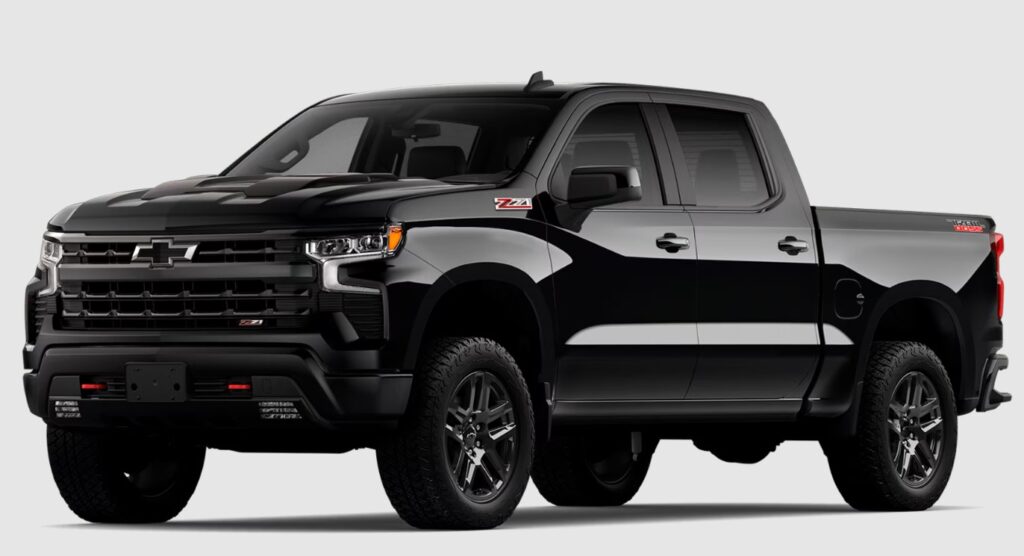
Choosing the correct Chevrolet Silverado oil type sounds simple until we stand in front of a shelf packed with bottles labeled 0W-20, 5W-30, 0W-40, 5W-40, and 15W-40. Then we notice terms such as dexos1, dexosD, API CK-4, conventional, synthetic blend, and full synthetic. Suddenly, a basic oil change feels like a chemistry exam.
The good news is that we do not need to become petroleum engineers.
We simply need to match three things:
- The Silverado’s model year
- Its specific engine
- The oil specification listed by Chevrolet
Most modern gasoline-powered Silverados use SAE 0W-20 or 5W-30 oil meeting the GM dexos1 specification. The light-duty 3.0-liter Duramax diesel generally requires SAE 0W-20 dexosD oil, while many heavy-duty Duramax engines use SAE 15W-40 or 5W-40 diesel oil, depending on climate and model year.
That summary gives us a starting point, but Silverado oil requirements have changed considerably since the truck first arrived for the 1999 model year. Let us break down the differences without turning this guide into an owner’s-manual maze.
Important: Oil requirements can vary within the same model year because Chevrolet offers several engines. Always confirm the final viscosity, specification, and capacity in the owner’s manual or through the vehicle identification number.
Content in this publication
- Quick Chevrolet Silverado Oil Type Chart
- What Oil Does a Chevrolet Silverado Take?
- Chevrolet Silverado Oil Type by Generation
- First-Generation Silverado Oil Type: 1999–2006
- Second-Generation Silverado Oil Type: 2007–2013
- Third-Generation Silverado Oil Type: 2014–2018
- Fourth-Generation Silverado Oil Type: 2019 and Newer
- 2.7L Turbo Silverado Oil Type
- 5.3L V8 Silverado Oil Type
- 6.2L V8 Silverado Oil Type
- 3.0L Duramax Silverado Oil Type
- Silverado 2500HD and 3500HD Oil Type
- What Does 0W-20 Mean?
- What Is dexos Oil?
- Does a Chevrolet Silverado Need Full-Synthetic Oil?
- How Often Should Silverado Oil Be Changed?
- How to Check the Oil Level Correctly
- Can We Mix Oil Brands?
- Can We Mix Synthetic and Conventional Oil?
- Can We Use 5W-30 Instead of 0W-20?
- Can We Use 0W-20 Instead of 5W-30?
- Best Oil for Towing With a Silverado
- Best Silverado Oil for Cold Weather
- Best Silverado Oil for Hot Weather
- Common Silverado Oil-Change Mistakes
- How to Find the Exact Oil for Your Silverado
- Chevrolet Silverado Oil Type Checklist
- Final Thoughts on Chevrolet Silverado Oil Type
- Frequently Asked Questions
Quick Chevrolet Silverado Oil Type Chart
The following table offers a general overview of commonly recommended oil types. It should be treated as a convenient guide rather than a replacement for the truck’s manual.
| Silverado engine or generation | Common oil viscosity | Typical specification |
|---|---|---|
| 1999–2006 gasoline engines | 5W-30 | API-certified oil |
| 2007–2013 gasoline engines | 5W-30 | GM6094M or dexos1 on later models |
| 2014–2018 4.3L V6 | 5W-30 | dexos1 |
| 2014–2018 5.3L and 6.2L V8 | 0W-20 | dexos1 |
| 2019 and newer 2.7L turbo | Usually 0W-20 or model-specific grade | dexos1 |
| 2019 and newer 5.3L V8 | 0W-20 | dexos1 |
| 2019 and newer 6.2L V8 | 0W-20 | dexos1 |
| 2020 and newer 3.0L Duramax | 0W-20 | dexosD |
| Older 6.6L Duramax HD | Usually 15W-40 | Diesel API specification listed in manual |
| Newer 6.6L Duramax HD | 15W-40 or 5W-40 | API CK-4 or model-specific GM requirement |
| Silverado HD gasoline engines | Often 5W-30 or 0W-20 | dexos1, depending on engine and year |
GM states that licensed dexos1 Gen 3 oils are backward compatible with engines that previously required dexos1 or dexos1 Gen 2, provided we continue using the correct viscosity.
What Oil Does a Chevrolet Silverado Take?
A Chevrolet Silverado may take one of several oil grades. The most common are:
- SAE 0W-20
- SAE 5W-30
- SAE 0W-30
- SAE 5W-40
- SAE 15W-40
Modern Silverado gasoline engines usually use 0W-20 or 5W-30. The 3.0-liter inline-six Duramax uses specialized low-viscosity diesel oil, while a 6.6-liter Duramax HD normally needs heavier diesel engine oil.
The number printed on the bottle is only half the story. A bottle can have the correct viscosity but still lack the required performance certification.
For instance, a modern gasoline Silverado calling for 0W-20 dexos1 should receive oil carrying an authentic dexos license—not merely any bottle of 0W-20.
Why the Engine Matters More Than the Trim
Oil requirements are tied primarily to the engine, not to whether the truck is an LT, LTZ, RST, High Country, Custom, Trail Boss, or Work Truck.
A Silverado LT and a High Country equipped with the same 5.3-liter V8 will generally share the same oil requirement. Meanwhile, two Silverado LT trucks from the same year may need different oil because one has a turbocharged four-cylinder and the other has a Duramax diesel.
That is why shopping by trim alone can lead us down the wrong road.
Chevrolet Silverado Oil Type by Generation
The Silverado has evolved through several generations. With each redesign, Chevrolet introduced new engines, tighter manufacturing tolerances, improved emissions systems, turbocharging, cylinder deactivation, and more advanced oil-monitoring technology.
Those changes explain why oil that worked perfectly in a 2001 Silverado may not be suitable for a 2026 model.
First-Generation Silverado Oil Type: 1999–2006
The first-generation Silverado was offered with engines including:
- 4.3-liter V6
- 4.8-liter V8
- 5.3-liter V8
- 6.0-liter V8
- 8.1-liter V8
- 6.6-liter Duramax diesel
Gasoline Engines
Most gasoline-powered first-generation Silverados commonly call for SAE 5W-30.
These trucks were built before dexos became Chevrolet’s widely used global oil standard. Their manuals generally emphasized an API-certified oil meeting the GM performance specification required at the time.
For owners today, a high-quality modern 5W-30 can provide stronger oxidation control, cold-start protection, and deposit resistance than many oils available when these trucks were new.
Can We Use Synthetic Oil in an Older Silverado?
Yes. A sound older engine can normally use synthetic oil even if it originally left the factory with conventional oil.
Synthetic oil does not automatically cause leaks. However, an older engine with worn seals may already have small leaks hidden beneath deposits. A detergent-rich modern oil can sometimes make an existing leak more noticeable.
That does not mean the synthetic oil created the mechanical wear. It may simply have pulled back the curtain.
6.6L Duramax Diesel
The first-generation Silverado HD introduced the 6.6-liter Duramax. These engines typically use a heavier diesel oil such as 15W-40, although cold-weather alternatives may be allowed.
The exact diesel classification matters. We should choose oil meeting the API diesel category specified for the truck, or a newer category that is approved as backward compatible.
Second-Generation Silverado Oil Type: 2007–2013
The second-generation Silverado continued with several familiar gasoline engines while adding updated versions of the small-block V8 family.
Common engines included:
- 4.3-liter V6
- 4.8-liter V8
- 5.3-liter V8
- 6.0-liter V8
- 6.2-liter V8
- 6.6-liter Duramax diesel
Recommended Oil for Gasoline Models
Most gasoline engines from this period commonly use SAE 5W-30.
Some later vehicles in this generation began referencing the dexos1 standard. When servicing one today, a licensed dexos1 Gen 3 5W-30 is generally the logical modern choice when the manual calls for dexos1.
GM says dexos1 Gen 3 exceeds the performance of earlier dexos1 generations and is backward compatible when used in the correct viscosity.
Active Fuel Management and Oil Quality
Many 5.3-liter and 6.2-liter engines from this era use Active Fuel Management, often abbreviated as AFM.
AFM can temporarily deactivate cylinders under light-load conditions. The system relies on oil pressure and specialized lifters, making oil level, cleanliness, and viscosity especially important.
Using the wrong oil does not guarantee immediate failure, but dirty, low, or unsuitable oil can make a complex valvetrain’s life harder. Think of the oil as the hydraulic bloodstream of the system. When that bloodstream becomes contaminated or weak, small components feel the effects first.
Third-Generation Silverado Oil Type: 2014–2018
The 2014 redesign introduced the EcoTec3 engine family, including:
- 4.3-liter V6
- 5.3-liter V8
- 6.2-liter V8
- 6.0-liter gasoline V8 in certain HD applications
- 6.6-liter Duramax diesel in HD trucks
This generation created one of the most common points of confusion because not every gasoline engine uses the same viscosity.
4.3L EcoTec3 V6 Oil Type
The 4.3-liter EcoTec3 V6 generally uses:
- SAE 5W-30
- Oil meeting the dexos1 specification
Owners should not assume that every 2014–2018 Silverado uses 0W-20 merely because the V8 models commonly do.
5.3L EcoTec3 V8 Oil Type
The 5.3-liter EcoTec3 V8 generally requires:
- SAE 0W-20
- dexos1-approved oil
This applies to many of the most widely sold Silverado 1500 configurations.
6.2L EcoTec3 V8 Oil Type
The 6.2-liter V8 also commonly uses:
- SAE 0W-20
- dexos1-approved oil
This low-viscosity oil helps flow quickly during startup and supports the engine’s efficiency, variable valve timing, and cylinder-deactivation systems.
Why 0W-20 Replaced 5W-30 in Some V8s
Lower-viscosity oil creates less resistance as it circulates. It reaches moving components quickly when the engine starts, especially in cold conditions, and can contribute to improved fuel efficiency.
That does not mean 0W-20 is “too thin.” It is engineered for engines designed around that viscosity.
Pouring thicker oil into a modern engine simply because it feels more protective is like wearing heavy winter boots for a sprint. More material does not automatically mean better performance.
Fourth-Generation Silverado Oil Type: 2019 and Newer
The fourth-generation Silverado brought a broader engine lineup, including:
- 2.7-liter turbocharged gasoline engine
- 4.3-liter V6 in early models
- 5.3-liter V8
- 6.2-liter V8
- 3.0-liter inline-six Duramax diesel
- 6.6-liter gasoline V8 in HD models
- 6.6-liter Duramax diesel in HD models
Because the engine range is so varied, there is no single fourth-generation Silverado oil type.
2.7L Turbo Silverado Oil Type
The turbocharged 2.7-liter gasoline engine typically uses a low-viscosity dexos-approved synthetic oil, but the exact grade can depend on the engine version and model year.
Many applications specify 0W-20, while updated engine variants and particular manuals may list a different approved grade.
This is one engine where we should resist guessing. Check the oil-fill cap, owner’s manual, or VIN-specific service information before buying oil.
Why Turbocharged Engines Need the Correct Oil
A turbocharger operates under intense heat and spins at enormous speed. Engine oil lubricates and cools its internal bearings.
Poor-quality oil can oxidize, thicken, or form deposits around hot turbocharger components. Modern dexos1 oils are tested for factors including oxidation, turbocharger deposits, wear, fuel economy, and low-speed pre-ignition protection.
The oil is not merely coating engine parts. It is carrying heat away like a tiny river running through a furnace.
You may be interested in reading Nissan Note Fuel Tank Capacity: Complete Guide by Generation
5.3L V8 Silverado Oil Type
Most modern 5.3-liter Silverado V8 engines use:
- SAE 0W-20
- Licensed dexos1 oil
- Preferably full synthetic
These engines may use Dynamic Fuel Management or Active Fuel Management, depending on year and configuration.
Correct oil pressure and flow are essential because the cylinder-deactivation hardware depends on precisely controlled lubrication.
6.2L V8 Silverado Oil Type
The 6.2-liter gasoline V8 commonly requires:
- SAE 0W-20
- Licensed dexos1 oil
- Full synthetic strongly preferred
Owners who tow, drive in high heat, idle for extended periods, or frequently make short trips should pay particular attention to the oil-life monitor and oil level.
Hard use does not always look dramatic. Repeated short journeys can be severe because the engine may not remain hot long enough to evaporate moisture and fuel contamination from the oil.
3.0L Duramax Silverado Oil Type
The 3.0-liter inline-six Duramax is fundamentally different from the gasoline engines.
It generally requires:
- SAE 0W-20
- Oil meeting the GM dexosD specification
- Full synthetic diesel engine oil
GM’s official information for the LZ0 3.0-liter Duramax identifies dexosD 0W-20 as the required engine oil.
GM also states that dexosD has replaced dexos2 for its light-duty diesel applications and is backward compatible with diesel engines that previously used dexos2, provided the correct viscosity is selected.
Do Not Substitute Regular Gasoline 0W-20
A gasoline-engine 0W-20 and a dexosD diesel 0W-20 may share the same viscosity, but they are not automatically interchangeable.
The additive packages and emissions-system compatibility requirements differ.
The viscosity tells us how the oil flows. The specification tells us what the oil is capable of doing.
That distinction is crucial.
Silverado 2500HD and 3500HD Oil Type
Heavy-duty Silverados deserve their own section because they may use either a gasoline engine or a Duramax diesel.
6.6L Gasoline V8 Oil Type
The 6.6-liter gasoline V8 used in newer Silverado HD trucks commonly requires a dexos1-approved gasoline engine oil. The exact viscosity depends on the model year and manual, with 5W-30 or another specified grade appearing in applicable configurations.
Since HD specifications can change, we should verify the oil cap and manual rather than assume it uses the same oil as the 1500’s 5.3-liter V8.
6.6L Duramax Diesel Oil Type
Many 6.6-liter Duramax engines commonly use:
- SAE 15W-40 in normal or warmer temperatures
- SAE 5W-40 synthetic diesel oil for improved cold-weather flow
- The diesel API category specified for the model year, often a modern category such as API CK-4 for applicable engines
Chevrolet sells ACDelco 15W-40 CK-4 diesel oil for heavy-duty diesel applications.
15W-40 vs. 5W-40 for a Duramax
At operating temperature, both oils behave as SAE 40-grade lubricants. The primary difference appears during cold starts.
A 5W-40 oil flows more readily at low temperatures than a 15W-40 oil. That makes full-synthetic 5W-40 popular in regions with severe winters.
In consistently warm weather, approved 15W-40 remains a common choice for many Duramax HD engines.
The manual’s temperature chart should make the final decision.
What Does 0W-20 Mean?
Oil viscosity labels look cryptic, but the idea is straightforward.
In 0W-20:
- 0W describes low-temperature flow
- W means winter
- 20 describes viscosity at normal engine-operating temperature
A lower first number usually means the oil flows more easily during a cold start.
This matters because much engine wear can occur shortly after startup, before oil fully circulates. Faster flow helps oil reach bearings, camshafts, lifters, timing components, and turbocharger parts sooner.
Is 0W-20 Thinner Than 5W-30?
Yes, especially at operating temperature, but “thinner” should not be confused with “inferior.”
An engine engineered for 0W-20 has oil passages, bearing clearances, pumps, controls, and efficiency targets designed around that grade.
Using 5W-30 in place of 0W-20 without manufacturer approval may affect oil flow, fuel economy, cold-start behavior, and the operation of hydraulic systems.
What Is dexos Oil?
dexos is a General Motors engine-oil performance specification.
It is not a single brand. ACDelco, Mobil, Castrol, Valvoline, Pennzoil, and other manufacturers may sell licensed dexos products.
GM advises buyers to look for the dexos logo on the front label and the 11-character license number on the back. Without those markings, the product is not an authentic licensed dexos oil.
dexos1
dexos1 is primarily associated with GM gasoline engines.
Modern dexos1 Gen 3 oils are designed to offer protection against:
- Oxidation
- Sludge
- Engine wear
- Turbocharger deposits
- Low-speed pre-ignition
- High-temperature deposits
- Timing-chain wear
dexosD
dexosD is intended for applicable light-duty GM diesel engines, including the 3.0-liter Duramax.
It is formulated to work with modern diesel emissions equipment while providing the required wear, deposit, oxidation, and fuel-economy performance.
dexosR
dexosR is another GM gasoline-engine specification used in certain high-performance applications. GM states that dexosR meets or exceeds several earlier dexos gasoline specifications and is backward compatible when the correct viscosity is used.
Most everyday Silverado owners will be looking for dexos1, dexosD, or an approved heavy-duty diesel specification rather than dexosR.
Does a Chevrolet Silverado Need Full-Synthetic Oil?
For most modern Silverados, full synthetic is the safest and most practical choice.
It offers strong performance in areas such as:
- Cold-start circulation
- High-temperature stability
- Turbocharger protection
- Oxidation resistance
- Deposit control
- Extended drain performance
- Severe-duty operation
Some older Silverados can run conventional or synthetic-blend oil if the product meets the manual’s requirements. Even so, full synthetic often offers a useful margin of protection.
Is Synthetic Blend Good Enough?
It can be, but the bottle must meet the correct viscosity and required specification.
The words “synthetic blend” do not tell us whether an oil is dexos licensed, diesel compatible, or suitable for a specific engine.
Certification matters more than marketing language.
How Often Should Silverado Oil Be Changed?
Modern Silverados use an oil-life monitoring system that estimates remaining oil life based on operating conditions.
The system may consider factors such as:
- Engine temperature
- Engine speed
- Trip duration
- Load
- Idle time
- Operating conditions
- Mileage
Chevrolet advises following the oil-life monitor and the guidance in the owner’s manual. Its service information also notes that the oil should generally be changed at least annually when applicable, even if the monitor has not demanded an earlier service.
A Practical Oil-Change Approach
Many owners use the following general pattern:
- Follow the oil-life monitor during normal use
- Change the oil sooner under repeated severe service
- Never exceed the manual’s maximum interval
- Change it at least once per year when required
- Check the oil level between services
Severe service may include frequent towing, extensive idling, dusty roads, extreme temperatures, repeated short trips, or commercial use.
Do We Need to Change Oil Every 3,000 Miles?
Usually not in a modern Silverado using the correct oil.
The old 3,000-mile rule came from an earlier era of engine technology and lubricant chemistry. However, an unusually short interval may still make sense for an older engine, severe-duty use, fuel dilution, contamination, or a known mechanical problem.
Blindly changing good oil too early wastes money. Stretching degraded oil too far risks the engine. The goal is not the longest interval; it is the correct interval.
You may be interested in readingNissan Note Fuel Tank Capacity: Complete Guide by GenerationYou may be interested in reading
Nissan Note Weight: Complete Guide by Generation, Engine, and TrimHow to Check the Oil Level Correctly
Checking the oil is simple, yet a rushed reading can mislead us.
- Park the Silverado on level ground.
- Turn off the engine.
- Allow several minutes for the oil to drain into the pan.
- Remove the dipstick.
- Wipe it clean.
- Reinsert it completely.
- Remove it again and read the level.
- Add oil gradually if necessary.
Avoid pouring in an entire quart without checking. Overfilling can cause foaming, increased crankcase pressure, oil consumption, leaks, or emissions-system problems.
How Often Should We Check It?
A sensible routine is:
- At least once a month
- Before a long journey
- Before towing
- After an oil change
- Whenever a warning appears
- More frequently if the engine consumes or leaks oil
The oil-life monitor measures estimated oil condition. It does not directly guarantee that the crankcase contains the correct amount.
Can We Mix Oil Brands?
Mixing reputable oils is generally acceptable when both products meet the required viscosity and specification.
For example, topping up licensed dexos1 0W-20 with another licensed dexos1 0W-20 is usually better than driving with a dangerously low oil level.
However, routinely mixing random viscosities and specifications is not ideal. We may weaken the carefully balanced performance of the final mixture.
For a full oil change, use one appropriate product whenever possible.
Can We Mix Synthetic and Conventional Oil?
They are generally compatible, but mixing them reduces the consistency of the final formulation.
In an emergency, the correct level is more important than keeping the crankcase perfectly uniform. During planned maintenance, use the recommended oil type throughout.
Can We Use 5W-30 Instead of 0W-20?
Only when Chevrolet permits it for the specific engine and operating conditions.
A mechanic, online forum, or bottle label should not overrule the manual.
A thicker oil may:
- Circulate more slowly during cold starts
- Affect fuel economy
- Alter hydraulic-system response
- Change oil pressure
- Influence variable valve timing
- Affect cylinder-deactivation operation
It may not cause instant damage, but “the engine still runs” is a low standard. We want the oil to support the engine exactly as designed.
Can We Use 0W-20 Instead of 5W-30?
Again, only when approved.
A thinner oil may not provide the intended high-temperature viscosity for an engine designed around 5W-30.
Viscosity substitutions should be based on the owner’s manual, a Chevrolet technical bulletin, or qualified VIN-specific guidance—not guesswork.
Best Oil for Towing With a Silverado
Towing raises engine temperature and load. The best towing oil is not automatically the thickest oil on the shelf.
It is a high-quality product that:
- Uses the required viscosity
- Carries the correct GM or API approval
- Resists oxidation
- Controls deposits
- Protects under high temperatures
- Remains within its service interval
For most modern gasoline Silverados, that means a licensed full-synthetic dexos1 oil in the factory viscosity.
For a Duramax, it means the required dexosD or heavy-duty diesel oil specification for that engine.
Should We Change Oil Before Towing?
Consider changing it before a towing trip when:
- The oil-life monitor is already low
- The oil is near its time or mileage limit
- The truck has been used heavily
- The service history is uncertain
- The oil level is low or contaminated
- A long, hot, mountainous trip is planned
Fresh oil is cheap compared with an engine, but replacing nearly new oil solely out of fear is unnecessary.
Best Silverado Oil for Cold Weather
Cold weather rewards low-temperature flow.
Depending on the engine, Chevrolet may recommend or permit grades such as:
- 0W-20
- 0W-30
- 5W-30
- 5W-40 for certain diesel engines
A 0W oil generally circulates more quickly during very cold starts than a comparable 5W or 15W oil.
For Duramax HD owners in severe winter climates, approved full-synthetic 5W-40 is often attractive because it provides better cold-flow behavior than 15W-40 while retaining a 40-grade operating viscosity.
Best Silverado Oil for Hot Weather
Hot weather does not automatically justify changing to a heavier viscosity.
Modern cooling systems and engine oils are designed to operate across a broad temperature range. If Chevrolet specifies 0W-20 year-round, an approved 0W-20 remains the correct choice unless the manual provides a different option.
Oil quality, level, cooling-system condition, and service interval often matter more than simply choosing a larger viscosity number.
Common Silverado Oil-Change Mistakes
Even experienced owners can make small mistakes that create large headaches.
Buying by Model Name Alone
“Silverado oil” is not specific enough. A 5.3-liter gasoline V8, 3.0-liter Duramax, and 6.6-liter Duramax can require entirely different products.
Ignoring the Certification
Correct viscosity without the required specification may not provide adequate deposit, wear, turbocharger, emissions-system, or low-speed pre-ignition protection.
Overfilling the Engine
More oil is not more protection. The full mark is a limit, not a target to exceed.
Using the Wrong Filter
A cheap or incorrect filter can restrict flow, bypass improperly, leak, or offer poor filtration.
Use a filter designed for the exact engine and model year.
Resetting the Oil-Life Monitor Without Changing the Oil
The monitor does not inspect the oil. Resetting it merely restarts the calculation.
Resetting without servicing the truck is like turning back a clock and pretending time stopped.
Forgetting to Check for Leaks
After an oil change:
- Start the engine
- Inspect the filter
- Check the drain plug
- Shut the engine off
- Wait several minutes
- Recheck the level
A loose filter or damaged drain-plug seal can empty an engine surprisingly quickly.
How to Find the Exact Oil for Your Silverado
When we want a definitive answer, use this order:
- Check the owner’s manual
- Read the oil-fill cap
- Search by VIN through Chevrolet
- Review the diesel supplement, if applicable
- Ask a Chevrolet service department
- Confirm viscosity and licensing on the bottle
The oil-fill cap is useful, but the manual provides more complete guidance, including cold-weather alternatives and required specifications.
Chevrolet Silverado Oil Type Checklist
Before buying oil, confirm:
- Model year
- Silverado 1500, 2500HD, or 3500HD
- Engine displacement
- Gasoline or diesel
- Correct SAE viscosity
- Required dexos or API specification
- Oil capacity
- Filter part number
- Climate-related alternatives
- Whether a diesel supplement applies
If one of those details remains uncertain, pause before pouring.
Final Thoughts on Chevrolet Silverado Oil Type
The correct Chevrolet Silverado oil type depends on far more than the bowtie badge on the grille.
Older gasoline Silverados commonly use 5W-30. Many modern 5.3-liter and 6.2-liter V8 models use dexos1 0W-20. The 3.0-liter Duramax requires specialized dexosD 0W-20, while many 6.6-liter Duramax HD engines rely on approved 15W-40 or 5W-40 diesel oil.
The safest rule is beautifully simple: match the engine, viscosity, and specification.
We should not select oil by habit, bottle design, price, or internet folklore. The correct product keeps hydraulic lifters responsive, turbochargers clean, bearings protected, and cold starts smooth. It works quietly in the background, like a dependable crew beneath the hood.
A Silverado may haul trailers, crawl through job sites, cross mountain passes, or spend its life on suburban streets. Whatever the mission, the right oil gives its engine the best chance to remain strong for the long haul.
Frequently Asked Questions
1. What is the most common Chevrolet Silverado oil type?
SAE 0W-20 dexos1 full-synthetic oil is common in many modern Silverado gasoline engines, particularly the 5.3-liter and 6.2-liter V8s. Older gasoline engines frequently use 5W-30. Always verify the specific engine and model year.
2. Does a 5.3L Silverado use 0W-20 or 5W-30?
Many 2014 and newer 5.3-liter EcoTec3 engines use 0W-20 dexos1 oil. Earlier 5.3-liter engines commonly use 5W-30. The dividing point depends on the engine generation and model year, so confirm it in the manual.
3. What oil does the 3.0L Duramax Silverado use?
The 3.0-liter Duramax generally uses full-synthetic SAE 0W-20 oil meeting the GM dexosD specification. Regular gasoline-engine 0W-20 should not be treated as an automatic substitute.
4. Can I use 5W-30 instead of 0W-20 in my Silverado?
Only when the owner’s manual permits it. Using a thicker viscosity without approval may affect cold-start flow, fuel economy, variable valve timing, cylinder-deactivation hardware, and oil pressure.
You may be interested in readingNissan Note Fuel Tank Capacity: Complete Guide by GenerationYou may be interested in reading
Nissan Note Weight: Complete Guide by Generation, Engine, and TrimYou may be interested in reading
Nissan Note Battery Replacement Cost: Complete 12V Guide5. How many miles can a Silverado go between oil changes?
The interval depends on the engine, oil, driving conditions, and oil-life monitor. Follow the monitor and the owner’s manual rather than relying on a universal mileage number. Severe towing, idling, dust, short trips, or extreme temperatures may justify earlier service.
If you want to know other articles similar to Chevrolet Silverado Oil Type: Complete Guide for Every Engine and Generation you can visit the category Service and Parts.
Vauxhall Adam Code 82 Reset: Meaning, Procedure, and Troubleshooting
Vauxhall Adam Engine Management Light: Causes, Fixes, and What to Do Next
Vauxhall Adam Service Theft Deterrent System: Causes, Fixes, and Reset Guide
Vauxhall Adam Dashboard Symbols: Warning Lights Explained
Vauxhall Adam Fuel Tank Capacity: Complete Owner’s Guide
Vauxhall Adam Weight: Kerb Weight, Payload and Limits
Leave a Reply
More content of your interest