

Chevy Silverado Jerking When Slowing Down: Causes and Fixes

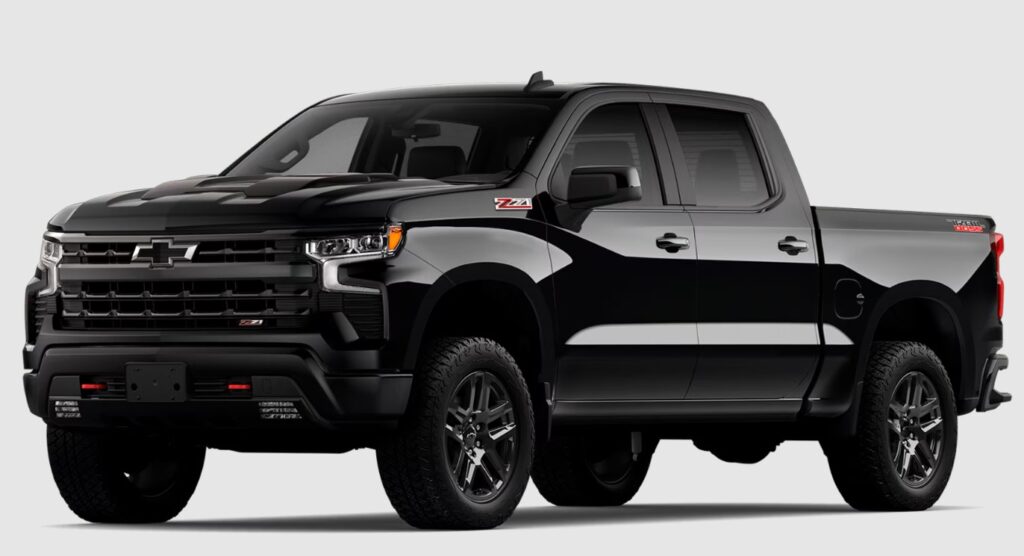
A Chevy Silverado jerking when slowing down can turn an otherwise comfortable drive into a frustrating guessing game. One moment, the truck is cruising smoothly; the next, it feels as though someone lightly bumped the rear bumper. In more severe cases, the Silverado may lurch, clunk, hesitate, or produce a noticeable thump just before coming to a complete stop.
Is the transmission failing? Is the engine struggling? Or is the truck simply making a normal downshift?
The answer depends on when the jerking occurs, how strong it feels, and whether other symptoms appear. While transmission behavior is one of the most common suspects, it is not the only possible cause. Engine mounts, drivetrain components, brakes, sensors, software, and even old transmission fluid can create similar sensations.
In this guide, we will examine the most likely causes, explain how to narrow down the problem, and discuss the repairs that may restore the Silverado’s smooth ride.
Content in this publication
- What Does Jerking While Slowing Down Feel Like?
- Is It Normal for a Silverado to Jerk When Stopping?
- Most Common Causes of Chevy Silverado Jerking When Slowing Down
- Engine-Related Causes
- Drivetrain Components That Can Cause Clunking
- Could the Brakes Cause the Jerking?
- How to Diagnose a Silverado That Jerks While Slowing
- Should We Keep Driving the Truck?
- Final Thoughts
- Frequently Asked Questions
What Does Jerking While Slowing Down Feel Like?
Drivers describe this problem in several ways. Some feel a small bump as the truck drops into first gear. Others experience repeated jolts while the transmission shifts through several lower gears.
Common descriptions include:
- A bump just before stopping
- A hard 2-1 downshift
- Several jerks during deceleration
- A clunk from beneath the truck
- A sensation similar to being lightly rear-ended
- Engine RPM rising or falling suddenly
- A delayed downshift followed by a strong engagement
- A shudder when braking at low speed
Silverado owners have reported feeling jerks during multiple downshifts, including the 5-4, 4-3, 3-2, and 2-1 transitions. Some describe the sensation as if the transmission briefly ties up before releasing. [3]
Is It Normal for a Silverado to Jerk When Stopping?
A faint downshift may be normal, particularly when the transmission is cold, the truck is towing, or Tow/Haul mode is active. Modern automatic transmissions frequently use engine braking and aggressive downshifting to improve control and fuel economy.
However, the movement should not feel violent.
A noticeable bang, repeated clunking, heavy lurch, or strong push forward usually deserves attention. The same applies when the jerking becomes more frequent, appears after the truck warms up, or occurs alongside slipping, warning lights, or delayed gear engagement.
Think of a normal downshift as a gentle handshake. A malfunctioning downshift feels more like someone slamming a door.
Most Common Causes of Chevy Silverado Jerking When Slowing Down
1. Harsh Transmission Downshifts
The transmission is the first place many mechanics inspect because the jerking often occurs as the truck changes into lower gears.
During deceleration, the transmission control module decides when to release one clutch pack and apply another. If hydraulic pressure is incorrect or a clutch applies too quickly, the gear change can feel harsh.
This may happen because of:
- Incorrect shift timing
- Excessive line pressure
- Worn internal clutches
- Sticky transmission valves
- Faulty shift solenoids
- Adaptation problems
- Transmission software issues
Drivers have also reported jerking and clunking that occurs intermittently rather than during every stop. [4] Intermittent behavior can make diagnosis difficult because the truck may drive normally during a short workshop test.
2. Worn or Contaminated Transmission Fluid
Transmission fluid does far more than lubricate gears. It provides hydraulic pressure, controls heat, and helps clutches engage smoothly.
As the fluid ages, it can become:
- Dark
- Oxidized
- Contaminated with clutch material
- Too thin when hot
- Unable to maintain steady pressure
Low fluid can create similar problems. If the transmission briefly loses hydraulic pressure and then suddenly regains it, the resulting downshift may feel like a kick.
Signs the Fluid May Be Involved
Check for:
- Brown or nearly black fluid
- A burnt smell
- Leaks near the transmission pan
- Jerking that worsens when hot
- Delayed engagement into Drive or Reverse
- Shifting that varies from one trip to another
Transmission fluid should be inspected using the procedure specified for the truck’s model year and transmission. Some newer Silverados do not have a traditional dipstick, so fluid level must be checked through a plug while the transmission is within a specific temperature range.
3. Faulty Valve Body
The valve body is the hydraulic command center of an automatic transmission. It contains passages, valves, and solenoids that direct fluid pressure to the correct clutch packs.
When a valve sticks or a bore wears, the transmission may downshift too early, too late, or too aggressively. Silverado owners sometimes suspect valve-body failure when the truck produces heavy jerks while coming to a stop. [1]
A valve-body issue may also cause:
- Inconsistent shifting
- Gear ratio codes
- Delayed engagement
- Hard shifts in more than one gear
- Jerking after the transmission warms up
- Temporary improvement after restarting the truck
Can a Valve Body Be Repaired?
Sometimes. A technician may replace individual solenoids, install an updated valve body, or repair worn passages. In other cases, internal transmission damage may make a complete rebuild more practical.
4. Torque Converter Problems
The torque converter transfers engine power to the transmission. It also contains a lockup clutch that improves efficiency at cruising speeds.
As the truck slows, the converter clutch should release smoothly. If it remains engaged too long or releases unevenly, the Silverado may shudder, drag, or jerk.
A faulty torque converter can feel similar to driving a manual vehicle and forgetting to press the clutch while stopping.
Possible symptoms include:
- Shuddering at moderate speeds
- Jerking near a stop
- RPM fluctuations
- Vibration under light throttle
- Transmission overheating
- Metallic debris in the fluid
Torque-converter trouble should not be ignored because debris can circulate through the transmission and damage the valve body, pump, and clutch packs.
5. Transmission Control Module Adaptation
Many Silverado transmissions use adaptive learning. The control module watches driving behavior and clutch performance, then adjusts pressure and timing to compensate for wear.
Sometimes the learned values become unsuitable after:
- Battery replacement
- Transmission repair
- Software updates
- Valve-body replacement
- Fluid service
- Long periods of aggressive driving
- Changes in tire size
A technician may perform a transmission relearn or reset the adaptive values. However, clearing adaptations should not be treated as a guaranteed repair. If a mechanical problem exists, resetting the system may only hide the symptom temporarily.
6. Dirty Throttle Body
A dirty throttle body can prevent the engine from reducing airflow smoothly when the driver releases the accelerator.
Carbon buildup may cause the throttle plate to stick slightly. When it suddenly closes or adjusts, the truck can surge or jerk.
Throttle-body problems may also produce:
- Unstable idle
- Hesitation
- Slow acceleration
- Stalling
- Reduced throttle response
- A check-engine light
Jerking and slow acceleration can sometimes be connected to transmission faults or throttle-body problems, which is why both systems should be evaluated instead of assuming the transmission is automatically responsible. [5]
7. Failing Sensors
The powertrain relies on several sensors to calculate engine load and shift timing. Incorrect readings can cause rough deceleration or poor transmission decisions.
Possible culprits include:
- Throttle-position sensor
- Mass-airflow sensor
- Manifold-pressure sensor
- Vehicle-speed sensor
- Crankshaft-position sensor
- Camshaft-position sensor
- Brake-pedal-position sensor
A sensor does not need to fail completely to create problems. It may send inconsistent information without immediately triggering a warning light.
8. Cylinder Deactivation or Misfires
Some Silverado engines use cylinder-deactivation systems to reduce fuel consumption. Transitions between operating modes can occasionally feel like a hesitation or mild jerk.
A true engine misfire can create a stronger jolt. Worn spark plugs, ignition-coil problems, fuel-injector issues, or low compression may cause uneven engine braking as the truck slows.
If the check-engine light flashes, stop driving aggressively and have the truck inspected. A flashing light often indicates an active misfire that could damage the catalytic converter.
Drivetrain Components That Can Cause Clunking
9. Worn Driveshaft Slip Yoke
The slip yoke allows the driveshaft to change length as the rear suspension moves. If it binds, drivetrain tension may build while slowing down and then release suddenly.
This release can create a clunk or bump near the moment the truck stops.
A technician may inspect the yoke for:
- Dry splines
- Excessive wear
- Rust
- Binding
- Incorrect lubrication
10. Bad U-Joints
Universal joints connect the driveshaft to the transmission and differential. Worn U-joints create free play that allows the driveshaft to rotate slightly before catching up.
Symptoms include:
- Clunking when shifting into Drive
- Vibration at speed
- Squeaking
- A metallic knock during acceleration or deceleration
- Jerking when the drivetrain changes load
A severely worn U-joint can fail and allow the driveshaft to separate, so this component deserves prompt inspection.
11. Worn Engine or Transmission Mounts
Mounts keep the powertrain secure while absorbing vibration. When a mount cracks or collapses, the engine or transmission may move excessively during a downshift.
The transmission may be shifting correctly, yet the movement of the drivetrain makes the shift feel far more violent.
Simple Warning Signs
Watch for:
- A thump when selecting Drive or Reverse
- Excessive engine movement
- Vibration at idle
- Clunking during acceleration
- Visible cracks in rubber mounts
Could the Brakes Cause the Jerking?
Yes. A warped rotor usually creates a pulsing brake pedal rather than a transmission-style bump, but several brake problems can cause jerking:
- Sticking caliper
- Uneven rotor surface
- Contaminated brake pad
- ABS activation
- Damaged wheel-speed sensor
- Loose suspension component
If the steering wheel shakes while braking, inspect the front brakes and suspension. If the brake pedal pulses rapidly at low speed on dry pavement, a wheel-speed sensor or tone ring may be causing false ABS activation.
How to Diagnose a Silverado That Jerks While Slowing
Step 1: Record When It Happens
Notice whether the jerking occurs:
- Only when cold
- Only after warming up
- During a particular downshift
- With light or heavy braking
- In Tow/Haul mode
- On hills
- With a trailer attached
- Immediately before stopping
These details can save diagnostic time.
Step 2: Scan Every Control Module
A basic code reader may only check the engine computer. A professional scan tool can examine the transmission, ABS, body-control module, and other systems.
Even when no warning light appears, the truck may store pending, history, or manufacturer-specific codes.
Step 3: Check Fluid and Leaks
Inspect the transmission, cooler lines, pan, transfer case, differential, and surrounding areas for leaks.
Do not assume that adding fluid will solve the issue. Overfilling can also cause foaming, pressure problems, and poor shifting.
Step 4: Inspect the Driveline
Check:
- U-joints
- Driveshaft play
- Slip yoke
- Differential mounts
- Engine mounts
- Transmission mount
- Suspension bushings
Step 5: Review Software Updates
Some shift complaints may be improved through updated calibration or a relearn procedure. A Chevrolet dealer or qualified transmission specialist can check whether programming updates apply to the specific VIN.
Should We Keep Driving the Truck?
A mild, occasional bump may not require immediate towing, but heavy jerking should not be ignored.
Stop driving and arrange an inspection when the truck:
- Slams into gear
- Loses power
- Refuses to shift
- Leaks significant fluid
- Produces grinding noises
- Displays a transmission-temperature warning
- Has a flashing check-engine light
- Shudders violently
- Smells like burnt fluid
Complaints involving surging, bumping, and jerking while starting or slowing have been reported by some Silverado owners, showing that the symptom can be persistent and difficult to resolve without careful diagnosis. [6]
Final Thoughts
A Chevy Silverado jerking when slowing down is often connected to harsh transmission downshifts, worn fluid, valve-body trouble, torque-converter behavior, or adaptive-learning problems. Still, we should not overlook engine sensors, throttle-body buildup, U-joints, mounts, brakes, and driveshaft components.
The smartest approach is diagnosis before replacement. Guessing can become expensive very quickly, especially when a relatively simple driveline clunk is mistaken for complete transmission failure.
Document the exact conditions, scan all modules, inspect the fluid, and ask the technician to road-test the truck while monitoring commanded gear, transmission slip, converter-clutch operation, and line pressure. The more clearly we identify the moment the jerk occurs, the closer we get to fixing the real cause instead of throwing parts at the problem.
Frequently Asked Questions
1. Why does my Silverado jerk just before stopping?
The transmission may be making a harsh 2-1 downshift. Other possibilities include a sticking valve body, incorrect adaptive values, a binding driveshaft slip yoke, worn mounts, or false ABS activation.
2. Can low transmission fluid cause jerking?
Yes. Low fluid may reduce hydraulic pressure and cause delayed or harsh gear engagement. Fluid condition, temperature, and correct level should all be checked.
3. Will changing the transmission fluid fix the problem?
It may help when degraded fluid is contributing to poor shifting, but it will not repair worn clutch packs, a damaged torque converter, or a failing valve body. The transmission should be inspected before a fluid service is performed.
4. Why does the jerking get worse after the truck warms up?
Warm fluid becomes thinner. Internal leaks, worn valve-body passages, or weak seals may become more noticeable once operating temperature rises.
5. Can a transmission relearn stop hard downshifts?
A relearn can improve shifting when adaptive values or software are responsible. If the truck has mechanical wear, however, the improvement may be temporary or nonexistent.
If you want to know other articles similar to Chevy Silverado Jerking When Slowing Down: Causes and Fixes you can visit the category Common Problems.
Volvo S90 Common Problems: Reliability & Repair Guide
Volvo S90 No Sound: Causes, Fixes and Solutions

Nissan Rogue Smells Like Gas: Causes and Fixes
Vauxhall Agila Problems: Common Faults & Fixes

Kia Sorento Jerking When Accelerating: Causes & Fixes

Jaguar F-Pace Low Battery: Causes, Warning Signs, and How to Fix It
Leave a Reply
More content of your interest