

Chevrolet Silverado Transmission Issues: Symptoms, Causes, and Solutions

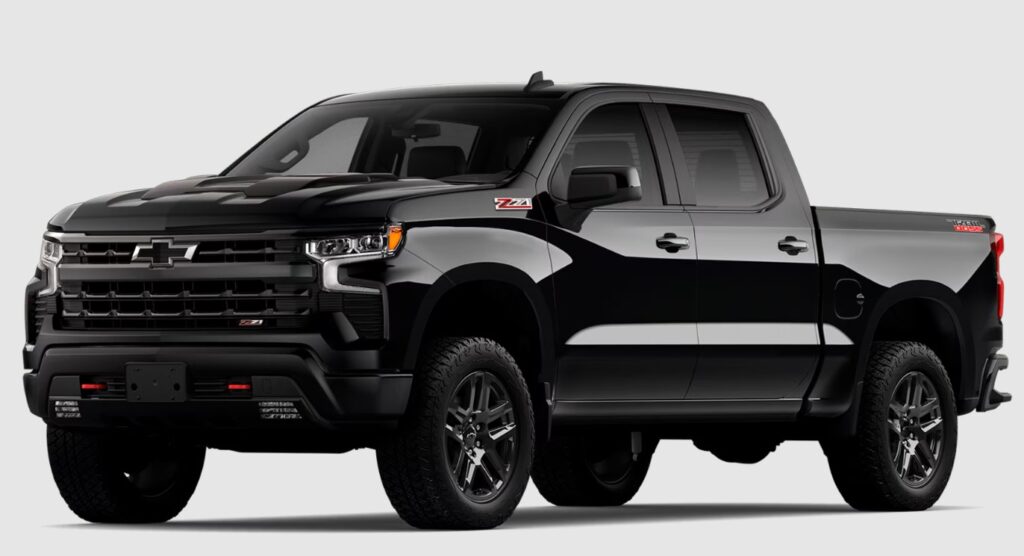
The Chevrolet Silverado has earned its place as one of America’s most recognizable pickup trucks. It can tow a trailer, haul a week’s worth of equipment, crawl through rough terrain, and still handle the morning commute without feeling like farm machinery.
Yet even a strong truck can have a weak link.
For some Silverado owners, that weak link has been the transmission. Reports commonly mention delayed engagement, hard shifts, hesitation, slipping, shuddering, unusual noises, and sudden changes in shift quality. These symptoms can feel alarming, especially when a truck that once shifted smoothly begins behaving like it cannot decide which gear it wants.
The tricky part is that Chevrolet Silverado transmission issues do not all have the same cause. A minor software or fluid problem can imitate a failing torque converter. An engine misfire can feel like transmission shudder. A damaged valve body can produce symptoms that resemble worn internal clutches.
In other words, diagnosing the problem without testing is like throwing darts in a dark garage.
In this guide, we will explore the Silverado transmissions most commonly discussed, the symptoms owners should recognize, the possible causes, the model years that deserve extra attention, and the smartest repair strategies.
Content in this publication
- Are Chevrolet Silverado Transmission Issues Common?
- Which Transmissions Are Used in the Chevrolet Silverado?
- Most Common Chevrolet Silverado Transmission Symptoms
- 1. Hard or Harsh Shifting
- 2. Transmission Shudder or Vibration
- 3. Delayed Engagement Into Drive or Reverse
- 4. Transmission Slipping
- 5. Shift Flare Between Gears
- 6. Clunking During Downshifts
- 7. Transmission Overheating
- 8. Transmission Fluid Leaks
- 9. Check Engine Light or Transmission Warning
- 10. Limp Mode or Limited Gears
- What Causes Silverado Transmission Problems?
- Which Chevrolet Silverado Years Have More Transmission Complaints?
- How Are Chevrolet Silverado Transmission Issues Diagnosed?
- Can a Transmission Fluid Change Fix the Problem?
- Chevrolet Silverado Transmission Repair Options
- Can We Keep Driving With Transmission Problems?
- How to Prevent Silverado Transmission Problems
- How to Inspect a Used Silverado Before Buying
- Is the Chevrolet Silverado Still a Good Truck?
- Final Thoughts on Chevrolet Silverado Transmission Issues
- Frequently Asked Questions
- 1. What is the most common Chevrolet Silverado transmission issue?
- 2. Why does my Silverado shift hard when it is cold?
- 3. Will changing the transmission fluid stop Silverado shudder?
- 4. How do I know whether my Silverado transmission is failing?
- 5. Should I buy a Silverado that has already had its transmission replaced?
Are Chevrolet Silverado Transmission Issues Common?
Transmission complaints are not present in every Silverado, and we should not assume that every truck will eventually experience a major failure. Many Silverados travel substantial distances with their original transmissions when they receive proper maintenance and are not constantly overloaded.
However, certain transmission families have generated recurring complaints and manufacturer service information.
General Motors has published technical guidance addressing conditions such as torque-converter-clutch shudder, harsh shifting, delayed engagement, and internal clutch diagnosis. For example, GM service bulletins have described shudder occurring under light acceleration and have provided fluid-exchange or diagnostic procedures for affected eight-speed transmissions.
This distinction matters:
- A technical service bulletin, or TSB, helps technicians diagnose and repair a known condition.
- A recall addresses a safety-related defect and normally applies only to specific vehicles.
- An owner complaint describes an individual experience and does not prove that every truck shares the same defect.
Before assuming a Silverado is covered by a recall, owners should check the truck’s 17-character VIN using Chevrolet or NHTSA recall tools. NHTSA specifically recommends using the VIN because recall eligibility depends on the individual vehicle, not merely its model year.
Which Transmissions Are Used in the Chevrolet Silverado?
The Silverado name covers several generations, engine choices, weight classes, and transmission designs. Consequently, two trucks from the same model year may not have the same gearbox.
Depending on the year and configuration, Silverado models have used:
- Four-speed automatic transmissions
- Six-speed automatic transmissions
- Eight-speed automatic transmissions
- Ten-speed automatic transmissions
- Allison-branded or Allison-associated heavy-duty transmissions
- Manual transmissions in certain older configurations
The transmission installed in a particular truck depends on its engine, drivetrain, cab configuration, gross vehicle weight rating, and production period.
Older Four-Speed Automatics
Older Silverado 1500 trucks commonly used variants from GM’s four-speed automatic family. These transmissions are mechanically simpler than newer eight- and ten-speed units, but age, heat, towing, and neglected fluid can still wear them down.
Typical concerns include:
- Slipping between gears
- Slow engagement into Drive or Reverse
- Hard 1–2 shifts
- Loss of higher gears
- Torque-converter failure
- Burned transmission fluid
- Internal clutch wear
Because these trucks are now older, condition matters more than mileage alone. A well-maintained high-mileage unit may be healthier than a lower-mileage transmission that spent years towing beyond its comfort zone.
Six-Speed Silverado Transmissions
Six-speed automatics became common across Silverado configurations and delivered better gearing, improved highway efficiency, and stronger towing performance than older four-speed designs.
Nevertheless, owners may encounter:
- Harsh downshifts
- Delayed engagement
- Torque-converter shudder
- Valve-body wear
- Solenoid faults
- Overheating
- Failure of internal clutch components
These transmissions often give warning signs before complete failure. A small flare during an upshift, for instance, may gradually become a pronounced slip if the underlying issue is ignored.
Eight-Speed Silverado Transmissions
The eight-speed automatic is at the center of many online discussions about Chevrolet Silverado transmission problems.
The most recognizable complaint is often described as a vibration resembling driving over rumble strips. It may occur during light acceleration at moderate road speeds when the torque-converter clutch is attempting to apply.
GM issued service information describing shake or shudder during light-throttle operation and procedures involving the transmission fluid and additional diagnosis. One bulletin stated that vehicles presented with torque-converter-clutch shudder should receive the appropriate fluid-exchange procedure before technicians move deeper into diagnosis.
Other reported eight-speed symptoms include:
- Clunking into gear
- Abrupt upshifts
- Harsh downshifts
- Hesitation after slowing down
- Delayed Reverse engagement
- Shift hunting
- Surging at steady speed
- Inconsistent behavior when cold
A fluid exchange may correct some shudder conditions, but it cannot restore worn clutch material, repair a damaged valve body, or rebuild a failing torque converter. That is why proper diagnosis remains essential.
Ten-Speed Silverado Transmissions
The ten-speed automatic provides closely spaced ratios intended to keep the engine within an efficient and productive operating range. When everything works correctly, the transmission can shift almost invisibly.
However, more gears also mean more operating strategies, clutch applications, hydraulic commands, and software decisions.
Complaints may involve:
- Rough low-speed shifts
- Harsh 1–2 or 2–3 changes
- Hesitation before acceleration
- Unwanted gear hunting
- Delayed engagement
- Clunks during downshifts
- Adaptive shift behavior that feels inconsistent
- Internal mechanical faults in isolated cases
Some low-speed shifting sensations may improve as the transmission completes its adaptive learning process. Persistent banging, slipping, warning lights, or loss of propulsion should never be dismissed as normal adaptation.
Most Common Chevrolet Silverado Transmission Symptoms
The transmission rarely sends a handwritten invitation before it fails. Instead, it whispers through vibrations, delays, noises, temperature changes, or altered shift behavior.
Recognizing those whispers early may prevent a smaller fault from becoming a complete rebuild.
1. Hard or Harsh Shifting
A hard shift feels like someone bumped the truck from behind. It may occur during acceleration, deceleration, or the initial engagement of Drive or Reverse.
Potential causes include:
- Incorrect or degraded fluid
- Valve-body wear
- Faulty shift solenoids
- Pressure-control problems
- Software calibration issues
- Worn internal clutch packs
- Adaptive shift values that need relearning
- Engine or driveline movement caused by worn mounts
GM has released diagnostic information for harsh-shift complaints involving eight-speed transmissions, illustrating why technicians should evaluate operating data rather than immediately replacing major parts.
When Is a Firm Shift Normal?
A slightly firmer shift may occur when the transmission is cold, the truck is towing, Tow/Haul mode is active, or the powertrain is adapting after repairs or battery disconnection.
A violent bang, repeated slip, warning message, or rapidly worsening condition is not something we should normalize.
2. Transmission Shudder or Vibration
Shudder is one of the most frequently discussed Silverado symptoms. Drivers often compare it to crossing pavement grooves or a rumble strip.
It may appear:
- During light acceleration
- At steady cruising speeds
- When the torque-converter clutch applies
- While climbing a mild incline
- After the transmission reaches operating temperature
Possible causes include degraded fluid characteristics, torque-converter-clutch instability, converter wear, engine misfires, driveline vibration, or tire-related issues.
GM’s technical guidance notes that some complaints can arise from transmission or engine concerns and that certain low-speed sensations may be normal, reinforcing the importance of separating genuine converter shudder from other vibrations.
How Can We Distinguish Shudder From an Engine Misfire?
A transmission shudder often appears within a narrow speed, load, or gear range. An engine misfire may also occur at idle, under heavier acceleration, or across a broader operating range.
A technician can compare:
- Misfire counters
- Engine speed fluctuations
- Torque-converter slip speed
- Commanded gear
- Throttle position
- Vehicle speed
- Transmission temperature
Guesswork alone cannot provide the same clarity.
3. Delayed Engagement Into Drive or Reverse
The driver selects Drive, but the truck pauses before moving. Then the gear may engage with a thud.
This can result from:
- Low fluid caused by a leak
- Internal seal leakage
- Valve-body problems
- Pump wear
- Pressure loss
- Clutch damage
- Torque-converter drain-back
- Calibration or control issues
A delay that lasts only a fraction of a second under specific cold-start conditions may not indicate catastrophic failure. A delay that becomes longer, harsher, or more frequent deserves immediate investigation.
4. Transmission Slipping
Slipping occurs when engine speed rises but vehicle speed does not increase proportionally.
It can feel as though the truck briefly entered Neutral before finding the next gear.
Common causes include:
- Worn clutch packs
- Low hydraulic pressure
- Incorrect fluid level
- Burned fluid
- Damaged seals
- Solenoid problems
- Valve-body wear
- Internal mechanical failure
Slipping generates heat, and heat accelerates wear. Continuing to tow or drive aggressively with a slipping transmission is like running on an injured ankle—it usually turns a manageable problem into a larger one.
5. Shift Flare Between Gears
A flare is a temporary rise in engine rpm during an upshift. Instead of moving directly from one gear to the next, the transmission appears to release one clutch before the next clutch fully applies.
A single mild flare under unusual conditions may be difficult to interpret. Repeated flares usually justify diagnosis.
Potential causes include:
- Clutch wear
- Hydraulic pressure loss
- Valve-body leakage
- Solenoid performance problems
- Incorrect adaptation values
- Internal seal deterioration
6. Clunking During Downshifts
A clunk when approaching a stop may feel like the transmission has suddenly dropped into a lower gear.
The transmission may indeed be involved, but we should also inspect:
- Driveshaft slip joints
- Universal joints
- Differential backlash
- Engine mounts
- Transmission mounts
- Transfer-case components
- Suspension movement
Not every clunk comes from inside the gearbox. Replacing a transmission without inspecting the driveline would be an expensive way to learn that lesson.
7. Transmission Overheating
Heavy towing, high ambient temperatures, steep grades, oversized tires, restricted cooling, or internal slip can push transmission temperatures upward.
Warning signs may include:
- A high-temperature message
- Reduced performance
- Harsh or delayed shifting
- A hot or burned smell
- Darkened fluid
- Temporary limp mode
The owner’s manual should guide towing practices, fluid specifications, and maintenance requirements for the exact configuration. Chevrolet advises owners to consult the model-specific maintenance schedule for transmission-fluid service rather than relying on a universal interval.
8. Transmission Fluid Leaks
Modern automatic transmissions generally should not consume fluid. If the fluid level is low, we should search for a leak rather than simply topping it off repeatedly.
Chevrolet states that a leak is the reason for transmission fluid loss and recommends having it repaired promptly. The company also notes that many modern units do not use a traditional owner-accessible dipstick procedure.
Possible leak locations include:
- Transmission pan
- Cooler lines
- Electrical connector seals
- Input or output shaft seals
- Case joints
- Transfer-case interface
- Radiator or external cooler connections
9. Check Engine Light or Transmission Warning
The control module may store trouble codes when it detects excessive slip, incorrect gear ratios, solenoid faults, temperature problems, or communication errors.
Common code categories may relate to:
- Shift-solenoid performance
- Torque-converter-clutch operation
- Pressure control
- Gear-ratio errors
- Transmission temperature
- Control-module communication
A basic code reader can identify some powertrain codes, but professional scan equipment provides live data and manufacturer-specific information that generic readers may miss.
10. Limp Mode or Limited Gears
Limp mode protects the powertrain by limiting available gears or engine output after the system detects a serious fault.
The truck may:
- Remain in one gear
- Accelerate slowly
- Refuse manual shift commands
- Display warning messages
- Shift harshly
- Limit engine power
Restarting the vehicle may temporarily restore normal operation, but it does not erase the cause. The stored diagnostic information should be scanned before repeated driving.
What Causes Silverado Transmission Problems?
Transmission failure is rarely caused by one universal design flaw. Several mechanical, electronic, thermal, and maintenance factors can produce similar symptoms.
Degraded or Incorrect Transmission Fluid
Automatic transmission fluid is not merely a lubricant. It also transfers hydraulic pressure, manages heat, influences clutch engagement, and affects torque-converter behavior.
As fluid deteriorates, shift quality may change. Using the wrong specification can also create problems.
This is especially important because different Silverado transmissions may require different fluid types and service procedures. We should never choose fluid solely because the bottle says “universal.”
Torque Converter Wear
The torque converter transfers engine power into the transmission while allowing the engine to remain running when the truck is stopped.
Its internal lockup clutch improves efficiency at cruising speeds. When that clutch cannot apply smoothly, the driver may feel shuddering, surging, or vibration.
Ignoring converter wear can circulate debris through the transmission, potentially contaminating the cooler and damaging other components.
Valve-Body and Solenoid Faults
The valve body acts like the transmission’s hydraulic traffic controller. It routes fluid pressure to the correct clutch circuits.
Wear, contamination, sticking valves, damaged passages, or faulty solenoids can cause:
- Harsh shifts
- Delayed engagement
- Missing gears
- Shift timing errors
- Flare
- Limp mode
A valve-body problem may sometimes be repairable without rebuilding the entire transmission, provided internal clutch damage has not already occurred.
Software and Adaptive Shift Values
Modern transmissions learn from driving conditions and component behavior. They adjust clutch timing and pressure to maintain shift quality.
After repairs, module updates, battery disconnection, or component replacement, the truck may require:
- Updated calibration
- Adaptive reset
- Fast-learn procedure
- Controlled relearning drive
- Verification of fluid level at the specified temperature
Simply clearing codes may not complete the repair.
Heat and Heavy-Duty Use
Heat is a transmission’s quiet enemy.
Towing near maximum capacity, climbing mountains, plowing snow, carrying heavy payloads, or running larger-than-stock tires can increase stress. When combined with old fluid or restricted cooling, internal wear may accelerate.
Tow/Haul mode is not decorative. It changes shift strategy to better manage loads and reduce unnecessary gear hunting.
Neglected Maintenance
Some owners hear the phrase “lifetime fluid” and interpret it as “fluid that lasts forever.” Unfortunately, no fluid is immortal.
Service needs depend on:
- Model year
- Transmission type
- Towing frequency
- Climate
- Operating temperature
- Payload
- Stop-and-go driving
- Off-road use
The correct interval should come from the owner’s manual and the schedule that applies to normal or severe operation.
Which Chevrolet Silverado Years Have More Transmission Complaints?
It would be misleading to label every truck from a particular year as defective. Production changes can occur during a model year, and different engines may use different transmissions.
Still, shoppers often pay closer attention to several broad periods.
Early and Mid-2000s Silverado Models
Older four-speed trucks may experience age-related wear, especially after years of towing or poor maintenance.
Watch for:
- Slipping
- Delayed Reverse
- Hard 1–2 shifts
- Burned fluid
- Loss of overdrive
- Repeated rebuild history
At this age, maintenance records and a careful inspection matter more than the badge on the tailgate.
Silverado Models With Six-Speed Automatics
Six-speed units have appeared across a wide span of Silverado years and applications. Complaints can include torque-converter wear, harsh shifts, and internal clutch failure.
Because the transmission’s health depends heavily on use, we should ask whether the truck has:
- Pulled heavy trailers
- Used oversized tires
- Been tuned
- Operated commercially
- Received fluid service
- Overheated
- Had prior transmission repairs
Silverado Models With Eight-Speed Automatics
Silverados equipped with certain eight-speed units deserve careful test-driving because of the well-documented service attention surrounding shudder and harsh shift complaints.
GM bulletins have discussed torque-converter-clutch shudder, fluid exchange, repeat diagnosis, harsh shifting, and internal clutch identification.
That does not mean every eight-speed truck is troublesome. It means buyers should verify that the transmission shifts correctly when both cold and fully warmed.
Newer Ten-Speed Silverado Models
Ten-speed trucks can display low-speed shift behavior that feels busier than an older four- or six-speed automatic. Some characteristics may be related to adaptive operation, while others point to calibration, valve-body, converter, or internal concerns.
Because newer trucks contain more software integration, checking for updated calibrations and completed service campaigns is particularly important.
How Are Chevrolet Silverado Transmission Issues Diagnosed?
A responsible diagnosis should proceed in stages rather than jumping immediately to replacement.
Step 1: Verify the Complaint
The technician should reproduce the symptom under similar conditions:
- Cold or hot
- Light or heavy throttle
- Uphill or level road
- Towing or unloaded
- Specific road speed
- Specific gear
- Drive or Reverse engagement
Descriptions such as “it shifts badly” are less useful than “it shudders at 45–55 mph under light throttle after 20 minutes of driving.”
Step 2: Scan All Relevant Modules
A full-system scan can reveal:
- Active codes
- Pending codes
- History codes
- Misfire data
- Gear commands
- Slip values
- Pressure commands
- Temperature data
- Communication faults
Clearing codes before documenting them can erase valuable clues.
Step 3: Inspect Fluid and Leaks
Technicians should verify the fluid according to the correct temperature-dependent procedure.
They may examine:
- Fluid level
- Fluid condition
- Odor
- Metal contamination
- Clutch debris
- External leaks
Extremely dark fluid or visible metal suggests more than a simple software problem.
Step 4: Check Software and Service Information
The repair facility should identify applicable:
- Technical service bulletins
- Calibration updates
- Diagnostic procedures
- Warranty extensions
- Recalls
- Special coverage programs
Eligibility must be confirmed using the VIN and current manufacturer information.
Step 5: Separate Engine, Driveline, and Transmission Symptoms
A road-speed vibration might come from tires or a driveshaft. A load-related shake might be an engine misfire. A clunk may involve a mount or universal joint.
Testing prevents expensive misdiagnosis.
Useful Questions to Ask the Repair Shop
- Which transmission code or data value supports the diagnosis?
- Was the symptom reproduced?
- Was the fluid level checked at the specified temperature?
- Are there applicable GM bulletins or software updates?
- Was the cooler inspected for contamination?
- Does the repair include a relearn procedure?
- What warranty covers the parts and labor?
Can a Transmission Fluid Change Fix the Problem?
Sometimes—but not always.
A properly performed fluid exchange may improve a shudder condition caused by degraded fluid characteristics. GM has specifically published fluid-related procedures for certain eight-speed shudder complaints.
However, fluid cannot repair:
- Burned clutch packs
- Broken hard parts
- Severely worn valve-body bores
- Failed bearings
- Damaged gears
- A mechanically failing torque converter
- Heavy internal contamination
We should also distinguish a controlled manufacturer-approved fluid exchange from an aggressive generic flush performed without regard to transmission type or condition.
Chevrolet Silverado Transmission Repair Options
The correct repair depends on the failure stage.
Software Update and Relearn
Appropriate when testing indicates a calibration or adaptation issue without mechanical damage.
Fluid Service
Potentially appropriate for specific fluid-related symptoms, routine maintenance, or manufacturer-directed repair procedures.
Valve-Body or Solenoid Repair
Useful when hydraulic control components are faulty but the internal clutches and hard parts remain serviceable.
Torque Converter Replacement
May be necessary when converter shudder persists or internal converter damage is confirmed.
The cooler and lines may also require careful cleaning or replacement to prevent contaminated fluid from damaging the new converter.
Transmission Rebuild
A rebuild generally includes disassembly, inspection, replacement of worn components, and reassembly to specification.
The quality of a rebuild depends heavily on:
- Technician expertise
- Parts quality
- Machine work
- Updated components
- Cooler cleaning
- Warranty coverage
Remanufactured Transmission
A remanufactured unit is rebuilt in a controlled production setting and may include design updates and standardized testing.
It can cost more than a local rebuild, but the warranty may be broader.
Used Transmission
A used unit may offer the lowest initial price, but its history is often unknown. Mileage alone does not reveal whether it spent its life towing, overheating, or shifting poorly.
A used transmission makes more sense when it includes verifiable mileage, compatibility confirmation, and meaningful warranty protection.
Can We Keep Driving With Transmission Problems?
That depends on the symptom.
Stop driving and arrange professional assistance when the truck:
- Loses propulsion
- Slips severely
- Overheats
- Leaks fluid rapidly
- Makes grinding noises
- Will not engage Drive or Reverse
- Enters limp mode repeatedly
- Produces a burning smell
- Displays a serious transmission warning
A mild, intermittent shift concern may allow a careful trip to a repair facility, but towing and hard acceleration should be avoided until the truck is diagnosed.
How to Prevent Silverado Transmission Problems
No maintenance plan can eliminate every mechanical failure, but sensible habits can reduce risk.
Follow the Correct Service Schedule
Use the owner’s manual for the exact year, engine, drivetrain, and transmission. Chevrolet directs owners to the vehicle-specific maintenance schedule for fluid replacement guidance.
Use the Exact Fluid Specification
The fluid must match GM’s required specification. Similar color does not mean similar chemistry.
Repair Leaks Quickly
Low fluid can reduce hydraulic pressure and lubrication. A small leak can eventually become an expensive internal failure.
Use Tow/Haul Mode Appropriately
Tow/Haul mode modifies shift operation for heavy loads and can reduce excessive hunting.
Respect Towing and Payload Limits
A truck’s advertised maximum applies only when it is properly configured. Engine, axle ratio, cab style, hitch equipment, payload, and trailer setup all matter.
Watch Transmission Temperature
Higher temperatures under load deserve attention. If the truck consistently runs hotter than expected, inspect the cooling system, fluid condition, trailer setup, and transmission operation.
Avoid Unsupported Performance Tuning
Engine and transmission tuning can change torque management, line pressure, shift timing, and clutch loading. Aggressive calibrations may shorten component life and complicate warranty claims.
How to Inspect a Used Silverado Before Buying
A ten-minute drive around the dealership is not enough.
Ask to test the truck from a cold start. Then drive it long enough for the transmission to reach operating temperature.
Pay attention to:
- Initial Drive and Reverse engagement
- 1–2 and 2–3 upshifts
- Downshifts while slowing
- Light-throttle cruising
- Moderate acceleration
- Highway operation
- Shudder on slight inclines
- Clunks when stopping
- Warning lights
- Fluid leaks
- Burned odors
Request service records and ask specifically about:
- Transmission-fluid service
- Torque-converter replacement
- Valve-body work
- Software updates
- Complete transmission replacement
- Towing history
- Overheating events
Finally, arrange a pre-purchase inspection with a technician familiar with GM trucks. The cost of an inspection is tiny compared with the cost of discovering a failing transmission one week after purchase.
Is the Chevrolet Silverado Still a Good Truck?
Yes, the Silverado can still be a strong buying choice.
Its transmission history should encourage careful shopping, not automatic rejection. Every full-size truck platform has mechanical patterns worth investigating. What matters is identifying the exact transmission, understanding its service history, and testing the individual vehicle.
A Silverado with documented maintenance, clean operating data, smooth shifts, and no signs of overheating may be a much safer purchase than a cheaper truck with vague records and a freshly cleared dashboard.
We should buy the condition, not merely the model year.
Final Thoughts on Chevrolet Silverado Transmission Issues
Chevrolet Silverado transmission issues can range from minor calibration concerns to serious internal failure. The most common warning signs include hard shifting, shuddering, slipping, delayed engagement, overheating, fluid leakage, and inconsistent gear changes.
Eight-speed models receive substantial attention because of torque-converter-clutch shudder and harsh shift complaints addressed in GM service information. Six-speed, ten-speed, and older four-speed units can develop their own problems, particularly when exposed to heat, heavy towing, poor maintenance, or long-term wear.
The smartest response is neither panic nor denial.
Document the symptom. Scan the modules. Verify the fluid correctly. Check current manufacturer information by VIN. Separate engine and driveline faults from true transmission problems. Then choose the repair supported by evidence.
A transmission should work like a practiced dance partner—smooth, predictable, and nearly unnoticed. When it starts stepping on our toes, early diagnosis can make the difference between a modest repair and a complete replacement.
Frequently Asked Questions
1. What is the most common Chevrolet Silverado transmission issue?
Shuddering and harsh shifting are among the most frequently discussed symptoms, particularly on some trucks equipped with eight-speed automatic transmissions. The exact cause may involve fluid characteristics, torque-converter operation, calibration, hydraulic controls, or internal wear.
2. Why does my Silverado shift hard when it is cold?
Cold fluid is thicker, and the transmission may use a different shift strategy during warm-up. A slightly firmer shift can occur, but repeated banging, slipping, long engagement delays, or warning lights should be diagnosed.
3. Will changing the transmission fluid stop Silverado shudder?
A manufacturer-approved fluid exchange may correct certain fluid-related shudder conditions, particularly when performed according to the applicable GM procedure. It will not repair a worn torque converter or damaged internal clutches.
4. How do I know whether my Silverado transmission is failing?
Common warning signs include repeated slipping, rpm flare, delayed Drive or Reverse engagement, burnt-smelling fluid, metal contamination, overheating, loss of gears, persistent shudder, and transmission-related diagnostic codes.
5. Should I buy a Silverado that has already had its transmission replaced?
A replacement is not automatically negative. Verify why it was replaced, who performed the work, whether the cooler and related components were serviced, which replacement unit was installed, and how much warranty remains. A documented professional replacement may be preferable to an original transmission already showing symptoms.
If you want to know other articles similar to Chevrolet Silverado Transmission Issues: Symptoms, Causes, and Solutions you can visit the category Common Problems.
Volvo S90 Common Problems: Reliability & Repair Guide
Volvo S90 No Sound: Causes, Fixes and Solutions

Nissan Rogue Smells Like Gas: Causes and Fixes
Vauxhall Agila Problems: Common Faults & Fixes

Kia Sorento Jerking When Accelerating: Causes & Fixes

Jaguar F-Pace Low Battery: Causes, Warning Signs, and How to Fix It
Leave a Reply
More content of your interest