
How Many Miles Does a GMC Sierra Last? A Complete Longevity Guide

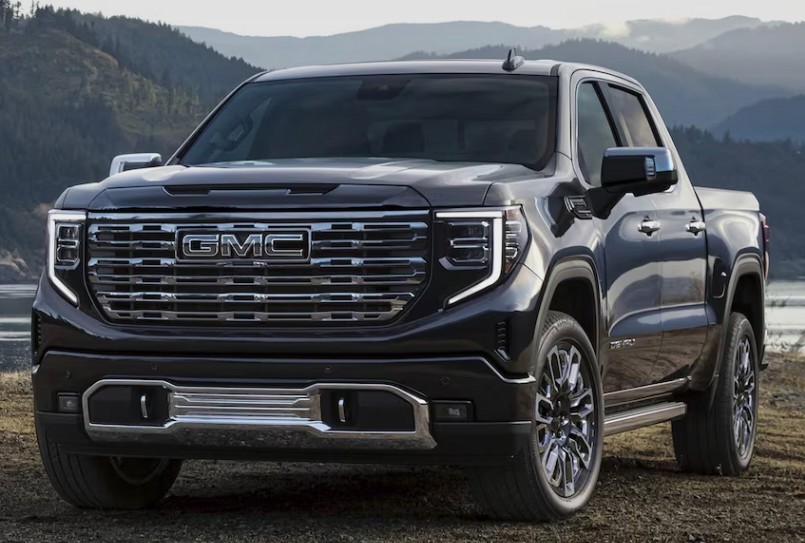
A GMC Sierra can typically last 200,000 to 250,000 miles when it receives consistent maintenance and sensible treatment. Well-cared-for examples may reach 300,000 miles or more, while neglected trucks can develop expensive problems before passing 150,000 miles.
That is the simple answer—but mileage alone never tells the whole story.
A Sierra that has traveled 180,000 relaxed highway miles may be healthier than one with 90,000 miles spent towing overloaded trailers, idling at job sites, crawling through mud, and missing oil changes. Trucks age according to how they work, not merely how far they travel.
Available vehicle-longevity data illustrates this difference. iSeeCars estimates the Sierra 1500’s average lifespan at roughly 172,000 miles, while giving it about a one-in-three chance of reaching 200,000 miles. Those figures reflect the broader used-vehicle population, including trucks that were damaged, neglected, poorly maintained, or retired for economic reasons—not the absolute mechanical limit of a properly maintained Sierra.
So, can a GMC Sierra last 20 years? Can it cross 300,000 miles without becoming a financial sinkhole? And when does a high-mileage Sierra stop being worth repairing?
Let’s open the hood and find out.
Content in this publication
- How Many Miles Can a GMC Sierra Last on Average?
- Can a GMC Sierra Reach 300,000 Miles?
- How Long Does a GMC Sierra 1500 Last?
- Which GMC Sierra Engine Lasts the Longest?
- Does the Transmission Last as Long as the Engine?
- What Determines How Many Miles a GMC Sierra Lasts?
- GMC Sierra Lifespan by Mileage Stage
- How to Make a GMC Sierra Last 250,000 Miles
- Is a High-Mileage GMC Sierra Worth Buying?
- Is It Worth Repairing a Sierra With 200,000 Miles?
- How Does the GMC Sierra Compare With Other Trucks?
- The Real Answer: How Many Miles Does a GMC Sierra Last?
- Conclusion
- Frequently Asked Questions
How Many Miles Can a GMC Sierra Last on Average?
Most GMC Sierra trucks fall into one of four broad lifespan ranges:
| Sierra condition | Likely usable lifespan |
|---|---|
| Poorly maintained or heavily abused | 100,000–150,000 miles |
| Averagely maintained | 150,000–200,000 miles |
| Well maintained | 200,000–250,000 miles |
| Exceptionally maintained | 250,000–300,000+ miles |
These are practical expectations rather than guarantees. No manufacturer can stamp an expiration date onto a truck because operating conditions vary dramatically.
A Sierra used for gentle commuting in a dry climate lives a very different life from one that plows snow, launches boats in saltwater, or pulls a fifth-wheel trailer through mountain passes.
The most realistic answer is that 200,000 miles is an achievable target, not an automatic outcome. Reaching it depends on preventive maintenance, powertrain choice, driving conditions, repair quality, and a little mechanical luck.
What Does 200,000 Miles Mean in Years?
Annual mileage determines how quickly a truck reaches the high-mileage zone.
At different driving rates, 200,000 miles represents approximately:
- 8,000 miles per year: 25 years
- 10,000 miles per year: 20 years
- 12,000 miles per year: nearly 17 years
- 15,000 miles per year: about 13 years
- 20,000 miles per year: 10 years
- 25,000 miles per year: 8 years
Time creates its own problems, however. A 20-year-old truck with only 100,000 miles may still need rubber hoses, seals, suspension bushings, wiring, weather stripping, and cooling-system components.
Low mileage does not freeze a vehicle in time. A truck can sit quietly and still age, rather like a house that develops leaks even when nobody walks through the rooms.
Can a GMC Sierra Reach 300,000 Miles?
Yes, a GMC Sierra can reach 300,000 miles, but we should treat that figure as an achievement rather than a baseline expectation.
To travel that far, a Sierra will usually need:
- Frequent oil and filter changes
- Proper cooling-system maintenance
- Timely transmission servicing
- Repairs completed before small faults spread
- Limited overheating
- Sensible towing practices
- Rust prevention
- Quality replacement parts
- An owner willing to invest in the truck
The original engine and transmission may survive to 300,000 miles, particularly when most driving occurs on open highways. Nevertheless, many trucks will require significant work along the way.
That could include a transmission rebuild, differential repairs, fuel-system components, water pumps, wheel bearings, suspension parts, air-conditioning work, or internal engine repairs.
A 300,000-mile Sierra does not necessarily reach that point without repairs. It reaches that point because someone decided the truck was worth repairing.
Is 400,000 Miles Possible?
It is possible, but unusual.
Some commercial and privately owned Sierras accumulate extremely high mileage because they travel long distances every day. Highway mileage generates less thermal cycling, shifting, braking, and suspension stress per mile than urban driving.
However, a 400,000-mile truck should be viewed as a survivor. Its continued existence may depend on replacement components rather than untouched factory hardware.
When owners say a truck “lasted 400,000 miles,” we should ask:
- Is the engine original?
- Has the transmission been rebuilt?
- Was the frame repaired?
- How many fuel pumps, alternators, or water pumps were replaced?
- Did it receive major suspension work?
- Was the odometer mileage mostly highway driving?
Those questions do not diminish the achievement. They simply give the number meaningful context.
How Long Does a GMC Sierra 1500 Last?
The GMC Sierra 1500 is generally capable of 200,000 miles or more when properly maintained. It is the light-duty member of the Sierra family and commonly serves as a commuter, family vehicle, recreational tow vehicle, and work truck.
Because the Sierra 1500 is often used more gently than heavy-duty models, many examples avoid the constant loads associated with commercial towing. On the other hand, its lighter-duty components can wear quickly when owners repeatedly exceed payload or towing limits.
Independent data currently estimates an average Sierra 1500 lifespan of approximately 172,000 miles. The same analysis suggests that about 32.6% may reach at least 200,000 miles during their usable lives.
That average should not be interpreted as a mechanical death sentence at 172,001 miles. Vehicles leave service for many reasons, including collisions, corrosion, repair costs, ownership changes, and regional inspection requirements.
A maintained Sierra 1500 that is rust-free and running well at 170,000 miles may still have plenty of road ahead.
How Long Does a GMC Sierra 2500HD Last?
A GMC Sierra 2500HD can often cover 200,000 to 300,000 miles, particularly when equipped and maintained for long-distance work.
Available iSeeCars data places the Sierra 2500HD’s average lifespan at roughly 196,000 miles and estimates a probability of about 46.6% of reaching 200,000 miles.
Heavy-duty trucks benefit from:
- Stronger frames
- Larger brakes
- Heavier suspension components
- Robust axles
- Powertrains engineered for sustained loads
- Greater cooling capacity
However, toughness can invite abuse. A 2500HD may spend its life pulling equipment, carrying tools, idling for hours, or operating on rough terrain. Its heavy-duty badge does not make maintenance optional.
A lightly used 2500HD can outlast many passenger vehicles. A severely overloaded work truck can feel exhausted surprisingly early.
How Long Does a GMC Sierra 3500HD Last?
A Sierra 3500HD can potentially exceed 300,000 miles, especially in long-haul or fleet use. Its commercial-grade design gives it an excellent foundation for longevity.
Yet the cost of keeping one alive can rise sharply with age. Diesel emissions systems, turbochargers, injectors, transfer cases, steering components, and dual-rear-wheel hardware can become expensive.
For a business, repairs may make sense because the truck generates income. For a private owner, the calculation may look different.
Mechanical life and economical life are not the same. A vehicle may remain repairable long after the cost of repairs exceeds its market value.
Which GMC Sierra Engine Lasts the Longest?
No engine survives purely because of its displacement or fuel type. Maintenance history matters more than an engine badge.
Still, certain powertrains may be better suited to particular ownership patterns.
GMC Sierra V8 Gas Engine Longevity
GMC’s V8-powered Sierras have traditionally appealed to owners who value straightforward power, familiar maintenance, and broad parts availability.
A maintained gas V8 may travel 200,000 to 250,000 miles, and some examples exceed 300,000 miles.
The keys are clean oil, a healthy cooling system, correct oil pressure, and immediate attention to unusual tapping, misfires, consumption, or warning lights.
Cylinder-deactivation systems have added complexity to some modern V8s. Certain older examples have experienced lifter-related concerns, while selected newer 6.2-liter engines became subject to safety action over possible crankshaft or connecting-rod manufacturing defects.
In April 2025, General Motors announced a major recall involving certain 2021–2024 Sierra 1500 trucks equipped with the 6.2-liter V8. Dealers were instructed to inspect affected engines and repair or replace them where necessary.
That does not mean every 6.2-liter Sierra will fail. It does mean buyers should verify the vehicle identification number, recall status, inspection history, and completed remedies before buying one.
Warning Signs a Gas V8 Needs Attention
Watch for:
You may be interested in reading Are Ford Ranger Reliable? A Complete Ownership Guide
- Ticking or tapping after startup
- Persistent low oil pressure
- Excessive oil consumption
- Repeated misfires
- Rough idle
- Metallic particles in used oil
- Knocking under load
- Blue exhaust smoke
- Coolant loss
- Unexplained overheating
A dashboard light is not the truck being dramatic. It is the truck sending a message before the repair bill learns to shout.
GMC Sierra Diesel Engine Longevity
A Duramax diesel Sierra can potentially last 250,000 to 350,000 miles or more, particularly when it regularly travels long distances under load.
Diesel engines are engineered around high compression, durable internal components, and sustained torque production. That makes them attractive to owners who tow frequently.
However, modern diesel ownership involves more than the engine block. High-pressure fuel equipment, turbochargers, diesel particulate filters, exhaust-gas recirculation hardware, sensors, and selective catalytic reduction systems all affect ownership costs.
A diesel may have a longer theoretical engine lifespan while being more expensive to maintain.
Short trips can be especially hard on modern diesel emissions systems because the exhaust may not remain hot enough to complete regeneration cycles consistently.
Diesel is often the strongest longevity choice when the truck:
- Tows regularly
- Travels long highway distances
- Receives fuel-filter service on time
- Uses high-quality diesel fuel
- Completes regeneration cycles
- Avoids excessive cold idling
- Is maintained by a diesel-competent technician
Diesel is not automatically the best choice for someone who drives four miles to the supermarket and back.
What About the Turbocharged Four-Cylinder?
The turbocharged gasoline four-cylinder found in newer Sierra 1500 trucks offers strong low-speed torque from a smaller package.
Its long-term lifespan depends heavily on oil quality, correct viscosity, turbocharger cooling, and service discipline. Turbocharged engines create significant heat and rely on clean oil to lubricate both the engine and turbocharger.
We should not assume that fewer cylinders automatically mean a shorter life. Modern commercial engines often use turbocharging successfully for hundreds of thousands of miles. Still, the smaller engine may work harder during frequent heavy towing.
Owners who tow near maximum capacity every week may prefer a powertrain with greater reserve. Owners who commute, haul occasionally, and maintain the truck carefully may find the smaller engine entirely suitable.
Does the Transmission Last as Long as the Engine?
Not always.
The transmission is frequently one of the largest expenses encountered during high-mileage truck ownership. Depending on generation, configuration, use, and service history, a Sierra transmission may require major attention somewhere between 120,000 and 200,000 miles.
Some last considerably longer. Others fail earlier after overheating, severe towing, incorrect fluid, neglected servicing, or existing design and manufacturing issues.
Common warning signs include:
- Delayed engagement
- Harsh shifts
- Slipping
- Shuddering under light acceleration
- Clunks when changing direction
- Unusual whining
- Transmission-temperature warnings
- Burnt-smelling fluid
- Fluid leaks
- Sudden limitation to one gear
Certain 2020–2022 Sierra trucks with diesel engines were included in a recall involving transmission control-valve wear that could lead to rear-wheel lockup in rare circumstances. Harsh shifting could appear before the more serious condition developed.
Before buying any used Sierra, checking open recalls is just as important as checking the oil.
Should You Change Transmission Fluid?
Follow the schedule and fluid specification for the exact model year, transmission, and operating conditions.
A truck that tows, plows, hauls, idles extensively, or operates in severe heat may require more frequent service than one used for ordinary highway commuting.
The popular belief that transmission fluid should never be changed can be misleading. Fresh, correct fluid helps control heat and wear. Nevertheless, aggressive flushing of a badly neglected high-mileage transmission can sometimes expose existing problems.
When the history is unknown, have a qualified technician inspect the fluid and transmission behavior before choosing a service method.
What Determines How Many Miles a GMC Sierra Lasts?
The odometer is only the final score. The following factors decide how the game unfolds.
1. Maintenance History
Maintenance records are often more valuable than low mileage.
A Sierra with documented oil changes, cooling-system work, transmission service, and timely repairs is usually a safer purchase than a lower-mileage truck with no paperwork.
GMC directs owners to the maintenance schedule and owner’s manual for model-specific inspections and fluid services.
Factory recommendations provide the baseline. Severe service may justify shorter intervals.
2. Towing and Payload
A Sierra is built to work, but every truck has limits.
Repeatedly exceeding the gross vehicle weight rating, payload rating, axle ratings, or towing limits can strain:
- Transmissions
- Brakes
- Wheel bearings
- Axles
- Differentials
- Cooling systems
- Tires
- Suspension components
- Frames
The trailer’s weight is only part of the equation. Tongue weight, passengers, tools, accessories, and cargo all consume payload capacity.
A truck can pull a heavy trailer and still be overloaded.
3. Highway Versus City Mileage
Highway miles are generally easier on a vehicle than city miles.
On the highway, the engine reaches stable operating temperature, the transmission shifts less frequently, and the brakes receive fewer applications.
Urban driving introduces:
- Frequent cold starts
- Stop-and-go shifting
- More braking
- Pothole impacts
- Extended idling
- Short trips
- Greater heat cycling
That is why a contractor’s 100,000-mile work truck may show more wear than a 160,000-mile truck used for interstate travel.
4. Climate and Corrosion
Rust can retire a Sierra while the engine still runs beautifully.
Trucks driven in regions with road salt deserve careful inspection around:
- Frame rails
- Brake lines
- Fuel lines
- Rocker panels
- Cab corners
- Wheel arches
- Suspension mounts
- Crossmembers
- Bed supports
- Trailer-hitch mounting points
Coastal environments can also accelerate corrosion, especially when vehicles are exposed to saltwater.
Regular underbody washing and professional corrosion protection can extend the practical life of a truck.
5. Modification Quality
A mild, properly engineered modification may not harm longevity. Poor modifications certainly can.
Oversized tires, extreme lifts, aggressive engine tuning, emissions alterations, and cheap electrical accessories can create stress far beyond the modified component.
Larger tires change effective gearing and place additional load on wheel bearings, steering parts, brakes, axles, and transmissions.
Power tunes increase heat and cylinder pressure. Extra torque feels exciting, but every mechanical component downstream receives the invitation.
6. Driving Style
Hard acceleration, abrupt braking, cold-engine revving, and constant high-speed towing shorten component life.
Gentle driving is not about crawling everywhere. It means allowing the engine to warm normally, avoiding unnecessary shock loads, and giving the transmission time to engage before applying heavy throttle.
A truck treated like a battering ram eventually remembers every impact.
GMC Sierra Lifespan by Mileage Stage
Understanding what usually happens at different mileage levels can help us plan expenses.
You may be interested in readingAre Ford Ranger Reliable? A Complete Ownership GuideYou may be interested in reading
Are Ford Ranger Reliable? A Complete Ownership GuideUnder 100,000 Miles
A maintained Sierra below 100,000 miles should generally remain in its prime, although age and model-specific defects still matter.
Possible needs include:
- Tires
- Brakes
- Battery
- Belts
- Filters
- Spark plugs on applicable engines
- Fluid services
- Minor suspension components
This is also when unresolved warranty work or recalls should be checked.
100,000 to 150,000 Miles
At this stage, wear becomes more visible.
Owners may encounter:
- Water-pump replacement
- Wheel-bearing wear
- Shock or strut replacement
- Engine-mount deterioration
- Oil leaks
- Sensor failures
- Cooling-system components
- Driveshaft or universal-joint wear
- Transfer-case or differential servicing
GMC advises having the differential and, on four-wheel-drive models, the transfer case inspected as the odometer approaches 100,000 miles. A fluid change may be recommended.
150,000 to 200,000 Miles
This is where maintenance history begins to speak loudly.
Potential expenses may include:
- Transmission repairs
- Fuel-pump replacement
- Alternator or starter replacement
- Air-conditioning work
- Steering components
- Suspension overhaul
- Oil-consumption repairs
- Exhaust-system repairs
- Diesel emissions-system work
- Electrical troubleshooting
A strong truck with good compression, stable oil pressure, a healthy frame, and a smooth transmission may continue well beyond 200,000 miles.
Over 200,000 Miles
A Sierra above 200,000 miles should be judged by condition rather than mileage stigma.
At this point, ask:
- Is the frame structurally sound?
- Does the engine maintain oil pressure?
- Is the transmission shifting correctly?
- Is coolant clean and stable?
- Does it overheat?
- Are repair records available?
- Are replacement parts still practical to source?
- Does the owner depend on it for daily work?
- Would one major repair exceed the truck’s value?
A 220,000-mile Sierra with recent suspension, cooling-system, brake, and transmission work may be more dependable than a neglected truck with 130,000 miles.
How to Make a GMC Sierra Last 250,000 Miles
Long life rarely comes from one dramatic repair. It comes from hundreds of ordinary decisions.
Follow These Essential Habits
- Change the oil on time.
Use the viscosity and specification required for the exact engine. - Check the oil level between services.
An engine can consume oil without leaving a puddle. - Protect the cooling system.
Replace deteriorated hoses, repair leaks, and never ignore overheating. - Service the transmission appropriately.
Heat and contaminated fluid are enemies of transmission life. - Maintain differentials and the transfer case.
Four-wheel-drive components need attention even when 4WD is rarely used. - Use quality filters and replacement parts.
The cheapest component can become expensive when it fails early. - Repair warning lights promptly.
A minor misfire can damage a catalytic converter if ignored. - Stay within payload and towing limits.
Capability ratings are ceilings, not daily targets. - Wash the underbody in salty climates.
Rust prevention is mechanical maintenance. - Keep records.
A simple folder of receipts makes troubleshooting and resale easier.
Do Not Ignore Small Changes
Drivers become familiar with how their trucks feel. That familiarity is a useful diagnostic tool.
Investigate changes such as:
- A new vibration
- Slower cranking
- A different shift pattern
- Reduced fuel economy
- A coolant smell
- Uneven tire wear
- Longer braking distances
- A faint ticking sound
- Steering looseness
- Intermittent electrical faults
Machines often whisper before they scream.
Is a High-Mileage GMC Sierra Worth Buying?
A high-mileage Sierra can be a smart purchase when its condition, history, and price align.
Do not reject a truck solely because it has crossed 150,000 miles. Equally, do not buy one merely because GMC Sierras have a reputation for durability.
Good Signs in a Used Sierra
Look for:
- Detailed service records
- Consistent ownership history
- Clean engine oil
- Smooth cold startup
- Stable idle
- Smooth shifting
- Even tire wear
- Dry cooling system
- Minimal frame corrosion
- Functional four-wheel drive
- No unexplained warning lights
- Completed recall work
- Evidence of careful towing setup
Red Flags to Avoid
Be cautious when you find:
- A freshly cleared check-engine light
- Heavy knocking or ticking
- Low oil pressure
- Harsh or delayed shifts
- Burnt transmission fluid
- Significant rust
- Coolant contamination
- Blue or white exhaust smoke
- Multiple poorly installed modifications
- Missing maintenance records
- Evidence of repeated overheating
- Mismatched tires
- Severe trailer-hitch wear
- A seller who refuses an inspection
A professional pre-purchase inspection is especially important once the truck has passed 100,000 miles.
The inspection may cost a little, but it can reveal a repair bill hiding beneath polished paint.
Is It Worth Repairing a Sierra With 200,000 Miles?
Sometimes it is. Sometimes it is not.
Suppose a rust-free Sierra with a strong engine needs a transmission rebuild. If the rest of the truck is healthy and replacement would cost substantially more, repairing it may be logical.
Now imagine a rusty truck that needs a transmission, suspension work, brake lines, tires, air-conditioning repairs, and engine work. Pouring money into it may be like patching a roof while the foundation sinks.
Consider:
- Current market value
- Repair cost
- Frame and body condition
- Engine health
- Transmission health
- Recent major repairs
- Future reliability needs
- Availability of alternative transportation
- Emotional or business value
Do not compare a repair bill only with the truck’s resale value. Compare it with the cost of obtaining another vehicle that serves the same purpose.
How Does the GMC Sierra Compare With Other Trucks?
The Sierra shares substantial engineering with the Chevrolet Silverado, so the two generally have similar longevity potential when equipped with comparable powertrains.
Against other full-size pickups, the Sierra remains competitive, but no brand owns a monopoly on high mileage.
Truck lifespan is shaped by:
- Model year
- Engine
- Transmission
- Duty cycle
- Manufacturing variation
- Maintenance
- Rust exposure
- Previous ownership
Brand reputation can guide our shortlist. Inspection history should make the final decision.
A famous badge cannot repair neglected oil changes.
The Real Answer: How Many Miles Does a GMC Sierra Last?
A sensible expectation for a GMC Sierra is 200,000 to 250,000 miles with proper maintenance.
A neglected or heavily abused truck may struggle before 150,000 miles. A carefully maintained Sierra used under favorable conditions may reach 300,000 miles or beyond.
The Sierra 1500’s broad-market average is lower than the optimistic 200,000-to-300,000-mile claims often repeated online, partly because real-world vehicles are retired for accidents, corrosion, neglect, and financial reasons. Current iSeeCars data estimates an average around 172,000 miles, while the heavier Sierra 2500HD approaches 196,000 miles on average.
Therefore, the best question is not simply, “How many miles are on it?”
We should ask, “What happened during those miles?”
A truck with thoughtful maintenance, moderate loads, clean fluids, and a solid frame has a fighting chance of becoming a 250,000-mile companion. One with missing records, harsh shifts, low oil pressure, and rust may already be near the finish line despite showing a far smaller number.
Conclusion
The GMC Sierra is capable of a long working life, but durability is not magic. It is a partnership between robust engineering and responsible ownership.
With regular maintenance, many Sierras can surpass 200,000 miles. Better-kept examples may reach 250,000 to 300,000 miles, while exceptional trucks can travel farther after receiving significant repairs and replacement components.
Oil changes matter. Cooling-system care matters. Transmission service matters. Towing habits matter. Rust protection matters. Even the way we accelerate on a cold morning matters.
Treat a Sierra like a disposable tool, and it may age quickly. Treat it like a long-term investment, and it can keep working after many ordinary vehicles have faded into memory.
Frequently Asked Questions
1. Is 200,000 miles a lot for a GMC Sierra?
Yes, 200,000 miles qualifies as high mileage, but it does not automatically mean the truck is worn out. A maintained Sierra with a solid frame, healthy engine, smooth transmission, and complete service history may continue operating for many more years.
2. Can a GMC Sierra last 20 years?
A GMC Sierra can last 20 years when protected from severe corrosion and maintained consistently. At 10,000 miles per year, a 20-year-old truck would have approximately 200,000 miles. Age-related rubber, electrical, cooling, and suspension components may require replacement even when mileage is relatively low.
3. Which lasts longer, a gas or diesel GMC Sierra?
A diesel Sierra often has greater maximum mileage potential, especially when used for regular towing and long-distance driving. However, diesel fuel and emissions systems can be costly to repair. A gas Sierra may be cheaper and more practical for light-duty driving, short trips, and lower annual mileage.
4. What is the highest mileage you should buy a used Sierra with?
There is no universal cutoff. A documented 170,000-mile Sierra may be a better purchase than a neglected 90,000-mile example. Above 150,000 miles, obtain a professional inspection and budget for age-related repairs. Condition, maintenance records, rust, and powertrain health matter more than an arbitrary mileage limit.
5. What usually fails first on a high-mileage GMC Sierra?
Wear depends on the model year and usage, but common high-mileage expenses can involve suspension components, wheel bearings, cooling-system parts, fuel pumps, transmissions, engine lifters, oil seals, transfer cases, differentials, sensors, and diesel emissions equipment. Regular inspections can prevent a small fault from damaging related components.
You may be interested in readingAre Ford Ranger Reliable? A Complete Ownership GuideYou may be interested in reading
Are Ford Ranger Reliable? A Complete Ownership GuideYou may be interested in reading
Which Ford Ranger Should I Buy? A Complete Buyer’s GuideIf you want to know other articles similar to How Many Miles Does a GMC Sierra Last? A Complete Longevity Guide you can visit the category Blog.
BYD Shark 6 Reliability: How Dependable Is This Hybrid Ute?
BYD Shark 6 Insurance Cost: What Should You Expect?

Mitsubishi Pajero Sport Reliability: Is It a Dependable SUV?
Mitsubishi Pajero Sport Years to Avoid: A Used Buyer’s Guide

Is Infiniti QX60 Reliable? A Complete Reliability Guide

Peugeot RCZ Insurance Group: Complete UK Guide
Leave a Reply
More content of your interest