
Nissan Note vs Honda Fit: Which Small Car Is Better?

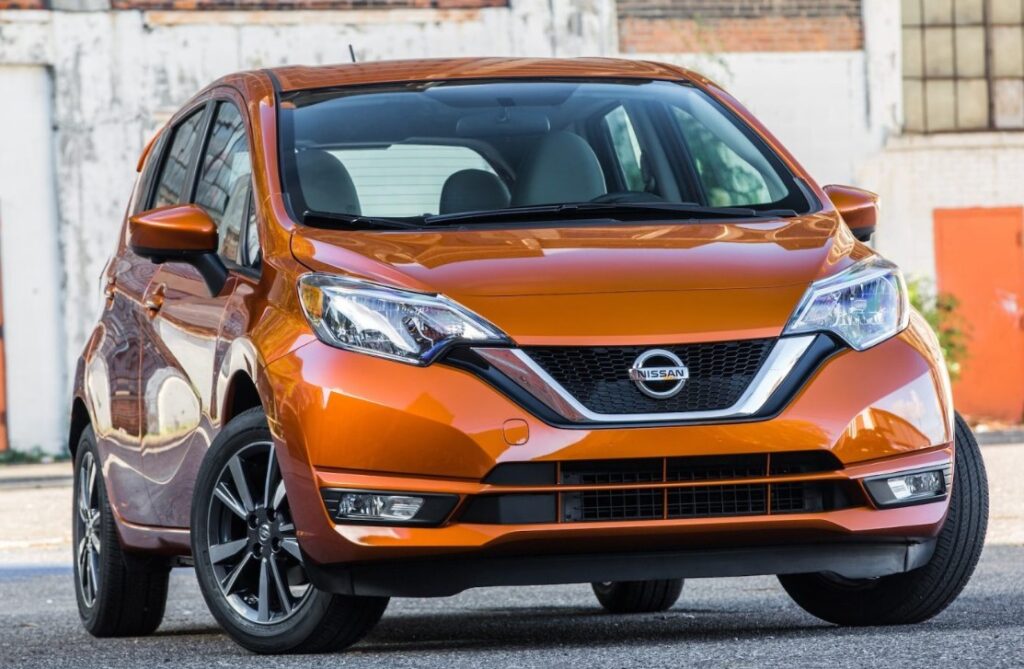
Choosing between the Nissan Note and Honda Fit can feel like comparing two cleverly designed backpacks. Both are compact on the outside, surprisingly roomy inside, inexpensive to run, and flexible enough for daily life. Yet once we unzip the details, we find two noticeably different personalities.
The Nissan Note generally focuses on comfort, easy urban driving, and—when equipped with Nissan’s e-POWER system—smooth electric-motor acceleration without requiring external charging. The Honda Fit, also sold as the Honda Jazz in many markets, builds its reputation around exceptional interior packaging, versatile rear seats, strong visibility, and predictable road manners.
So, which one deserves a place in our driveway?
The answer depends heavily on the model year, engine, transmission, trim, and country of origin. These cars have been sold across Japan, New Zealand, the United Kingdom, parts of Asia, and several other markets with different specifications. Rather than pretending every Note or Fit is identical, we will compare their broader strengths, common weaknesses, ownership experience, and suitability for different drivers.
Content in this publication
- Nissan Note vs Honda Fit at a Glance
- Understanding the Nissan Note
- Understanding the Honda Fit
- Exterior Size and Urban Practicality
- Interior Space: Which Car Feels Bigger?
- Honda Magic Seats vs Nissan Note Seating
- Boot Space and Cargo Usefulness
- Engine Options and Performance
- Nissan Note Petrol Performance
- Nissan Note e-POWER Performance
- Honda Fit Petrol Performance
- Which Car Is Faster?
- Fuel Economy Comparison
- Ride Comfort and Refinement
- Handling and Steering
- Safety Features
- Reliability: Nissan Note vs Honda Fit
- Common Nissan Note Concerns
- Common Honda Fit Concerns
- Transmission Comparison
- Technology and Infotainment
- Maintenance Costs
- Resale Value and Used-Car Demand
- Nissan Note vs Honda Fit for City Driving
- Nissan Note vs Honda Fit for Highway Driving
- Which Is Better for New Drivers?
- Which Is Better for Older Drivers?
- Which Is Better for Small Businesses?
- Nissan Note Advantages
- Nissan Note Disadvantages
- Honda Fit Advantages
- Honda Fit Disadvantages
- How to Choose the Right One
- Used-Car Inspection Checklist
- Nissan Note vs Honda Fit: Final Verdict
- Frequently Asked Questions
Nissan Note vs Honda Fit at a Glance
Before we dig into every corner, here is the broad picture:
| Category | Nissan Note | Honda Fit |
|---|---|---|
| Best known for | Comfortable urban driving and e-POWER technology | Outstanding interior flexibility |
| Cabin design | Conventional and user-friendly | Airy, clever, and highly adaptable |
| Rear-seat versatility | Good | Excellent |
| City performance | Strong, especially e-POWER models | Smooth, light, and easy to control |
| Highway character | Comfortable but generation-dependent | Stable and generally predictable |
| Fuel economy | Very good on efficient petrol and e-POWER models | Very good on petrol and hybrid models |
| Driving feel | Relaxed and refined | Light, agile, and practical |
| Used-car appeal | Strong value | Strong resale reputation |
| Main concern | Powertrain history and battery condition | CVT maintenance and higher asking prices |
| Best buyer | Urban commuter wanting comfort | Practical owner needing maximum cabin flexibility |
Neither vehicle wins every category. The Nissan often feels calmer and more sophisticated around town, while the Honda behaves like a miniature cargo van wearing hatchback clothes.
Understanding the Nissan Note
The Nissan Note sits somewhere between a traditional supermini and a small compact hatchback. It was designed to deliver more passenger room than its modest exterior dimensions might suggest.
Earlier generations commonly used small petrol engines paired with manual or continuously variable transmissions. Later Japanese-market versions became closely associated with e-POWER, Nissan’s series-hybrid system.
Unlike a conventional parallel hybrid, Nissan’s e-POWER setup uses the petrol engine primarily to generate electricity. The electric motor drives the wheels, which gives the car immediate response similar to an electric vehicle without requiring the owner to plug it in.
That distinction matters. A Nissan Note e-POWER does not behave exactly like a conventional petrol Note, and it should not be evaluated as though it does.
What Makes the Nissan Note Appealing?
The Note’s strongest qualities usually include:
- Smooth city driving
- Easy entry and exit
- Good rear passenger space
- Comfortable suspension tuning
- Efficient powertrain choices
- Compact dimensions
- Strong used-car value in many markets
- Responsive acceleration in e-POWER versions
Nissan designed its small HR12-series three-cylinder engine to provide useful low- and medium-speed torque while remaining lightweight and fuel efficient.
In daily traffic, that translates into a car that rarely feels intimidating. It slips through narrow streets, fits into small parking spaces, and generally asks little from its driver.
Understanding the Honda Fit
The Honda Fit is known as the Honda Jazz in many countries, but the underlying concept is the same: create an extremely space-efficient hatchback with flexible seating and a tiny footprint.
Honda achieved much of the Fit’s practicality through clever fuel-tank placement and its famous Magic Seat arrangement. On compatible generations, the rear seat bases can fold upward, while the seatbacks can fold down to form a large, relatively flat loading area.
Honda has promoted several cargo configurations, including Utility, Long, Tall, and Refresh modes on certain versions. A previous US-market Fit offered up to 52 cubic feet of maximum cargo capacity with the rear seats folded, though figures vary by model year and measurement standard.
What Makes the Honda Fit Appealing?
Its key strengths typically include:
- Remarkable interior flexibility
- Excellent outward visibility
- Easy-to-fold rear seats
- Strong passenger space for its size
- Light steering
- Predictable handling
- Efficient petrol and hybrid options
- Good reputation in the used market
The Fit is the sort of car that looks ordinary until we try to load a bicycle, a tall plant, three suitcases, and a week’s worth of groceries into it. Then the cleverness begins to shine.
Exterior Size and Urban Practicality
Both vehicles were created for crowded roads, tight driveways, and undersized parking spaces. Neither is a large car, but their exact dimensions depend on generation and specification.
For example, one second-generation Japanese Nissan Note specification listed an overall length of approximately 4,100 mm and a width of 1,695 mm. Newer versions may differ, while imported models can also wear larger wheels, different bumpers, or trim-specific bodywork.
The Honda Fit is similarly compact, normally falling into the small hatchback category. Its short nose and tall roof help turn exterior dimensions into usable interior volume.
Which Is Easier to Park?
Both are easy to position, but the Honda Fit often feels especially transparent from the driver’s seat. Its windscreen, relatively slim pillars, upright cabin, and low dashboard can make it easier to judge surrounding traffic.
The Nissan Note remains highly manageable, particularly when fitted with parking sensors, cameras, or Nissan’s around-view camera technology on better-equipped versions.
In a cramped supermarket car park, there is no dramatic loser here. We would give the Honda a small advantage for natural visibility and the Nissan an advantage when equipped with a comprehensive camera system.
Interior Space: Which Car Feels Bigger?
This is where the comparison becomes interesting.
Both cars use tall rooflines to create more space than a conventional low-slung hatchback. Adults can usually sit comfortably in the rear, although legroom and headroom vary by generation.
The Nissan Note tends to provide a straightforward, roomy cabin. Rear passengers often benefit from generous knee room, making it useful for families, ride-share drivers, and owners who regularly carry adults.
The Honda Fit offers similarly impressive passenger accommodation but uses its interior more creatively.
Front-Seat Comfort
The Note commonly provides softly padded seats and a relaxed driving position. It may feel more conventional than the Fit, which is not necessarily a criticism. Controls are usually placed where we expect them, and getting comfortable rarely becomes a puzzle.
The Fit’s driving position is upright and visibility-focused. Some drivers enjoy the commanding view, while taller owners may need to test seat travel and steering-wheel adjustment carefully.
Seat comfort is subjective, so a proper test drive matters. A seat that feels supportive during a 10-minute inspection may become tiring after two hours.
Rear-Seat Comfort
The Nissan Note often impresses with rear legroom. In some versions, it feels almost like a class above.
The Honda Fit also carries adults well, but its greatest advantage is what those rear seats can do when passengers step out.
Honda Magic Seats vs Nissan Note Seating
The Honda’s seating arrangement is one of its clearest victories.
In compatible Fit generations, we can:
- Fold the rear seatbacks down for a long cargo floor
- Raise the rear seat bases for tall objects
- Carry unusually shaped equipment
- Use one side for cargo while retaining another passenger seat
- Create additional space behind the front seats
This flexibility is more than a showroom trick. It genuinely changes how useful the car can be.
Need to carry a television in its box? A tall houseplant? A folded wheelchair? Sporting equipment? The Fit often adapts with less effort.
The Nissan Note’s seats are still practical, and some versions offer sliding or split-folding arrangements. However, the Note usually cannot match the Fit’s theatrical folding routine.
Interior Versatility Winner: Honda Fit
For families, hobbyists, mobile workers, and anyone who treats a hatchback like a miniature utility vehicle, the Honda wins this round convincingly.
Boot Space and Cargo Usefulness
Cargo capacity figures should always be compared carefully. Manufacturers may measure to the parcel shelf, roof, seatback, or maximum load line. A larger published number does not automatically mean a more usable boot.
The Nissan Note typically provides a practical, square-shaped luggage compartment. Its opening is broad enough for everyday items, and folding the rear seats creates additional carrying space.
The Honda Fit often has the better overall cargo solution because of its low floor and flexible rear seating.
Which One Is Better for Families?
For prams, school bags, groceries, and child-related equipment, both work well. The Honda’s adaptable seats make it easier to handle awkward loads, while the Nissan may offer a calmer ride and good rear passenger room.
Our family-use verdict depends on priorities:
- Choose the Fit for cargo flexibility.
- Choose the Note for relaxed urban comfort.
- Compare ISOFIX or child-seat anchor availability on the exact car.
- Test the boot with your actual pram before buying.
- Check whether a raised boot floor reduces usable depth.
A five-minute practical test can reveal more than 50 specification tables.
Engine Options and Performance
This category cannot be judged without discussing generations.
Both models have appeared with petrol and hybrid powertrains. The Honda has also been sold with different manual, automatic, CVT, and hybrid transmission systems depending on the market. Nissan has offered conventional petrol Notes, supercharged variants in some markets, and e-POWER models.
Nissan Note Petrol Performance
Conventional petrol Notes prioritize economy rather than speed. Their small engines generally work well in urban conditions but may feel busy during steep climbs, fully loaded motorway trips, or aggressive overtaking.
A naturally aspirated petrol Note should feel adequate, not thrilling. That is perfectly acceptable for a practical city car.
Some versions use a CVT, which may allow engine speed to rise sharply during hard acceleration. Drivers unfamiliar with CVTs sometimes interpret this steady engine note as clutch slip, even when the transmission is operating normally.
However, whining, hesitation, juddering, delayed engagement, or warning lights should still be investigated.
Nissan Note e-POWER Performance
The e-POWER Note is a different creature.
Because the electric motor drives the wheels, acceleration from low speeds can feel immediate and smooth. The petrol engine generates electricity rather than directly powering the wheels in the usual mechanical sense.
Around town, this can make the Note feel quicker than its modest engine displacement suggests. Press the accelerator and the car responds without waiting for a conventional gearbox to select a ratio.
You may be interested in reading Nissan Note vs Nissan Kicks: Which One Should We Buy?
The effect is like pulling away on an invisible elastic band—smooth, instant, and surprisingly energetic.
Is the Note e-POWER an Electric Car?
Not exactly.
It uses an electric motor for propulsion, but it still carries a petrol engine and requires fuel. The battery is much smaller than the battery in a fully electric car, and the vehicle is not normally charged from an external cable.
That gives us EV-like response without charging anxiety, but it does not provide zero-emission driving in the same way as a battery-electric vehicle.
Honda Fit Petrol Performance
Petrol-powered Fits are usually light, responsive, and easy to drive. Their engines often reward smooth revs rather than delivering heavy low-speed torque.
In normal traffic, the Fit feels cheerful. It changes direction easily and rarely feels cumbersome. On faster roads, smaller engines may need more throttle, especially with passengers and luggage aboard.
Manual versions can feel engaging, while CVT models emphasize smoothness and fuel efficiency.
Honda Fit Hybrid Performance
Honda Fit hybrids vary significantly across generations.
Older imported models may use Honda’s earlier hybrid technology, while newer Japanese-market Fits can use the company’s e system. Honda describes e versions as using a two-motor hybrid arrangement with multiple operating modes to balance efficiency and performance.
We should not assume an older Fit Hybrid drives, performs, or requires the same maintenance as a newer e model. Buyers must identify the chassis code, powertrain generation, battery type, and local parts availability.
Which Car Is Faster?
There is no universal answer, but broadly:
- A Note e-POWER usually feels strongest from low speeds.
- A petrol Fit can feel lively because of its low weight.
- A newer Fit e can provide smooth and responsive performance.
- Basic petrol Notes and Fits focus more on economy than outright speed.
- Sport-oriented Fit RS versions may offer sharper responses and dedicated suspension tuning. Honda has used a 1.5-litre i-VTEC engine and model-specific chassis settings on certain Fit RS generations.
For urban acceleration, the e-POWER Nissan is often the most effortless. For drivers who enjoy light handling and revving an engine, the Honda may be more engaging.
Fuel Economy Comparison
Both cars can be very economical, but official test figures should be treated cautiously. Standards such as JC08, WLTC, WLTP, EPA, and local import calculations are not directly interchangeable.
The current Japanese Nissan Note range includes e-POWER variants, with official efficiency figures varying by grade and test cycle. Honda’s current Japanese Fit range also includes petrol and e versions across trims such as Basic, Home, RS, Crosstar, and Luxe.
Real-World Economy Depends On:
- Traffic density
- Trip length
- Ambient temperature
- Driving speed
- Tyre pressure
- Wheel size
- Passenger load
- Air-conditioning use
- Battery condition
- Maintenance quality
An e-POWER Note may perform particularly well in stop-and-go traffic because regenerative braking and electric propulsion suit urban driving. At sustained high speeds, the advantage may narrow because the petrol engine must continue generating power.
A Fit Hybrid can also deliver excellent urban economy, while a lightweight petrol Fit may remain impressively efficient without the complexity of a hybrid system.
Fuel Economy Winner: Too Close to Generalize
The exact engine matters more than the badge. Compare like with like: petrol against petrol, older hybrid against older hybrid, or current hybrid against current hybrid.
Ride Comfort and Refinement
The Nissan Note usually leans toward comfort. Suspension tuning tends to absorb ordinary road imperfections without making the car feel excessively soft.
In e-POWER form, the smooth electric-motor response adds another layer of refinement. The petrol engine may still become audible when generating substantial power, but urban progress often feels calm.
The Honda Fit is also comfortable, yet it can transmit more road texture depending on tyre size, suspension tuning, and generation. Some versions feel light and nimble rather than plush.
Which Is Quieter?
At low urban speeds, a healthy e-POWER Note can feel especially quiet when the engine is not running aggressively.
At motorway speeds, wind noise, tyre choice, road surface, and insulation become more important. Neither vehicle belongs to the luxury class, so we should expect some road and wind noise.
A poorly chosen set of budget tyres can make either car sound like it is driving inside a washing machine. Tyre brand and condition matter more than many buyers realize.
Handling and Steering
The Honda Fit generally feels agile. Its light weight and compact footprint allow it to change direction eagerly, making urban roundabouts and narrow lanes easy to navigate.
The Nissan Note feels stable and friendly but may not encourage spirited driving in the same way. Its priority is often smooth, secure progress.
Honda Fit Driving Character
The Fit typically offers:
- Light steering
- Quick urban responses
- Good visibility
- Manageable body size
- Predictable cornering
- Easy lane placement
Nissan Note Driving Character
The Note commonly offers:
- Smooth initial acceleration
- Comfortable suspension
- Relaxed steering
- Good low-speed maneuverability
- Stable everyday handling
- Strong urban response in e-POWER form
Handling Winner: Honda Fit
For pure agility and driver involvement, we would usually select the Honda. For relaxed commuting, the Nissan may be more soothing.
Safety Features
Safety equipment varies enormously with model year, trim, and import specification.
Recent Fits may include Honda Sensing technologies, while newer Notes may offer Nissan driver-assistance features such as emergency braking, lane support, adaptive cruise control, or ProPILOT on selected versions. Honda’s current Fit materials highlight both preventive and collision safety systems, although availability depends on grade.
Some used imports may have:
- Autonomous emergency braking
- Lane-departure warning
- Adaptive cruise control
- Blind-spot monitoring
- Parking sensors
- Surround-view cameras
- Multiple airbags
- Stability control
- Automatic high beams
- Traffic-sign recognition
Others may lack several of these systems.
Do Not Judge Safety by Appearance
Two cars parked side by side may look nearly identical while carrying completely different safety equipment.
Before purchasing, verify:
- The exact trim
- Number of airbags
- Electronic stability control
- Child-seat anchor points
- Emergency-braking availability
- Repair history
- Tyre age
- Airbag recall status
- Windscreen calibration after replacement
A driver-assistance camera behind the windscreen may require calibration after glass replacement. Missing that step can leave an apparently equipped car with unreliable safety functions.
Reliability: Nissan Note vs Honda Fit
Both models can provide dependable service, but reliability depends on powertrain complexity and previous maintenance.
The Honda Fit has a strong general reputation, particularly when serviced consistently. The Nissan Note can also be dependable, although buyers should pay close attention to the exact CVT or hybrid system installed.
A reputation is not a warranty. A neglected Honda can be worse than a carefully maintained Nissan.
Common Nissan Note Concerns
Potential trouble areas may include:
- CVT hesitation or judder on certain conventional models
- Worn suspension bushes
- Wheel-bearing noise
- Weak 12-volt batteries
- Faulty sensors
- Interior rattles
- e-POWER battery degradation
- Poorly repaired accident damage
- Engine mounts
- Imported infotainment limitations
Not every Note develops these issues. They are simply areas worth checking during an inspection.
Checking a Nissan Note e-POWER
When inspecting an e-POWER model, look for:
- Warning lights after startup
- Irregular engine operation
- Weak acceleration
- Unusual inverter or motor noises
- Poor fuel economy
- Excessive engine running in light traffic
- Battery-health information
- Cooling-system maintenance
- Evidence of flood damage
- Availability of trained local technicians
The high-voltage system deserves professional inspection. Guesswork around hybrid components can become expensive very quickly.
Common Honda Fit Concerns
Depending on generation, possible issues may include:
- CVT judder or delayed response
- Worn engine or gearbox mounts
- Wheel-bearing noise
- Water leaks around seals
- Weak 12-volt batteries
- Ignition-coil or sensor faults
- Hybrid battery ageing
- Suspension knocks
- Air-conditioning problems
- Dashboard or infotainment faults
Again, these are inspection points, not guarantees of failure.
Checking a Honda Fit Hybrid
For an imported Fit Hybrid, confirm:
- Hybrid battery condition
- Transmission-fluid history
- Correct engine oil use
- Absence of warning lights
- Smooth transition between power sources
- Local parts availability
- Diagnostic compatibility
- Recall completion
- Genuine odometer history
A clean interior is pleasant, but documented maintenance is far more valuable.
Transmission Comparison
Transmission choice can make or break the ownership experience.
Nissan Note CVT
A healthy Nissan CVT should engage smoothly and maintain steady acceleration. It should not shudder, slam into gear, hesitate excessively, or produce a loud mechanical whine.
Ask for evidence of correct fluid servicing. “Lifetime fluid” should not be interpreted as “ignore it forever,” especially on a high-mileage used vehicle operating in heat, hills, or heavy traffic.
Honda Fit CVT
The Fit’s CVT should also behave smoothly. Some generations are sensitive to correct fluid specification and service intervals.
Using generic transmission fluid can save a little money today and create a much larger bill tomorrow. The transmission is not the place for improvisation.
Manual Versions
Where available, a manual Note or Fit can offer mechanical simplicity. Check clutch bite, gearbox synchros, pedal feel, and signs of clutch slip.
A manual Honda Fit may appeal more to enthusiastic drivers, while a manual Nissan Note remains an economical, straightforward transport solution.
Technology and Infotainment
Used Japanese imports can create a few surprises.
You may be interested in readingNissan Note vs Nissan Kicks: Which One Should We Buy?You may be interested in reading
Nissan Note vs Note e-POWER: Which One Should We Buy?Factory navigation may remain locked to Japanese maps. Radio frequencies may not align perfectly with local stations. Voice controls may operate only in Japanese, and certain connected services may no longer function outside their original market.
Nissan Note Technology
Higher-spec Notes may include:
- Digital instruments
- Around-view cameras
- NissanConnect features
- ProPILOT
- Keyless entry
- Climate control
- Drive-mode selection
- Regenerative-braking settings
Honda Fit Technology
Higher-spec Fits may offer:
- Honda Sensing
- Digital displays
- Smartphone integration
- Keyless entry
- Automatic climate control
- Multiple drive modes
- Parking assistance
- Heated seats on selected trims
The newer car does not automatically have the better system. Menu language, software support, and smartphone compatibility can matter more than screen size.
Maintenance Costs
Routine servicing for basic petrol versions should remain relatively affordable. Hybrid models can also be economical to maintain when healthy, but specialized faults may cost more to diagnose and repair.
Typical running expenses include:
- Engine oil and filters
- Brake servicing
- Tyres
- Spark plugs
- Coolant
- Transmission fluid
- Suspension components
- 12-volt battery replacement
- Air-conditioning service
- Hybrid-system inspections
Which Is Cheaper to Maintain?
A simple petrol Honda Fit or Nissan Note may be cheaper to maintain than a hybrid equivalent because fewer specialized components require diagnosis.
However, a healthy hybrid can reduce fuel and brake costs. Regenerative braking may extend friction-brake life, particularly in urban use.
Local parts supply changes the calculation. In one country, Honda parts may be everywhere. In another, Nissan specialists may be easier to find.
We should price actual parts and labor locally before buying rather than relying on global reputation.
Resale Value and Used-Car Demand
The Honda Fit often commands strong used prices because buyers recognize its practicality and reliability record. That is good when selling but less attractive when buying.
The Nissan Note can represent better upfront value, especially where imported Notes are plentiful. e-POWER models may attract buyers seeking efficient urban transport without plug-in charging.
Which One Holds Its Value Better?
The Honda often has the edge, but several factors can overturn that pattern:
- Import volume
- Local brand popularity
- Fuel prices
- Hybrid-system familiarity
- Parts availability
- Vehicle condition
- Mileage verification
- Trim level
- Accident history
- Battery health
A rare trim is not always valuable. Sometimes it is simply harder to repair.
Nissan Note vs Honda Fit for City Driving
Both are excellent urban cars, but they approach city duty differently.
The Note e-POWER feels smooth and responsive in stop-and-go traffic. One-pedal-style deceleration or stronger regenerative modes on certain versions may reduce how often we move between accelerator and brake.
The Fit provides superb visibility, tight maneuverability, and an interior that absorbs the clutter of daily life.
City Winner: Nissan Note e-POWER
For pure stop-start comfort, the e-POWER Note takes a narrow victory.
City Practicality Winner: Honda Fit
For carrying passengers, boxes, shopping, and odd-shaped items, the Fit fights back immediately.
Nissan Note vs Honda Fit for Highway Driving
At motorway speeds, both can travel comfortably, but neither is designed primarily as a long-distance grand tourer.
The Fit may feel composed and direct, although road noise can increase. The Note may offer a softer ride but can become vocal when a small petrol engine or generator is working hard.
For frequent motorway travel, prioritize:
- Larger engine options
- Cruise control
- Supportive seats
- Smaller wheel sizes with taller tyre sidewalls
- Good sound insulation
- Verified stability-control equipment
- High-quality tyres
A 60-minute test drive is more useful than a quick lap around the dealership.
Which Is Better for New Drivers?
Both are approachable.
The Honda Fit’s visibility and light controls inspire confidence. Its compact dimensions make parking easier, and its cabin can adapt as a young driver’s needs change.
The Nissan Note is also forgiving, especially in automatic form. e-POWER acceleration is smooth, but new drivers should learn how regenerative deceleration affects pedal control.
Insurance cost, safety equipment, and repair availability may matter more than minor differences in driving feel.
Best for New Drivers: Honda Fit
Its visibility, predictable controls, and versatile cabin give it a slight edge.
Which Is Better for Older Drivers?
The Note can be particularly appealing to older drivers because of its accessible cabin, comfortable ride, and easy automatic operation.
The Fit also has an upright seating position and good visibility, but seat height and door-opening shape should be tested personally.
Look for:
- Easy entry and exit
- Clear instruments
- Light steering
- Reversing camera
- Automatic emergency braking
- Comfortable seat cushioning
- Simple climate controls
The best choice is the one that reduces physical effort without burying essential functions in confusing menus.
Best for Comfort-Focused Older Drivers: Nissan Note
Its relaxed character may prove more appealing on everyday trips.
Which Is Better for Small Businesses?
Mobile cleaners, photographers, technicians, delivery drivers, and market sellers may prefer the Honda Fit.
Its flexible rear seats make the cabin behave like a small commercial vehicle. Tall items can stand upright, long objects can extend toward the front, and the low floor simplifies loading.
The Note remains useful, but the Fit’s cargo gymnastics make it hard to beat.
Small-Business Winner: Honda Fit
It turns limited exterior space into an impressively adaptable work area.
Nissan Note Advantages
The Nissan Note is likely the better choice when we value:
- Smooth city performance
- Comfortable suspension
- Strong rear passenger room
- Good used-car pricing
- Electric-motor response from e-POWER
- Easy automatic driving
- Available surround-view cameras
- A calmer overall character
Nissan Note Disadvantages
Potential drawbacks include:
- CVT concerns on certain petrol versions
- Hybrid-system complexity
- Limited support for imported technology
- Less flexible seating than the Fit
- Engine noise under heavy e-POWER demand
- Variable safety equipment
- Possible battery replacement costs
- Lower resale demand in some markets
Honda Fit Advantages
The Honda Fit stands out for:
- Brilliant interior packaging
- Magic Seat flexibility
- Excellent visibility
- Light, nimble handling
- Strong fuel economy
- Wide used-car recognition
- Good resale demand
- Easy everyday usability
Honda Fit Disadvantages
Possible weaknesses include:
- Higher used purchase prices
- Firmness on larger wheels
- CVT sensitivity to poor servicing
- Road noise at speed
- Hybrid-system differences between generations
- Expensive examples with questionable histories
- Limited performance from base engines
- Imported infotainment complications
How to Choose the Right One
We can simplify the decision by asking a few practical questions.
Choose the Nissan Note When:
- Most journeys happen in urban traffic.
- Smooth acceleration matters more than sporty handling.
- Rear passengers are carried frequently.
- An e-POWER model has verified battery health.
- The purchase price is noticeably lower.
- Local Nissan hybrid support is strong.
- Ride comfort is a major priority.
Choose the Honda Fit When:
- Cargo flexibility is essential.
- We regularly carry tall or awkward objects.
- Outward visibility matters greatly.
- Strong resale demand is important.
- We enjoy light, agile handling.
- A well-maintained example has complete records.
- Local Honda parts and specialists are readily available.
Used-Car Inspection Checklist
No comparison article can replace a proper inspection. Before committing to either vehicle, we should:
- Confirm the exact model year and chassis code.
- Verify the engine and hybrid-system type.
- Scan all control modules for stored fault codes.
- Check for accident and flood damage.
- Confirm mileage through service and inspection records.
- Test the car from cold.
- Drive it on city streets and at highway speed.
- Check transmission behavior under light and heavy acceleration.
- Inspect hybrid battery health where applicable.
- Test every electrical feature.
- Examine tyre age and wear patterns.
- Check suspension noise over rough surfaces.
- Confirm air-conditioning performance.
- Verify recall completion.
- Obtain an independent pre-purchase inspection.
A shiny dashboard can hide a tired mechanical system. We should buy the maintenance history, not the polish.
Nissan Note vs Honda Fit: Final Verdict
The Honda Fit is the stronger all-round practical choice. Its interior flexibility, visibility, clever seating, and predictable road manners make it remarkably easy to recommend. It behaves like a small hatchback when parking and a much larger vehicle when loading cargo.
The Nissan Note is the more compelling comfort-focused urban option, especially in e-POWER form. Its electric-motor-driven acceleration feels smooth and immediate, giving daily commuting a polished character that many conventional compact cars cannot match.
So, which one should we buy?
For maximum cabin versatility, straightforward practicality, and stronger resale appeal, we would choose the Honda Fit.
For relaxed commuting, excellent low-speed response, generous passenger space, and potentially better purchase value, we would choose the Nissan Note—provided the exact powertrain has been inspected carefully.
The badge matters less than the individual car. A well-maintained Note with complete records is a better purchase than a neglected Fit, and the reverse is equally true. Condition, history, specification, and local support should make the final decision.
Frequently Asked Questions
1. Is the Nissan Note bigger than the Honda Fit?
The two cars are broadly similar in size, although dimensions vary by generation. The Nissan Note may feel especially spacious for rear passengers, while the Honda Fit often provides the more flexible cargo area.
2. Is the Honda Fit more reliable than the Nissan Note?
The Honda Fit generally has a strong reliability reputation, but maintenance history matters more than brand reputation alone. Certain Notes can also be highly dependable, while neglected Fits may develop transmission, suspension, or hybrid-system problems.
3. Which is more fuel-efficient, the Nissan Note or Honda Fit?
It depends on the powertrain. A Nissan Note e-POWER and a Honda Fit Hybrid can both achieve excellent economy, particularly in urban driving. Official figures should be compared only when they use the same testing standard.
4. Is Nissan e-POWER better than Honda hybrid technology?
Neither system is universally better. Nissan e-POWER drives the wheels exclusively through an electric motor, creating EV-like response, while Honda hybrid systems vary by generation and may operate through several driving modes. Nissan often feels especially smooth around town, while Honda may offer a balanced blend of economy and conventional highway behavior.
You may be interested in readingNissan Note vs Nissan Kicks: Which One Should We Buy?You may be interested in reading
Nissan Note vs Note e-POWER: Which One Should We Buy?You may be interested in reading
Nissan Note vs Nissan Micra: Which Small Nissan Wins?5. Which is better for carrying luggage?
The Honda Fit usually wins because of its Magic Seat system and adaptable cargo configurations. The Nissan Note still offers useful luggage space, but it normally cannot match the Fit’s ability to accommodate unusually tall or long items.
If you want to know other articles similar to Nissan Note vs Honda Fit: Which Small Car Is Better? you can visit the category Models.
BYD Shark 6 2025 vs 2026: What Actually Changed?
BMW i7 vs Porsche Taycan: Luxury EVs With Very Different Personalities
BMW i7 vs 7 Series: Which BMW Flagship Makes More Sense?
BMW i7 vs Mercedes EQS: The Ultimate Luxury EV Comparison
BMW i7 vs M760e: Electric Luxury or Plug-In Hybrid Power?
NFINITI QX60 or Similar: Luxury SUVs Worth Comparing
Leave a Reply
More content of your interest