

Nissan Note vs Nissan Micra: Which Small Nissan Wins?

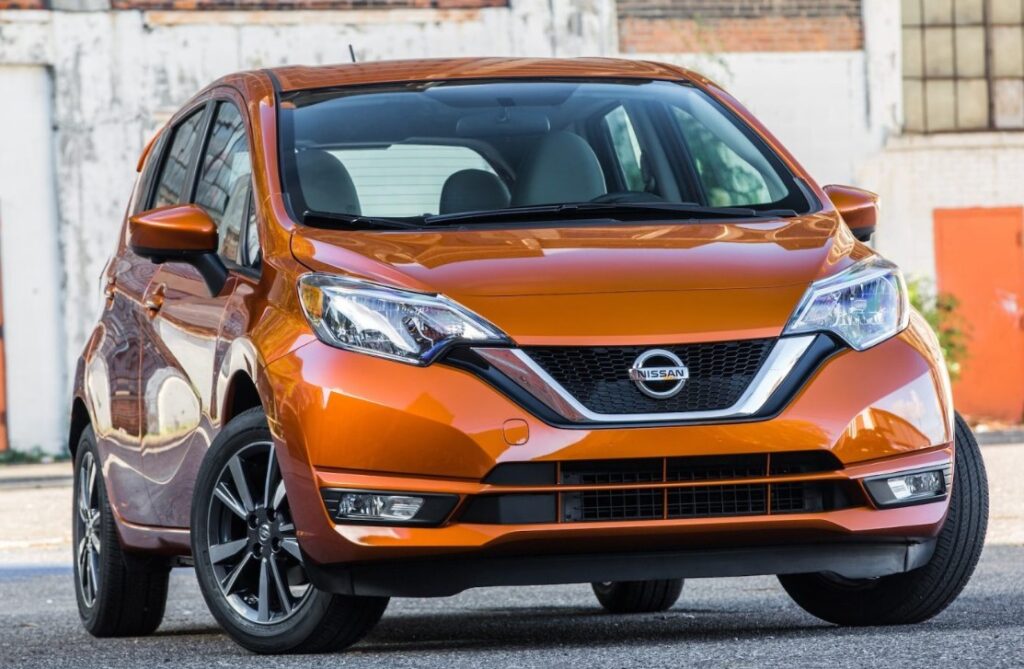
Choosing between the Nissan Note and Nissan Micra sounds simple—until we look beneath the badges. Both are compact Nissan hatchbacks, both were designed to make everyday driving less stressful, and both can be economical alternatives to a larger car. Yet they approach the small-car formula from different directions.
The Micra is traditionally the more conventional city car. It is compact, easy to place on narrow roads, and shaped around drivers who value simplicity and manoeuvrability. The Note is more like a small hatchback that swallowed a family car. It uses its taller body and flexible cabin to provide noticeably more passenger space and practicality.
There is another complication: market and generation matter. Many used-car shoppers compare petrol-powered Micras with imported Japanese Nissan Notes, including the popular Note e-POWER. Meanwhile, the newest European Micra has been reinvented as a fully electric city car.
Therefore, this Nissan Note vs Nissan Micra comparison focuses primarily on the used models shoppers commonly encounter, while explaining where newer versions change the equation.
Content in this publication
- Nissan Note vs Nissan Micra at a Glance
- What Is the Main Difference Between the Nissan Note and Micra?
- Exterior Design: Practical Box or Stylish Hatchback?
- Interior Space and Passenger Comfort
- Boot Space and Everyday Practicality
- Engine and Powertrain Options
- Fuel Economy and Running Costs
- Driving Experience
- Safety and Driver Assistance
- Reliability: Nissan Note or Nissan Micra?
- Nissan Note vs Nissan Micra for First-Time Drivers
- Technology, Infotainment and Cabin Quality
- Ownership and Resale Value
- Nissan Note vs Nissan Micra: Pros and Cons
- Which Car Should We Buy?
- Used-Car Buying Checklist
- Final Verdict: Nissan Note vs Nissan Micra
- Frequently Asked Questions
Nissan Note vs Nissan Micra at a Glance
Before diving into every detail, here is the basic difference:
| Category | Nissan Note | Nissan Micra |
|---|---|---|
| Main strength | Interior space and versatility | Compact size and easy city driving |
| Body style | Tall compact hatchback | Traditional small hatchback |
| Passenger room | Generally more generous | Adequate, but less spacious |
| Boot practicality | Better for bulky everyday items | Better suited to lighter loads |
| Driving character | Comfortable and practical | Light, nimble and easy to position |
| Powertrain choice | Petrol, automatic and e-POWER options | Petrol, diesel, automatic, manual or newer electric versions |
| Best for | Small families and practical buyers | Urban drivers and first-car buyers |
| Used-car concern | Imported-car history and battery condition | Age, trim level and maintenance history |
Put simply, the Note usually wins when we need one small vehicle to perform several jobs. The Micra usually wins when we want something uncomplicated for commuting, parking and short urban trips.
What Is the Main Difference Between the Nissan Note and Micra?
The main difference is not horsepower, equipment or styling. It is packaging.
The Nissan Micra is a supermini built around a familiar idea: keep the exterior compact, make it inexpensive to operate, and provide enough cabin space for everyday driving. It competes with cars such as the Ford Fiesta, Toyota Yaris, Volkswagen Polo and Suzuki Swift.
The Nissan Note is taller, roomier and more flexible. Depending on the market and generation, it sits somewhere between a supermini and a small multi-purpose vehicle. It competes more naturally with practical hatchbacks such as the Honda Jazz, Toyota Aqua, Kia Soul and Suzuki Solio.
Imagine two backpacks. The Micra is the sleek daypack we carry through a crowded city. The Note is the expandable travel bag that somehow accepts another jumper, laptop and pair of shoes. Both are compact, but one prioritises neat dimensions while the other prioritises usable volume.
Is the Nissan Note Bigger Than the Nissan Micra?
In most comparable generations, the Nissan Note is taller and provides more usable interior room than the Micra. Exterior length can be surprisingly close, depending on the model year, but the Note’s upright roofline and boxier shape create the impression—and reality—of a larger cabin.
This distinction matters because exterior dimensions do not tell the entire story. A car can be short yet spacious when its roof is high, wheels are pushed towards the corners and seats are arranged efficiently.
The Note generally provides:
- More rear-seat headroom
- Easier access through larger door openings
- A more upright seating position
- Better space for child seats
- Greater flexibility for luggage
- A roomier feeling for taller passengers
The Micra, however, is often easier to squeeze into tight parking spaces. It feels smaller from the driver’s seat, which can be comforting for learners and nervous urban motorists.
Exterior Design: Practical Box or Stylish Hatchback?
Design is subjective, but the two cars communicate their priorities before we even open a door.
The Note normally has a taller silhouette, a shorter-looking bonnet and a roofline that remains relatively high towards the rear. Its design is driven by packaging. It may not always be the dramatic choice, but it makes excellent use of the space it occupies.
The Micra has generally looked lower, more conventional and more style-conscious. This is especially true of the fifth-generation Micra, introduced with sharper body lines, hidden rear-door handles and a more sculpted profile.
Which Car Looks Better?
The Micra will appeal more to drivers who want a small car that looks youthful and sporty. The Note’s appeal is subtler. It looks sensible because it is sensible.
That does not mean the Note is unattractive. Later Note e-POWER variants, especially higher specifications and sportier trims, can appear surprisingly modern. However, its tall proportions still whisper “practicality” rather than shout “performance.”
Our choice depends on the question we ask:
- Do we want the more fashionable shape? Choose the Micra.
- Do we want the shape that creates more interior room? Choose the Note.
- Do we care mainly about condition and value? Buy the better-maintained example, regardless of styling.
Interior Space and Passenger Comfort
This is where the Nissan Note usually establishes its strongest advantage.
Its taller cabin allows occupants to sit in a more natural, upright position. Passengers do not need to lower themselves as far into the seats, and rear-seat access is typically easier. Older drivers, parents fitting child seats and anyone with reduced mobility may appreciate that difference every day.
The Micra is comfortable enough for its intended role, but its rear compartment can feel more enclosed. Depending on the generation, taller rear passengers may find knee room or headroom limited, particularly when seated behind a tall driver.
Front-Seat Experience
From the front seats, both vehicles are straightforward and approachable.
The Micra often creates a more conventional small-car driving position. The dashboard wraps more closely around the driver, and lower models tend to use simple controls that are easy to understand.
The Note offers a more elevated view. We sit slightly higher, gain a better sense of the corners, and benefit from the airy windscreen. It can feel almost like a miniature people carrier without the bulk of an actual multi-purpose vehicle.
Which Is Better for Tall Drivers?
The Note is usually the safer choice for tall occupants because of its roof height and more accommodating seating arrangement. Nevertheless, drivers should test the exact car before buying. Seat-height adjustment, steering-wheel reach and trim-specific seat designs can transform the experience.
A spacious roof does not automatically guarantee a perfect driving position. Our legs, torso and preferred posture matter as much as the specification sheet.
Rear-Seat Comfort
The Note is clearly more suitable when adults frequently use the rear seats. Its cabin feels less like an emergency bench and more like a legitimate second row.
The Micra works well for children, occasional adult passengers and short journeys. For regular motorway travel with four adults, however, the Note is normally the more comfortable companion.
Boot Space and Everyday Practicality
Boot-space figures vary by generation, spare-wheel arrangement and measurement method, so the largest published number is not always the most useful one.
What matters is how easily we can use the space.
The Nissan Note tends to provide a taller, squarer loading area. That shape is helpful when carrying:
- Pushchairs
- Grocery crates
- Pet carriers
- Small furniture
- Sports equipment
- Medium-sized suitcases
- Tall household items
The Micra’s boot can be perfectly adequate for weekly shopping and weekend luggage, but its lower roof and more tapered rear body reduce flexibility.
Which Is Better for Families?
For a family with one or two young children, the Note is the more logical choice. Child seats, bags, toys and shopping have a mysterious ability to multiply the moment we leave home. The Note gives that clutter somewhere to go.
The Micra can still serve a small family, especially when most journeys are short. Yet it demands more careful packing. The Note simply gives us a larger margin for real life.
Rear-Seat Flexibility
Some Note versions offer particularly useful sliding or folding rear-seat arrangements, although equipment differs between generations and markets. A movable rear bench can let us choose between more legroom and more cargo capacity.
That flexibility is one of the Note’s defining virtues. It behaves like a small room whose furniture can be rearranged, whereas the Micra behaves more like a well-organised fixed space.
You may be interested in reading Nissan Note or Similar: What Car Will You Actually Get?
Engine and Powertrain Options
This section requires careful attention because Nissan sold both cars with different engines in different countries.
Older and used Micras may have naturally aspirated petrol engines, turbocharged petrol engines, diesels, manual gearboxes or continuously variable transmissions. The newest European Micra is entirely electric, which makes it fundamentally different from the petrol superminis that previously carried the name.
Used Notes may feature conventional petrol engines, CVTs or Nissan’s e-POWER system. With e-POWER, a petrol engine generates electricity, but an electric motor exclusively drives the wheels. This creates an electric-car-like response without requiring routine plug-in charging.
Nissan Note e-POWER vs Nissan Micra Petrol
This is one of the most interesting comparisons.
A Note e-POWER tends to feel smoother and more responsive when pulling away because the electric motor delivers immediate torque. Urban acceleration can feel effortless, almost as though the car has been released from an elastic band.
A petrol Micra feels more traditional. Engine speed and road speed follow each other in a familiar way, especially with a manual gearbox. Some drivers prefer that mechanical connection. Others will find the Note e-POWER calmer and more modern.
The Note e-POWER offers several advantages:
- Immediate electric-motor response
- Smooth low-speed operation
- No external charging requirement
- Strong suitability for stop-start traffic
- Regenerative braking on applicable modes
However, it also introduces more technology. Buyers need to assess the high-voltage system, 12-volt battery, warning lights and import history carefully.
Conventional Petrol Versions
When comparing ordinary petrol versions, the gap narrows.
A petrol Micra may be cheaper to understand, service and repair, especially in a market where Nissan sold it officially. Parts knowledge is often widespread, and independent mechanics are familiar with the platform.
A petrol Note remains the roomier car, but some versions use a CVT. These transmissions can operate smoothly when maintained properly, yet neglected fluid changes or existing internal wear can create expensive problems.
We should never assume that “simple small car” means “maintenance-free small car.” A neglected hatchback is still a neglected machine.
Fuel Economy and Running Costs
Which car is cheaper to run? The honest answer depends on engine, gearbox, driving environment, fuel price and maintenance history.
The Micra’s light weight and small engines can make it highly economical. A manual petrol version driven gently may deliver excellent real-world efficiency without relying on complex hybrid hardware.
The Note e-POWER can be particularly effective in urban traffic, where regenerative braking and electric-motor propulsion work in its favour. Nissan describes e-POWER as a motor-driven system in which the petrol engine generates the electricity required for propulsion.
Which Is Better for City Fuel Economy?
The Note e-POWER is likely to be the more attractive option for frequent stop-start driving. Its powertrain is designed to provide smooth electric drive while using the petrol engine as an onboard generator.
The Micra may make more sense when:
- Annual mileage is low
- Journeys are relatively short
- Purchase price matters more than maximum efficiency
- Local hybrid expertise is limited
- We prefer a manual gearbox
- Insurance for the specific Micra is cheaper
Fuel economy should never be viewed in isolation. Saving a little fuel does not compensate for buying a poor example that immediately needs tyres, suspension work, a battery and a major service.
Maintenance Costs
A conventional Micra can be less intimidating for local workshops. Routine items such as filters, plugs, brakes and suspension components are usually straightforward.
The Note’s ordinary maintenance can also be affordable, but imported examples deserve extra investigation. We need to confirm:
- Whether parts are readily available locally
- Whether diagnostic equipment can communicate with the car
- Whether the owner’s manual is available in a usable language
- Whether recalls or service campaigns were completed
- Whether a specialist can inspect the e-POWER system
The cheapest purchase can become the most expensive car if support is scarce.
Driving Experience
The Micra generally feels smaller and lighter. Steering is designed for ease, visibility is manageable, and the car changes direction without drama. In town, it can dart through traffic like a bicycle slipping between larger vehicles.
The Note feels taller and more relaxed. It is not difficult to drive, but its character is shaped by comfort, visibility and practicality rather than sporty handling.
City Driving
Both cars perform well in urban environments, but in different ways.
The Micra wins through physical compactness. It is easier to judge in narrow streets, simpler to park in restricted spaces and less demanding for new drivers.
The Note wins through visibility, passenger comfort and low-speed usability. An e-POWER version adds smooth electric response, making repeated acceleration and braking feel natural.
Motorway Driving
On faster roads, the Note’s longer, taller cabin may feel more substantial, especially with passengers aboard. Its extra space makes longer journeys less tiring for rear occupants.
The Micra can cruise comfortably when fitted with the right engine, but low-powered versions may require more planning when overtaking or joining fast traffic. Road and wind noise also vary considerably by generation, wheel size and trim.
Handling and Ride Comfort
The Micra is usually the more agile choice. Its lower body reduces the top-heavy sensation that can appear in taller hatchbacks.
The Note often provides the more forgiving family-oriented experience. That does not guarantee a soft ride, because larger wheels and firm tyre pressures can make some versions feel busy over broken surfaces.
A test drive on smooth dealership roads tells us very little. We should drive over the same potholes, speed bumps and rough streets that define our normal journeys.
Safety and Driver Assistance
Safety equipment varies dramatically by age and specification.
A newer Micra may include autonomous emergency braking, lane assistance, speed-limit functions, parking sensors and multiple airbags. In Euro NCAP testing, the 2017 Micra received four stars with standard equipment and five stars when fitted with its optional safety pack. Those historical ratings apply to the tested configuration and should not be treated as a universal score for every Micra.
Japanese-import Notes can also include useful assistance systems, cameras and electronic safety features, but buyers must check the exact vehicle. Trim names, option packages and domestic-market specifications are not always obvious.
Which Car Is Safer?
We cannot declare one universally safer without identifying the model year and equipment.
A newer, well-equipped Micra may provide more modern crash-avoidance technology than an older Note. A later Note with advanced driver assistance may be better equipped than an entry-level Micra.
The safest purchase is generally the car that combines:
- Appropriate airbags
- Electronic stability control
- Functional driver-assistance systems
- Quality tyres
- Healthy brakes
- Sound suspension
- No structural accident damage
- A verifiable maintenance record
Technology cannot rescue a car from poor tyres and hidden crash repairs.
You may be interested in readingNissan Note or Similar: What Car Will You Actually Get?You may be interested in reading
 Are Ford Ranger and Mazda BT-50 the Same?
Reliability: Nissan Note or Nissan Micra?
Both models can provide dependable service, but neither nameplate guarantees reliability. Condition, maintenance and powertrain choice are more important than the badge on the boot.
The Micra has a long history as a straightforward small car. Many examples have survived years of commuting, learner-driver use and urban abuse. That durability is encouraging, but it also means used cars may have endured repeated clutch wear, kerb impacts and short-trip servicing.
The Note often attracts practical owners, taxi drivers and families. High mileage is not automatically bad, but service evidence becomes essential.
Common Nissan Note Checks
When viewing a used Note, inspect:
- CVT behaviour, where fitted
- Hybrid or e-POWER warning lights
- Condition of the 12-volt battery
- Smoothness of regenerative braking
- Suspension knocks
- Uneven tyre wear
- Sliding-seat mechanisms
- Electronic key operation
- Imported service documentation
- Signs of previous structural repair
Common Nissan Micra Checks
When viewing a used Micra, examine:
- Clutch bite and gearbox operation
- Timing-belt or timing-chain requirements
- Turbocharger condition on applicable engines
- CVT behaviour on automatic versions
- Air-conditioning performance
- Electrical switches and infotainment
- Door seals and water leaks
- Front suspension noises
- Alloy-wheel and tyre damage
- Evidence of learner-driver or fleet use
Why Service History Matters More Than Mileage
A lower odometer reading can be seductive, but mileage is only one chapter of the story.
A well-serviced car with 120,000 kilometres may be a much stronger purchase than a neglected car showing 70,000 kilometres. Fluids age, batteries weaken, tyres harden and rubber components deteriorate even when a vehicle travels very little.
We should buy evidence, not optimism.
Nissan Note vs Nissan Micra for First-Time Drivers
The Micra is traditionally an excellent first-car candidate. It is compact, unintimidating and often available with simple petrol engines. Its controls are generally easy to understand, and its dimensions reduce parking anxiety.
The Note is also beginner-friendly, particularly for drivers who value visibility and an upright seating position. It may be the better first car for someone who regularly carries friends, family members or equipment.
Choose the Micra as a First Car When:
- Parking space is limited
- Most journeys involve one or two people
- Insurance quotes are favourable
- A locally sold model is available
- You want conventional controls
- Purchase simplicity is the priority
Choose the Note as a First Car When:
- You need genuine rear-seat room
- You regularly carry luggage
- A taller driving position feels more comfortable
- You want e-POWER efficiency
- You plan to keep the car as your needs grow
- You can access suitable servicing
Technology, Infotainment and Cabin Quality
Equipment depends heavily on trim.
A basic Micra may have simple audio controls and limited connectivity, while a higher trim can offer navigation, smartphone integration, a reversing camera and additional driver aids.
Imported Notes may feature impressive digital displays and camera systems, but Japanese-language menus can frustrate owners. Radio frequencies, navigation maps and connected services may not function as expected outside Japan.
This issue is often overlooked during a short test drive. A shiny screen looks modern, but a screen we cannot fully use is little more than illuminated furniture.
Which Interior Feels Better?
Later Micras tend to offer a more stylish dashboard design. Materials, colour combinations and trim inserts can make the cabin feel more personal.
The Note usually prioritises visibility and storage. It may provide more useful shelves, door pockets and practical surfaces, even when the materials themselves are ordinary.
The Micra can feel more designed. The Note can feel more usable.
Ownership and Resale Value
Resale value depends on local demand.
In a market where the Micra was officially sold in large numbers, it may be easier to value, insure and sell. Buyers recognise the model, workshops understand it and parts suppliers know what to stock.
The Note can command strong demand in markets where Japanese imports are popular, especially when buyers appreciate e-POWER efficiency. However, unfamiliar trim grades and concerns about hybrid-battery condition may narrow the audience.
Before purchasing, we should compare:
- Local classified listings
- Insurance availability
- Parts lead times
- Specialist workshop access
- Battery support
- Typical time required to resell
- Demand for imported vehicles
A car’s resale value is not just a percentage. It is also the ease with which we can find the next buyer.
Nissan Note vs Nissan Micra: Pros and Cons
Nissan Note Advantages
- More spacious interior
- Better rear-seat accommodation
- Taller and more accessible cabin
- Greater luggage versatility
- Excellent urban response in e-POWER form
- Better suited to small-family duties
- More flexible long-term ownership role
Nissan Note Disadvantages
- Imported examples can have limited documentation
- Japanese infotainment may be inconvenient
- CVT condition requires careful inspection
- e-POWER servicing may need specialist knowledge
- Taller styling may not appeal to everyone
- Insurance or parts access can vary by country
Nissan Micra Advantages
- Easier to park
- Compact exterior dimensions
- Beginner-friendly driving experience
- Conventional petrol versions are straightforward
- Often supported by local dealers and garages
- Stylish later-generation design
- Potentially lower purchase and insurance costs
Nissan Micra Disadvantages
- Less rear-seat space
- Smaller and less flexible load area
- Entry-level engines may feel slow
- Some used examples have endured hard city use
- Equipment can be basic on lower trims
- Automatic or turbocharged versions require model-specific checks
Which Car Should We Buy?
The answer becomes easy when we define our daily reality.
Choose the Nissan Note when space, flexibility and passenger comfort matter most. It is the stronger all-rounder for families, taller drivers, frequent rear-seat use and owners who carry bulky items. The Note e-POWER is especially appealing for urban motorists who want electric-motor response without regularly plugging in.
Choose the Nissan Micra when compact dimensions, easy parking and simplicity take priority. It is well suited to first-time drivers, solo commuters, couples and anyone who wants a familiar small hatchback with broad local support.
The Best Choice by Driver Type
| Driver type | Better choice | Why |
| New driver | Micra | Compact, approachable and easy to park |
| Small family | Note | Better rear space and cargo versatility |
| Tall driver | Note | More headroom and upright seating |
| City commuter | Micra or Note e-POWER | Micra for size; Note for smooth efficiency |
| Frequent motorway user | Note | More passenger comfort and cabin space |
| Buyer wanting simplicity | Petrol Micra | Conventional layout and broad familiarity |
| Technology-focused buyer | Note e-POWER | Electric-motor drive without plug-in charging |
| Buyer with limited parking | Micra | Smaller-feeling exterior footprint |
Used-Car Buying Checklist
Before choosing either vehicle, complete these checks:
- Confirm the exact year, engine, gearbox and trim.
- Obtain an independent mechanical inspection.
- Scan the electronic systems for stored fault codes.
- Check the service record against the manufacturer’s schedule.
- Inspect tyres for uneven wear and age cracking.
- Test the car from a completely cold start.
- Drive at urban and motorway speeds.
- Listen for suspension, bearing and transmission noises.
- Confirm every key, camera, window and electronic feature works.
- Research insurance before paying a deposit.
- Verify recall completion using the vehicle identification number.
- Check for accident, finance and odometer history.
- Price upcoming maintenance, not merely current repairs.
- For an e-POWER Note, arrange a hybrid-system health assessment.
- Walk away when the seller discourages inspection.
The final point is important. There are many small hatchbacks in the world. We never need to force ourselves into buying the wrong one.
Final Verdict: Nissan Note vs Nissan Micra
The Nissan Note and Nissan Micra share a manufacturer, but they solve different problems.
The Micra is the cleaner urban tool. It is easy to understand, easy to place and usually easy to live with. For commuting, learning to drive or fitting into a tight residential space, it remains a compelling small car.
The Note is the more versatile machine. It gives us a larger-feeling cabin without demanding the footprint or running costs of a conventional family SUV. Add the smooth response of e-POWER, and the Note can feel more sophisticated than its sensible shape suggests.
Our overall winner is the Nissan Note because it covers a wider range of needs. It can serve as a commuter, family hatchback, shopping car and weekend luggage carrier without feeling excessively large.
Nevertheless, the Micra may be the smarter personal choice. When rear-seat space rarely matters and parking is a daily battle, its smaller, simpler nature becomes an advantage rather than a compromise.
The badge does not decide the winner. Our lifestyle does.
Frequently Asked Questions
1. Is the Nissan Note better than the Nissan Micra?
The Nissan Note is generally better for interior space, rear-seat comfort and luggage versatility. The Micra is better for tight parking, simple urban driving and buyers who want a traditional small hatchback. The better model depends on whether practicality or compactness matters more.
2. Is the Nissan Note more fuel-efficient than the Micra?
A Note e-POWER can be highly efficient in stop-start urban driving, while a lightweight petrol Micra can also return excellent economy. Real consumption depends on the exact engine, route, traffic, weather, tyre pressure and driving style.
3. Which is more reliable, the Nissan Note or Micra?
Both can be reliable when correctly maintained. A petrol Micra may be mechanically simpler, while a Note e-POWER provides advanced efficiency but requires appropriate diagnostic and hybrid-system support. Individual condition and service history matter more than the model name.
4. Is the Nissan Note good for a family?
Yes. The Note is one of the more family-friendly small hatchbacks because of its tall roof, useful rear-seat space, accessible doors and flexible cargo area. It is particularly suitable for a small family that wants practicality without moving to a larger crossover.
5. Is the Nissan Micra suitable for motorway driving?
Yes, provided the car is mechanically sound and has an engine suitable for the intended journey. More powerful Micra versions handle motorway speeds more comfortably than entry-level models. Buyers should also consider road noise, safety equipment and passenger load.
You may be interested in readingNissan Note or Similar: What Car Will You Actually Get?You may be interested in reading
Are Ford Ranger and Mazda BT-50 the Same?You may be interested in reading
Are Ford Ranger and VW Amarok the Same? A Complete ComparisonIf you want to know other articles similar to Nissan Note vs Nissan Micra: Which Small Nissan Wins? you can visit the category Models.
Honda Passport vs Toyota 4Runner: Which SUV Is Better?
Honda Passport vs Ford Bronco: Which SUV Is Better?
Honda Passport vs Ford Explorer: Which SUV Is Better?
Honda Passport or Pilot: Which SUV Is Better?
Honda Passport vs Jeep Grand Cherokee: Which SUV Is Better?
Honda Passport vs Nissan Pathfinder: Which SUV Is Better?
Leave a Reply
More content of your interest