
Chevrolet Silverado vs Ford Raptor: Which Truck Wins?

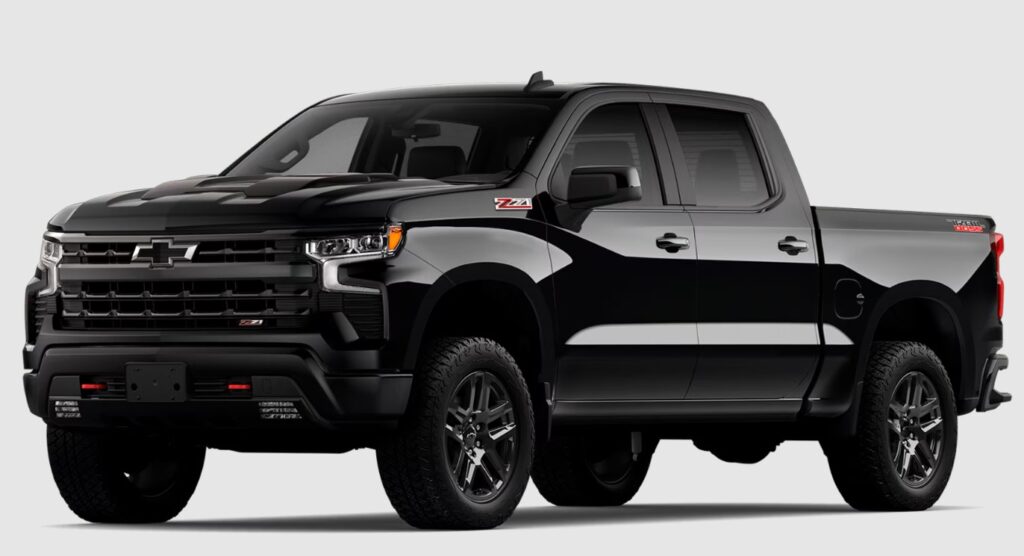
The Chevrolet Silverado vs Ford Raptor comparison is not quite a conventional head-to-head battle. Yes, both are full-size American pickup trucks. Both can tow, haul, crawl over rough terrain, and command attention in a parking lot. However, they approach the pickup-truck formula from very different directions.
The Chevrolet Silverado 1500 is a broad, versatile truck family. It can be configured as a basic workhorse, a comfortable daily driver, a serious towing machine, or an off-road-focused ZR2. The Ford F-150 Raptor, meanwhile, is a specialized performance truck engineered to attack rough ground at speeds that would make most pickups loosen their fillings.
Think of the Silverado as a high-quality multitool. The Raptor is more like a purpose-built power tool: louder, sharper, more exciting, and brilliant at the specific job it was designed to perform.
So, which truck belongs in your driveway? Let us compare their engines, towing ability, off-road hardware, comfort, practicality, costs, and overall character.
Content in this publication
- Chevrolet Silverado vs Ford Raptor at a Glance
- Understanding the Silverado and Raptor Difference
- Exterior Design: Toughness in Two Different Styles
- Engine Options and Performance
- Towing Capacity: Silverado Takes the Lead
- Payload and Bed Practicality
- Off-Road Performance: The Raptor’s Territory
- Ride Comfort and Everyday Driving
- Interior Quality and Technology
- Fuel Economy and Running Costs
- Reliability and Maintenance Considerations
- Modification Potential
- Chevrolet Silverado ZR2 vs Ford Raptor
- Chevrolet Silverado 6.2L vs Raptor V6
- Chevrolet Silverado vs Raptor R
- Which Truck Is Better for Work?
- Which Truck Is Better for Families?
- Which Truck Offers Better Value?
- Chevrolet Silverado vs Ford Raptor: Pros and Cons
- Who Should Buy the Chevrolet Silverado?
- Who Should Buy the Ford Raptor?
- Final Verdict: Chevrolet Silverado or Ford Raptor?
- Frequently Asked Questions
Chevrolet Silverado vs Ford Raptor at a Glance
Before diving into the details, here is the central difference:
| Category | Chevrolet Silverado 1500 | Ford F-150 Raptor |
|---|---|---|
| Main purpose | Work, towing, commuting, recreation | High-performance off-roading |
| Engine selection | Four available engines | High-output V6 or supercharged V8 |
| Maximum power | Up to 420 hp in the current conventional lineup | Up to 720 hp |
| Maximum towing | Up to 13,300 pounds when properly configured | Lower than the Silverado’s maximum |
| Cab and bed choices | Extensive | Limited, performance-focused configuration |
| Off-road ability | Strong in Trail Boss and ZR2 trims | Exceptional at high speeds |
| Fuel efficiency | Diesel and smaller-engine options available | Performance prioritized over economy |
| Best suited to | Buyers needing versatility | Buyers seeking extreme off-road performance |
The Silverado’s current engine family includes a TurboMax four-cylinder, a 5.3-liter V8, a 6.2-liter V8, and a 3.0-liter Duramax turbo-diesel. Depending on configuration, the truck can tow up to 13,300 pounds. The 2026 Raptor uses a 450-horsepower high-output 3.5-liter EcoBoost V6, while the available Raptor R raises the stakes with a 720-horsepower supercharged 5.2-liter V8.
Understanding the Silverado and Raptor Difference
One common mistake is treating “Silverado” and “Raptor” as equivalent trim names. They are not.
Silverado refers to Chevrolet’s entire full-size pickup range. The lineup stretches from relatively basic Work Truck models to luxurious High Country versions and off-road-oriented Trail Boss and ZR2 trims.
Raptor, by comparison, is a specialized model within the Ford F-150 family. It sits far above an ordinary work-truck configuration and receives dedicated suspension, wider bodywork, large off-road tires, reinforced components, specialized drive modes, and a much more powerful engine.
A more direct comparison would technically be:
- Chevrolet Silverado ZR2 vs Ford F-150 Raptor
- Chevrolet Silverado 6.2L vs Ford F-150 Raptor
- Chevrolet Silverado ZR2 Bison vs Ford F-150 Raptor R
Even then, the Chevrolet remains more balanced, while the Ford leans harder into desert-running performance.
Exterior Design: Toughness in Two Different Styles
Both trucks look powerful, but they express that power differently.
Chevrolet Silverado Design
The Silverado has a tall, upright front end, heavily sculpted body panels, and a broad grille that changes significantly between trims. A Work Truck looks relatively straightforward, while the ZR2 appears ready to climb out of a gravel pit.
The Silverado generally preserves a traditional pickup silhouette. Its design communicates durability and utility before performance. Even its sportier configurations look like trucks that could spend Monday towing equipment and Saturday exploring a forest road.
Ford Raptor Design
The Raptor has no interest in subtlety.
Its oversized grille, wide fenders, prominent skid plates, aggressive tires, signature marker lights, and considerable track width create a stance closer to an off-road racing truck than a regular pickup. It looks as though it has already swallowed the trail before reaching it.
The width deserves attention. A Raptor can feel enormous in narrow streets, older parking garages, and tight drive-through lanes. The visual drama is part of its appeal, but that drama carries practical consequences.
Which Truck Looks Better?
The answer depends on personality.
Choose the Silverado if you prefer muscular but relatively conventional pickup styling. Choose the Raptor if you want a truck that announces its arrival before the engine has even been switched off.
Engine Options and Performance
The greatest mechanical difference in the Chevrolet Silverado vs Ford Raptor contest is variety versus specialization.
Silverado Engine Choices
The 2026 Silverado 1500 offers four primary powertrains:
- A 2.7-liter TurboMax four-cylinder
- A 5.3-liter EcoTec3 V8
- A 6.2-liter EcoTec3 V8
- A 3.0-liter Duramax turbo-diesel inline-six
The TurboMax produces 310 horsepower and a strong 430 pound-feet of torque. The 5.3-liter V8 develops 355 horsepower and 383 pound-feet, while the 6.2-liter V8 delivers 420 horsepower. The diesel is especially attractive for buyers seeking low-rpm pulling power, long-distance efficiency, and relaxed towing.
That variety lets Silverado buyers select an engine based on actual needs rather than simply purchasing the most powerful option.
Ford Raptor Engine Choices
The standard Raptor uses a high-output 3.5-liter twin-turbocharged EcoBoost V6 producing 450 horsepower and 510 pound-feet of torque.
That is already serious performance. Turbocharged torque arrives with urgency, and the ten-speed automatic transmission helps keep the engine in its strongest range.
Then we meet the Raptor R.
Its supercharged 5.2-liter V8 produces 720 horsepower and 640 pound-feet of torque in Ford’s current specification. It is not merely quick “for a truck.” It is ferociously quick for something so large, heavy, and capable of driving over terrain that would frighten an ordinary sports car.
Acceleration and Road Performance
Even a 6.2-liter Silverado feels confident and responsive, particularly when passing or joining a fast highway. However, the standard Raptor is quicker and more theatrical, while the Raptor R operates in another universe.
Press the accelerator in a Raptor R and the truck lunges forward like a rhinoceros fired from a catapult. The supercharger, V8 soundtrack, and towering seating position create an experience that few production vehicles can replicate.
Still, speed is not everything. The Silverado’s calmer power delivery may be easier to live with, easier to insure, and less likely to encourage expensive visits to the fuel station.
Towing Capacity: Silverado Takes the Lead
This is where the Silverado reminds us that performance numbers do not tell the entire story.
When properly equipped, the current Silverado 1500 can tow up to 13,300 pounds. Achieving the maximum depends on the engine, cab, drivetrain, axle ratio, wheels, and trailering package, so buyers should always verify the rating of an exact vehicle rather than relying on a model-wide headline.
The Raptor can tow, but maximum towing is not its primary mission. Its soft, long-travel suspension, wide body, off-road tires, and performance-oriented setup prioritize stability over broken terrain rather than the highest possible trailer rating.
Why the Silverado Is Better for Frequent Towing
The Silverado offers several advantages for trailer owners:
- Higher potential maximum towing capacity
- More engine choices
- Diesel availability
- Multiple cab and bed configurations
- Dedicated trailering packages
- Available trailer-camera technology
- Configurations designed specifically around heavy towing
Chevrolet also offers extensive trailering technology, including an in-vehicle trailering application, trailer profiles, camera views, hitch guidance, and available blind-zone functionality that can account for trailer length.
Can a Raptor Still Tow a Boat or Camper?
Certainly. A properly equipped Raptor can handle many recreational trailers, boats, and smaller campers. The difference is that buyers with heavy trailers should select the truck based on its exact rating.
For regular heavy towing, the Silverado is the more logical choice. For pulling a moderate trailer to an off-road destination and then attacking the terrain after unhitching, the Raptor begins to make more sense.
Payload and Bed Practicality
Payload is often less glamorous than horsepower, yet it can determine whether a truck actually works for its owner.
The Silverado is available with regular, double, and crew-cab layouts, along with multiple bed lengths. Certain 2026 configurations offer payload ratings exceeding 2,400 pounds, although the exact capacity changes substantially with equipment and body style.
The Raptor’s specialized suspension, crew-cab body, large tires, and performance hardware reduce its ability to compete with work-oriented Silverado configurations in payload flexibility.
The Silverado’s Bed Advantage
Chevrolet places considerable emphasis on bed utility. Depending on the trim, Silverado buyers can obtain:
- Multiple fixed tie-down points
- Additional accessory tie-down locations
- An available household-style power outlet
- CornerStep rear bumper access
- An available power-operated tailgate
- The multifunction Multi-Flex tailgate
- A choice of bed lengths
The Raptor still has a useful pickup bed, but it is not offered in the same range of configurations.
For contractors, landscapers, farmers, tradespeople, and owners who regularly carry bulky cargo, the Silverado is usually the better tool.
Off-Road Performance: The Raptor’s Territory
Take both trucks away from the pavement and the comparison becomes more complicated.
You may be interested in reading Chevrolet Silverado vs Dodge Ram: Which Full-Size Pickup Is Better?
A standard Silverado with four-wheel drive can handle snow, mud, gravel roads, and moderate trails. Trail Boss models add a factory lift, off-road suspension, skid plates, all-terrain tires, and an automatic locking rear differential.
The Silverado ZR2 goes further with front and rear electronic locking differentials, Multimatic DSSV dampers, additional ground clearance, skid plates, and a more aggressive front bumper designed to improve approach capability.
That is serious equipment.
Yet the Raptor remains the benchmark when the trail becomes fast, rough, and wide-open.
Why the Raptor Feels Different Off-Road
The Raptor’s magic comes from the way its components work together:
- Long-travel suspension
- FOX performance dampers
- Wide track
- Large off-road tires
- Reinforced chassis components
- Multiple terrain modes
- High-output engines
- Off-road cruise-control technology
- Trail-focused steering and throttle calibration
Ford offers advanced FOX Live Valve suspension technology, while the Raptor R can be equipped with 37-inch tires and dual-valve FOX dampers.
Where the Silverado ZR2 carefully picks its way through technical obstacles, the Raptor encourages drivers to build speed. It absorbs ruts, dips, and repeated impacts with remarkable composure.
Rock Crawling vs Desert Running
The Silverado ZR2 can be extremely capable on tight, technical routes. Its front and rear lockers provide meaningful traction when one or more wheels lose contact with the ground.
The Raptor is wider, which can become a disadvantage between trees, rocks, and narrow trail walls. However, in open desert, sand, high-speed gravel, and rolling terrain, it is difficult to beat.
Therefore, the off-road winner depends on the environment:
- Narrow and technical trails: Silverado ZR2 may be easier to place.
- High-speed desert terrain: Raptor wins.
- Deep sand and dunes: Raptor has the edge.
- Worksite mud and rural roads: Either can perform well.
- Extreme power and excitement: Raptor R dominates.
Ride Comfort and Everyday Driving
You might expect a machine as aggressive as the Raptor to ride like a farm cart filled with bricks. Surprisingly, it can be very comfortable.
Its sophisticated suspension is designed to absorb violent off-road impacts, so ordinary potholes and broken pavement often feel relatively mild. The large tires and long suspension travel create a cushioned, floating sensation.
The downside is its width. Driving through city traffic requires concentration. Parking spaces suddenly appear to have been designed for bicycles, and narrow construction lanes can feel like a test of nerve.
Silverado Daily Comfort
The Silverado’s ride depends heavily on configuration. A basic work-oriented version may feel firm when unloaded, while higher trims provide better seats, more insulation, and additional comfort features.
It generally feels more conventional than the Raptor. That may sound less exciting, but it is beneficial for commuting, parking, loading cargo, and visiting crowded commercial areas.
The Silverado also offers more opportunities to balance wheel size, tire type, suspension setup, and cabin equipment.
Which One Is Easier to Live With?
For most people, the Silverado is easier.
It is available in less extreme configurations, can be purchased with more efficient engines, and does not demand that every journey feel like the opening scene of an action movie.
The Raptor is comfortable, but never invisible. You are always aware of its width, power, tire noise, appetite for fuel, and financial value.
Interior Quality and Technology
Modern trucks are no longer simple cabins attached to steel beds. In premium trims, both the Silverado and Raptor offer equipment that would have seemed luxurious in executive sedans a generation ago.
Inside the Silverado
Upper Silverado trims feature large digital displays, smartphone integration, advanced camera systems, heated and ventilated seats, premium audio, wireless charging, and available driver-assistance technology.
The cabin is spacious, especially in Crew Cab form. Rear-seat passengers receive generous legroom, while numerous storage compartments make the interior practical for families and work crews.
High Country models emphasize luxury, while the ZR2 combines premium features with rugged visual details.
Inside the Raptor
The Raptor’s cabin mixes familiar F-150 practicality with performance touches. Depending on specification, buyers can find heavily bolstered seats, performance displays, steering-wheel controls for drive modes and exhaust settings, a digital instrument cluster, a large central touchscreen, and distinctive trim.
The driving position feels commanding. Everything about the cabin reminds us that this is not a regular fleet truck wearing an off-road sticker.
Technology Verdict
The Silverado offers impressive technology across a wider range of prices and purposes. The Raptor packages its technology around performance.
Neither cabin feels primitive, but their priorities remain clear:
- Silverado technology helps with towing, cargo management, commuting, and comfort.
- Raptor technology helps the driver control an extremely powerful truck over difficult terrain.
Fuel Economy and Running Costs
Nobody purchases a Raptor because it resembles a fuel-saving appliance.
Its powerful turbocharged or supercharged engine, wide body, aggressive tires, heavy performance components, and blunt aerodynamics all work against efficiency. Real-world fuel consumption can become especially high during spirited driving, towing, or off-road use.
The Silverado gives efficiency-conscious buyers more choices. The four-cylinder TurboMax can make sense for everyday use, while the 3.0-liter Duramax diesel is particularly appealing for long highway journeys and towing.
Expenses Beyond Fuel
Ownership costs may include:
- Insurance premiums
- Tire replacement
- Brake servicing
- Premium fuel requirements
- Suspension repairs
- Registration and taxes
- Routine maintenance
- Depreciation
- Off-road damage
Raptor tires are large and expensive. Its specialized dampers and performance components can also cost considerably more to replace than ordinary Silverado parts.
A Silverado ZR2 is not inexpensive to operate either, but a mainstream Silverado configuration should generally be more affordable over time.
Reliability and Maintenance Considerations
No modern turbocharged, diesel, or high-performance truck is entirely simple. Both vehicles contain sophisticated electronics, emissions equipment, multiple control modules, complex transmissions, and advanced suspension systems.
The most reliable ownership strategy is not merely choosing one badge over another. It involves selecting the right engine, following the maintenance schedule, avoiding careless modifications, and reviewing the service history when buying used.
Silverado Maintenance Questions
Potential buyers should pay attention to:
- Engine-specific service history
- Transmission behavior
- Four-wheel-drive operation
- Diesel emissions-system condition
- Oil consumption or leaks
- Electronic warnings
- Signs of heavy towing
- Previous commercial use
Raptor Maintenance Questions
Raptor buyers should inspect:
- FOX shock condition
- Suspension joints and bushings
- Wheel alignment
- Underbody impact damage
- Tire wear
- Turbocharger or supercharger performance
- Cooling-system condition
- Evidence of jumping or extreme off-road driving
A used Raptor may have lived a gentle suburban life—or it may have spent weekends pretending to be an aircraft. A detailed inspection matters.
Modification Potential
Both platforms attract owners who enjoy customization, but the modification paths differ.
Popular Silverado Modifications
Silverado owners often install:
- Towing accessories
- Bed covers
- Toolboxes
- Running boards
- Leveling kits
- All-terrain tires
- Auxiliary lighting
- Exhaust systems
- Storage solutions
- Camper equipment
Popular Raptor Modifications
Raptor modifications tend to focus on:
- Additional off-road lighting
- Beadlock-capable wheels
- Underbody protection
- Performance tuning
- Exhaust upgrades
- Recovery equipment
- Bed-mounted spare tires
- Communication systems
- Suspension enhancements
Owners should remember that aggressive modifications can change handling, braking, fuel economy, towing capacity, warranty coverage, and component longevity.
The Raptor already arrives heavily optimized. Changing one part without understanding the complete suspension and drivetrain system can make the truck worse rather than better.
Chevrolet Silverado ZR2 vs Ford Raptor
This is the comparison many shoppers actually have in mind.
You may be interested in readingChevrolet Silverado vs Dodge Ram: Which Full-Size Pickup Is Better?You may be interested in reading
Chevrolet Silverado vs Ford Ranger: Which Truck Fits Your Life?The Silverado ZR2 is the most direct rival because it combines a lifted stance, serious dampers, skid plates, locking differentials, off-road tires, and powerful engine choices.
Where the Silverado ZR2 Wins
The ZR2 may be preferable when you need:
- A narrower truck for technical trails
- Front and rear locking differentials
- Strong low-speed crawling ability
- Diesel availability
- A conventional V8 option
- Greater day-to-day versatility
- Better integration of work and recreation
Where the Raptor Wins
The Raptor is stronger when you prioritize:
- Suspension travel
- High-speed stability
- Desert performance
- Horsepower
- Aggressive styling
- Large factory tires
- An unmistakable performance identity
The ZR2 feels like a capable truck upgraded for difficult trails. The Raptor feels like an off-road performance vehicle that happens to retain a pickup bed.
Chevrolet Silverado 6.2L vs Raptor V6
Comparing the Silverado’s 6.2-liter V8 with the standard Raptor’s high-output V6 produces an interesting contrast.
The Silverado V8 delivers the traditional sound and immediate response many truck owners love. Its 420 horsepower is strong, and it can be paired with configurations better suited to substantial towing.
The Raptor’s V6 produces more horsepower and torque, and it is supported by a far more specialized off-road chassis. It accelerates harder and handles repeated rough-road impacts more effectively.
Buy the Silverado 6.2L when you want V8 character, towing usefulness, and a conventional full-size pickup experience. Buy the Raptor when performance and suspension capability matter more than maximum utility.
Chevrolet Silverado vs Raptor R
Against the Raptor R, the Silverado comparison becomes almost unfair.
The 720-horsepower Raptor R is a flagship performance machine. It provides supercharged V8 power, specialized off-road suspension, enormous tires, and the ability to accelerate with astonishing force.
No current conventional Silverado 1500 directly duplicates that formula.
A Silverado ZR2 equipped with the 6.2-liter V8 remains capable, powerful, and entertaining. It may also be the more practical truck for towing, tight trails, and regular use. However, it cannot match the Raptor R’s outright acceleration, soundtrack, suspension travel, or sense of occasion.
The Raptor R is less a rational purchase and more a declaration of intent.
Which Truck Is Better for Work?
The Silverado wins this category comfortably.
Its broad range of cabs, beds, engines, payload capacities, and equipment packages allows buyers to build a truck around a specific job. A basic Silverado can serve as a construction vehicle, municipal truck, farm pickup, delivery vehicle, or mobile workshop.
The Raptor can carry tools and tow equipment, but using it purely as a work truck is like using hiking boots to run a marathon. It can do the job, yet that is not where its design delivers the greatest value.
Which Truck Is Better for Families?
Both can serve as spacious family vehicles when equipped with a crew cab.
The Raptor offers a comfortable ride, impressive rear-seat space, and undeniable entertainment value. Children may regard every school run as a miniature expedition.
The Silverado, however, offers more flexibility. Families can choose a comfortable trim without accepting the Raptor’s extreme width, fuel costs, expensive tires, and attention-grabbing appearance.
For ordinary family use, the Silverado is the sensible winner. For a family that regularly camps, explores deserts, visits off-road parks, and wants every journey to feel special, the Raptor may justify its compromises.
Which Truck Offers Better Value?
Value depends on whether we judge a vehicle by price, utility, performance, or emotional satisfaction.
Silverado Value
The Silverado provides value through choice. Buyers can avoid paying for equipment they do not need and spend more on the features they will actually use.
It is better suited to shoppers who prioritize:
- Towing per dollar
- Payload capacity
- Fuel options
- Bed practicality
- Lower entry prices
- Everyday usability
Raptor Value
The Raptor provides value by delivering a rare combination of factory-engineered performance, warranty-backed off-road hardware, distinctive styling, and strong enthusiast appeal.
Building an ordinary pickup to perform like a Raptor would require extensive modifications. Even then, the finished truck might lack the Raptor’s integration, refinement, durability testing, and resale recognition.
The Raptor is expensive, but it offers something genuinely special rather than merely adding decorative equipment.
Chevrolet Silverado vs Ford Raptor: Pros and Cons
Chevrolet Silverado Advantages
- More engine choices
- Higher maximum towing potential
- More cab and bed configurations
- Diesel availability
- Better work-truck credentials
- Easier urban usability
- Wider price range
- Strong off-road trims available
- Better fit for mixed-purpose ownership
Chevrolet Silverado Disadvantages
- Standard versions cannot match the Raptor off-road
- Less dramatic performance
- Trim and configuration choices can become confusing
- Top off-road models remain expensive
- Ride quality varies significantly by setup
Ford Raptor Advantages
- Outstanding high-speed off-road capability
- Powerful standard engine
- Extraordinary Raptor R performance
- Sophisticated suspension
- Comfortable ride over broken surfaces
- Distinctive styling
- Strong enthusiast appeal
- Factory-integrated performance hardware
Ford Raptor Disadvantages
- Wide body complicates parking and narrow trails
- Lower towing and payload emphasis
- High fuel consumption
- Expensive tires and specialized components
- High purchase and insurance costs
- Limited configurations
- More capability than many owners will ever use
Who Should Buy the Chevrolet Silverado?
Choose the Silverado when your truck must perform several roles.
It is the better option for drivers who regularly tow heavy trailers, carry substantial payloads, use the bed for work, want diesel efficiency, or need to select from several cab and bed combinations.
The Silverado also suits buyers who enjoy off-road travel but do not need to attack desert trails at racing speeds. A Trail Boss or ZR2 provides meaningful all-terrain ability without completely abandoning traditional truck usefulness.
Who Should Buy the Ford Raptor?
Choose the Raptor when off-road performance is the main event rather than an occasional bonus.
It makes sense for owners with access to open desert, dunes, wide trails, ranch roads, or off-road recreation areas. It also suits enthusiasts who simply want one of the most distinctive and exciting production pickups available.
The Raptor R is for buyers who consider 450 horsepower merely an opening argument.
Of course, many Raptors will spend most of their lives on pavement. That does not make them pointless. People buy sports cars without visiting racetracks and hiking watches without climbing mountains. Emotional value still counts.
The important question is whether that emotion is worth the added cost and reduced practicality to you.
Final Verdict: Chevrolet Silverado or Ford Raptor?
The Chevrolet Silverado vs Ford Raptor battle does not produce one universal winner because these trucks chase different goals.
The Silverado is the better all-round pickup. It can be configured for work, towing, long-distance travel, family duty, luxury, or serious off-roading. It offers more engines, greater body-style flexibility, stronger maximum towing potential, and a lower barrier to entry.
The Raptor is the better performance machine. Its power, suspension, stance, and high-speed off-road control create an experience the ordinary Silverado cannot reproduce. The Raptor R pushes that idea to an almost absurd—and deeply entertaining—extreme.
Our recommendation is simple:
- Buy the Chevrolet Silverado for towing, work, configuration flexibility, and balanced everyday ownership.
- Buy the Silverado ZR2 for technical off-roading combined with useful truck capability.
- Buy the Ford Raptor for high-speed off-road performance and unmistakable personality.
- Buy the Raptor R when maximum excitement matters more than fuel bills, restraint, or practical justification.
The Silverado is the truck we can recommend to almost anyone. The Raptor is the truck a smaller group of buyers will absolutely adore.
Sometimes the best vehicle is the one that handles every task. Other times, it is the one that makes us take the long road home.
Frequently Asked Questions
1. Is a Chevrolet Silverado faster than a Ford Raptor?
Most Silverado configurations are not faster than the Ford Raptor. The standard Raptor produces 450 horsepower, while the Raptor R generates 720 horsepower. A Silverado with the 6.2-liter V8 is powerful, but the Raptors are engineered more aggressively for acceleration and off-road performance.
2. Can the Ford Raptor tow more than a Silverado?
No. The Silverado 1500 can tow up to 13,300 pounds when properly equipped, which is higher than the Raptor’s maximum rating. Buyers should check the certification label and official towing documentation for the exact truck because capacity varies by configuration.
3. Is the Silverado ZR2 better than the Raptor off-road?
It can be better on narrow, rocky, low-speed trails because of its manageable width and front and rear locking differentials. The Raptor is generally superior on fast, open terrain because of its long-travel suspension, wider track, powerful engine, and advanced FOX dampers.
4. Which truck is better for daily driving?
The Silverado is better for most daily drivers because it offers more efficient engines, less extreme dimensions, and a wider selection of comfort-oriented configurations. The Raptor rides comfortably but is wide, thirsty, expensive, and harder to maneuver in crowded areas.
You may be interested in readingChevrolet Silverado vs Dodge Ram: Which Full-Size Pickup Is Better?You may be interested in reading
Chevrolet Silverado vs Ford Ranger: Which Truck Fits Your Life?You may be interested in reading
Chevrolet Silverado and GMC Sierra: Similar Trucks, Different Personalities5. Is the Ford Raptor worth the extra money?
It is worth the premium for drivers who will use its off-road performance or strongly value its power, design, suspension, and exclusivity. Buyers who primarily need towing, hauling, commuting, or work capability will generally receive better value from a properly configured Silverado.
If you want to know other articles similar to Chevrolet Silverado vs Ford Raptor: Which Truck Wins? you can visit the category Models.
BYD Shark 6 2025 vs 2026: What Actually Changed?
BMW i7 vs Porsche Taycan: Luxury EVs With Very Different Personalities
BMW i7 vs 7 Series: Which BMW Flagship Makes More Sense?
BMW i7 vs Mercedes EQS: The Ultimate Luxury EV Comparison
BMW i7 vs M760e: Electric Luxury or Plug-In Hybrid Power?
NFINITI QX60 or Similar: Luxury SUVs Worth Comparing
Leave a Reply
More content of your interest