
Chevrolet Silverado vs Dodge Ram: Which Full-Size Pickup Is Better?

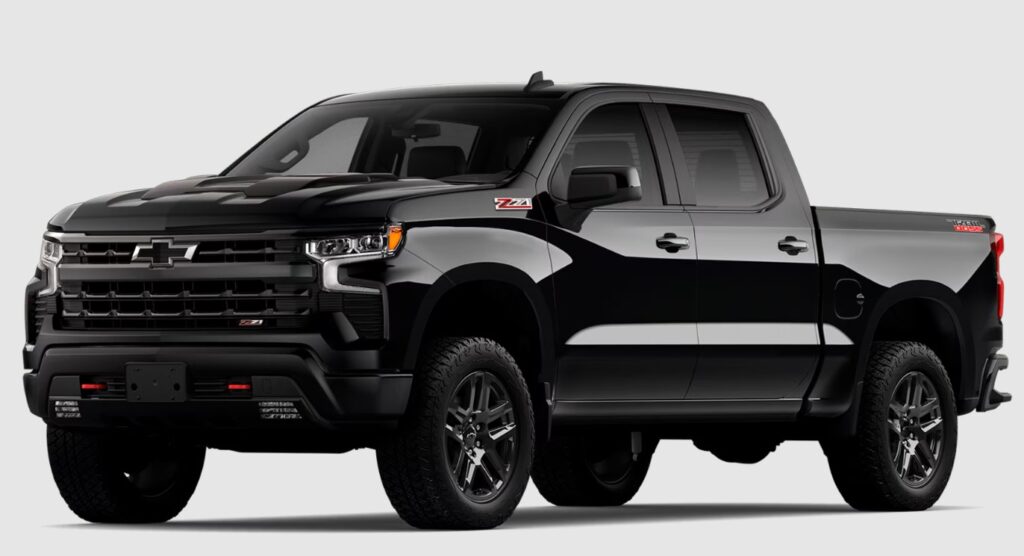
The Chevrolet Silverado and Dodge Ram have been trading punches in America’s full-size pickup arena for decades. Both can tow serious weight, carry a week’s worth of equipment, haul the family and still look perfectly at home outside a restaurant on Saturday night. Yet they approach those jobs with noticeably different personalities.
Before we get into the details, there is one naming point worth clearing up. The truck commonly called the Dodge Ram has officially been sold under the standalone Ram brand since the 2010 model year. Plenty of drivers still search for “Chevrolet Silverado vs Dodge Ram,” though, so we will use both Dodge Ram and Ram 1500 throughout this comparison.
So, which one belongs in your driveway?
The Silverado often feels like the practical, broad-shouldered worker who arrives early and brings every tool. The Ram is more like the experienced craftsman who insists that hard work does not have to be uncomfortable. One tends to emphasize capability, configuration choice and straightforward truck character; the other leans heavily into ride comfort, cabin refinement and polished performance.
Neither approach is universally better. The right answer depends on what we expect our truck to do every day.
Content in this publication
- Chevrolet Silverado vs Dodge Ram at a Glance
- Exterior Design: Traditional Muscle or Modern Presence?
- Engine Options and Performance
- Towing Capacity and Trailer Confidence
- Payload and Everyday Hauling
- Ride Quality: Where the Ram Pulls Ahead
- Handling, Steering and Braking
- Interior Quality and Cabin Design
- Infotainment and Connectivity
- Driver Assistance and Safety Technology
- Off-Road Capability: Silverado ZR2 vs Ram Rebel and RHO
- Fuel Economy and Operating Costs
- Reliability and Long-Term Ownership
- Maintenance and Repair Costs
- Trim Levels and Value
- Cab Space and Family Practicality
- Parking and Urban Driving
- Chevrolet Silverado vs Dodge Ram for Work
- Chevrolet Silverado vs Dodge Ram for Towing
- Chevrolet Silverado vs Dodge Ram for Daily Driving
- Chevrolet Silverado vs Dodge Ram: Pros and Cons
- Which Truck Should We Buy?
- Final Verdict: Chevrolet Silverado or Dodge Ram?
- Frequently Asked Questions
Chevrolet Silverado vs Dodge Ram at a Glance
For shoppers who want the main differences without circling the dealership three times, here is the broad picture:
| Category | Chevrolet Silverado 1500 | Ram 1500 |
|---|---|---|
| Overall personality | Functional, capable and configurable | Refined, comfortable and upscale |
| Maximum towing focus | Strong advantage in properly equipped configurations | Competitive, but generally lower at the top end |
| Engine variety | Turbo four-cylinder, V8 and diesel choices | V6 and high-output turbo six-cylinder choices |
| Ride comfort | Controlled and truck-like | Smooth and composed |
| Cabin design | Practical, modern on higher trims | Premium-looking across much of the range |
| Bed usability | Excellent cargo volume and useful bed features | Clever storage and available multifunction solutions |
| Technology | Strong towing tools and available hands-free driving | Large displays and intuitive infotainment |
| Best suited to | Work, towing and buyers wanting more configurations | Daily driving, comfort and luxury |
For the 2026 model year, Chevrolet advertises a maximum available Silverado 1500 towing capacity of 13,300 pounds. Ram lists a maximum available capacity of 11,610 pounds for the 2026 Ram 1500. Those figures apply only to specific configurations and should never be treated as the rating for every truck on a dealer lot.
Exterior Design: Traditional Muscle or Modern Presence?
Pickup styling is subjective, but these trucks hardly whisper.
The Silverado uses bold horizontal lines, squared-off bodywork and a front end that varies dramatically by trim. A basic Work Truck looks purposeful and almost industrial, while a High Country adds chrome and polished detailing. The ZR2 moves in the opposite direction with a tougher grille, raised stance and off-road hardware.
Ram’s design is slightly smoother. It still looks large and imposing, but its bodywork flows rather than appearing carved from separate blocks. Many Ram trims use slimmer lighting and a more integrated grille, producing a premium appearance without losing the visual weight expected from a full-size pickup.
Which Truck Looks Tougher?
The Silverado arguably looks more rugged in standard and off-road-oriented forms. Its square proportions communicate work before luxury.
The Ram tends to look more sophisticated. It has the presence of a truck wearing a tailored jacket: still powerful, but tidier around the edges.
Neither design is shy, so the decision comes down to whether we prefer traditional pickup aggression or modern refinement.
Engine Options and Performance
Powertrain choice is one of the most important differences in the Chevrolet Silverado vs Dodge Ram comparison.
Chevrolet gives Silverado buyers an unusually broad menu. Depending on trim and configuration, the lineup includes a turbocharged four-cylinder, naturally aspirated V8 engines and a 3.0-liter Duramax turbo-diesel inline-six. This variety lets us choose between affordable torque, classic V8 sound and diesel efficiency.
The Ram 1500 has moved away from the familiar Hemi V8 in its regular current lineup. Its principal options include the Pentastar V6 and versions of the turbocharged 3.0-liter Hurricane inline-six. The high-output Hurricane delivers the kind of acceleration that can make a large pickup feel surprisingly urgent.
Silverado Engine Character
The Silverado’s TurboMax four-cylinder delivers strong low-end torque and suits buyers who want useful capability without paying for a larger engine. It does not sound like a traditional V8, but it performs better than its cylinder count might suggest.
The 5.3-liter V8 is the familiar middle ground. It offers conventional power delivery, proven truck character and enough muscle for towing, commuting and general hauling.
The available 6.2-liter V8 is the choice for drivers who want stronger acceleration and a more commanding soundtrack. It makes the Silverado feel less like a tool and more like a performance-oriented truck.
Then there is the Duramax diesel. It develops its power calmly, pulls confidently at low engine speeds and can be an appealing option for frequent highway driving and towing. Chevrolet also promotes highway fuel economy of up to 28 mpg in suitable diesel configurations.
Ram Engine Character
The Ram’s standard V6 is generally adequate for commuting, light towing and everyday truck duties. It is the sensible option rather than the exciting one.
The Hurricane inline-six changes the mood. Turbocharging provides a broad wave of torque, while the high-output version delivers up to 540 horsepower and 521 pound-feet of torque according to Ram. That gives the truck forceful passing power and rapid acceleration without requiring a large-displacement V8.
Some traditional buyers may still miss the rumble and mechanical simplicity associated with a naturally aspirated V8. Others will appreciate the Hurricane’s smoother delivery and stronger output.
Which Truck Has the Better Engine Lineup?
The Silverado wins for variety. We can choose four-cylinder torque, two flavors of V8 power or diesel efficiency.
The Ram counters with modern turbocharged performance. Its Hurricane engine is strong, smooth and impressively quick, especially in high-output form.
Choose the Silverado when engine choice matters most. Choose the Ram when refined turbo power and acceleration sit higher on the priority list.
Towing Capacity and Trailer Confidence
Maximum towing figures look impressive in advertisements, but real towing ability involves more than one large number.
The truck’s engine, axle ratio, cab style, bed length, drivetrain, wheel package and optional equipment all affect its final rating. Payload matters too. A truck may technically pull a heavy trailer yet run out of payload capacity once we add passengers, hitch weight and cargo.
Silverado Towing Strength
Properly configured, the 2026 Silverado 1500 can tow up to 13,300 pounds. Chevrolet also offers an extensive collection of towing technology, including available trailer camera views, trailer profiles and assistance features designed to simplify hitching and monitoring.
The Silverado feels particularly convincing when towing with the diesel or larger V8 engines. Its steering remains reassuring, and its controls generally feel designed around people who use trailers regularly.
Ram Towing Strength
The 2026 Ram 1500 offers up to 11,610 pounds of maximum available towing capacity and up to 2,360 pounds of payload in the appropriate configuration. It also provides useful towing technology, including available trailer-related camera and guidance features.
While its maximum advertised towing figure trails the Silverado’s, the Ram remains capable enough for many boats, utility trailers, travel trailers and recreational loads.
Who Wins for Towing?
The Silverado wins the numerical contest and is usually the more compelling choice for buyers who regularly approach the upper end of half-ton towing.
The Ram may be preferable for moderate towing because its smoother ride can make long, unloaded portions of a journey more comfortable. Still, anyone towing frequently should compare the certification labels and exact specifications of individual trucks rather than relying on model-wide maximums.
Payload and Everyday Hauling
Payload includes everything placed in or on the truck: passengers, tools, bed cargo, accessories and trailer tongue weight.
Ram advertises up to 2,360 pounds of payload for the 2026 Ram 1500. Silverado payload varies substantially by configuration, and the work-oriented versions typically offer the strongest ratings.
The Silverado’s bed is one of its best practical assets. Chevrolet emphasizes wide bed dimensions, useful tie-down points and an available Multi-Flex tailgate. The tailgate can function as a step, work surface, load stop or access aid.
Ram’s available RamBox storage compartments offer a different kind of usefulness. These lockable spaces sit within the bed sides and can hold tools, cables, groceries or muddy equipment without occupying the main cargo floor.
Which Bed Is More Useful?
The Silverado is hard to beat when raw cargo space and traditional bed utility matter most.
The Ram is cleverer for organizing smaller equipment. RamBox storage can feel like having a pair of weather-resistant trunks permanently attached to the truck.
Contractors may prefer the Silverado’s expansive bed. Outdoor enthusiasts and everyday users may appreciate the Ram’s integrated storage.
Ride Quality: Where the Ram Pulls Ahead
Drive these trucks over broken pavement and the difference becomes clear.
The Ram 1500 is known for using a coil-spring rear suspension rather than the traditional leaf-spring setup found in many pickups. The result is a calmer, more controlled ride, especially when the bed is empty. Available air suspension can further improve comfort and adjust the truck’s height for access, aerodynamics or ground clearance.
The Silverado rides reasonably well, but it usually feels more like a conventional truck. Sharp bumps can send a firmer response through the cabin, and an unloaded rear end may feel busier over rough surfaces.
That is not necessarily a flaw. Some drivers prefer the Silverado’s more direct, connected character. It communicates the road and feels ready for work. The Ram filters more of that information out, gliding over imperfections like a heavyweight wearing running shoes.
Best Choice for Daily Commuting
The Ram wins for everyday comfort. Its suspension, cabin isolation and seating make it easier to live with during long commutes.
The Silverado remains pleasant enough, particularly on higher trims with smaller wheel packages, but it rarely matches the Ram’s composure on imperfect roads.
You may be interested in reading Chevrolet Silverado vs Ford Ranger: Which Truck Fits Your Life?
Handling, Steering and Braking
Neither vehicle behaves like a compact crossover. These are wide, heavy trucks that require planning in city traffic and parking garages.
The Silverado’s steering generally feels direct for a full-size pickup. It can seem slightly more agile than its dimensions suggest, particularly in configurations without oversized off-road tires.
The Ram feels stable and polished. Its softer ride does not make it clumsy, although the combination of a large body and comfort-focused suspension can create a slightly more relaxed response.
Braking performance depends on tires, load, road conditions and trim. Both trucks provide enough stopping power for ordinary use, but drivers moving from a car should allow time to adjust to the weight and longer dimensions.
Interior Quality and Cabin Design
Years ago, truck interiors were simple: bench seat, hard plastic and perhaps a cupholder if the manufacturer felt generous. Modern full-size pickups have become rolling offices and family lounges.
This is the category where the Ram built much of its reputation.
Ram Interior
The Ram cabin uses attractive shapes, substantial controls and carefully integrated screens. Even midrange trims can feel richer than expected, while upper trims introduce premium leather, detailed stitching, metal-look accents and generous storage.
Its vertical or landscape-oriented touchscreen arrangements vary by trim, but the menus are generally straightforward. Physical controls remain available for major climate and audio functions, which helps when driving on uneven roads.
Rear-seat space in Crew Cab models is abundant. Adults can stretch out, and the flat or nearly flat floor makes the second row useful for pets, luggage or work equipment.
Silverado Interior
The Silverado’s cabin depends heavily on trim.
Work-oriented models remain durable and uncomplicated. Higher trims receive a much more modern dashboard, available digital instrumentation and a large central touchscreen. The design prioritizes visibility and useful storage rather than visual theater.
The Silverado’s column-mounted shifter, broad console and numerous compartments suit drivers who treat the cabin as a mobile office. It may not always feel as luxurious as the Ram, but it can be wonderfully practical.
Cabin Winner
The Ram wins for materials, atmosphere and perceived luxury.
The Silverado answers with a functional layout and strong technology on upper trims. Buyers who work in muddy boots may actually prefer its less precious personality.
Infotainment and Connectivity
Both trucks offer modern essentials such as smartphone integration, Bluetooth connectivity, available navigation and multiple charging options.
Chevrolet’s Google-based infotainment system on many trims is crisp and feature-rich. Available built-in Google Maps, voice assistance and connected services make the interface familiar to Android users. Apple CarPlay and Android Auto availability helps drivers avoid learning an entirely new digital ecosystem.
Ram’s Uconnect system remains one of the more intuitive interfaces in the segment. Its graphics are polished, menus are logically arranged and available large displays create a premium impression.
Which System Is Easier to Use?
Ram’s Uconnect system may feel more immediately intuitive.
Chevrolet’s system offers deep integration and powerful features, but some users may need time to learn its menus. Both are significantly better when paired with physical controls for frequently used functions.
Driver Assistance and Safety Technology
Modern Silverado and Ram trucks can be equipped with features such as:
- Forward-collision warning
- Automatic emergency braking
- Lane-departure or lane-keeping assistance
- Blind-spot monitoring
- Rear cross-traffic alert
- Adaptive cruise control
- Surround-view cameras
- Trailer monitoring technology
Availability varies by year, trim and package, so buyers should inspect the equipment list rather than assume every feature comes standard.
Chevrolet’s available Super Cruise system is a major advantage for certain buyers. On compatible roads and under appropriate conditions, it can provide hands-free driving assistance. Some configurations are designed to support compatible trailer use as well.
Ram counters with available hands-free assistance and a strong collection of camera views, parking tools and towing aids.
Independent safety results also vary by cab style, test type and model year. For example, IIHS ratings for Silverado Crew Cab models show different outcomes across individual crash evaluations rather than one universal score. That is a useful reminder to examine the exact model and test instead of relying on a broad claim that one truck is simply “safer.”
Off-Road Capability: Silverado ZR2 vs Ram Rebel and RHO
Full-size pickups may spend most of their lives on pavement, but manufacturers know that mud-covered marketing photos sell trucks.
Chevrolet Silverado ZR2
The Silverado ZR2 adds serious hardware, including specialized dampers, locking differentials, increased ground clearance and protective equipment. It is designed for drivers who want more than an appearance package.
Its Multimatic DSSV dampers help control body movement on rough terrain without making the truck unbearable during ordinary driving. The ZR2 feels deliberate and mechanically focused, almost like a trail tool built from a work truck.
Ram Rebel and Ram RHO
The Ram Rebel provides extra ground clearance, all-terrain tires, skid protection and a tougher visual identity. It balances off-road ability with the comfortable road manners expected from a Ram.
The RHO pushes much further. With high-output Hurricane power and performance-oriented suspension, it targets drivers who want speed over rough surfaces rather than merely enough traction to reach a campsite.
Best Off-Road Truck
For technical crawling and controlled low-speed terrain, the Silverado ZR2 is an excellent choice.
For high-speed desert-style performance, the Ram RHO has the more dramatic personality.
For buyers who simply want a capable everyday truck with weekend trail ability, the Ram Rebel and Silverado Trail Boss deserve close comparison.
Fuel Economy and Operating Costs
Fuel economy varies enormously with engine, drivetrain, tires, axle ratio, cab design and driving style.
The Silverado diesel is the efficiency standout for long highway journeys, with Chevrolet advertising up to 28 mpg on the highway in an eligible configuration.
Gasoline V8 Silverados generally consume more fuel, especially in city driving or when equipped with four-wheel drive and aggressive tires. The turbocharged four-cylinder can be economical in some conditions, although heavy throttle use and towing quickly increase consumption.
The Ram’s V6 can return reasonable results for a truck of this size. Hurricane-powered models blend strong output with modern turbocharged efficiency, but drivers should not expect compact-car fuel bills from a 540-horsepower full-size pickup.
Diesel Savings Are Not Automatic
A diesel may use less fuel, but that does not guarantee lower total ownership cost. Buyers should also consider:
- Diesel fuel prices
- Higher purchase cost
- Diesel exhaust fluid
- Maintenance requirements
- Driving distance
- Resale value
- Frequency of towing
A driver covering long highway distances may benefit from the Silverado Duramax. Someone making short urban trips could find a gasoline engine simpler and more economical overall.
Reliability and Long-Term Ownership
Reliability debates often become brand loyalty contests, but real ownership is more complicated.
Both Chevrolet and Ram have produced excellent trucks, average trucks and problematic individual examples. Results can vary by engine, transmission, electrical equipment, model year and maintenance history.
The Silverado’s naturally aspirated V8 engines attract buyers who value familiar engineering, although cylinder-deactivation systems and modern electronics add complexity. Its diesel engine offers impressive torque and efficiency but introduces diesel-specific maintenance considerations.
Ram’s older Hemi-powered trucks have a large owner base and extensive parts support. Newer Hurricane models deliver excellent performance, but they have less long-term history simply because the design is newer.
What Matters More Than the Badge?
For a used truck, these factors usually matter more than whether the grille says Chevrolet or Ram:
- Complete maintenance records
- Evidence of regular fluid changes
- Previous towing or commercial use
- Rust underneath the body
- Transmission behavior when cold and warm
- Warning lights or stored fault codes
- Tire wear suggesting alignment or suspension issues
- Aftermarket modifications
- Accident and title history
- Results of an independent inspection
A beautifully detailed truck with missing records can hide an expensive past. A slightly worn truck with careful maintenance may be the wiser purchase.
Maintenance and Repair Costs
Routine expenses for both trucks include oil changes, filters, brake service, tires, batteries and drivetrain fluids.
The Silverado may have an advantage in parts familiarity and service availability because Chevrolet trucks are widely used in personal and commercial fleets. Ram also has a broad dealer network and strong aftermarket support.
Large wheels can make either truck more expensive to own. A fashionable set of 22-inch tires may look impressive in the showroom but cost considerably more to replace than a smaller, work-oriented package.
You may be interested in readingChevrolet Silverado vs Ford Ranger: Which Truck Fits Your Life?You may be interested in reading
Chevrolet Silverado and GMC Sierra: Similar Trucks, Different PersonalitiesOff-road trims introduce additional components, while luxury trims carry more electronic and comfort equipment that may become expensive outside warranty coverage.
Which Is Cheaper to Maintain?
There is no universal winner.
A basic Silverado Work Truck with a common gasoline engine may be relatively straightforward to service. A highly equipped diesel Silverado could cost more.
Likewise, a simple Ram Tradesman may be affordable to maintain, while a luxury Ram with air suspension, extensive electronics and high-output power may carry greater long-term repair risk.
The configuration matters as much as the brand.
Trim Levels and Value
Both manufacturers stretch their lineups from practical fleet trucks to luxury models that cost as much as premium SUVs.
Silverado Trim Strategy
The Silverado range typically includes work-focused, mainstream, off-road and luxury-oriented choices. Familiar names include Work Truck, Custom, LT, RST, LTZ, High Country, Custom Trail Boss, LT Trail Boss and ZR2.
This broad range is one of Chevrolet’s strengths. We can buy a basic regular-cab work truck, a family-friendly Crew Cab or a serious off-road model without leaving the Silverado nameplate.
Ram Trim Strategy
Ram commonly offers Tradesman, Big Horn or Lone Star, Laramie, Rebel, Limited Longhorn, Limited, Tungsten and performance-focused variants.
Even the middle of the Ram lineup can feel upscale. Higher trims compete less with ordinary work trucks and more with luxury SUVs that happen to have cargo beds.
Best-Value Trims
For the Silverado, an LT or RST often delivers the strongest balance of technology, comfort and capability. The LT Trail Boss suits buyers who genuinely need extra off-road hardware.
For the Ram, Big Horn offers useful flexibility, while Laramie is frequently the sweet spot for drivers wanting genuine comfort without climbing to the most expensive trims.
The ideal choice depends on incentives. Pickup pricing can change quickly, and a discounted higher trim may cost less than a heavily optioned lower one.
Cab Space and Family Practicality
Crew Cab versions of both trucks can replace a large SUV for many families.
The rear seats provide enough space for adults, child seats and travel bags. Wide door openings make entry easier, although the height can challenge young children or passengers with limited mobility.
The Ram’s second row feels especially lounge-like in premium trims. Available reclining rear seats and generous legroom make it appealing for long-distance family travel.
The Silverado provides abundant space as well, plus practical in-seatback storage on certain versions. Its cabin may feel less ornate, but it is highly usable.
Which Truck Is Better for Families?
The Ram wins when rear-seat comfort and cabin ambiance matter most.
The Silverado makes sense for families that regularly combine passenger use with dirty equipment, home-improvement supplies or towing. Its interior can feel easier to treat like a truck rather than a luxury room.
Parking and Urban Driving
No full-size pickup becomes small through clever camera angles.
Both trucks require attention in narrow streets, older parking structures and crowded urban lots. Crew Cab models with longer beds can feel enormous.
Available 360-degree cameras, front parking sensors and digital guidance lines are worth purchasing. They are not just luxury gadgets; they can prevent scratched bumpers, damaged wheels and awkward conversations with neighboring drivers.
The Ram’s smooth steering and suspension make urban driving comfortable. The Silverado’s camera technology and more direct feel can make its dimensions easier to judge.
Drivers living in dense cities should test the exact cab-and-bed combination before buying. A truck that feels manageable on a ten-minute test drive may become frustrating in a narrow home parking space.
Chevrolet Silverado vs Dodge Ram for Work
The Silverado is often the stronger pure work-truck proposition.
Its wide selection of configurations, useful bed design, strong maximum towing capacity and familiar engine choices make it attractive for contractors, fleet operators and drivers who regularly haul equipment.
Chevrolet also offers a deep commercial-truck ecosystem. Buyers can move beyond the Silverado 1500 into heavy-duty and chassis-cab models while maintaining a similar brand and service relationship.
The Ram Tradesman remains a credible worker. It offers strong payload potential, a comfortable cab and excellent storage solutions. However, the Ram’s defining advantages become more obvious when comfort and refinement matter alongside work.
Work-Truck Verdict
Choose the Silverado when the truck’s primary identity is a tool.
Choose the Ram when the truck must work during the week and function as a comfortable family vehicle after hours.
Chevrolet Silverado vs Dodge Ram for Towing
Frequent heavy towing favors the Silverado because of its higher maximum available rating and excellent diesel option.
The Ram remains entirely suitable for moderate loads and may provide the more relaxing unloaded ride once the trailer is disconnected.
Our decision should be based on the actual trailer, not an imagined future maximum. Calculate the loaded trailer weight, tongue weight, passengers, bed cargo and accessories. Then leave a sensible margin rather than buying a configuration that operates at its limit.
Chevrolet Silverado vs Dodge Ram for Daily Driving
The Ram is the better everyday companion for many drivers.
Its smooth ride, quiet cabin and upscale interior reduce the sense that we are commuting in a piece of commercial equipment. Long highway journeys are relaxed, and passengers receive a genuinely comfortable experience.
The Silverado is not uncomfortable, but it retains more traditional truck flavor. Some buyers will consider that honesty a virtue. Others will notice the firmer ride every time they cross a pothole.
Chevrolet Silverado vs Dodge Ram: Pros and Cons
Chevrolet Silverado Advantages
- Higher maximum available towing capacity
- Broader engine selection
- Available turbo-diesel engine
- Traditional V8 choices
- Excellent bed volume and utility
- Extensive towing technology
- Wide range of cab, bed and trim combinations
- Strong work-truck credentials
- Serious ZR2 off-road capability
Chevrolet Silverado Disadvantages
- Firmer ride than the Ram
- Lower trims can feel basic
- Cabin materials may trail equivalent Ram trims
- Numerous configurations can make shopping confusing
- Large wheels can reduce ride comfort
Ram 1500 Advantages
- Excellent ride quality
- Premium cabin design
- Strong Hurricane engine performance
- Intuitive infotainment
- Spacious and comfortable rear seating
- Clever RamBox storage availability
- Impressive luxury trims
- Refined highway behavior
Ram 1500 Disadvantages
- Lower maximum towing figure than the Silverado
- No regular current-lineup V8 option
- Premium trims become expensive quickly
- Air suspension can add long-term complexity
- Newer turbocharged engines have less long-term history
Which Truck Should We Buy?
The answer becomes easier when we focus on how the truck will spend most of its life.
Choose the Chevrolet Silverado 1500 when:
- Maximum towing capacity is a priority.
- We want a diesel engine.
- We prefer traditional V8 power.
- Bed space and work utility matter most.
- We need a specific cab-and-bed configuration.
- We want a truck that feels rugged and straightforward.
- We plan to use advanced trailering features regularly.
Choose the Ram 1500 when:
- Ride comfort is a major priority.
- The truck will serve as a family vehicle.
- We value interior quality.
- We want strong turbocharged performance.
- Rear-seat passengers travel frequently.
- Integrated bed-side storage is useful.
- We want a luxury-truck experience.
Final Verdict: Chevrolet Silverado or Dodge Ram?
The Chevrolet Silverado wins the capability argument. It offers more engine diversity, stronger maximum towing potential, excellent bed utility and a lineup broad enough to serve everyone from contractors to off-road enthusiasts. It feels like a truck designed from the bed forward: work comes first, and comfort is added around it.
The Ram 1500 wins the refinement argument. Its composed ride, polished cabin and powerful Hurricane engines make it one of the easiest full-size pickups to live with every day. It feels like a comfortable vehicle that also happens to be extremely capable.
For frequent towing, demanding work and buyers who want a diesel or naturally aspirated V8, we would lean toward the Silverado.
For commuting, family travel and drivers who want their truck to feel expensive and relaxed, we would choose the Ram.
The smartest move is to test-drive comparable configurations on the same day. Drive them over rough pavement, sit in the rear seats, test the cameras and inspect the payload labels. Specification sheets tell us what a truck can do. A proper drive tells us whether we will enjoy doing it.
Frequently Asked Questions
1. Is the Chevrolet Silverado better than the Dodge Ram?
The Silverado is generally better for maximum towing, engine variety, diesel availability and traditional work-truck utility. The Ram is usually better for ride comfort, cabin quality and daily driving. The better truck depends on whether capability or refinement matters more.
2. Which lasts longer, a Silverado or a Ram 1500?
Either truck can cover high mileage when maintained correctly. Service history, engine choice, previous towing, rust protection and driving habits matter more than the badge alone. A well-maintained Ram can outlast a neglected Silverado, and the reverse is equally true.
3. Which truck is better for towing a travel trailer?
The Silverado has the advantage for heavier travel trailers because its maximum available towing capacity is higher. The Ram remains suitable for many moderate trailers. Always check the specific truck’s payload label, hitch rating and configuration-based towing limit.
You may be interested in readingChevrolet Silverado vs Ford Ranger: Which Truck Fits Your Life?You may be interested in reading
Chevrolet Silverado and GMC Sierra: Similar Trucks, Different PersonalitiesYou may be interested in reading
 Ford Ranger vs F-150: Which Ford Truck Should We Buy?
4. Does the Ram 1500 ride better than the Silverado?
In most comparable configurations, yes. The Ram’s rear suspension delivers a smoother unloaded ride and better isolates passengers from broken pavement. The Silverado feels firmer and more traditionally truck-like.
5. Is the Ram still a Dodge?
No. Ram became a separate brand for the 2010 model year. The official modern name is Ram 1500, although many owners and online shoppers still use the familiar term “Dodge Ram.”
If you want to know other articles similar to Chevrolet Silverado vs Dodge Ram: Which Full-Size Pickup Is Better? you can visit the category Models.
BYD Shark 6 2025 vs 2026: What Actually Changed?
BMW i7 vs Porsche Taycan: Luxury EVs With Very Different Personalities
BMW i7 vs 7 Series: Which BMW Flagship Makes More Sense?
BMW i7 vs Mercedes EQS: The Ultimate Luxury EV Comparison
BMW i7 vs M760e: Electric Luxury or Plug-In Hybrid Power?
NFINITI QX60 or Similar: Luxury SUVs Worth Comparing
Leave a Reply
More content of your interest