
Ford Ranger Versus Toyota Tacoma: Which Midsize Truck Wins?

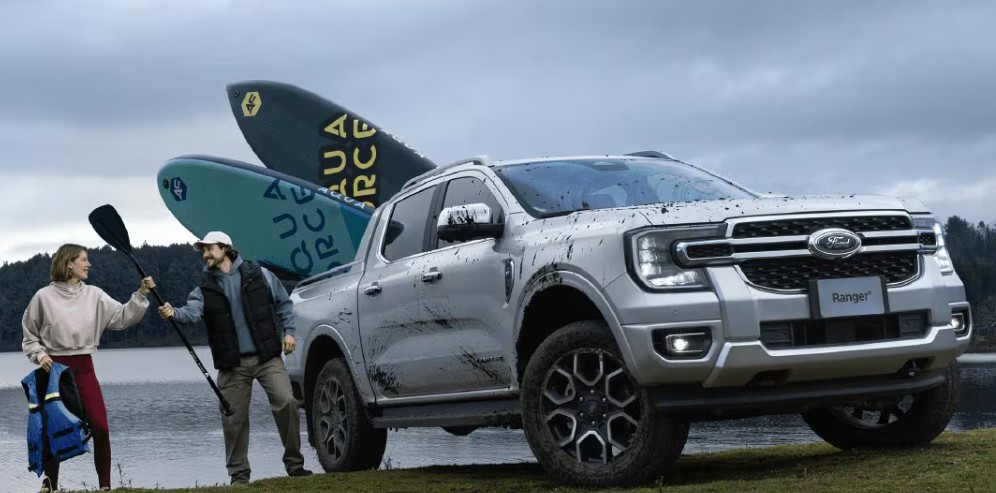
The Ford Ranger versus Toyota Tacoma debate feels like a heavyweight fight squeezed into the midsize pickup ring. Both trucks promise serious capability without demanding the parking space, fuel budget, or turning radius of a full-size pickup. Yet they approach the job from noticeably different directions.
The Ranger is the straightforward powerhouse. It focuses on strong engines, competitive payload capacity, confident towing, and a manageable trim lineup. The Tacoma, meanwhile, behaves more like a choose-your-own-adventure book. Toyota offers numerous configurations, two bed lengths, specialized off-road trims, a manual transmission option, and an available hybrid powertrain with substantial torque.
So, which one should we park in our driveway?
For buyers who prioritize towing, uncomplicated configuration choices, and energetic performance, the Ford Ranger makes a persuasive argument. For those who want maximum variety, specialized trail hardware, or Toyota’s distinctive truck character, the Tacoma may feel more compelling.
Let’s pull these two pickups apart—figuratively, of course—and see where each one shines.
Content in this publication
- Ford Ranger Versus Toyota Tacoma at a Glance
- The Main Difference Between the Ranger and Tacoma
- Exterior Design: Bold Versus Busier
- Dimensions and Everyday Maneuverability
- Engine Options and Performance
- Transmission Choices
- Towing Capacity
- Payload and Bed Utility
- Fuel Economy
- Ride Comfort and Road Manners
- Interior Space and Seating Comfort
- Technology and Infotainment
- Safety and Driver Assistance
- Off-Road Capability
- Tacoma Trailhunter: A Different Kind of Off-Roader
- Work-Truck Ability
- Daily Driving and Family Use
- Reliability and Long-Term Ownership
- Maintenance and Repair Considerations
- Resale Value
- Trim Levels and Buyer Choice
- Ford Ranger Versus Tacoma for Towing
- Ford Ranger Versus Tacoma for Off-Roading
- Ford Ranger Versus Tacoma for Commuting
- Ford Ranger Versus Tacoma for Camping
- Price and Overall Value
- Advantages of the Ford Ranger
- Advantages of the Toyota Tacoma
- Who Should Buy the Ford Ranger?
- Who Should Buy the Toyota Tacoma?
- Ford Ranger Versus Toyota Tacoma: Final Verdict
- Frequently Asked Questions
Ford Ranger Versus Toyota Tacoma at a Glance
Before we dive into engines, cabins, trails, and towing, here is the broad picture:
| Category | Ford Ranger | Toyota Tacoma |
|---|---|---|
| Best known for | Strong engines and towing | Configuration variety and off-road trims |
| Maximum available towing | Up to 7,500 pounds | Up to 6,500 pounds |
| Maximum available payload | Up to 1,767 pounds | Varies by configuration |
| Highest-output model | Ranger Raptor | Tacoma i-FORCE MAX |
| Available hybrid | No in the U.S. lineup | Yes |
| Manual transmission | No | Available on select versions |
| Bed choices | Five-foot bed | Five- or six-foot bed |
| Off-road flagship | Ranger Raptor | Tacoma TRD Pro |
| Overlanding specialist | No direct equivalent | Tacoma Trailhunter |
Ford officially lists a maximum available towing capacity of 7,500 pounds and a maximum available payload of 1,767 pounds for the 2026 Ranger. Toyota lists a maximum towing capacity of 6,500 pounds for the 2026 Tacoma. Actual ratings depend on the engine, drivetrain, trim, equipment, passengers, and cargo.
The Main Difference Between the Ranger and Tacoma
The simplest way to separate these trucks is this:
The Ranger offers a narrower but highly capable lineup, while the Tacoma provides far more configurations and personalities.
Ford keeps the Ranger range relatively easy to understand. Buyers generally move through practical trims before reaching the high-performance Raptor. Engine choices include turbocharged four-cylinder and V6 options, depending on trim.
Toyota spreads the Tacoma across a broader spectrum. There are affordable work-oriented versions, everyday family trucks, manual-transmission models, luxury-oriented trims, dedicated trail machines, a hybrid, and factory-built overlanding options.
That variety is exciting, but it also makes Tacoma shopping more complicated. Two trucks carrying the Tacoma badge may feel surprisingly different depending on their engine, suspension, cab, bed, drivetrain, and trim.
The Ranger is more like ordering from a focused steakhouse menu. The Tacoma hands us a buffet plate and says, “Build whatever you like.”
Exterior Design: Bold Versus Busier
Ford Ranger Styling
The Ranger follows the visual language of Ford’s larger pickups. Its squared-off front end, C-shaped lighting, upright grille, and broad shoulders make it look substantial without pretending to be an F-150.
There is a practical simplicity to the design. The body does not rely on too many decorative creases or contrasting panels. Even lower trims tend to look clean and purposeful.
The Ranger Raptor turns up the aggression with:
- Flared wheel arches
- Larger off-road tires
- A bold FORD grille
- Increased ride height
- Additional underbody protection
- More muscular bumpers
The ordinary Ranger looks ready for work. The Raptor looks as though it has already escaped work early and is halfway across a desert.
Toyota Tacoma Styling
The Tacoma takes a more dramatic approach. Its sharp body lines, high-mounted lighting, sculpted doors, pronounced fenders, and upright grille create a busier appearance.
Some buyers will call it adventurous. Others may find it slightly overdesigned.
The styling changes significantly by trim. A basic Tacoma SR can appear relatively restrained, while the TRD Pro and Trailhunter add enough off-road equipment to resemble factory-built expedition trucks.
Toyota’s design has more visual theater. Ford’s design is more cohesive. Neither answer is objectively right; it depends on whether we prefer rugged simplicity or aggressive detail.
Dimensions and Everyday Maneuverability
Neither truck is genuinely small. Modern midsize pickups have grown to the point where they overlap with older full-size models.
Both can feel bulky in urban parking garages, narrow driveways, and crowded supermarket lots. However, they remain easier to handle than most half-ton trucks.
The Tacoma gains an important practicality advantage because it can be configured with different cab and bed combinations. Buyers who need a longer cargo box can select a six-foot bed on compatible versions.
The U.S.-market Ranger is more standardized. It typically combines a crew cab with a bed measuring roughly five feet long. That arrangement works well for passengers, but it offers less flexibility for buyers who routinely transport motorcycles, building materials, camping equipment, or long tools.
For suburban use, the Ranger’s simpler proportions feel easy to understand. For buyers with specific cab-and-bed requirements, the Tacoma offers more freedom.
Engine Options and Performance
This is where the comparison becomes particularly interesting.
Ford Ranger Engine Choices
The Ranger’s available engines are designed around usable torque and strong acceleration.
Depending on configuration, the lineup includes:
- A 2.3-liter EcoBoost turbocharged four-cylinder
- An available 2.7-liter EcoBoost twin-turbo V6
- A 3.0-liter twin-turbo EcoBoost V6 in the Ranger Raptor
All are paired with a 10-speed automatic transmission.
The standard four-cylinder provides enough output for commuting, moderate towing, and recreational driving. It does not feel like a punishment for choosing the entry engine.
The available 2.7-liter V6 is the sweet spot for many buyers. It adds stronger acceleration and greater low-speed confidence without requiring the full expense or specialized suspension of the Raptor.
Then we have the Ranger Raptor. Its 3.0-liter twin-turbo V6 delivers sports-car-like urgency in a vehicle shaped like a tool shed. It is excessive in the most enjoyable way.
Toyota Tacoma Engine Choices
Toyota moved away from the old naturally aspirated engines used in previous Tacoma generations. The current truck relies on a 2.4-liter turbocharged four-cylinder in several output levels.
Depending on the trim and transmission, buyers may get:
- A lower-output i-FORCE engine
- A higher-output i-FORCE engine
- A six-speed manual transmission
- An eight-speed automatic transmission
- The i-FORCE MAX hybrid system
The hybrid combines the turbocharged engine with an electric motor to produce 326 horsepower and 465 pound-feet of torque in supported configurations. That torque figure is the headline. It gives the truck immediate low-speed strength rather than turning it into an economy-focused hybrid.
Which Truck Feels Faster?
In regular trims, both trucks provide healthy turbocharged acceleration. The Ford’s available 2.7-liter V6, however, gives the Ranger an effortless muscular quality that a heavily loaded truck driver may appreciate.
At the top of the range, the Ranger Raptor is the performance champion. The Tacoma hybrid produces more torque than many conventional midsize pickups, but the Raptor’s engine, transmission calibration, and high-speed off-road chassis make it feel more explosive.
Performance winner: Ford Ranger
Transmission Choices
Ford uses a 10-speed automatic throughout the Ranger lineup. It helps keep the engine within its strongest operating range and contributes to good acceleration.
The transmission may shift frequently under changing loads because it has so many ratios to choose from. Some drivers barely notice this. Others prefer the simpler rhythm of a transmission with fewer gears.
Toyota pairs most Tacoma models with an eight-speed automatic. It also continues to offer a six-speed manual on select configurations.
That manual option matters—not because most buyers will choose it, but because almost no other modern midsize pickup gives enthusiasts the choice.
For effortless daily operation, both automatics perform the job. For drivers who insist on three pedals, the Tacoma wins automatically.
Transmission choice winner: Toyota Tacoma
Towing Capacity
Towing is one of the clearest victories for the Ranger.
Properly equipped, the 2026 Ford Ranger can tow up to 7,500 pounds. Ford’s published towing guide lists the 2.3-liter and 2.7-liter engines with maximum ratings reaching that figure in supported configurations.
The 2026 Toyota Tacoma can tow up to 6,500 pounds when appropriately configured.
That creates a maximum-rating difference of 1,000 pounds.
What Can These Trucks Realistically Tow?
Depending on the specific trailer and configuration, either truck may be suitable for:
- A small or medium travel trailer
- A pair of personal watercraft
- A utility trailer
- ATVs or side-by-sides
- A lightweight boat
- Landscaping equipment
- A compact car on a suitable trailer
However, a published maximum is not an automatic recommendation. Trailer tongue weight consumes payload capacity, while passengers, cargo, accessories, and aftermarket equipment reduce the remaining margin.
A truck rated to pull 7,500 pounds may not comfortably accommodate a heavy trailer once the cab is full of people and the bed is packed with gear.
Still, when comparing factory maximums, Ford holds the advantage.
Towing winner: Ford Ranger
Payload and Bed Utility
Payload covers everything placed in or on the truck, including passengers, cargo, accessories, and trailer tongue weight.
Ford lists a maximum available Ranger payload of 1,767 pounds in a suitably equipped 4x2 XL with the 2.3-liter EcoBoost engine.
That is a strong figure for a midsize pickup.
Tacoma payload varies substantially. Cab style, drivetrain, trim, bed length, hybrid equipment, suspension hardware, skid plates, larger tires, and luxury features can all alter the rating.
A practical work truck usually carries more than an off-road flagship because elaborate suspension systems and heavy equipment consume some of the vehicle’s weight allowance.
Ford Ranger Bed Advantages
The Ranger bed is useful and thoughtfully shaped, with available power access, tie-down points, and integrated features depending on trim.
Its primary limitation is choice. Buyers do not receive the same range of bed-length configurations offered by Toyota.
Toyota Tacoma Bed Advantages
Tacoma buyers can select five- or six-foot beds on compatible models. That alone may determine the decision for contractors, outdoor enthusiasts, and owners who regularly transport long cargo.
Toyota also offers trim-specific bed features and available power outlets that support camping, tools, and recreational equipment.
Maximum payload winner: Ford Ranger
You may be interested in reading Ford Ranger Versus Chevy Colorado: Which Midsize Truck Wins?
Bed configuration winner: Toyota Tacoma
Fuel Economy
Fuel economy varies widely based on drivetrain, tires, axle ratio, trim, and off-road equipment.
A conventional Ranger with the four-cylinder engine is competitive within the segment. Third-party testing and EPA-based estimates commonly place efficient configurations in the low-20-mpg combined range. The 2026 four-cylinder Ranger can reach approximately 22 to 23 mpg combined in certain configurations, while four-wheel drive and heavier equipment reduce that figure.
The Tacoma’s strongest conventional fuel-economy configurations can reach approximately 23 mpg combined, with some variants rated as high as 26 mpg on the highway. Off-road versions are less efficient.
The Tacoma hybrid deserves clarification. It provides excellent torque and respectable efficiency, but it is not a Prius wearing hiking boots. Toyota designed the i-FORCE MAX system mainly to improve performance and responsiveness.
That means buyers should not expect miraculous fuel savings, especially after fitting accessories, carrying cargo, or driving on aggressive tires.
In real life, the difference between two configurations may matter more than the difference between the two model names.
Fuel-economy winner: Slight advantage to Toyota Tacoma
Ride Comfort and Road Manners
How the Ford Ranger Drives
The Ranger feels composed and stable on pavement. Its steering is predictable, the cabin remains reasonably controlled, and the suspension avoids excessive float.
Like almost every body-on-frame pickup, it can feel firm or slightly bouncy over sharp bumps when the bed is empty. Adding moderate cargo often settles the rear suspension.
The available V6 makes highway passing particularly easy. Press the accelerator, and the truck gathers speed without the strained soundtrack we sometimes hear from smaller engines.
How the Toyota Tacoma Drives
The Tacoma’s driving experience varies more by trim.
Basic and street-focused versions can feel controlled and reasonably comfortable. Off-road models may ride differently because of specialized shocks, larger tires, increased ground clearance, and additional chassis equipment.
The new-generation Tacoma is more refined than its predecessor, especially in seating position, power delivery, and interior technology. Yet specialized versions still remind us that they were tuned for rocks and dirt rather than perfectly polished commutes.
The Ranger feels slightly more consistent across its lineup. The Tacoma allows buyers to choose a more specialized personality.
On-road comfort winner: Ford Ranger
Interior Space and Seating Comfort
Older Tacomas were often criticized for their low seating position and unusual floor relationship. The current generation improves the cabin layout and gives occupants a more natural posture.
Ford’s Ranger cabin is straightforward and upright. The controls are logically arranged, visibility is generally good, and the front seats suit long journeys.
Rear-seat comfort is acceptable in both trucks, but neither replaces a large crossover or full-size crew-cab pickup. Taller passengers may find knee room and seat-bottom support less generous than expected.
Ranger Interior Strengths
The Ranger appeals with:
- A clean dashboard
- Convenient physical controls
- Useful storage areas
- A modern vertical touchscreen
- Comfortable front seating
- An easy-to-learn layout
Tacoma Interior Strengths
The Tacoma counters with:
- More trim-specific cabin designs
- An available 14-inch touchscreen
- Available digital instrumentation
- Abundant physical switches
- Interesting storage solutions
- Premium features on upper trims
- A detachable JBL speaker on supported models
Toyota’s available 14-inch multimedia screen supports modern connectivity features, including wireless smartphone integration.
Ford’s cabin feels cleaner. Toyota’s feels more adventurous.
Interior design winner: Tie
Technology and Infotainment
Both trucks offer the technology expected from a modern pickup:
- Apple CarPlay
- Android Auto
- Touchscreen infotainment
- Digital driver information
- USB charging
- Available premium audio
- Multiple camera views
- Trailer-related assistance
- Connected vehicle features
The Ranger’s vertically oriented central screen gives the dashboard a modern, uncluttered appearance. Ford’s interface is relatively intuitive, although placing too many functions inside a screen can occasionally slow simple tasks.
The Tacoma’s available 14-inch display is broader and visually commanding. Toyota retains useful physical buttons and switches around the cabin, which many truck owners appreciate when wearing gloves or driving over rough terrain.
The Tacoma may impress more at first glance. The Ranger may feel slightly less overwhelming.
Safety and Driver Assistance
Both pickups offer modern safety systems, although standard and optional equipment changes by trim.
Depending on configuration, features may include:
- Automatic emergency braking
- Forward-collision warning
- Lane-departure alert
- Lane-keeping assistance
- Blind-spot monitoring
- Rear cross-traffic alert
- Adaptive cruise control
- Parking sensors
- Surround-view cameras
- Trailer blind-spot coverage
Toyota Safety Sense 3.0 is widely included across the Tacoma range, giving Toyota a strong standard-equipment story.
Ford equips the Ranger with its Co-Pilot360 family of driver-assistance features. However, the precise package depends on trim and options.
Neither truck makes careful driving optional. These systems are backup dancers, not lead singers.
Off-Road Capability
Here the comparison becomes more nuanced because both manufacturers offer several levels of trail ability.
Regular Ranger Off-Road Performance
A four-wheel-drive Ranger with suitable tires and the FX4 package can handle:
- Muddy trails
- Gravel roads
- Moderate rocks
- Snow
- Sand
- Remote campsites
- Rutted access roads
Available terrain-management features help adapt the throttle response, traction control, transmission behavior, and four-wheel-drive system to different surfaces.
Regular Tacoma Off-Road Performance
Toyota has spent decades building the Tacoma’s trail reputation. Even before reaching the top trims, buyers can select versions with off-road suspension, underbody protection, a locking rear differential, terrain modes, and crawl-speed assistance.
The Tacoma TRD Off-Road may be one of the most balanced options in the segment. It delivers legitimate trail capability without climbing all the way to TRD Pro pricing.
Ranger Raptor Versus Tacoma TRD Pro
This is the poster-on-the-bedroom-wall comparison.
The Ranger Raptor emphasizes speed, suspension travel, aggressive damping, and high-energy desert running. It uses a twin-turbo V6, sophisticated Fox shocks, locking differentials, wide bodywork, and large all-terrain tires.
The Tacoma TRD Pro focuses on technical trail control, hybrid torque, ground clearance, articulation, and occupant stability. Its available IsoDynamic front seats use damping mechanisms designed to reduce body movement over rough terrain.
The Ranger Raptor feels like a rally truck that escaped into public traffic.
The Tacoma TRD Pro feels like an advanced mountain goat with a touchscreen.
Which Is Better Off-Road?
For high-speed desert driving and sheer performance, choose the Ranger Raptor.
For slow technical trails, hybrid torque, and traditional Tacoma trail character, choose the TRD Pro.
High-speed off-road winner: Ford Ranger Raptor
Technical trail character: Toyota Tacoma TRD Pro
Tacoma Trailhunter: A Different Kind of Off-Roader
Toyota has an extra card to play: the Trailhunter.
Rather than chasing the Raptor’s high-speed personality, the Trailhunter focuses on overlanding and long-distance off-grid travel.
Its equipment can include:
- Old Man Emu suspension components
- Underbody protection
- All-terrain tires
- Heavy-duty recovery points
- An elevated air intake
- Bed utility accessories
- Additional electrical capability
- The i-FORCE MAX hybrid powertrain
The Trailhunter is not necessarily the best choice for commuting, towing the heaviest trailer, or carrying the greatest payload. It exists for buyers who look at an empty trail map and see a weekend itinerary.
Ford does not offer a direct U.S.-market Ranger equivalent from the factory.
Overlanding winner: Toyota Tacoma Trailhunter
Work-Truck Ability
The Ranger has a slight advantage as a traditional workhorse.
Its strong maximum payload, 7,500-pound towing rating, uncomplicated bed-and-cab arrangement, and available V6 make it easy to configure for daily labor.
The Tacoma remains useful, especially in lower and mid-level trims. Its optional six-foot bed can be invaluable for tradespeople who carry long tools or supplies.
However, higher Tacoma trims may become expensive quickly. Specialized suspension, luxury equipment, hybrid components, and off-road hardware do not necessarily make a truck better at carrying concrete bags.
For regular jobsite use, we would compare a Ranger XL or XLT against a Tacoma SR or SR5 rather than using the flashy flagship models.
Work-truck winner: Ford Ranger
Daily Driving and Family Use
For daily driving, we care about more than horsepower.
We need:
- Comfortable seats
- Predictable handling
- Easy phone connectivity
- Useful storage
- Manageable parking dimensions
- Reasonable fuel consumption
- Driver-assistance technology
- Enough rear-seat room
The Ranger’s clean layout and controlled road behavior make it easy to live with. It feels like the more conventional choice for a buyer who wants one vehicle to handle work, errands, commuting, and occasional towing.
The Tacoma can perform those roles too, but trim selection is crucial. A street-focused SR5 or Limited will usually make a more agreeable daily driver than a TRD Pro or Trailhunter with specialized tires and suspension.
Choosing an extreme off-road trim for grocery runs is a little like wearing mountaineering boots to walk across the living room. It works, but we are paying for abilities we rarely use.
You may be interested in readingFord Ranger Versus Chevy Colorado: Which Midsize Truck Wins?You may be interested in reading
Ford Ranger Similar Trucks: The Best Alternatives ComparedDaily-driving winner: Ford Ranger, narrowly
Reliability and Long-Term Ownership
Toyota Tacoma reliability has become part of pickup-truck folklore. Older models developed a reputation for durability, strong resale value, and the ability to survive years of imperfect treatment.
However, reputation should not replace research.
The current Tacoma uses a newer generation of turbocharged and hybrid powertrains. We should not automatically assume that it will behave exactly like an older naturally aspirated model. It may prove excellent, but long-term data takes time to develop.
The Ranger also uses turbocharged engines and electronically complex systems. Ford’s EcoBoost technology has been on the market for years, yet maintenance history and correct servicing remain important.
For either truck, long-term durability will depend heavily on:
- Timely oil changes
- Correct fluid specifications
- Cooling-system maintenance
- Transmission servicing
- Proper towing practices
- Rust prevention
- Tire and alignment care
- Avoiding poor-quality modifications
- Addressing warning lights promptly
Toyota has the stronger historical reputation and resale narrative. Ford counters with proven engine families and broad service availability.
Historical reliability reputation: Toyota Tacoma
Maintenance and Repair Considerations
Neither truck should be treated like an old, mechanically simple pickup.
Turbochargers, direct injection, electronic driver aids, digital dashboards, camera systems, active safety sensors, and complex transmissions can increase repair costs outside warranty coverage.
The Tacoma hybrid adds an electric motor and high-voltage battery system. These components provide benefits, but they also introduce hardware that conventional versions do not carry.
The Ranger Raptor and Tacoma TRD Pro use specialized suspension components that may cost more to replace than ordinary shocks.
Before buying, we should consider the cost of:
- Replacement tires
- Brake components
- Scheduled transmission service
- Differential and transfer-case fluids
- Suspension repairs
- Insurance
- Hybrid-system service
- Advanced camera calibration
- Turbocharger-related repairs
- Factory-size off-road tires
A base or mid-level truck will usually cost less to own than an off-road flagship, even when the expensive model comes with more standard equipment.
Resale Value
The Tacoma has traditionally performed exceptionally well in the used market. Buyers recognize the name, trust its history, and actively search for clean examples.
That reputation can help owners recover more money when selling. It can also make buying a used Tacoma surprisingly expensive.
The Ranger may depreciate more depending on market conditions, trim, mileage, and incentives. That is less attractive for the first owner but potentially helpful for a secondhand buyer searching for value.
Resale value is never guaranteed. Fuel prices, interest rates, incentives, model updates, recalls, and regional demand can change the calculation.
Still, based on historical market perception, the Tacoma holds the stronger hand.
Resale winner: Toyota Tacoma
Trim Levels and Buyer Choice
Toyota easily wins the variety contest.
The Tacoma lineup spans practical, sporty, luxurious, off-road, hybrid, manual, and overlanding configurations. Buyers can tailor the truck closely to their lifestyle.
Ford’s Ranger lineup is smaller and easier to navigate. That simplicity can be refreshing. Instead of comparing a maze of cab, bed, suspension, and drivetrain combinations, we can focus on a few meaningful decisions.
Choose a Ranger Trim When You Want:
- A straightforward work truck
- Strong towing ability
- An available conventional V6
- Easy trim comparisons
- High-speed off-road performance
- A five-seat crew cab
Choose a Tacoma Trim When You Want:
- A manual transmission
- A six-foot bed
- A hybrid powertrain
- A specialized overlanding model
- Numerous off-road choices
- More configuration freedom
Choice and variety winner: Toyota Tacoma
Ford Ranger Versus Tacoma for Towing
Choose the Ranger when towing is one of the truck’s primary jobs.
Its maximum 7,500-pound rating creates a useful advantage over the Tacoma’s maximum 6,500-pound figure. The available 2.7-liter V6 also provides the relaxed torque delivery many drivers prefer when merging or climbing with a trailer.
The Tacoma remains perfectly suitable for lighter campers, boats, and recreational trailers. It may even offer specific camera or trailer-assistance features that appeal to certain owners.
But pure maximum capacity belongs to Ford.
Ford Ranger Versus Tacoma for Off-Roading
Choose based on the type of off-roading we actually do.
For fast open terrain, sand, large bumps, and dramatic suspension performance, the Ranger Raptor is the obvious choice.
For technical trails, traditional trail equipment, trim diversity, and slow-speed control, the Tacoma range is difficult to beat.
For overlanding, the Trailhunter offers a specialized factory solution.
For occasional muddy roads and campsites, neither flagship is necessary. A Ranger FX4 or Tacoma TRD Off-Road can provide plenty of capability at a more rational price.
Ford Ranger Versus Tacoma for Commuting
The Ranger is our preferred commuter.
Its cabin is straightforward, its road manners are composed, and its engine options provide effortless acceleration. The truck feels relatively easy to understand from the driver’s seat.
A Tacoma SR5 or Limited can also be an excellent daily vehicle. The crucial point is avoiding unnecessary off-road hardware unless we genuinely use it. Large all-terrain tires may produce more noise, cost more to replace, and reduce fuel economy.
For a city commute, buy the truck we need—not the truck that looks best parked beside an imaginary canyon.
Ford Ranger Versus Tacoma for Camping
This category leans toward the Tacoma.
The availability of a longer bed, hybrid torque, factory power features, numerous accessories, and the Trailhunter overlanding trim gives Toyota a strong camping story.
Yet the Ranger remains appealing for campers who tow. Its higher maximum towing capacity may be more valuable than a specialized overlanding package when pulling a travel trailer.
Tent campers and overlanders may prefer the Tacoma. Travel-trailer owners may prefer the Ranger.
Price and Overall Value
The lowest advertised price never tells the whole story.
A base truck may lack four-wheel drive, towing equipment, upgraded safety features, bed accessories, or the engine we actually want. Once options are added, the final number can climb rapidly.
The Tacoma’s broad range allows buyers to enter at a relatively basic level, but upper trims can approach luxury-vehicle territory. The Ranger lineup is less complicated, although the Raptor also commands a premium.
The best-value versions are usually found in the middle:
- Ford Ranger XLT with carefully chosen options
- Toyota Tacoma SR5 for balanced everyday use
- Toyota Tacoma TRD Off-Road for trail-oriented buyers
- Ford Ranger with the available 2.7-liter V6 for performance and towing
We should compare actual dealer quotes, standard equipment, financing, insurance, and intended ownership period—not just manufacturer starting prices.
Advantages of the Ford Ranger
The Ranger’s strongest qualities include:
- Higher maximum towing capacity
- Strong maximum payload
- Available twin-turbo V6
- Powerful Ranger Raptor
- Composed on-road manners
- Simple trim structure
- Straightforward interior
- Competitive four-cylinder efficiency
- Strong work-truck credentials
Its weaknesses include limited cab-and-bed variety, no U.S.-market hybrid option, no manual transmission, and fewer specialized off-road configurations.
Advantages of the Toyota Tacoma
The Tacoma’s key advantages include:
- Broad trim selection
- Five- and six-foot bed options
- Available manual transmission
- Available i-FORCE MAX hybrid
- Strong low-speed torque
- Extensive off-road equipment
- Dedicated Trailhunter overlanding model
- Historically strong resale value
- Established trail reputation
- Distinctive styling and personality
Its disadvantages include a lower maximum towing rating, potentially confusing configurations, expensive high-end trims, and varying ride comfort across the lineup.
Who Should Buy the Ford Ranger?
The Ranger is likely the better truck when we:
- Tow regularly
- Want a strong conventional V6
- Prefer a simple lineup
- Need competitive payload capacity
- Spend most of our time on pavement
- Want rapid high-speed off-road performance
- Do not need a six-foot bed
- Prefer an automatic transmission
- Value straightforward everyday usability
It is the sensible athlete of the pair: strong, quick, and capable without requiring us to decode a giant menu.
Who Should Buy the Toyota Tacoma?
The Tacoma makes more sense when we:
- Want a manual transmission
- Need a six-foot bed
- Prefer a hybrid powertrain
- Prioritize resale reputation
- Frequently drive technical trails
- Want a factory overlanding truck
- Enjoy choosing from many configurations
- Prefer Toyota’s design and cabin character
- Plan to modify the truck with a broad aftermarket ecosystem
It is the adventure specialist: more complicated, more customizable, and available in a version for almost every type of truck enthusiast.
Ford Ranger Versus Toyota Tacoma: Final Verdict
There is no universal winner because these pickups target overlapping but slightly different buyers.
The Ford Ranger wins as the stronger all-round work-and-tow truck. Its 7,500-pound maximum towing capacity, high available payload, strong engine lineup, composed road manners, and relatively simple trim structure make it easy to recommend. The available 2.7-liter V6 is especially attractive for buyers who want effortless power without jumping to an extreme off-road model.
The Toyota Tacoma wins for variety, customization, and specialized adventure use. It offers multiple bed lengths, a manual transmission, an available hybrid, numerous TRD models, and the Trailhunter overlanding trim. Its historical resale reputation also remains a major attraction.
Our final recommendation is straightforward:
Buy the Ford Ranger for towing, everyday performance, payload, and simplicity. Buy the Toyota Tacoma for configuration choice, technical off-roading, hybrid torque, and overlanding.
The Ranger is the sharper multipurpose tool. The Tacoma is the larger toolbox.
Frequently Asked Questions
1. Is the Ford Ranger better than the Toyota Tacoma?
The Ford Ranger is better for buyers who prioritize maximum towing capacity, strong payload figures, on-road performance, and an available V6. The Toyota Tacoma is better for buyers who want more trims, bed choices, a manual transmission, a hybrid powertrain, or specialized off-road configurations.
2. Which can tow more, the Ranger or Tacoma?
The properly equipped 2026 Ford Ranger can tow up to 7,500 pounds, while the 2026 Toyota Tacoma is rated to tow up to 6,500 pounds in its strongest configuration. Actual capacity varies by trim, drivetrain, passengers, cargo, and equipment.
3. Which is better off-road, Tacoma or Ranger?
The Ranger Raptor is generally the stronger option for high-speed off-road driving. The Tacoma offers more trail-oriented configurations, including the TRD Off-Road, TRD Pro, and Trailhunter. The better choice depends on whether we prioritize speed, technical crawling, or overlanding.
4. Does the Ford Ranger have a hybrid engine?
The 2026 U.S.-market Ranger lineup does not offer a hybrid powertrain. The Toyota Tacoma offers the i-FORCE MAX hybrid, producing up to 326 horsepower and 465 pound-feet of torque in supported configurations.
You may be interested in readingFord Ranger Versus Chevy Colorado: Which Midsize Truck Wins?You may be interested in reading
Ford Ranger Similar Trucks: The Best Alternatives ComparedYou may be interested in reading
 GMC Sierra vs Canyon: Which GMC Truck Fits You Best?
5. Which truck should we buy for daily driving?
The Ranger is slightly easier to recommend for daily driving because of its composed road manners, simple interior, and strong power delivery. A Tacoma SR5 or Limited can also be comfortable, but aggressive off-road trims may bring firmer suspension, noisier tires, and higher running costs.
If you want to know other articles similar to Ford Ranger Versus Toyota Tacoma: Which Midsize Truck Wins? you can visit the category Models.
BMW i7 vs Porsche Taycan: Luxury EVs With Very Different Personalities
BMW i7 vs 7 Series: Which BMW Flagship Makes More Sense?
BMW i7 vs Mercedes EQS: The Ultimate Luxury EV Comparison
BMW i7 vs M760e: Electric Luxury or Plug-In Hybrid Power?
NFINITI QX60 or Similar: Luxury SUVs Worth Comparing
Infiniti QX60 vs VW Atlas: Which Three-Row SUV Makes More Sense?
Leave a Reply
More content of your interest