
GMC Sierra or Similar: The Best Full-Size Truck Alternatives

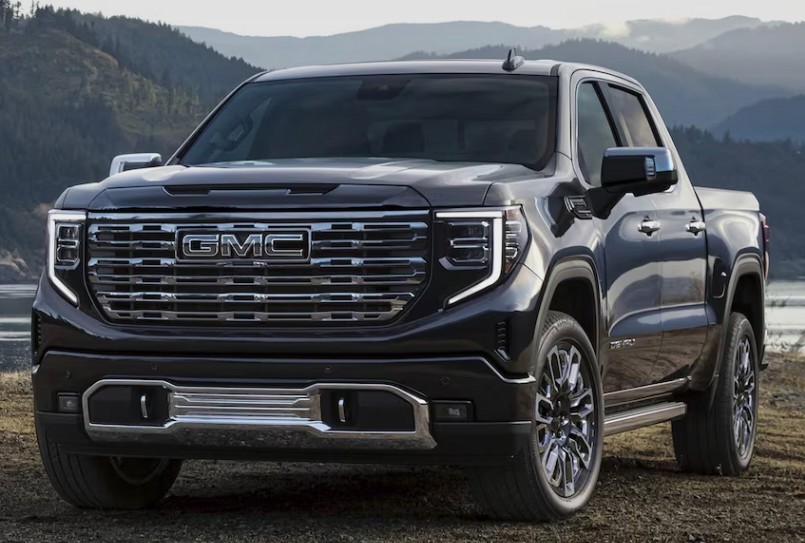
Shopping for a GMC Sierra or similar pickup can feel like walking into a steakhouse where every cut looks tempting. The Sierra is polished, powerful, and unmistakably upscale, but it is far from the only full-size truck worth parking in our driveway.
Maybe we want a softer ride. Perhaps we need stronger towing capability, better fuel economy, a lower purchase price, or an off-road package that can handle more than a muddy parking lot. Some buyers love the Sierra’s refined cabin but wonder whether they are paying extra for a badge. Others simply want to compare every realistic option before signing a long financing agreement.
That is the smart approach.
A full-size pickup is not a casual purchase. It may become our work truck, family vehicle, weekend towing machine, road-trip companion, and mobile storage unit all at once. Choosing the wrong model can leave us paying for capability we never use—or wishing we had bought more truck when the trailer is hooked up.
In this guide, we will explore the best vehicles similar to the GMC Sierra, including the Chevrolet Silverado 1500, Ford F-150, Ram 1500, Toyota Tundra, Nissan Titan, and several smaller alternatives. We will also break down which truck suits different lifestyles, budgets, and driving priorities.
Content in this publication
- What Does “GMC Sierra or Similar” Mean?
- Why Buyers Consider Alternatives to the GMC Sierra
- GMC Sierra 1500: The Benchmark
- Chevrolet Silverado 1500: The Closest Sierra Alternative
- Ford F-150: The Most Versatile Alternative
- Ram 1500: The Comfort-Focused Rival
- Toyota Tundra: The Bold, Modern Alternative
- Nissan Titan: The Underrated Full-Size Option
- GMC Sierra HD or Similar: When a 1500 Is Not Enough
- Mid-Size Alternatives: Do We Need a Full-Size Truck?
- Electric Alternatives to the GMC Sierra
- Which Truck Offers the Best Ride Quality?
- Which Sierra Alternative Is Best for Towing?
- Which Alternative Offers the Best Fuel Economy?
- Which Full-Size Truck Has the Best Interior?
- GMC Sierra Versus Similar Trucks: Quick Comparison
- New Versus Used: Which Route Makes More Sense?
- How to Choose the Right Truck for Our Lifestyle
- Questions to Ask Before Buying or Renting
- Final Verdict: What Is the Best GMC Sierra Alternative?
- Frequently Asked Questions
What Does “GMC Sierra or Similar” Mean?
When a rental company, dealership, or online listing says “GMC Sierra or similar,” it usually refers to a full-size pickup with comparable passenger space, cargo capacity, engine performance, and towing potential.
The exact substitute may vary, but it will generally belong to the same broad category. Typical alternatives include:
- Chevrolet Silverado 1500
- Ford F-150
- Ram 1500
- Toyota Tundra
- Nissan Titan
- Chevrolet Silverado HD in heavy-duty categories
- Ford Super Duty in larger rental classes
- Ram 2500 when extra capability is required
However, “similar” does not necessarily mean identical. One truck may have a smaller engine, shorter bed, lower trim level, or different cab configuration. A crew-cab Sierra, for example, is not truly equivalent to a regular-cab work truck merely because both have four wheels and a cargo box.
We should always confirm the cab style, bed length, drivetrain, towing equipment, and passenger capacity before accepting a substitute.
Why Buyers Consider Alternatives to the GMC Sierra
The GMC Sierra has plenty going for it. It offers bold styling, several capable engines, a comfortable cabin, useful bed features, and premium trims that blur the line between pickup and luxury SUV.
Still, no truck is perfect for everyone.
Some drivers compare alternatives because the Sierra can become expensive once desirable packages are added. Others prefer the driving feel of a Ram, the huge configuration range of an F-150, or the mechanical familiarity of a Silverado.
Availability also matters. The ideal Sierra configuration may not be sitting at the local dealership, while a comparable rival could be ready for immediate delivery with a better discount.
Common Reasons to Shop Around
We may want a Sierra alternative because we prioritize:
- A lower purchase price
- Better financing or lease incentives
- A more comfortable ride
- Greater maximum towing capacity
- Hybrid power
- Stronger resale value
- A simpler work-oriented interior
- More standard driver-assistance equipment
- Better off-road hardware
- Easier access to parts and service
The best alternative is not automatically the truck with the biggest numbers. It is the one that handles our real-world routine with the fewest compromises.
GMC Sierra 1500: The Benchmark
Before comparing rivals, we need to understand what makes the Sierra appealing.
The Sierra 1500 sits in the light-duty, full-size pickup category. Depending on configuration, it can serve as a basic work vehicle, a comfortable family truck, a serious towing platform, or a high-end luxury machine.
Its biggest strength is range. Entry-level versions focus on value and durability, while premium trims add upscale materials, large digital displays, advanced trailering technology, and distinctive exterior details.
The Sierra also offers different personalities. Some models are built for pavement and long highway drives. Others add lifted suspension, all-terrain tires, skid plates, and locking differentials for more demanding terrain.
Where the Sierra Performs Best
The Sierra makes the most sense when we want:
- A refined full-size pickup
- Strong towing and hauling flexibility
- Multiple engine choices
- A premium-looking exterior
- Clever cargo-bed features
- Advanced camera and trailering systems
- A luxury-oriented trim without leaving the truck category
Its weakness is value at the upper end. A heavily equipped Sierra can cost as much as a premium SUV, and not every buyer needs the features bundled into expensive packages.
Chevrolet Silverado 1500: The Closest Sierra Alternative
The Chevrolet Silverado 1500 is the most obvious answer when someone asks for a GMC Sierra or similar truck.
The Silverado and Sierra share major structural and mechanical foundations. Their available engines, transmissions, cab styles, bed dimensions, and general capability can be closely related. Think of them as siblings raised in the same house but dressed by different stylists.
The Sierra usually aims for a more upscale appearance, while the Silverado often presents a broader, more work-focused image. Depending on trim and local pricing, the Chevrolet may cost less while delivering nearly the same practical capability.
Why Choose the Silverado Instead?
The Silverado may be the better choice when we want:
- Similar mechanical capability
- A potentially lower transaction price
- More work-oriented configurations
- Wider dealer availability in some regions
- Familiar Chevrolet styling
- Comparable towing and payload potential
For buyers who like the Sierra’s fundamentals but do not care about its premium positioning, the Silverado is difficult to ignore.
Where the Silverado Feels Different
Although the two trucks may share important hardware, their interiors, trim structures, exterior designs, and equipment packages can differ. The Sierra often feels slightly more polished in comparable upper trims, while the Silverado may offer a more straightforward value proposition.
The final decision may come down to styling and price rather than capability.
Ford F-150: The Most Versatile Alternative
The Ford F-150 is one of the most flexible full-size pickups on the market. It is like a multitool on wheels: simple in basic form, sophisticated in premium form, and highly specialized when configured for towing, off-roading, or commercial work.
Ford typically offers numerous engines, cabin layouts, bed lengths, packages, and technology options. That variety allows us to build an F-150 around a specific job rather than adapting our needs to a narrow set of configurations.
Why the F-150 Competes So Strongly
The F-150 stands out for:
- Broad configuration choices
- Strong towing potential
- Available hybrid power
- Useful onboard technology
- Work-friendly interior features
- Wide parts and service support
- Multiple off-road variants
- Strong brand recognition
An available hybrid powertrain can appeal to buyers who want improved efficiency without moving to a fully electric truck. Certain configurations may also provide onboard electrical power for tools, appliances, or campsite equipment.
Who Should Choose the F-150?
The Ford makes sense for contractors, frequent towers, fleet buyers, and drivers who enjoy comparing dozens of configurations before choosing one.
Its greatest strength can also become its weakness. The options list is deep enough to feel like a maze, and prices rise quickly when packages begin stacking up.
Ram 1500: The Comfort-Focused Rival
If ride comfort sits at the top of our list, the Ram 1500 deserves serious attention.
Many full-size pickups remind us that they were designed to carry weight. The Ram often hides that working-class foundation beneath a smoother, more composed driving experience. On broken pavement, it can feel less nervous and less truck-like than some competitors.
Inside, upper trims can rival luxury vehicles with soft-touch surfaces, large displays, thoughtful storage, and impressive seat comfort.
Why Drivers Prefer the Ram 1500
The Ram may suit us if we value:
- A smooth ride
- A quiet cabin
- Comfortable seats
- Upscale interior design
- Strong everyday drivability
- Useful cabin storage
- Muscular styling
For buyers who spend more time commuting than towing, those qualities matter. A giant tow rating looks great in a brochure, but a calm ride makes a difference every morning.
Potential Ram Trade-Offs
Depending on the model year and configuration, fuel economy, payload, pricing, and long-term ownership concerns may influence the decision. We should examine the specific engine and equipment combination rather than judging every Ram by the reputation of a single version.
A well-chosen Ram can be an excellent family and lifestyle truck, but we should not assume the fanciest trim is automatically the smartest purchase.
Toyota Tundra: The Bold, Modern Alternative
The Toyota Tundra appeals to buyers who want a full-size pickup with distinctive styling, modern turbocharged power, and the reputation associated with the Toyota name.
It feels different from the Sierra before we even start the engine. The exterior design is aggressive, the dashboard has its own personality, and the available powertrains take a more contemporary approach than traditional large-displacement truck engines.
Why Consider the Tundra?
The Tundra may attract us with:
- Strong torque
- Available hybrid assistance
- Bold exterior design
- Modern infotainment
- Toyota dealer support
- Good family-friendly cabin space
- Multiple off-road configurations
It can be especially appealing to drivers who already trust Toyota vehicles and want to move into a larger pickup without switching brands.
Where the Sierra May Still Win
The Sierra may offer more configuration variety, a broader selection of engines, and greater flexibility for buyers with highly specific towing or work requirements.
The Tundra is not necessarily the best choice for someone who wants endless combinations. It is better suited to a buyer who likes Toyota’s formula and finds a trim that fits without extensive customization.
Nissan Titan: The Underrated Full-Size Option
The Nissan Titan is less commonly mentioned than the Sierra, F-150, Ram, or Tundra, but used examples can offer appealing value.
Its simpler lineup can be refreshing. We do not need a spreadsheet merely to understand the engine choices and trim structure. For some buyers, that simplicity is a feature rather than a limitation.
Why a Used Titan Can Make Sense
A Titan may be worth considering when we want:
- Full-size dimensions
- Strong gasoline power
- Straightforward configurations
- Competitive used pricing
- A less common truck
- Good standard equipment in certain trims
The main concerns may include market availability, resale value, fuel consumption, and the long-term future of parts and model-specific support. We should investigate local service coverage before purchasing.
It may not be the default choice, but the right used Titan at the right price can be a genuine bargain.
GMC Sierra HD or Similar: When a 1500 Is Not Enough
A Sierra 1500 is capable, but it is still a light-duty truck. Buyers towing large fifth-wheel trailers, heavy construction equipment, or substantial commercial loads may need a Sierra 2500HD or 3500HD.
Comparable heavy-duty alternatives include:
- Chevrolet Silverado 2500HD or 3500HD
- Ford F-250 or F-350 Super Duty
- Ram 2500 or 3500
These trucks offer stronger frames, heavier-duty suspension components, larger powertrain options, and higher towing and payload potential.
Do We Really Need a Heavy-Duty Truck?
A heavy-duty model makes sense when our loaded trailer weight, payload requirements, or commercial use exceeds the comfortable operating range of a half-ton truck.
However, bigger is not always better.
Heavy-duty pickups can be more expensive, harder to park, less comfortable when unloaded, and thirstier in daily traffic. Buying one solely because it looks impressive is like wearing hiking boots to walk across the living room. It works, but it is unnecessary.
We should calculate actual trailer weight, tongue or pin weight, passengers, cargo, and accessories before choosing a truck class.
Mid-Size Alternatives: Do We Need a Full-Size Truck?
Not every Sierra shopper truly needs a Sierra-sized vehicle.
A mid-size pickup may provide enough capability while being easier to drive, park, and fuel. Models such as the GMC Canyon, Chevrolet Colorado, Ford Ranger, Toyota Tacoma, and Nissan Frontier can handle commuting, home-improvement runs, outdoor gear, and moderate towing.
When a Mid-Size Truck Is the Smarter Choice
Consider stepping down in size when:
- We rarely tow heavy trailers
- The truck will spend most of its time in the city
- Garage space is limited
- Fuel and tire costs matter
- We carry passengers only occasionally
- We prefer easier maneuverability
- Payload needs are modest
Mid-size trucks are not tiny. Many are surprisingly capable and can feel more natural on narrow roads or crowded urban streets.
The GMC Canyon Connection
The GMC Canyon is the Sierra’s smaller relative. It carries similar brand styling and can offer a premium cabin without the full-size footprint.
For buyers attracted to the Sierra’s appearance but intimidated by its dimensions, the Canyon may be the sweet spot.
Electric Alternatives to the GMC Sierra
Electric pickups are creating another path for truck buyers. Depending on regional availability, alternatives may include electric versions from GMC, Ford, Chevrolet, Rivian, and other manufacturers.
Electric trucks can offer immediate torque, quiet operation, advanced technology, and the convenience of home charging.
Yet they require a different ownership mindset.
Electric Truck Advantages
Potential benefits include:
- Strong acceleration
- Quiet driving
- Reduced tailpipe emissions
- Home-charging convenience
- Useful onboard power
- Large front storage compartments on some models
- Lower routine powertrain maintenance
Electric Truck Limitations
We should also consider:
- Higher purchase prices
- Reduced range while towing
- Charging availability
- Charging time on long trips
- Cold-weather range changes
- Heavy vehicle weight
- Insurance and repair costs
An electric truck can be brilliant for predictable daily routes and home charging. It may be less convenient for frequent long-distance towing through areas with limited charging infrastructure.
Which Truck Offers the Best Ride Quality?
Ride quality depends on tires, suspension, wheel size, cab length, payload, and road conditions. Still, some models have distinct personalities.
The Ram 1500 is often the comfort-oriented choice. The Sierra feels stable and refined in many trims, while the F-150 balances work capability with everyday usability. The Tundra can feel firm but confident, especially in off-road-focused versions.
Large wheels may look dramatic, but they can reduce ride comfort by leaving less tire sidewall to absorb impacts. An expensive truck on oversized wheels can sometimes ride worse than a cheaper trim with sensible tires.
For daily comfort, we should test-drive the exact trim and wheel package we plan to buy.
Which Sierra Alternative Is Best for Towing?
Towing is not determined by the badge alone.
The maximum rating shown in advertising often applies to a specific engine, axle ratio, drivetrain, cab, bed, and equipment package. A luxurious crew-cab truck on large wheels may have a lower payload rating than a simpler work-oriented configuration.
Towing Factors We Must Verify
Before buying, check:
- The truck’s specific tow rating
- Payload capacity on the door-jamb label
- Gross vehicle weight rating
- Gross combined weight rating
- Trailer tongue or pin weight
- Hitch class and equipment
- Brake-controller availability
- Cooling and axle packages
- Passenger and cargo weight
- Local licensing or legal requirements
A truck can have enough engine power to move a trailer while lacking enough payload capacity to carry its tongue weight safely.
The best towing truck is the one that handles our loaded trailer with a meaningful safety margin—not the one with the loudest commercial.
Which Alternative Offers the Best Fuel Economy?
Fuel economy varies dramatically between engines and driving conditions.
A turbocharged gasoline engine may perform well when unloaded but consume significantly more fuel when towing. Diesel power can provide strong torque and efficient highway operation, but diesel models may cost more to purchase and maintain. Hybrid systems can improve certain driving situations, although they are not magic.
How to Choose the Right Engine
We should match the engine to our routine:
- Choose a smaller turbo engine for commuting and light-duty use.
- Consider a larger gasoline engine for simple, familiar power.
- Look at diesel for frequent towing and long highway distances.
- Consider hybrid power for mixed driving and onboard-energy features.
- Avoid paying for maximum output if we will never use it.
Real-world fuel costs depend on annual mileage, fuel prices, towing frequency, and maintenance—not merely the official consumption figure.
Which Full-Size Truck Has the Best Interior?
Interior quality has become a major battleground.
The Sierra offers an attractive combination of truck practicality and premium design, especially in higher trims. The Ram 1500 is a strong rival when comfort and visual richness matter. The F-150 emphasizes functionality, available technology, and clever work features. The Tundra takes a rugged, modern approach.
There is no universal winner because our expectations differ.
A contractor may prefer durable vinyl flooring and physical controls. A family buyer may prioritize rear-seat space, cupholders, charging ports, and quiet highway comfort. A luxury shopper may want leather, open-pore wood, massaging seats, and a premium audio system.
The “best” cabin is the one that supports our daily life without turning every muddy boot into a panic attack.
GMC Sierra Versus Similar Trucks: Quick Comparison
| Truck | Main Strength | Possible Drawback | Best For |
|---|---|---|---|
| GMC Sierra 1500 | Premium style and capability | Can become expensive | Buyers wanting refinement |
| Chevrolet Silverado 1500 | Sierra-like capability and value | Less premium image in some trims | Work and practical ownership |
| Ford F-150 | Huge configuration range | Complex options and pricing | Towing, fleets, mixed use |
| Ram 1500 | Ride comfort and interior quality | Some configurations can be costly | Families and commuters |
| Toyota Tundra | Modern power and bold design | Fewer configurations | Toyota loyalists and lifestyle buyers |
| Nissan Titan | Used-market value and simplicity | Limited availability | Budget-conscious used buyers |
| GMC Canyon | Easier dimensions | Lower maximum capability | Urban and recreational use |
This table gives us a starting point, but the exact trim matters more than the model name. A basic Sierra and a luxury Sierra can feel like entirely different vehicles.
New Versus Used: Which Route Makes More Sense?
Buying new gives us the latest technology, full warranty coverage, easier financing, and the ability to choose an exact configuration. It also exposes us to the steepest portion of depreciation.
A used truck may offer better value, especially if the first owner absorbed the initial price drop. However, used pickups deserve careful inspection because they may have spent years towing, hauling, idling, or traveling on rough roads.
What to Inspect on a Used Full-Size Truck
Look for:
- Service records
- Signs of commercial use
- Uneven tire wear
- Transmission hesitation
- Fluid leaks
- Rust underneath
- Trailer-hitch wear
- Modified suspension
- Aftermarket engine tuning
- Damage inside the bed
- Four-wheel-drive operation
- Warning lights
- Recalls and software updates
A shiny exterior can hide a hard life. The hitch receiver, bed floor, pedal wear, and underbody often tell a more honest story than the paint.
How to Choose the Right Truck for Our Lifestyle
The easiest way to choose among the Sierra and its rivals is to stop asking which truck is best overall.
Instead, we should ask which one is best for us.
Choose the GMC Sierra If…
We want premium styling, advanced trailering technology, strong capability, and a broad trim range.
Choose the Chevrolet Silverado If…
We like the Sierra’s underlying formula but want a more practical image or potentially lower price.
Choose the Ford F-150 If…
We need maximum configuration flexibility, strong work features, hybrid availability, or specialized towing equipment.
Choose the Ram 1500 If…
Comfort, cabin quality, and daily drivability matter more than chasing the highest possible rating.
Choose the Toyota Tundra If…
We want Toyota ownership, modern turbocharged power, bold styling, and a straightforward selection of capable trims.
Choose a Mid-Size Truck If…
We do not tow or haul enough to justify full-size dimensions and running costs.
Choose Heavy-Duty Only When Necessary
Move to a 2500- or 3500-series truck when verified towing and payload requirements demand it. Do not make the leap based on appearance alone.
Questions to Ask Before Buying or Renting
Before committing to a GMC Sierra or similar vehicle, ask:
- Is it a crew cab, double cab, or regular cab?
- How many adults can sit comfortably?
- What is the bed length?
- Is it two-wheel drive or four-wheel drive?
- Which engine does it have?
- What is its actual payload rating?
- Does it include a trailer-brake controller?
- Is the hitch installed?
- What fuel does it require?
- Will it fit inside our garage?
- Does the rental agreement allow towing?
- Are mileage limits included?
- What does the warranty cover?
- How much will insurance cost?
- Are advanced safety features standard?
These questions prevent unpleasant surprises. The phrase “or similar” can cover a wide range of equipment, and assumptions are expensive.
Final Verdict: What Is the Best GMC Sierra Alternative?
The Chevrolet Silverado 1500 is the closest overall alternative because it offers similar dimensions, mechanical foundations, engines, and capability. For buyers who like the Sierra but want a potentially more affordable or work-focused package, it is the natural first comparison.
The Ford F-150 is the strongest choice for configuration flexibility and specialized capability. The Ram 1500 is ideal for drivers who place comfort and cabin quality above everything else. The Toyota Tundra delivers a bold, modern alternative with strong brand appeal, while a used Nissan Titan may provide surprising value.
Still, the Sierra remains a compelling middle ground. It blends serious truck capability with upscale styling better than many competitors. It can work during the week, tow on Saturday, and arrive at a nice restaurant without looking like it took a wrong turn from a construction site.
The smartest move is to compare equivalent configurations rather than model names. Match cab to cab, engine to engine, drivetrain to drivetrain, and equipment to equipment. Then calculate the total cost—not merely the monthly payment.
A truck should fit our life like a good pair of boots: strong enough for hard work, comfortable enough for long days, and never larger or more expensive than necessary.
Frequently Asked Questions
1. What vehicles are considered similar to a GMC Sierra?
The closest vehicles are the Chevrolet Silverado 1500, Ford F-150, Ram 1500, Toyota Tundra, and Nissan Titan. In a heavy-duty category, similar trucks may include the Silverado HD, Ford Super Duty, and Ram Heavy Duty.
2. Is a Chevrolet Silverado the same as a GMC Sierra?
They are not identical, but they may share important platforms, engines, transmissions, and dimensions. The Sierra generally has more premium styling and trim options, while the Silverado often emphasizes broad utility and value.
3. Is the Ford F-150 better than the GMC Sierra?
It depends on our priorities. The F-150 offers extensive configuration choices and strong work technology. The Sierra may appeal more to buyers who prefer premium styling, intuitive trailering features, and a slightly more upscale brand image.
4. What does “GMC Sierra or similar” mean when renting?
It means the rental company may provide a Sierra or another pickup in the same general vehicle class. The substitute could differ in brand, engine, cab style, bed size, drivetrain, and equipment, so we should confirm those details before pickup.
5. Should we buy a full-size or mid-size truck?
Choose a full-size truck when passenger room, bed capacity, towing ability, or payload is a regular priority. A mid-size truck is often smarter for city driving, light towing, recreational use, and buyers who want lower running costs.
If you want to know other articles similar to GMC Sierra or Similar: The Best Full-Size Truck Alternatives you can visit the category Models.
BMW i7 vs Porsche Taycan: Luxury EVs With Very Different Personalities
BMW i7 vs 7 Series: Which BMW Flagship Makes More Sense?
BMW i7 vs Mercedes EQS: The Ultimate Luxury EV Comparison
BMW i7 vs M760e: Electric Luxury or Plug-In Hybrid Power?
NFINITI QX60 or Similar: Luxury SUVs Worth Comparing
Infiniti QX60 vs VW Atlas: Which Three-Row SUV Makes More Sense?
Leave a Reply
More content of your interest