
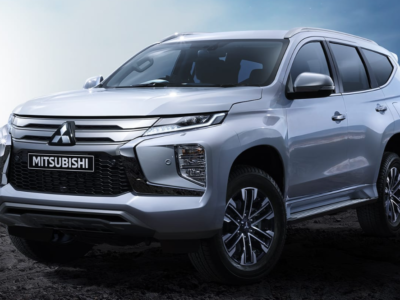
Mitsubishi Outlander Issues: Common Problems, Symptoms, and Solutions

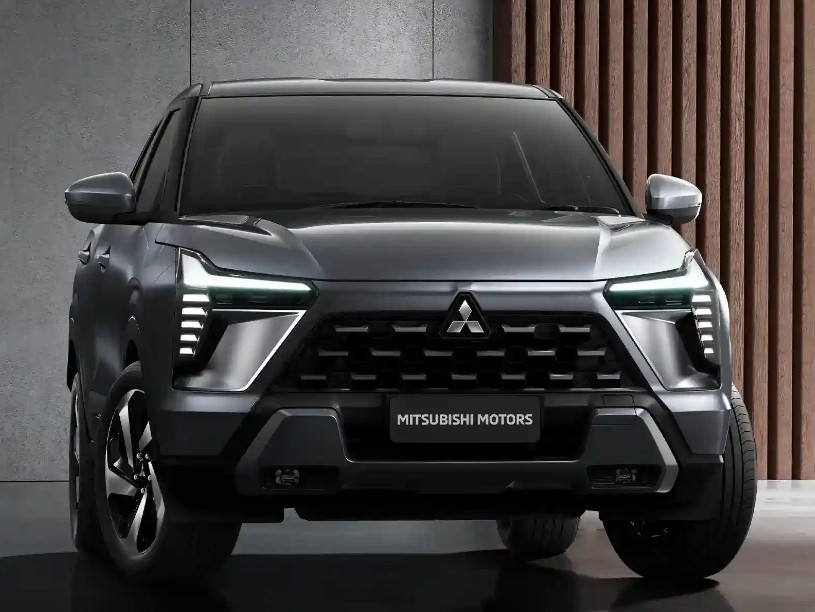
The Mitsubishi Outlander has spent years carving out a practical corner of the SUV market. It offers family-friendly space, available all-wheel drive, reasonable running costs, and—in plug-in hybrid form—the possibility of completing short journeys without burning much fuel. On paper, it often looks like the sensible shoes of the SUV world: comfortable, versatile, and ready for everyday life.
Still, sensible shoes can develop worn soles.
Searches for Mitsubishi Outlander issues usually come from two groups of people. Some already own an Outlander and have noticed a strange noise, warning message, shudder, or electrical glitch. Others are considering a used model and want to know whether they are stepping into a dependable family SUV or a mechanical money pit.
The honest answer sits somewhere in the middle.
The Outlander is not automatically an unreliable vehicle, but its trouble spots vary considerably by generation, engine, transmission, drivetrain, and market. A gasoline-powered Outlander with a continuously variable transmission does not present the same ownership risks as an Outlander PHEV with a high-voltage battery and two electric motors. Age, mileage, climate, servicing, and previous ownership matter just as much as the badge on the tailgate.
In this guide, we will explore the most commonly discussed Mitsubishi Outlander problems, explain their warning signs, and look at what owners can do before a small concern grows teeth.
Content in this publication
- Are Mitsubishi Outlanders Reliable?
- The Most Common Mitsubishi Outlander Issues at a Glance
- Mitsubishi Outlander CVT Problems
- CVT Overheating During Long or Demanding Drives
- Engine Oil Consumption
- Oil Leaks Around the Engine
- Rough Idle, Misfires, and Loss of Power
- Suspension Knocking and Clunking Noises
- Steering Problems and Wheel Alignment
- Premature or Uneven Brake Wear
- Electrical Faults and Multiple Warning Lights
- Weak 12-Volt Battery Problems
- Infotainment and Smartphone Connection Issues
- Air-Conditioning Not Blowing Cold
- Four-Wheel-Drive System Warnings
- Power Tailgate Problems
- Keyless Entry and Starting Problems
- Mitsubishi Outlander PHEV Issues
- Interior Rattles and Trim Quality
- Rust and Underbody Corrosion
- Warning Signs You Should Never Ignore
- How Much Do Mitsubishi Outlander Repairs Cost?
- How to Prevent Common Outlander Problems
- What to Check Before Buying a Used Mitsubishi Outlander
- Should You Avoid the Mitsubishi Outlander?
- Conclusion: Understanding Mitsubishi Outlander Issues
- Frequently Asked Questions
Are Mitsubishi Outlanders Reliable?
Broadly speaking, a well-maintained Outlander can be a dependable daily vehicle. Plenty of examples cover high mileages while handling school runs, commuting, shopping trips, winter roads, and occasional towing without dramatic failures.
However, we should not treat every Outlander as the same machine.
The model has evolved through several generations and has been sold with different gasoline engines, diesel engines, automatic transmissions, CVTs, manual gearboxes, four-wheel-drive systems, and plug-in hybrid powertrains. An issue associated with one version may not apply to another.
Reliability usually depends on four major factors:
- The Outlander’s model year and powertrain
- Whether maintenance was completed correctly
- How the vehicle was driven and stored
- Whether recalls and service campaigns were addressed
A complete service history is therefore more valuable than a polished dashboard or freshly cleaned engine bay. Shiny plastic can hide neglect as easily as a rug hides dust.
The Most Common Mitsubishi Outlander Issues at a Glance
Although specific problems depend on the model, owners and technicians frequently focus on the following areas:
- CVT shuddering, hesitation, or overheating
- Engine oil consumption or oil leaks
- Suspension knocks and premature wear
- Electrical faults and warning messages
- Weak or failing 12-volt batteries
- Infotainment freezing or connection problems
- Air-conditioning performance issues
- Brake noise or uneven wear
- Four-wheel-drive warning lights
- PHEV charging and battery concerns
- Power tailgate malfunctions
- Interior rattles and trim wear
This list may sound intimidating, but not every Outlander develops these faults. Some symptoms also come from ordinary wear rather than a serious design defect.
The key is knowing which signs demand immediate attention and which ones can wait until the next scheduled workshop visit.
Mitsubishi Outlander CVT Problems
Shuddering and Surging During Acceleration
The continuously variable transmission is one of the most frequently discussed areas on certain gasoline-powered Outlanders.
Instead of shifting through fixed gears like a traditional automatic, a CVT continuously adjusts its operating ratio. When working correctly, it delivers smooth acceleration and keeps the engine near an efficient speed. When something is wrong, however, the driving experience may feel strangely elastic.
Drivers may notice:
- Shuddering at low speeds
- Hesitation when pulling away
- Engine revs rising without matching acceleration
- Surging on gentle throttle
- A whining or humming noise
- Reduced power after extended driving
- A transmission warning message
Mitsubishi issued technical service information addressing possible shudder or surge symptoms on certain vehicles equipped with CVT-8 transmissions. The documented diagnostic process may involve checking fault codes, transmission-fluid condition, hydraulic operation, software, and internal components rather than immediately replacing the entire transmission.
What Causes CVT Shudder?
Possible causes include degraded fluid, incorrect fluid, hydraulic pressure irregularities, software calibration, valve-body problems, or internal belt and pulley wear.
CVTs depend heavily on the correct fluid. Using a generic transmission oil simply because the bottle says “compatible” can be like pouring the wrong blood type into the system. The fluid must lubricate, cool, and create the precise friction characteristics required by the transmission.
Mitsubishi advises owners to consult the relevant manual and use the specified transmission fluid for their vehicle.
Can You Keep Driving With a Shuddering CVT?
A mild, occasional hesitation may not mean immediate failure, but repeated shuddering should not be ignored.
Continuing to drive a badly slipping or overheating transmission can increase internal wear. Arrange a diagnostic inspection before authorizing replacement. A software update, fluid service, sensor repair, or valve-body procedure may cost far less than a complete CVT.
CVT Overheating During Long or Demanding Drives
Some drivers experience reduced performance after climbing steep hills, travelling in hot weather, carrying heavy loads, or maintaining high speeds for long periods.
A CVT creates heat, especially under sustained load. If the fluid is old, the cooling system is restricted, or the vehicle is pushed beyond its intended workload, temperatures can rise until the control system limits power.
Warning signs may include:
- Slow acceleration
- A hot or burning smell
- A transmission-temperature warning
- Engine speed increasing while road speed falls
- Normal performance returning after the vehicle cools
Do not repeatedly treat the cooling period as the repair. That is like silencing a smoke alarm instead of finding the fire.
Check the fluid-service history, cooling system, transmission fault codes, and whether the vehicle has been used for frequent towing. Always follow the towing and load limits listed for the exact model.
Engine Oil Consumption
Some older or higher-mileage Outlanders may consume oil between services. A small amount of oil use can occur in many engines, but rapid consumption deserves investigation.
Possible symptoms include:
- A falling dipstick level
- Blue smoke from the exhaust
- Oil warning messages
- Spark-plug fouling
- Rough running
- A burning-oil smell
- Deposits around the exhaust outlet
Oil may be escaping externally through seals or gaskets, or internally through worn piston rings, valve-stem seals, or the crankcase ventilation system.
Never assume the oil-warning light is an ordinary maintenance reminder. Owner guidance for Outlander models warns that an oil-pressure warning requires immediate attention because low pressure can rapidly damage an engine.
How to Monitor Oil Use
Check the oil on level ground with the engine off and after allowing enough time for the oil to drain into the sump. Use the grade specified for the model and climate.
If the level repeatedly falls, record:
- The odometer reading
- How much oil you add
- The distance between top-ups
- Whether smoke appears
- Whether leaks are visible
This information helps a technician determine whether the consumption is normal, external, or internal.
Oil Leaks Around the Engine
Oil leaks can begin as a damp patch and slowly become a driveway-staining nuisance. Common leak points on aging vehicles may include the valve-cover gasket, oil-pan seal, timing-cover area, crankshaft seals, oil-filter housing, or drain plug.
A leak near the exhaust can create an alarming smell. A leak near belts or electrical connectors may cause additional damage.
Fresh oil is usually amber or brown. Old engine oil appears darker and feels slippery. Still, not every dark fluid beneath the SUV is engine oil. Transmission fluid, brake fluid, coolant, and even air-conditioning condensation can appear underneath a parked vehicle.
Clean the affected area and confirm the source rather than replacing the nearest visible gasket by guesswork.
Rough Idle, Misfires, and Loss of Power
An Outlander that shakes at idle, hesitates, or feels unusually weak may have an ignition, fuel, air-intake, or emissions-related problem.
Frequent possibilities include:
- Worn spark plugs
- Failing ignition coils
- Dirty injectors
- Vacuum leaks
- A contaminated airflow sensor
- A blocked air filter
- Throttle-body deposits
- A faulty oxygen sensor
- Exhaust restriction
A flashing check-engine light is especially important. It can indicate an active misfire capable of overheating and damaging the catalytic converter.
Do not begin by replacing random parts. Reading the diagnostic codes and examining live data is usually cheaper than playing mechanical bingo.
Why Maintenance History Matters
Spark plugs, air filters, fluids, and inspections are not glamorous. Nobody posts a dramatic photo of a correctly serviced filter. Yet these routine items protect expensive systems.
Mitsubishi publishes maintenance schedules and warranty manuals for individual model years, so owners should follow the schedule belonging to their precise vehicle rather than relying on generic internet intervals.
Suspension Knocking and Clunking Noises
A knocking noise over broken pavement is another complaint that can appear as an Outlander ages.
Potential sources include:
- Anti-roll-bar links
- Rubber control-arm bushes
- Strut mounts
- Shock absorbers
- Ball joints
- Steering components
- Loose underbody shields
- Exhaust brackets
The noise may sound as though someone is tapping the floor with a small hammer. It often becomes more noticeable on cobblestones, speed bumps, or uneven roads.
Worn suspension parts can also cause vague steering, uneven tyre wear, instability during braking, or a vehicle that wanders on the highway.
How to Separate Suspension Noise From Interior Rattles
Remove loose items from the glovebox, door pockets, spare-wheel compartment, and cargo area before visiting a workshop. Fold and unfold the rear seats, secure the parcel shelf, and check the number plate.
If the sound remains, note whether it occurs:
- During braking
- While turning
- Over one-wheel bumps
- Only at low speeds
- When the vehicle is loaded
The pattern can guide the inspection and prevent unnecessary part replacement.
Steering Problems and Wheel Alignment
Outlander steering should feel predictable and consistent. If it pulls to one side, vibrates, or requires constant correction, several causes are possible.
Tyre pressure should be checked first. A soft tyre can imitate a suspension or steering fault. Uneven tread, wheel damage, poor alignment, or an unbalanced tyre can also create vibration.
More serious possibilities include worn tie-rod ends, control-arm bushes, wheel bearings, steering-rack problems, or electric power-steering faults.
A steering warning light, sudden loss of assistance, or grinding noise should be inspected promptly. Steering is not an area where “let us see whether it gets worse” is a smart strategy.
Premature or Uneven Brake Wear
Some Outlander owners notice squealing, grinding, steering vibration, or uneven brake wear.
Brake life depends on driving conditions. Stop-and-go traffic, steep roads, road salt, heavy loads, and long periods of storage can all accelerate deterioration.
Possible issues include:
- Glazed brake pads
- Rusty or scored discs
- Sticking caliper slides
- Seized caliper pistons
- Contaminated friction material
- Worn rear brakes
- Electronic parking-brake faults
A thin layer of surface rust after rain may disappear after a few normal stops. Deep corrosion, grinding, pulling, or pedal pulsation requires inspection.
PHEV Brakes Can Wear Differently
The Outlander PHEV uses regenerative braking to recover energy while slowing down. Because the electric motors perform some of the deceleration, the friction brakes may be used less frequently.
That sounds ideal, but lightly used discs can sometimes corrode before the pads wear out. Regular inspection remains important even when the brake pads appear thick.
A red brake warning or regenerative-braking warning should never be treated as a cosmetic dashboard annoyance.
Electrical Faults and Multiple Warning Lights
Modern Outlanders contain a network of control modules. When voltage becomes unstable or one system loses communication, the dashboard can illuminate like a Christmas tree in a thunderstorm.
Owners may see simultaneous warnings for:
- Stability control
- Forward collision mitigation
- Anti-lock brakes
- Four-wheel drive
- Parking sensors
- Electric power steering
- EV or hybrid systems
Multiple warnings do not always mean multiple components have failed. A weak battery, poor ground connection, damaged wheel-speed sensor, charging-system problem, or communication fault can trigger several alerts at once.
The correct approach is to test the battery and charging system, scan every relevant module, record the codes, and inspect shared power and communication circuits.
Clearing the warnings without recording the codes erases useful clues.
Weak 12-Volt Battery Problems
The small 12-volt battery is a frequent suspect when an Outlander behaves unpredictably.
Symptoms can include:
- Slow or no starting
- Rapid dashboard clicking
- Keyless-entry failure
- Random warning messages
- Infotainment resets
- Power-tailgate problems
- A PHEV that will not enter READY mode
Even the PHEV needs a functioning 12-volt battery to wake its computers and activate the high-voltage system. A fully charged traction battery does not necessarily rescue a dead auxiliary battery.
Have the battery load-tested rather than relying only on its resting voltage. Inspect the terminals for corrosion and confirm that the charging system operates correctly.
Infotainment and Smartphone Connection Issues
Infotainment faults may be annoying rather than dangerous, but they can make a modern SUV feel ten years older overnight.
Reported symptoms may include:
- A frozen touchscreen
- Delayed responses
- Bluetooth disconnections
- Apple CarPlay or Android Auto interruptions
- A blank reversing-camera display
- Navigation errors
- Audio that suddenly disappears
Begin with simple checks:
- Restart the system and phone.
- Try a different high-quality cable.
- Delete and reconnect the device.
- Check phone permissions.
- Remove unnecessary paired devices.
- Ask whether software updates are available.
A replacement screen should not be the first move unless power, wiring, software, USB ports, and connected devices have already been checked.
Air-Conditioning Not Blowing Cold
Weak air-conditioning can result from low refrigerant, condenser damage, a failing compressor, pressure-sensor faults, fan problems, or blend-door issues.
If the system loses refrigerant, it has a leak. Refrigerant is not consumed like engine oil. Topping it up without finding the leak may provide temporary relief, but the cold air will eventually vanish again.
Other clues include:
- Cooling only while driving
- Warm air from one side
- Clicking behind the dashboard
- Compressor noise
- A musty smell
- Poor airflow despite a loud fan
A clogged cabin filter can restrict airflow, while dirty evaporator surfaces may contribute to unpleasant odours.
Four-Wheel-Drive System Warnings
Outlanders equipped with electronically controlled all-wheel drive may display warnings when the system detects a fault or overheats.
Potential triggers include:
- Mismatched tyre sizes
- Major differences in tread depth
- Wheel-speed sensor faults
- Low battery voltage
- Damaged wiring
- Transfer or coupling problems
- Excessive wheelspin
- Overheating during difficult conditions
All four tyres should generally match in size, construction, and similar wear. One tyre with a substantially different rolling circumference can confuse control systems and place unnecessary strain on the drivetrain.
A temporary warning after prolonged wheelspin may disappear after cooling. A warning that returns during normal driving needs diagnosis.
Power Tailgate Problems
A power tailgate that stops halfway, beeps without opening, closes unexpectedly, or refuses to move can have several causes.
Check for:
- An obstruction
- Weak 12-volt battery voltage
- Misaligned latch hardware
- Dirty latch contacts
- Damaged wiring near the hinges
- Incorrect height-memory settings
- Weak lift supports
- Motor or control-module faults
Do not repeatedly force an electrically operated tailgate by hand unless the manual specifically explains how to operate it during a fault. Forcing the mechanism can convert a minor adjustment issue into an expensive motor or hinge repair.
Keyless Entry and Starting Problems
A weak key-fob battery is often the simplest explanation for intermittent unlocking or a “key not detected” message.
Before blaming the vehicle, try the spare key. Keep the fob away from phones, metal containers, and electronic devices that may interfere with the signal.
If both keys behave the same way, investigate:
- The vehicle’s 12-volt battery
- Antennas and receivers
- Door-handle sensors
- Brake-pedal switch operation
- Fuses
- Key programming
- Electrical interference
On push-button-start models, the brake-pedal switch matters because the vehicle must recognize that the pedal is pressed before it authorizes starting.
Mitsubishi Outlander PHEV Issues
The Outlander PHEV adds electric motors, an inverter, charging equipment, regenerative braking, a high-voltage battery, and additional cooling and control systems. This creates useful capability but also introduces faults that a conventional gasoline model cannot experience.
Charging Problems
An Outlander PHEV may refuse to charge because of:
- A faulty charging cable
- A damaged household outlet
- Charger communication errors
- Timer settings
- Connector contamination
- Excessive battery temperature
- Low 12-volt battery voltage
- Onboard charger faults
- Charging-port damage
First, check whether scheduled charging has been activated. A vehicle that appears broken may simply be waiting for its programmed start time.
Try a known-working charger where possible. If the SUV charges at one station but not another, the problem may sit outside the vehicle.
Never use damaged plugs, overheated outlets, improvised extension leads, or charging equipment that does not meet local requirements.
Reduced Electric Driving Range
A falling electric range estimate does not automatically prove battery failure.
Range changes with:
- Outside temperature
- Cabin heating and air-conditioning
- Driving speed
- Acceleration
- Hills
- Tyre pressure
- Passenger and cargo weight
- Recent driving history
- Battery age
Cold weather can noticeably reduce usable range because the battery works less efficiently and the cabin requires energy for heating.
The dashboard estimate is a prediction, not a laboratory measurement. Compare performance across similar routes and conditions before concluding that the battery has deteriorated.
High-Voltage Battery Degradation
All rechargeable batteries gradually lose capacity. The important question is whether the decline is consistent with age and use or unusually severe.
A professional battery-health assessment may examine usable capacity, cell balance, fault codes, temperature history, and charging behaviour.
Owners should also check the battery warranty applicable to their market and model year. Warranty terms vary, so information for one country should not be assumed to apply elsewhere.
EV System Service Required Message
An EV-system warning can have many causes, including the auxiliary battery, charging system, cooling circuits, sensors, wiring, inverter, high-voltage battery, or control software.
The owner’s manual for newer PHEV models instructs drivers to read the accompanying multi-information display message because the master warning light can represent different conditions. Some warnings, including oil-pressure or critical EV-system alerts, require the vehicle to be stopped safely.
Do not touch orange high-voltage cables or attempt to dismantle hybrid components. These systems require appropriate training and insulated equipment.
Interior Rattles and Trim Quality
Not every problem lives beneath the bonnet. Owners may hear rattles from the dashboard, door cards, centre console, sunroof, rear seats, or cargo trim.
Rattles can change with temperature because plastic expands and contracts. A sound that disappears at the workshop may return as soon as the cabin cools.
Record a short video and identify:
- Road speed
- Surface type
- Cabin temperature
- Whether passengers are present
- Whether the rear seats are folded
- Whether the sound changes when pressure is applied to a panel
Foam tape, revised clips, adjusted latches, or correctly routed wiring may solve the issue without replacing large interior components.
Rust and Underbody Corrosion
Outlanders used in coastal regions or on salted winter roads deserve careful underbody inspection.
Look around:
- Suspension mounting points
- Brake lines
- Subframes
- Exhaust components
- Wheel arches
- Door seams
- Tailgate edges
- Underbody shields
Light surface corrosion is different from structural rust. Flaking metal, swollen seams, weakened mounting points, or heavily corroded brake lines require professional assessment.
Regular washing—particularly underneath the vehicle—helps remove salt and mud. Drainage holes should remain clear.
Warning Signs You Should Never Ignore
Some symptoms deserve immediate action rather than a future appointment.
Stop safely and seek assistance when you notice:
- A red oil-pressure warning
- Engine overheating
- A red brake-system warning
- Severe steering difficulty
- Thick smoke
- A strong fuel smell
- Grinding brakes
- Sudden loss of power in fast traffic
- A flashing check-engine light
- Visible high-voltage damage after a collision
- Charging equipment that becomes dangerously hot
Continuing to drive can turn an affordable repair into a failed engine, damaged catalytic converter, brake incident, or electrical hazard.
How Much Do Mitsubishi Outlander Repairs Cost?
Repair costs depend on the market, model year, parts availability, labour rates, and severity of the fault.
Relatively modest repairs may include:
- A key-fob battery
- Wheel-speed sensor replacement
- Cabin-filter replacement
- Software updates
- Anti-roll-bar links
- Battery-terminal cleaning
More expensive work can include:
- CVT valve-body or transmission repair
- Air-conditioning compressor replacement
- Steering-rack replacement
- Infotainment-unit replacement
- PHEV onboard charger repair
- Inverter or high-voltage battery work
Ask the workshop for a written diagnosis rather than only a repair estimate. “Transmission problem” is not a diagnosis. Neither is “hybrid fault.”
A useful report should include fault codes, test results, the failed component, and the reasoning behind the proposed repair.
How to Prevent Common Outlander Problems
We cannot prevent every sensor failure or electronic glitch, but good habits reduce the odds of expensive surprises.
Follow a Model-Specific Maintenance Schedule
Do not use a universal servicing checklist. Maintenance intervals can differ by engine, transmission, market, and driving conditions.
Vehicles used for frequent short trips, dusty roads, extreme temperatures, towing, or heavy traffic may require more frequent attention.
Use the Correct Fluids
Engine oil, coolant, brake fluid, CVT fluid, and driveline lubricants must meet the specifications for the vehicle.
Saving a small amount with the wrong fluid can create a repair bill shaped like a mountain.
Check the Battery Before Winter
A marginal 12-volt battery can trigger starting trouble and misleading warning messages. Test it before cold weather or before leaving the vehicle unused for a long period.
Keep Tyres Matched
Correct pressure and similar tread depth support predictable braking, fuel economy, and all-wheel-drive operation.
Respond to New Noises Early
Clunks, whining, grinding, and vibration rarely become cheaper through neglect.
Check for Open Recalls
Recalls are tied to the vehicle identification number, not merely the model name. Owners should use the official recall service for their country or contact a Mitsubishi dealer. NHTSA also recommends checking for open recalls regularly because new campaigns may be announced after a vehicle is purchased.
What to Check Before Buying a Used Mitsubishi Outlander
A used Outlander can be a sensible purchase, but inspection should go beyond a ten-minute drive around the dealership.
Review the Documents
Request:
- Service records
- Repair invoices
- Recall history
- Ownership history
- Inspection reports
- Evidence of transmission-fluid maintenance
- PHEV charging and battery records where available
Test the Vehicle From Cold
Some sellers warm up a vehicle before the buyer arrives. A cold start may reveal rattles, smoke, weak batteries, rough idle, or warning lights that disappear once the engine heats up.
Drive at Different Speeds
Test:
- Gentle acceleration
- Harder acceleration
- Low-speed manoeuvring
- Highway cruising
- Braking
- Hill starts
- Full steering lock
- Rough roads
The CVT should not produce persistent shuddering, slipping, or violent surging.
Inspect Every Electrical Feature
Try the cameras, climate control, heated seats, USB ports, tailgate, windows, mirrors, keyless entry, parking sensors, infotainment, and driver-assistance systems.
Get an Independent Inspection
A pre-purchase inspection is especially valuable for a PHEV. Choose a technician with hybrid experience who can scan all modules and assess the high-voltage system.
Should You Avoid the Mitsubishi Outlander?
Not necessarily.
The Outlander can still make sense for drivers who want a roomy SUV with available all-wheel drive and, in PHEV form, useful electric capability. Its value often lies in practicality rather than excitement.
We should avoid buying based solely on the model’s general reputation, though. A carefully maintained Outlander with transparent records may be a stronger purchase than a supposedly more reliable rival that has been neglected.
Walk away when you find:
- Persistent transmission shudder
- Unexplained hybrid warnings
- Missing maintenance records
- Signs of flood or collision damage
- Several non-functioning electrical systems
- Overheating
- Severe corrosion
- A seller who refuses an inspection
The condition of the individual vehicle matters more than internet folklore.
Conclusion: Understanding Mitsubishi Outlander Issues
The most important Mitsubishi Outlander issues involve the CVT on certain gasoline models, aging suspension parts, electrical warnings, weak 12-volt batteries, brake wear, infotainment glitches, and PHEV charging or battery concerns.
That does not mean every Outlander is waiting to break down.
Many problems provide warnings before they become catastrophic. A faint shudder, recurring alert, new clunk, or declining fluid level is the vehicle whispering before it begins to shout. Listen early, diagnose properly, and resist the temptation to replace expensive parts based on guesswork.
For current owners, accurate servicing and prompt investigation can keep the Outlander useful for years. For used-car shoppers, service history, diagnostic scanning, and an independent inspection provide far more protection than choosing a model year based on one horror story.
The Outlander is neither flawless nor hopeless. It is a complicated vehicle whose reliability depends heavily on its specification, care, and past life. Choose carefully, maintain it correctly, and it can remain what it was designed to be: a practical SUV rather than a permanent workshop resident.
Frequently Asked Questions
1. What is the most common Mitsubishi Outlander problem?
CVT hesitation or shuddering is one of the most widely discussed concerns on certain gasoline-powered versions. Nevertheless, the actual cause can range from degraded fluid and software calibration to hydraulic or internal transmission wear.
2. How long can a Mitsubishi Outlander last?
A properly maintained Outlander can cover high mileage, but there is no guaranteed lifespan. Service history, climate, driving style, corrosion, transmission care, and accident history all influence longevity.
3. Is the Mitsubishi Outlander PHEV expensive to repair?
Routine maintenance can be manageable, but specialized components such as the onboard charger, inverter, electric motors, or high-voltage battery may be costly outside warranty. A hybrid-system inspection is advisable before buying a used PHEV.
4. Why does my Outlander show several warning lights at once?
Multiple warnings may result from low 12-volt battery voltage, a faulty wheel-speed sensor, wiring damage, a charging-system problem, or lost communication between modules. A complete diagnostic scan is needed before replacing parts.
5. Is a used Mitsubishi Outlander worth buying?
It can be worthwhile when it has a documented maintenance history, smooth transmission operation, no unresolved warning lights, and a clean independent inspection. Avoid examples with unexplained faults, neglected fluids, severe corrosion, or suspiciously incomplete records.
If you want to know other articles similar to Mitsubishi Outlander Issues: Common Problems, Symptoms, and Solutions you can visit the category Common Problems.
Mitsubishi Pajero Sport Touch Screen Not Working: Causes, Fixes, and Troubleshooting Guide
Mitsubishi Pajero Sport DPF System Service Required: Causes, Diagnosis, and Fixes
Mitsubishi Pajero Sport Problems: Common Faults, Symptoms, and What Owners Should Know
Peugeot RCZ Engine Fault Repair Needed: Causes, Diagnosis, and Fixes
Peugeot RCZ Problems: Common Faults, Warning Signs, and What to Check

Mazda CX-8 Issues: Common Problems, Warning Signs, and What Owners Should Know
Leave a Reply
More content of your interest