
Peugeot 206 Models: Complete Guide to Versions, Trims, Engines, and Body Styles

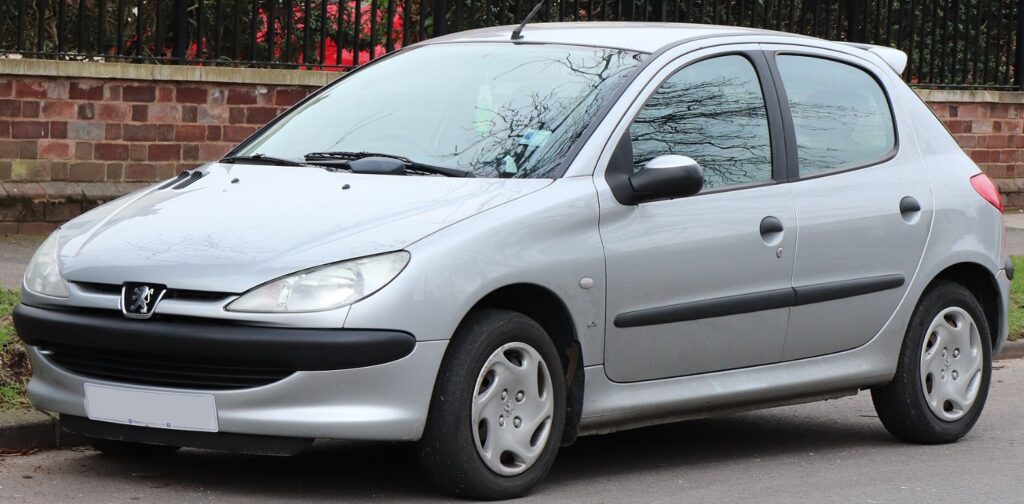
Few small cars have managed to feel as familiar, friendly, and instantly recognizable as the Peugeot 206. Its swept-back headlights, compact proportions, and mischievous expression made it look as though it was always ready to dart through a gap in traffic.
Yet discussing Peugeot 206 models is not as simple as describing one little French hatchback. During its unusually long life, the 206 appeared as a three-door city car, a practical five-door hatchback, a station wagon, a sedan, a steel-roof convertible, an affordable diesel, and a genuinely entertaining hot hatch.
Trim names and engine options also changed across countries. A specification sold as an LX in Britain might have carried a different badge in continental Europe, South America, Asia, or the Middle East. Some markets even received locally manufactured versions long after the original European model had begun stepping aside.
So, which Peugeot 206 model is the right one? Let’s sort through the family tree without turning this guide into a dusty parts catalogue.
Content in this publication
- Understanding the Peugeot 206 Model Range
- Peugeot 206 Three-Door Hatchback
- Peugeot 206 Five-Door Hatchback
- Peugeot 206 CC Coupé-Cabriolet
- Peugeot 206 SW Station Wagon
- Peugeot 206 Sedan
- Peugeot 206 GT
- Peugeot 206 GTi
- Peugeot 206 GTi 180 and 206 RC
- Standard Peugeot 206 Petrol Models
- Peugeot 206 Diesel Models
- Peugeot 206 Trim Levels Explained
- Special-Edition Peugeot 206 Models
- The 2003 Peugeot 206 Facelift
- Peugeot 206+ and Regional 207 Derivatives
- Which Peugeot 206 Model Should We Choose?
- What to Check Before Buying Any Peugeot 206
- Are Peugeot 206 Models Still Worth Buying?
- Conclusion: One Name, Many Personalities
- Frequently Asked Questions
Understanding the Peugeot 206 Model Range
Peugeot introduced the 206 commercially in 1998 as the spiritual successor to the hugely successful Peugeot 205. It remained in production in various forms until 2012 in Europe, while manufacturing continued longer in some international markets. Peugeot describes it as its best-selling model of all time.
The original model was a front-wheel-drive supermini intended to provide inexpensive transport with more style than the average economy car. It competed against vehicles such as the Ford Fiesta, Renault Clio, Volkswagen Polo, Vauxhall Corsa, and Fiat Punto.
Its success came partly from variety. Instead of forcing every customer into the same basic hatchback, Peugeot stretched the 206 concept in several directions.
The principal factory body styles included:
- Three-door hatchback
- Five-door hatchback
- 206 CC coupé-cabriolet
- 206 SW station wagon
- Four-door 206 Sedan
- Performance-oriented GT, GTi, GTi 180, and RC models
- Restyled 206+ and related regional derivatives
That broad selection allowed the 206 to serve first-time drivers, families, commuters, convertible buyers, economy-focused motorists, and performance enthusiasts.
Peugeot 206 Three-Door Hatchback
The three-door hatchback is arguably the purest version of the Peugeot 206. It captures the original design with fewer interruptions along its curving sides and often looks sportier than the five-door, even when fitted with a modest engine.
Entry-level three-door cars were generally inexpensive to buy and relatively economical to run. They became popular among younger drivers, urban commuters, and anyone who wanted straightforward transportation without the visual dullness associated with some budget cars.
Who Is the Three-Door Model Best For?
The three-door 206 suits drivers who normally travel alone or with one passenger. The larger front doors make entry into the front seats easy, although accessing the rear bench requires folding a front seat forward.
That arrangement may not bother a student or commuter. For parents regularly securing children into rear seats, however, it can become frustrating faster than a rattling dashboard on a rough road.
The three-door body was also used for many of the sportier variants, including the GTi, GTi 180, RC, and limited-production GT.
Advantages of the Three-Door 206
Its strongest qualities include:
- A clean and sporty exterior profile
- Wide front doors
- Usually lower used prices than specialist variants
- Broad availability with petrol and diesel engines
- Simple dimensions for urban parking
- Access to performance-oriented trims
The primary compromise is rear-seat accessibility rather than actual passenger space. Once seated, rear passengers receive roughly the same accommodation as they would in the five-door hatchback.
Peugeot 206 Five-Door Hatchback
The five-door hatchback is the sensible all-rounder of the range. It retains the compact footprint and distinctive styling of the three-door while adding separate rear doors.
That small change makes a substantial difference in daily use. Passengers can enter without rearranging the front seats, shopping bags can be placed on the rear floor more easily, and child-seat access becomes far less awkward.
Why the Five-Door Became So Popular
Most people buying an affordable compact car want flexibility. They might commute alone during the week, transport relatives on Saturday, and fill the cabin with shopping on Sunday.
The five-door 206 handles those changing roles reasonably well. It is not a limousine, and nobody will confuse its luggage compartment with a removal van, but it makes efficient use of limited road space.
It was offered in everything from basic specifications with small petrol engines to comfortable higher trims featuring conveniences such as air conditioning, electric windows, alloy wheels, and upgraded upholstery.
Three-Door Versus Five-Door Peugeot 206
Choosing between the two standard hatchbacks is mainly a lifestyle decision.
Buy the three-door when appearance, front-seat use, or performance-model availability matters most. Choose the five-door when passengers, children, pets, or frequent loading are part of the routine.
Mechanically, equivalent versions can be very similar. Condition, service history, engine choice, and evidence of previous repairs are usually more important than the number of doors.
Peugeot 206 CC Coupé-Cabriolet
The Peugeot 206 CC turned an everyday supermini into something much more theatrical. Its defining feature was an electrically operated folding metal roof that transformed the car from a compact coupé into an open-top convertible.
The CC arrived during an era when retractable hardtops felt almost futuristic. Rather than living with a fabric roof throughout winter, owners could enjoy a solid roof when closed and open-air driving when the weather cooperated.
Peugeot launched the 206 CC in 2001, helping popularize the small coupé-cabriolet format before several competing manufacturers introduced similar designs.
What Makes the 206 CC Different?
The CC is not merely a hatchback with its roof removed. Its body, boot arrangement, seating layout, weight distribution, and structural reinforcement differ from those of the standard car.
Its roof folds into the rear luggage area, which means available cargo space changes depending on whether the roof is raised or lowered. Owners must also respect the luggage divider because the roof needs a clear storage zone.
The Rear Seats Require Realistic Expectations
Although the cabin technically provides rear seating, the back seats are extremely restricted. They are better treated as emergency seats, additional storage space, or somewhere for very small passengers on brief journeys.
The 206 CC is therefore closer to a two-seat car with occasional rear accommodation than a genuine four-seat family convertible.
Common 206 CC Engine Choices
Depending on the country and model year, the CC was commonly offered with 1.6-litre and 2.0-litre petrol engines.
The 1.6 usually provides the better balance between fuel consumption and everyday performance. The 2.0 feels stronger, particularly when overtaking or climbing hills, but typically costs more to fuel and insure.
Who Should Buy a Peugeot 206 CC?
The CC makes sense for someone who values personality over maximum practicality. It can be an enjoyable weekend car, an inexpensive entry into convertible ownership, or a distinctive commuter for a driver who rarely needs rear seats.
A prospective buyer should carefully test the roof several times. Warning messages, slow movement, uneven operation, water leaks, tired seals, and malfunctioning switches can turn a charming convertible into an expensive metal puzzle.
Peugeot 206 SW Station Wagon
The Peugeot 206 SW takes the compact hatchback formula and adds a longer, more useful rear section. Peugeot introduced the SW in the early 2000s as a small station wagon for buyers who needed extra carrying capacity but did not want a large family car.
It is one of the most practical Peugeot 206 models, yet it keeps much of the original car’s compact character.
How Practical Is the 206 SW?
The SW offers a larger and more versatile luggage area than the hatchback. The rear seats can be folded to create extra room for suitcases, sports gear, tools, pets, or bulky shopping.
Its longer roof and more upright rear body also make the load compartment easier to use. Unlike the CC, it does not sacrifice cargo room to store a folding roof.
The SW remains narrow and relatively easy to park, making it appealing to drivers who want added utility without moving into a conventional midsize estate.
The SW Is More Than a Stretched Hatchback
Peugeot gave the SW distinctive rear styling rather than simply attaching a square box to the regular 206. Its vertical rear lights and extended glass area help it stand apart.
Some versions were basic workhorses, while others received alloy wheels, roof rails, upgraded interiors, and stronger engines. The result could be anything from an economical diesel load-carrier to a surprisingly stylish small family wagon.
Best Uses for the Peugeot 206 SW
The SW is especially suitable for:
- Small families
- Dog owners
- Mobile workers carrying equipment
- Drivers transporting sports gear
- Buyers who find the hatchback boot restrictive
- Motorists seeking a compact alternative to a larger estate
It will not replace a full-size station wagon, but it delivers a useful amount of flexibility for its dimensions.
Peugeot 206 Sedan
The four-door Peugeot 206 Sedan is less familiar in Western Europe than the hatchback, but it became an important member of the range in several international markets.
Developed with Iran Khodro and introduced during the mid-2000s, the sedan was sold in regions including Iran, North Africa, parts of Eastern Europe, Russia, Turkey, China, and other selected markets.
Why Was a Sedan Version Created?
In many countries, buyers associate a separate boot with greater practicality, security, and status. A sedan can also be preferable when luggage needs to remain concealed from the passenger compartment.
You may be interested in reading Peugeot 206 207 Comparison: Which Small Peugeot Is Better?
The 206 Sedan keeps the recognizable front styling of the hatchback but adds a longer rear body with a conventional boot lid.
Its proportions divide opinion. Some drivers appreciate the extra luggage space and traditional appearance, while others believe the hatchback’s shorter tail better matches the original design.
Is the 206 Sedan a Good Family Car?
It can work well for a small household that values boot capacity more than a wide hatchback opening. Groceries, suitcases, and everyday items fit neatly into the separate luggage compartment.
However, the sedan opening may be less convenient for unusually shaped objects. A hatchback or SW usually provides greater loading flexibility when rear seats are folded.
The sedan is therefore practical in a different way: excellent for conventional luggage, less adaptable for bulky cargo.
Peugeot 206 GT
The Peugeot 206 GT occupies a fascinating corner of the model’s history. It was not simply an appearance package dreamed up to decorate a showroom.
International rally regulations required the road car used as the basis of the 206 World Rally Car to meet a minimum length requirement. Because the standard 206 was too short, Peugeot created the GT with extended front and rear bumpers that brought its length to approximately four metres.
A total of 4,000 numbered road cars were produced for homologation.
What Makes the 206 GT Collectible?
Its importance comes from scarcity and motorsport relevance. The car helped establish the technical paperwork necessary for the famous 206 WRC programme.
Mechanically, the GT was closely related to the upcoming 2.0-litre GTi rather than being a road-going rally car. Owners should not expect racing-car acceleration or competition suspension straight from the factory.
What they receive is something subtler: a limited-production model with a direct connection to one of Peugeot’s most memorable rallying periods.
Checking the Authenticity of a 206 GT
A buyer should verify:
- The numbered identification plaque
- Original extended bumpers
- Vehicle identification details
- Factory specification
- Service and ownership records
- Signs of accident repairs or modified bodywork
Because authentic GT components help define the model, missing or substituted parts can affect its appeal and value.
Peugeot 206 GTi
The 206 GTi was the mainstream performance version. It generally used a 2.0-litre petrol engine and combined stronger acceleration with sportier suspension, larger wheels, upgraded seats, exterior detailing, and additional equipment.
It followed a difficult act. The Peugeot 205 GTi had become a performance icon, so expectations surrounding its successor were enormous.
How Does the Standard 206 GTi Drive?
The regular GTi is quick enough to feel lively without becoming exhausting in ordinary traffic. It offers more low-speed flexibility than the smallest petrol engines and responds well on winding roads.
It is also relatively usable. Owners retain a hatchback luggage area and rear seats, meaning the car can handle commuting, shopping, and weekend entertainment without demanding a second vehicle.
Some enthusiasts find it less raw and delicate than the 205 GTi. That does not make it unsuccessful; it simply reflects a newer generation with more equipment, greater weight, and different safety expectations.
Is the 206 GTi Suitable as a Daily Car?
A well-maintained example can still be used regularly. Nevertheless, age matters. Suspension wear, neglected timing-belt replacement, electrical problems, previous modifications, tired engine mounts, and hard use deserve close attention.
Many GTis have passed through enthusiastic ownership. A standard-looking car is not automatically healthy, and a modified car is not automatically poor. The quality of the work and evidence of maintenance matter more than assumptions.
Peugeot 206 GTi 180 and 206 RC
The most powerful regular production version was known as the 206 GTi 180 in the United Kingdom and the 206 RC in many other European markets.
Introduced in 2003, it used a higher-output version of the 2.0-litre petrol engine and received changes intended to sharpen the overall driving experience.
How the RC Differs From the Standard GTi
The RC or GTi 180 is not simply a basic GTi with a remapped engine. Depending on market specification, upgrades included revised suspension tuning, distinctive wheels, supportive seats, altered gearing, and performance-focused interior details.
Its engine rewards higher revs, giving it a more urgent personality than the standard GTi. The regular car feels flexible and approachable; the RC feels more eager to be driven hard.
Is the 206 RC the Best Peugeot 206 Model?
For an enthusiast, it may be the most desirable model that remains reasonably attainable. It combines rarity, stronger performance, compact dimensions, and a genuine place in Peugeot’s hot-hatch history.
“Best,” however, depends on purpose. The RC is not the ideal 206 for minimizing insurance, carrying a dog, teaching a nervous learner, or maximizing fuel economy.
It is the best choice for someone who wants the 206 at its most focused without entering the world of purpose-built competition cars.
Standard Peugeot 206 Petrol Models
Most everyday 206 hatchbacks were sold with small petrol engines. Exact availability varied by year and country, but common capacities included 1.1, 1.4, and 1.6 litres, with the 2.0-litre engine reserved mainly for performance versions.
The original range included 1.1-, 1.4-, and 1.6-litre petrol options.
Peugeot 206 1.1
The 1.1-litre model sits near the bottom of the performance ladder. It was designed for affordability rather than speed.
In town, where traffic and low speed limits dominate, it can do the job adequately. On motorways, steep roads, or with several passengers aboard, it may feel strained.
Its simplicity and potentially lower running costs make it attractive to first-time buyers, but vehicle condition should still guide the decision. A healthy 1.4 may prove cheaper overall than a neglected 1.1 requiring immediate repairs.
Peugeot 206 1.4 Petrol
The 1.4 is often the sweet spot for ordinary use. It generally provides more confidence than the 1.1 without carrying the fuel and insurance demands of the larger performance engines.
Several 1.4-litre configurations appeared across the 206’s lifespan, so power output and mechanical details are not identical across every car.
For commuting, shopping, and occasional longer journeys, a well-serviced 1.4 hatchback can be the most balanced choice in the range.
Peugeot 206 1.6 Petrol
The 1.6 adds stronger acceleration and is commonly found in better-equipped hatchbacks, sportier trims, and the 206 CC.
It suits drivers who travel on faster roads or regularly carry passengers. The difference becomes most noticeable when joining traffic, climbing gradients, or overtaking.
Running costs may be higher than those of smaller engines, but the 1.6 does not necessarily feel excessive. In many circumstances, its extra flexibility means the driver does not have to work the engine as hard.
Peugeot 206 Diesel Models
Diesel engines were central to the 206 range, particularly in Europe, where economical diesel superminis were once extremely popular.
Early cars were offered with a 1.9-litre diesel, while HDi common-rail engines arrived later. Model availability included 1.4 HDi and 2.0 HDi variants in various markets and trims.
Peugeot 206 1.9 Diesel
The older 1.9-litre naturally aspirated diesel is not quick, refined, or especially glamorous. Its appeal lies in mechanical straightforwardness and steady fuel economy.
It suits relaxed driving more than rapid overtaking. Buyers should understand that simplicity does not make age disappear. Cooling-system condition, oil leaks, starting behaviour, smoke, and service history still require inspection.
Peugeot 206 1.4 HDi
The 1.4 HDi is one of the most economical versions. It combines light weight with low fuel consumption, making it attractive to high-mileage drivers.
Performance is modest but generally adequate for commuting. Because modern diesel components are more complex than those of the older 1.9, neglected maintenance can quickly erase fuel savings.
Peugeot 206 2.0 HDi
The 2.0 HDi offers more torque and feels less breathless on faster roads. It is particularly suitable for the heavier SW or for drivers covering frequent motorway journeys.
The engine’s relaxed pulling power can make it feel quicker in daily traffic than its horsepower figure might suggest. As always, maintenance history is more important than reputation alone.
Peugeot 206 Trim Levels Explained
Trim names are one of the most confusing parts of comparing Peugeot 206 models. Peugeot used different labels across countries and changed them during the production run.
You may be interested in readingPeugeot 206 207 Comparison: Which Small Peugeot Is Better?You may be interested in reading
 Ford Taurus Generations: A Complete Guide to Every Era
Common names included XR, XL, LX, GLX, XT, XS, Roland Garros, Quiksilver, Look, Style, Sport, Allure, and various market-specific editions.
Entry-Level Trims
Basic cars usually focused on price. Equipment could include manual windows, steel wheels, simple upholstery, limited audio features, and fewer comfort accessories.
Their advantage is reduced complexity. Their drawback is that they can feel extremely sparse by modern standards.
Mid-Range Trims
Mid-level versions often provide the strongest used-car value. Depending on year and market, they may add:
- Electric front windows
- Central locking
- Better interior fabrics
- Improved audio equipment
- Split-folding rear seats
- Front fog lights
- Air conditioning
- Body-coloured exterior parts
These cars usually deliver enough comfort without the cost or rarity of a special edition.
Sport-themed trims can include alloy wheels, firmer seats, leather-covered controls, spoilers, coloured interior details, and exterior badges.
We should not confuse a sporty trim with a performance engine. A 206 may look similar to a GTi while using a much smaller power unit.
Likewise, luxury-oriented editions may provide leather upholstery, climate features, automatic lights, or distinctive colours without receiving mechanical upgrades.
Special-Edition Peugeot 206 Models
Peugeot released numerous special editions to keep the 206 fresh and appeal to particular groups of buyers.
The exact names differ dramatically by region. Some were tied to fashion brands, sporting themes, seasonal promotions, or equipment bundles.
Peugeot 206 Roland Garros
Roland Garros editions usually emphasized style and comfort. They were connected with the famous French tennis tournament and commonly featured distinctive green paint, leather or leather-effect upholstery, special badges, and enhanced equipment.
Specifications varied, so buyers should verify the individual vehicle rather than assuming every Roland Garros contains the same features.
Peugeot 206 Quiksilver
The Quiksilver edition targeted a younger, lifestyle-oriented audience. It normally used branded details, unique upholstery, exterior badges, and sporty visual touches.
It could look energetic without offering GTi-level performance. Think of it as sportswear rather than a racing suit.
Other Regional Editions
Names such as Look, Zest, Fever, Independence, Verve, and Style appeared in selected markets. These editions often bundled popular equipment into a competitively priced package.
When buying one today, the condition and completeness of its unique trim may matter more than the original marketing story.
The 2003 Peugeot 206 Facelift
The 206 received a subtle update in 2003 rather than a complete redesign. Changes included revised lighting details, updated badges, new colour choices, and minor interior adjustments.
The facelift did not fundamentally transform the car. Its recognizable shape remained largely intact, which explains why early and late examples can look similar at first glance.
How to Identify a Facelift Model
Details can vary by body style and market, but buyers can look for:
- Revised rear-light appearance
- Clearer or updated front-light elements
- Updated badging
- Newer wheel designs
- Different interior fabrics and trim
- Later engine or equipment combinations
Registration year alone is not always conclusive. Cars may be registered months after manufacture, and regional production did not follow one universal timetable.
Peugeot 206+ and Regional 207 Derivatives
Toward the end of the original car’s life, Peugeot introduced the 206+, which combined the established 206 structure with styling inspired by the newer Peugeot 207.
In parts of Latin America, a related vehicle was marketed as the Peugeot 207 Compact rather than the 206+. Despite the name and visual updates, it was more closely related to the 206 than to the European 207.
Is the Peugeot 206+ a Separate Generation?
It is better understood as a major restyling and evolution of the 206 platform than an entirely new generation.
The front end, dashboard details, rear styling, and equipment could appear more modern, but the underlying character remained familiar.
This distinction matters when ordering parts or researching repairs. A “207” badge in one country does not always mean the vehicle shares the architecture of the European-market Peugeot 207.
Which Peugeot 206 Model Should We Choose?
There is no universal winner, but the range becomes easier to navigate when we match each body style to a clear purpose.
Best for Low-Cost Urban Driving
A three- or five-door 1.1 or 1.4 petrol hatchback is the obvious starting point. The 1.4 is generally the more versatile choice when the budget allows.
Best for Everyday Practicality
Choose a five-door 1.4 petrol, 1.6 petrol, or economical HDi model. It balances compact dimensions with usable rear access.
Best for Luggage and Family Flexibility
The 206 SW wins. Its extended cargo area provides a useful advantage without making the car difficult to park.
Best for Open-Air Fun
The 206 CC is the emotional choice. A fully functioning roof and dry interior are more important than colour, wheels, or badges.
Best for Performance
The GTi is the accessible all-rounder, while the GTi 180 or RC is the sharper enthusiast’s choice.
Best for Collectors
The limited-production 206 GT has the strongest homologation story. Originality, documentation, and correct numbered identification are essential.
What to Check Before Buying Any Peugeot 206
Model choice matters, but condition matters more. The youngest traditional 206 examples are now old enough for maintenance quality to outweigh the original brochure specification.
Check the following areas carefully:
- Timing-belt history: Confirm replacement intervals for the exact engine.
- Cooling system: Look for leaks, overheating evidence, contaminated coolant, or unstable temperature readings.
- Rear suspension: Listen for knocks and inspect the rear-wheel alignment for signs of axle wear.
- Electrical equipment: Test windows, locking, lights, wipers, displays, and dashboard switches.
- Power steering: Check for heavy operation, leaks, warning lights, or unusual noises.
- Transmission and clutch: Test for slipping, difficult gear selection, or excessive pedal weight.
- Water entry: Inspect carpets, door seals, boot areas, and the roof system on CC models.
- Accident damage: Look for uneven panel gaps, mismatched paint, and poor structural repairs.
- Warning lights: Ensure they illuminate during startup and go out correctly.
- Service records: Receipts and documented maintenance are more valuable than vague promises.
A cheap 206 can be delightful. An abused one can consume money like a tiny French slot machine.
Are Peugeot 206 Models Still Worth Buying?
Yes, provided expectations remain realistic.
The 206 comes from an era when compact cars were genuinely compact. It can fit into tight parking spaces, usually costs less than newer alternatives, and offers a broad supply of used parts in countries where it sold strongly.
Its styling has also aged better than that of many ordinary rivals. The design remains distinctive without looking like a historical curiosity.
However, we are buying an older vehicle, not travelling back to a showroom in 2003. Safety technology, refinement, infotainment, structural protection, and emissions performance may trail those of modern cars.
The right 206 is therefore not automatically the newest, fastest, or most highly equipped. It is the example with the healthiest structure, clearest maintenance history, appropriate engine, and fewest poorly executed modifications.
Conclusion: One Name, Many Personalities
The Peugeot 206 range is much broader than its familiar hatchback shape suggests. It includes humble city cars, economical diesels, family-friendly five-doors, compact station wagons, international sedans, folding-roof convertibles, limited homologation specials, and energetic hot hatches.
That variety is one reason the model became such an important part of Peugeot’s history. The 206 could be almost whatever its owner needed it to be. It slipped through city streets like a small fish through reeds, yet it could also carry a family, attack a winding road, or lower its metal roof for a sunny afternoon.
For most buyers, the five-door 1.4 petrol offers the simplest balance. The SW provides extra utility, the CC delivers affordable character, and the RC or GTi 180 represents the performance peak. Collectors, meanwhile, may find the rare GT particularly compelling.
Whichever model we choose, the same rule applies: buy according to condition rather than badge alone. A carefully maintained ordinary 206 will usually provide a better ownership experience than a desirable version that has spent years being neglected.
Frequently Asked Questions
What are the main Peugeot 206 models?
The main models are the three-door hatchback, five-door hatchback, 206 CC coupé-cabriolet, 206 SW station wagon, and four-door 206 Sedan. Performance versions include the GT, GTi, GTi 180, and RC. Peugeot also introduced the restyled 206+ near the end of the European production period.
Which Peugeot 206 model is the most reliable?
Reliability depends more on maintenance and condition than on body style. A well-serviced 1.4-litre petrol hatchback is often considered a sensible option because it balances adequate performance with relatively straightforward running costs. A professional inspection remains advisable before purchase.
What is the difference between the Peugeot 206 GTi 180 and RC?
They are essentially market-specific names for the same range-topping performance concept. The GTi 180 name was used in the United Kingdom, while RC was used in several continental European markets. Equipment details can vary by country.
You may be interested in readingPeugeot 206 207 Comparison: Which Small Peugeot Is Better?You may be interested in reading
Ford Taurus Generations: A Complete Guide to Every EraYou may be interested in reading
 Mitsubishi Outlander Competitors: The Best Alternatives Compared
Is the Peugeot 206 CC a four-seater?
It technically contains four seats, but the rear accommodation is extremely limited. Most owners treat it as a two-seater with emergency rear seats or additional storage space. Buyers should also test the folding roof thoroughly before purchasing.
Is the Peugeot 206+ the same as a Peugeot 207?
No. The European 206+ is a restyled evolution of the 206 with design influences from the newer 207. In some Latin American markets, a related 206-based vehicle was sold under the 207 Compact name, which can create confusion when identifying parts and specifications.
If you want to know other articles similar to Peugeot 206 Models: Complete Guide to Versions, Trims, Engines, and Body Styles you can visit the category Models.
BMW i7 vs Porsche Taycan: Luxury EVs With Very Different Personalities
BMW i7 vs 7 Series: Which BMW Flagship Makes More Sense?
BMW i7 vs Mercedes EQS: The Ultimate Luxury EV Comparison
BMW i7 vs M760e: Electric Luxury or Plug-In Hybrid Power?
NFINITI QX60 or Similar: Luxury SUVs Worth Comparing
Infiniti QX60 vs VW Atlas: Which Three-Row SUV Makes More Sense?
Leave a Reply
More content of your interest