
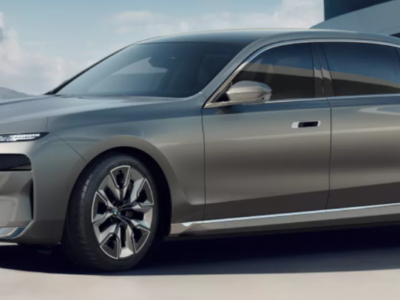
Mitsubishi Outlander Competitors: The Best Alternatives Compared

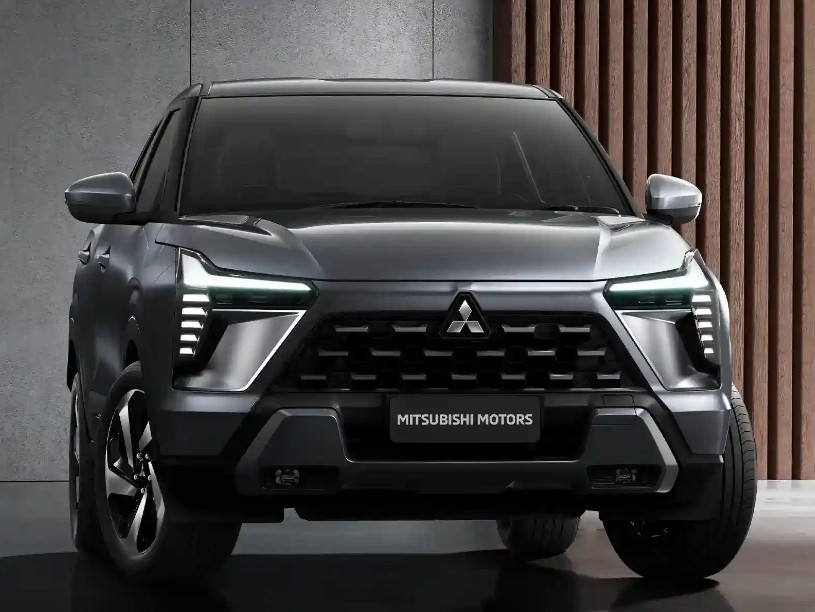
The compact SUV market feels like a busy airport terminal. Every manufacturer is waving for our attention, every model promises comfort and capability, and nearly every brochure claims to offer the “perfect balance.” Yet once we strip away the glossy language, meaningful differences begin to appear.
The Mitsubishi Outlander occupies an unusual corner of this market. It competes with familiar five-seat crossovers such as the Toyota RAV4, Honda CR-V, Nissan Rogue, Hyundai Tucson, Kia Sportage, Mazda CX-5, Subaru Forester, and Volkswagen Tiguan. At the same time, its available three-row seating places it near larger family-oriented models.
The current Outlander can seat up to seven passengers, offers available Super All-Wheel Control, and features technologies such as wireless smartphone integration, driver assistance, and a Yamaha audio system. Mitsubishi also offers a plug-in hybrid version with three-row seating. For 2026, the refreshed Outlander PHEV is rated for up to 45 miles of electric driving range.
That combination makes comparing it surprisingly complicated. Are we looking for fuel economy, cargo space, comfortable seats, hybrid technology, rugged capability, or room for occasional extra passengers?
Let us explore the main Mitsubishi Outlander competitors and determine which compact SUV makes the most sense for different drivers.
Content in this publication
- What Type of SUV Is the Mitsubishi Outlander?
- Mitsubishi Outlander Competitors at a Glance
- Mitsubishi Outlander vs Toyota RAV4
- Mitsubishi Outlander vs Honda CR-V
- Mitsubishi Outlander vs Nissan Rogue
- Mitsubishi Outlander vs Hyundai Tucson
- Mitsubishi Outlander vs Kia Sportage
- Mitsubishi Outlander vs Mazda CX-5
- Mitsubishi Outlander vs Subaru Forester
- Mitsubishi Outlander vs Volkswagen Tiguan
- Mitsubishi Outlander vs Toyota Corolla Cross
- Mitsubishi Outlander vs Mazda CX-50
- Mitsubishi Outlander vs Larger Three-Row SUVs
- Best Mitsubishi Outlander Competitor for Fuel Economy
- Best Outlander Alternative for Cargo Space
- Best Outlander Competitor for Reliability
- Best Mitsubishi Outlander Competitor for Performance
- Best Competitor for Snow and Light Off-Road Driving
- Is the Outlander PHEV Better Than Its Plug-in Competitors?
- Which Mitsubishi Outlander Competitor Is Cheapest?
- Which Competitor Has the Best Interior?
- How to Choose Between the Outlander and Its Competitors
- Who Should Buy a Mitsubishi Outlander?
- Who Should Choose a Competitor Instead?
- Final Verdict: What Is the Best Mitsubishi Outlander Alternative?
- Frequently Asked Questions
What Type of SUV Is the Mitsubishi Outlander?
The Mitsubishi Outlander is generally classified as a compact crossover SUV. However, it stretches the traditional definition because it includes a small third row.
Most compact competitors carry five people. The Outlander can carry seven, although its rearmost seats are best viewed as occasional seating rather than the spacious third row found in a larger midsize SUV.
That distinction matters. The Outlander is not trying to replace a Chevrolet Tahoe or Toyota Grand Highlander. Instead, it gives us the footprint of a manageable crossover with a pair of emergency seats tucked behind the second row.
Think of it as a practical backpack with one hidden compartment. We may not use that compartment every day, but it becomes extremely useful when friends, relatives, or children need a ride.
Why Buyers Consider the Outlander
Drivers are often attracted to the Outlander because it combines:
- Available seating for seven
- Distinctive exterior styling
- Available all-wheel-drive capability
- A comfortable and increasingly upscale cabin
- Gasoline and plug-in hybrid choices
- Competitive standard equipment
- A long new-vehicle warranty in many markets
- Manageable dimensions for city driving
Its appeal is not based on dominating one category. Instead, it gathers several useful qualities into a relatively affordable package.
Where the Outlander Faces Its Toughest Competition
The Outlander encounters its strongest rivals in four areas:
- Fuel efficiency, where hybrid-heavy competitors shine.
- Cargo capacity, where dedicated five-seat SUVs often offer more usable space.
- Driving performance, where sportier rivals feel more energetic.
- Brand familiarity and resale value, where Toyota and Honda traditionally command considerable attention.
The result is a fascinating contest. The Outlander wins through versatility, but some competitors win through specialization.
Mitsubishi Outlander Competitors at a Glance
Here is the broad landscape:
| Competitor | Biggest Strength | Main Trade-Off |
|---|---|---|
| Toyota RAV4 | Hybrid efficiency and broad appeal | No third-row seating |
| Honda CR-V | Space, comfort, and refinement | Can become expensive in higher trims |
| Nissan Rogue | Comfortable cabin and easy driving | No conventional hybrid on the standard model |
| Hyundai Tucson | Technology and bold design | Styling may divide opinions |
| Kia Sportage | Features and cabin space | Driving experience is comfort-focused |
| Mazda CX-5 | Handling and premium interior | Tighter rear and cargo space |
| Subaru Forester | Visibility and standard AWD | Modest acceleration |
| Volkswagen Tiguan | European feel and practical cabin | Ownership costs may be higher |
| Toyota Corolla Cross | Efficiency and easy ownership | Smaller and less powerful |
| Nissan Rogue Plug-in Hybrid | Three-row electrified alternative | Higher purchase price |
| Kia Sorento | More useful family space | Larger and generally more expensive |
| Hyundai Santa Fe | Strong three-row practicality | Bigger footprint |
| Mazda CX-50 | Styling and road manners | No third row |
No competitor defeats the Outlander in every category. The best alternative depends on what we need the vehicle to do.
Mitsubishi Outlander vs Toyota RAV4
The Toyota RAV4 is arguably the Outlander’s most recognizable competitor. Both models target buyers who want daily comfort, manageable dimensions, available all-wheel drive, and enough versatility for family life.
The 2026 RAV4 has moved to an electrified-only powertrain range in the United States, offering hybrid and plug-in hybrid configurations. Toyota says the new generation uses a standard 2.5-liter hybrid system, while plug-in versions provide stronger electrified performance.
Where the RAV4 Wins
The RAV4 is especially compelling for buyers focused on:
- Hybrid fuel economy
- Resale-value confidence
- A broad dealer network
- Straightforward daily operation
- A wide selection of trims
- Proven popularity in the compact SUV segment
Toyota has shaped the RAV4 into the sensible pair of shoes in the cupboard. It may not always feel exotic, but it fits countless situations and rarely looks out of place.
Where the Outlander Wins
The Mitsubishi has one major structural advantage: available seven-passenger seating. The RAV4 remains a five-seat SUV.
The Outlander may also appeal more strongly to drivers who prefer:
- A more distinctive exterior
- A richer-looking dashboard design
- Occasional third-row flexibility
- A plug-in hybrid with seven seats
- Mitsubishi’s Super All-Wheel Control system
Which One Should We Buy?
Choose the RAV4 when efficiency, resale prospects, and uncomplicated ownership lead the priority list.
Choose the Outlander when we need occasional extra seats or want a plug-in hybrid SUV that does not automatically force us into a much larger vehicle.
Mitsubishi Outlander vs Honda CR-V
The Honda CR-V is one of the most complete compact SUVs available. It does not rely on dramatic styling or unusual tricks. It simply handles everyday tasks with quiet competence.
For 2026, Honda offers the CR-V with a 190-horsepower turbocharged engine or a 204-horsepower two-motor hybrid system. Available all-wheel drive, wireless smartphone connectivity, and Honda Sensing driver-assistance technologies strengthen its practical credentials.
Why the CR-V Is Such a Strong Rival
The CR-V typically excels in the areas families notice every day:
- Rear-seat comfort
- Interior storage
- Cargo usability
- Smooth road manners
- Hybrid efficiency
- Logical controls
- Strong outward visibility
The Honda feels as though its interior was designed by someone who has carried grocery bags, fitted a child seat, lost a charging cable, and cleaned spilled juice from a door pocket.
Advantages of the Outlander
The Outlander counters with its third row, more adventurous styling, and available plug-in hybrid powertrain.
It can also feel more visually upscale inside, particularly in well-equipped trims. While design is subjective, the Mitsubishi’s cabin often creates a stronger first impression.
CR-V or Outlander for Families?
For a family of four or five, the CR-V may be the easier recommendation because of its roomy second row and well-shaped cargo area.
For families that occasionally carry six or seven occupants, the Outlander offers flexibility the CR-V cannot match. Those third-row passengers may not enjoy limousine space, but having seats is better than leaving someone behind.
Mitsubishi Outlander vs Nissan Rogue
The Nissan Rogue is a particularly close rival because the two vehicles share certain corporate and engineering connections through the Renault-Nissan-Mitsubishi Alliance. Nevertheless, they have distinct personalities.
The 2026.5 Rogue is a five-passenger compact SUV with available Intelligent All-Wheel Drive, selectable drive modes, modern technology, and up to 1,500 pounds of towing capacity in listed configurations.
Where the Rogue Stands Out
The Rogue prioritizes comfort and approachability. Its strengths include:
- Supportive seats
- A smooth everyday driving character
- Flexible cargo arrangements
- Easy-to-understand controls
- Competitive fuel economy
- Available adventure-themed Rock Creek trim
The Rock Creek version adds visual toughness, all-terrain tires, a roof rack, and rugged cabin details. It is aimed at drivers who want an outdoorsy appearance without moving into a heavy-duty off-road vehicle.
How the Outlander Separates Itself
Despite some shared foundations, the Outlander offers a notably different package:
- Three rows rather than two
- Available plug-in hybrid technology
- Mitsubishi-specific suspension and AWD tuning
- More expressive exterior design
- A different interior layout and feature strategy
Is the Rogue Better Than the Outlander?
The Rogue is arguably the more straightforward five-seat family crossover. The Outlander is the more versatile choice.
For commuters who rarely transport more than five people, the Rogue makes sense. For drivers who want an occasional third row or a plug-in hybrid option, the Mitsubishi moves ahead.
Mitsubishi Outlander vs Hyundai Tucson
The Hyundai Tucson approaches the compact SUV formula with bold styling and abundant technology. Its geometric bodywork looks almost sculpted rather than stamped, helping it stand out in a crowded parking lot.
Why the Tucson Deserves Attention
The Tucson typically offers:
- A spacious passenger compartment
- Generous cargo capacity
- Gasoline, hybrid, and plug-in hybrid choices
- Large infotainment displays
- Extensive convenience features
- Strong warranty coverage
- A comfortable ride
Hyundai has become skilled at making mainstream vehicles feel expensive. Touch-sensitive surfaces, wide screens, ambient lighting, and sharp graphics create a showroom experience that can make older rivals seem a generation behind.
Outlander Advantages
The Outlander remains the more suitable choice when seven-seat flexibility matters. Its plug-in hybrid also stands apart because many compact PHEVs, including the Tucson Plug-in Hybrid, remain strictly five-passenger vehicles.
The Mitsubishi may additionally feel more natural for buyers who value physical controls and a conventional SUV driving position.
Which SUV Offers Better Value?
The Tucson frequently gives us more equipment for the money, especially in midrange trims. The Outlander gives us a more unusual combination of equipment, AWD capability, and passenger flexibility.
Value is not merely the number of features printed on a window sticker. A third row we genuinely use may be worth more than an extra digital display we barely notice after the first week.
Mitsubishi Outlander vs Kia Sportage
The Kia Sportage shares much of its underlying philosophy with the Hyundai Tucson but presents it through a different visual lens.
Its cabin is modern, its rear seating area is spacious, and its electrified powertrain selection makes it a serious alternative to both the gasoline Outlander and Outlander PHEV.
Reasons to Choose the Sportage
The Sportage is attractive when we prioritize:
- Rear-seat legroom
- Cargo room
- Modern dashboard technology
- Hybrid fuel economy
- Plug-in hybrid availability
- Competitive warranty coverage
- A smooth and quiet ride
It feels like a compact SUV designed from the inside outward. Passengers receive plenty of attention, storage areas are thoughtfully placed, and the dashboard carries a futuristic flavor.
Reasons to Choose the Outlander
The Mitsubishi wins the seating-count battle. It can also offer a more traditional SUV atmosphere, particularly when equipped with all-wheel drive.
The Sportage is broad and roomy, but it remains a two-row vehicle. The Outlander sacrifices some cargo room to accommodate its third row, yet that compromise may be worthwhile for larger households.
Mitsubishi Outlander vs Mazda CX-5
The Mazda CX-5 is the driver’s choice in this group. Where many compact SUVs feel like household appliances, the Mazda feels more like a well-tailored jacket.
Its steering is precise, its body movements are controlled, and its cabin materials often look richer than we expect at this price level.
Why Enthusiasts Prefer the CX-5
The CX-5 appeals through:
- Responsive handling
- Available turbocharged performance
- Elegant interior design
- Supportive front seats
- Strong build quality
- A compact, city-friendly footprint
It follows the philosophy that a practical vehicle does not need to feel dull.
You may be interested in reading Mitsubishi Outlander ES vs SE: Which Trim Is Better?
Where the Outlander Is More Practical
The Mazda’s polished driving experience comes with compromises. Rear-seat and cargo space may feel tighter than in roomier competitors, and there is no third row.
The Outlander is a better fit when passenger flexibility takes priority over cornering precision.
Driving Pleasure or Family Flexibility?
Choose the CX-5 when our commute includes winding roads and we care about steering feel.
Choose the Outlander when our weekends include children, grandparents, sports equipment, shopping bags, and the occasional need for two extra seats.
Mitsubishi Outlander vs Subaru Forester
The Subaru Forester has built its reputation around practicality, visibility, and all-weather confidence.
Unlike many competitors that charge extra for all-wheel drive, Subaru traditionally makes AWD central to the Forester’s identity. Its upright shape also creates excellent windows and a spacious-feeling cabin.
Forester Strengths
The Forester is especially appealing for drivers who want:
- Standard all-wheel drive
- Excellent outward visibility
- A practical cargo opening
- Useful ground clearance
- Simple family transportation
- A strong outdoor-oriented image
- Comfortable access for passengers
The Forester does not try to hide what it is. It arrives wearing hiking boots rather than polished dress shoes.
Outlander Strengths
The Outlander offers a more stylish and upscale presentation. It also provides that useful third row and an available plug-in hybrid powertrain.
Subaru buyers may appreciate proven full-time AWD simplicity, while Mitsubishi buyers may prefer the selectable driving modes and road-focused intelligence of Super All-Wheel Control.
Which Is Better in Bad Weather?
Both deserve consideration. Tire quality remains critical, because even the smartest AWD system cannot transform worn tires into winter claws.
The Forester offers a reassuringly straightforward all-weather formula. The Outlander adds more seating versatility and, in PHEV form, electric-assisted traction.
Mitsubishi Outlander vs Volkswagen Tiguan
The Volkswagen Tiguan brings a European character to the compact SUV segment. It usually combines solid highway stability, restrained styling, and a cabin that feels mature rather than flashy.
Why Buyers Consider the Tiguan
Its attractions can include:
- Composed road manners
- Refined highway behavior
- Strong turbocharged response
- Clean interior design
- Useful passenger space
- Available all-wheel drive
- A premium-leaning personality
The Tiguan can feel calmer and more substantial at speed than some rivals. It is the SUV equivalent of a quiet conversation in a crowded room.
Why the Outlander May Be the Safer Choice
The Mitsubishi can offer longer warranty coverage, seven-seat availability, and plug-in hybrid capability. Depending on location, Mitsubishi servicing may also be simpler or less expensive, although dealer availability varies considerably.
Buyers should compare local dealer support carefully. A vehicle is not merely a machine; it is also a relationship with parts departments, technicians, appointment schedules, and warranty administrators.
Mitsubishi Outlander vs Toyota Corolla Cross
The Toyota Corolla Cross competes from the smaller and more affordable side of the market.
It is less spacious and generally less powerful than the Outlander, but it attracts drivers who want a simple, efficient crossover without paying for space they will never use.
Corolla Cross Benefits
It makes sense for:
- Urban drivers
- Smaller households
- Buyers focused on fuel economy
- Drivers who trust Toyota’s ownership reputation
- Anyone seeking a compact exterior footprint
- Shoppers who do not need a third row
Why the Outlander Feels Like More Vehicle
The Mitsubishi offers more passenger capacity, more road presence, and greater family flexibility. It can better handle long trips involving adults, children, luggage, and bulky equipment.
The Corolla Cross is the sensible minimalist. The Outlander is the better-equipped traveler.
Mitsubishi Outlander vs Mazda CX-50
The Mazda CX-50 is a rugged-looking alternative for drivers who like the CX-5 but want more outdoor flavor.
It combines sharp handling with a wider stance, available all-wheel drive, and styling that looks at home beside a mountain trail.
CX-50 Advantages
The Mazda may be preferable for:
- Sportier road behavior
- Stronger available performance
- Premium cabin ambiance
- Outdoor-oriented design
- A more planted stance
- Drivers who never need more than five seats
Outlander Advantages
The Mitsubishi remains more flexible for passenger duty and offers plug-in hybrid technology with seven-seat availability.
The CX-50 may make the driver smile more on an empty road. The Outlander may make the household schedule easier on a crowded Tuesday.
Mitsubishi Outlander vs Larger Three-Row SUVs
The Outlander’s third row invites comparison with bigger models, even though it remains a compact crossover.
Its most relevant larger alternatives include:
- Kia Sorento
- Hyundai Santa Fe
- Volkswagen Atlas
- Nissan Pathfinder
- Toyota Highlander
- Mazda CX-90
These vehicles generally provide more adult-friendly third-row accommodation and greater cargo capacity behind all seats. However, they also cost more, consume more road space, and may use more fuel.
Mitsubishi Outlander vs Kia Sorento
The Kia Sorento is perhaps the most direct step upward. It offers three rows in a still-manageable body and is available with gasoline, hybrid, and plug-in hybrid powertrains in many markets.
The Sorento’s third row is usually more useful, and its cabin feels more appropriate for regular six- or seven-person travel. The Outlander counters with a lower entry point and easier maneuverability.
Mitsubishi Outlander vs Hyundai Santa Fe
The Hyundai Santa Fe has grown into a boxier, more spacious three-row family SUV.
Its squared-off profile improves interior utility, while its technology and striking styling make it feel modern. Yet it occupies more driveway space and moves further away from the compact-SUV price bracket.
When Should We Move Up to a Larger SUV?
A larger three-row model is worth considering when:
- Adults will regularly use the third row
- We need cargo space with every seat occupied
- We frequently take long family trips
- We carry large child seats in multiple rows
- Towing ability matters
- Our budget can absorb higher purchase and running costs
The Outlander’s third row is a clever bonus. A larger SUV’s third row is a core feature.
Best Mitsubishi Outlander Competitor for Fuel Economy
The Toyota RAV4 Hybrid and Honda CR-V Hybrid stand near the front of the efficiency conversation.
The 2026 CR-V Hybrid uses a 204-horsepower two-motor system and carries official ratings of up to 40 mpg city and 34 mpg highway in specified configurations.
The fully hybrid 2026 RAV4 also places electrification at the center of its lineup rather than treating it as a specialty option.
For buyers who can charge at home, however, the Outlander PHEV presents a different calculation. Its 45-mile estimated electric range may cover a large portion of a typical daily commute before the gasoline engine becomes necessary.
Hybrid or Plug-in Hybrid?
A regular hybrid suits us when:
- Home charging is unavailable
- We make frequent long trips
- We want maximum simplicity
- We park on the street
- We prefer a lower initial cost
A plug-in hybrid suits us when:
- We can charge regularly
- Most daily trips are relatively short
- We still need gasoline flexibility
- We want quieter electric commuting
- We can benefit from local incentives
A PHEV without regular charging is like carrying an umbrella but refusing to open it. The technology works best when charging becomes part of our routine.
Best Outlander Alternative for Cargo Space
Five-seat rivals usually enjoy an advantage because they do not dedicate interior volume to a folded third row.
The Honda CR-V, Hyundai Tucson, Kia Sportage, Nissan Rogue, and Subaru Forester are especially practical choices. Their cargo floors and rear openings are shaped for everyday use, making it easier to load strollers, luggage, pet crates, or flat-pack furniture.
The Outlander can still carry plenty with the third row folded. Nevertheless, shoppers should test the cargo area physically rather than trusting a single capacity figure.
Bring the stroller. Bring the golf clubs. Bring the largest suitcase. Dealership staff may raise an eyebrow, but real objects reveal more than a brochure ever will.
Best Outlander Competitor for Reliability
Reliability depends on model year, engine, transmission, maintenance history, driving conditions, and sometimes simple luck. No badge grants mechanical immortality.
That said, buyers frequently place Toyota and Honda near the top of their shopping lists because of their long-standing reputations for durable mainstream vehicles.
The RAV4 and CR-V may therefore inspire greater confidence among conservative buyers. The Corolla Cross also appeals to drivers who value simplicity.
The Outlander should not be dismissed, particularly because Mitsubishi’s warranty can reduce some early ownership risk. However, warranty coverage does not replace routine maintenance. Oil changes, fluid inspections, tire rotation, battery care, and software updates still matter.
Best Mitsubishi Outlander Competitor for Performance
Drivers who want stronger acceleration and more engaging handling should investigate:
- Mazda CX-5 Turbo
- Mazda CX-50 Turbo
- Volkswagen Tiguan
- Higher-output hybrid or plug-in hybrid competitors
The standard gasoline Outlander is tuned more for comfort and predictability than outright speed. Its mission is family transport, not traffic-light theatre.
The Outlander PHEV feels more energetic because electric motors provide immediate low-speed response. That instant shove can make city driving feel smoother and more confident.
Still, Mazda remains the stronger choice for drivers who judge an SUV by the way it enters a corner rather than by the number of cupholders it carries.
You may be interested in readingMitsubishi Outlander ES vs SE: Which Trim Is Better?You may be interested in reading
Mitsubishi Outlander Years to Buy: The Complete Used-SUV GuideBest Competitor for Snow and Light Off-Road Driving
The Subaru Forester deserves close attention because of its standard AWD philosophy, useful clearance, and excellent visibility.
The RAV4 offers adventure-oriented versions, while the Honda CR-V TrailSport Hybrid adds all-terrain tires, 8.2 inches of ground clearance, and a 204-horsepower hybrid system.
The Nissan Rogue Rock Creek also adopts all-terrain tires and rugged exterior equipment.
The Outlander’s Super All-Wheel Control system can provide reassuring traction on wet, snowy, or loose surfaces. Yet none of these crossovers should be confused with a purpose-built rock crawler.
The Importance of Tires
When discussing snow performance, we often give AWD too much credit.
All-wheel drive helps a vehicle accelerate. Quality winter tires help it accelerate, turn, and stop. That difference can separate confidence from overconfidence.
A front-wheel-drive crossover on excellent winter tires may behave more securely than an AWD crossover sliding around on unsuitable rubber.
Is the Outlander PHEV Better Than Its Plug-in Competitors?
The Outlander PHEV has one rare advantage: three-row seating.
Many plug-in hybrid competitors, including versions of the RAV4, Tucson, and Sportage, provide only five seats. Mitsubishi’s ability to combine electric commuting, gasoline range, AWD capability, and seating for seven gives it a distinctive identity.
The 2026 Outlander PHEV’s estimated 45-mile electric range also makes it more useful for everyday electric driving than earlier versions.
However, buyers should remember that the third row is compact. We gain seat count, not minivan-like spaciousness.
Nissan Rogue Plug-in Hybrid as a Direct Rival
Nissan now lists a Rogue Plug-in Hybrid with available three-row-friendly features and modern technology, making it one of the closest electrified alternatives. Available equipment includes a digital dashboard, head-up display, heated seating, and wireless smartphone integration, depending on trim.
This creates an unusually direct comparison. Shoppers should examine local pricing, electric range, charging specifications, warranty coverage, and interior packaging before deciding.
Which Mitsubishi Outlander Competitor Is Cheapest?
The least expensive alternative varies by trim, incentives, destination charges, taxes, and market.
Smaller crossovers such as the Toyota Corolla Cross may carry lower starting prices. Entry versions of the Nissan Rogue, Hyundai Tucson, Kia Sportage, Subaru Forester, and Honda CR-V also compete closely with gasoline Outlander trims.
Purchase price tells only part of the story. We should calculate:
- Insurance
- Fuel or electricity
- Maintenance
- Depreciation
- Financing interest
- Registration costs
- Tire replacement
- Expected annual mileage
A vehicle discounted by several thousand dollars can still become expensive when depreciation, insurance, or fuel costs enter the picture.
Which Competitor Has the Best Interior?
Interior quality is subjective, but several models stand out.
The Mazda CX-5 and CX-50 often feel the most sophisticated. Their materials, control weights, and restrained styling imitate luxury vehicles without reaching luxury-brand prices.
Best for Technology
The Hyundai Tucson and Kia Sportage emphasize wide screens, digital displays, and visually dramatic dashboards.
Best for Practicality
The Honda CR-V and Subaru Forester focus on storage, visibility, passenger access, and usable space.
Best Balance
The Outlander combines upscale visual details with family-friendly versatility. Higher trims can feel genuinely premium, while the Yamaha audio system gives the current model another distinctive feature.
How to Choose Between the Outlander and Its Competitors
Instead of beginning with brands, begin with our daily life.
Step 1: Count the Seats We Actually Need
Do we routinely carry more than five people, or do we merely like the idea?
When the third row will be used only a few times each year, the Outlander makes sense. When it will be used every day, move up to a Sorento, Santa Fe, Highlander, Pathfinder, or another larger three-row vehicle.
Step 2: Examine Our Driving Pattern
A regular hybrid is excellent for mixed driving without charging. A plug-in hybrid becomes especially attractive when we can charge at home and complete most daily journeys electrically.
Step 3: Test Real-World Cargo Needs
Fold seats, raise the third row, install child seats, and load bulky items. Interior measurements cannot always reveal awkward wheel wells, sloping rooflines, or high cargo floors.
Step 4: Drive More Than One Version
A base trim and a premium trim can feel like different vehicles. Wheel size, tire design, seat material, sound insulation, powertrain, and suspension tuning all change the experience.
Step 5: Compare Total Ownership Costs
Request insurance quotes before buying. Check maintenance intervals, warranty terms, local dealer coverage, fuel requirements, and replacement tire prices.
The cheapest monthly payment is not automatically the cheapest vehicle.
Who Should Buy a Mitsubishi Outlander?
The Outlander is particularly well suited to buyers who:
- Need occasional seven-seat capacity
- Want a compact exterior footprint
- Prefer distinctive styling
- Value a generous warranty
- Want available all-wheel-drive capability
- Are considering plug-in hybrid ownership
- Need more flexibility than a standard five-seat crossover provides
- Do not require a full-size third row
It works best as a bridge between vehicle classes. It is more versatile than the average compact crossover but easier to manage than a conventional midsize three-row SUV.
Who Should Choose a Competitor Instead?
A rival may suit us better when our priorities are highly specific.
Choose the Toyota RAV4 for hybrid-focused efficiency and broad ownership confidence.
Choose the Honda CR-V for spacious five-seat family comfort.
Choose the Nissan Rogue for supportive seating and relaxed daily driving.
Choose the Hyundai Tucson for technology and bold design.
Choose the Kia Sportage for features, passenger room, and electrified choices.
Choose the Mazda CX-5 or CX-50 for sharper handling and premium ambiance.
Choose the Subaru Forester for visibility, standard AWD, and outdoor practicality.
Choose a Kia Sorento or Hyundai Santa Fe when the third row must accommodate passengers regularly.
Final Verdict: What Is the Best Mitsubishi Outlander Alternative?
There is no universal winner because the Outlander competes across several overlapping categories.
The Honda CR-V is probably the strongest all-around alternative for a five-person household. It is roomy, refined, efficient in hybrid form, and easy to live with.
The Toyota RAV4 is the natural choice for buyers prioritizing electrification, familiarity, and long-term market confidence.
The Mazda CX-5 is the better driver’s vehicle, while the Subaru Forester is the more traditional all-weather adventurer.
For technology and interior space, the Hyundai Tucson and Kia Sportage deserve serious consideration.
Yet the Mitsubishi Outlander retains a meaningful advantage: few compact SUVs combine three rows, available sophisticated AWD, an upscale cabin, and plug-in hybrid capability in one manageable package.
Its third row is small. Its gasoline performance is not especially sporty. Some competitors offer more cargo space or stronger resale expectations. Nevertheless, the Outlander is more than a background player. It is a thoughtfully positioned crossover for buyers whose needs do not fit neatly into a five-seat box.
Before making a decision, we should test at least three competitors on the same day. Memory becomes unreliable when test drives are separated by weeks. Compare seat comfort, visibility, road noise, acceleration, control layout, rear access, and cargo usability while impressions remain fresh.
The right SUV will not necessarily be the one with the longest feature list. It will be the one that disappears into our routine—carrying people, luggage, groceries, pets, and plans without creating unnecessary friction.
Frequently Asked Questions
1. What vehicles compete with the Mitsubishi Outlander?
The main Mitsubishi Outlander competitors include the Toyota RAV4, Honda CR-V, Nissan Rogue, Hyundai Tucson, Kia Sportage, Mazda CX-5, Mazda CX-50, Subaru Forester, and Volkswagen Tiguan. Larger alternatives such as the Kia Sorento and Hyundai Santa Fe are relevant when more useful third-row space is required.
2. Is the Mitsubishi Outlander bigger than the Toyota RAV4?
The Outlander and RAV4 belong to the compact SUV category, but the Mitsubishi offers three-row seating for up to seven passengers. The RAV4 seats five. The Outlander therefore feels more flexible for passenger duty, although the third row is designed primarily for children or occasional use.
3. Which is better, the Outlander or Honda CR-V?
The CR-V is generally the better choice for five-passenger comfort, cargo usability, and hybrid efficiency. The Outlander is better for buyers who need occasional seven-seat capacity or want a three-row plug-in hybrid. The decision depends more on seating needs than on brand reputation alone.
4. What is the best alternative to the Outlander PHEV?
The Toyota RAV4 Plug-in Hybrid, Hyundai Tucson Plug-in Hybrid, Kia Sportage Plug-in Hybrid, and Nissan Rogue Plug-in Hybrid are important alternatives. However, the Outlander PHEV remains unusual because it combines plug-in capability with seating for up to seven people.
5. Is the Mitsubishi Outlander worth buying over its competitors?
Yes, particularly when we value its third row, distinctive design, available Super All-Wheel Control, generous warranty, and plug-in hybrid option. Buyers focused exclusively on five-seat space, sporty performance, or conventional hybrid fuel economy may find a competitor more suitable.
You may be interested in readingMitsubishi Outlander ES vs SE: Which Trim Is Better?You may be interested in reading
Mitsubishi Outlander Years to Buy: The Complete Used-SUV GuideYou may be interested in reading
Mitsubishi Outlander Best and Worst Years: Complete Used-Buyer GuideIf you want to know other articles similar to Mitsubishi Outlander Competitors: The Best Alternatives Compared you can visit the category Models.
BMW i7 vs Porsche Taycan: Luxury EVs With Very Different Personalities
BMW i7 vs 7 Series: Which BMW Flagship Makes More Sense?
BMW i7 vs Mercedes EQS: The Ultimate Luxury EV Comparison
BMW i7 vs M760e: Electric Luxury or Plug-In Hybrid Power?
NFINITI QX60 or Similar: Luxury SUVs Worth Comparing
Infiniti QX60 vs VW Atlas: Which Three-Row SUV Makes More Sense?
Leave a Reply
More content of your interest