

Mitsubishi Outlander ES vs SE: Which Trim Is Better?

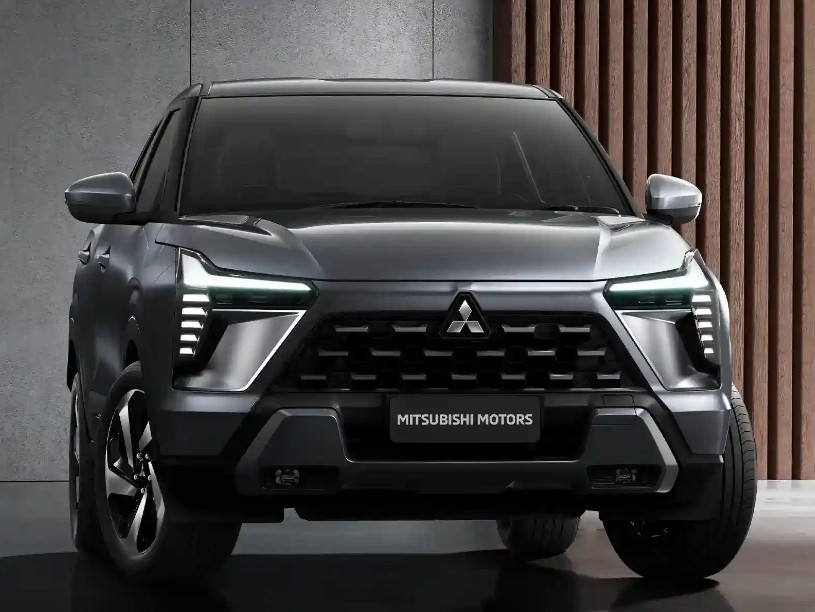
Choosing between the Mitsubishi Outlander ES vs SE can feel surprisingly difficult. At first glance, both trims share the same handsome body, practical three-row cabin, four-cylinder engine, and everyday usability. Park them side by side, however, and the SE begins revealing its extras like a well-packed suitcase: larger wheels, upgraded seating, more cameras, additional driver-assistance technology, and several convenience features that can make daily driving noticeably easier.
The ES is the sensible starting point. It gives us the core Outlander experience without forcing the price too far upward. The SE sits one step above it and focuses less on mechanical performance than on comfort, appearance, technology, and convenience.
So, is the SE worth paying more for? Or does the ES provide everything most drivers genuinely need?
In this guide, we compare recent gasoline-powered U.S.-market Outlander ES and SE models, concentrating primarily on the 2023, 2024, and 2025 model years. Features can vary by year, drivetrain, package, production date, and market, so buyers should always confirm the equipment on the specific vehicle being considered.
Content in this publication
- Mitsubishi Outlander ES vs SE at a Glance
- Quick Mitsubishi Outlander ES vs SE Comparison
- What Does ES Mean on a Mitsubishi Outlander?
- What Does SE Mean on a Mitsubishi Outlander?
- Engine and Performance Differences
- Front-Wheel Drive vs S-AWC Availability
- Exterior Styling Differences
- Interior Materials and Seat Comfort
- Infotainment and Connectivity
- Safety Feature Differences
- Convenience Features
- Passenger Space and Third-Row Seating
- Cargo Capacity
- Ride Quality and Road Comfort
- Fuel Economy Comparison
- Towing Capacity
- Maintenance and Long-Term Ownership
- 2023 Mitsubishi Outlander ES vs SE
- 2024 Mitsubishi Outlander ES vs SE
- 2025 Mitsubishi Outlander ES vs SE
- Is the Mitsubishi Outlander SE Worth the Extra Money?
- Which Trim Has Better Resale Value?
- Which Outlander Trim Is Better for Families?
- Which Trim Is Better for City Driving?
- Which Trim Is Better for Road Trips?
- Should We Buy a Used ES or an Older SE?
- Mitsubishi Outlander ES vs SE: Final Verdict
- Frequently Asked Questions
Mitsubishi Outlander ES vs SE at a Glance
The basic difference is straightforward:
- Outlander ES: Better for value-focused buyers who want the essential features.
- Outlander SE: Better for buyers who prioritize comfort, parking assistance, upgraded styling, and advanced driving technology.
Across recent model years, both trims generally share the same engine, transmission, seating capacity, basic dimensions, and available all-wheel-drive system. Moving from ES to SE does not normally transform the Outlander into a faster SUV. Instead, it makes the vehicle feel more complete.
That distinction matters. We are not choosing between a slow trim and a fast trim. We are choosing between a well-equipped foundation and a more polished version of the same vehicle.
Quick Mitsubishi Outlander ES vs SE Comparison
| Feature | Outlander ES | Outlander SE |
|---|---|---|
| Seating capacity | Seven | Seven |
| Engine | 2.5-liter four-cylinder | 2.5-liter four-cylinder |
| Transmission | Continuously variable transmission | Continuously variable transmission |
| Front-wheel drive | Available | Available |
| S-AWC all-wheel drive | Available | Available |
| Wheel size | Usually 18 inches | Usually 20 inches |
| Heated front seats | Generally unavailable as standard | Standard on recent models |
| Synthetic leather seating | Generally no | Standard on recent models |
| Power liftgate | Usually unavailable | Standard on recent models |
| Multi-View Camera | Usually unavailable | Standard on recent models |
| Front parking sensors | Usually unavailable | Standard on recent models |
| MI-PILOT Assist | Usually unavailable | Standard on recent models |
| Best quality | Lower price | Stronger feature package |
The exact technology interface changed during the 2025 refresh, but the overall trim strategy remained familiar: the ES handled the fundamentals, while the SE added the features buyers tend to notice every day.
What Does ES Mean on a Mitsubishi Outlander?
The ES serves as the entry-level or near-entry-level trim in the regular Outlander range. Calling it “basic,” however, can create the wrong impression.
Recent ES models already include useful equipment such as seven-passenger seating, alloy wheels, smartphone integration, push-button start, blind-spot monitoring, rear cross-traffic alert, forward-collision mitigation, and rear automatic emergency braking. On the 2023 model, for example, Mitsubishi listed 18-inch alloy wheels, an 8-inch infotainment display, Apple CarPlay, Android Auto, front USB ports, Blind Spot Warning, Rear Cross Traffic Alert, and Rear Automatic Emergency Braking among the ES equipment.
In other words, the ES is not an empty shell waiting for options. It is a usable family SUV from the moment we drive it off the lot.
Its primary advantage is financial discipline. The ES allows us to buy the Outlander’s spacious cabin, distinctive styling, warranty coverage, and three-row configuration while avoiding features we may not consider essential.
Who Should Buy the Outlander ES?
The ES makes sense for:
- Buyers trying to keep monthly payments down
- Families that need occasional third-row seating
- Drivers who prefer smaller wheels and more tire sidewall
- Owners who do not need heated seats or a power liftgate
- Shoppers who mainly want safety essentials and smartphone connectivity
- Fleet, business, or high-mileage users focused on total ownership cost
The ES is the “buy what we need” trim. It is not glamorous, but neither is it bare.
What Does SE Mean on a Mitsubishi Outlander?
The SE adds the conveniences that make the Outlander feel more upscale.
On the 2023 model, the SE built upon the ES with 20-inch two-tone alloy wheels, LED fog lights, heated mirrors, a power remote liftgate, synthetic leather seating, heated front seats, the FAST-Key entry system, Mitsubishi Connect services, a Multi-View Camera, front parking sensors, and MI-PILOT Assist.
That is not a cosmetic upgrade alone. Several additions affect how we interact with the SUV every day.
The power liftgate helps when carrying groceries. Heated seats make cold mornings more pleasant. The surround-view camera reduces the stress of maneuvering a relatively large vehicle. MI-PILOT Assist can make long highway journeys less tiring when used properly.
The SE therefore occupies a sweet spot. It is still below the more luxurious SEL, but it includes many features shoppers expect in a modern family crossover.
Who Should Buy the Outlander SE?
The SE is likely the better choice for:
- Families using the Outlander every day
- Drivers frequently navigating tight parking spaces
- Buyers who want heated front seats
- Owners who prefer synthetic leather over cloth
- Commuters who value adaptive cruise and lane-centering assistance
- Shoppers who want a more expensive-looking exterior
- Buyers planning to keep the vehicle for several years
The SE is not necessarily the extravagant choice. For many buyers, it is the practical upgrade.
Engine and Performance Differences
Do the ES and SE Have Different Engines?
No major engine advantage normally separates recent Outlander ES and SE trims.
The 2023 and 2024 gasoline models use a 2.5-liter direct-injection four-cylinder engine connected to a continuously variable transmission. Recent versions were rated at 181 horsepower and 181 lb-ft of torque.
Because the engine and transmission are shared, acceleration feels broadly similar. The SE’s larger wheels and additional equipment can add some weight, but the real-world performance difference is unlikely to decide the purchase.
Both trims are designed for smooth family transportation rather than aggressive speed. The accelerator delivers adequate momentum, but it will not pin us to the seat like a turbocharged performance SUV.
Is the Outlander SE Faster Than the ES?
In ordinary driving, no meaningful speed difference should be expected.
The SE may look sportier because of its 20-inch wheels, yet appearance should not be confused with additional horsepower. When both trims use the same drivetrain, their acceleration and towing ability remain close.
The ES may even feel slightly softer and lighter on its feet because its 18-inch wheels use tires with taller sidewalls. The SE, meanwhile, can feel a little sharper during steering inputs, although ride quality may be firmer over rough pavement.
Front-Wheel Drive vs S-AWC Availability
Both ES and SE trims have been offered with front-wheel drive or Mitsubishi’s Super All-Wheel Control system in recent U.S. model years.
S-AWC does more than simply send power toward the rear wheels. It coordinates several vehicle-control systems to improve stability and traction. It can be especially useful for drivers dealing with snow, heavy rain, loose surfaces, or steep roads.
Choosing between ES and SE does not force us into a specific drivetrain. That flexibility is valuable because a budget-focused buyer can select an ES S-AWC, while a comfort-focused driver in a warm climate can choose an SE with front-wheel drive.
Which Combination Makes the Most Sense?
An ES with S-AWC may be more useful than a front-wheel-drive SE for buyers who regularly face poor weather or slippery roads.
An SE with front-wheel drive may be more appealing for urban drivers who prioritize cabin features and rarely encounter challenging conditions.
This is an important reminder: trim level and drivetrain solve different problems.
Exterior Styling Differences
18-Inch vs 20-Inch Wheels
The wheels create one of the easiest visual distinctions.
Recent Outlander ES models generally use 18-inch alloy wheels, while SE models step up to 20-inch two-tone alloys. The larger wheels fill the arches more dramatically and make the SE appear wider, lower, and more premium.
For 2025, Mitsubishi specifically updated the SE with new 20-inch two-tone alloy wheels.
The SE wins the beauty contest for many buyers, but the ES may win the practicality contest.
Eighteen-inch tires usually offer:
- More sidewall cushioning
- Better resistance to pothole damage
- Lower replacement costs
- A slightly softer ride
- Greater suitability for rough roads
Twenty-inch tires usually provide:
- A more upscale appearance
- Sharper visual proportions
- Slightly more immediate steering response
- A stronger showroom presence
The right answer depends on whether our roads resemble polished glass or cracked pottery.
Fog Lights and Exterior Details
Recent SE models add LED front fog lights and heated side mirrors. These are relatively small details, yet they strengthen the trim’s more complete appearance and can improve usefulness in poor weather.
The ES still carries the Outlander’s bold Dynamic Shield design, sculpted bodywork, and distinctive front lighting. It does not look cheap. The SE simply adds a few pieces of jewelry.
Interior Materials and Seat Comfort
Cloth vs Synthetic Leather Seating
The ES generally uses cloth seating, while the SE upgrades to synthetic leather seating surfaces.
Cloth has several advantages. It stays cooler under intense sunlight, can feel less slippery, and may be easier to live with for buyers who prefer simple materials.
Synthetic leather creates a richer impression. It is often easier to wipe clean after spills, mud, crumbs, or the minor disasters that accompany children and pets.
Neither material is automatically superior. However, the synthetic leather in the SE makes the cabin look closer to a premium SUV, especially when combined with the larger wheels and additional technology.
Heated Front Seats
Heated front seats are among the SE’s most noticeable comfort upgrades.
Some shoppers dismiss heated seats until they own them. Then, like a good coffee machine, they quickly become difficult to surrender. They are especially useful in cold climates, but they can also soothe the back during long drives.
Drivers in consistently warm regions may not care much about this feature. In that case, its value becomes lower, and the ES starts making more financial sense.
Does the SE Have Power Seats?
The answer can depend on model year and package.
The standard SE primarily emphasizes synthetic upholstery, heating, entry convenience, cameras, and driver-assistance technology. More extensive power-seat adjustment and memory settings are generally associated with higher trims such as the SEL.
Therefore, buyers should not assume that stepping up to the SE automatically delivers every luxury feature. The SE is a mid-level trim, not a fully loaded one.
You may be interested in reading Mitsubishi Outlander Years to Buy: The Complete Used-SUV Guide
Infotainment and Connectivity
2023 and 2024 Display Differences
The 2023 ES brochure listed an 8-inch Smartphone Link Display Audio system. The SE added several convenience and assistance features, although certain larger displays and premium audio equipment were reserved for packages or higher trims.
This is where careful shopping becomes important. Two vehicles wearing SE badges may not have identical dashboards if one includes an optional technology package.
Some used listings also describe equipment incorrectly. We should verify the screen size, audio system, navigation capability, and digital instrument cluster by inspecting the actual vehicle rather than trusting a short advertisement.
What Changed for 2025?
The 2025 Outlander received an important cabin technology refresh.
Mitsubishi introduced a 12.3-inch Smartphone-link Display Audio system, revised audio choices, updated connectivity, and several interior improvements. Official 2025 material highlights wireless Apple CarPlay and Android Auto, wireless charging, Yamaha audio, and the larger central display.
In the Canadian market, Mitsubishi stated that even the 2025 ES received wireless Apple CarPlay, wireless Android Auto, front USB-C ports, a 12.3-inch display, premium LED headlights, and an eight-speaker Yamaha audio system. Equipment varies by country, but the update illustrates how much the entry trim evolved.
The result is that the technology gap between ES and SE may feel smaller on a 2025 model than on an earlier example. The SE still adds meaningful features, but the refreshed ES no longer feels as technologically modest.
Which Trim Has the Better Audio System?
The answer depends heavily on year and package.
For 2025, Mitsubishi offered upgraded Yamaha audio configurations, with a 12-speaker Yamaha Ultimate system available or standard in certain SE package combinations.
On older models, a premium Bose system was commonly linked to a technology package rather than the ordinary SE alone. Buyers interested in audio should compare the speaker count and branding on the exact SUV.
Safety Feature Differences
Both trims include a strong foundation of active-safety equipment, but the SE generally adds more advanced assistance.
Recent versions commonly include:
- Forward Collision Mitigation
- Pedestrian detection
- Blind Spot Warning
- Lane Change Assist
- Rear Cross Traffic Alert
- Rear Automatic Emergency Braking
- Automatic high beams
- Driver attention monitoring
- Multiple airbags
- Stability and traction control
This shared equipment is one reason the ES remains attractive. We are not giving up every modern safety feature simply by choosing the lower trim.
What Safety Technology Does the SE Add?
The SE’s most important upgrades typically include:
- MI-PILOT Assist
- Adaptive Cruise Control
- Traffic Jam Assist
- Lane Keep Assist
- Lane Departure Prevention
- Traffic Sign Recognition
- Multi-View Camera System
- Front parking sensors
Mitsubishi grouped these functions into the SE package on the 2023 Outlander.
The 360-degree camera may be the feature drivers appreciate most immediately. The Outlander is not enormous, but its high hood and broad body can make curbs and parking lines difficult to judge. A bird’s-eye-style display turns tight parking into a calmer exercise.
Is MI-PILOT Assist Self-Driving?
No.
MI-PILOT Assist is a driver-assistance system. It can help manage speed, following distance, and lane positioning under suitable conditions, but the driver must remain attentive and responsible.
We should think of it as a supportive co-pilot, not an invisible chauffeur. Mitsubishi also warns that these systems are not substitutes for safe, engaged driving.
Convenience Features
Power Liftgate
The SE generally includes a power remote liftgate, while the ES uses a manual rear hatch.
This feature matters more than it appears on a specification sheet. Parents carrying bags, commuters loading work equipment, and shoppers juggling groceries may use it several times per week.
A manual liftgate is not difficult to operate, and it may prove simpler as the vehicle ages. Still, the powered unit gives the SE a more premium everyday character.
FAST-Key Entry System
The ES includes push-button start, but the SE adds Mitsubishi’s FAST-Key entry system on recent models.
With passive entry, we can unlock and access the vehicle without manually removing the key fob from a pocket or bag. Once accustomed to this convenience, returning to a conventional remote can feel like stepping backward.
Mitsubishi Connect Services
Recent SE models include access to Mitsubishi Connect features, often with a limited trial period.
Depending on model year and subscription status, connected services may include remote functions, vehicle status information, emergency support, and other app-based tools.
These services can be useful, but buyers evaluating a used Outlander should remember that a complimentary trial may have expired. A feature that appears “included” in the original brochure may later require a paid subscription.
Passenger Space and Third-Row Seating
The ES and SE share the same basic body and seven-passenger layout, so one does not provide substantially more cabin space than the other.
The Outlander’s third row is best treated as occasional seating. It can help with children, short journeys, or unexpected passengers, but adults may find it tight for extended trips.
The first two rows provide the most useful space. The second row can slide and recline, allowing us to balance passenger comfort against third-row legroom and cargo capacity.
Because both trims use the same cabin architecture, choosing the SE does not improve the size of the third row. It improves the experience surrounding that space.
Cargo Capacity
Cargo dimensions are essentially equal between the ES and SE.
With all three rows raised, space behind the third row is limited. Folding the rear seats opens a much more practical load area for luggage, groceries, sports equipment, or home-improvement supplies.
The SE’s power liftgate improves access, but it does not create additional cubic feet. Buyers choosing strictly by cargo volume can confidently select either trim.
Ride Quality and Road Comfort
Does the ES Ride Better Than the SE?
It can.
The ES’s 18-inch wheels allow taller tire sidewalls, which can absorb sharp impacts more effectively. On broken city streets, expansion joints, or gravel roads, the ES may feel slightly more forgiving.
The SE’s 20-inch wheels create a stronger visual stance, but less tire sidewall means less cushioning between the road and cabin.
The difference should not be exaggerated. Suspension tuning, tire brand, tire pressure, and road surface all influence comfort. Still, buyers sensitive to a firm ride should test the trims back-to-back.
Which Trim Is Quieter?
Road noise can vary with wheel and tire selection. The larger tires on the SE may generate more sound on coarse pavement, while the ES’s smaller wheels can sometimes create a softer acoustic character.
The refreshed 2025 model received revisions intended to reduce noise and vibration, so a newer ES may feel more refined than an older SE despite its lower trim designation. Mitsubishi specifically promoted reduced cabin noise and vibration among the 2025 Outlander improvements.
Fuel Economy Comparison
Because the ES and SE share the same basic powertrain, fuel-economy differences are modest.
For 2023, Mitsubishi listed EPA estimates of 24 mpg city and 31 mpg highway for front-wheel-drive ES, SE, and SEL models. S-AWC versions of the ES, SE, and SEL were listed at 24 mpg city and 30 mpg highway.
In practice, the SE’s larger wheels and added equipment may have a small influence, but drivetrain choice and driving conditions matter more.
Heavy traffic, high speeds, short trips, cold weather, tire pressure, cargo weight, and aggressive acceleration can all change real-world consumption.
Which Trim Is Better for High-Mileage Driving?
The ES may be slightly more economical to own because:
- Its purchase price is lower
- Its tires may cost less
- Its wheels may be less vulnerable to road damage
- It contains fewer convenience components
- Fuel economy is broadly similar
The SE may still be preferable for long-distance commuters because adaptive cruise control, lane assistance, heated seats, and added convenience can reduce fatigue.
Towing Capacity
Recent gasoline-powered Outlander models can tow up to approximately 2,000 pounds when properly equipped.
The ES and SE generally share the same towing limit because they use the same engine and underlying platform. Neither trim is intended to function as a heavy-duty tow vehicle.
They may handle a small utility trailer, light recreational equipment, or another modest load, but buyers should account for passengers, cargo, trailer weight, tongue weight, and proper equipment.
The SE’s additional features do not increase its towing capacity.
Maintenance and Long-Term Ownership
Mechanically, the ES and SE are closely related, so routine engine, transmission, brake, and suspension maintenance should be similar.
The cost differences appear around trim-specific components.
Potential ES Ownership Advantages
The ES may offer:
You may be interested in readingMitsubishi Outlander Years to Buy: The Complete Used-SUV GuideYou may be interested in reading
Mitsubishi Outlander Best and Worst Years: Complete Used-Buyer Guide- Less expensive replacement tires
- Lower risk of damaging large wheels
- Fewer powered convenience components
- A lower initial purchase price
- Potentially lower insurance costs
Potential SE Ownership Costs
The SE may eventually require attention to:
- Twenty-inch tires
- Power liftgate components
- Parking sensors
- Camera hardware
- Heated-seat elements
- Additional electronic assistance systems
This does not mean the SE is unreliable. It simply contains more equipment, and every additional component is another item that may eventually need diagnosis or replacement.
2023 Mitsubishi Outlander ES vs SE
The 2023 comparison is particularly clear.
The ES provided the core package: seven seats, 18-inch wheels, an 8-inch display, smartphone compatibility, blind-spot monitoring, rear cross-traffic alert, rear automatic braking, and push-button start.
The SE added:
- 20-inch two-tone wheels
- LED fog lights
- Heated mirrors
- Power liftgate
- Synthetic leather seats
- Heated front seats
- Passive FAST-Key entry
- Connected services
- Surround-view camera
- Front parking sensors
- MI-PILOT Assist
For used-SUV shoppers, the 2023 SE is compelling because the step up includes several substantial features rather than a few decorative touches.
However, shoppers should distinguish a standard SE from an SE Tech. The 2023 brochure listed the 12.3-inch digital driver display, 10-speaker Bose audio system, panoramic sunroof, and auto-dimming mirror under the SE Tech configuration, not the ordinary SE.
2024 Mitsubishi Outlander ES vs SE
The 2024 lineup largely continued the same basic trim structure.
The ES remained the value trim, while the SE maintained its stronger package of appearance, comfort, parking, and driver-assistance features. The powertrain and basic dimensions remained closely aligned.
One meaningful ownership benefit was Mitsubishi’s inclusion of two years of limited maintenance on 2024 model-year vehicles in the U.S. market.
When comparing used 2023 and 2024 models, condition, mileage, service history, drivetrain, and package content may matter more than the model-year difference itself.
A clean 2023 SE with excellent maintenance records could be a smarter purchase than a poorly maintained 2024 SE. A lightly used 2024 ES may likewise beat an older SE if its price and condition are significantly better.
2025 Mitsubishi Outlander ES vs SE
The 2025 refresh changed the character of the comparison.
The redesigned front details, revised interior technology, larger 12.3-inch central screen, Yamaha audio options, updated wireless charging, and refinement improvements made the entire lineup feel more modern.
The ES benefited from the broader update, reducing the sense that entry-level buyers received outdated technology. The SE continued to build on that foundation with its larger wheels, comfort upgrades, convenience systems, and available technology packages.
For buyers who care most about the infotainment experience, a 2025 ES may be more attractive than a 2023 or 2024 ES.
For buyers who want the fullest mid-range package, the 2025 SE remains the stronger all-rounder.
Is the Mitsubishi Outlander SE Worth the Extra Money?
For many households, yes.
The value of the SE does not rest on one spectacular feature. It comes from the way several smaller upgrades work together.
Imagine a rainy evening. We approach the SUV with shopping bags, unlock it without reaching for the key, open the powered liftgate, load the cargo, use the surround-view camera to leave a tight space, and activate adaptive cruise control on the drive home.
None of those features is essential by itself. Together, they make ownership smoother.
The SE is especially worthwhile when the price gap is reasonable and the vehicle will be used daily.
The ES becomes the better value when:
- The budget is strict
- We prefer cloth upholstery
- Heated seats are unnecessary
- We dislike large wheels
- We rarely use driver-assistance systems
- The price difference is substantial
- We prioritize simplicity over luxury
Which Trim Has Better Resale Value?
The SE may attract more used buyers because it includes desirable equipment such as heated seats, synthetic leather, a power liftgate, larger wheels, and advanced driver-assistance technology.
However, stronger resale value does not automatically mean lower total cost. We must pay more initially to obtain the SE, and its tires or trim-specific components may cost more over time.
Condition remains king. A spotless ES with full service documentation can command more buyer confidence than a neglected SE with damaged wheels and missing maintenance records.
Which Outlander Trim Is Better for Families?
The SE is generally the more family-friendly trim.
Its power liftgate simplifies loading. Synthetic upholstery is easier to clean. The Multi-View Camera helps in school parking lots. Front sensors reduce parking stress, and adaptive cruise control can make road trips more relaxed.
That said, the ES provides the same seating layout and basic safety foundation. Families who need space more than luxury can save money without sacrificing the Outlander’s core practicality.
Best Choice for Young Families
Choose the SE when cleaning convenience, parking cameras, and powered access matter.
Choose the ES when affordability and lower running costs matter more.
Best Choice for Teen Drivers
The ES includes several important collision-warning and blind-spot features, but the SE’s surround-view camera and front parking sensors may provide additional confidence.
Driver-assistance technology should never replace training, attention, or safe habits, yet it can add a helpful layer of support.
Which Trim Is Better for City Driving?
The SE wins for city convenience.
The Multi-View Camera, parking sensors, FAST-Key entry, and power liftgate are useful in dense urban environments. The larger wheels look stylish, although they are also more vulnerable to potholes and curb damage.
The ES counters with cheaper tires, more sidewall protection, and a potentially softer ride.
Therefore, our city choice depends on the type of city. Smooth roads and tight parking favor the SE. Rough pavement and a strict budget favor the ES.
Which Trim Is Better for Road Trips?
The SE is usually the better road-trip companion.
MI-PILOT Assist, adaptive cruise control, heated seats, upgraded materials, and additional convenience features reduce the sense of fatigue during long journeys.
Both trims provide the same basic passenger space, engine performance, and cargo flexibility. The SE simply wraps that capability in a more comfortable package.
A 2025 model may be especially appealing because of its updated infotainment system and refinement improvements.
Should We Buy a Used ES or an Older SE?
This is where the comparison becomes interesting.
At the same price, an older SE may provide more features, while a newer ES may offer:
- More remaining warranty
- Updated infotainment
- Lower mileage
- Newer safety revisions
- Reduced wear
- Lower expected repair risk
For example, a 2025 ES could be more appealing than a 2023 SE for buyers who prioritize the refreshed dashboard and newer condition. Conversely, a well-priced 2023 SE may deliver more comfort and driver assistance for less money.
We should compare the individual vehicles, not merely the badges.
Used-Buyer Inspection Checklist
Before purchasing either trim, check:
- Service records
- Tire condition and matching tire brands
- Wheel damage
- Power liftgate operation
- Camera clarity
- Parking-sensor warnings
- Infotainment responsiveness
- Driver-assistance warning lights
- Seat-heater operation
- Evidence of accident repair
- Recall completion
- Remaining warranty coverage
Mitsubishi Outlander ES vs SE: Final Verdict
The Mitsubishi Outlander ES is the smarter choice for shoppers seeking maximum practicality at the lowest reasonable price. It provides the same engine, seven-seat layout, basic dimensions, and much of the Outlander’s essential safety equipment. Its 18-inch wheels may also deliver a softer ride and less expensive tire replacement.
The Mitsubishi Outlander SE is the better all-round trim. Its heated synthetic-leather seats, 20-inch wheels, power liftgate, passive entry, surround-view camera, front parking sensors, and MI-PILOT Assist make the SUV easier and more enjoyable to use.
Our recommendation is simple:
- Buy the ES when affordability, simplicity, and lower running costs lead the decision.
- Buy the SE when daily comfort, parking assistance, and highway technology justify the added price.
- Consider a 2025 ES when updated infotainment matters more than older SE luxury features.
- Consider a 2023 or 2024 SE when shopping used and looking for the strongest equipment-to-price ratio.
The ES gives us the Outlander we need. The SE gives us the Outlander we are more likely to enjoy.
Frequently Asked Questions
1. What is the main difference between Mitsubishi Outlander ES and SE?
The main difference is equipment. The ES focuses on affordability and essential features, while the SE usually adds 20-inch wheels, heated synthetic-leather seats, a power liftgate, passive entry, a surround-view camera, front parking sensors, and MI-PILOT Assist.
2. Do the Outlander ES and SE use the same engine?
Yes. Recent gasoline-powered ES and SE models generally use the same 2.5-liter four-cylinder engine and continuously variable transmission. The SE does not receive a major horsepower advantage.
3. Does the Mitsubishi Outlander SE have leather seats?
Recent SE models generally use synthetic leather seating surfaces rather than genuine leather. Leather-appointed and semi-aniline leather upholstery are usually reserved for higher trims or packages.
You may be interested in readingMitsubishi Outlander Years to Buy: The Complete Used-SUV GuideYou may be interested in reading
Mitsubishi Outlander Best and Worst Years: Complete Used-Buyer GuideYou may be interested in reading
 Nissan Serena or Similar: Best Minivan Alternatives Compared
4. Is the Outlander ES available with all-wheel drive?
Yes. Recent Outlander ES models have been available with Mitsubishi’s S-AWC all-wheel-drive system. Buyers do not need to choose the SE merely to obtain all-wheel drive.
5. Is a used Outlander SE better than a newer ES?
Not automatically. A used SE offers more comfort and technology, while a newer ES may provide updated infotainment, lower mileage, more warranty coverage, and less wear. Condition, price, model year, drivetrain, and service history should guide the final decision.
If you want to know other articles similar to Mitsubishi Outlander ES vs SE: Which Trim Is Better? you can visit the category Models.
Honda Passport vs Toyota 4Runner: Which SUV Is Better?
Honda Passport vs Ford Bronco: Which SUV Is Better?
Honda Passport vs Ford Explorer: Which SUV Is Better?
Honda Passport or Pilot: Which SUV Is Better?
Honda Passport vs Jeep Grand Cherokee: Which SUV Is Better?
Honda Passport vs Nissan Pathfinder: Which SUV Is Better?
Leave a Reply
More content of your interest