
Mitsubishi Outlander Years to Buy: The Complete Used-SUV Guide

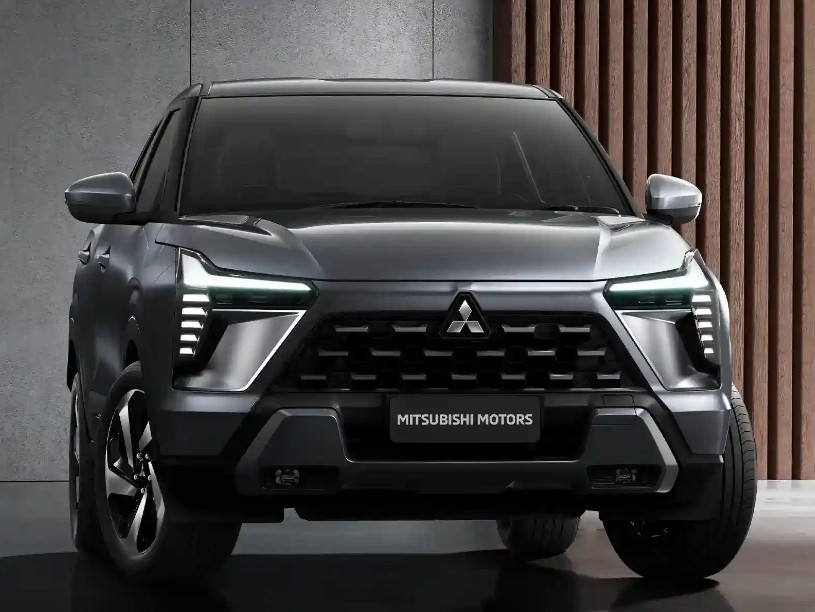
Buying a used Mitsubishi Outlander can feel a little like searching through a toolbox in the dark. Most of the tools are perfectly useful, a few are worn around the edges, and one or two may create more problems than they solve.
So, which Mitsubishi Outlander years should we buy?
For most used-SUV shoppers, the 2019, 2020, 2023, and 2024 Mitsubishi Outlander model years stand out as the most appealing choices. The 2019 and 2020 models belong to the mature end of the third generation, while the 2023 and 2024 versions benefit from the comfort, technology, and refinement of the redesigned fourth generation.
Our best-value recommendation is usually the 2020 Mitsubishi Outlander. It offers three-row versatility, relatively modern safety equipment, straightforward controls, and fewer first-year-redesign concerns than newer alternatives. Buyers wanting a substantially more modern cabin should place the 2023 Outlander near the top of their shopping list.
However, a good model year does not automatically equal a good vehicle. Maintenance history, mileage, accident damage, regional specifications, engine choice, transmission condition, and previous ownership matter just as much as the number printed on the registration document.
Let’s separate the Outlander’s strongest years from the merely acceptable ones—and from those requiring extra caution.
Content in this publication
- Quick Answer: What Are the Best Mitsubishi Outlander Years?
- Mitsubishi Outlander Generations at a Glance
- Best Overall: 2020 Mitsubishi Outlander
- Best Affordable Choice: 2019 Mitsubishi Outlander
- Best Modern Used Choice: 2023 Mitsubishi Outlander
- Best Near-New Choice: 2024 Mitsubishi Outlander
- Best Older Budget Year: 2012 Mitsubishi Outlander
- Is the 2018 Mitsubishi Outlander a Good Year to Buy?
- Why We Are Cautious About the 2016 Outlander
- Should We Buy a 2022 Mitsubishi Outlander?
- Best Mitsubishi Outlander PHEV Years to Buy
- Gasoline Outlander or Outlander PHEV?
- Which Outlander Engine Is Best?
- How Many Miles Can a Mitsubishi Outlander Last?
- How Much Mileage Is Too Much When Buying?
- The CVT Question: Should It Stop Us Buying?
- Outlander Years We Would Approach Carefully
- What to Check Before Buying Any Used Outlander
- Which Mitsubishi Outlander Year Offers the Best Value?
- Final Ranking of Mitsubishi Outlander Years to Buy
- Conclusion: Which Mitsubishi Outlander Should We Buy?
- Frequently Asked Questions
Quick Answer: What Are the Best Mitsubishi Outlander Years?
Our strongest recommendations are:
- 2020 Mitsubishi Outlander — best overall used value
- 2019 Mitsubishi Outlander — best affordable recent model
- 2023 Mitsubishi Outlander — best modern used choice
- 2024 Mitsubishi Outlander — best near-new choice
- 2012 Mitsubishi Outlander — best older budget option
- 2020 Outlander PHEV — one of the better-value earlier plug-in models
- 2024 Outlander PHEV — best newer plug-in choice
The redesigned gasoline-powered Outlander arrived in the United States for the 2022 model year. Mitsubishi described it as larger, quieter, better equipped, and substantially more refined than its predecessor. That redesign delivered a major improvement in cabin design and technology, although first-year models deserve closer inspection because newly engineered vehicles can experience early-production problems.
The redesigned Outlander PHEV followed for the 2023 model year. That means gasoline and plug-in versions do not share exactly the same generational timeline. Buyers should always distinguish between the conventional Outlander and the Outlander PHEV when researching reliability.
Mitsubishi Outlander Generations at a Glance
Understanding the generations makes choosing a model year much easier.
First Generation: 2003–2006
The earliest Outlanders were compact, relatively simple crossovers. They can still serve as inexpensive transportation, but age is now their biggest enemy.
Rubber hoses harden. Suspension bushes wear. Electrical connectors corrode. Cooling systems become less predictable. Even a low-mileage example may need significant maintenance simply because it has spent two decades exposed to heat, moisture, vibration, and time.
We would buy one only when it has exceptional service records and passes a thorough inspection.
Second Generation: 2007–2013
The second generation became larger, more practical, and more SUV-like. Depending on the market and trim, buyers could find four-cylinder or V6 power, front-wheel drive or all-wheel drive, and occasional third-row seating.
The later years of this generation—particularly 2011 and 2012—tend to make more sense than the earliest versions. Mitsubishi had several years to refine the platform, and these models often cost considerably less than comparable Toyota or Honda SUVs.
Third Generation: 2014–2020
The third-generation Outlander prioritized efficiency, value, and family practicality. It was not the most luxurious compact SUV of its era, but it offered something many rivals did not: an available third row at an accessible price.
The later 2019 and 2020 models are especially attractive because they arrived after several years of production improvements.
Fourth Generation: 2022–Present
The fourth generation represented a dramatic leap forward. It brought sharper styling, a broader body, a more polished cabin, additional technology, and stronger road presence.
The 2022 model was the first gasoline version of the redesign. The platform shares significant engineering roots with the contemporary Nissan Rogue, although Mitsubishi gave the Outlander its own styling, available Super All-Wheel Control system, tuning, warranty coverage, and seven-seat configuration. Consumer Reports noted that the redesign was a major improvement, while also observing that ride quality and refinement still trailed some competitors.
There was no regular 2021 Outlander in the US market during the transition to the redesigned 2022 version. Availability and model-year timing differ in Canada, Australia, New Zealand, the United Kingdom, Japan, and other regions.
Best Overall: 2020 Mitsubishi Outlander
The 2020 Outlander occupies a useful sweet spot.
It is new enough to offer modern essentials yet old enough to avoid the price premium attached to the redesigned generation. By 2020, Mitsubishi had been building this generation for years, giving the manufacturer time to smooth out many early-production wrinkles.
Consumer Reports records two NHTSA recall campaigns for the 2020 Outlander, although an individual vehicle’s recall status must always be checked by VIN because recall eligibility depends on its exact production details.
Why the 2020 Model Makes Sense
The 2020 Outlander can appeal to buyers who want:
- Seven seats for occasional use
- Competitive secondhand prices
- Available all-wheel drive
- Simple cabin controls
- Reasonable fuel economy
- A conventional gasoline model or PHEV alternative
- Less depreciation than a nearly new SUV
The third row is small. Let’s be honest: adults will not celebrate spending three hours back there. It works better for children, shorter trips, or emergencies. Still, having those extra seats can be valuable when relatives arrive unexpectedly or a child needs to bring a friend home.
What to Inspect on a 2020 Outlander
Pay close attention to CVT operation. Acceleration should be smooth and progressive, without pronounced shuddering, delayed engagement, warning lights, whining noises, or an engine that revs aggressively while road speed barely changes.
Ask for proof of transmission-fluid servicing where applicable. Do not accept the phrase “lifetime fluid” as a magical shield against wear. Fluids degrade, operating temperatures vary, and towing or severe driving can accelerate deterioration.
We should also test:
- Air-conditioning performance
- Infotainment response
- Power liftgate operation, where fitted
- Adaptive safety systems
- Wheel bearings
- Suspension noise
- All-wheel-drive engagement
- Every key and remote function
A clean 2020 example with documented servicing is one of the safest places to begin an Outlander search.
Best Affordable Choice: 2019 Mitsubishi Outlander
The 2019 model offers many of the 2020 Outlander’s advantages, often at a lower purchase price.
It sits late enough in the third generation to benefit from years of development, but depreciation has usually pushed it into a more accessible part of the market. Consumer Reports lists four NHTSA recalls for the 2019 Outlander, reinforcing the importance of checking whether recall repairs were completed.
Who Should Buy a 2019 Outlander?
It suits families who prioritize utility over prestige.
The interior may not feel as polished as a Mazda CX-5, Volkswagen Tiguan, or newer Hyundai Tucson. Some plastics feel hard, and the driving experience can be more functional than exciting. Yet the Outlander’s honest simplicity is part of its appeal.
It is like a dependable backpack: perhaps not glamorous, but spacious, useful, and ready to carry more than expected.
Potential 2019 Weak Points
A pre-purchase inspection should cover:
- CVT behavior and service history
- Uneven tire wear
- Brake condition
- Suspension clunks
- Battery health
- Tailgate components
- Rust underneath the vehicle
- Open recalls
- Warning lights stored in the vehicle’s computers
Do not judge the car only by how it behaves during a ten-minute test drive. Ask the seller not to warm it up before your arrival. Cold starts often reveal rattles, smoke, weak batteries, slow engagement, or noises that disappear after the vehicle reaches operating temperature.
Best Modern Used Choice: 2023 Mitsubishi Outlander
The 2023 Outlander is our preferred entry point into the current generation.
Why choose it over the 2022? Because the 2023 model arrived after Mitsubishi had a full production year to observe the redesigned vehicle in real-world use. It is not immune to problems, but it avoids some of the uncertainty naturally attached to a first-year redesign.
Consumer Reports describes the 2023 Outlander as having approximately average reliability compared with other vehicles from the same model year.
What Improved in the New Generation?
Compared with the previous model, the fourth-generation Outlander offers:
- A more premium-looking dashboard
- Better infotainment availability
- Improved seating presentation
- More advanced driver-assistance technology
- A wider, more substantial feel
- Stronger visual identity
- Better perceived interior quality
- An available digital instrument display
- More desirable upper trims
The transformation is almost theatrical. The third-generation cabin feels practical and reserved; the newer interior walks onto the stage wearing a tailored jacket.
Is the 2023 Outlander Perfect?
No. The gasoline engine and continuously variable transmission are designed more for everyday efficiency than lively acceleration. The third row remains tight, and larger wheels can reduce ride comfort.
Electronic features also deserve testing. Modern SUVs contain cameras, radar sensors, touchscreens, modules, and software systems that can turn a minor fault into an expensive diagnostic puzzle.
During the test drive, confirm that:
You may be interested in reading Mitsubishi Outlander Best and Worst Years: Complete Used-Buyer Guide
- The touchscreen works without freezing
- All cameras display correctly
- Blind-spot monitoring functions
- No driver-assistance warnings remain illuminated
- The climate-control system responds correctly
- The digital cluster has no missing pixels or alerts
- The power seats and liftgate operate smoothly
- Smartphone connectivity remains stable
Best Near-New Choice: 2024 Mitsubishi Outlander
The 2024 Outlander is attractive when we want modern design without paying the full cost of a brand-new vehicle.
Mitsubishi’s official 2024 update included relatively modest trim and package changes rather than a complete mechanical overhaul. That continuity can be reassuring because the underlying redesigned platform had already spent multiple years in production.
Why Buy a 2024 Instead of a New One?
A lightly used 2024 Outlander may offer:
- Remaining factory warranty coverage
- Lower depreciation than a new vehicle
- Modern safety systems
- Updated cabin technology
- Easier financing than an older SUV
- Fewer age-related maintenance concerns
- Greater availability of certified pre-owned examples
However, compare the used price against current new-vehicle incentives. A used vehicle is not automatically the bargain. Manufacturer financing, dealer discounts, warranty differences, and interest rates can make a discounted new Outlander surprisingly competitive.
We should calculate the total amount paid—not merely stare at the monthly payment like it is the whole story.
Best Older Budget Year: 2012 Mitsubishi Outlander
For shoppers with a tighter budget, the 2012 Outlander can be worth considering.
It belongs to the mature end of the second generation and offers a more traditional, mechanical feel than newer versions. Some markets received robust engine and drivetrain combinations, and certain models offered useful four-wheel-drive capability.
Why the 2012 Model Can Still Work
A well-maintained 2012 Outlander may provide:
- Low purchase cost
- Straightforward controls
- Useful cargo capacity
- Available V6 power in some markets
- Optional third-row seating
- Less complicated technology
- Affordable independent servicing
But condition is everything. At this age, we would rather buy a meticulously serviced 2012 than a neglected 2019.
Inspect the cooling system, engine mounts, suspension, steering components, air conditioning, alternator, starter, wheel bearings, exhaust, underbody, and transmission.
Look closely for rust in countries that use road salt. A shiny body can hide a crusty underside, much like a beautifully iced cake concealing a burnt base.
Obtain service invoices rather than relying on verbal assurances. “The previous owner took care of it” is not a maintenance record.
Is the 2018 Mitsubishi Outlander a Good Year to Buy?
The 2018 Outlander is not automatically a bad vehicle, but we would approach it more carefully than a 2019 or 2020.
CarComplaints identifies 2018 as the Outlander model year with the most significant overall complaint pattern in its database. Owner reports listed on the site include premature brake wear, shifting concerns, electrical trouble, and no-start complaints. Such databases are useful warning signals, but they do not measure every vehicle on the road and should not be interpreted as failure rates.
Should We Avoid Every 2018 Outlander?
Not necessarily.
A one-owner 2018 model with complete records, smooth CVT operation, recent brakes, no electrical faults, and an independent inspection may be a better purchase than an abused 2020.
However, the price must reflect the additional uncertainty. When a comparable 2019 or 2020 costs only slightly more, we would usually choose the newer vehicle.
Why We Are Cautious About the 2016 Outlander
The 2016 model brought useful styling and equipment updates, and it received positive safety recognition at the time. Consumer Reports noted its available forward-collision warning, automatic braking, adaptive cruise control, and lane-departure warning technology.
Still, some owners have reported transmission trouble. CarComplaints records a small number of 2016 transmission-failure reports, with an average reported occurrence of approximately 48,800 miles. These reports cannot predict what will happen to every 2016 Outlander, but they justify a careful CVT inspection.
Warning Signs During the Test Drive
Walk away or seek specialist advice when we notice:
- Shuddering from a stop
- Delayed forward or reverse engagement
- High engine revs with weak acceleration
- Transmission overheating messages
- Whining that changes with speed
- Sudden jerking
- A burnt smell
- Evidence that warning lights were recently cleared
A diagnostic scan should be part of the inspection, even when the dashboard appears clear. Stored or pending trouble codes can reveal problems that have not yet triggered a permanent warning light.
Should We Buy a 2022 Mitsubishi Outlander?
The 2022 Outlander is complicated.
On one hand, it looks substantially more modern than the 2020 model. It offers a better cabin, more advanced equipment, and stronger showroom appeal. It also earned positive recognition for design, safety, and interior presentation after launch.
On the other hand, 2022 was the first model year of the complete redesign.
Consumer Reports lists seven NHTSA recalls for the 2022 Outlander. Recall counts alone do not prove that a model is unreliable, since campaigns vary widely in seriousness and the number of affected vehicles. Nevertheless, they reinforce the need for a VIN-specific recall check.
Some 2022 owners have also complained about hood movement or flutter at road speed. A 2026 report concerning proposed US litigation described allegations involving hood flutter and attempted repairs, so shoppers should inspect the hood alignment and test the vehicle at highway speed.
Our Verdict on the 2022 Model
Buy it when:
- It is priced noticeably below a comparable 2023
- All recall work is documented
- The hood remains stable at highway speed
- Electronics operate correctly
- The inspection reveals no accident repairs
- The service history is complete
- The warranty provides meaningful protection
Skip it when the seller asks nearly 2023 money. The second model year is usually the more comfortable bet.
Best Mitsubishi Outlander PHEV Years to Buy
The Outlander PHEV deserves separate treatment because its plug-in hybrid system changes the ownership equation.
It combines gasoline power with electric motors and a rechargeable high-voltage battery. For drivers who charge regularly and complete many short trips, it can reduce fuel use dramatically. For drivers who never plug it in, the extra complexity and weight may deliver less value.
2020 Outlander PHEV: Best Earlier Value
The 2020 PHEV can make sense for budget-conscious buyers seeking an affordable plug-in SUV.
Its electric range is modest compared with newer plug-in hybrids, but it can still cover short commutes without using much gasoline when charged consistently.
Before purchasing, request a high-voltage battery health assessment. Electric range shown after charging is useful, but it is not a perfect battery-capacity measurement because weather, climate-control use, driving history, and software estimates affect the display.
2023 Outlander PHEV: First Year of the Redesign
The redesigned PHEV arrived for 2023 with improved performance, a larger battery, a more sophisticated cabin, and a more useful electric-driving experience.
It is impressive, but it remains the first year of a major PHEV redesign. Buyers who value maximum reassurance may prefer a 2024 example.
2024 Outlander PHEV: Our Newer PHEV Pick
The 2024 model gives us the benefits of the redesigned plug-in system without being the initial production year.
It is an appealing choice for households that can charge at home, understand plug-in ownership, and want three-row flexibility. As with the gasoline Outlander, the rear seats are best treated as occasional seating.
PHEV Inspection Checklist
Before buying any Outlander PHEV, verify:
- High-voltage battery condition
- Charging-port operation
- Charging cable presence
- Electric heating and air conditioning
- Smooth transition between power sources
- No hybrid-system warnings
- Brake regeneration behavior
- 12-volt battery health
- Recall completion
- Warranty transferability
- Charging history, where available
- Corrosion underneath the vehicle
NHTSA records a recall affecting certain 2018–2022 Outlander PHEV vehicles involving liftgate gas springs that could corrode and lose pressure, illustrating why VIN-specific checks are essential even when a vehicle appears mechanically healthy.
Gasoline Outlander or Outlander PHEV?
The better choice depends on how we drive.
Choose the Gasoline Outlander When:
- Home charging is unavailable
- Most trips involve long highway distances
- The purchase budget is limited
- Simplicity matters more than electric driving
- Local PHEV service expertise is scarce
- The vehicle may sit unused for long periods
Choose the Outlander PHEV When:
- We can charge at home regularly
- Daily journeys fit within or near its electric range
- Stop-and-go urban driving is common
- Fuel prices are high
- Quiet low-speed driving is appealing
- Battery and hybrid warranty coverage is strong
- A qualified technician has inspected the system
A plug-in hybrid is not a normal gasoline SUV with a decorative cable. Its benefits depend on our habits. Buying one without charging is like purchasing a coffee machine and refusing to add water.
Which Outlander Engine Is Best?
Engine availability varies by country and model year, so buyers must confirm local specifications.
The conventional four-cylinder engine found in many Outlanders prioritizes efficiency and affordability. It usually provides adequate performance for commuting, but acceleration can feel strained with a full passenger load or on steep roads.
Older V6 versions deliver smoother, stronger acceleration and often pair with a conventional automatic transmission. Their disadvantages include higher fuel consumption and fewer available examples.
You may be interested in readingMitsubishi Outlander Best and Worst Years: Complete Used-Buyer GuideYou may be interested in reading
 Nissan Serena or Similar: Best Minivan Alternatives Compared
The PHEV provides immediate electric-motor response at lower speeds, creating a smoother city-driving experience. However, its long-term condition depends on both conventional mechanical maintenance and hybrid-system health.
There is no universal winner. The best engine is the one matching our driving pattern, fuel budget, towing needs, local servicing options, and expected ownership period.
How Many Miles Can a Mitsubishi Outlander Last?
A properly maintained Outlander can potentially remain useful beyond 150,000 miles, and some examples may exceed 200,000 miles. However, mileage is not a promise written into the metal.
Longevity depends on:
- Oil-change consistency
- Cooling-system maintenance
- Transmission servicing
- Driving conditions
- Rust exposure
- Accident history
- Towing frequency
- Engine type
- Hybrid-battery condition
- Previous repairs
- Quality of replacement parts
Highway mileage is often gentler than repeated cold starts and short urban trips. A 120,000-mile vehicle used for long motorway journeys may be healthier than a 70,000-mile example driven through potholes, heavy traffic, and neglected service intervals.
How Much Mileage Is Too Much When Buying?
We should evaluate mileage alongside age.
A rough annual average of 10,000 to 15,000 miles is common in North America, although patterns differ significantly by country and owner. Extremely low mileage can look attractive, but it may indicate long storage periods, repeated short journeys, or deferred maintenance.
For a third-generation Outlander, mileage below 100,000 can still offer several useful years when maintenance is documented. Above that threshold, the price should leave room for suspension work, wheel bearings, cooling components, air-conditioning repairs, and possible transmission expenses.
For a newer fourth-generation model, unusually high mileage is not necessarily alarming when it comes with fleet-quality servicing and a clean inspection.
The CVT Question: Should It Stop Us Buying?
Many Outlanders use a continuously variable transmission. CVTs can deliver smooth operation and fuel efficiency, but they are sensitive to heat, fluid condition, and neglect.
We should not reject every CVT-equipped Outlander. We should reject one that behaves poorly or has no credible maintenance history.
Healthy CVT Behavior
A healthy unit should:
- Engage drive and reverse promptly
- Accelerate without violent shuddering
- Operate without warning messages
- Avoid excessive whining
- Maintain predictable power delivery
- Show no visible fluid leaks
- Behave consistently when fully warm
Questions to Ask the Seller
Ask:
- Has the transmission fluid ever been changed?
- Which fluid specification was used?
- Who performed the service?
- Was the vehicle used for towing?
- Has the transmission overheated?
- Have any software updates been completed?
- Has the valve body or transmission been repaired?
Vague answers do not prove dishonesty, but they increase risk. Pricing should reflect that uncertainty.
Outlander Years We Would Approach Carefully
Our caution list includes:
- 2003–2006: now old enough for age-related failures to dominate
- 2007–2009: early second-generation examples with substantial age
- 2014: first year of the third generation in many markets
- 2016: worth checking carefully for CVT concerns
- 2018: elevated owner-complaint pattern in public databases
- 2022: first year of the fourth-generation redesign
- 2023 PHEV: first year of the redesigned plug-in model
“Approach carefully” does not mean “never buy.” It means we should demand a stronger inspection, clearer records, and a more attractive price.
What to Check Before Buying Any Used Outlander
A reliable year can still hide a terrible individual vehicle. Use the following process before handing over any money.
1. Check the VIN
Use the VIN to verify:
- Outstanding recalls
- Registration history
- Theft records
- Accident reports
- Odometer consistency
- Correct engine and trim
- Import or salvage status
NHTSA allows US owners and buyers to search for safety recalls using the VIN or, in supported locations, the licence plate. Recall repairs are generally performed by the manufacturer’s dealer network at no charge to the owner.
Other countries maintain their own official recall databases.
2. Demand a Cold Start
Listen for:
- Extended cranking
- Metallic rattling
- Belt squeal
- Uneven idle
- Exhaust smoke
- Tapping noises
- Warning lights that fail to illuminate during the self-check
A warning light that never turns on can be as suspicious as one that stays on. Someone may have removed the bulb, covered the symbol, or altered the cluster.
3. Inspect the Transmission
Drive slowly, accelerate firmly, climb a hill, reverse, park, and repeat the test after the vehicle becomes fully warm.
Some problems appear only after the transmission fluid reaches operating temperature.
4. Examine the Underbody
Look for:
- Structural corrosion
- Oil leaks
- Coolant residue
- Damaged splash shields
- Bent suspension parts
- Fresh undercoating hiding repairs
- Exhaust corrosion
- Hybrid-battery casing damage on PHEVs
5. Test Every Electronic Feature
Modern repairs can become expensive quickly. Test every switch, camera, sensor, light, speaker, charging port, seat control, window, mirror, lock, key, and driver-assistance feature.
6. Hire an Independent Mechanic
The inspection should not be performed by the seller’s mechanic.
A proper pre-purchase inspection can reveal repairs costing far more than the inspection itself. It is one of the few times spending money can save us from spending much more money.
Which Mitsubishi Outlander Year Offers the Best Value?
The 2020 Outlander is our overall value winner.
It combines late-generation maturity with relatively affordable used prices. It does not feel as modern as a 2023 or 2024, but its simpler presentation may suit buyers who want practical transportation without paying for the newest styling.
The 2019 Outlander is the stronger bargain when prices are significantly lower.
The 2023 Outlander is the better choice when cabin quality, technology, safety features, and modern design matter more than minimizing purchase cost.
The 2024 Outlander makes sense for buyers seeking a near-new SUV with possible remaining warranty coverage.
Final Ranking of Mitsubishi Outlander Years to Buy
Here is our practical ranking:
Tier One: Strongest Choices
- 2020: best balance of price, maturity, and practicality
- 2019: excellent affordable alternative
- 2023: best modern used model
- 2024: best near-new model
Tier Two: Worth Considering
- 2012: good older budget choice when well maintained
- 2013: practical late second-generation option
- 2017: acceptable with careful transmission checks
- 2021 PHEV: possible value choice in markets where available
- 2020 PHEV: appealing affordable plug-in option
- 2024 PHEV: preferred newer plug-in model
Tier Three: Buy Only After Extra Inspection
- 2014: early third-generation production
- 2016: inspect the CVT thoroughly
- 2018: check brakes, electronics, and shifting behavior
- 2022: inspect recalls, electronics, and hood stability
- 2023 PHEV: promising but the first redesign year
Conclusion: Which Mitsubishi Outlander Should We Buy?
For most shoppers, the 2020 Mitsubishi Outlander is the best year to buy. It is practical, affordable, relatively mature, and available with the features families actually use.
The 2019 model is our budget-friendly alternative. The 2023 Outlander is the smartest choice for buyers wanting the redesigned cabin and technology without jumping directly into the first 2022 production year. A lightly used 2024 may be ideal when warranty coverage and near-new condition matter most.
For plug-in buyers, the 2020 PHEV offers accessible value, while the 2024 PHEV is our preferred modern choice.
Still, the model year is only the first filter. A neglected “best year” can become a financial sinkhole, while a carefully maintained average year can provide dependable service.
We should buy the history, condition, and inspection—not merely the badge on the tailgate.
Frequently Asked Questions
1. What is the most reliable Mitsubishi Outlander year?
The 2019 and 2020 Outlanders are among the strongest conventional used-model choices because they come from the mature end of the third generation. The 2020 model is our preferred overall option, provided it has complete maintenance records and passes a professional inspection.
2. Is a used Mitsubishi Outlander worth buying?
Yes, a used Outlander can be worth buying when we need an affordable SUV with available all-wheel drive and occasional third-row seating. It often costs less than comparable Toyota, Honda, or Mazda models. However, CVT condition, service history, recalls, rust, and previous accident damage must be checked carefully.
3. Which Mitsubishi Outlander years should we avoid?
No year must be rejected automatically, but we would approach 2014, 2016, 2018, and 2022 models with additional caution. The 2014 and 2022 versions were early redesign years, while certain 2016 and 2018 vehicles have generated transmission, brake, or electrical complaints. Condition remains more important than the model year alone.
4. Is the 2022 Mitsubishi Outlander reliable?
The 2022 model can be a good SUV, but it was the first year of a complete redesign and has been involved in several recall campaigns. Buyers should verify recall completion, inspect the hood at highway speeds, test all electronics, and compare its price against a 2023 model before deciding.
5. How long does a Mitsubishi Outlander normally last?
A well-maintained Outlander may remain useful for 150,000 to 200,000 miles or more, but longevity varies. Regular engine-oil changes, correct transmission servicing, cooling-system maintenance, rust prevention, careful driving, and prompt repairs have a major effect on its lifespan.
You may be interested in readingMitsubishi Outlander Best and Worst Years: Complete Used-Buyer GuideYou may be interested in reading
Nissan Serena or Similar: Best Minivan Alternatives ComparedYou may be interested in reading
Nissan Serena vs Toyota Voxy: Complete Buyer’s ComparisonIf you want to know other articles similar to Mitsubishi Outlander Years to Buy: The Complete Used-SUV Guide you can visit the category Models.
BMW i7 vs Porsche Taycan: Luxury EVs With Very Different Personalities
BMW i7 vs 7 Series: Which BMW Flagship Makes More Sense?
BMW i7 vs Mercedes EQS: The Ultimate Luxury EV Comparison
BMW i7 vs M760e: Electric Luxury or Plug-In Hybrid Power?
NFINITI QX60 or Similar: Luxury SUVs Worth Comparing
Infiniti QX60 vs VW Atlas: Which Three-Row SUV Makes More Sense?
Leave a Reply
More content of your interest