
Mitsubishi Outlander Key Fob Not Working: Causes, Fixes, and Emergency Solutions

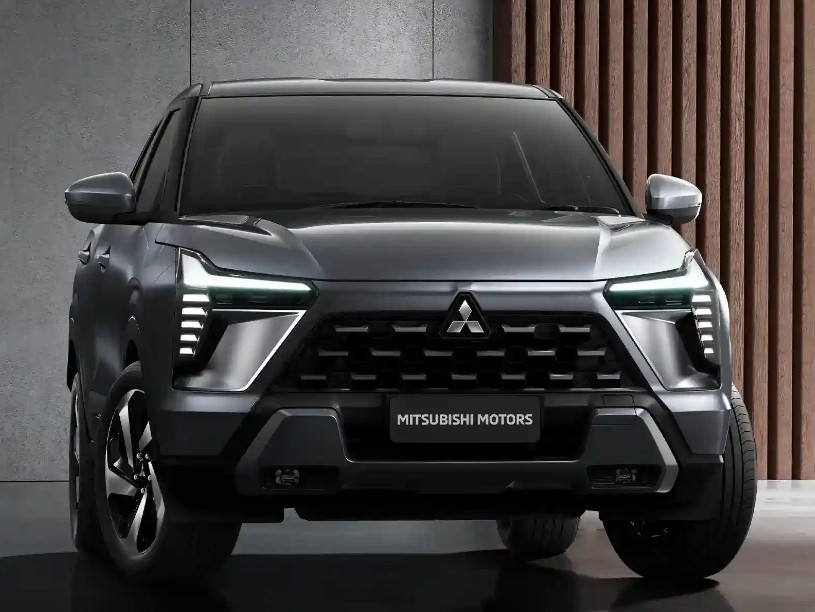
A Mitsubishi Outlander key fob not working can turn a perfectly normal day into a small parking-lot drama. We press the unlock button, expect the familiar flash of the lights, and get… nothing. We press it again, harder this time, as though extra thumb pressure might somehow wake the electronics.
Fortunately, a dead-looking key fob does not always mean an expensive repair. In many cases, the problem is a weak battery, poor battery contact, signal interference, or a temporary communication fault. In other situations, the Outlander’s 12-volt battery, receiver, immobilizer, door-lock system, or key programming may be responsible.
The correct solution depends on what has stopped working. Does the remote fail to unlock the doors? Does the vehicle say the key is not detected? Can we enter the cabin but not start the engine? Does the spare key still work?
Those details help us separate a simple battery problem from a deeper electrical issue. Let’s work through the possibilities methodically instead of throwing parts at the problem.
Content in this publication
- Why Is My Mitsubishi Outlander Key Fob Not Working?
- Start With the Simplest Diagnostic Test
- Test the Spare Mitsubishi Key Fob
- Replace the Mitsubishi Outlander Key Fob Battery
- The New Battery Did Not Fix the Key Fob
- Try a Basic Key Fob Wake-Up Test
- How to Unlock an Outlander With a Dead Key Fob
- How to Start a Mitsubishi Outlander When the Fob Battery Is Dead
- Check the Outlander’s 12-Volt Battery
- Move Away From Signal Interference
- Check Whether the Key Is Inside the Cabin
- Inspect the Key Fob for Water Damage
- Look for Impact and Button Damage
- The Fob Unlocks the Doors but Will Not Start the Car
- The Car Starts but the Remote Buttons Do Not Work
- The Fob Works, but One Door Does Not Unlock
- Could a Fuse Cause the Problem?
- Does the Key Fob Need Reprogramming?
- When the Outlander Says “No Key Detected”
- Could Cold Weather Stop the Key Fob Working?
- Could Hot Weather Affect the Key?
- Troubleshooting by Symptom
- What Not to Do
- When to Call an Automotive Locksmith
- When to Visit a Mitsubishi Dealer
- Check for Open Recalls and Service Campaigns
- How Much Does a Mitsubishi Outlander Key Fob Repair Cost?
- How to Prevent Future Key Fob Problems
- Fast Diagnostic Checklist
- Final Thoughts
- Frequently Asked Questions
Why Is My Mitsubishi Outlander Key Fob Not Working?
A Mitsubishi Outlander key fob communicates with the vehicle through a low-power radio signal. Depending on the model year and trim, the vehicle may use a conventional remote keyless-entry transmitter or Mitsubishi’s hands-free key system, commonly known as the F.A.S.T.-Key system.
The F.A.S.T.-Key system can allow equipped vehicles to recognize the transmitter near the doors and start the engine using a push button. Older Outlanders and some market-specific versions may use different key designs, ignition arrangements, or emergency-start procedures. Mitsubishi has used remote keyless entry and F.A.S.T.-Key technology across different Outlander generations, so we should always confirm the exact procedure in the manual for our model year.
The most common reasons a key fob stops working include:
- A weak or dead key fob battery
- A battery installed incorrectly
- Bent, dirty, or loose battery contacts
- Radio-frequency interference
- A damaged key fob circuit board
- Water or impact damage
- Lost key programming
- A weak vehicle battery
- A faulty door-lock actuator
- A problem with the vehicle’s keyless-entry receiver
- A blown fuse or electrical-system fault
- The key being temporarily disabled or unrecognized
The trick is identifying which one fits the symptoms.
Start With the Simplest Diagnostic Test
Before opening the key fob or calling a locksmith, stand close to the driver’s door and press the unlock button once.
Then watch and listen carefully.
Check for any response:
- Do the exterior lights flash?
- Can we hear a clicking sound inside the door?
- Does only one door fail to unlock?
- Does the key fob indicator light illuminate?
- Does the vehicle display “No Key Detected”?
- Does the remote work only when held extremely close?
- Can the spare key unlock and start the vehicle?
A completely silent vehicle and an unresponsive transmitter often point toward a dead fob battery, dead vehicle battery, or signal-recognition issue.
If the lights flash but the doors do not unlock, the remote signal may be reaching the vehicle while a lock actuator or mechanical latch is failing.
If one fob works and the other does not, the vehicle itself is probably fine. The defective transmitter becomes the main suspect.
Test the Spare Mitsubishi Key Fob
The spare key is one of our best diagnostic tools.
Try locking, unlocking, and starting the Outlander with the second transmitter. If the spare works normally, we can usually rule out a major vehicle-side receiver failure.
The original fob may have:
- A discharged battery
- Internal corrosion
- Cracked solder joints
- Worn buttons
- Damaged battery terminals
- Lost programming
- A failed transmitter circuit
If neither key works, shift attention toward the Outlander’s 12-volt battery, receiver, fuses, interference, or body-control electronics.
Do Not Ignore the Spare Key’s Condition
A spare key that has lived untouched in a drawer for years may also have a dead battery. Two nonworking fobs do not automatically prove that the vehicle is faulty.
Replace or test the battery in at least one known-good transmitter before drawing conclusions.
Replace the Mitsubishi Outlander Key Fob Battery
A weak coin-cell battery is the most common and least expensive cause of remote failure. Its voltage may fall gradually, producing inconsistent behavior before the fob stops responding completely.
Typical warning signs include:
- Reduced operating range
- Several button presses needed
- Intermittent unlocking
- “Key battery low” messages
- Key-detection problems inside the cabin
- Better operation when the fob is held close to the vehicle
- Normal mechanical-key operation but no remote response
Which Battery Does an Outlander Key Fob Use?
The battery type varies by key design, model year, country, and equipment package. Many automotive transmitters use CR-series lithium coin batteries, but we should not assume every Mitsubishi Outlander key uses the same one.
Open the fob and read the number printed on the existing battery, or check the owner’s manual. Installing a physically similar but incorrect cell may create poor contact or unreliable operation.
How to Change the Key Fob Battery
The exact construction varies, but the general process is straightforward:
- Remove the emergency mechanical key.
- Locate the small case-opening slot.
- Use a plastic trim tool or a small flat screwdriver wrapped with tape.
- Gently separate the two halves of the fob.
- Note which side of the old battery faces upward.
- Remove the battery without bending the contacts.
- Install a fresh battery of the identical specification.
- Snap the housing together evenly.
- Reinstall the mechanical key.
- Test all remote functions beside the vehicle.
Avoid touching both flat surfaces of the new coin battery unnecessarily. Skin oils are unlikely to destroy it instantly, but keeping the contact surfaces clean is good practice.
Check Battery Polarity Carefully
A new battery installed upside down behaves exactly like a dead one. Before closing the case, compare the positive and negative orientation with the old battery or the markings inside the housing.
This tiny detail causes a surprising number of unsuccessful “repairs.”
The New Battery Did Not Fix the Key Fob
When a fresh battery changes nothing, do not immediately assume that the key requires reprogramming. Open the fob again and inspect the basic installation.
Look for:
- Protective film left on the battery
- Incorrect battery size
- Battery installed backward
- Battery not fully seated
- Bent metal contacts
- Dirt between the battery and terminal
- A cracked plastic holder
- A loose circuit board
- Missing rubber button pads
- A case that has not snapped shut completely
Some replacement batteries are old despite being sold as new. Testing another high-quality battery can eliminate that possibility.
Clean the Battery Contacts
Light contamination can interrupt power to the circuit board. Remove the battery and inspect the terminals under good lighting.
If the contacts look dull or dirty, gently clean them with a lint-free swab lightly dampened with high-purity isopropyl alcohol. Allow everything to dry before reinstalling the battery.
Do not soak the fob, scrape the circuit board aggressively, or force the contacts upward. Thin battery terminals can snap or lose tension.
Restore Contact Pressure Carefully
If the battery sits loosely, the electrical connection may disappear whenever the fob moves. A qualified automotive locksmith or electronics technician can adjust or repair a weak terminal.
We should avoid stuffing folded foil, paper, or random metal pieces inside the housing. A temporary shortcut can short the battery or damage the transmitter board.
Try a Basic Key Fob Wake-Up Test
After replacing the battery, stand beside the driver’s door and press the lock or unlock button several times at normal intervals.
Then:
- Move the fob away from other keys and electronics.
- Press unlock once.
- Wait a few seconds.
- Press lock once.
- Try the passive-entry function, if equipped.
- Enter the cabin and attempt the approved emergency-start procedure.
A battery change does not normally erase the transmitter’s stored identity. If the fob immediately loses programming after a routine battery replacement, another issue may be present.
Avoid following random “ten-turn ignition” or “press this button seven times” instructions found online unless they specifically match the exact Outlander year and key system. Procedures that work on one generation may do nothing on another.
How to Unlock an Outlander With a Dead Key Fob
Most Mitsubishi smart keys contain a removable mechanical emergency key.
Look for a small release tab or slider on the transmitter. Hold it while pulling out the metal key blade.
The driver’s door may have a visible key cylinder, or the cylinder may be hidden behind a trim cover. Use the mechanical key carefully to unlock the door.
The Alarm May Sound
On some vehicles, mechanically unlocking the door while the security system is armed can activate the alarm. Do not panic. Starting the vehicle using the recognized emergency procedure or pressing the working transmitter button may disarm it.
Security-system behavior differs by model and market. Mitsubishi directs owners to the appropriate owner’s-manual section for specific alarm operation and cancellation procedures.
Never Force the Hidden Door Cover
If the key cylinder sits behind a painted cap, use the mechanical key only at the designated release point. Forcing the cover with a screwdriver may chip the paint or break its retaining tabs.
How to Start a Mitsubishi Outlander When the Fob Battery Is Dead
A dead transmitter battery does not necessarily mean the immobilizer chip has failed. Many push-button vehicles include a backup method that allows the start system to recognize the key at very close range.
The exact method depends on the model year. A common arrangement is to:
- Enter the vehicle with the emergency key.
- Place the transmission in Park.
- Press and hold the brake pedal.
- Hold the key fob against or very near the engine start/stop button.
- Press the start button as directed.
Some earlier vehicles use a different emergency key location, removable ignition knob, key slot, or transmitter box. Mitsubishi service information for older vehicles even references model-specific F.A.S.T.-Key box locations, demonstrating why one universal procedure cannot safely cover every generation.
Consult the manual before repeatedly attempting to start the vehicle. Excessive attempts can drain an already weak 12-volt battery.
Check the Outlander’s 12-Volt Battery
Sometimes the key fob is innocent. The vehicle may not have enough electrical power to wake its receiver, operate the locks, illuminate the cabin, or authorize startup.
Signs of a weak Outlander battery include:
- No interior lights
- Very dim dashboard illumination
- Rapid clicking during a start attempt
- Door locks moving slowly
- Several warning messages appearing together
- The infotainment clock resetting
- The vehicle starting after a jump
- Both key fobs failing simultaneously
A healthy fob cannot command a vehicle whose electrical system is asleep.
Perform a Quick Vehicle-Battery Check
Open the driver’s door mechanically and try the cabin lights, hazard lights, horn, and dashboard.
If everything is dead or unusually dim, test the 12-volt battery with a suitable meter or arrange professional battery testing. A resting voltage reading can provide clues, but a proper load or conductance test gives a more useful assessment of battery condition.
For a PHEV, do not confuse the high-voltage propulsion battery with the conventional 12-volt auxiliary battery. The keyless system and control modules still depend on low-voltage electrical power.
Jump-Starting Requires the Correct Procedure
Follow the owner’s manual for terminal locations and connection order. Hybrid and plug-in hybrid vehicles may have dedicated jump points and special precautions.
Never touch orange high-voltage cables or components.
Move Away From Signal Interference
A key fob may stop responding in one location while working normally elsewhere. Radio interference can overpower or obstruct the relatively weak signal between the transmitter and receiver.
Common sources include:
- Mobile phones placed against the fob
- Laptops and tablets
- Wireless chargers
- Other smart keys
- Security access cards
- Two-way radios
- Large electrical installations
- Broadcast equipment
- Certain parking garages
- Aftermarket remote starters
- Poorly installed vehicle electronics
Move the fob away from electronic devices and hold it by itself. Try another side of the vehicle or move the Outlander a short distance if that can be done safely.
Remove the Fob From a Crowded Key Ring
Metal objects and additional transmitters can sometimes affect how the key is positioned or detected. Separate the Mitsubishi fob from other keys, tags, and electronic passes before retesting.
Do not store the key directly beside a smartphone, power bank, or wireless charging pad.
Check Whether the Key Is Inside the Cabin
Push-button starting systems must determine whether the authorized key is actually inside the vehicle. Detection can become inconsistent when the transmitter is:
- Buried deep inside a bag
- Under a laptop or metal object
- In the cargo area
- Beside another electronic transmitter
- Close to a rear door rather than the driver’s seat
- Inside a signal-blocking pouch
- Positioned between bulky objects
Place the fob in the front cabin, away from electronics, and attempt the emergency recognition procedure.
A Faraday pouch is useful for reducing relay-theft risk while the vehicle is parked, but the key must be removed from the pouch before passive entry or push-button starting can work.
Inspect the Key Fob for Water Damage
A key fob is durable, but it is not invincible. Washing machines, rain, spilled drinks, swimming pools, and wet handbags can send moisture into the case.
Water-damage symptoms may include:
- Buttons working intermittently
- Uncommanded locking or unlocking
- Rapid battery drain
- Corrosion around the terminals
- Sticky buttons
- No indicator light
- A transmitter that becomes warm
- The fob working briefly and then failing again
What to Do After the Key Gets Wet
Remove the battery as soon as practical. Open the case and allow the components to dry in a clean, ventilated place.
Do not heat the fob in an oven, microwave, or with a high-temperature hair dryer. Excessive heat can warp the case and damage the circuit board.
Rice is not a repair tool. It may absorb some ambient moisture, but it cannot remove corrosion or mineral residue from the electronics.
For valuable smart keys, professional electronic cleaning may be worthwhile.
Dropping the fob can crack solder joints, loosen the battery holder, separate the antenna, or damage a tiny surface-mounted component.
The exterior may still look perfect while the circuit board inside has fractured.
Repeatedly pressing a worn rubber button harder will not repair it. In fact, excessive force may further damage the switch mounted on the board.
If the lock button works but unlock does not, the battery and transmitter are at least partially functioning.
Likely causes include:
- A worn rubber contact pad
- Dirt beneath the button
- A damaged microswitch
- A cracked button housing
- Circuit-board damage around one switch
A replacement shell can solve damaged plastic or rubber problems, but the original circuit board and immobilizer components must be transferred correctly. Losing or damaging the transponder element can leave the vehicle unable to start.
The Fob Unlocks the Doors but Will Not Start the Car
Remote-entry and engine-authorization functions are related, but they are not identical. A fob may transmit lock commands while the immobilizer portion is not recognized correctly.
Possible causes include:
- The key is outside the cabin
- The brake pedal switch is not registering
- The transmission is not fully in Park
- The steering lock is under tension
- The 12-volt battery is weak
- The fob’s transponder is damaged
- The start button is faulty
- The key has lost registration
- The immobilizer or body-control system has a fault
Try shifting firmly into Park, pressing the brake pedal, moving the steering wheel slightly, and using the emergency key-recognition method.
If the brake lights do not illuminate when the pedal is pressed, the vehicle may not receive the required start authorization from the brake-switch circuit.
This symptom suggests that the immobilizer can recognize the key while the remote-transmitter section cannot communicate properly.
Suspect:
- A weak fob battery
- Damaged remote buttons
- A failed transmitter circuit
- Radio interference
- A receiver or antenna issue
- Partial key-programming loss
Test the spare transmitter. If both keys start the engine but neither controls the doors, inspect the vehicle-side keyless-entry system and door-lock functions.
The Fob Works, but One Door Does Not Unlock
When the other doors respond normally, the key fob is probably doing its job.
A single nonresponsive door may have:
- A failed lock actuator
- A broken latch mechanism
- Damaged wiring in the door hinge area
- A disconnected linkage
- A frozen lock
- A body-control fault affecting one output
Listen for a faint motor noise inside the affected door. A clicking or buzzing actuator that cannot move the lock often indicates a mechanical or actuator failure rather than a transmitter problem.
Could a Fuse Cause the Problem?
Yes, but a fuse is less likely when only one key fob fails.
A blown fuse may affect:
- Power door locks
- The keyless-entry receiver
- Body-control electronics
- Interior lighting
- The start-authorisation system
- Accessory power circuits
Fuse layouts vary considerably between generations. Use the fuse-box diagram in the owner’s manual rather than removing random fuses.
Replace a blown fuse only with one of the same amperage. If the replacement fails again, the circuit has an underlying short or overload that requires diagnosis.
Does the Key Fob Need Reprogramming?
A transmitter may need registration when:
- It has been replaced
- A used key has been purchased
- The circuit board has failed
- The vehicle’s control module has been replaced
- Key registration data has been lost
- All keys were erased during security-system service
- A key was previously deleted from the vehicle
A normal coin-battery replacement generally should not require reprogramming.
Programming may require dealer-level diagnostic equipment, an automotive locksmith’s scan tool, proof of ownership, all existing keys, and a security PIN or immobilizer procedure.
Can We Program an Outlander Key Fob at Home?
That depends on the year, region, transmitter type, and whether we are programming remote buttons, an immobilizer chip, or a complete smart key.
Some older remote-entry systems may support limited owner procedures. Many modern smart keys require professional security access and diagnostic equipment.
Do not buy a replacement solely because its case looks identical. It must match the required frequency, part number, transponder type, button layout, and regional specification.
Used Key Fobs Can Be Problematic
A secondhand transmitter may already be locked to another vehicle or may require specialized unlocking before registration. Some cannot be reused economically.
Confirm compatibility and programming requirements before purchasing.
When the Outlander Says “No Key Detected”
A no-key warning usually means the vehicle cannot confirm the transmitter’s presence.
Work through this order:
- Bring the fob into the front cabin.
- Remove it from bags and signal-blocking cases.
- Separate it from phones and other keys.
- Replace the fob battery.
- Try the emergency start-button contact method.
- Test the spare fob.
- Check the vehicle’s 12-volt battery.
- Move away from strong radio interference.
- Scan the relevant control modules for fault codes.
If both keys produce the same warning everywhere, the vehicle’s antenna, receiver, control module, wiring, or low-voltage supply becomes more suspect.
Could Cold Weather Stop the Key Fob Working?
Cold temperatures reduce battery performance. A marginal coin cell that works indoors may fail after sitting outside overnight.
Cold can also expose weakness in the vehicle’s 12-volt battery. Thick lubricants, increased starting demand, and reduced battery output create a perfect storm.
Warm the key naturally in a pocket and retry. Do not place it directly against a heater.
Frozen door seals or lock mechanisms can create a separate problem: the vehicle may receive the unlock command, but the door remains physically stuck.
Could Hot Weather Affect the Key?
Extreme heat can shorten battery life, deform low-quality replacement shells, and stress electronics. Leaving the transmitter on a sun-baked dashboard is never ideal.
Heat can also make previously damaged solder joints expand and behave intermittently. A fob that works only at certain temperatures often needs professional inspection or replacement.
Troubleshooting by Symptom
The Key Fob Has No Range
Likely causes:
- Weak battery
- Poor battery contact
- Interference
- Damaged antenna inside the fob
- Vehicle receiver weakness
Start with a fresh battery and test the spare.
The Fob Works Intermittently
Likely causes:
- Loose battery
- Cracked solder joint
- Worn button
- Moisture damage
- Interference
- Failing coin cell
Gently changing the fob’s position should not determine whether it works. If movement affects operation, internal contact damage is likely.
Neither Key Fob Works
Likely causes:
- Weak vehicle battery
- Receiver or antenna failure
- Fuse or power-supply problem
- Strong local interference
- Control-module fault
- Both fob batteries discharged
Test the vehicle battery and try the keys in another location.
The Doors Unlock but Immediately Relock
Possible causes include a faulty door-ajar switch, damaged lock switch, sticking exterior handle sensor, aftermarket alarm issue, or body-control fault.
Check whether any door, liftgate, or hood appears open on the instrument display.
The Key Fob Battery Dies Repeatedly
Repeated battery failure may indicate:
- A button held down inside a pocket or bag
- A damaged microswitch
- Moisture or corrosion
- An internal short circuit
- A poor-quality battery
- An aftermarket replacement shell pressing a button continuously
A healthy transmitter should not consume a new coin battery within days or a few weeks.
What Not to Do
When the Mitsubishi Outlander key fob is not working, avoid these common mistakes:
- Do not force the case open with a large screwdriver.
- Do not install a battery just because it fits.
- Do not bend the contacts aggressively.
- Do not glue the housing shut.
- Do not place the circuit board in water.
- Do not use excessive heat to dry it.
- Do not repeatedly jump-start the vehicle without diagnosing the battery.
- Do not buy an unverified used smart key.
- Do not assume every online programming sequence applies.
- Do not replace control modules before testing the basics.
- Do not leave every registered key with an unknown repair shop.
- Do not ignore signs of battery leakage, overheating, or corrosion.
A methodical diagnosis is cheaper than a parts cannon.
When to Call an Automotive Locksmith
A qualified automotive locksmith may be the best option when:
- The fob is physically damaged
- The emergency key is missing
- All keys are lost
- A replacement must be cut and programmed
- The transmitter needs circuit-board repair
- A used key’s compatibility must be checked
- The key works intermittently after battery replacement
- The vehicle is stranded away from a dealership
Ask whether the locksmith supports the exact Outlander model year, smart-key system, and market specification.
When to Visit a Mitsubishi Dealer
Dealer diagnosis is sensible when:
- Both original keys fail
- The vehicle reports an immobilizer fault
- Key registration repeatedly fails
- A body-control module has been replaced
- The receiver or interior antennas may be defective
- The vehicle has complex electrical symptoms
- A software update or manufacturer-specific diagnostic procedure may apply
- The Outlander remains under warranty
Mitsubishi and NHTSA service records show that key-registration and electronic-control issues can be addressed through model-specific service information rather than universal fixes.
Check for Open Recalls and Service Campaigns
Not every key problem is linked to a recall, and we should never assume that a generic key failure qualifies for free repair. Still, checking the vehicle identification number is worthwhile whenever unexplained electrical behavior appears.
In the United States, NHTSA provides a VIN and license-plate recall lookup. A recall is issued when a vehicle or component presents an unreasonable safety risk or fails to meet applicable safety standards.
Owners outside the United States should use Mitsubishi’s official local recall checker or contact an authorized dealer.
How Much Does a Mitsubishi Outlander Key Fob Repair Cost?
The cost depends heavily on the fault.
A simple coin battery is inexpensive. A replacement shell costs more but may allow us to reuse the original electronics. Circuit-board repair, key cutting, immobilizer programming, and complete smart-key replacement cost progressively more.
The final price may depend on:
- Model year
- Trim level
- Key type
- Number of buttons
- Remote-start capability
- Regional radio frequency
- Emergency-key cutting
- Programming labor
- Whether all keys are lost
- Dealer versus locksmith pricing
- Availability of aftermarket parts
Losing every registered key is usually more expensive than adding a spare while one working key remains.
How to Prevent Future Key Fob Problems
A little care goes a long way.
Keep the transmitter dry, avoid dropping it, and do not store it loose with coins or sharp metal objects. Replace the battery when range begins to decline rather than waiting until the fob dies completely.
We should also:
- Keep a working spare key
- Store the spare away from extreme temperatures
- Test the spare every few months
- Record the correct battery number
- Keep the mechanical key blade accessible
- Avoid placing the fob on wireless chargers
- Use a protective case that does not hold buttons down
- Keep proof of ownership available for key replacement
- Check the vehicle battery during routine servicing
- Avoid unverified aftermarket alarm installations
For theft protection, store smart keys away from exterior doors and consider a reputable signal-blocking pouch when the vehicle is parked. Remember to remove the key from the pouch before attempting passive entry.
Fast Diagnostic Checklist
When the Mitsubishi Outlander key fob stops working, follow this order:
- Stand beside the driver’s door and retry.
- Remove the fob from bags and electronic devices.
- Test the spare key.
- Replace the fob battery with the exact specified type.
- Confirm polarity and battery-contact pressure.
- Use the mechanical emergency key to enter.
- Attempt the model-specific emergency-start procedure.
- Check the Outlander’s 12-volt battery.
- Move away from possible radio interference.
- Inspect the fob for water or impact damage.
- Check whether other power-lock functions operate.
- Review the owner’s manual and fuse diagram.
- Scan the keyless-entry and body-control systems.
- Arrange locksmith or dealer diagnosis if needed.
This order starts with cheap, common problems and moves toward less common vehicle-side failures.
Final Thoughts
A Mitsubishi Outlander key fob not working can feel like the vehicle has suddenly built a wall between us and the driver’s seat. Yet most cases do not begin with a catastrophic security-system failure. They begin with something small: a tired battery, poor contact, interference, or a weak 12-volt battery.
Start with the spare key and a correctly installed fob battery. Then use the mechanical key and approved emergency-start method. If both transmitters fail, inspect the vehicle’s electrical supply and keyless-entry system rather than replacing keys blindly.
The key fob may be tiny, but it sits at the front door of a complicated electronic conversation. When that conversation falls silent, a patient step-by-step diagnosis is the quickest way to get it talking again.
Frequently Asked Questions
1. Why is my Mitsubishi Outlander not detecting the key?
The fob battery may be weak, the key may be blocked by electronic interference, or the vehicle’s 12-volt battery may be low. Bring the key into the front cabin, remove it from bags and signal-blocking pouches, replace its battery, and try the model-specific emergency-start procedure.
2. Will changing the key fob battery erase its programming?
A routine coin-battery replacement normally should not erase the key’s stored registration. If the transmitter stops working after the change, verify the battery type, polarity, contact pressure, and installation before paying for reprogramming.
3. Can I start my Mitsubishi Outlander with a dead key fob battery?
Many push-button Outlanders include an emergency recognition method, often involving holding the fob against or near the start button while pressing the brake. Procedures differ by model year, so follow the owner’s manual.
4. Why does my spare key work but my main key does not?
That usually points to a problem inside the main transmitter, such as a dead battery, worn button, corrosion, loose battery terminal, impact damage, or lost programming. The working spare suggests the vehicle’s receiver is probably operating.
5. How do I know whether the key fob or the car is faulty?
Test a known-good spare key. If one transmitter works, the nonworking fob is likely defective. If neither works, check the vehicle’s 12-volt battery, power locks, fuses, receiver, antennas, and body-control system.
If you want to know other articles similar to Mitsubishi Outlander Key Fob Not Working: Causes, Fixes, and Emergency Solutions you can visit the category Common Problems.
Volvo S90 Common Problems: Reliability & Repair Guide
Volvo S90 No Sound: Causes, Fixes and Solutions

Nissan Rogue Smells Like Gas: Causes and Fixes
Vauxhall Agila Problems: Common Faults & Fixes

Kia Sorento Jerking When Accelerating: Causes & Fixes

Jaguar F-Pace Low Battery: Causes, Warning Signs, and How to Fix It
Leave a Reply
More content of your interest