
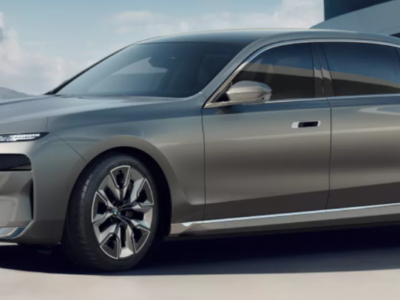
Mitsubishi Outlander Best and Worst Years: Complete Used-Buyer Guide

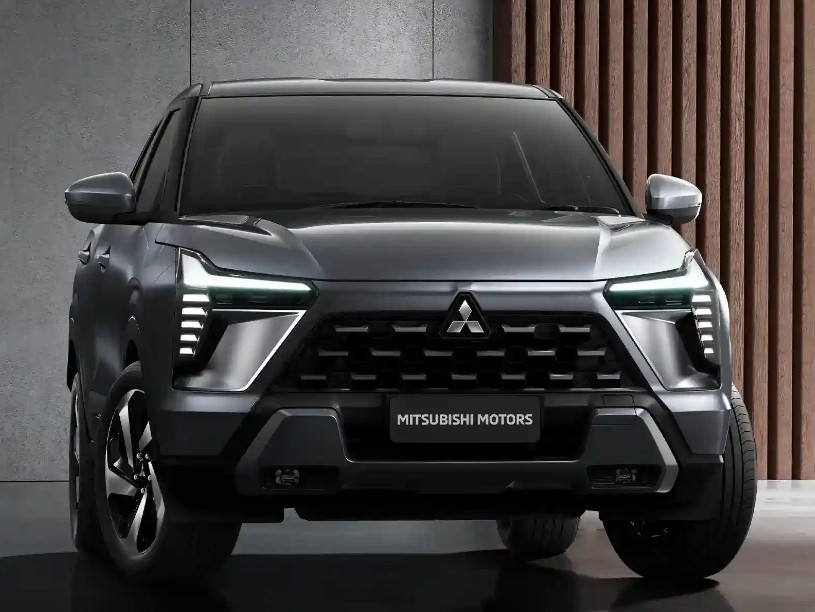
The Mitsubishi Outlander has always lived in an interesting corner of the SUV market. It is rarely the loudest, fastest, or most luxurious model in the parking lot, yet it continues to attract buyers searching for affordable transportation, available all-wheel drive, flexible seating, and sensible ownership costs.
But are all Mitsubishi Outlander model years equally dependable? Not at all.
Some years are quiet workhorses that can handle daily commuting, family trips, and high mileage without creating constant drama. Others have a less flattering history involving transmission hesitation, corrosion, electrical glitches, premature component wear, or recall-related concerns.
That is why choosing the correct model year matters almost as much as choosing the vehicle itself.
In this guide, we will examine the Mitsubishi Outlander best and worst years, compare the main generations, discuss recurring problems, identify the most reliable versions, and explain what to inspect before buying one used.
Our recommendations mainly focus on North American gasoline and plug-in-hybrid models. However, much of the information may also help buyers in Canada, Australia, New Zealand, the United Kingdom, and other markets. Engines, specifications, trim names, and recall campaigns may differ by country, so we should always verify the vehicle identification number and local service history.
Content in this publication
- Quick Answer: Best Mitsubishi Outlander Years
- Quick Answer: Worst Mitsubishi Outlander Years
- Mitsubishi Outlander Best and Worst Years at a Glance
- How We Evaluated Mitsubishi Outlander Reliability
- Understanding the Mitsubishi Outlander Generations
- First Generation: 2003–2006
- Second Generation: 2007–2013
- Third Generation: 2014–2021
- Fourth Generation: 2022 to Present
- Best Mitsubishi Outlander Years in Detail
- 2010 Mitsubishi Outlander
- 2012 Mitsubishi Outlander
- 2013 Mitsubishi Outlander
- 2019 Mitsubishi Outlander
- 2020 Mitsubishi Outlander
- 2021 Mitsubishi Outlander
- 2024 Mitsubishi Outlander
- 2025 Mitsubishi Outlander
- Worst Mitsubishi Outlander Years in Detail
- 2003 Mitsubishi Outlander
- 2004 Mitsubishi Outlander
- 2007 Mitsubishi Outlander
- 2011 Mitsubishi Outlander
- 2014 Mitsubishi Outlander
- 2015 Mitsubishi Outlander
- 2016 Mitsubishi Outlander
- 2018 Mitsubishi Outlander
- 2022 Mitsubishi Outlander
- What About the Mitsubishi Outlander PHEV?
- Best Used Outlander PHEV Years
- How to Inspect a Used Outlander PHEV
- Common Mitsubishi Outlander Problems
- CVT Hesitation and Shuddering
- Premature Brake Wear
- Electrical and Infotainment Problems
- Suspension Noise
- Rust and Corrosion
- Which Mitsubishi Outlander Engine Is Best?
- How Long Can a Mitsubishi Outlander Last?
- How to Inspect a Used Mitsubishi Outlander
- Before the Test Drive
- During the Test Drive
- After the Test Drive
- Should You Buy a High-Mileage Outlander?
- Which Mitsubishi Outlander Year Offers the Best Value?
- Final Verdict
- Frequently Asked Questions
Quick Answer: Best Mitsubishi Outlander Years
For most used-SUV buyers, the best Mitsubishi Outlander years are:
- 2010
- 2012
- 2013
- 2019
- 2020
- 2021
- 2024
- 2025
Among these, the 2019, 2020, and 2021 Mitsubishi Outlander models represent the strongest overall used-car choices. They arrived near the end of the third generation, giving Mitsubishi several years to refine the design, update equipment, and address earlier weaknesses.
The 2024 and 2025 models are appealing for buyers who prefer a more modern interior, better technology, improved safety equipment, and a more sophisticated exterior design. However, they remain relatively new, so their long-term reliability is not as well established as that of older models.
Quick Answer: Worst Mitsubishi Outlander Years
The Mitsubishi Outlander years that require the most caution include:
- 2003
- 2004
- 2007
- 2011
- 2014
- 2015
- 2016
- 2018
- 2022
This does not mean every Outlander from these years will become unreliable. A carefully maintained 2016 model may be a better purchase than a neglected 2020 vehicle.
Still, these years tend to appear more frequently in discussions involving CVT problems, suspension wear, corrosion, electrical failures, software concerns, and recall campaigns.
The 2014 to 2016 models deserve especially close inspection because of transmission hesitation concerns and the importance of confirming whether all applicable recall work was completed.
Mitsubishi Outlander Best and Worst Years at a Glance
| Model year | Overall verdict | Main consideration |
|---|---|---|
| 2003–2004 | Avoid or inspect carefully | Age, corrosion, suspension wear |
| 2005–2006 | Below average | Condition-sensitive and increasingly old |
| 2007 | Avoid | First year of a redesign |
| 2008–2009 | Average | Better than 2007, but maintenance matters |
| 2010 | Good | Mature second-generation design |
| 2011 | Caution | CVT and cooling-system concerns |
| 2012–2013 | Good | Proven design and simpler equipment |
| 2014–2016 | Below average | Early third-generation CVT concerns |
| 2017 | Average to good | Improved but still requires inspection |
| 2018 | Mixed | Brake, paint, liftgate, and electrical concerns |
| 2019–2021 | Best used choices | Refined, affordable, and well established |
| 2022 | Caution | First year of complete redesign |
| 2023 | Average to good | Improved second-year model |
| 2024–2025 | Promising | Modern and more mature than 2022 |
| 2026 | Too new to rank | Insufficient long-term data |
How We Evaluated Mitsubishi Outlander Reliability
Choosing the best and worst years is not as simple as counting complaints. Older vehicles have spent more time on the road, popular models naturally generate more owner reports, and some complaints involve minor annoyances rather than major mechanical failures.
To create a balanced ranking, we considered several factors together:
- Powertrain reliability
- CVT performance and maintenance sensitivity
- Recall history
- Owner complaint patterns
- First-year redesign risks
- Corrosion and age-related deterioration
- Repair costs compared with vehicle value
- Electronic complexity
- Long-term service history
- Availability of replacement parts
A model-year guide gives us a useful starting point, but it cannot replace a professional inspection. A good year can still hide neglect, while a weaker year may survive beautifully when maintained with care.
Understanding the Mitsubishi Outlander Generations
Before identifying the best individual years, it helps to understand how the Outlander evolved. Each generation introduced different engines, transmissions, electronics, and ownership risks.
First Generation: 2003–2006
The first-generation Mitsubishi Outlander was smaller and simpler than the current model. It felt closer to a tall wagon than a full family crossover.
Its relatively straightforward engineering can be appealing, but age has now become its greatest weakness. Even a well-designed vehicle can develop serious problems after more than two decades on the road.
Common First-Generation Concerns
Buyers should inspect for:
- Front suspension corrosion
- Worn control-arm components
- Oil leaks
- Deteriorated engine mounts
- Cracked hoses
- Rusted brake lines
- Aging automatic transmissions
- Electrical connector corrosion
- Exhaust-system deterioration
At this age, condition matters more than reputation. A clean exterior can hide structural rust underneath, much like fresh paint covering a tired wall.
Second Generation: 2007–2013
The second-generation Outlander became larger, more practical, and more SUV-like. Depending on the trim and market, buyers could choose between four-cylinder and V6 engines, front-wheel drive, and several all-wheel-drive systems.
This generation also expanded the use of continuously variable transmissions.
A CVT can operate smoothly and efficiently, but it depends heavily on proper fluid maintenance. Heat, mileage, towing, stop-and-go traffic, and steep roads can accelerate fluid deterioration.
Why CVT Service Records Matter
A used Outlander with documented transmission-fluid changes is far more reassuring than one with no records.
Sellers sometimes claim the transmission fluid was never changed because the vehicle “never needed it.” That statement may sound comforting, but it often tells us that maintenance was postponed rather than unnecessary.
Third Generation: 2014–2021
The third-generation Outlander emphasized affordability, fuel economy, flexible seating, and available plug-in-hybrid technology.
Early models can feel basic inside and may present more transmission or electrical concerns. Later years became more refined, gained improved safety technology, and benefited from multiple years of production updates.
For many used buyers, the final third-generation models offer the best balance between price, reliability, and practicality.
Fourth Generation: 2022 to Present
The fourth-generation Outlander arrived for the 2022 model year with a completely redesigned body, improved interior quality, more technology, and a stronger road presence.
The newer model feels far more polished than its predecessor. It offers a modern dashboard, advanced driver-assistance features, better materials, and a more premium overall appearance.
However, complete redesigns often introduce first-year growing pains. Software problems, production inconsistencies, camera faults, electronic warnings, and unfamiliar repair patterns are more likely to appear during the early phase of a new generation.
Best Mitsubishi Outlander Years in Detail
2010 Mitsubishi Outlander
The 2010 Outlander is one of the more appealing older choices for shoppers seeking an inexpensive SUV.
By this point, Mitsubishi had several years to refine the second-generation platform. The design was no longer new, and many early production issues had already been corrected.
Some versions were available with a V6 engine and a traditional automatic transmission, which may appeal to buyers who prefer avoiding a high-mileage CVT.
Why the 2010 Outlander Is a Good Choice
The 2010 model offers:
- A mature second-generation platform
- Available V6 power
- Practical cargo space
- Relatively simple electronics
- Affordable purchase prices
- Fewer redesign-related uncertainties
Its largest risk is age. Buyers should inspect for rust, suspension wear, fluid leaks, cooling-system condition, and neglected maintenance.
2012 Mitsubishi Outlander
The 2012 Outlander is another sensible older option. It may not look particularly modern, but a well-maintained example can still provide dependable transportation.
The best vehicles are those with consistent service records, matching tires, clean fluids, and evidence of regular use.
A low-mileage older SUV is not automatically healthy. Vehicles that remain parked for long periods may develop dry seals, weak batteries, flat-spotted tires, rusty brakes, and internal moisture.
2013 Mitsubishi Outlander
The 2013 Outlander benefits from being the final year of its generation.
Final-year models often enjoy years of engineering adjustments, production improvements, supplier changes, and software revisions. Manufacturers usually spend an entire generation smoothing out the rough edges.
The 2013 Outlander is not luxurious or particularly quick, but it can be a dependable choice when the transmission, all-wheel-drive system, and cooling system have received proper maintenance.
2019 Mitsubishi Outlander
The 2019 Outlander stands out as one of the strongest used values.
It combines later-generation refinement with reasonable purchase prices. Buyers may find available all-wheel drive, occasional third-row seating, a naturally aspirated engine, and a relatively simple ownership experience.
What to Inspect on a 2019 Outlander
Check the following:
- CVT service history
- Brake-pad and rotor condition
- Power-liftgate operation
- Infotainment response
- Reversing-camera image
- Wheel-bearing noise
- Suspension clunks
- Uneven tire wear
- Evidence of collision repairs
The third row is useful, but it is best suited to children or occasional passengers. Adults may find it cramped during longer trips.
2020 Mitsubishi Outlander
For many buyers, the 2020 Outlander is the best overall choice.
It was produced late enough in the third generation to benefit from years of refinement, yet it usually costs less than a redesigned fourth-generation model.
The 2020 Outlander is not exciting. Acceleration can feel leisurely, the CVT may become noisy under heavy throttle, and some cabin materials feel inexpensive.
Still, reliability is often about avoiding unnecessary drama, and the 2020 model generally delivers a predictable ownership experience.
Why We Recommend the 2020 Outlander
It provides:
You may be interested in reading Nissan Serena or Similar: Best Minivan Alternatives Compared
- Proven third-generation engineering
- Competitive used prices
- Available all-wheel drive
- Seven-seat flexibility
- A naturally aspirated engine
- Familiar maintenance requirements
- Fewer complex systems than newer rivals
A clean 2020 model with documented maintenance should appear near the top of a used buyer’s shortlist.
2021 Mitsubishi Outlander
The 2021 Outlander represents the final stage of the third generation in some markets.
Although it lacks the upscale cabin and bold styling of the 2022 redesign, it benefits from platform maturity. Mechanics understand its common issues, replacement parts are generally accessible, and the vehicle does not carry the uncertainty of a brand-new generation.
That predictability has real value.
Why Final-Year Models Can Be Smart Purchases
A final-year vehicle often includes:
- Updated software
- Revised components
- Familiar repair procedures
- Improved production consistency
- A well-understood maintenance schedule
- Lower risk than a first-year redesign
Buyers should remember that the regular Outlander and Outlander Sport are different vehicles despite their similar names.
2024 Mitsubishi Outlander
The 2024 Outlander is one of the more attractive fourth-generation choices.
It keeps the modern design, improved cabin quality, digital displays, advanced driver-assistance systems, and more refined road manners introduced in 2022.
More importantly, it moves beyond the first two years of the redesign, giving Mitsubishi additional time to correct early production concerns.
Buyers should still verify recall status, software updates, camera operation, and infotainment performance before purchase.
2025 Mitsubishi Outlander
The 2025 Outlander is another promising newer option.
It benefits from additional refinement and updates without introducing an entirely new platform. That usually makes it less risky than a complete redesign.
However, it is still too new for us to make strong claims about durability beyond 100,000 or 150,000 miles.
We can call the 2025 model promising, but not fully proven.
Worst Mitsubishi Outlander Years in Detail
2003 Mitsubishi Outlander
The 2003 Outlander is now old enough that age-related deterioration becomes the main concern.
Even if the engine still runs smoothly, the vehicle may need suspension repairs, cooling-system work, hoses, seals, brakes, tires, or electrical repairs.
A low purchase price can become misleading. A cheap SUV that immediately needs thousands of dollars in work is not genuinely affordable.
2004 Mitsubishi Outlander
The 2004 model carries many of the same concerns as the 2003 version.
Rust is especially important in regions that use road salt. Buyers should inspect the subframe, suspension mounting points, rocker panels, brake lines, fuel lines, and control arms.
When an Early Outlander May Still Make Sense
An early Outlander may work as a secondary vehicle when:
- It has lived in a dry climate
- Maintenance records are complete
- Structural rust is absent
- The purchase price is very low
- The buyer has money available for repairs
For dependable daily transportation, a newer model is usually the wiser choice.
2007 Mitsubishi Outlander
The 2007 Outlander introduced the second generation.
First-year redesigns frequently carry production issues that are corrected in later years. New components, transmissions, software, and manufacturing processes may need time to mature.
A 2007 model is not automatically unreliable, but buyers often have little reason to choose it over a cleaner 2009, 2010, 2012, or 2013 example.
2011 Mitsubishi Outlander
The 2011 Outlander deserves caution because of reports involving CVT behavior, cooling-system concerns, and age-related wear.
Transmission Warning Signs
During a test drive, watch for:
- Delayed engagement in Drive or Reverse
- Shuddering during light acceleration
- Whining that increases with speed
- Engine revving without matching acceleration
- Hesitation when entering traffic
- Warning lights after extended driving
- A burnt transmission-fluid smell
A short trip around the block may not reveal the problem. Some CVT symptoms only appear once the transmission is fully warm.
2014 Mitsubishi Outlander
The 2014 model introduced the third generation.
It improved fuel economy and practicality, but it also brought the risks associated with a new platform. Buyers may encounter CVT concerns, inexpensive cabin materials, road noise, and less polished driving characteristics.
Because it is the first year of the generation, later models generally represent a safer purchase.
2015 Mitsubishi Outlander
The 2015 Outlander improved slightly over the 2014 model, but it remains a year that should be purchased only with strong maintenance records.
We should inspect for:
- CVT hesitation
- Transmission shuddering
- Warning lights
- Noisy wheel bearings
- Uneven tire wear
- Brake vibration
- Electrical faults
- Neglected fluid servicing
A lower selling price should not distract us from the possibility of expensive future repairs.
2016 Mitsubishi Outlander
The 2016 Outlander is one of the most frequently criticized model years.
The main concerns involve CVT hesitation, owner complaints, and recall-related issues. It is essential to confirm whether every applicable recall and software update has been completed.
Should We Completely Avoid the 2016 Outlander?
Not necessarily, but we would only consider one that includes:
- Complete service records
- Proof of recall completion
- Documented CVT maintenance
- A clean diagnostic scan
- A long test drive
- An independent inspection
- A substantial price advantage
Without these conditions, a 2019 or 2020 model is usually the safer choice.
2018 Mitsubishi Outlander
The 2018 Outlander receives mixed reviews.
Some owners report reliable service, while others describe premature brake wear, paint defects, alternator problems, electrical issues, and liftgate-related concerns.
The model is not necessarily disastrous, but it becomes difficult to recommend when a 2019, 2020, or 2021 example is available for only slightly more money.
2022 Mitsubishi Outlander
The 2022 Outlander is attractive, modern, and far more sophisticated than the previous generation.
Unfortunately, it was also the first year of a complete redesign.
That makes it more vulnerable to software bugs, infotainment failures, camera issues, electronic warning messages, and production inconsistencies.
Is the 2022 Outlander Really a Bad Vehicle?
Not always.
A 2022 model with full maintenance records, completed recall work, remaining warranty coverage, and no recurring electronic problems may still be a good purchase.
However, when prices are similar, we would generally choose a later 2023, 2024, or 2025 model.
What About the Mitsubishi Outlander PHEV?
The Outlander PHEV requires a different evaluation because its drivetrain is considerably more complex than that of the gasoline model.
It combines:
- A gasoline engine
- One or more electric motors
- A high-voltage battery
- Charging hardware
- Power electronics
- Battery cooling systems
- Specialized control software
This technology can deliver excellent fuel savings for drivers who charge regularly, but it also creates additional inspection requirements.
Best Used Outlander PHEV Years
The 2019, 2020, and 2021 PHEV models can provide a good balance between purchase price, refinement, and proven technology.
The redesigned PHEV introduced for the 2023 model year offers more power, improved electric range, and a more modern cabin. Still, it remains relatively new, and long-term battery and electronic reliability require more time to evaluate.
How to Inspect a Used Outlander PHEV
Before buying, request:
You may be interested in readingNissan Serena or Similar: Best Minivan Alternatives ComparedYou may be interested in reading
Nissan Serena vs Toyota Voxy: Complete Buyer’s Comparison- A high-voltage battery health report
- Confirmation that charging works correctly
- Testing with compatible charging equipment
- A scan using Mitsubishi-capable diagnostic software
- Verification of battery-warranty coverage
- Inspection of the battery casing
- Confirmation of recall completion
- A test of electric-only operation
The estimated electric range displayed on the dashboard does not prove battery condition. Temperature, driving habits, climate-control use, and recent journeys can alter the number significantly.
Common Mitsubishi Outlander Problems
CVT Hesitation and Shuddering
CVT issues are among the most common reasons used buyers approach the Outlander cautiously.
Possible symptoms include hesitation, shuddering, whining, delayed engagement, surging, or weak acceleration.
Regular fluid replacement using the correct Mitsubishi-approved specification is essential. Incorrect fluid can damage internal components or create poor shift behavior.
Premature Brake Wear
Some Outlander owners report brake pads or rotors wearing sooner than expected.
Driving conditions play a major role. Urban traffic, mountain roads, towing, road salt, and aggressive braking can all reduce brake life.
During the test drive, check for steering-wheel vibration, grinding noises, squealing, or a soft brake pedal.
Electrical and Infotainment Problems
Newer Outlanders include more cameras, sensors, screens, modules, and safety systems.
These features are useful, but they also create more opportunities for software or electrical faults.
Test:
- The touchscreen
- Reversing camera
- Parking sensors
- Climate control
- Driver-assistance systems
- USB ports
- Bluetooth
- Power seats
- Power liftgate
- Dashboard displays
Do not assume a warning light or frozen screen will repair itself after purchase.
Suspension Noise
Clunking over bumps may indicate worn sway-bar links, bushings, strut mounts, ball joints, or control-arm components.
A single suspension repair may be affordable, but several worn components can quickly increase the cost.
Rust and Corrosion
Rust is particularly important on Outlanders driven in snowy or coastal regions.
Inspect:
- Front and rear subframes
- Control arms
- Brake lines
- Fuel lines
- Rocker panels
- Suspension mounts
- Exhaust connections
- Liftgate hardware
Surface rust is common on older vehicles. Structural corrosion is much more serious.
Which Mitsubishi Outlander Engine Is Best?
For most buyers, the naturally aspirated four-cylinder gasoline engine offers the simplest ownership experience.
It may not provide quick acceleration, especially with passengers and cargo, but it has fewer specialized components than a plug-in-hybrid drivetrain.
Older V6 Outlanders may appeal to drivers who want stronger acceleration and a traditional automatic transmission. However, they consume more fuel and may cost more to maintain.
The best engine is not always the largest or most powerful. It is the one that received consistent oil changes, proper cooling-system maintenance, and the correct transmission service.
How Long Can a Mitsubishi Outlander Last?
A well-maintained Mitsubishi Outlander can potentially exceed 200,000 miles.
However, reaching that figure depends on several factors:
- Oil-change intervals
- Transmission-fluid service
- Cooling-system maintenance
- Driving environment
- Rust exposure
- Towing habits
- Accident history
- Repair quality
- Owner attention
A high-mileage Outlander with complete records may be safer than a low-mileage vehicle with no maintenance history.
Service records are like the vehicle’s diary. They show whether the previous owner cared for it or merely drove it until something complained.
How to Inspect a Used Mitsubishi Outlander
Before the Test Drive
Ask the seller not to warm up the vehicle before you arrive.
A cold start can reveal:
- Engine rattles
- Weak battery performance
- Exhaust smoke
- Rough idle
- Cooling problems
- Warning lights
- Belt noise
Also check:
- Engine-oil level
- Coolant condition
- Fluid leaks
- Tire age
- Matching tire brands
- Body-panel gaps
- Rust underneath
- Flood-damage signs
- Recall status
During the Test Drive
Drive the vehicle for at least 20 to 30 minutes when possible.
Include:
- Stop-and-go traffic
- Highway driving
- Moderate acceleration
- Reverse maneuvers
- Tight turns
- Rough pavement
- Light braking
- Firm braking
Keep the radio turned off for part of the drive so we can listen for wheel-bearing noise, CVT whine, suspension knocks, wind noise, and interior rattles.
After the Test Drive
Leave the engine running and check for:
- New warning lights
- Fluid leaks
- Burning smells
- Cooling-fan problems
- Smoke
- Rough idle
- Electrical faults
Restart the vehicle and test the camera, infotainment system, parking sensors, air conditioning, and driver-assistance features again.
A professional prepurchase inspection is strongly recommended.
Should You Buy a High-Mileage Outlander?
A high-mileage Outlander may still be a good purchase when its price reflects its condition and the maintenance history is complete.
We would rather buy a carefully maintained 2020 Outlander with 120,000 highway miles than a neglected 2016 model with 65,000 miles and no transmission records.
Avoid high-mileage examples showing:
- CVT hesitation
- Coolant loss
- Structural rust
- Heavy oil leaks
- Multiple warning lights
- Uneven tire wear
- Overheating history
- Recently cleared diagnostic codes
- Poor-quality accident repairs
Which Mitsubishi Outlander Year Offers the Best Value?
The 2020 Mitsubishi Outlander offers the strongest overall value for most buyers.
It is newer and more refined than early third-generation models, yet it usually costs less than the redesigned 2022 and later versions.
The 2019 and 2021 models are also excellent alternatives. Condition, mileage, drivetrain, and maintenance history should ultimately determine which one we choose.
For buyers wanting the newer body style, the 2024 Outlander is generally a more attractive target than the first-year 2022 version.
Final Verdict
The Mitsubishi Outlander can be a practical, affordable, and useful used SUV, but choosing the correct model year makes a significant difference.
The strongest used choices are generally the 2019, 2020, and 2021 Outlander. These models benefit from mature third-generation engineering, familiar maintenance requirements, reasonable prices, and widely available parts.
Shoppers with smaller budgets may also consider the 2010, 2012, and 2013 models, provided rust, transmission condition, and service history are carefully evaluated.
The 2024 and 2025 Outlanders are promising choices for buyers who want a more modern cabin, updated safety systems, and better technology.
We would approach the 2003, 2004, 2007, 2011, 2014, 2015, 2016, 2018, and 2022 models more cautiously.
The 2014 to 2016 years deserve close transmission inspection, while the 2022 model carries the usual uncertainty associated with a complete redesign.
Ultimately, the model year is only the first clue. Service history, rust exposure, accident repairs, recall completion, and a professional inspection determine whether a particular Outlander is a dependable companion or a polished headache.
Frequently Asked Questions
1. What is the most reliable Mitsubishi Outlander year?
The 2020 Mitsubishi Outlander is one of the strongest overall choices. It comes from the mature end of the third generation, offers relatively simple mechanical components, and often costs less than newer alternatives.
2. Which Mitsubishi Outlander years should we avoid?
The years requiring the most caution include 2003, 2004, 2007, 2011, 2014, 2015, 2016, 2018, and 2022. The 2014 to 2016 models deserve especially close CVT inspection.
3. Is the Mitsubishi Outlander CVT reliable?
The CVT can last a long time when serviced properly with the correct fluid. Buyers should avoid vehicles with hesitation, shuddering, whining, delayed engagement, or missing transmission-maintenance records.
4. Is a used Mitsubishi Outlander worth buying?
Yes. A properly maintained Outlander can provide all-wheel drive, flexible seating, useful cargo space, and good value for less money than many competing SUVs.
5. Is the 2022 Mitsubishi Outlander a bad year?
The 2022 Outlander is not automatically bad, but it deserves caution because it was the first year of a complete redesign. Buyers should verify recall completion and test all cameras, electronics, and safety features.
You may be interested in readingNissan Serena or Similar: Best Minivan Alternatives ComparedYou may be interested in reading
Nissan Serena vs Toyota Voxy: Complete Buyer’s ComparisonYou may be interested in reading
 Ford Taurus X Years: Complete 2008–2009 Model Guide
If you want to know other articles similar to Mitsubishi Outlander Best and Worst Years: Complete Used-Buyer Guide you can visit the category Models.
BMW i7 vs Porsche Taycan: Luxury EVs With Very Different Personalities
BMW i7 vs 7 Series: Which BMW Flagship Makes More Sense?
BMW i7 vs Mercedes EQS: The Ultimate Luxury EV Comparison
BMW i7 vs M760e: Electric Luxury or Plug-In Hybrid Power?
NFINITI QX60 or Similar: Luxury SUVs Worth Comparing
Infiniti QX60 vs VW Atlas: Which Three-Row SUV Makes More Sense?
Leave a Reply
More content of your interest