
Peugeot 206 vs Honda Civic: Which Used Car Is Better?

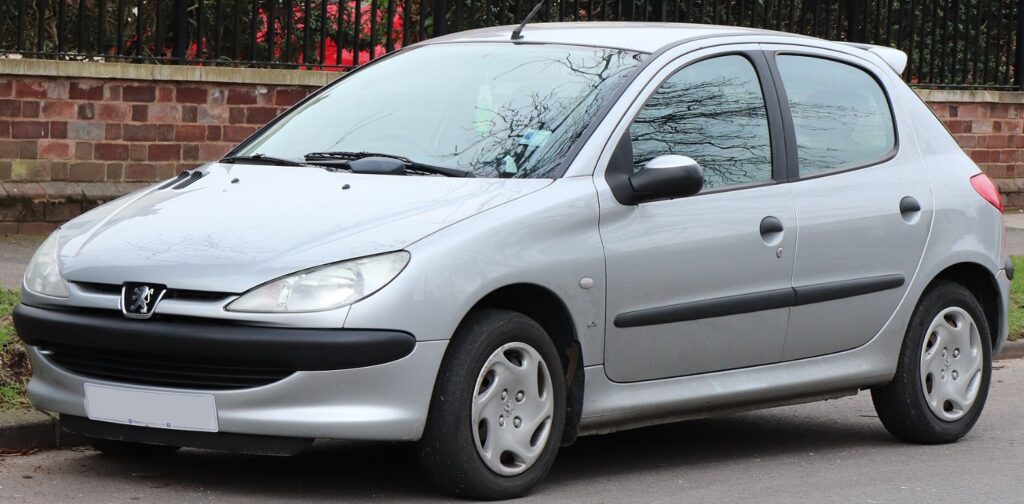
Choosing between a Peugeot 206 and a Honda Civic is a bit like deciding between a compact European café and a dependable Japanese restaurant. One feels playful, stylish, and perfectly suited to narrow streets. The other offers more space, stronger long-term dependability, and the sort of engineering that often keeps working long after the paint has lost its shine.
At first glance, these cars may not appear to be direct rivals. The Peugeot 206 is generally a smaller supermini, while most Honda Civic generations sit in the larger compact-car class. However, they often overlap in the used-car market, particularly when buyers are searching for an affordable first car, an economical commuter, or an older vehicle that is simple enough to maintain.
So, which one should we buy?
The Peugeot 206 usually attracts us with its compact dimensions, charming design, light controls, and potentially lower purchase price. The Honda Civic counters with more cabin space, stronger resale value, better practicality, and an excellent reputation for engine durability.
Neither car is automatically the right choice for everyone. A carefully maintained Peugeot 206 may be far better than a neglected Civic, while a clean Civic with service records can remain a remarkably sensible purchase even at a higher mileage.
Let us compare the Peugeot 206 vs Honda Civic in the areas that matter most: reliability, performance, fuel economy, comfort, repair costs, safety, practicality, and ownership experience.
Content in this publication
- Peugeot 206 vs Honda Civic at a Glance
- Understanding the Difference in Vehicle Size
- Exterior Design: French Flair or Japanese Function?
- Interior Quality and Cabin Design
- Practicality and Cargo Space
- Engine Options and Performance
- Driving Experience and Handling
- Fuel Economy Comparison
- Reliability: Peugeot 206 vs Honda Civic
- Maintenance and Repair Costs
- Manual vs Automatic Transmission
- Safety Comparison
- Comfort and Long-Distance Driving
- Resale Value and Market Demand
- Common Signs of a Bad Peugeot 206
- Common Signs of a Bad Honda Civic
- Which Car Is Better for a First-Time Driver?
- Which Car Is Better for Enthusiasts?
- Which Car Is Better for Families?
- Which Car Is Cheaper to Own?
- Peugeot 206 vs Honda Civic: Pros and Cons
- Used-Car Inspection Checklist
- Who Should Buy the Peugeot 206?
- Who Should Buy the Honda Civic?
- Peugeot 206 vs Honda Civic: Final Verdict
- Frequently Asked Questions
Peugeot 206 vs Honda Civic at a Glance
Before digging into the mechanical details, here is the broad difference between them:
| Category | Peugeot 206 | Honda Civic |
|---|---|---|
| Vehicle class | Supermini/subcompact | Compact hatchback, sedan, or coupe |
| Main strength | Easy city driving | Reliability and practicality |
| Cabin space | Limited | Generally roomier |
| Fuel economy | Good with small engines | Good, especially with smaller petrol engines |
| Performance | Light and agile | Usually stronger and more refined |
| Repair complexity | Simple in some areas, temperamental in others | Generally dependable but parts can cost more |
| Purchase price | Often cheaper | Usually more expensive |
| Resale value | Modest | Typically stronger |
| Best environment | Congested cities and short trips | Mixed driving and longer journeys |
| Ideal buyer | Budget-focused urban driver | Buyer seeking long-term dependability |
The Civic is usually the stronger all-round vehicle. The 206, however, may make more sense when our budget is tight and most of our driving happens in crowded urban areas.
Understanding the Difference in Vehicle Size
The Peugeot 206 Is a True City Car
The Peugeot 206 was designed to be compact, light, and approachable. Its small footprint makes it easy to thread through narrow streets, fit into tight parking spaces, and maneuver in congested neighborhoods.
That is a real advantage. A smaller car does not merely look easier to drive; it can reduce everyday stress. In a packed parking garage, the 206 feels like a shopping basket on wheels—light, compact, and easy to place.
Its short body also helps new drivers judge corners more confidently. Steering is generally light, visibility is acceptable, and the car rarely feels intimidating.
The Honda Civic Offers More Car Around Us
The Honda Civic generally belongs to the class above. Depending on the generation and body style, it may be available as a hatchback, sedan, or coupe. In nearly every comparable form, it provides more shoulder room, rear legroom, luggage capacity, and highway stability than the Peugeot.
That extra size can be a disadvantage in dense cities, but it becomes valuable when carrying passengers, taking longer trips, or transporting luggage.
If our lifestyle regularly involves more than one passenger, the Civic’s additional space may quickly become essential rather than optional.
Exterior Design: French Flair or Japanese Function?
Why the Peugeot 206 Still Looks Charming
The Peugeot 206 remains one of the more recognizable small cars of its period. Its curved headlights, rounded body, compact proportions, and cheerful front end gave it a distinctive personality.
Many old economy cars look anonymous. The 206 does not. Even decades after its introduction, it has a soft, friendly design that does not appear unnecessarily aggressive.
Sportier versions, particularly three-door models, can still look surprisingly attractive when fitted with original wheels and kept in good condition. The shape is compact without looking like a square box, and the body lines have aged better than those of several rivals from the same era.
Why the Civic’s Styling Depends on the Generation
The Civic’s design varies dramatically between generations. Some models look conservative and clean, while others feature more futuristic dashboards, wedge-shaped bodies, or sporty coupe proportions.
Older Civics from the 1990s often have a low, simple appearance that appeals to enthusiasts. Later versions became larger, safer, and more aerodynamic. Hatchback models may look practical and unconventional, while sedans often have a more mature character.
The Civic does not offer one consistent visual identity. Instead, it gives buyers more choices. We can find understated sedans, practical hatchbacks, sporty coupes, and performance-oriented variants.
Which Car Wins for Design?
The 206 wins for compact charm and consistent personality. The Civic wins for body-style variety and broader appeal.
Design is subjective, but the Peugeot often feels more playful, while the Honda feels more purposeful.
Interior Quality and Cabin Design
Inside the Peugeot 206
The Peugeot’s cabin is simple and reasonably attractive, but age exposes its weaknesses. Hard plastics, worn switchgear, loose trim pieces, faded displays, and damaged seat fabric are common in neglected examples.
The driving position may not suit everyone. Some drivers find the relationship between the seat, pedals, and steering wheel slightly awkward. Taller occupants can feel as though they are folding themselves into the car rather than sitting naturally inside it.
Front space is acceptable for a small vehicle, but rear accommodation is limited. Adults can fit for short journeys, although the back seat is better suited to children or occasional passengers.
Storage is also modest. There are useful compartments, but we should not expect modern levels of cupholders, charging points, or door-bin capacity.
Inside the Honda Civic
The Civic generally provides a more spacious and ergonomic environment. Seats tend to offer better support, driving controls are logically positioned, and the cabin feels more suitable for longer trips.
Interior durability is often one of the Honda’s strengths. Fabrics, switches, and dashboard materials can still show wear, but well-maintained examples frequently age more gracefully than similarly used 206s.
Some Civic generations have low seating positions, which create a sporty sensation but may be less convenient for people with limited mobility. Other versions offer highly flexible rear seats or clever storage solutions.
The Civic’s cabin is not luxurious, yet it often feels like a space designed for repeated daily use. The Peugeot feels more intimate; the Honda feels more complete.
Practicality and Cargo Space
If practicality is a priority, the Honda Civic generally wins without much drama.
The Peugeot 206 can carry groceries, a few small bags, or everyday work equipment. Folding the rear seats increases capacity, but the luggage area remains relatively narrow and shallow compared with that of most Civics.
The Civic usually provides:
- A larger boot or cargo area
- More useful rear-seat space
- Wider door openings
- Better capacity for family trips
- More stable handling when carrying passengers
- Greater flexibility across hatchback and sedan versions
A 206 is perfectly adequate for one or two people. Once we regularly carry four adults, luggage, sports equipment, or a child seat, the Civic’s extra room becomes difficult to ignore.
Engine Options and Performance
Peugeot 206 Engine Character
The Peugeot 206 was offered with several petrol and diesel engines, depending on year and market. Common petrol units included small-displacement engines intended for inexpensive urban motoring, while larger engines provided better performance in sportier trims.
The smallest engines are usually adequate in town but can feel strained on steep roads, during overtaking, or when the car is fully loaded. They encourage us to maintain momentum rather than rely on effortless acceleration.
More powerful versions make the light chassis much more entertaining. In a well-maintained 206, modest horsepower can feel lively because the vehicle does not carry much weight.
Diesel variants may provide impressive fuel economy and stronger low-speed torque. However, their value depends heavily on condition, maintenance history, local emissions rules, and the availability of diesel specialists.
Honda Civic Engine Character
The Civic also came with a broad range of engines. Many older models use naturally aspirated petrol engines known for smooth operation and a willingness to rev.
Even non-performance Civics often feel more confident than basic 206 versions. The Honda may not deliver a dramatic surge of low-end torque, but its engine typically responds cleanly as the revs rise.
Performance-focused Civic variants can be significantly faster than ordinary 206 models. However, these versions occupy a different price and insurance category, so comparing them with a basic Peugeot would not be entirely fair.
For everyday driving, a standard Civic usually offers:
- Stronger acceleration
- Better high-speed refinement
- Smoother power delivery
- Easier overtaking
- More relaxed performance with passengers aboard
Which Car Is Faster?
In most equivalent comparisons, the Honda Civic is faster and more capable at motorway speeds. The Peugeot 206 can still feel lively because of its low weight, especially with a larger petrol engine, but small-engine versions prioritize economy over speed.
Driving Experience and Handling
The Peugeot Feels Light on Its Feet
The 206’s greatest dynamic strength is agility. It changes direction easily, feels compact from behind the wheel, and can be genuinely enjoyable on winding roads.
You may be interested in reading Opel Corsa vs Peugeot 206: Which Used Hatchback Wins?
The steering may not provide perfect feedback in every version, but the overall balance is playful. It feels like a car we can use rather than a machine we must wrestle with.
Ride comfort varies according to wheel size, suspension condition, and trim. Standard versions can absorb ordinary bumps reasonably well, though worn suspension components may make an older car feel noisy or unsettled.
The rear suspension deserves careful inspection. On some cars, wear can cause alignment problems, unusual wheel angles, knocking noises, or poor handling.
The Civic Feels More Mature
The Civic generally offers greater stability, especially at higher speeds. It feels less nervous in crosswinds, more planted on open roads, and better suited to long-distance driving.
Handling quality varies by generation. Some Civics feel sporty and direct, while others prioritize comfort and efficiency. Even so, most provide predictable responses and secure road manners.
The Honda is not as tiny or effortless to park, but it often inspires greater confidence during faster driving.
City Driving Winner: Peugeot 206
Its compact dimensions, light weight, and parking ease make it the more convenient urban car.
Highway Driving Winner: Honda Civic
Its longer wheelbase, stronger engines, larger cabin, and more settled ride make it the more relaxing companion.
Fuel Economy Comparison
Fuel consumption depends on engine, transmission, traffic, maintenance, driving style, and vehicle condition. A poorly maintained small car may consume more fuel than a healthy larger one.
In broad terms, both cars can be economical.
Small Peugeot 206 petrol engines are efficient in urban and mixed driving, particularly when the car is lightly loaded. Diesel models can return even better figures on longer journeys.
The Civic’s engines are generally efficient for the vehicle’s size. Smaller petrol versions can deliver respectable economy without feeling painfully slow. Larger engines naturally use more fuel, although they may need less throttle to maintain speed.
Why the Peugeot May Cost Less in Town
The 206 carries less weight and often uses a smaller engine. During short urban trips, this can translate into lower fuel consumption, particularly when traffic speeds remain low.
Why the Civic May Perform Better on Longer Trips
The Civic’s superior gearing, stability, and engine flexibility can make it more efficient than expected on open roads. It may cruise comfortably without forcing the engine to work as hard as a small 206 engine.
In real-world ownership, fuel economy alone should not decide the purchase. Saving a small amount at the pump means little when the car needs repeated electrical, suspension, or cooling-system repairs.
Reliability: Peugeot 206 vs Honda Civic
Honda Civic Reliability Reputation
Reliability is one of the Civic’s strongest advantages. Many Honda petrol engines can cover high mileages when serviced correctly. Their reputation is not magic; it comes from generally robust engineering, good oil circulation, durable internal components, and consistent manufacturing.
However, no old Civic is indestructible. Common concerns may include:
- Oil leaks
- Worn suspension bushes
- Rust in certain climates
- Clutch wear
- Air-conditioning faults
- Automatic transmission issues on particular versions
- Ignition or sensor failures
- Neglected timing-belt replacement on engines that use one
A Civic with no service history should not receive a free pass simply because the badge says Honda. Reputation cannot replace maintenance.
Peugeot 206 Reliability Reality
The 206 can be dependable, but ownership quality varies more dramatically. A well-kept car may provide years of inexpensive service. A neglected example can become a parade of small but irritating faults.
Potential trouble areas include:
- Electrical glitches
- Central locking faults
- Indicator or lighting problems
- Cooling-system leaks
- Worn suspension components
- Rear-axle wear
- Gear-linkage issues
- Sensor failures
- Rough idle
- Dashboard warning lights
- Window-regulator problems
The Peugeot’s problems are not always catastrophic. The real frustration is that several minor issues may arrive together, like uninvited guests who refuse to leave.
Overall Reliability Winner: Honda Civic
The Civic generally offers a more consistent long-term ownership record. It is still essential to inspect the individual vehicle, but Honda gives us a stronger statistical starting point.
Maintenance and Repair Costs
The Peugeot 206 is often cheaper to purchase, and many routine parts are affordable in markets where the model was widely sold. Basic items such as filters, brake components, bulbs, and service parts may be inexpensive.
Independent garages are usually familiar with the car. Its older, relatively simple design can also make certain repairs straightforward.
Yet low-cost parts do not guarantee low-cost ownership. Repeated small failures can steadily drain our budget. An electrical fault that takes hours to diagnose may cost more in labor than the replacement part itself.
The Honda Civic may have higher parts prices, depending on the country and generation. Original components can be expensive, and certain specialized repairs may require more money upfront.
However, the Civic often needs fewer unscheduled repairs when maintained properly. Paying more for one durable component can be preferable to replacing several cheap ones.
Typical Ownership Trade-Off
- Peugeot 206: Lower entry price, potentially cheaper common parts, greater chance of frequent age-related repairs.
- Honda Civic: Higher purchase price, sometimes costlier parts, but usually stronger long-term dependability.
Manual vs Automatic Transmission
Peugeot 206 Manual
A manual 206 is often the simplest and most appealing choice. The manual gearbox suits the vehicle’s lightweight character and gives us greater control over a small engine.
We should check for:
- A high clutch biting point
- Gear-selection difficulty
- Excessive lever movement
- Grinding during shifts
- Clutch slip under acceleration
- Clicking or vibration from driveshafts
Some automatic or automated transmission versions may be less desirable, particularly if maintenance records are incomplete. Before buying one, we should research the exact transmission fitted to that specific year and market.
Honda Civic Manual and Automatic
Honda manual gearboxes are often smooth and satisfying, though clutches and synchronizers can wear with age or aggressive use.
Conventional automatic Civics can also be dependable, but the transmission fluid must have been changed with the correct specification. Certain model years and transmission combinations have stronger reputations than others.
A test drive should include cold operation, slow-speed shifts, firm acceleration, and reverse engagement. Hesitation, slipping, harsh changes, or warning lights deserve immediate attention.
Safety Comparison
Safety depends strongly on the model year. A late-production Civic may be substantially safer than an early 206, while two cars from similar years may have closer equipment levels.
Older examples may lack modern features such as:
- Electronic stability control
- Side-curtain airbags
- Autonomous emergency braking
- Lane-keeping assistance
- Blind-spot monitoring
- Modern child-seat systems
- Advanced crash structures
The Civic’s larger body can provide an advantage in certain collisions, although size alone does not determine crash performance.
We should verify the exact car’s safety specification rather than assume all versions are identical. Some entry-level models came with fewer airbags or less electronic assistance than higher trims.
For frequent family use or high-speed travel, a newer Civic with a stronger safety package is usually the better choice.
Comfort and Long-Distance Driving
Peugeot 206 Comfort
The Peugeot can be comfortable enough for short journeys. Its seats are supportive in some versions, and the cabin feels cozy rather than cavernous.
Long-distance limitations include:
- More road and wind noise
- Limited rear-seat room
- Less luggage capacity
- Higher engine noise in small-engine models
- Greater sensitivity to crosswinds
- Fewer comfort features on basic trims
It can complete a long trip, of course. It simply feels like a city car being asked to work overtime.
Honda Civic Comfort
The Civic is more naturally suited to extended journeys. It offers greater space, more stable road manners, and typically better refinement.
Seat comfort differs between generations, but the overall experience is usually less tiring. The engine does not need to work as hard, passengers have more room, and the larger cargo area reduces the need to pack like we are solving a three-dimensional puzzle.
For commuting between cities or taking regular road trips, the Civic has a clear advantage.
You may be interested in readingOpel Corsa vs Peugeot 206: Which Used Hatchback Wins?You may be interested in reading
Peugeot 206 vs Toyota Yaris: Which Used Car Is Better?Resale Value and Market Demand
Honda Civics generally retain value better. Buyers recognize the name, mechanics understand the platform, and the model has a broad reputation for durability.
The Civic also appeals to several groups:
- First-time drivers
- Families
- Commuters
- Enthusiasts
- Delivery drivers
- Buyers seeking economical transportation
That broad demand supports resale prices.
The Peugeot 206 may be harder to sell in markets where French cars have a weaker reputation or limited parts support. In regions where Peugeot is common, resale may be easier, though prices are still usually modest.
A lower resale value is not always bad. It allows us to purchase the 206 cheaply. The important question is whether the money saved at purchase remains in our pocket or disappears into repairs.
Common Signs of a Bad Peugeot 206
We should be cautious when a 206 shows any of the following:
- Rear wheels that appear tilted unusually
- Knocking or creaking from the rear suspension
- Repeated electrical warning lights
- Engine overheating or coolant loss
- Damp carpets or water leaks
- Rough idle after the engine warms up
- Non-working windows or central locking
- Heavy steering or power-steering noise
- Sloppy gear selection
- Evidence of improvised wiring repairs
A cheap 206 with several faults can quickly cost more than a clean, slightly more expensive example.
Common Signs of a Bad Honda Civic
A Civic should raise concern when we notice:
- Blue exhaust smoke
- Low oil level combined with engine noise
- Automatic transmission slipping
- Rust around structural areas
- Uneven tire wear
- Modified suspension or wiring
- Overheating history
- Loud wheel-bearing noise
- Poorly repaired accident damage
- Missing maintenance records
Civics are frequently modified. Some upgrades are professionally installed, but others turn a reliable car into an electrical treasure hunt. Standard, unmodified examples are usually safer purchases.
Which Car Is Better for a First-Time Driver?
The Peugeot 206 offers several advantages for beginners. It is compact, easy to park, usually inexpensive to buy, and not excessively powerful in standard form.
However, an older 206 may require more mechanical patience. A first-time driver who knows little about repairs could become frustrated by warning lights, worn suspension, or unpredictable electrical faults.
The Civic is larger but generally more dependable. It may cost more to insure or purchase, depending on the version, but it could provide a more stable ownership experience.
For a first-time driver, we would generally choose:
- Peugeot 206 when purchase budget and urban maneuverability matter most.
- Honda Civic when reliability, safety, and long-term ownership matter most.
Which Car Is Better for Enthusiasts?
Both models have enthusiast appeal, but they express it differently.
The Peugeot 206 can feel wonderfully light and playful. Sportier versions deliver sharper handling, stronger engines, and the character of a small European hot hatch.
The Civic offers a much larger tuning community. Performance parts, suspension upgrades, engine components, body accessories, and technical knowledge are widely available in many markets.
Older Civics are particularly popular because of their lightweight platforms and responsive engines. Unfortunately, this popularity means many used examples have been modified, raced, or poorly repaired.
A standard sporty 206 may feel rarer and more distinctive. A Civic provides greater modification potential and a broader support network.
Which Car Is Better for Families?
The Honda Civic is the easy winner for family use.
Its advantages include:
- More rear-seat room
- Easier child-seat installation
- Better luggage capacity
- Greater highway stability
- More practical body styles
- Potentially better safety equipment
- More comfortable long-distance travel
The Peugeot 206 can serve a small household, particularly as a second car. However, using it as the main family vehicle may require compromises.
A child seat, stroller, shopping bags, and two adults can quickly fill its available space. The Civic gives us breathing room.
Which Car Is Cheaper to Own?
This question has two answers.
The Peugeot 206 may be cheaper to purchase, register, insure, and fuel. In places with strong Peugeot parts availability, routine repairs may also be inexpensive.
The Civic may cost more initially but can be cheaper over several years because of stronger reliability and resale value.
We should calculate ownership cost using more than the sale price:
- Purchase price
- Immediate repairs
- Timing-belt or chain service
- Tires
- Insurance
- Fuel consumption
- Annual taxes
- Parts availability
- Resale value
- Probability of major repairs
A $2,000 car needing $1,500 in repairs is not cheaper than a well-maintained $3,000 car. The sticker price is merely the first chapter.
Peugeot 206 vs Honda Civic: Pros and Cons
Peugeot 206 Pros
- Compact and easy to park
- Charming exterior design
- Often inexpensive to buy
- Good fuel economy with smaller engines
- Light and agile handling
- Affordable common service parts
- Well suited to short urban trips
Peugeot 206 Cons
- Limited rear-seat and cargo space
- More likely to suffer electrical annoyances
- Rear-suspension wear can be expensive
- Less refined at highway speeds
- Weak resale value in some markets
- Small engines may feel underpowered
- Cabin materials can age poorly
Honda Civic Pros
- Strong reliability reputation
- Spacious and practical cabin
- Better long-distance comfort
- Good engine performance
- Strong resale value
- Wide choice of body styles
- Large parts and enthusiast network
- Generally more suitable as an only car
Honda Civic Cons
- Usually more expensive to buy
- Some examples have been heavily modified
- Parts can cost more
- Certain generations have specific transmission or rust concerns
- Larger size makes parking less convenient
- Desirable models may carry higher insurance costs
- Reputation can lead sellers to overprice neglected cars
Used-Car Inspection Checklist
Before choosing either model, we should inspect the actual vehicle carefully. Badge loyalty should never overpower evidence.
Exterior Inspection
- Check for inconsistent paint shades.
- Inspect panel gaps.
- Look beneath the vehicle for corrosion.
- Examine tires for uneven wear.
- Test all doors, locks, windows, and lights.
- Look for coolant, oil, or transmission-fluid leaks.
Interior Inspection
- Confirm every switch works.
- Test the air conditioning and heater.
- Check warning lights during startup.
- Inspect seat and steering-wheel wear.
- Smell for dampness or overheating.
- Confirm the mileage appears consistent with the condition.
Mechanical Inspection
- Start the engine from cold.
- Listen for rattles, knocking, or tapping.
- Watch for smoke from the exhaust.
- Check coolant and oil condition.
- Test the clutch or automatic transmission.
- Drive over rough roads to expose suspension noise.
- Brake firmly and check for vibration.
- Confirm the engine reaches and maintains normal temperature.
Never Skip a Professional Inspection
A pre-purchase inspection can uncover structural damage, fluid leaks, diagnostic fault codes, worn suspension, or evidence of overheating.
Even a modest inspection fee may save us from buying a vehicle that consumes money like a leaking bucket.
Who Should Buy the Peugeot 206?
The Peugeot 206 is best for someone who:
- Drives mostly in the city
- Wants the lowest possible purchase price
- Usually travels alone or with one passenger
- Values compact dimensions
- Has access to a trusted independent mechanic
- Can tolerate occasional age-related repairs
- Finds a clean example with strong maintenance records
It can be a smart second car, learner vehicle, or inexpensive urban commuter. The key is avoiding neglected examples. A good 206 feels light, charming, and honest. A bad one can feel like a collection of unrelated faults held together by hope.
Who Should Buy the Honda Civic?
The Honda Civic is best for someone who:
- Needs one car for multiple purposes
- Regularly carries passengers
- Drives on highways
- Values reliability and resale value
- Wants stronger performance
- Plans to keep the vehicle for several years
- Prefers a larger support network for parts and repairs
The Civic is usually the more sensible long-term choice. It asks for a higher entry price but often repays us with better durability, comfort, and versatility.
Peugeot 206 vs Honda Civic: Final Verdict
When comparing the Peugeot 206 vs Honda Civic, the Honda is the stronger all-round car. It offers more space, better highway comfort, stronger performance, greater practicality, and a more dependable ownership reputation.
For most buyers, especially those seeking a main vehicle, the Civic is the safer recommendation.
That does not make the Peugeot 206 a poor choice. It remains appealing when we need an inexpensive, compact car for crowded streets. It is easier to park, lighter to drive, and often cheaper to purchase. A carefully maintained example can still provide enjoyable and economical transportation.
Our final choice would be:
- Choose the Peugeot 206 for low-cost urban mobility, compact dimensions, and playful European character.
- Choose the Honda Civic for reliability, versatility, passenger space, highway use, and long-term value.
Most importantly, buy the better individual car. A clean 206 with complete service records is preferable to an abused Civic with hidden crash damage and a slipping transmission.
Model reputation points us in the right direction. Condition tells us whether we should actually hand over the money.
Frequently Asked Questions
1. Is a Peugeot 206 more economical than a Honda Civic?
A small-engine Peugeot 206 may consume less fuel in congested city driving because it is lighter and usually has a smaller engine. However, several Honda Civic engines are also highly efficient, particularly on longer journeys. Actual economy depends on the specific engine, transmission, vehicle condition, and driving style.
2. Is the Honda Civic more reliable than the Peugeot 206?
In general, yes. The Honda Civic has a stronger reputation for engine durability and long-term reliability. The Peugeot 206 can still be dependable, but older examples may experience more electrical, cooling-system, and suspension-related problems.
3. Which car is better for highway driving?
The Honda Civic is better for highway driving. It normally offers stronger acceleration, greater stability, more cabin space, lower perceived engine strain, and better long-distance comfort than the Peugeot 206.
4. Is the Peugeot 206 a good first car?
Yes, a well-maintained Peugeot 206 can be a good first car. It is compact, easy to park, economical, and usually affordable. Buyers should inspect the rear suspension, cooling system, electrical equipment, clutch, and service history before purchasing.
You may be interested in readingOpel Corsa vs Peugeot 206: Which Used Hatchback Wins?You may be interested in reading
Peugeot 206 vs Toyota Yaris: Which Used Car Is Better?You may be interested in reading
 Ford Taurus vs Fusion: Which Ford Sedan Fits You Best?
5. Which used car has better resale value?
The Honda Civic usually has better resale value. Its reputation for reliability, strong market demand, broad parts availability, and practical design help it retain value more effectively than the Peugeot 206 in many countries.
If you want to know other articles similar to Peugeot 206 vs Honda Civic: Which Used Car Is Better? you can visit the category Models.
BMW i7 vs Porsche Taycan: Luxury EVs With Very Different Personalities
BMW i7 vs 7 Series: Which BMW Flagship Makes More Sense?
BMW i7 vs Mercedes EQS: The Ultimate Luxury EV Comparison
BMW i7 vs M760e: Electric Luxury or Plug-In Hybrid Power?
NFINITI QX60 or Similar: Luxury SUVs Worth Comparing
Infiniti QX60 vs VW Atlas: Which Three-Row SUV Makes More Sense?
Leave a Reply
More content of your interest