

Ford Taurus vs Fusion: Which Ford Sedan Fits You Best?

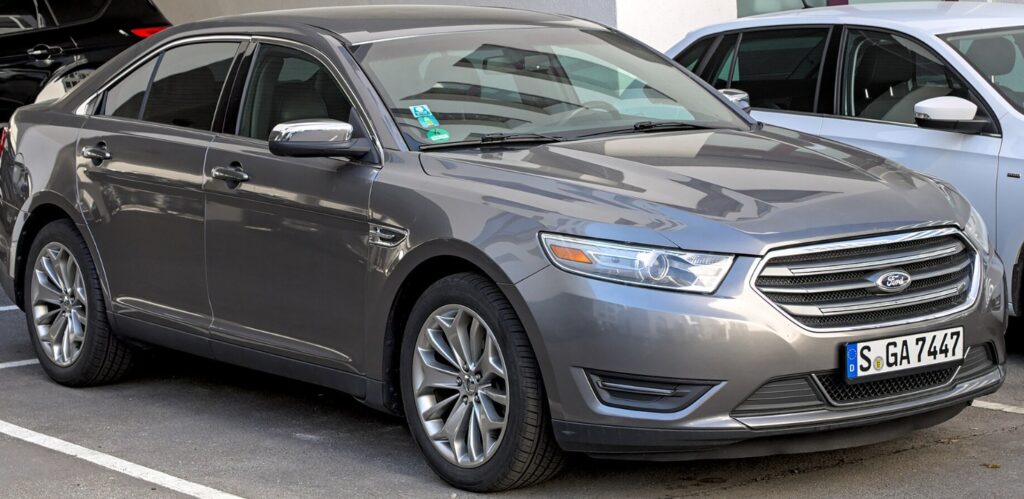
Choosing between the Ford Taurus and Ford Fusion feels a little like deciding between a spacious executive lounge and a sharp, modern city apartment. Both sedans wear the Ford badge, both have served families and commuters for years, and both can deliver strong value on the used-car market. Yet they approach everyday driving from noticeably different directions.
The Ford Taurus is the larger, heavier, more traditional sedan. It offers generous passenger room, a substantial road presence, a large trunk, and available performance that can make it surprisingly quick. The Ford Fusion, meanwhile, is a midsize sedan designed to feel lighter, more efficient, and easier to live with in crowded cities.
So, which one deserves a place in your garage?
In this Ford Taurus vs Fusion comparison, we will examine their dimensions, comfort, engine options, fuel economy, handling, reliability, technology, safety, ownership costs, and long-term practicality. Rather than declaring one universal winner, we will identify which model makes more sense for different types of drivers.
Content in this publication
- Ford Taurus vs Fusion at a Glance
- Understanding Their Different Positions in Ford’s Lineup
- Exterior Design: Traditional Presence vs Modern Elegance
- Size and Dimensions
- Interior Space and Passenger Comfort
- Cargo Capacity and Practicality
- Engine Options and Performance
- Ford Taurus Engine Experience
- Ford Fusion Engine Experience
- Ford Taurus vs Fusion Performance Verdict
- Fuel Economy
- Handling and Driving Dynamics
- All-Wheel Drive Capability
- Interior Quality and Cabin Design
- Technology and Infotainment
- Safety Features
- Reliability and Common Ownership Concerns
- Maintenance and Repair Costs
- Used-Car Value and Depreciation
- Ford Taurus vs Fusion for Family Use
- Ford Taurus vs Fusion for Commuting
- Ford Taurus vs Fusion for Performance Enthusiasts
- Which Ford Sedan Is Better for Tall Drivers?
- Which One Is Easier to Park?
- What Should We Check During a Test Drive?
- Ford Taurus vs Fusion: Pros and Cons
- Ford Taurus vs Fusion: Which One Should You Buy?
- Final Verdict
- Frequently Asked Questions
Ford Taurus vs Fusion at a Glance
Before getting lost in horsepower figures and trim names, let us simplify the comparison.
The Ford Taurus generally offers:
- More passenger space
- A larger exterior footprint
- Greater highway comfort
- A bigger and more commanding feel
- Available high-performance SHO models
- Strong appeal for drivers wanting a traditional full-size sedan
The Ford Fusion generally provides:
- Better fuel efficiency
- Easier parking and city maneuverability
- More modern exterior styling
- Hybrid and plug-in hybrid choices
- A lighter, more responsive driving experience
- Lower everyday running costs in many configurations
In plain language, the Taurus prioritizes space and presence, while the Fusion emphasizes balance and efficiency.
Understanding Their Different Positions in Ford’s Lineup
Although people often compare these cars directly, they originally occupied different positions in Ford’s passenger-car range.
The Ford Taurus Is a Full-Size Sedan
The Taurus was designed as Ford’s larger mainstream sedan. In its later generations, it offered a long body, a wide cabin, and the kind of highway composure associated with traditional American family cars.
It was not merely a stretched Fusion. The Taurus felt heavier, more substantial, and more isolated from the road. That could be a strength or a weakness depending on what we wanted from the driving experience.
For long-distance travel, the Taurus could feel like a sofa wearing wheels. It absorbed miles calmly and gave passengers room to settle in. In tight urban environments, however, its size could become cumbersome.
The Ford Fusion Is a Midsize Sedan
The Fusion competed in the heart of the family-sedan market. It was positioned against popular models such as the Toyota Camry, Honda Accord, Chevrolet Malibu, Hyundai Sonata, and Nissan Altima.
Its midsize proportions made it more manageable than the Taurus without making it feel cramped. For many buyers, the Fusion represented the practical middle ground: roomy enough for a small family, efficient enough for commuting, and stylish enough to avoid looking purely utilitarian.
Exterior Design: Traditional Presence vs Modern Elegance
Design preferences are personal, but the Taurus and Fusion communicate very different personalities.
Ford Taurus Styling
The Taurus has a broad, muscular appearance. Its high beltline, large body, and substantial front end make it look serious and authoritative.
Depending on the model year and trim, it can resemble an executive vehicle, a highway cruiser, or even a discreet police car. That visual weight gives the Taurus presence, although it can also make the design appear bulky from certain angles.
The sport-oriented Taurus SHO adds more aggressive details, including larger wheels, darker exterior accents, and subtle performance cues. It is not flamboyant, but that is part of its charm. The SHO can look like an ordinary business sedan until the driver presses the accelerator.
Ford Fusion Styling
The Fusion takes a sleeker approach. Its lower roofline, sharper body contours, and more sculpted front end give it a sportier and more contemporary appearance.
Later Fusion models remain attractive even years after production ended. The design looks tidy rather than oversized, with proportions that work equally well outside an office building, suburban home, or city apartment.
Which Sedan Looks Better?
For understated elegance, the Fusion is likely the winner. Its shape is cleaner and more athletic.
For commanding road presence, the Taurus has the advantage. It looks larger because it is larger, and some drivers appreciate that sense of substance.
Size and Dimensions
The size difference is one of the most important factors in the Ford Taurus vs Fusion debate.
The Taurus is longer, wider, and generally heavier. The Fusion occupies less road space and feels noticeably easier to position in narrow lanes or parking areas.
Why the Taurus Feels So Large
Behind the wheel, the Taurus can initially feel enormous. The high dashboard, thick pillars, long body, and restricted outward visibility may require an adjustment period.
Parking sensors and a reversing camera become especially valuable because judging the corners is not always easy. Once moving on an open road, however, the Taurus feels planted and secure.
Why the Fusion Is Easier to Handle Daily
The Fusion’s smaller dimensions make it less intimidating. It is easier to park, easier to maneuver through traffic, and less stressful when navigating narrow streets.
For drivers who spend most of their time in busy metropolitan areas, this advantage should not be underestimated. A car that saves us thirty seconds of tension every time we enter a parking garage can improve ownership more than a feature we use twice a year.
Interior Space and Passenger Comfort
The Taurus is the larger car, but interior packaging tells a more complicated story.
Front-Seat Comfort
Both vehicles can provide comfortable front seats, especially in well-equipped trims. The Taurus tends to offer a wider, more enclosed cockpit. Its center console is large, and the dashboard wraps around the driver.
Some people enjoy this cocoon-like feeling. Others may find that the bulky console consumes more space than expected in such a large vehicle.
The Fusion’s front cabin feels more open and straightforward. Controls are generally within easy reach, while the seating position feels natural for commuting and longer drives.
Rear-Seat Space
The Taurus offers plenty of width for rear passengers, making it suitable for carrying three adults more comfortably than many midsize sedans. Legroom is also generous, although the large exterior dimensions do not always translate into limousine-like space.
The Fusion remains practical for families. Two adults can sit comfortably in the back, and three passengers can fit for shorter journeys. Taller occupants may prefer the Taurus, particularly when the front seats are moved far rearward.
Ride Comfort
The Taurus generally provides the softer, more isolated ride. Its longer wheelbase and greater mass help it smooth out highway imperfections.
The Fusion is comfortable but usually allows more road texture to enter the cabin. That is not necessarily negative. Some drivers prefer feeling slightly more connected to the surface rather than floating above it.
Cargo Capacity and Practicality
Both cars have traditional sedan trunks, but the Taurus usually offers more cargo space.
Ford Taurus Trunk
The Taurus trunk is broad and deep, making it useful for:
- Large suitcases
- Grocery runs
- Golf equipment
- Work supplies
- Family holiday luggage
- Airport transportation
Its opening may not be as practical as a hatchback or crossover, but the overall capacity is impressive.
Ford Fusion Trunk
The standard gasoline Fusion also offers useful trunk space. It is sufficient for routine family use and weekend travel.
Hybrid and plug-in hybrid versions deserve closer attention because their battery packs reduce available cargo room. In some electrified variants, the trunk shape can feel awkward compared with the conventional gasoline model.
Practicality Winner
The Taurus wins for maximum trunk volume and passenger width.
The Fusion wins for everyday maneuverability and easier access to tight urban spaces. Practicality is not only about how much a vehicle can carry; it is also about how easily we can use it.
Engine Options and Performance
This is where the comparison becomes especially interesting. The Fusion offers greater variety, while the Taurus provides stronger traditional performance in its more powerful configurations.
Ford Taurus Engine Experience
Most later Taurus models were available with V6 power. Depending on the model year, buyers could find naturally aspirated engines, turbocharged alternatives, and the high-output twin-turbocharged engine used in the SHO.
Standard Taurus Performance
A regular Taurus provides adequate power for commuting and highway driving. It is not usually thrilling, but it can accelerate confidently enough for merging and overtaking.
The vehicle’s weight is always noticeable. Even with reasonable horsepower, the Taurus does not leap forward like a lightweight sports sedan.
The Taurus SHO
The Taurus SHO transforms the car’s character. Its twin-turbocharged V6 and all-wheel-drive system deliver serious straight-line speed.
It is a classic sleeper: quiet, spacious, restrained, and much faster than its conservative appearance suggests.
The SHO is still not a delicate corner-carving machine. Physics remains physics, and the car carries considerable mass. Yet on a wet highway or open road, its combination of turbocharged power and all-wheel traction can be deeply satisfying.
Ford Fusion Engine Experience
The Fusion was offered with a broad range of powertrains, including naturally aspirated gasoline engines, turbocharged EcoBoost engines, hybrids, plug-in hybrids, and a performance-oriented Sport model.
Base Fusion Engines
Entry-level engines focus on affordability rather than excitement. They are suitable for calm daily driving but can feel strained when the car is fully loaded or when rapid acceleration is required.
Turbocharged Fusion Models
EcoBoost versions provide stronger torque and a more responsive feel. These engines make the Fusion better suited to highway driving while maintaining reasonable efficiency.
Performance depends heavily on engine choice. A basic Fusion and a powerful turbocharged Fusion may look similar from outside, but they can feel like completely different cars.
Fusion Hybrid and Energi Models
The Fusion Hybrid prioritizes efficiency and smoothness. Its gasoline-electric system works well in stop-and-go traffic, where regenerative braking and electric assistance can reduce fuel use.
The Fusion Energi plug-in hybrid can travel limited distances using electric power before operating like a conventional hybrid. It may suit drivers with short commutes and regular access to charging, although reduced trunk space is an important compromise.
You may be interested in reading Ford Taurus vs Chevy Impala: Which Sedan Wins?
Fusion Sport
The Fusion Sport is the closest direct rival to the Taurus SHO. It combines a twin-turbocharged V6 with all-wheel drive, producing strong acceleration in a smaller and more agile package.
The Fusion Sport feels quicker to respond and more athletic than the Taurus SHO. The Taurus, however, offers a more spacious and relaxed full-size experience.
Ford Taurus vs Fusion Performance Verdict
For maximum performance, the comparison depends on specific trims.
- The Taurus SHO is powerful, stable, and excellent for rapid highway travel.
- The Fusion Sport feels smaller, more agile, and more playful.
- Standard Taurus models provide smooth V6 power but carry more weight.
- Regular Fusion EcoBoost models offer a useful balance of performance and efficiency.
- Fusion Hybrid models prioritize economy rather than speed.
For most buyers, the Fusion’s engine variety is more appealing. For enthusiasts who want a large sleeper sedan, the Taurus SHO remains the more distinctive choice.
Fuel Economy
The Fusion is the clear winner in this category.
Its smaller size, lighter construction, four-cylinder engine availability, and hybrid options allow it to use considerably less fuel than many Taurus variants.
Taurus Fuel Consumption
A standard Taurus can deliver acceptable highway fuel economy, particularly during steady cruising. In city traffic, its weight and V6 engine become more apparent.
All-wheel-drive models and the powerful SHO generally consume even more fuel. Buyers attracted by the SHO’s performance should budget accordingly. Turbocharged power and a heavy right foot can empty the tank with alarming enthusiasm.
Fusion Fuel Consumption
Gasoline Fusion models generally offer better efficiency, especially with smaller engines.
The Fusion Hybrid is the strongest choice for drivers focused on reducing fuel costs. It works particularly well in urban traffic, where conventional vehicles often use the most fuel.
Efficiency Winner
The Fusion wins decisively. Drivers covering high annual mileage will likely notice meaningful savings in fuel expenses.
Handling and Driving Dynamics
These two sedans behave differently because of their size, weight, and purpose.
How the Taurus Drives
The Taurus feels stable, solid, and secure. At highway speeds, it tracks confidently and resists being disturbed by crosswinds or rough pavement.
Steering can feel somewhat heavy or distant, and the car is not eager to change direction quickly. On winding roads, its mass becomes obvious.
Think of the Taurus as a large ship. It travels calmly once pointed in the right direction, but it does not dart between corners like a speedboat.
How the Fusion Drives
The Fusion feels lighter and more agile. Steering responses are quicker, body control is tidier, and the car is easier to place on the road.
It is not a dedicated sports sedan, but it can feel surprisingly composed. The Fusion’s European-influenced chassis tuning gives it a more balanced character than many traditional American sedans.
Handling Winner
The Fusion wins for agility and driver involvement.
The Taurus wins for relaxed highway stability and isolation.
All-Wheel Drive Capability
Both models were available with all-wheel drive in selected configurations, but availability depends on engine, trim, and model year.
All-wheel drive can improve traction during rain, snow, and slippery conditions. It does not shorten braking distances on its own, and it cannot replace suitable tires, but it can help the car accelerate more confidently when grip is limited.
The Taurus SHO commonly features all-wheel drive, supporting its high-output engine. Some regular Taurus models also offer the system.
The Fusion provides all-wheel drive on selected gasoline-powered trims, including the Fusion Sport. Hybrid versions generally use front-wheel drive.
For drivers in snowy regions, either model can work well with appropriate tires. The Fusion remains easier to maneuver, while the Taurus offers a heavier, planted sensation.
Interior Quality and Cabin Design
Neither car belongs to the luxury segment, though higher trims can feel impressively upscale.
Taurus Interior
The Taurus cabin emphasizes size, comfort, and a sense of enclosure. Higher trims may include leather seating, heated and ventilated front seats, premium audio, ambient lighting, and advanced convenience features.
However, some materials may not feel as expensive as the exterior size suggests. The dashboard design can also look dated compared with newer vehicles.
Fusion Interior
The Fusion cabin has a cleaner and more contemporary layout. Later versions with upgraded infotainment systems are especially pleasant to use.
Material quality varies by trim. Entry-level models feel functional, while Titanium and Platinum versions can look considerably more refined.
Cabin Winner
The Taurus offers greater physical presence and wider seating.
The Fusion generally provides the more modern layout and efficient use of space.
Technology and Infotainment
Technology changed significantly during both models’ production runs, so model year matters.
Older examples may feature basic displays, physical buttons, or early versions of Ford’s infotainment systems. Newer examples can include touchscreen interfaces, smartphone integration, navigation, voice controls, premium sound systems, and digital driver information displays.
What to Check Before Buying
When inspecting either car, test:
- Touchscreen responsiveness
- Bluetooth connectivity
- USB ports
- Navigation functions
- Steering-wheel controls
- Backup camera image quality
- Audio speakers
- Climate-control operation
- Smartphone integration
- Instrument-cluster warning messages
Infotainment faults are rarely as serious as engine or transmission trouble, but they can be frustrating and expensive to correct.
Safety Features
Both sedans can offer strong safety equipment, especially in later model years and higher trims.
Depending on specification, features may include:
- Multiple airbags
- Antilock brakes
- Stability control
- Traction control
- Blind-spot monitoring
- Rear cross-traffic alert
- Adaptive cruise control
- Lane-keeping assistance
- Forward-collision warning
- Automatic emergency braking
- Parking sensors
- Reversing camera
The Fusion’s smaller dimensions may make it easier to avoid minor parking incidents. The Taurus, meanwhile, gives occupants the reassuring sensation of being surrounded by more vehicle.
That sense of security should not replace careful examination of actual safety equipment. Two cars from different years may have very different driver-assistance capabilities.
Reliability and Common Ownership Concerns
Used-car reliability depends more on maintenance history, mileage, engine choice, and previous ownership than on the name printed across the trunk.
Still, each model has areas buyers should inspect carefully.
Potential Ford Taurus Concerns
Depending on model year and powertrain, Taurus owners may encounter issues involving:
- Cooling-system components
- Water-pump failure on certain engines
- Transmission operation
- Turbocharger-related components on SHO models
- All-wheel-drive system maintenance
- Suspension wear
- Electrical accessories
- Infotainment malfunctions
- Oil or coolant leaks
A particularly important point is that some V6 engine designs place the water pump internally. Failure can become expensive and may cause serious engine damage if coolant contaminates the oil.
This does not mean every Taurus will suffer catastrophic failure. It means buyers should investigate service history, monitor coolant levels, and take unexplained overheating or coolant loss seriously.
Potential Ford Fusion Concerns
Depending on engine and year, the Fusion may experience:
- Transmission hesitation or harsh shifting
- Cooling-system problems
- Turbocharged engine concerns
- Oil leaks
- Suspension noise
- Power-steering issues in certain older examples
- Infotainment faults
- Hybrid battery aging
- Charging-system issues in plug-in versions
- Recalls affecting specific vehicles
Because the Fusion used so many powertrains, reliability cannot be summarized with one sentence. A naturally aspirated gasoline Fusion, a small turbocharged Fusion, a Fusion Sport, and a Fusion Hybrid present different maintenance risks.
Why Service Records Matter More Than Badges
A well-maintained Taurus with moderate mileage may be a better purchase than a neglected Fusion with fewer miles. The opposite can also be true.
We should look for evidence of:
- Regular oil changes
- Correct coolant service
- Transmission-fluid maintenance
- Brake servicing
- Tire replacement
- Recall completion
- Consistent mileage records
- Prompt repair of warning lights
A thick folder of receipts is often more valuable than a shiny coat of wax.
Maintenance and Repair Costs
The Fusion is usually the less expensive vehicle to operate, particularly in common four-cylinder configurations.
Parts availability is generally good because Ford sold many Fusions. Independent workshops are also familiar with the model.
The Taurus can cost more because it uses larger tires, consumes more fuel, and may have more expensive repairs involving its V6 engine, all-wheel-drive system, or SHO-specific components.
Tire and Brake Expenses
The Taurus’s greater weight can contribute to faster wear of certain components. Large wheels and performance tires on SHO models may be costly to replace.
Fusion models with modest wheel sizes should be cheaper to maintain. Sport and premium trims with larger wheels can narrow that advantage.
Insurance Costs
Insurance prices vary according to location, driver history, trim, engine, and coverage level.
A regular Fusion may be cheaper to insure than a Taurus SHO or Fusion Sport. High-output engines and expensive equipment can increase premiums.
You may be interested in readingFord Taurus vs Chevy Impala: Which Sedan Wins?You may be interested in reading
Ford Taurus vs Chevy Malibu: Which Sedan Fits You Best?Before buying, request an insurance quote using the exact vehicle identification details. The difference between trims may be larger than expected.
Used-Car Value and Depreciation
Both models can offer attractive value because sedans have lost market share to crossovers and SUVs.
That market shift creates an opportunity. Buyers who do not need SUV styling can purchase a comfortable, well-equipped sedan for considerably less than a similarly aged crossover.
Why the Taurus Can Be a Bargain
The Taurus may deliver a lot of vehicle for the money. Its large cabin, strong highway comfort, and available premium equipment can make used prices appealing.
The downside is higher operating cost and lower demand. Resale may remain weaker than for more fuel-efficient midsize sedans.
Why the Fusion Has Broader Appeal
The Fusion is easier to recommend to a wider audience. It is efficient, stylish, manageable, and available in numerous configurations.
Hybrid models may attract economy-focused buyers, while Sport versions appeal to enthusiasts. This variety can support stronger demand for clean examples.
Ford Taurus vs Fusion for Family Use
For families, the decision depends on lifestyle.
Choose the Taurus when:
- Rear-seat width is a priority
- Long highway trips are common
- A large trunk is essential
- Passengers are frequently tall
- Fuel cost is less important
- A substantial ride is preferred
Choose the Fusion when:
- The family lives in a city
- Parking space is limited
- Fuel economy matters
- Daily commuting is the main use
- Hybrid efficiency is attractive
- A smaller exterior is more convenient
The Taurus is the better road-trip companion for space. The Fusion is often the more sensible all-round family car.
Ford Taurus vs Fusion for Commuting
The Fusion is usually the smarter commuter.
Its smaller size reduces parking stress, while its four-cylinder and hybrid options can lower fuel expenses. It also feels more agile in heavy traffic.
The Taurus can still be an excellent commuter for drivers who travel mainly on highways. Its quiet cabin and stable ride reduce fatigue during long journeys.
However, using a Taurus SHO for slow urban commuting is a little like bringing a grand piano to a coffee shop. It works, but we may be paying for capabilities we rarely use.
Ford Taurus vs Fusion for Performance Enthusiasts
Enthusiasts should focus on the Taurus SHO and Fusion Sport.
Why Choose the Taurus SHO?
The SHO offers:
- Powerful twin-turbocharged V6 performance
- All-wheel-drive traction
- Spacious seating
- Understated styling
- Strong highway acceleration
- Classic sleeper-car personality
It suits drivers who want speed without sacrificing full-size comfort.
Why Choose the Fusion Sport?
The Fusion Sport offers:
- Strong twin-turbocharged power
- All-wheel drive
- Smaller exterior dimensions
- More responsive handling
- Modern styling
- Better urban usability
It feels more athletic and easier to place on a winding road.
Performance Recommendation
Choose the Taurus SHO for high-speed comfort and unusual character.
Choose the Fusion Sport for agility and everyday manageability.
Which Ford Sedan Is Better for Tall Drivers?
The Taurus is generally better for drivers and passengers who prioritize shoulder room and overall cabin width.
However, taller drivers should test both vehicles personally. Seat height, steering-wheel reach, center-console shape, and roofline can affect comfort more than exterior dimensions suggest.
The Fusion may still fit tall drivers well, particularly in the front. Rear headroom can feel more restricted because of its sleeker roofline.
Which One Is Easier to Park?
The Fusion wins without debate.
Its shorter body, tighter overall dimensions, and better sense of where the corners are located make it more suitable for urban parking.
The Taurus benefits significantly from parking sensors and a backup camera. Without them, the car’s size and limited visibility can make tight spaces frustrating.
What Should We Check During a Test Drive?
A proper test drive should last more than ten minutes around the dealership.
Engine and Transmission
Listen for unusual rattles, ticking, whining, or knocking. Acceleration should be smooth, and the transmission should shift without violent hesitation or slipping.
Cooling System
Check for warning lights, overheating, coolant smells, or unexplained fluid loss. Inspect the oil condition and ask whether cooling-system repairs have been performed.
Suspension and Steering
Drive over uneven roads and listen for clunks. The car should track straight without excessive vibration or steering looseness.
Electronics
Test every switch, screen, window, lock, seat control, camera, and climate function.
Braking
The brake pedal should feel consistent. Pulsation, grinding, pulling, or excessive travel may indicate worn components.
Vehicle History
Review accident records, maintenance invoices, title status, mileage history, and recall completion. A pre-purchase inspection by an independent mechanic is strongly recommended.
Ford Taurus vs Fusion: Pros and Cons
Ford Taurus Pros
- Spacious full-size proportions
- Comfortable highway ride
- Large trunk
- Strong V6 performance
- Available all-wheel drive
- Powerful SHO version
- Often affordable on the used market
Ford Taurus Cons
- Higher fuel consumption
- Difficult to park
- Heavy handling
- Limited visibility
- Potentially expensive V6 repairs
- Older cabin design
- Larger tires and components may cost more
Ford Fusion Pros
- Better fuel economy
- Easier city driving
- Attractive exterior styling
- Wide range of engines
- Hybrid and plug-in hybrid options
- More agile handling
- Lower operating costs in many versions
Ford Fusion Cons
- Less passenger width
- Reduced trunk space in hybrid variants
- Base engines can feel slow
- Reliability varies by powertrain
- Some transmissions may feel hesitant
- Performance trims can be costly to maintain
- Lower ride isolation than the Taurus
Ford Taurus vs Fusion: Which One Should You Buy?
The Ford Fusion is the better choice for most drivers.
It is easier to maneuver, more fuel-efficient, more versatile, and available with a broader range of powertrains. A well-maintained Fusion can serve as a comfortable commuter, family car, hybrid economy vehicle, or surprisingly quick sport sedan.
The Ford Taurus remains compelling for a narrower audience. It is ideal for buyers who value cabin width, trunk space, highway comfort, and the traditional feel of a large American sedan.
The Taurus SHO deserves special attention from enthusiasts. It combines stealthy styling, serious turbocharged power, all-wheel traction, and everyday comfort in a package that modern automakers rarely produce.
Ultimately, the smartest choice depends on how we drive.
For tight city streets, choose the Fusion.
For long interstate journeys, the Taurus may feel better.
For maximum fuel economy, choose a Fusion Hybrid.
For discreet performance, compare the Fusion Sport and Taurus SHO.
For affordable full-size comfort, a clean Taurus can be a hidden gem.
Final Verdict
The Ford Taurus and Ford Fusion are not simply large and small versions of the same car. They represent two different philosophies.
The Taurus is built around space, solidity, and relaxed cruising. It feels confident on long roads and provides the substantial character many modern sedans have abandoned.
The Fusion is built around balance. It blends comfort, style, efficiency, and manageable dimensions into a package that works for a broader range of owners.
If we want the most sensible daily vehicle, the Fusion takes the crown. It costs less to fuel, fits more easily into urban life, and offers powertrain choices for nearly every type of buyer.
If we want a roomy highway cruiser with a traditional American personality, the Taurus remains attractive. It may be larger than necessary, but sometimes unnecessary space is exactly what makes a car enjoyable.
Neither vehicle is automatically the better used-car purchase. Condition, service history, engine choice, and price matter more than the model name alone. Find a carefully maintained example, inspect it thoroughly, and choose the sedan that matches the roads we actually drive—not the roads we imagine driving someday.
Frequently Asked Questions
1. Is the Ford Taurus bigger than the Ford Fusion?
Yes. The Ford Taurus is a full-size sedan, while the Ford Fusion is a midsize sedan. The Taurus is generally longer, wider, heavier, and more spacious, especially in terms of passenger width and trunk capacity.
2. Which is more reliable, the Ford Taurus or Fusion?
Reliability depends heavily on the model year, engine, transmission, and maintenance history. Both can be dependable when properly maintained, but certain powertrains may have costly cooling, transmission, turbocharger, or electrical issues. A professional inspection is essential before purchasing either model.
3. Is the Ford Fusion more fuel-efficient than the Taurus?
In most configurations, yes. The Fusion is lighter and was offered with efficient four-cylinder, hybrid, and plug-in hybrid powertrains. The larger V6-powered Taurus generally consumes more fuel, especially in all-wheel-drive and SHO versions.
4. Is the Taurus SHO faster than the Fusion Sport?
Both are powerful turbocharged all-wheel-drive sedans. The Taurus SHO offers strong straight-line performance and excellent highway stability, while the Fusion Sport feels smaller and more agile. Actual acceleration can vary according to model year, condition, tires, and testing conditions.
5. Which car is better for a family, the Taurus or Fusion?
The Taurus is better for families needing maximum passenger width, trunk space, and highway comfort. The Fusion is better for families prioritizing fuel economy, easier parking, modern styling, and lower everyday running costs.
You may be interested in readingFord Taurus vs Chevy Impala: Which Sedan Wins?You may be interested in reading
Ford Taurus vs Chevy Malibu: Which Sedan Fits You Best?You may be interested in reading
What Year Ford Taurus Is Best? A Complete Used-Car GuideIf you want to know other articles similar to Ford Taurus vs Fusion: Which Ford Sedan Fits You Best? you can visit the category Models.
Nissan Rogue Dark Armor vs Platinum: Which Trim Is Better?

Kia Sorento Models: Complete Guide to Trims, Engines and Versions
BYD Shark 6 vs Ranger vs HiLux: Which Ute Makes the Most Sense in 2026?
BYD Shark 6 vs MG U9: Which Ute Makes More Sense in 2026?
BYD Shark 6 vs Ford Ranger Raptor: Which Performance Ute Is Better in 2026?
BYD Shark 6 vs Kia Tasman: Which Ute Is Better?
Leave a Reply
More content of your interest