

Ford Taurus vs Chevy Impala: Which Sedan Wins?

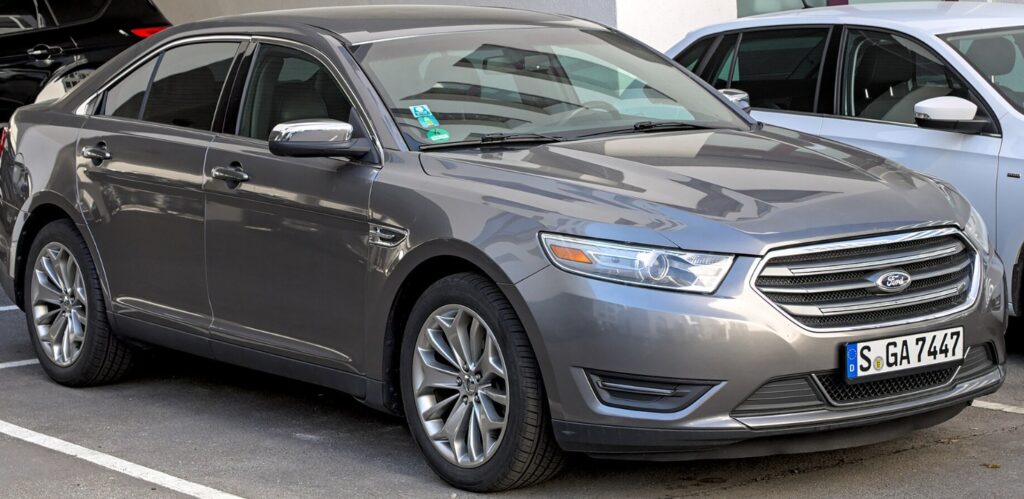
The Ford Taurus vs Chevy Impala debate feels like a final showdown from another era. Before crossovers filled every parking lot, these two large American sedans carried families, sales representatives, police officers, commuters, and road-trip adventurers across thousands of miles.
Both cars offered generous interior space, strong V6 engines, quiet highway manners, and unmistakably American personalities. Yet they approached the full-size-sedan formula differently. The Taurus felt substantial, planted, and slightly muscular. The Impala leaned toward comfort, openness, and easy everyday driving.
Since Ford and Chevrolet no longer sell these models as new cars in the United States, most shoppers now encounter them on the used market. For the clearest comparison, we will focus mainly on the final generations—particularly the 2014–2019 Ford Taurus and the 2014–2020 Chevrolet Impala—while mentioning earlier versions where relevant. Ford ended U.S. Taurus production in 2019, whereas the final Chevrolet Impala model year was 2020.
So, which one deserves a place in your driveway? Let us compare their engines, comfort, reliability, safety, fuel economy, cargo space, maintenance costs, and long-term value.
Content in this publication
- Ford Taurus vs Chevy Impala at a Glance
- A Tale of Two American Sedans
- Exterior Design: Bold or Elegant?
- Interior Space and Passenger Comfort
- Engine Options and Performance
- Transmission and Power Delivery
- Front-Wheel Drive vs All-Wheel Drive
- Ride Quality and Highway Comfort
- Handling and Steering Feel
- Fuel Economy and Running Costs
- Cargo Space and Practicality
- Technology and Infotainment
- Safety Ratings and Driver Assistance
- Reliability: Ford Taurus vs Chevy Impala
- Maintenance and Repair Costs
- Used-Car Value and Depreciation
- Ford Taurus vs Chevy Impala for Snow
- Ford Taurus vs Chevy Impala for Long Trips
- Ford Taurus vs Chevy Impala for Performance
- Which One Should You Buy?
- Pre-Purchase Inspection Checklist
- Final Thoughts
- Frequently Asked Questions
Ford Taurus vs Chevy Impala at a Glance
Before opening the hood, here is the basic personality of each sedan:
| Category | Ford Taurus | Chevy Impala |
|---|---|---|
| Overall character | Solid, heavy and muscular | Comfortable, spacious and refined |
| Standard drivetrain | Front-wheel drive | Front-wheel drive |
| Available AWD | Yes, on selected versions | No on the final generation |
| Performance model | Taurus SHO | No direct SHO equivalent |
| Interior atmosphere | Enclosed and substantial | Open and passenger-friendly |
| Trunk shape | Very large but deep | Large and easier to access |
| Driving style | Stable and planted | Smooth and relaxed |
| Best suited to | Snow-belt drivers and performance fans | Families, commuters and road-trippers |
The simplest interpretation is this: the Taurus is the more specialized choice, while the Impala is the easier sedan to recommend to the average buyer.
A Tale of Two American Sedans
The Taurus and Impala names carry decades of history, but they do not represent exactly the same philosophy.
The Ford Taurus built its modern identity around solidity. Its tall body, high beltline, thick pillars, and weighty road presence made it feel almost like an SUV wearing sedan clothes. It appeared broad, serious, and confident.
The Chevrolet Impala took a more traditional route. Its final generation emphasized passenger comfort, flowing exterior lines, a spacious cabin, and a softer demeanor. It looked substantial without appearing bulky.
Neither car is small. Both are designed for drivers who want room to stretch, a proper trunk, and the steady highway behavior that smaller sedans sometimes struggle to provide.
Why Comparing Model Years Matters
Used-car comparisons become messy when model years are ignored.
A 2012 Impala is fundamentally different from a 2020 Impala. Likewise, a standard Taurus SE and an all-wheel-drive Taurus SHO may share a body shape, but they provide dramatically different performance and ownership experiences.
Engine availability, infotainment systems, safety features, transmissions, and trim equipment can vary. Buyers should therefore compare individual vehicles—not merely the badges on their trunk lids.
For this article, “Taurus” generally means the sixth-generation North American car sold from 2010 through 2019, while “Impala” primarily means the redesigned model introduced for 2014 and sold through 2020.
Exterior Design: Bold or Elegant?
Park these cars side by side and their contrasting personalities become obvious.
The Taurus looks tall and imposing. Its short glass area and thick bodywork create a fortress-like appearance. Later versions gained a cleaner grille and sharper lighting, but the car never attempted to look delicate. It resembles a linebacker wearing a tailored suit.
The Impala appears lower and more fluid. Its sweeping roofline, sculpted doors, and narrower visual profile help disguise its size. It still looks like a full-size sedan, but it carries its dimensions with more grace.
Style is subjective, of course. Drivers who enjoy a tough, commanding design may prefer the Taurus. Those seeking something more elegant and contemporary are likely to favor the Impala.
Visibility and Everyday Maneuverability
The Taurus can feel larger from behind the wheel than its dimensions suggest. Its high dashboard, relatively small windows, wide pillars, and raised trunk line reduce outward visibility. Parking sensors and a reversing camera are especially valuable.
The Impala generally provides a brighter cabin and a clearer sense of the car’s corners. It is still a long sedan, so squeezing into compact parking spaces requires attention, but it feels less enclosed.
In dense city traffic, the Chevrolet is usually the less intimidating companion.
Interior Space and Passenger Comfort
This category produces one of the biggest surprises in the comparison.
The Taurus looks enormous from outside, yet its interior does not use every inch efficiently. The center console is wide, the dashboard surrounds the front occupants, and the roofline can make the cabin feel more confined than expected. Front-seat passengers have adequate space, but the cockpit-style design consumes valuable room.
The Impala feels airier. Its dashboard sweeps outward, its seats are generously proportioned, and rear passengers receive impressive legroom. Adults can sit comfortably in both rows without feeling packed together like luggage.
For families, ride-hailing drivers, or anyone regularly carrying tall passengers, the Impala has the stronger cabin.
Front-Seat Experience
The Taurus places the driver inside a deep cockpit. Some people love that sensation because it creates a protected, performance-oriented environment. Others may find the thick console and high window line restrictive.
The Impala’s front compartment is more open. Controls are generally easy to reach, and the seats suit a wide variety of body types. Its layout feels designed for long periods of relaxed driving rather than aggressive cornering.
Which Cabin Feels More Premium?
Higher Taurus trims can include leather upholstery, heated and ventilated seats, upgraded audio, ambient lighting, navigation, and numerous convenience features. The Limited and SHO versions feel much richer than the base SE.
The Impala LT and Premier can also be impressively equipped, with available leather, heated and ventilated front seats, an eight-inch infotainment display, upgraded audio, and additional driver-assistance technology. The 2020 LT and Premier used a 3.6-liter V6 and included Chevrolet’s eight-inch infotainment system with smartphone compatibility.
Material quality is not flawless in either car. Both contain hard plastics in less visible areas. Still, the Impala’s design tends to look more modern, while the Taurus delivers a heavier, more substantial atmosphere.
Engine Options and Performance
This is where the Ford starts throwing punches.
Most late-model Taurus sedans use a naturally aspirated 3.5-liter V6 producing approximately 288 horsepower. It provides respectable acceleration, although the car’s considerable weight prevents it from feeling especially quick.
The final Impala offered a naturally aspirated 3.6-liter V6 producing roughly 305 horsepower in many model years. Earlier examples could also be found with a smaller four-cylinder engine, but the V6 is better suited to the car’s size and character.
In ordinary driving, the Impala V6 feels responsive and smooth. It accelerates confidently without making a performance spectacle of itself. The standard Taurus V6 is capable, but it must move a heavier-feeling body.
The Ford Taurus SHO Advantage
The Taurus SHO changes the conversation completely.
Its twin-turbocharged 3.5-liter EcoBoost V6 produces around 365 horsepower and sends power through a standard all-wheel-drive system. This transforms the Taurus from a quiet family sedan into a discreet highway missile.
The SHO is not a lightweight sports car. A late example can weigh more than 4,300 pounds, so physics never leaves the room. Nevertheless, its turbocharged torque allows it to surge forward with an urgency the Impala cannot match.
The Impala has no true factory equivalent. Its V6 is strong, but Chevrolet positioned the car around comfort rather than high-performance ambition.
Is the Taurus SHO a Sports Sedan?
Not exactly—at least not in the same sense as a BMW 5 Series or Cadillac CTS.
The SHO is fast in a straight line and reassuring in poor weather, but it remains large, nose-heavy, and comfort-oriented. Think of it as an express train rather than a go-kart. It gathers speed effortlessly, yet it prefers sweeping highways to narrow mountain roads.
For buyers who want stealthy acceleration and all-weather traction, however, the SHO is the clear winner.
Transmission and Power Delivery
Both sedans commonly use six-speed automatic transmissions in their final generations.
The Impala’s transmission generally complements its relaxed personality. Shifts are smooth, and the gearbox works quietly in the background. Hard acceleration can encourage it to drop gears, but its responses rarely feel dramatic.
The Taurus transmission is also smooth under normal conditions, though some vehicles may display delayed engagement, rough shifts, or hesitation as mileage accumulates. These symptoms should never be ignored during a test drive.
On the SHO, the transmission handles considerably more torque. A well-maintained example can perform strongly, but neglected fluid service, repeated hard launches, or aftermarket engine tuning may increase long-term mechanical risk.
What to Check During the Test Drive
Pay attention to:
You may be interested in reading Ford Taurus vs Chevy Malibu: Which Sedan Fits You Best?
- Delayed engagement when shifting into Drive or Reverse
- Hard or abrupt gear changes
- Shuddering under light acceleration
- Hesitation while merging
- Unusual whining or humming noises
- Fluid leaks beneath the vehicle
- Warning lights or stored diagnostic codes
- Vibration during steady highway driving
A pre-purchase inspection is essential. A low purchase price can quickly lose its charm when followed by a major transmission repair.
Front-Wheel Drive vs All-Wheel Drive
The Impala is front-wheel drive. For most drivers, this is perfectly adequate. A quality set of tires matters more than many shoppers realize, and front-wheel drive offers predictable behavior in rain or light snow.
The Taurus is also front-wheel drive in standard form, but all-wheel drive was available on selected trims and standard on the SHO. Some 2019 Taurus configurations offered AWD on SEL and Limited models, giving Ford a meaningful advantage in regions with harsh winters.
All-wheel drive does not shorten braking distances or defeat icy roads. It mainly helps the car accelerate and distribute power more effectively when traction is limited.
Buyers in warm climates may not need it. Buyers dealing with frequent snow, steep roads, or slippery rural routes may consider it one of the Taurus’s strongest selling points.
Ride Quality and Highway Comfort
Both cars are excellent highway cruisers, but the Impala takes the comfort crown.
Its suspension absorbs rough pavement with a controlled softness. Expansion joints and broken surfaces enter the cabin as distant information rather than sharp interruptions. Steering is light enough for daily use but stable at speed.
The Taurus also rides comfortably, though it feels denser and heavier. The body remains planted, and highway stability is excellent. However, larger wheels and sportier SHO suspension settings can transmit more road imperfections.
Which One Is Quieter?
Noise levels depend on tire choice, condition, trim, and road surface. In general, both vehicles isolate occupants well from wind and engine noise.
The Impala’s cabin tends to create a calmer, more spacious impression. The Taurus may produce slightly more tire noise, especially when fitted with aggressive or worn tires.
For long interstate journeys, either sedan can cover distance with ease. The Chevrolet simply feels more like a rolling living room.
Handling and Steering Feel
Nobody buys a full-size sedan expecting the agility of a compact sports coupe. Still, these cars do not behave identically.
The Impala handles predictably. Its steering is light, body movements are gradual, and the car communicates its limits without drama. It prefers smooth inputs and relaxed cornering.
The Taurus feels more planted but also heavier. Its steering can seem less natural at low speeds, and its width becomes noticeable on narrow roads. The SHO offers additional grip and power, yet its mass remains impossible to hide.
For casual driving, the Impala feels easier. For high-speed stability and confident wet-weather acceleration, the Taurus—especially with AWD—holds an advantage.
Fuel Economy and Running Costs
Neither sedan is a fuel-sipping champion.
The V6 Impala typically performs reasonably for a full-size car, particularly on the highway. Its lower weight and front-wheel-drive layout help it achieve better real-world economy than an AWD Taurus in many situations.
The standard Taurus V6 uses more fuel, especially in urban traffic. The SHO’s turbocharged engine and all-wheel-drive system can be thirstier still, particularly when the driver frequently explores its performance.
Your actual consumption will depend on:
- Traffic conditions
- Driving speed
- Engine choice
- Tire pressure
- Vehicle load
- Climate-control use
- Maintenance condition
- Wheel and tire size
- Front-wheel drive or all-wheel drive
If fuel cost is the priority, the Impala is generally the safer choice. If traction or turbocharged performance matters more, the Taurus may justify its additional appetite.
Cargo Space and Practicality
The Taurus has an enormous trunk. With approximately 20 cubic feet available in late models, it can swallow suitcases, shopping bags, sports equipment, and road-trip supplies with ease.
However, its trunk is deep. Small items may slide toward the rear seat, requiring an awkward reach. The opening also does not always feel as usable as the total volume suggests.
The Impala offers a slightly smaller trunk on paper, but its shape and access are practical. Loading bulky luggage tends to be easier, and folding rear seatbacks improve flexibility.
Which Car Works Better for Families?
The Impala wins overall because it combines:
- Better rear-seat legroom
- A brighter cabin
- Easier entry and exit
- A comfortable ride
- A practical trunk
- More intuitive everyday maneuverability
The Taurus remains useful, particularly when cargo volume or AWD matters. Yet the Impala makes better use of its interior dimensions.
Technology and Infotainment
Technology is one area where model year and trim selection make a huge difference.
A basic Taurus can feel dated, while a well-equipped Limited or SHO may offer a touchscreen, navigation, premium audio, blind-spot monitoring, heated seats, cooled seats, adaptive cruise control, and automated parking assistance.
Ford’s SYNC systems improved over time. Later SYNC 3-equipped vehicles are generally more desirable than earlier versions with older interfaces. Before buying, test the screen, Bluetooth connection, USB ports, voice controls, reversing camera, and steering-wheel buttons.
The Impala’s Chevrolet MyLink system is visually cleaner and easy to learn. Later models offer smartphone integration, an eight-inch screen, Bluetooth, navigation on selected trims, and hidden storage behind the motorized display on certain versions.
Which Infotainment System Is Better?
For simplicity, the Impala system gets our vote.
Its menus are generally straightforward, and the dashboard design integrates the screen naturally. The Taurus system can still work well, particularly in later vehicles, but earlier interfaces may feel slower and more complicated.
Regardless of model, inspect every electronic feature. Replacing screens, modules, cameras, or control panels can be expensive.
Safety Ratings and Driver Assistance
Both sedans provide the basic structural advantages of large cars, but neither should be judged solely by its size.
For the 2018 Taurus, the Insurance Institute for Highway Safety rated the moderate-overlap front, original side, roof-strength, and head-restraint evaluations “Good,” while the driver-side small-overlap test received an “Acceptable” result.
The final-generation Impala was redesigned for 2014, and its IIHS safety results vary by test and equipment. Buyers should examine the exact model year and installed driver-assistance package rather than assuming every Impala carries identical technology.
Available features across these vehicles may include:
- Blind-spot monitoring
- Rear cross-traffic alert
- Forward-collision warning
- Lane-departure warning
- Adaptive cruise control
- Parking sensors
- Reversing camera
- Automatic high beams
Many of these systems were optional rather than standard.
Why the VIN Matters
A vehicle identification number allows a dealer or official recall database to identify open recalls and verify factory configuration.
This is particularly important for the Taurus. A 2025 U.S. recall covered certain 2016–2019 Taurus sedans because B-pillar door trim could detach while the vehicle was moving. Owners were instructed to have affected vehicles inspected and repaired without charge.
Never assume a recall has been completed merely because the previous owner says the car was “dealer maintained.”
Reliability: Ford Taurus vs Chevy Impala
Reliability depends more on maintenance history and condition than the name on the grille.
A carefully maintained Taurus can deliver many years of service. A neglected Impala can become expensive. The reverse is equally true.
Still, the naturally aspirated Impala V6 presents a relatively straightforward ownership proposition. The standard Taurus V6 is also familiar and widely serviced, but AWD versions add components, while the SHO introduces turbochargers, additional heat, more complex plumbing, and greater performance stress.
For buyers seeking mechanical simplicity, a front-wheel-drive Impala V6 or standard front-wheel-drive Taurus is usually more reassuring than a heavily modified SHO.
Common Ford Taurus Concerns
Potential trouble areas may include:
- Water-pump failure on certain 3.5-liter engines
- Transmission hesitation or rough shifting
- PTU or AWD-system fluid deterioration
- Suspension wear
- Wheel-bearing noise
- Electrical or infotainment faults
- Climate-control actuator problems
- Turbocharger-related issues on neglected SHO models
- Oil or coolant leaks
- Interior trim deterioration
The internal water-pump design used with some Ford V6 applications deserves special attention. Failure can potentially allow coolant to mix with engine oil, turning a manageable cooling-system problem into serious engine damage.
You may be interested in readingFord Taurus vs Chevy Malibu: Which Sedan Fits You Best?You may be interested in reading
What Year Ford Taurus Is Best? A Complete Used-Car GuideLook for unexplained coolant loss, overheating history, contaminated oil, warning lights, or service records showing cooling-system work.
Common Chevy Impala Concerns
Depending on the year, engine, and mileage, buyers may encounter:
- Infotainment screen problems
- Air-conditioning or actuator failures
- Transmission shift quality issues
- Suspension noises
- Steering-system concerns
- Electrical faults
- Oil leaks
- Timing-related engine noise
- Weak batteries or charging problems
- Premature interior wear
None of these items guarantees that a particular Impala will be unreliable. They are simply areas worth inspecting before purchase.
Which Sedan Is More Dependable?
For a typical used-car buyer, the Impala V6 receives a slight advantage.
Its lack of AWD and turbocharging reduces complexity, and its drivetrain provides strong performance without pushing into specialized performance-car territory.
A standard Taurus can still be a durable purchase. The SHO, however, demands a more cautious buyer, a stronger maintenance budget, and better service documentation.
Maintenance and Repair Costs
Both cars benefit from broad parts availability and familiarity among independent mechanics. Neither requires luxury-brand labor rates simply because it is large and well equipped.
Routine expenses include:
- Engine oil and filter changes
- Brake pads and rotors
- Tires
- Battery replacement
- Spark plugs
- Transmission-fluid service
- Coolant service
- Suspension components
- Wheel alignment
- Air-conditioning repairs
The Taurus may cost more to maintain when equipped with AWD, large wheels, SHO brakes, or turbocharged power. Wider performance tires are rarely cheap, and driveline repairs can erase the savings of an inexpensive purchase.
The Impala’s large wheels and V6 components are not bargain-basement items either, but the overall ownership equation is usually simpler.
The Importance of Service Records
A clean-looking car can hide years of deferred maintenance.
Ask for documentation showing:
- Regular oil changes
- Transmission service
- Cooling-system maintenance
- Brake replacement
- Tire rotation and alignment
- Battery and charging-system repairs
- Recall completion
- Accident repairs
- AWD or PTU service on applicable Taurus models
- Diagnostic work for warning lights
A thick folder of receipts may be more valuable than low mileage without evidence.
Used-Car Value and Depreciation
Because both sedans are discontinued, they often sell for less than comparable SUVs with similar equipment.
That depreciation creates opportunity. A buyer may find leather seating, a V6 engine, premium audio, heated seats, and a spacious cabin for the price of a much smaller crossover.
The Impala often attracts a broad audience because it is comfortable and familiar. The Taurus may appeal to buyers who specifically want AWD, a huge trunk, or SHO performance.
Condition should outweigh trim-level excitement. A pristine Impala LT is normally a wiser purchase than a neglected Premier. A carefully maintained Taurus SEL may provide better value than a modified SHO with missing records.
Ford Taurus vs Chevy Impala for Snow
The Taurus wins this category when equipped with AWD.
Its available all-wheel-drive system provides additional confidence when pulling away on slippery surfaces. Combine it with proper winter tires, and the Taurus becomes a capable cold-weather sedan.
The front-wheel-drive Impala can still manage winter conditions well with suitable tires. In fact, a front-wheel-drive car on excellent winter tires may outperform an AWD car on worn all-season rubber during braking and cornering.
AWD helps you move. Tires help you stop, turn, and maintain control.
Ford Taurus vs Chevy Impala for Long Trips
The Impala is our preferred road-trip vehicle.
Its spacious rear seat, comfortable suspension, open cabin, strong V6, and easier visibility make long journeys feel less tiring. Passengers receive more room to move, and the trunk handles family luggage without difficulty.
The Taurus remains an excellent highway machine. Its planted stance and available AWD inspire confidence, while the SHO can overtake slower traffic with almost comical ease.
Still, when the journey matters more than the acceleration, the Impala creates the calmer experience.
Ford Taurus vs Chevy Impala for Performance
There is no contest: the Taurus SHO wins.
Its 365-horsepower twin-turbo V6 and all-wheel drive create a level of acceleration the Impala does not attempt to match. It is the enthusiast’s choice of this pair.
However, performance comes with responsibilities. The buyer should budget for premium-quality maintenance, inspect the turbocharged engine carefully, avoid questionable modifications, and confirm that the AWD system has been serviced.
The regular Impala V6 is not slow. It simply delivers speed without turning the entire car into a performance project.
Which One Should You Buy?
Choose the Ford Taurus when you prioritize:
- Available all-wheel drive
- A massive trunk
- Heavy, planted highway behavior
- Muscular styling
- SHO performance
- A more enclosed cockpit
- Strong bad-weather acceleration
Choose the Chevy Impala when you prioritize:
- Rear-seat space
- Easier visibility
- A smoother ride
- Better cabin packaging
- Simpler drivetrain choices
- More relaxed handling
- Strong V6 performance without turbo complexity
- Family and road-trip comfort
Our Overall Verdict
The Chevy Impala is the better all-round used sedan for most people.
It feels roomier, rides more comfortably, uses its exterior dimensions more effectively, and asks less of the driver during everyday use. The V6 provides plenty of power, and the final-generation design still looks attractive.
The Ford Taurus remains the more interesting choice. It offers features the Impala cannot match—most notably available AWD and the rapid SHO variant. Drivers living in snowy regions or seeking discreet turbocharged performance may happily accept its heavier feel and tighter cabin.
Pre-Purchase Inspection Checklist
Before buying either sedan, inspect the following:
- Cold-start engine noise
- Coolant level and condition
- Engine-oil appearance
- Transmission engagement
- Suspension knocks
- Tire wear
- Brake vibration
- Air-conditioning performance
- Touchscreen and camera operation
- Power-seat functions
- Warning lights
- Evidence of water leaks
- Accident-repair quality
- Undercarriage corrosion
- Open recalls
- Service history
- Diagnostic trouble codes
Do not test only on smooth city streets. Drive at highway speed, accelerate firmly, brake gradually and aggressively in a safe location, perform tight turns, and listen with the audio system switched off.
A professional inspection may feel like an added expense, but it is inexpensive compared with discovering engine, transmission, or AWD problems after the purchase.
Final Thoughts
The Ford Taurus and Chevy Impala remind us that large sedans still make enormous sense. They are comfortable, practical, powerful, and often surprisingly affordable on the used market.
The Impala behaves like a welcoming home: open, calm, and easy to live in. The Taurus feels more like a private office with reinforced walls—substantial, secure, and slightly intimidating.
For most commuters and families, we would select a well-maintained V6 Impala. It offers the better balance of passenger space, ride comfort, visibility, and everyday usability.
For drivers who need AWD or want a sleeper sedan with serious power, the Taurus—especially the SHO—has a distinct appeal. It may not be the rational winner, but rationality is not always what makes us turn around for one last look after parking.
Ultimately, maintenance history decides more than brand loyalty. The best Taurus will beat a neglected Impala, and the best Impala will beat a poorly maintained Taurus. Search patiently, inspect carefully, and buy the condition—not merely the badge.
Frequently Asked Questions
1. Is the Ford Taurus bigger than the Chevy Impala?
The two vehicles are similarly long, but the Taurus often feels larger and heavier from behind the wheel. The Impala generally uses its interior dimensions more efficiently, especially in the rear-seat area.
2. Which is faster, the Ford Taurus or Chevy Impala?
A standard V6 Taurus and V6 Impala provide comparable everyday performance, although the Impala may feel more responsive because of its power-to-weight balance. The Taurus SHO is considerably faster than any final-generation Impala because it uses a 365-horsepower twin-turbo V6 and AWD.
3. Is the Ford Taurus more reliable than the Chevy Impala?
Neither model is universally more reliable. Condition, mileage, model year, and maintenance history matter greatly. The Impala V6 receives a slight advantage for simplicity, while AWD and SHO Taurus models introduce additional mechanical complexity.
4. Which car has more trunk space?
The Ford Taurus offers the larger trunk by volume, with approximately 20 cubic feet in late models. The Impala’s trunk is slightly smaller but may be easier to load because of its shape and access.
You may be interested in readingFord Taurus vs Chevy Malibu: Which Sedan Fits You Best?You may be interested in reading
What Year Ford Taurus Is Best? A Complete Used-Car GuideYou may be interested in reading
Ford Taurus vs Toyota Avalon: Which Full-Size Sedan Wins?5. Is a used Taurus or Impala worth buying?
Yes, provided the vehicle passes a professional inspection and has a strong maintenance history. Both can deliver excellent comfort and value for buyers who prefer a traditional sedan over an SUV.
If you want to know other articles similar to Ford Taurus vs Chevy Impala: Which Sedan Wins? you can visit the category Models.
Honda Passport vs Toyota 4Runner: Which SUV Is Better?
Honda Passport vs Ford Bronco: Which SUV Is Better?
Honda Passport vs Ford Explorer: Which SUV Is Better?
Honda Passport or Pilot: Which SUV Is Better?
Honda Passport vs Jeep Grand Cherokee: Which SUV Is Better?
Honda Passport vs Nissan Pathfinder: Which SUV Is Better?
Leave a Reply
More content of your interest