

Ford Taurus vs Toyota Avalon: Which Full-Size Sedan Wins?

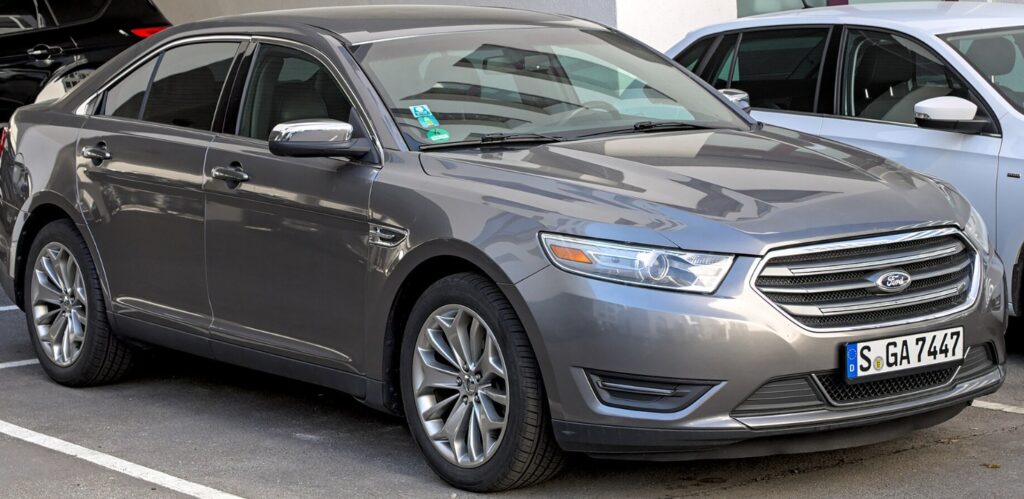
The Ford Taurus vs Toyota Avalon debate is a clash between two very different interpretations of the traditional American-sized sedan. Both cars offer roomy cabins, strong V6 engines, large trunks, and the kind of quiet highway manners that make long journeys feel shorter. Yet beneath those shared qualities, they have noticeably different personalities.
The Ford Taurus feels substantial, secure, and almost SUV-like from behind the wheel. It is the heavier, more muscular choice, especially when equipped with all-wheel drive or the twin-turbocharged SHO powertrain. The Toyota Avalon takes a smoother path. It prioritizes comfort, efficiency, refinement, and low-stress ownership.
So, which one should we buy?
For most used-car shoppers, the Toyota Avalon is the stronger all-around choice because it generally provides better fuel economy, more modern technology, a roomier-feeling interior, and a reputation for dependable long-term ownership. However, the Ford Taurus remains attractive for drivers who want a lower purchase price, available all-wheel drive, an enormous trunk, or the serious performance of the Taurus SHO.
Let us compare them properly—not just by staring at horsepower figures, but by examining how they behave in the real world.
Content in this publication
- Ford Taurus vs Toyota Avalon at a Glance
- Which Model Years Are We Comparing?
- Exterior Design: Muscular or Sophisticated?
- Engine Performance and Acceleration
- Ride Comfort and Highway Manners
- Handling and Steering Feel
- All-Wheel Drive and Winter Capability
- Fuel Economy: A Clear Toyota Advantage
- Interior Space and Seating Comfort
- Trunk Space and Everyday Practicality
- Interior Quality and Overall Ambience
- Technology and Infotainment
- Safety Features and Driver Assistance
- Reliability and Long-Term Ownership
- Maintenance and Repair Costs
- Used Prices and Overall Value
- Ford Taurus SHO vs Toyota Avalon TRD
- Which Car Is Better for Families?
- Which Is Better for Long Highway Trips?
- Which Is Easier to Drive in the City?
- Which Used Ford Taurus Should We Buy?
- Which Used Toyota Avalon Should We Buy?
- Ford Taurus vs Toyota Avalon: Final Scorecard
- Final Verdict: Should We Buy a Taurus or an Avalon?
- Frequently Asked Questions
Ford Taurus vs Toyota Avalon at a Glance
The fairest comparison depends heavily on model year. Ford sold the final U.S.-market Taurus generation from 2010 through 2019, while Toyota offered the fourth-generation Avalon from 2013 through 2018 and the redesigned fifth generation from 2019 through 2022.
Because of that overlap, shoppers may compare:
- A 2013–2018 Ford Taurus with a fourth-generation Avalon
- A 2019 Ford Taurus with a redesigned 2019 Avalon
- A cheaper older Taurus with a newer, more expensive Avalon
- A Taurus SHO with an Avalon Touring or TRD
- A Taurus AWD with the less common 2021 Avalon AWD
Here is the broad picture:
| Category | Ford Taurus | Toyota Avalon |
|---|---|---|
| Overall character | Heavy, solid and traditional | Smooth, refined and efficient |
| Standard engine | Usually a 3.5-liter V6 | Usually a 3.5-liter V6 |
| Performance model | Taurus SHO | Avalon TRD or Touring |
| Hybrid option | No | Yes |
| All-wheel drive | Widely available on certain trims | Available only for 2021 |
| Trunk space | Exceptionally large | Large and practical |
| Fuel economy | Below average to average | Generally better |
| Cabin design | Solid but aging | More modern, especially from 2019 |
| Used price | Usually lower | Usually higher |
| Best suited to | Value and AWD shoppers | Comfort and long-term ownership |
The Taurus resembles a broad-shouldered bodyguard in a dark suit. The Avalon is more like a polished executive who never appears rushed. Both can handle a long interstate drive, but they create different moods while doing it.
Which Model Years Are We Comparing?
Before choosing a winner, we need to avoid mixing generations carelessly.
Final Ford Taurus Generation
The sixth-generation Ford Taurus arrived for the 2010 model year and continued through 2019. Ford refreshed it for 2013, updating its styling, technology, engine choices, and interior details.
Most later Taurus models used a naturally aspirated 3.5-liter V6 producing approximately 288 horsepower. The performance-focused SHO paired a twin-turbocharged 3.5-liter EcoBoost V6 with standard all-wheel drive and substantially more power.
Ford ended U.S. Taurus production after the 2019 model year. By then, the sedan remained capable but was competing with newer platforms and more modern interiors.
Fourth- and Fifth-Generation Toyota Avalon
Toyota redesigned the Avalon for 2013, giving it a more athletic appearance and a lighter, more sophisticated road character than earlier versions. The 2013–2018 gasoline Avalon used a 3.5-liter V6 producing 268 horsepower, while the Avalon Hybrid combined a four-cylinder gasoline engine with an electric motor.
Another complete redesign arrived for 2019. The fifth-generation Avalon gained Toyota’s TNGA platform, sharper handling, newer technology, and a 301-horsepower V6. Toyota also continued offering a hybrid. The 2022 lineup included both a 301-horsepower V6 and a hybrid rated at up to an EPA-estimated 44 mpg in XLE form.
Toyota discontinued the Avalon in the United States after 2022, replacing its flagship-sedan role with the Crown.
Exterior Design: Muscular or Sophisticated?
Styling is subjective, but these sedans clearly speak different visual languages.
Ford Taurus Design
The Taurus has a tall beltline, thick pillars, a high dashboard, and a broad body. It looks substantial because it genuinely is substantial. Its shape communicates protection and road presence rather than delicacy.
Later Limited models can still look dignified, particularly with larger wheels and chrome accents. The SHO takes a darker approach with sportier wheels, a rear spoiler, unique trim, and dual exhaust outlets.
However, the Taurus can appear bulky from certain angles. Its high body and relatively small-looking windows make it seem almost like a crossover wearing a sedan costume.
Toyota Avalon Design
The 2013–2018 Avalon looks lower, sleeker, and more graceful than the Taurus. Its proportions are cleaner, and its body appears less massive despite providing excellent passenger space.
The 2019 redesign became much more dramatic. Its oversized front grille will not appeal to everyone, but the overall design is modern, low-slung, and distinctive. Touring and TRD versions add black exterior details, larger wheels, spoilers, and sportier bodywork.
Our Styling Verdict
The Taurus wins for traditional strength and understated authority. The Avalon wins for visual sophistication and a more contemporary profile.
Neither one is invisible, but the Avalon generally wears its size more elegantly.
Engine Performance and Acceleration
Both sedans can provide confident highway acceleration, although the experience varies significantly by engine and trim.
Ford Taurus Standard V6
The later Taurus commonly uses a 3.5-liter naturally aspirated V6 producing 288 horsepower and 254 lb-ft of torque. It is connected to a six-speed automatic transmission.
Those figures sound strong, but the Taurus carries considerable weight. A front-wheel-drive 2019 Taurus SEL weighs approximately 3,917 pounds, so the V6 must work harder than its horsepower figure initially suggests.
Acceleration is adequate rather than thrilling. The engine feels smooth, and it has enough power for overtaking, but the transmission can appear hesitant compared with newer eight-speed units.
Toyota Avalon V6
The 2013–2018 Avalon’s 3.5-liter V6 produces 268 horsepower and 248 lb-ft of torque. Toyota paired it with a six-speed automatic and stated that it could reach 60 mph in under seven seconds.
Although it has less horsepower than the standard Taurus, the Avalon feels lively because it is lighter and delivers its power cleanly.
The 2019–2022 Avalon is stronger still. Its 3.5-liter V6 produces 301 horsepower and 267 lb-ft of torque, working through an eight-speed automatic transmission.
This combination gives the newer Avalon brisk acceleration without turning the car into an unruly sports sedan.
Ford Taurus SHO Performance
The Taurus SHO is the wild card in this comparison.
Its twin-turbocharged 3.5-liter EcoBoost V6 produces 365 horsepower and 350 lb-ft of torque. Standard all-wheel drive helps it transfer that power to the road. When the driver presses the accelerator, the SHO gathers speed with surprising urgency.
It is a classic sleeper: large, discreet, comfortable, and much faster than its shape suggests.
However, the SHO is also heavy. It attacks straight roads more convincingly than tight corners, where its mass becomes impossible to hide. Think of it as a charging rhinoceros rather than a dancing gazelle.
Toyota Avalon TRD and Touring
The Avalon Touring and TRD use the same 301-horsepower V6 found in other gasoline models. Their performance upgrades focus on suspension tuning, exhaust sound, chassis response, wheels, tires, and appearance rather than additional engine output.
Toyota equipped the Avalon TRD with an eight-speed automatic, sport mode, paddle shifters, and a TRD-tuned exhaust.
They feel sharper than a regular Avalon, but neither matches the Taurus SHO’s turbocharged thrust.
Performance Winner
- Standard models: Toyota Avalon
- Maximum acceleration: Ford Taurus SHO
- Smooth everyday power: Toyota Avalon
- Wet-weather traction: Ford Taurus AWD
- Sporty but balanced behavior: Avalon Touring or TRD
Ride Comfort and Highway Manners
Large sedans should make long trips feel effortless. Both cars succeed, but once again, they use different methods.
How the Taurus Rides
The Taurus has a planted, heavy feel. It tracks steadily on the highway and isolates occupants from much of the outside world. Crosswinds and passing trucks rarely disturb it.
Its weight can become an advantage on open roads, creating the sense that the car is anchored to the pavement. It feels secure rather than delicate.
The downside is that the ride can become firmer with larger wheels, particularly on SHO models. Rough surfaces also reveal that the platform is older and less polished than the newer Avalon’s TNGA foundation.
How the Avalon Rides
The Avalon feels lighter on its feet but remains calm and composed. Conventional trims absorb road imperfections smoothly without floating excessively.
The 2019–2022 version achieves a particularly useful balance. It feels comfortable enough for relaxed cruising while offering more precise steering and better body control than many traditional full-size sedans. Toyota described the TNGA platform as a high-strength foundation designed to improve balance and smoothness.
Touring and TRD versions ride more firmly, so comfort-focused buyers should favor XLE or Limited trims.
Ride Winner: Toyota Avalon
The Taurus is stable, but the Avalon feels more polished. It controls body movement better, absorbs bumps more gracefully, and asks less effort from the driver.
Handling and Steering Feel
Nobody buys either model expecting a lightweight sports car, yet predictable handling still matters.
Ford Taurus Handling
The Taurus grips securely in normal driving. All-wheel-drive versions feel confident in rain and light snow, and the SHO’s wider tires add further traction.
Still, its steering can feel numb, and the wide body requires care in narrow streets or parking structures. Quick direction changes remind us that this is a large, heavy sedan.
We can hustle it, but it never shrinks around the driver.
Toyota Avalon Handling
The Avalon responds more naturally. The steering is lighter but usually more precise, and the body feels less reluctant to change direction.
You may be interested in reading Ford Taurus vs Honda Accord: Which Used Sedan Is Better?
The 2019–2022 Avalon is especially impressive. Its lower seating position, stiffer structure, and newer suspension design make it feel closer to a stretched Camry than an old-fashioned luxury barge.
The Touring and TRD trims sharpen that behavior further, although they sacrifice some ride softness.
Handling Winner: Toyota Avalon
The Taurus delivers stability. The Avalon delivers stability with greater agility.
All-Wheel Drive and Winter Capability
This category gives the Ford a meaningful advantage.
Ford offered all-wheel drive on multiple Taurus configurations, including the SHO. The system improves traction when accelerating on slippery roads and can make the Taurus appealing to shoppers in snowy regions.
Toyota sold most Avalons with front-wheel drive. All-wheel drive became available for the 2021 model year, but only with a 2.5-liter four-cylinder engine rather than the V6. Consequently, finding a used AWD Avalon is much harder than locating an AWD Taurus.
However, we should remember that all-wheel drive does not improve every aspect of winter driving. Proper winter tires remain crucial for braking and cornering on snow or ice.
AWD Winner: Ford Taurus
For shoppers who require all-wheel drive and want a large sedan, the Taurus offers greater availability and stronger engine choices.
Fuel Economy: A Clear Toyota Advantage
Fuel consumption is one of the largest differences between these cars.
Ford Taurus Fuel Economy
A front-wheel-drive 2019 Taurus with the 3.5-liter V6 is rated at approximately 18 mpg city, 26 mpg highway, and 21 mpg combined. Its fuel tank holds 19 gallons.
All-wheel-drive and SHO versions usually consume more fuel. The combination of a large engine, six-speed transmission, and high curb weight makes frequent fuel stops part of Taurus ownership.
Toyota Avalon V6 Fuel Economy
The 2013–2018 Avalon V6 achieves roughly 24–25 mpg combined depending on year and trim. Toyota listed the 2017 model at 21 mpg city, 30 mpg highway, and 24 mpg combined.
The 2019–2022 V6 benefits from an eight-speed automatic and newer engineering, helping it deliver strong power without Taurus-level thirst.
Toyota Avalon Hybrid Fuel Economy
The Avalon Hybrid transforms this comparison. The 2022 XLE Hybrid carries an EPA estimate of up to 44 mpg, an extraordinary figure for a spacious full-size sedan.
That can nearly double the combined economy of a conventional Taurus.
A hybrid may cost more initially, and a pre-purchase inspection should include its battery and cooling system. Nevertheless, the potential fuel savings are substantial for commuters and high-mileage drivers.
Fuel-Economy Winner: Toyota Avalon
This is not a close result. Even the V6 Avalon generally beats the Taurus, while the hybrid plays in another league entirely.
Interior Space and Seating Comfort
Dimensions do not tell the entire story. The Taurus looks enormous outside, but its interior can feel less spacious than expected.
Ford Taurus Cabin
The Taurus offers broad front seats and plenty of shoulder room. Drivers who enjoy feeling surrounded by a substantial dashboard and tall center console may appreciate its cockpit-like design.
Yet that same design consumes visual and physical space. The high beltline, thick roof pillars, and wide center console can make the cabin feel enclosed.
Rear-seat comfort is adequate, but the Taurus does not convert its exterior bulk into class-leading legroom. Taller passengers may expect more after seeing the car from outside.
Toyota Avalon Cabin
The Avalon makes more efficient use of its footprint. Both generations offer adult-friendly rear seating, comfortable seat cushions, and a more open atmosphere.
The rear seat is one of its strongest features. It is well suited to families, business travel, airport transfers, or anyone who frequently carries adults.
Limited trims add features that create a near-luxury experience without the badge-related costs of a Lexus ES.
Passenger-Space Winner: Toyota Avalon
The Taurus is wide and comfortable, but the Avalon feels airier and uses its cabin space more intelligently.
Trunk Space and Everyday Practicality
The Taurus fights back with one of the biggest trunks in the sedan world.
Ford Taurus Trunk
The 2019 Taurus provides approximately 20.1 cubic feet of cargo capacity.
That is enormous. It can swallow luggage, groceries, sports equipment, or work supplies with room remaining. For airport trips, road travel, or family use, it is a genuine asset.
The trunk opening is not perfect, and the rear seats do not create the same cargo flexibility as a hatchback. Still, the sheer volume is difficult to ignore.
Toyota Avalon Trunk
Gasoline Avalons also provide generous luggage capacity, though usually less than the Taurus. Hybrid models may sacrifice some space depending on generation because of battery packaging.
Even so, the Avalon’s trunk remains practical for normal family use.
Cargo Winner: Ford Taurus
The Avalon is useful; the Taurus is cavernous.
Interior Quality and Overall Ambience
The Taurus cabin is functional, while the Avalon aims closer to entry-level luxury.
Materials in the Taurus
Later Limited and SHO models include leather upholstery, heated and ventilated front seats, memory settings, adjustable pedals, remote start, and other upscale equipment.
However, material quality varies. Some surfaces feel appropriately premium, while others reveal hard plastics and an aging design. The center stack also looks more dated with each passing year.
Materials in the Avalon
The Avalon generally uses softer materials, cleaner stitching, and more elegant trim. Limited versions may include premium leather, upgraded audio, ambient lighting, heated and ventilated seats, and rear-passenger amenities.
The 2019–2022 cabin is much more modern than the Taurus interior. Its dashboard has a strong visual identity, and its controls are easier to understand once we spend a few minutes inside.
Interior-Quality Winner: Toyota Avalon
The Taurus can be richly equipped, but the Avalon integrates its features into a more cohesive and convincing environment.
Technology and Infotainment
Technology depends strongly on model year.
Ford SYNC in the Taurus
Early versions of MyFord Touch developed a reputation for slow responses and confusing menus. Later updates improved usability, and newer Taurus models equipped with SYNC 3 are considerably easier to operate.
A used buyer should verify which system the car has rather than assuming every model provides the same experience.
Depending on trim and year, features may include:
- Touchscreen infotainment
- Navigation
- Bluetooth
- Sony premium audio
- Remote start
- Blind-spot monitoring
- Adaptive cruise control
- Automatic parking assistance
- Heated and cooled front seats
Toyota Avalon Technology
Older Avalons also have dated interfaces by modern standards, but their controls are generally straightforward.
The 2019–2022 models offer a more contemporary system and broader driver-assistance technology. Toyota made Safety Sense 2.5+ standard across all 2022 Avalon grades.
One complication is smartphone compatibility. Apple CarPlay availability improved during the final generation, but Android Auto support varies by year and configuration. Buyers should test their phone before purchasing.
Technology Winner: Toyota Avalon
A late Taurus with SYNC 3 remains perfectly usable, but the newest Avalon provides the more modern package.
Safety Features and Driver Assistance
Both sedans can be equipped with valuable safety technology, though newer Avalons generally provide more of it as standard equipment.
Available Taurus features may include blind-spot monitoring, rear cross-traffic alert, forward-collision warning, adaptive cruise control, lane-keeping assistance, and automatic high beams.
The Avalon increasingly standardized active-safety features as it evolved. Later models include systems such as pre-collision assistance, adaptive cruise control, lane-departure alert, lane-tracing assistance, and road-sign recognition, depending on model year.
We should not treat driver-assistance technology as a substitute for attention. These systems are safety nets, not invisible chauffeurs.
Safety-Technology Winner: Toyota Avalon
The Ford can be well equipped, but finding the desired features may require more careful trim-by-trim shopping.
Reliability and Long-Term Ownership
Reliability is where the Avalon earns much of its reputation.
You may be interested in readingFord Taurus vs Honda Accord: Which Used Sedan Is Better?You may be interested in reading
Ford Taurus vs Mondeo: Which Ford Sedan Is the Better Buy?Ford Taurus Reliability Considerations
A well-maintained Taurus can cover high mileage, but shoppers should inspect several areas carefully:
- Water-pump condition on applicable 3.5-liter V6 engines
- Coolant leaks or unexplained coolant loss
- Transmission shift quality
- PTU condition on all-wheel-drive models
- Turbocharger and boost-system condition on the SHO
- Suspension wear
- Electrical accessories and infotainment operation
- Evidence of neglected fluid changes
The internal water-pump design used in some Ford V6 applications deserves particular attention because failure can become expensive. A service history is more valuable than an unusually shiny exterior.
The SHO adds complexity through turbochargers and all-wheel drive. It is exciting, but it is not the model we would choose when minimum operating cost is the main goal.
Toyota Avalon Reliability Considerations
The Avalon’s naturally aspirated V6 and conventional automatic transmissions have generally established a strong ownership reputation. That does not make every example flawless.
We should still inspect:
- Oil leaks
- Cooling-system condition
- Transmission behavior
- Suspension components
- Infotainment operation
- Accident repairs
- Hybrid battery health on hybrid models
- Completeness of maintenance records
A neglected Avalon can become troublesome, while a carefully maintained Taurus can remain dependable. Model reputation never replaces an inspection.
Reliability Winner: Toyota Avalon
All else being equal, the Avalon is the safer long-term bet. Its mechanical package is generally less intimidating, especially when compared with an AWD Taurus SHO.
Maintenance and Repair Costs
The Taurus may cost less to purchase, but that advantage can shrink if it requires major repairs.
Parts availability is usually reasonable because Ford sold many Taurus models and shared components with other vehicles. Independent mechanics are also familiar with Ford’s V6 engines.
However, labor-intensive engine repairs, AWD-system problems, turbocharger issues, or neglected transmission maintenance can produce large bills.
The Avalon may cost more upfront, but routine ownership is often more predictable. Toyota parts are widely available, and many repair shops understand the platform well. Hybrid-specific service can cost more when required, but the gasoline engine experiences less stress in certain driving conditions, and regenerative braking may reduce conventional brake wear.
Ownership-Cost Winner: Toyota Avalon
The Taurus wins on acquisition price. The Avalon generally wins over a longer ownership period.
Used Prices and Overall Value
Used-market pricing changes constantly, so we should compare equivalent mileage, condition, location, trim, and service history.
In general, the Taurus sells for less than a similar-year Avalon. That makes it appealing when our budget is tight but we still want a large, powerful, well-equipped sedan.
A Taurus Limited can deliver leather seats, a huge trunk, strong V6 power, and many comfort features for the price of a smaller economy car.
The Avalon commands a premium because buyers value its fuel economy, refinement, and reputation. The higher resale value hurts at purchase time but helps when we eventually sell it.
When the Taurus Is the Better Value
Choose the Taurus when:
- The purchase budget is limited
- We need a very large trunk
- All-wheel drive is important
- We prefer a heavy, secure highway feel
- We want SHO performance
- We find a documented, carefully maintained example
When the Avalon Is Worth Paying More
Choose the Avalon when:
- We prioritize fuel economy
- We regularly carry rear passengers
- Long-term dependability matters most
- We want a more modern cabin
- We prefer lighter, more natural handling
- We want a hybrid
- We intend to keep the car for many years
Ford Taurus SHO vs Toyota Avalon TRD
This is the enthusiast’s version of the comparison.
The Taurus SHO is substantially more powerful. Its 365-horsepower twin-turbo V6 and all-wheel-drive system deliver strong launches and effortless passing power.
The Avalon TRD has 301 horsepower, front-wheel drive, sport suspension tuning, a louder exhaust, structural reinforcements, and aggressive styling. It feels sharper in corners but cannot match the SHO’s straight-line force.
The SHO is the stronger sleeper and the faster car. The Avalon TRD feels newer, more precise, and potentially easier to own.
Choose the Taurus SHO For:
- Turbocharged acceleration
- Standard all-wheel drive
- Understated performance
- Strong highway passing power
Choose the Avalon TRD For:
- Better chassis response
- More modern technology
- Aggressive factory styling
- Simpler naturally aspirated power
- Greater emphasis on balanced handling
The SHO is a hammer. The Avalon TRD is a sharpened carving knife. One strikes harder; the other feels more controlled.
Which Car Is Better for Families?
The Avalon is generally the better family sedan because it offers a more welcoming rear seat, better fuel economy, newer available safety equipment, and a calmer ownership proposition.
The Taurus remains a useful family vehicle, especially for luggage-heavy trips. Its giant trunk can carry an impressive amount of gear, and its solid highway behavior encourages confidence.
However, the Avalon’s cabin packaging makes everyday life easier. Installing child seats, carrying adults, and entering or exiting the rear compartment generally feel less awkward.
Family Winner: Toyota Avalon
The Taurus carries more cargo. The Avalon carries people more comfortably.
Which Is Better for Long Highway Trips?
Both cars are excellent highway cruisers.
The Taurus feels heavy, stable, and isolated. Its large fuel tank and huge trunk suit cross-country journeys, although its lower fuel economy means more expensive stops.
The Avalon is quieter, more efficient, and less tiring to guide through curves or crowded traffic. Hybrid versions can travel remarkable distances without consuming much fuel.
For pure stability and luggage capacity, the Taurus makes a strong case. For total comfort and operating efficiency, the Avalon takes the lead.
Which Is Easier to Drive in the City?
The Avalon is easier to manage in urban conditions.
The Taurus feels wide, and its high beltline can make visibility challenging. Parking sensors and a rear camera help, but tight garages still require attention.
The Avalon feels less cumbersome. Its lighter steering, better outward visibility, and more responsive chassis reduce the sense that we are maneuvering a land yacht through narrow streets.
City-Driving Winner: Toyota Avalon
Which Used Ford Taurus Should We Buy?
Among standard models, a later Taurus SEL or Limited with documented maintenance can provide the best balance of equipment and price.
Front-wheel drive is mechanically simpler and usually more economical. All-wheel drive is worthwhile when climate or road conditions genuinely demand it.
The SHO should be purchased because we want its performance—not merely because it appears inexpensive. A neglected performance sedan can become the most expensive “bargain” on the block.
Before buying, arrange an independent inspection and pay particular attention to cooling-system health, AWD components, transmission behavior, fluid condition, and service records.
Which Used Toyota Avalon Should We Buy?
A 2016–2018 Avalon represents a compelling balance of traditional styling, proven mechanical components, comfort, and value.
A 2019–2022 Avalon is the better choice for shoppers seeking modern safety equipment, sharper handling, updated technology, and the 301-horsepower V6.
The Hybrid is ideal for high-mileage drivers, although battery condition should be evaluated. The Limited trim emphasizes luxury, while XLE models often provide the strongest value. Touring and TRD variants suit buyers willing to exchange some ride softness for sportier responses.
Ford Taurus vs Toyota Avalon: Final Scorecard
| Category | Winner |
| Standard-engine performance | Toyota Avalon |
| Maximum performance | Ford Taurus SHO |
| Fuel economy | Toyota Avalon |
| Hybrid availability | Toyota Avalon |
| AWD availability | Ford Taurus |
| Ride refinement | Toyota Avalon |
| Handling | Toyota Avalon |
| Rear-seat comfort | Toyota Avalon |
| Trunk capacity | Ford Taurus |
| Interior quality | Toyota Avalon |
| Modern technology | Toyota Avalon |
| Long-term ownership confidence | Toyota Avalon |
| Lowest typical purchase price | Ford Taurus |
| Overall winner | Toyota Avalon |
Final Verdict: Should We Buy a Taurus or an Avalon?
The Toyota Avalon wins this comparison for most buyers.
It is typically more efficient, more refined, more spacious inside, and easier to drive. Later examples also provide newer safety technology, stronger infotainment, and a more sophisticated chassis. The availability of a hybrid gives it an advantage the Taurus cannot answer.
The Avalon is the car we choose with our sensible side. It is relaxed without feeling lazy, upscale without becoming pretentious, and powerful without drinking fuel like a leaking bucket.
Still, the Ford Taurus should not be dismissed.
It offers tremendous used-car value, a gigantic trunk, broad availability of all-wheel drive, and a reassuring highway presence. The Taurus SHO also provides a level of turbocharged performance no regular Avalon can match.
Our decision ultimately depends on priorities:
- Buy the Toyota Avalon for refinement, fuel economy, passenger comfort, and long-term peace of mind.
- Buy the Ford Taurus for lower initial cost, cargo capacity, AWD availability, or SHO performance.
A good Avalon is usually the smarter purchase. A good Taurus can be the more interesting bargain.
The most important word in both sentences is “good.” Condition, maintenance history, inspection results, and previous ownership matter more than the badge on the trunk.
Frequently Asked Questions
1. Is a Ford Taurus more reliable than a Toyota Avalon?
Usually, the Toyota Avalon is considered the stronger long-term ownership choice. Its naturally aspirated engines and conventional drivetrains are comparatively straightforward. A well-maintained Taurus can still last many years, but AWD and SHO models introduce additional components that can increase repair risk and cost.
2. Is the Ford Taurus bigger than the Toyota Avalon?
The Taurus feels larger and heavier, and it provides an exceptionally large trunk. However, the Avalon often uses its interior space more efficiently and may feel roomier for rear passengers. The Taurus is the bulkier car; the Avalon is generally the better-packaged one.
3. Which is faster, the Ford Taurus or Toyota Avalon?
The answer depends on trim. A standard newer Avalon V6 is likely to feel quicker and more responsive than a regular Taurus V6. However, the 365-horsepower Taurus SHO is faster than conventional Avalon models and offers stronger turbocharged acceleration.
You may be interested in readingFord Taurus vs Honda Accord: Which Used Sedan Is Better?You may be interested in reading
Ford Taurus vs Mondeo: Which Ford Sedan Is the Better Buy?You may be interested in reading
 Mitsubishi Outlander Years to Avoid: A Used-Buyer’s Guide
4. Does the Toyota Avalon offer all-wheel drive?
All-wheel drive was available on the 2021 Toyota Avalon with a four-cylinder engine, but most Avalons are front-wheel drive. The Taurus offered AWD more widely and paired it with V6 power, making the Ford easier to find for shoppers who need additional traction.
5. Which car is cheaper to own, the Taurus or Avalon?
The Taurus is usually cheaper to buy, while the Avalon is often cheaper to operate over time. The Toyota generally uses less fuel and may retain its value better. Actual costs depend on mileage, condition, maintenance history, insurance, trim, and whether the Taurus has AWD or the SHO powertrain.
If you want to know other articles similar to Ford Taurus vs Toyota Avalon: Which Full-Size Sedan Wins? you can visit the category Models.
Honda Passport vs Toyota 4Runner: Which SUV Is Better?
Honda Passport vs Ford Bronco: Which SUV Is Better?
Honda Passport vs Ford Explorer: Which SUV Is Better?
Honda Passport or Pilot: Which SUV Is Better?
Honda Passport vs Jeep Grand Cherokee: Which SUV Is Better?
Honda Passport vs Nissan Pathfinder: Which SUV Is Better?
Leave a Reply
More content of your interest